



Protein Cottage Cheese Flatbread in a Pan
Ingredients
Method
- Blend the cottage cheese in a high-power blender until smooth.
- Combine the dry ingredients in a large mixing bowl.
- Add the blended cottage cheese and mix until a dough ball forms.
- Turn the dough onto a lightly floured surface and knead for several minutes, adding small amounts of flour as needed to manage stickiness without over-flouring.
- Place the dough back in the bowl, cover with plastic wrap or a towel, and let rest in a warm, draft-free area for 45 to 60 minutes.
- Divide the rested dough into 12 equal portions and roll each into a hand-sized flatbread using a rolling pin.
- Heat a cast iron skillet or heavy-bottomed pot over medium-high heat and add a small amount of oil.
- Cook the flatbreads one at a time for a few minutes on each side.
- Transfer the flatbreads to a plate and cover with a clean tea towel.
- Serve immediately with your favorite curry or side dish.
Nutrition
Notes
Storage instructions
These flatbreads keep well in the fridge for 3-5 days or in the freezer for up to 3 months if protected well from freezer burn.Why You’ll Love This Frying Pan Method
I remember standing on a wooden stool in my teta’s kitchen in Heliopolis, watching her fold butter into dough for feteer meshaltet. She always cooked her flatbreads on a heavy skillet over an open flame. She insisted the direct heat created the best texture.
Lately, I keep seeing everyone bake the viral cottage cheese wrap in the oven. I need to test that assumption. Why turn on an oven for thirty minutes when making a cottage cheese flatbread in frying pan takes a fraction of the time?
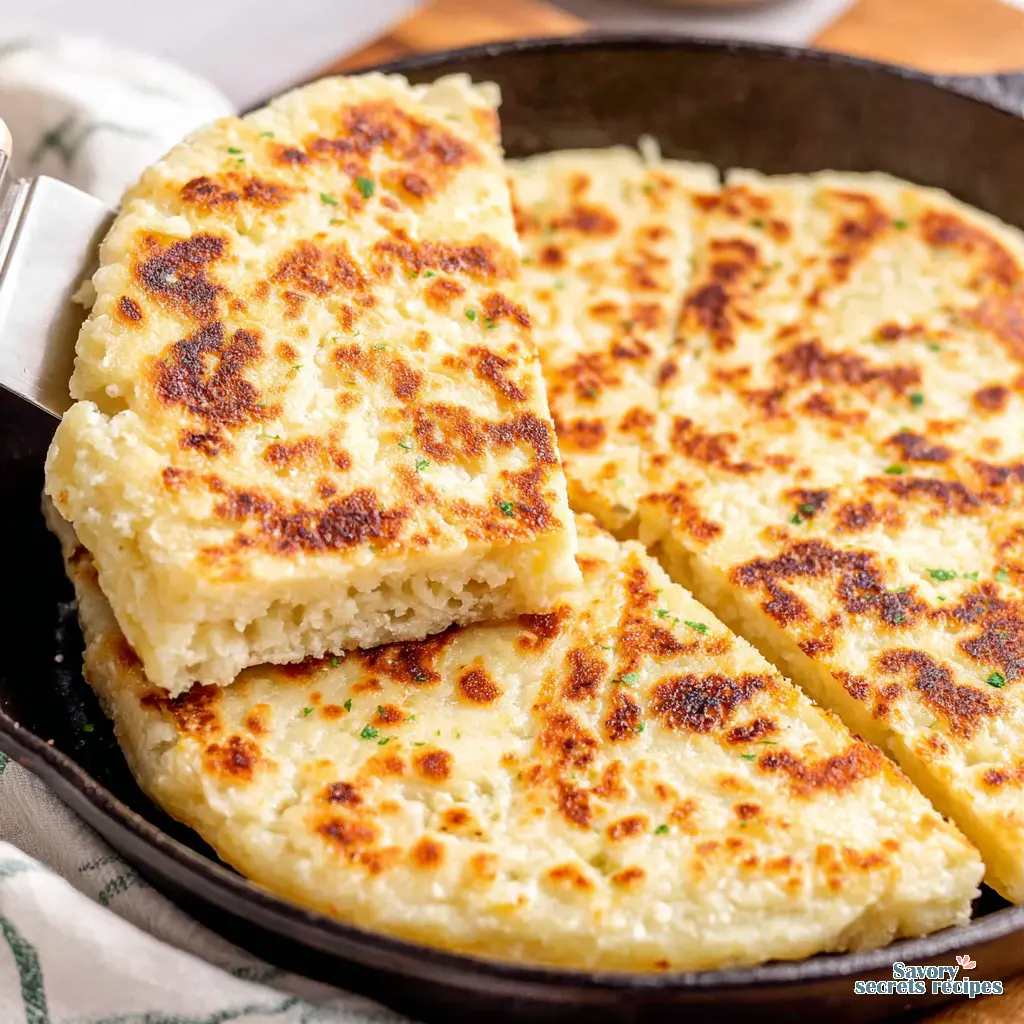
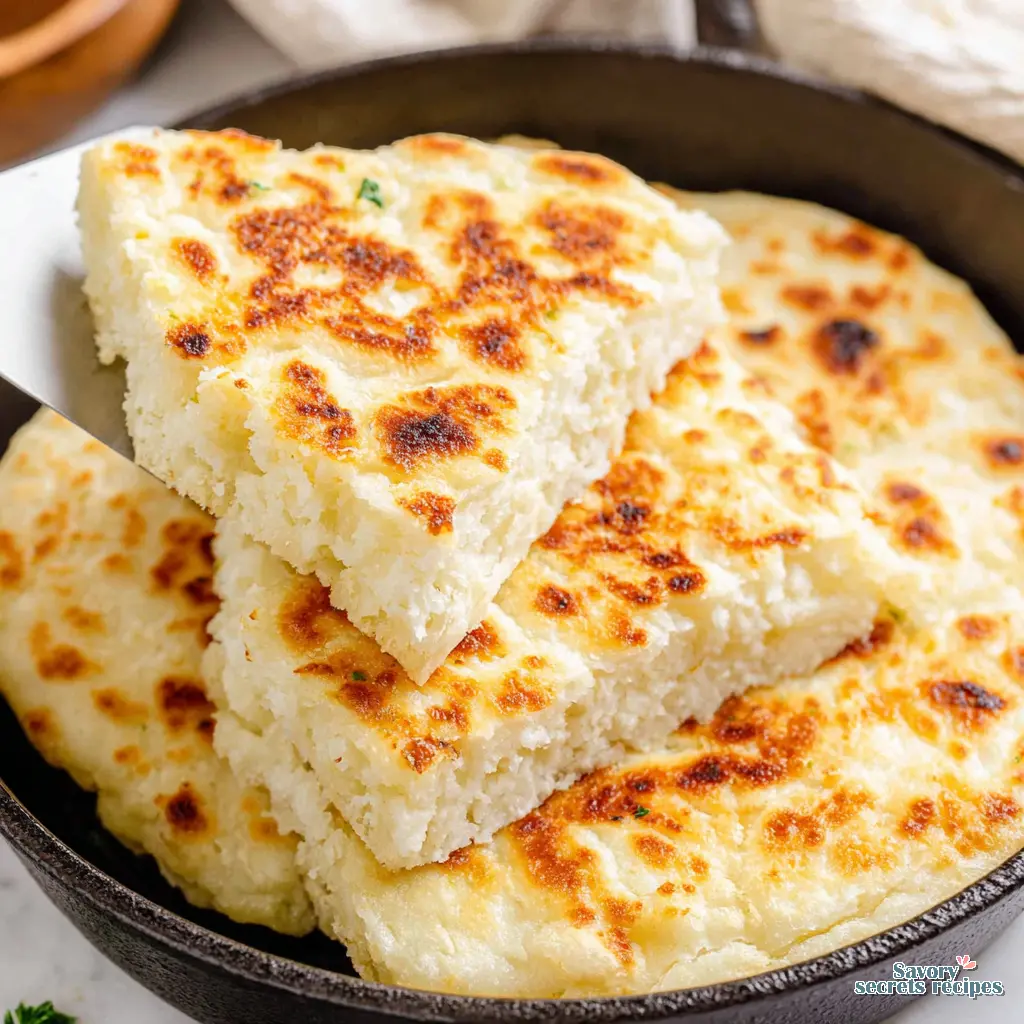
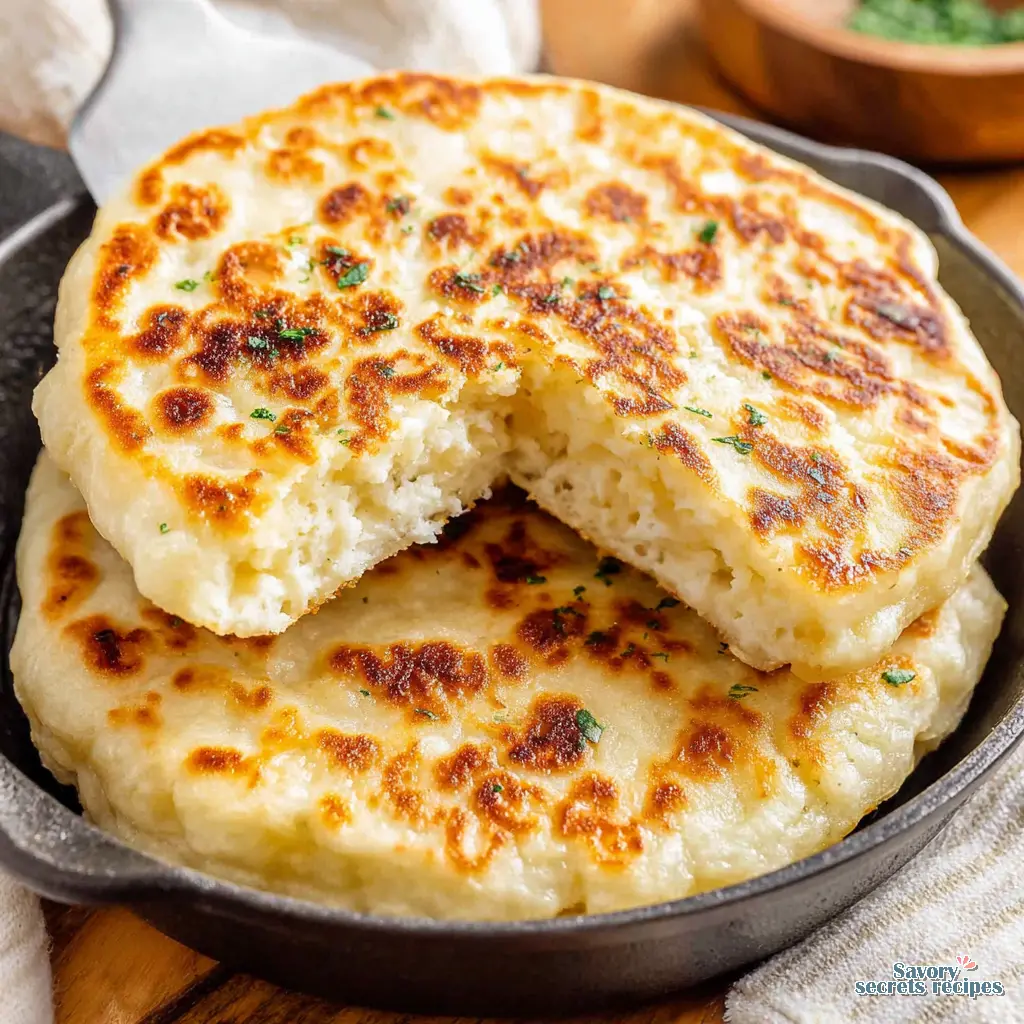
This is exactly the texture we’re after. By using a skillet, you get a beautiful, flexible tortilla substitute that browns perfectly on the outside while staying soft inside. It behaves like a savory crepe, but with massive amounts of protein.
If you’re a student cooking in a tiny apartment, or just hungry between classes, this cottage cheese flatbread frying pan recipe is your new best friend. You don’t need fancy equipment. Just a good pan, a spatula, and ten minutes.
The Core Ingredients for Cottage Cheese Flatbread
I prefer working with weight measurements exclusively, but this batter is incredibly forgiving. You really only need two main components to build the base.
First, you need blended cottage cheese. This is the detail that changes everything. If you skip blending, you end up with a chunky, weird omelet. Brands with higher moisture (like Daisy) blend much more easily into a smooth, creamy base.
Second, you need a binder. Some versions use egg whites, while others use flour. I’ve found that using self-rising flour gives you an automatic lift and a much more authentic bread texture. If you don’t have self-rising flour, just mix one cup of all-purpose flour with one and a half teaspoons of baking powder and a pinch of salt.
You’ll also want some basic seasonings. Garlic powder, a little salt, and maybe some dried oregano completely change the flavor profile. The smell shifts right before it’s done, and that garlic aroma is incredible.
Step-by-Step Frying Pan Instructions
Here’s what I’m noticing about stovetop breads. Temperature matters more than time here. You want to cook this over medium-low heat. If the pan is too hot, the outside burns before the cheese sets.
Let’s talk about the best skillet for cottage cheese bread. A high-quality non-stick skillet is your safest bet for beginners. If you’re comfortable with cast iron, that works beautifully too, but make sure it’s incredibly well-seasoned. Either way, a light mist of cooking spray helps.
I always use the “water drop test” before pouring my batter. Flick a tiny drop of water into the pan. If it gently sizzles and dances, you’re ready. If it aggressively pops and vanishes instantly, your pan is too hot. Give it another ten minutes to cool down slightly.
Pour your batter and flatten it to a quarter-inch thick for pliable wraps. If you want a thick pita-style bread, flatten it to half an inch. Then, use the lid trick. Cover the pan with a lid. The trapped steam helps cook the top layer, making the flip infinitely easier.

Expert Tips for the Perfect Texture
I’ve seen this go both ways. Sometimes people get a perfect wrap on the first try, and sometimes it turns into a scrambled mess. I’m working through the variables, and it usually comes down to patience.
Watch for bubbles. Just like pancakes, the batter will form tiny bubbles on the surface. When the edges look dry and lift easily from the pan, it’s time. Your hands know before your eyes do.
Figuring out how to flip cottage cheese flatbread without it falling apart causes the most anxiety. Use a wide, flexible spatula. Slide it completely under the center of the bread, commit to the motion, and flip quickly. Hesitation is the enemy of a good flip.
Once it’s cooked, you must let the flatbread cool completely on a wire rack to ensure it sets. If you try to use it while it’s lava-hot, it will tear.
Visual Troubleshooting Guide
Mistake: The dough is too sticky to handle.
Solution: Add flour one tablespoon at a time until it forms a workable dough. Cottage cheese moisture varies wildly by brand.
Mistake: The flatbread falls apart when flipping.
Solution: You didn’t drain the excess water from your cottage cheese, or you flipped too soon. Let the bottom brown properly first.
Mistake: The dough is dry and crumbly.
Solution: Add a drop of water or a tiny spoonful of extra cottage cheese. Work it in gently.
Flavor Variations and Toppings
My daughter insists on helping me mix the dough now. We split whatever’s cooling on the rack, and she gives me her assessment. Because the base is so neutral, you can take this in a dozen different directions.
For a savory vibe, I love adding dried dill, oregano, and chives right into the batter. It makes an incredible Mediterranean chicken wrap with a heavy spoonful of tzatziki. You can also mix in some taco seasoning for a high-protein Taco Tuesday shell.
If you prefer sweet, skip the garlic powder. Top the warm flatbread with fresh California strawberries and a drizzle of nut butter. It’s a fantastic, filling breakfast.
How to Make a Flatbread Pizza
This is where things get really fun. You can absolutely use this cottage cheese flatbread in a pan as a pizza crust.
Cook the flatbread entirely on the stove first. Once both sides are golden brown, leave it in the skillet. Spread a thin layer of tomato sauce, sprinkle on some mozzarella, and add sliced onions and bell peppers.
Cover the skillet with a lid again for about two minutes on low heat. The residual heat melts the cheese perfectly without burning the bottom crust. Now we’re getting somewhere.
Storage and Reheating Guide
I once made a huge batch of wraps for a picnic and didn’t store them properly. They dried out completely. I rewrote my storage notes three times after that to make sure nobody else makes the same mistake.
Because of the dairy content, you shouldn’t leave these out at room temperature for more than a day. Store your cooked cottage cheese flatbread in a pan in an airtight container in the fridge for up to three days. Place a piece of parchment paper between each bread so they don’t stick together.
You can also freeze them in ziplock bags for up to two months. This is perfect for Sunday meal prep.
Reheating is absolutely mandatory for pliability. If you eat them cold from the fridge, they’ll crack when you fold them. Pop them in the microwave for thirty seconds, or reheat them in a dry skillet for one minute per side. They’ll soften right back up.
Frequently Asked Questions
Final Thoughts on the Pan Method
I love the problem-solving aspect of cooking. Every failed batch is just data, and eventually, the data tells you exactly what needs to change. Cooking a cottage cheese flatbread in frying pan might take a little practice to get the flip right, but once you master it, you’ll never go back to the oven method.
The tension of that first flip is real, but the relief when it slides perfectly out of the pan is totally worth it. Fill it with your favorite roasted vegetables, some grilled chicken, or just eat it warm with a little butter.
For more inspiration, check out my Pinterest boards where I save all my favorite high-protein variations and weeknight meal prep ideas.
Source: Nutritional Information
How do you make cottage cheese flatbread in a frying pan without it sticking?
You really need a high-quality non-stick skillet or a very well-seasoned cast iron pan. I always use a light mist of cooking spray or a tiny rub of olive oil. Make sure the pan is warm, but not smoking hot, before you add the batter.
What is the best way to flip cottage cheese flatbread in a skillet without it falling apart?
Patience is everything here. Wait until the top looks mostly matte and the edges pull away from the pan easily. Use a wide, flexible spatula, slide it entirely under the center of the bread, and flip it in one quick, confident motion.
What is the best skillet for cottage cheese bread to ensure even cooking?
A heavy-bottomed non-stick skillet is my top choice for beginners because it distributes heat evenly and releases the wet batter easily. A well-seasoned cast iron skillet also works beautifully and gives you slightly crispier, more rustic edges.
Can I add herbs or spices to this cottage cheese flatbread frying pan recipe for more flavor?
Absolutely. The base dough is very neutral. I love folding in garlic powder, dried oregano, or everything bagel seasoning directly into the batter before cooking. Just avoid adding fresh, wet herbs like raw spinach into the dough, as it throws off the moisture balance.
How long does protein cottage cheese flatbread made in a pan stay fresh in the fridge?
They’ll keep perfectly in the fridge for up to three days. Just make sure you store them in an airtight container with parchment paper between the layers. You must reheat them slightly before using them again so they regain their flexibility.
Can I substitute the cottage cheese?
You can use plain Greek yogurt or ricotta cheese in a pinch. However, the protein structure changes slightly. Greek yogurt makes the bread a bit tangier and sometimes softer, so you might need to add an extra tablespoon of flour to balance the moisture.
Can I oven-bake this instead of using a pan?
You can, and that’s the viral way to do it. Just spread the batter on parchment paper and bake at 350°F for about 25 minutes. But honestly, making cottage cheese flatbread in frying pan is much faster and gives you better crispy edges.
Can I use almond flour?
Yes, but almond flour lacks gluten, so the bread won’t be as flexible. If you swap all-purpose flour for almond flour, you’ll likely need to add an egg or flax egg to help bind it together, otherwise it crumbles in the pan.
Why does my cottage cheese flatbread fall apart?
This usually happens for two reasons. Either you didn’t blend the cottage cheese until it was completely smooth, or you didn’t drain the excess liquid first. Wet, chunky batter simply won’t hold together when you try to flip it.
Does it taste like regular bread?
It’s closer to a soft, savory crepe or a thick flour tortilla than a traditional yeast loaf. It has a mild, slightly cheesy flavor. It won’t replace a crusty sourdough, but it’s an incredible, high-protein wrap for everyday lunches.