




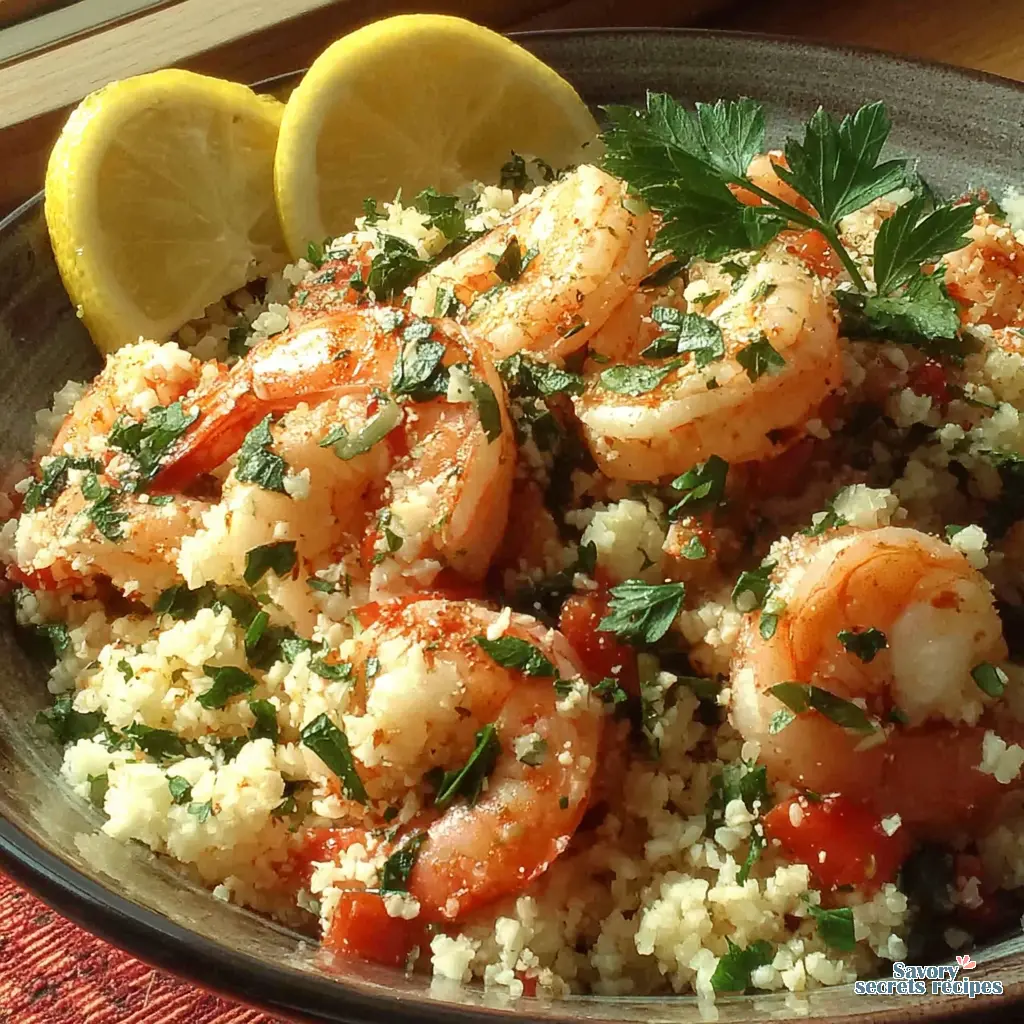
Garlic Low Calorie Shrimp & Cauliflower Rice Bowl
Ingredients
Method
- Prepare the shrimp. Pat them thoroughly dry with paper towels. Season generously with salt, black pepper, and paprika (if using). Toss gently to coat evenly.
- Heat 2 tablespoons of olive oil in a large skillet over medium-high heat. Once the oil is shimmering, add the shrimp in a single layer. Cook for 1-2 minutes per side until pink and opaque. Remove immediately to a clean plate.
- Reduce heat to medium. Add the remaining 1 tablespoon of olive oil to the same skillet. Add minced garlic and sauté for 30-60 seconds until fragrant. Watch closely to prevent burning.
- Add the cauliflower rice to the skillet. Stir well to coat it in the garlicky oil. Cook, stirring occasionally, for 5-7 minutes until tender-crisp. Season with a good pinch of salt and pepper.
- Return the cooked shrimp and any accumulated juices to the skillet with the cauliflower rice. Add the butter and stir until melted, coating everything in a light, glossy sauce. Warm the shrimp through without overcooking.
- Remove the skillet from heat. Stir in most of the chopped parsley, a squeeze of fresh lemon juice, and lemon zest (if desired). Give it a final toss, taste, and adjust seasoning as needed.
Nutrition
Notes
Why You’ll Love This Low-Calorie Cauliflower Rice Shrimp Bowl
You know that feeling, right? It’s a busy Tuesday evening here in Brooklyn, you’re trying to stick to your health goals, but the thought of another bland, “diet” meal just makes you want to order takeout. I’ve been there, trust me. I mean, my daughter even calls my healthy experiments “sad food” sometimes. It’s a struggle to find something genuinely delicious that doesn’t derail your calorie count.
Here’s what I’m seeing: people want flavor, they want satisfaction, and they want it fast, especially after a long day. That’s exactly where this low calorie cauliflower rice shrimp bowl comes in. It’s not just a meal, it’s a reset button for your taste buds.
My sense is that you’re looking for that perfect balance, a meal that feels indulgent but keeps you on track. This recipe delivers big on high protein low calorie satisfaction without feeling like a punishment. It’s also a fantastic option for those cooler LA spring evenings when you actually want to turn on your oven for a quick healthy dinner, but you’re craving something light and fresh.
Essential Ingredients for Your Healthy Bowl
When we’re building a truly delicious low calorie cauliflower rice shrimp bowl, every ingredient plays a part. You don’t need a massive grocery list, but quality matters. Think of it like a symphony; each instrument needs to be in tune. Let me walk that back a little: it’s not quite that dramatic, but you get the idea.
We’re looking for fresh, vibrant produce and good quality shrimp. For the cauliflower, I always recommend a large, firm head from your local Ralphs or even the Santa Monica Farmers Market if you’re feeling ambitious. You want it dense, not spongy.
As for shrimp, go for large, raw, peeled, and deveined. Wild-caught is often my preference. You’ll want some good Napa Valley olive oil, a little unsalted butter (or avocado oil if you’re going dairy-free), fresh garlic, bright Meyer lemons, and fresh parsley. A touch of paprika brings a nice warmth, and of course, salt and freshly ground black pepper are non-negotiable. Season as you go, not just at the end.
Step-by-Step: Making Your Shrimp & Cauliflower Rice Bowl
Alright, let’s get down to brass tacks. The beauty of this low calorie cauliflower rice shrimp bowl is how quickly it comes together, but precision still counts. We’re aiming for perfectly cooked shrimp and fluffy, not soggy, cauliflower rice. This isn’t being fussy, it’s the difference between a good meal and a great one, you know?
First, we’ll get that cauliflower rice ready. Then, we’ll move on to the shrimp. The key is to manage your heat and timing, so everything hits its peak at just the right moment. It’s an easy weeknight dinner, but we’re still going to treat it with respect.
Perfecting Your Cauliflower Rice
This is where many people stumble. Soggy cauliflower rice is a common complaint, and frankly, it’s a shame. It doesn’t have to be that way. Whether you’re using fresh or frozen, the goal is to evaporate moisture, not just cook it.
If you’re making your own, working in batches, pulse 8 cups cauliflower florets in a food processor until chopped into rice-size pieces. Don’t overdo it, or you’ll get mush. For fresh cauliflower rice, you want a hot pan, a little oil, and don’t overcrowd it. Cook it until it’s tender, but not watery. I prefer vegetables cooked until they’re actually tender; crisp-tender is a lie we tell ourselves.
For frozen cauliflower rice, the trick is to let it cook until most of the steam has reduced, then turn up the heat for the last minute or two. This helps cook off any remaining moisture. My mother kept a notebook of every dish she made, and her notes on vegetable moisture were extensive. She was right.
Cooking Shrimp for Maximum Flavor
Shrimp, like pasta, has a very short window of perfection. Overcooked shrimp is rubbery, bland, and honestly, a waste of good seafood. We want tender, juicy shrimp for our low calorie cauliflower rice shrimp bowl.
Your pan’s not hot enough yet if the shrimp isn’t sizzling immediately when it hits the pan. Use a generous amount of that Napa Valley olive oil and a pat of butter. Cook the shrimp for just 1 to 2 minutes per side, maybe 3 if they’re truly massive. You’re looking for a beautiful pink color and for them to curl into a “C” shape, not a tight “O.” That’s the visual indicator of doneness.
I mean, if it’s not ready, it’s not ready. Don’t rush it. Once they’re cooked, get them out of the pan. They’ll continue to cook a little with residual heat, and we don’t want to push them over the edge.
Serving Suggestions & Creative Variations
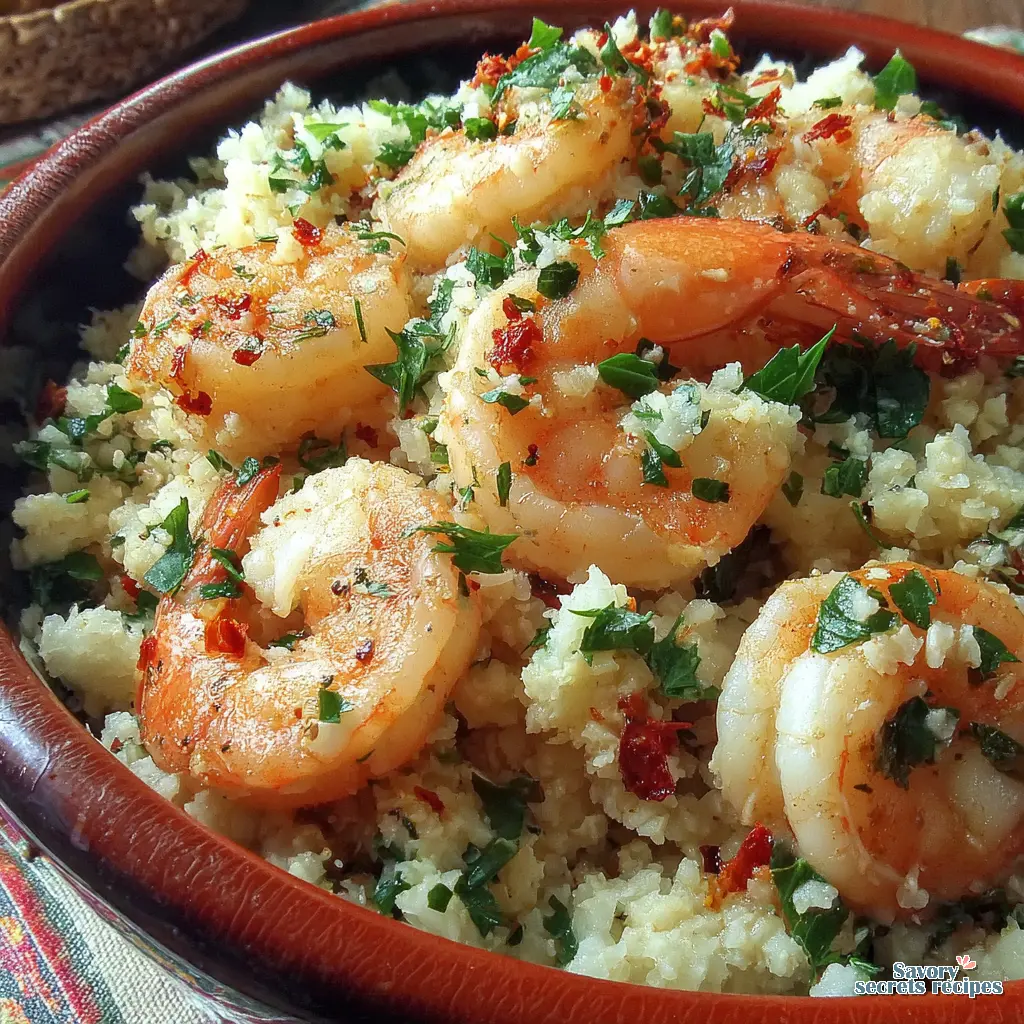
Once you’ve got that beautiful, colorful veggie bowl ready, the fun doesn’t have to stop there. This low calorie cauliflower rice shrimp bowl is incredibly versatile. It’s a fantastic base for volume eating recipes, letting you feel full and satisfied for hours.
Serve it as is, of course, with a squeeze of fresh Meyer lemon. But don’t be afraid to get creative. A fresh lime cilantro dressing would be fantastic. You could top it with avocado slices, chopped tomatoes, or even a dollop of dairy-free sour cream if you’re avoiding dairy. This recipe is easily doubled if you’d like to make more servings for meal planning for beginners.
You can swap out any cooked grain you like in this recipe if you’re not in a cauliflower kind of mood, or just want to switch it up. I used baby spinach here, but kale or Swiss chard would make a nice change. For a different twist, try serving it in lettuce wraps for a fresh, crunchy version. Or, maybe you’re feeling a “Taco Tuesday” vibe? Use the shrimp and cauliflower rice as a filling for corn or flour tortillas. It’s all about making it work for you.
Storage, Meal Prep & Troubleshooting Tips for Your Low Calorie Cauliflower Rice Shrimp Bowl
The whole point of a quick healthy dinner like this is to make life easier, right? That means thinking about meal prep and what to do with leftovers. And let’s be honest, even the simplest recipes can have their moments. I once told a junior developer her pasta dough was ‘close enough.’ It failed for 60% of readers. ‘Close enough’ isn’t a standard, so we’re going to talk about precision here.
Common Mistakes & Fixes for Your Cauliflower Rice Shrimp Bowl
Mistake: Your cauliflower rice is watery or soggy.
Solution: This usually happens from overcooking fresh cauliflower rice or undercooking frozen. For fresh, use a hot pan and don’t overcrowd. For frozen, cook until steam reduces, then crank the heat for 1-2 minutes to evaporate moisture. You’re aiming for dry and fluffy, not wet.
Mistake: The shrimp is tough and rubbery.
Solution: You’ve likely overcooked it. Shrimp cooks incredibly fast. Watch for that “C” shape and pink color, then get it out of the pan immediately. If it’s not ready, it’s not ready, but it won’t take long.
Mistake: The bowl lacks flavor or tastes bland.
Solution: Did you season as you go? Don’t wait until the end. Taste it really taste it after each seasoning step. Fresh lime juice and herbs like cilantro or parsley are also crucial for brightening flavors in a low-calorie meal.
Meal Prep and Storage
For meal prep, you can cook the cauliflower rice and shrimp separately. Store cooked shrimp in the fridge for 3-4 days in an airtight container. Cooked cilantro lime cauliflower rice can go for 4-5 days. It’s perfect for portioning out into individual containers for a clean shrimp bowl meal throughout the week.
You can even freeze riced cauliflower (before cooking) in an airtight freezer container for up to a couple of months. Just make sure it’s completely dry before freezing to avoid ice crystals. When reheating, I prefer the stovetop to avoid a microwave turning things rubbery. A quick sauté over medium heat until warmed through works best.
Common Questions (FAQ) About This Low Calorie Cauliflower Rice Shrimp Bowl Recipe
Low-Calorie Nutritional Information
For anyone serious about a diet friendly shrimp and cauliflower rice meal, the numbers matter. This low calorie cauliflower rice shrimp bowl recipe is designed to be under 400 calories per serving, providing a fantastic balance of protein and healthy vegetables. It’s high protein low calorie, which means you’ll feel full and satisfied without overdoing it.
The nutritional information shrimp provides is excellent: lean protein without a lot of fat. And the cauliflower rice benefits are clear: fiber-rich, low-carb, and full of vitamins. This combination makes for satiating low calorie meals, perfect for weight loss or just clean eating recipes. It’s gluten free low calorie, too, for those with specific dietary needs. My sense is that knowing the ‘why’ behind the nutrition helps you make better choices, not just follow a recipe.
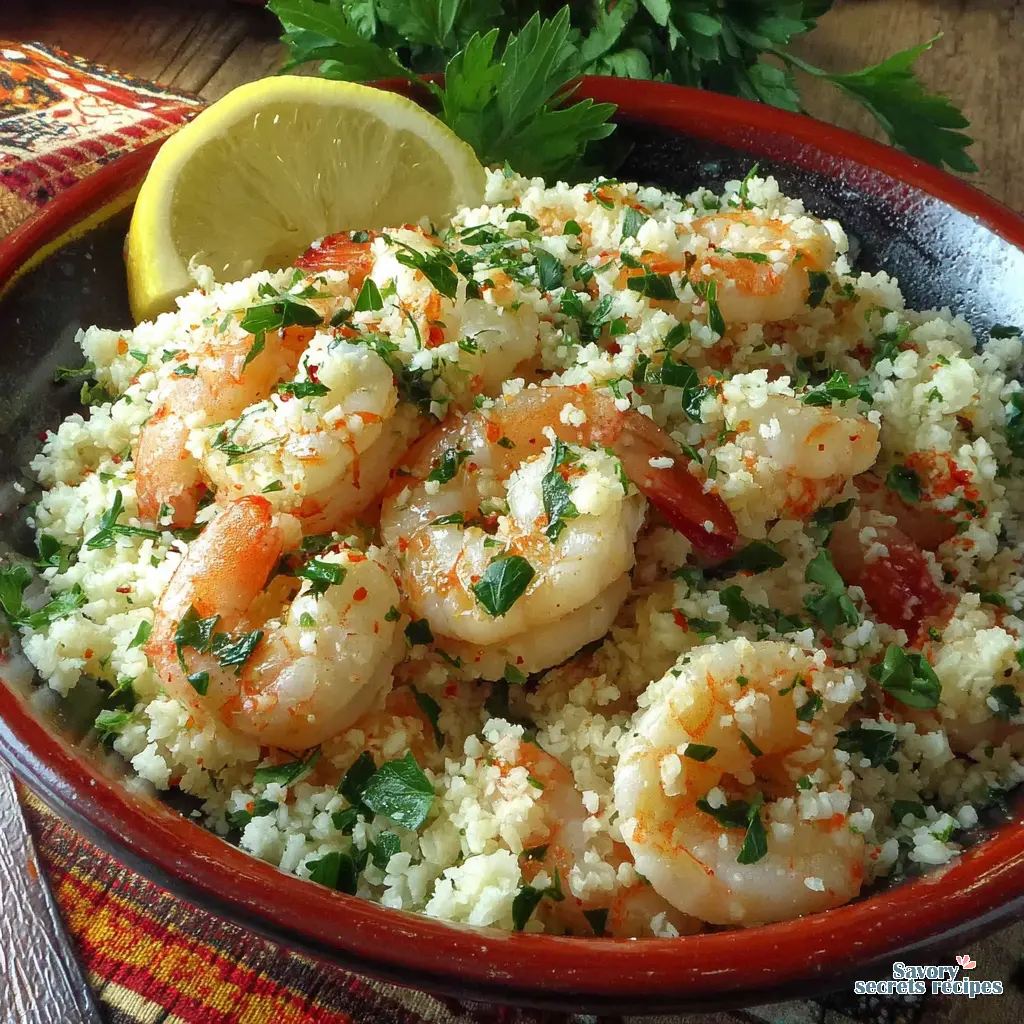
When you dig into this incredible low calorie cauliflower rice shrimp bowl, you’ll feel that immediate satisfaction. The bright flavors, the tender shrimp, the fluffy cauliflower rice it all just works. It’s that “aha!” moment when healthy eating doesn’t feel like a compromise, it feels like a genuine culinary win. I genuinely love the puzzle of recipe development, taking something that works and making it work in a home kitchen. This, I think, is exactly right.
So, next time you’re at Trader Joe’s or Ralphs, grab those ingredients. Give this recipe a shot. You’ve got this. And please, tell me how your low calorie cauliflower rice shrimp bowl turns out in the comments. I’d love to hear your adaptations. For more healthy shrimp recipes and meal inspiration, browse my Pinterest.
Source: Health & Nutrition Research
Is cauliflower rice better for weight loss?
Absolutely. Cauliflower rice is significantly lower in calories and carbs than traditional rice, making it an excellent choice for weight loss meal prep. It’s a fantastic way to enjoy a satisfying, high-volume meal without the calorie density, helping you stick to your goals.
How many calories in a bowl of cauliflower rice?
A typical serving of plain cauliflower rice is very low, usually around 25-30 calories per cup. For this specific low calorie cauliflower rice shrimp bowl recipe, the entire meal, including the shrimp and seasonings, comes in under 400 calories per serving. We’re talking serious volume eating here.
How do I stop cauliflower rice from being soggy?
The key is moisture control. Avoid overcooking fresh cauliflower rice. For frozen, cook it until the steam has mostly evaporated, then increase the heat for the last minute or two to dry it out. A hot pan and not overcrowding also helps prevent sogginess, allowing the water to cook off.
Can type 2 diabetics eat cauliflower rice?
Yes, cauliflower rice is an excellent choice for type 2 diabetics. It’s very low in carbohydrates, which helps manage blood sugar levels. This makes it a diabetic friendly meal option, providing a satisfying base without the glycemic impact of traditional grains. It’s a smart substitution.
How much salt and pepper should I use for this low calorie cauliflower rice shrimp bowl?
This is where “season as you go, not at the end” really comes into play. Start with about half a teaspoon of salt and a quarter teaspoon of black pepper for the whole dish, then taste it. Add more if needed. Remember, you can always add more, but you can’t take it away. It’s about finding that perfect balance for your palate.