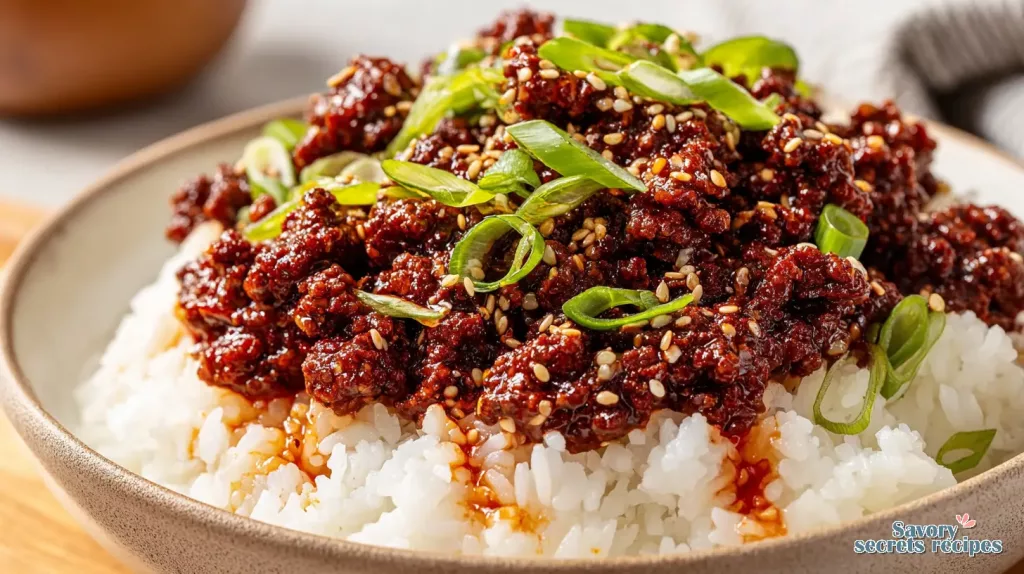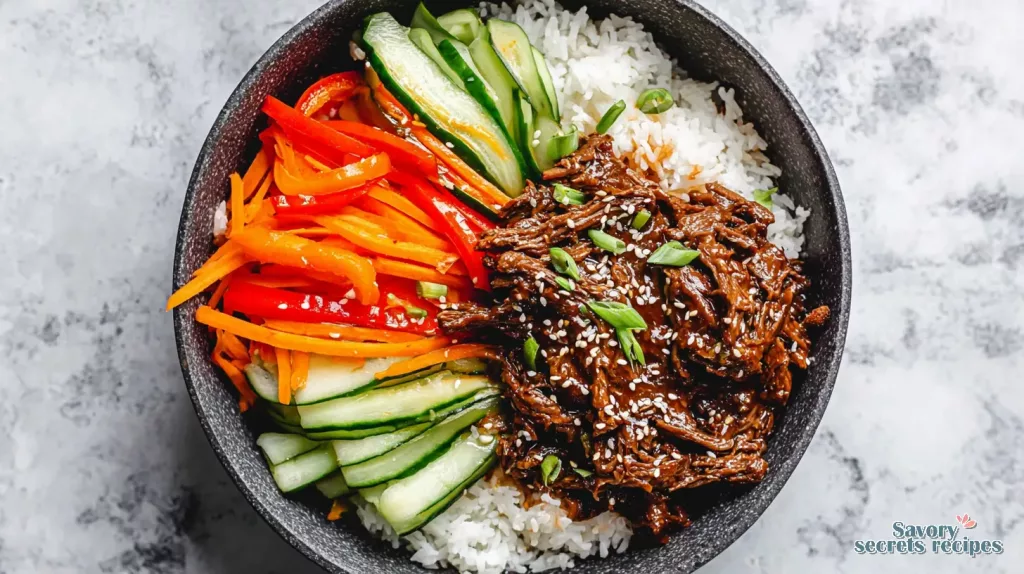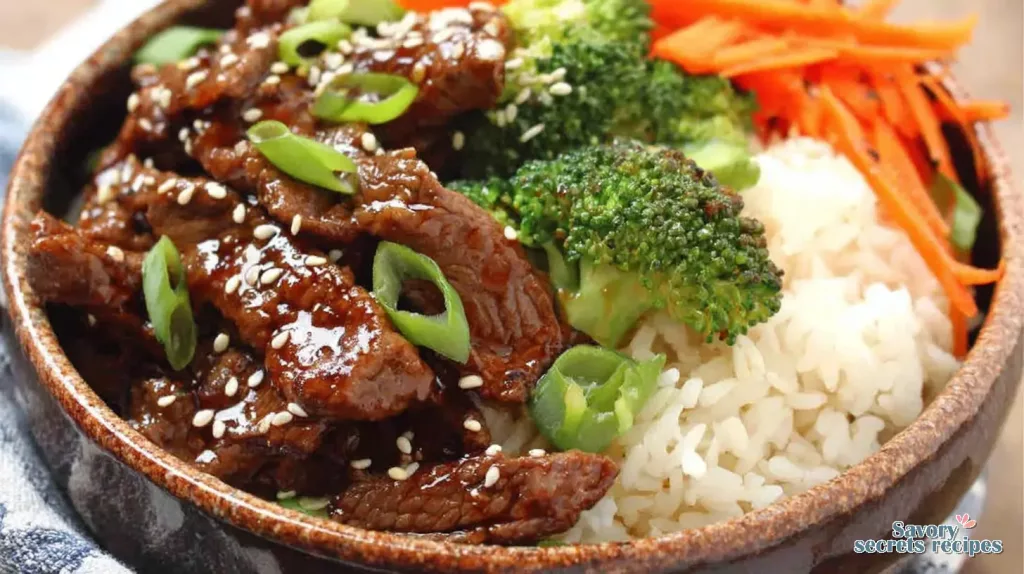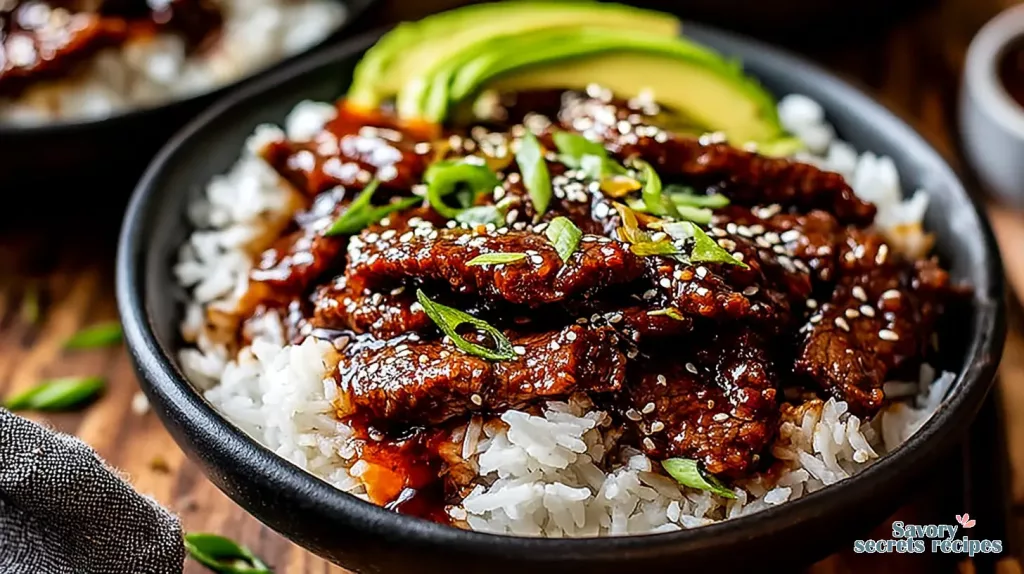




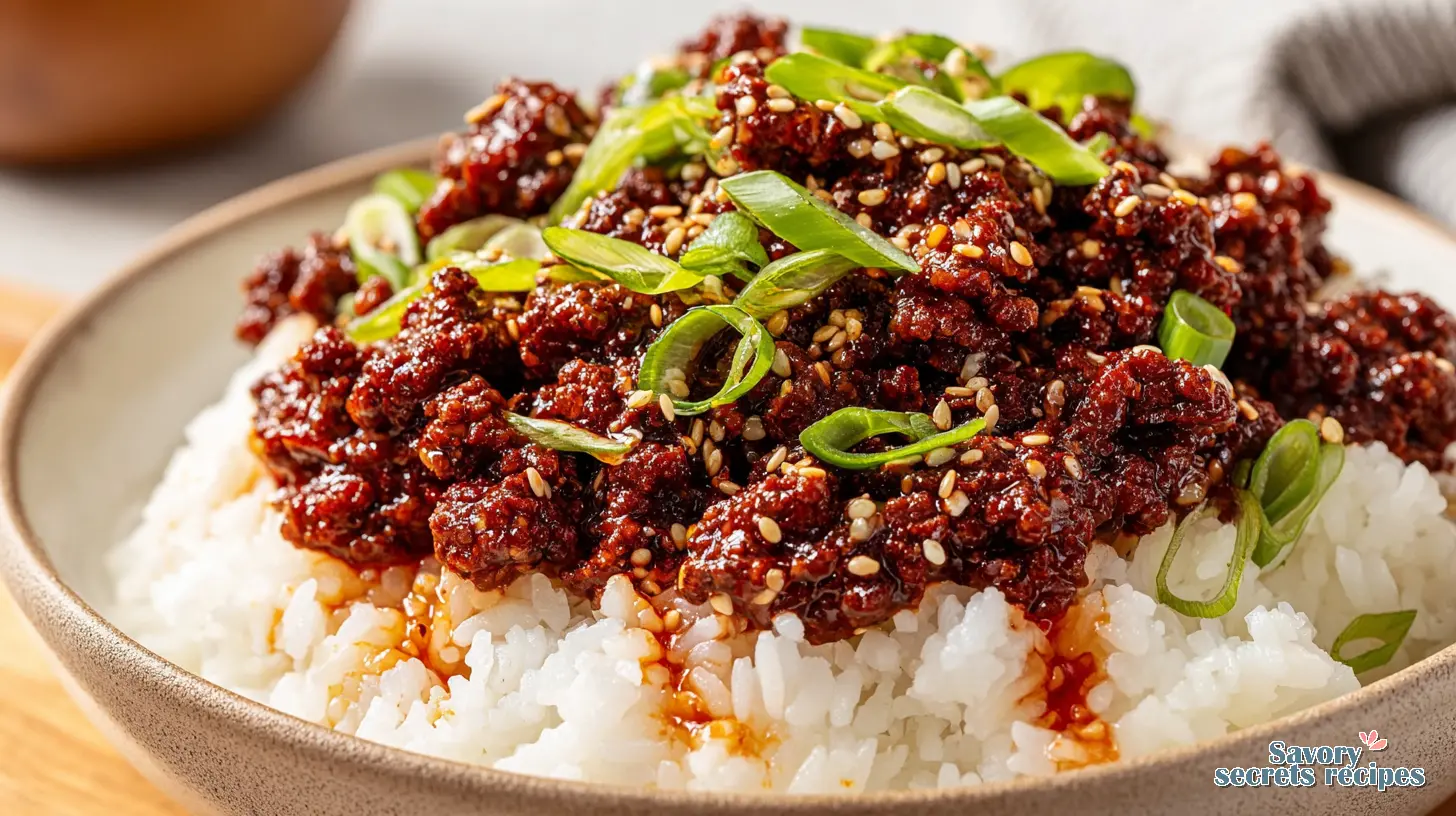
Easy Gochujang Honey Garlic Beef Rice Bowl
Ingredients
Method
- Heat a large skillet over medium heat and swirl in sesame oil.
- Add garlic and ginger; sauté for 1 minute until fragrant.
- Add ground beef and cook, breaking it up, until browned.
- Stir in gochujang, soy sauce, and sugar; cook until the beef is glossy and well coated.
- Season with salt and pepper to taste.
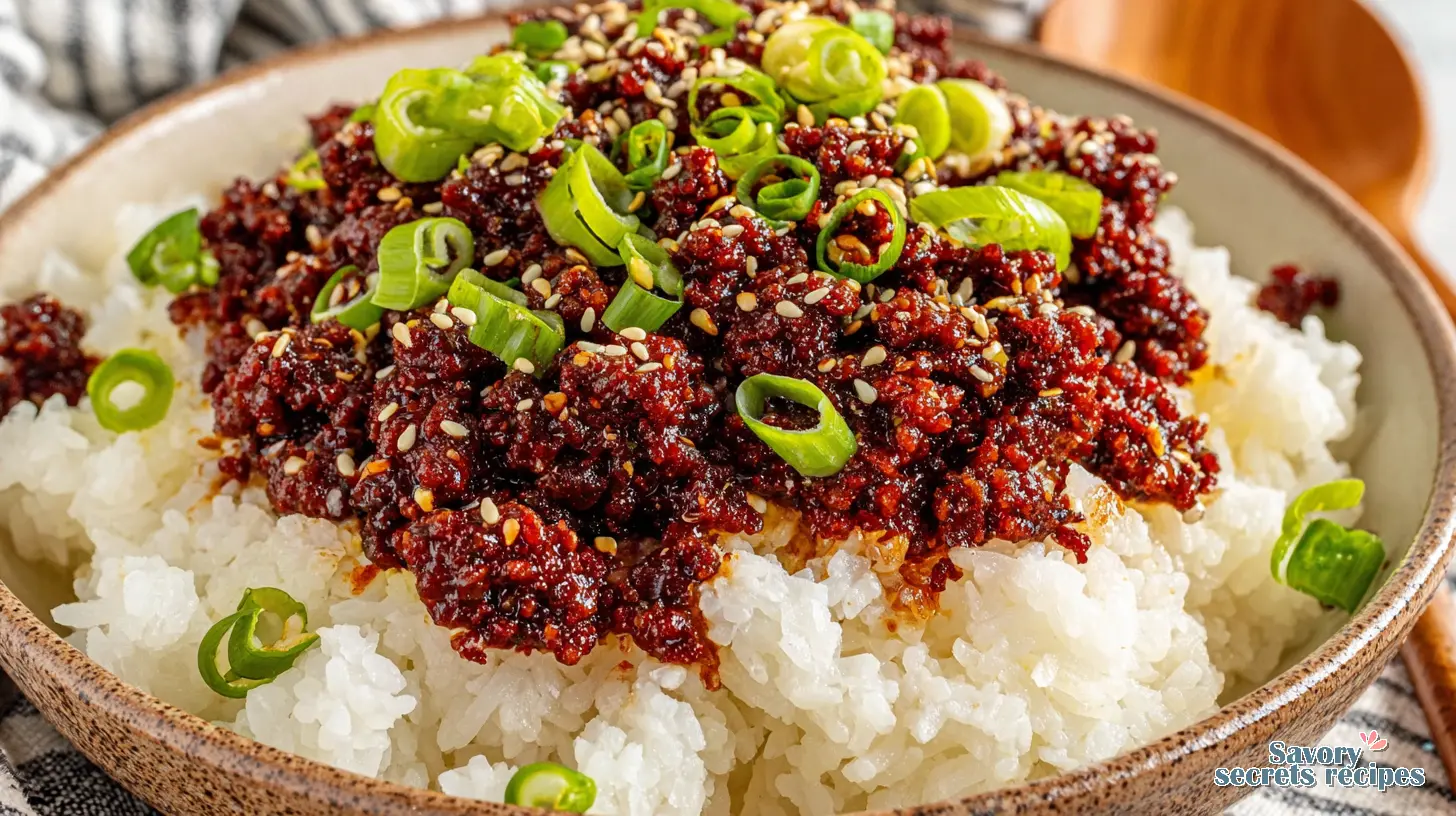
- Spoon the beef over bowls of hot rice and garnish with green onions and sesame seeds.
- Serve immediately and enjoy a spicy-sweet Korean-inspired bowl.
Nutrition
Notes
Why You’ll Love This Gochujang Honey Garlic Beef Rice Bowl
Ever find yourself staring into the fridge on a Tuesday night, wishing you could just snap your fingers and have incredible Korean takeout appear? Yeah, me too. Honestly, it’s a common struggle balancing work and life with cooking truly exciting meals. That’s why I’m excited to show you this gochujang honey garlic beef rice bowl.
Here’s the thing about that: this recipe is faster than delivery. It’s twice as flavorful, I promise. If you love sweet and spicy combos, you’ll find this is your new weeknight hero. It’s got that umami flavor that just hits right.
I mean, you could spend a fortune on takeout. Or you could spend about 30 minutes in your kitchen, fill it with the most amazing smells, and make something that looks like it came from a fancy spot in Koreatown. That tracks, right? Especially with spring here, a vibrant, flavorful bowl just feels right.
Understanding Gochujang: Your Flavor Powerhouse
Gochujang, this incredible Korean chili paste, is really the star of our gochujang honey garlic beef rice bowl. It’s not just about heat, you know? It brings this deep, fermented, savory sweetness that’s truly unique. It’s a paste, sure, but it’s got layers.
A lot of people ask, “What is the best gochujang?” And honestly, it depends a bit on what you’re looking for. For everyday cooking, I’d probably lean toward a widely available brand like Haechandle or CJ. You can find these at most Asian markets or even a well-stocked Ralphs or Whole Foods now.
In my experience, though your mileage may vary, these brands offer a consistent, balanced flavor. They’re what a lot of home cooks in Korea use, actually. Does all gochujang taste the same? Not really. Some are spicier, some are sweeter, some have a deeper fermentation flavor. It’s not a huge deal, but worth noting as you explore.
Gochujang Honey Garlic Beef Bowl Ingredients
For this gochujang honey garlic beef rice bowl, we’re talking about simple, quality ingredients. The beef, obviously, is key. I like flank steak for this. It cooks up quickly and slices beautifully against the grain. Bulgogi beef, already thinly sliced, is also a fantastic option if you can find it at your local Korean market or even Costco.
Then you’ve got your aromatics: fresh ginger and garlic. Now, I’m not precious about traditional methods if a shortcut gets you ninety percent of the way there with half the effort. So, if you’re in a rush, those frozen garlic cubes and ginger cubes from Trader Joe’s are a lifesaver. That’s a solid approach for a quick weeknight dinner.
For the sauce, we’re building on that gochujang paste with soy sauce (tamari for gluten-free folks, by the way), honey for that sweet balance, sesame oil for nuttiness, and a splash of rice vinegar. Brown sugar can stand in for honey if you’re out. It’s all about creating that perfect spicy sweet balance.
Crafting Your Gochujang Honey Garlic Sauce
The key step here is making the gochujang honey garlic sauce. Honestly, it’s easier than you think. You’re basically just whisking everything together in a bowl. Start with the gochujang, honey, soy sauce, sesame oil, rice vinegar, and your grated ginger and garlic.
You’ll want to taste it as you go. That’s exactly right. This isn’t being fussy, it’s the difference between a good sauce and a *great* sauce. If it’s too spicy for you, add a little more honey or brown sugar. If it needs more kick, another half teaspoon of gochujang paste won’t hurt. Trust the process on this one.
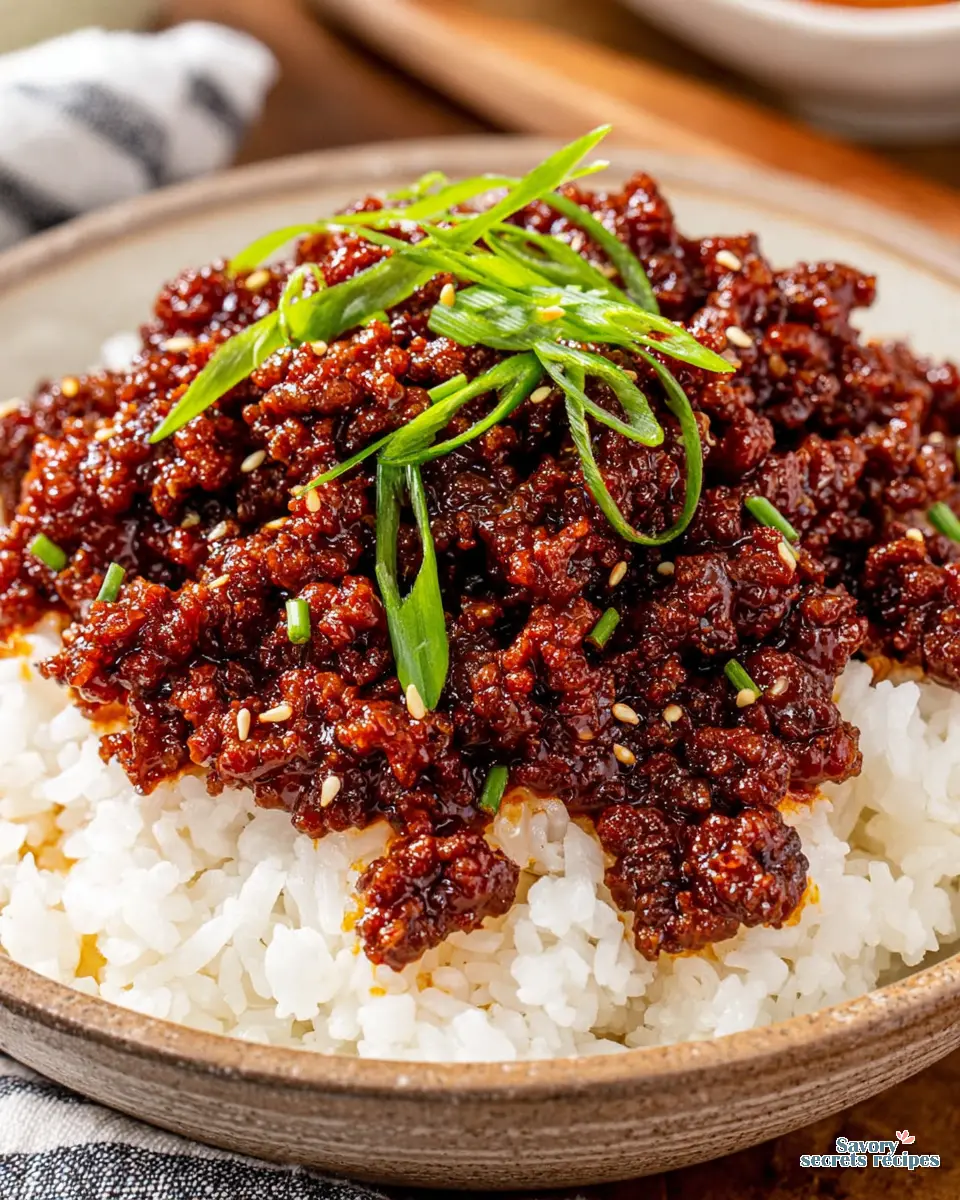
If the sauce looks a little thin right now, don’t worry. It’ll thicken beautifully as it cooks with the beef. The sugars in the honey and gochujang will caramelize, giving it that glossy, irresistible sheen. That’s the good stuff right there, when the garlic sizzles, filling your kitchen with a savory scent.
Cooking the Beef: The Key to Tender Bites
Now, for the beef. The biggest mistake people make with stir-fries is overcrowding the pan. Here’s the thing about that: you want high heat. A good cast iron skillet or a heavy-bottomed pan works best. If you pile too much beef in, the temperature drops, and you end up steaming the meat instead of searing it. Nobody wants tough beef.
I once caramelized onions on camera for what I thought was long enough. They were clearly still blonde. Learned to trust the process, not the clock. Same goes for beef. Cook it in batches if you need to. You’ll know it’s ready when you see that beautiful browned crust forming, maybe two or three minutes per side, depending on the thickness of your flank steak.
Once the beef is mostly cooked, that’s when you add your glorious gochujang honey garlic sauce. Let it do its thing. The sauce will bubble and cling to the beef, transforming it into these glossy, spicy-sweet morsels. This is where most people run into trouble if they don’t let the sauce properly reduce and coat the beef. You’ll want it to be thick enough to spoon over rice without being watery.
Recipe Variations & Ingredient Swaps
One of the best things about a gochujang honey garlic beef rice bowl is how adaptable it is. For starters, if beef isn’t your jam, you can absolutely use other proteins. Ground turkey or ground chicken work wonderfully here. The bold flavors of the honey garlic gochujang marinade for beef are strong enough to carry any protein.
For those looking for gluten-free options, simply swap out the soy sauce for tamari or coconut aminos. Maple syrup can also be used instead of honey, if that’s what you’ve got in the pantry, though it’ll give a slightly different, more earthy sweetness. Fair enough.
And if you’re trying to cut down on carbs or just want more veggies, cauliflower rice makes an excellent base instead of white rice. You can also make “half calorie rice” by mixing steamed jasmine or basmati rice with riced cauliflower in a 2:1 ratio. It bulks up the serving size while hardly adding any calories. Makes sense to me.
What to Serve with Your Gochujang Beef Bowl
A gochujang honey garlic beef rice bowl isn’t complete without some vibrant toppings and sides. Think about textures and fresh flavors to cut through the richness of the beef and sauce. Kimchi is a classic, obviously. Its tangy, fermented crunch is just perfect.
Pickled daikon radish or quick pickled cucumber salad add a bright, acidic counterpoint. Green onions, thinly sliced, give a fresh oniony bite. And honestly, a sprinkle of roasted peanuts for crunch and sesame seeds for a little extra nuttiness? Now we’re talking. For a garnish, toss cucumber and maybe sliced radish in a little chili oil with rice vinegar to punch things up.
You could also serve this with steamed broccoli or snap peas on the side. They add a nice green element and some extra nutrients. This is the kind of meal that feels wholesome and indulgent all at once. It’s that farm-to-fork vibe, even if you just grabbed your veggies from Ralphs.
Making Your Own Spicy Mayo
If you’re wondering how to make your spicy mayo, it’s incredibly simple. You won’t need an external link for this. Just grab some Kewpie mayonnaise, or even regular mayo if that’s what you have. Then, add sriracha sauce to taste. I’d probably start with a tablespoon of sriracha for every half cup of mayo, then adjust from there.
A squeeze of lime juice or a tiny splash of rice vinegar can brighten it up, too. Whisk it until it’s smooth and the color of, I don’t know, a pale peanut butter. It adds this creamy, cooling element that’s just fantastic drizzled over the top of your gochujang honey garlic beef rice bowl.
Expert Tips for Your Gochujang Honey Garlic Beef Bowl
To really nail this gochujang honey garlic beef rice bowl, a few pointers will help. First, for truly tender beef, slice it thinly against the grain. This shortens the muscle fibers and makes every bite melt-in-your-mouth. That’s a solid approach.
When you’re cooking the sauce, don’t expect it to thicken immediately. It thickens more as it cools, so aim for a consistency that coats the back of a spoon. If it looks a little runny in the pan, trust the process on this one. It’ll be perfect for your meal prep bowls.
Finally, for a quick shortcut, prep your gochujang honey garlic sauce ahead of time and store it in an airtight container in the fridge for up to a week. You can also cook your white rice a day or so ahead. This makes assembling your quick weeknight dinner even faster.
Common Mistakes & Simple Fixes
Mistake: The beef is tough.
Solution: You likely overcrowded the pan or cooked it too long. Cook in smaller batches on high heat, just until browned. Flank steak needs quick searing.
Mistake: The sauce is too thin.
Solution: Simmer it a bit longer after adding it to the beef. The sugars need time to reduce and thicken. It will also thicken more as it cools.
Mistake: The gochujang honey garlic beef rice bowl is too spicy.
Solution: Start with less gochujang, say 1 tablespoon, and add more to taste. A little extra honey or brown sugar can also balance the heat.
Mistake: Not draining excess fat from ground beef.
Solution: If you’re using fattier ground beef, drain any excess fat after browning it before adding the sauce. This prevents a greasy final dish.
Mistake: Storing beef and rice together for meal prep.
Solution: Store the cooked beef mixture and rice in separate airtight containers. Rice can absorb too much sauce and become mushy upon reheating if stored together.
Storage & Meal Prep for Gochujang Honey Garlic Beef Bowls
This gochujang honey garlic beef rice bowl is absolutely fantastic for meal prep. The cooked beef can be stored in an airtight container in the refrigerator for up to 4 days. It rewarmed really well, actually. For longer storage, you can freeze the cooled beef mixture in a freezer-safe bag or container for up to 2 months.
As I mentioned, prep the gochujang sauce ahead of time and store it in an airtight container in the fridge for up to 1 week. Same goes for your rice. Prepare it a day or so ahead and keep it separate. When you’re ready to eat, simply warm the beef gently on the stove or in the microwave. Add a splash of water or soy sauce if it looks a little dry.
Assemble your bowls when ready: fluffy white rice (or cauliflower rice), the glossy, savory gochujang honey garlic beef, and then your fresh toppings like green onions, kimchi, and that spicy mayo. That first bite is a burst of sweet, savory, and spicy. You’re minutes away from the best bowl of your week.
Frequently Asked Questions
So, there you have it. This gochujang honey garlic beef rice bowl is truly a game-changer for weeknight dinners. When you serve this, watch everyone’s eyes light up. It’s that impressive, but you know the secret: it’s actually incredibly simple to pull off.
I mean, who doesn’t want a meal that tastes like an adventure but fits into a busy schedule? Go spice up your dinner routine tonight! And hey, if you make it, snap a pic and tag me. I love seeing your creations. You can also browse my Pinterest for related recipes and more ideas.
Source: Nutritional Information
What is the best gochujang?
For most home cooks, popular brands like Haechandle or CJ are excellent choices. They offer a balanced flavor profile and are widely available. Your personal preference for spice and sweetness might guide you to other brands over time.
What brands of gochujang are used in Korea?
Many Korean households commonly use brands like Haechandle, CJ, and Sempio. These are trusted for their quality and consistent flavor, making them great for traditional and modern Korean dishes like this gochujang honey garlic beef rice bowl.
Is gochujang okay for diabetics?
Gochujang contains sugar, so diabetics should consume it in moderation and account for its carbohydrate content. Look for lower-sugar versions if available, or adjust the honey in the gochujang honey garlic beef rice bowl recipe to control overall sugar intake.
Does all gochujang taste the same?
Not at all. While the core flavor is similar, gochujang brands vary in spice level, sweetness, and depth of fermented flavor. Some might be spicier, while others have a more pronounced umami. It’s worth trying a few to find your favorite for your gochujang honey garlic beef rice bowl.
How to choose gochujang paste?
When choosing gochujang paste, consider your spice preference. Labels often indicate mild, medium, or hot. For a versatile paste, I’d probably start with a medium heat level. Look for trusted Korean brands for quality and authentic flavor.
Is gochujang healthy or unhealthy?
Gochujang can be part of a healthy diet in moderation. It contains beneficial probiotics from fermentation, but also sugar and sodium. Balance it with fresh ingredients in dishes like this gochujang honey garlic beef rice bowl for a nutritious meal.
What are the three types of gochujang?
Generally, gochujang isn’t formally classified into three distinct “types” in terms of composition, but rather by varying spice levels (mild, medium, hot) or specific regional variations in fermentation. Each offers a unique nuance for your gochujang honey garlic beef rice bowl.
Do you have to refrigerate gochujang?
Yes, you absolutely should refrigerate gochujang after opening. It’s a fermented product and refrigeration helps maintain its freshness, flavor, and prevents spoilage. It’ll last quite a while in the fridge, which is nice.
Which is spicier, gochujang or gochugaru?
Gochugaru (Korean chili powder) is generally considered spicier than gochujang paste. Gochujang’s heat is often tempered by its inherent sweetness and savory, fermented notes, making it a more complex flavor for dishes like this gochujang honey garlic beef rice bowl.
What is the closest sauce to gochujang?
Finding a perfect substitute for gochujang is tough due to its unique fermented flavor. A blend of miso paste, sriracha, and a touch of brown sugar or honey might offer a similar spicy-sweet-savory profile for your gochujang honey garlic beef rice bowl.
How can I make this gochujang honey garlic beef rice bowl mild, yet keep the good Korean flavors?
To make it milder, reduce the amount of gochujang paste in the sauce, perhaps starting with just one tablespoon. You can also increase the honey slightly to balance the heat. The other ingredients will still provide that delicious Korean flavor profile.
Can I use ground turkey or chicken instead of beef for this gochujang honey garlic beef rice bowl?
Yes, absolutely! Ground turkey or ground chicken both work wonderfully. The gochujang honey garlic sauce is bold and flavorful enough to complement any of these proteins, making for a delicious and adaptable gochujang honey garlic beef rice bowl.