



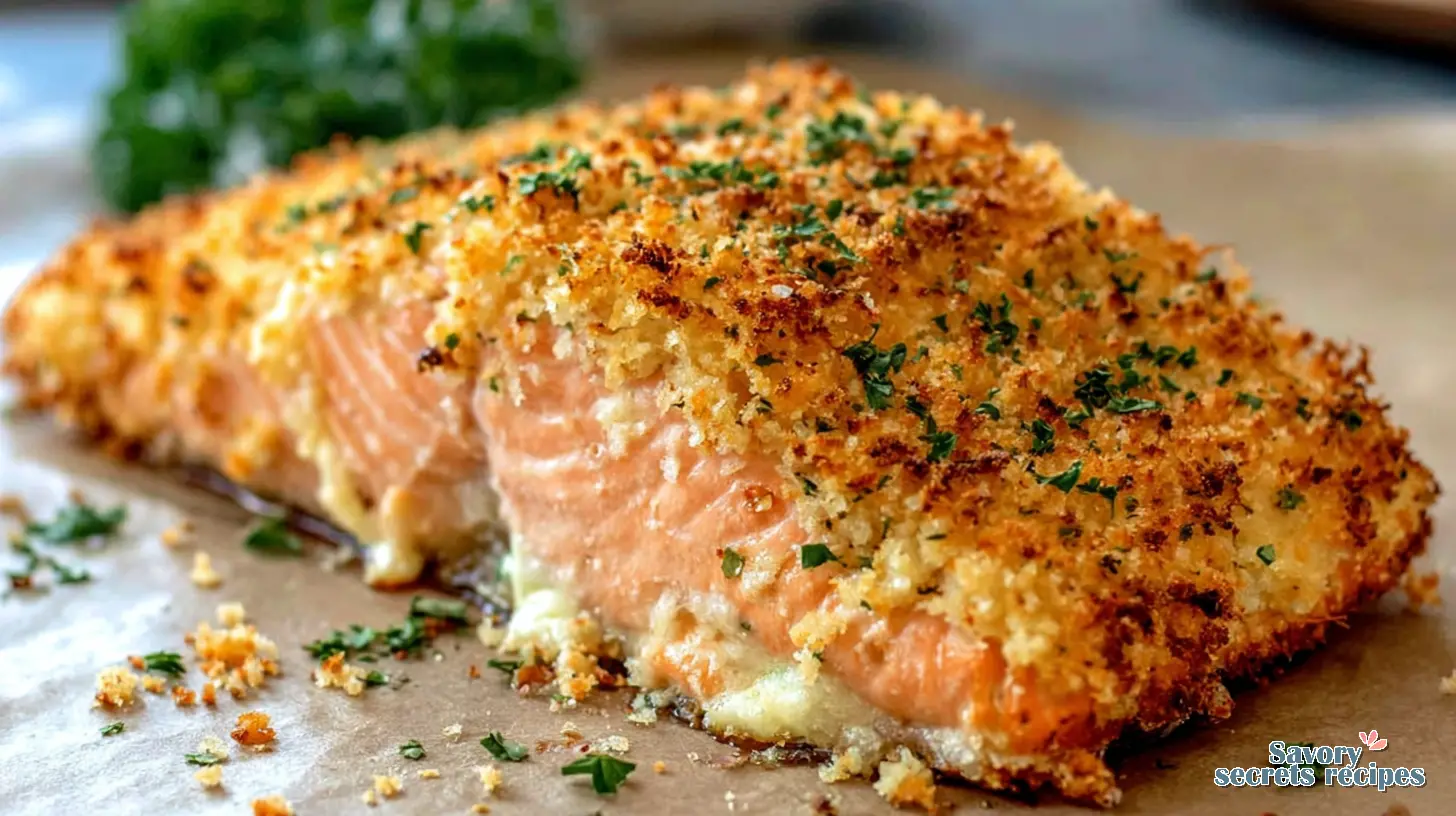
Perfect Crispy Parmesan Crusted Salmon
Ingredients
Method
- Preheat oven to 400°F (200°C).
- Arrange salmon fillets on a parchment-lined baking sheet.
- In a bowl, mix olive oil and lemon juice. Brush the mixture over each fillet.
- In another bowl, combine Parmesan cheese, parsley, garlic powder, salt, and pepper. Sprinkle this topping over the salmon.
- Bake for about 15 minutes, until salmon flakes easily with a fork and has a golden-brown crust.
Nutrition
Notes
Why This Crispy Parmesan Crusted Salmon is My Go-To Meal
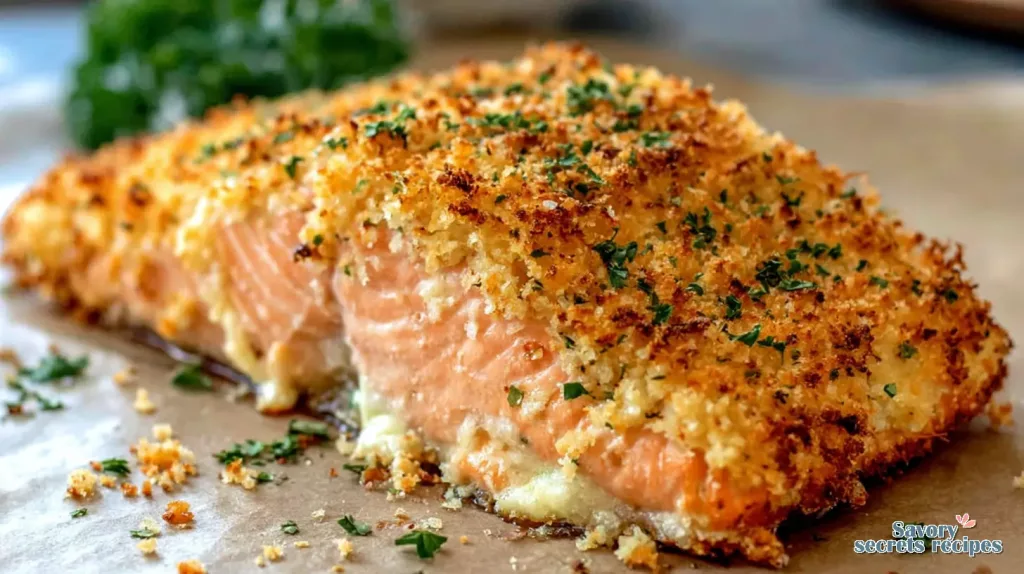
Let’s be honest, we’ve all been there, right? You’re trying to make a nice dinner, maybe for a quick weeknight meal or to impress some friends, and you decide on salmon. It’s a healthy meal, it feels a little fancy. But then, it comes out of the oven: either the crust is soggy and falls right off, or worse, the fish itself is dry, flaky in all the wrong ways. I mean, it’s such a letdown when you’ve invested in good ingredients like salmon fillets. I get it. For years, my crispy parmesan crusted salmon attempts felt like a gamble. Sometimes it was perfect, other times, well, let’s just say my husband very gently suggested we order pizza. But I figured out how to cook fish properly by reading a seafood science book, of all things. The chapter on protein denaturation explained why fish goes from tender to rubbery so quickly, and suddenly I understood that I’d been overcooking it by at least five minutes every time. Now I pull fish when it’s still slightly translucent in the center, and it finishes cooking with carryover heat. My success rate went from maybe 50 percent to close to 95 percent. This crispy parmesan crusted salmon recipe is that 95 percent success rate, every single time. It’s truly a game-changer for a perfectly moist, golden crust salmon fillet. This recipe delivers a perfectly crispy, golden-brown parmesan crust that actually sticks, and flaky, juicy fish underneath. It’s ideal for a lighter spring dinner, especially now that the weather in Los Angeles is starting to warm up but we’re still happy to use our ovens. You’ll love how easy it is to achieve that savory parmesan fish dish everyone raves about.The Secret to a Truly Crispy Parmesan Crusted Salmon
Getting that irresistible crunch on your crispy parmesan crusted salmon isn’t just luck. It’s about understanding a few key principles. First, the salmon itself: I always look for skinless salmon fillets, and if I can find wild-caught, that’s my preference. Wild-caught fish often has a richer flavor, and I think that tracks. For the best golden crust salmon fillet, you’ll want a piece that’s roughly an inch thick. Before anything else, you absolutely must pat your salmon dry, and I mean *really* dry. Use paper towels to absorb as much moisture as possible from the fish. Here’s what I’m seeing: moisture on the surface is the enemy of crispiness. It creates steam, which prevents that crust from browning properly. You wouldn’t try to get a crispy skin on chicken if it was wet, right? Same principle applies here. This isn’t being fussy, it’s the difference between a soggy crust and a truly crispy baked salmon plate. Now, for the crust itself, a lot of folks wonder how to get breadcrumbs to stick to salmon. I mean, it’s a common concern. My recipe uses a combination of finely grated Parmesan cheese, dried parsley, garlic powder, salt, and pepper. You’ll want to use freshly grated Parmesan cheese off the block if you can get it. To be honest, it just melts better and creates a superior texture compared to the pre-grated stuff, which can sometimes have anti-caking agents. That said, if you’re in a pinch, pre-grated will work. I’d want to see more data before I said it was *always* bad, but for optimal crispiness and flavor, fresh is best. I’ve found adding just a little olive oil to the salmon before adding the crust helps the parmesan mixture adhere beautifully. It’s like a tiny glue, but a delicious one. You’ll want to work to use up all of the breading for a crispy, well-coated exterior. When coating, press it firmly onto the salmon so it sticks. Also, spread and press the coating on top into an even layer. If you only sprinkle it and leave it, you’ll get little pieces that burn on top, and no one wants that. This step is crucial for an even, rich cheese salmon meal.Prepping Your Salmon: A Quick Guide
So, you’ve got your beautiful salmon fillets, patted them dry, and you’re ready to create that amazing crust. The process itself is surprisingly simple, and you’ve got this. We’re talking about a quick recipe here, perfect for a weeknight dinner. First, you’ll brush your skinless salmon fillets with a little olive oil. This helps with adherence, as I mentioned, but it also helps the fish cook evenly and stay juicy. Then, you’ll coat each side generously with that glorious Parmesan mixture. Don’t be shy here. Press it on, really get it to stick. An even layer is key for that golden crust. You’ll want to make sure your oven is preheated to 400°F. This high heat is part of the secret to a beautifully crispy crust. Now, here’s a little trick I learned: if you have time, I recommend letting the salmon sit in a salt water brine for 15 minutes before cooking. It helps to bring the salmon to room temperature, which promotes more even cooking. More importantly, it helps to prevent albumin, that white stuff that sometimes rises to the surface of salmon when it cooks. It’s harmless, but it doesn’t look great. Fair enough, right? When it comes to cooking, you’re going to bake your crispy parmesan crusted salmon on a baking sheet lined with parchment paper. This is a game-changer for easy cleanup, and honestly, the skin tends to stick to the paper, so when you use a spatula after baking, the fillets come off the skin very easily. This is the good stuff. Knowing when your salmon is done without overcooking it is another big one. The biggest mistake people make when cooking salmon is overcooking it, which leaves it dry and less flavorful. For perfectly moist parmesan crusted salmon, aim for an internal temperature between 125°F and 130°F in the center of the thickest part. It’ll continue to cook a little with carryover heat once you pull it from the oven. If it smells ready, it probably is. Visually, you’re looking for the flesh to be opaque throughout, but still slightly translucent in the very center. It’s a delicate balance, but you’ll get the hang of it.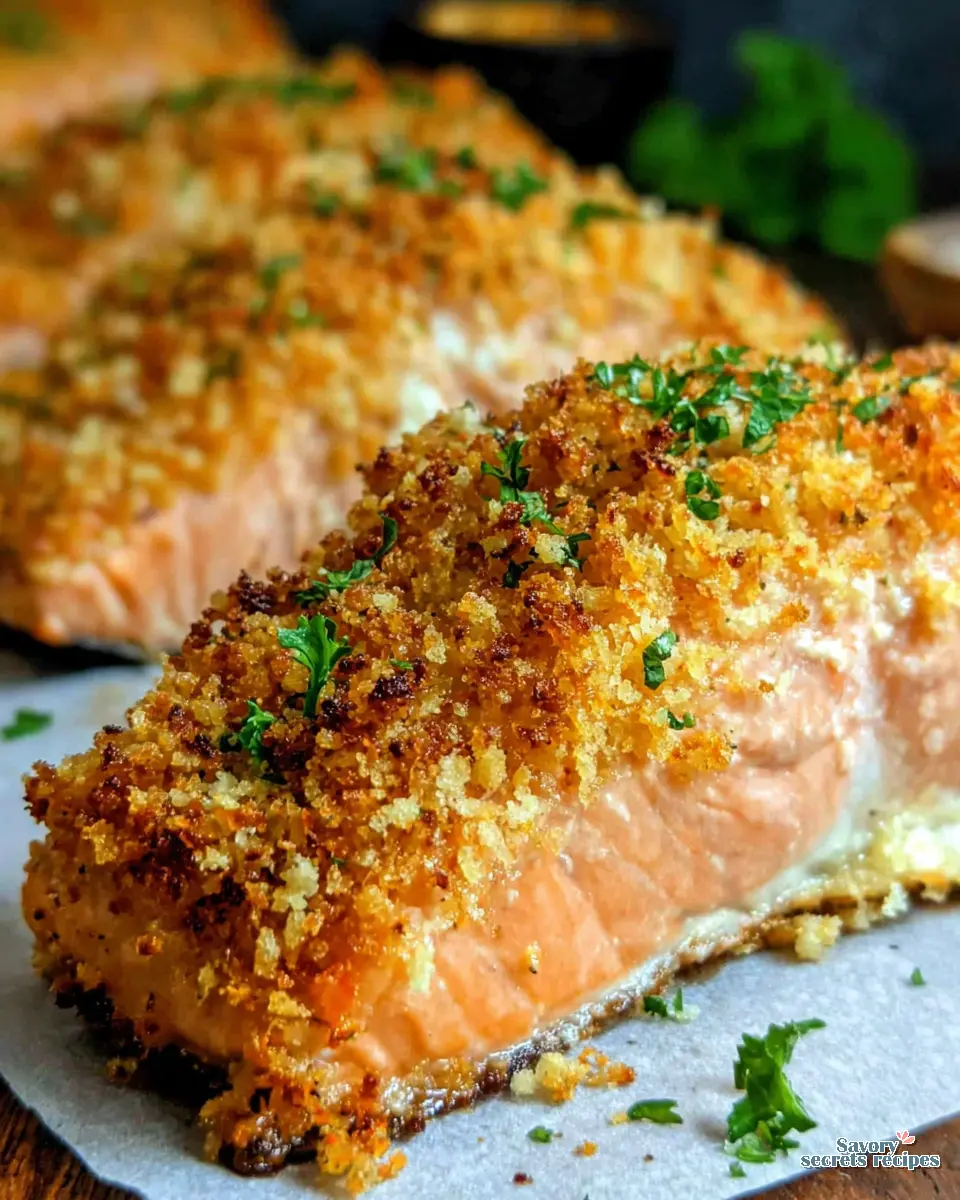
Avoiding Common Pitfalls: Crispy Parmesan Crusted Salmon Troubleshooting
Even with the best intentions, sometimes things go a little sideways in the kitchen. I’m still working this out, but I’ve definitely made my share of mistakes trying to perfect this crispy parmesan crusted salmon. Here’s what I’ve learned, and how to fix those common hiccups.Common Mistakes & Fixes
Mistake: Your crispy parmesan crust isn’t sticking.
Solution: This usually happens if the salmon wasn’t patted dry enough, or you didn’t press the coating firmly. Make sure the fish is bone-dry before adding olive oil and then the parmesan mixture. Really press that crust on there.
Mistake: The salmon is dry and overcooked.
Solution: Careful not to over-bake salmon or it’s not as tender and starts to dry out. Use an instant-read thermometer to pull it at 125-130°F. Remember, it’ll continue cooking for a few minutes after you take it out.
Mistake: The crust is browning too quickly, or not enough.
Solution: If you find the breading is browning too quickly, simply tent it with foil at any time needed. If it isn’t browning enough, move the oven rack up, or broil just very briefly at the end. Keep a close eye on it, as broiling can go from golden to burnt in seconds.
Mistake: The crust seems a little dry or crumbly.
Solution: This is where a little secret ingredient comes in handy. I’ve added 1 tablespoon of mayonnaise to my crust mixture before because it looked a little dry. You can also spread some mayo on the top of the fillet before adding the parmesan mixture. It helps keep things moist and adds richness without much effort. Trust me on this; it’s a great little hack.
Mistake: Using pre-grated cheese affects the texture.
Solution: While convenient, pre-grated Parmesan can sometimes make the crust less cohesive or melt differently. Freshly grated parmesan, grana padano, or pecorino romano cheese off the block is best. But you can use pre-grated cheese as well if you’re in a pinch, just be aware the texture might be slightly different.
Mix It Up! Crispy Parmesan Crusted Salmon Variations
One of the things I love about cooking is how much you can adapt a recipe to your own taste or what you have on hand. This crispy parmesan crusted salmon is no exception. It’s a fantastic framework, and then you get to play with the flavors. For a little extra richness, you could coat the salmon in mayonnaise instead of just olive oil before adding the crust. I mean, who doesn’t love a good creamy sauce element? If you’re looking to add a bit of a kick, sprinkle some crushed red pepper flakes into the parmesan mixture. Now we’re talking. If you want to play with the herb profile, you totally can. While dried parsley is in the base recipe, you could try adding fresh dill for a brighter, more aromatic touch. Or consider basil or marjoram. The thing is, you want fresh herbs that complement fish well. I’m still working this out, but I think fresh rosemary could be good too, especially in the cooler months. For those needing a gluten-free option, you can swap the breadcrumbs with crushed rice Chex cereal. It creates a surprisingly similar crispy texture. You can also use finely chopped pecans or almonds for a nutty flavor. I’ve heard of folks using ground up corn flakes too, which could be interesting. And if you don’t have Parmesan, a similar cheese like Pecorino Romano works beautifully for a sharper flavor. It’s all about making it work for you.Serving Your Golden Crust Salmon Fillet
Once your crispy parmesan crusted salmon comes out of the oven, smelling absolutely incredible, you’ll be ready to serve it up. This dish feels fancy, but it’s such an easy dinner, making it perfect for a weeknight dinner or a relaxed weekend meal. For a complete healthy meal, I love pairing this golden crust salmon fillet with some fresh spring vegetables. Think steamed asparagus, roasted snap peas, or a simple green salad with a bright lemon vinaigrette. That tracks, right? The crispness of the salmon works beautifully with the tender-crisp texture of vegetables that still have some resistance when you bite into them. I can’t stand the texture of overcooked green beans or broccoli that’s gone gray and mushy. A side of quinoa or brown rice would also make it a hearty and satisfying plate. If you have leftovers (which is a big “if,” honestly, this stuff goes fast!), you can store them in an airtight container in the refrigerator for up to 2 days. When it comes to reheating, you want to preserve that crispy crust. I’d avoid the microwave if you can help it. Gently warming it in a 275°F oven until just heated through helps maintain its moisture. Or, for a quicker crisp-up, broil it for just 2-3 minutes to brown the crust again and warm the meat slightly. Just watch it like a hawk! For meal prep purposes, you can mix the parmesan crusting technique topping up to 2 days ahead and store it in the refrigerator. Then, when you’re ready to cook, just coat your salmon and bake. It makes throwing together a delicious, restaurant-quality meal even faster.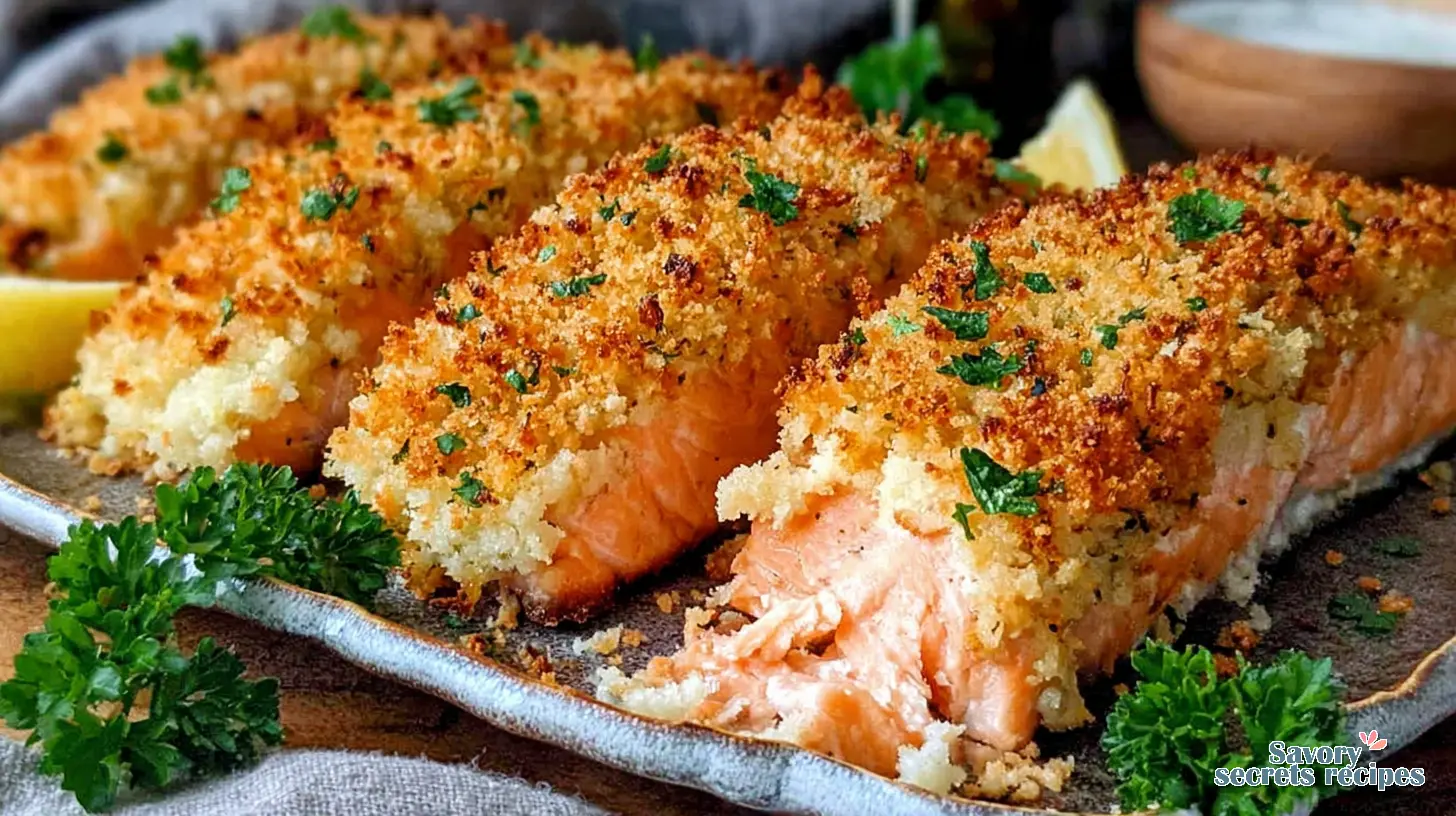
Frequently Asked Questions About Crispy Parmesan Crusted Salmon
Nutritional Information and Health Benefits
As an RD, I always appreciate a meal that tastes amazing and is good for you. This crispy parmesan crusted salmon definitely fits the bill. Salmon is a powerhouse of nutrition. It’s packed with omega-3 fatty acids, which are fantastic for heart health and brain function. To be honest, I could probably talk about omega-3s all day. It’s also a great source of lean protein, which keeps you feeling full and satisfied, making it a perfect healthy meal option. The garlic powder adds a little antioxidant boost, and the lemon juice brings in some vitamin C. This low carb salmon dish is pretty keto friendly too, which tracks with what a lot of people are looking for these days. It’s a satisfying meal that supports your wellness goals without feeling like you’re sacrificing flavor.Freezing and Meal Prep Instructions
While this crispy parmesan crusted salmon is best enjoyed fresh, I know life gets busy. For meal prep, you can absolutely get a head start. As I mentioned earlier, you can mix your parmesan crust ingredients up to two days in advance and store them in an airtight container in the fridge. That way, when you’re ready for a quick recipe, all you have to do is pat your salmon dry, coat it, and pop it in the oven. Freezing cooked salmon can be a little tricky because fish can lose some texture when thawed. If you do need to freeze leftovers, let the cooked crispy parmesan crusted salmon cool completely, then wrap individual fillets tightly in plastic wrap and place them in a freezer-safe bag. It’ll keep for up to a month. When you’re ready to eat it, thaw it in the refrigerator overnight. Reheat gently in a low oven (around 275°F) or briefly under the broiler to try and revive some of that golden crust. It won’t be *quite* the same as fresh, but it’ll still be a delicious, easy dinner.Visual Doneness Indicators & Salmon Variety Comparison
Beyond the internal temperature, your eyes can tell you a lot about whether your salmon is perfectly cooked. When it’s raw, salmon is translucent and deep orange or pink. As it cooks, it becomes opaque and lighter in color. The protein starts to coagulate, making the flesh turn a pale pink. You’ll also see the flesh begin to flake easily with a fork. I mean, you’ll know it when you feel it, or see it. Pull it when it’s still slightly translucent in the very center, as that carryover cooking will finish it off. When you’re at Trader Joe’s or Whole Foods, you’ll see a few types of salmon. Atlantic salmon is typically farmed, has a milder flavor, and a higher fat content, which can make it very moist. King salmon (Chinook) is wild-caught, known for its rich flavor and buttery texture, and it’s usually the most expensive. Sockeye salmon is also wild-caught, has a deep red color, and a firmer texture with a strong flavor. Coho salmon is another wild-caught option, with a medium-fat content and a milder flavor than sockeye. For this crispy parmesan crusted salmon, any of these will work beautifully. It just depends on your preference and budget, fair enough? When you make this crispy parmesan crusted salmon, you’ll discover how easy it is to create a truly impressive dish at home. You’ll get that satisfying CRUNCH from the golden crust, and the confidence of knowing you can cook perfect, moist salmon every time. It’s going to be absolutely delicious, and your family or guests will be so impressed. Don’t worry if it’s not perfect the first time, you’ll get there. Grab some salmon on your next grocery run at Ralphs or Vons, and give this a try. Let me know how your crispy parmesan crusted salmon turned out in the comments! For more inspiration, check out my Pinterest boards.Source: Nutritional Information
Do you thaw frozen salmon before baking this Crispy Parmesan Crusted Salmon?
Yes, you absolutely should thaw frozen salmon first. It helps ensure even cooking and allows the parmesan crust to adhere properly. You can thaw it overnight in the refrigerator or quickly under cold running water before patting it dry and proceeding with the recipe.
What is the internal temperature for perfectly cooked fish, specifically for this recipe?
For perfectly moist and juicy fish, aim for an internal temperature of 125°F to 130°F in the thickest part of your crispy parmesan crusted salmon. Remember, it will continue to cook a bit after you remove it from the oven, reaching its ideal doneness around 135°F to 140°F.
Can I use panko breadcrumbs instead of fine breadcrumbs for the crispy parmesan crust?
While the base recipe uses the finely grated Parmesan cheese and some dried herbs for its crust, you can definitely add panko breadcrumbs for an extra layer of crunch. If you’re looking for that specific crispy texture, panko would be a great addition to the parmesan mixture.
Can I use this Parmesan crust on other types of fish besides salmon?
Absolutely! This savory parmesan fish dish technique works beautifully on other firm white fish. Think halibut, cod, or sea bass. You’ll just need to adjust the cooking time based on the thickness of the fillet. It’s a versatile crusting technique.
What’s the best type of salmon to use for this crispy baked salmon plate?
I generally prefer wild-caught salmon for its flavor, but Atlantic salmon (often farmed) works great too and is widely available at places like Ralphs or Whole Foods. Look for fillets that are around 1-inch thick for even cooking. Any type will give you a delicious crispy parmesan crusted salmon.