



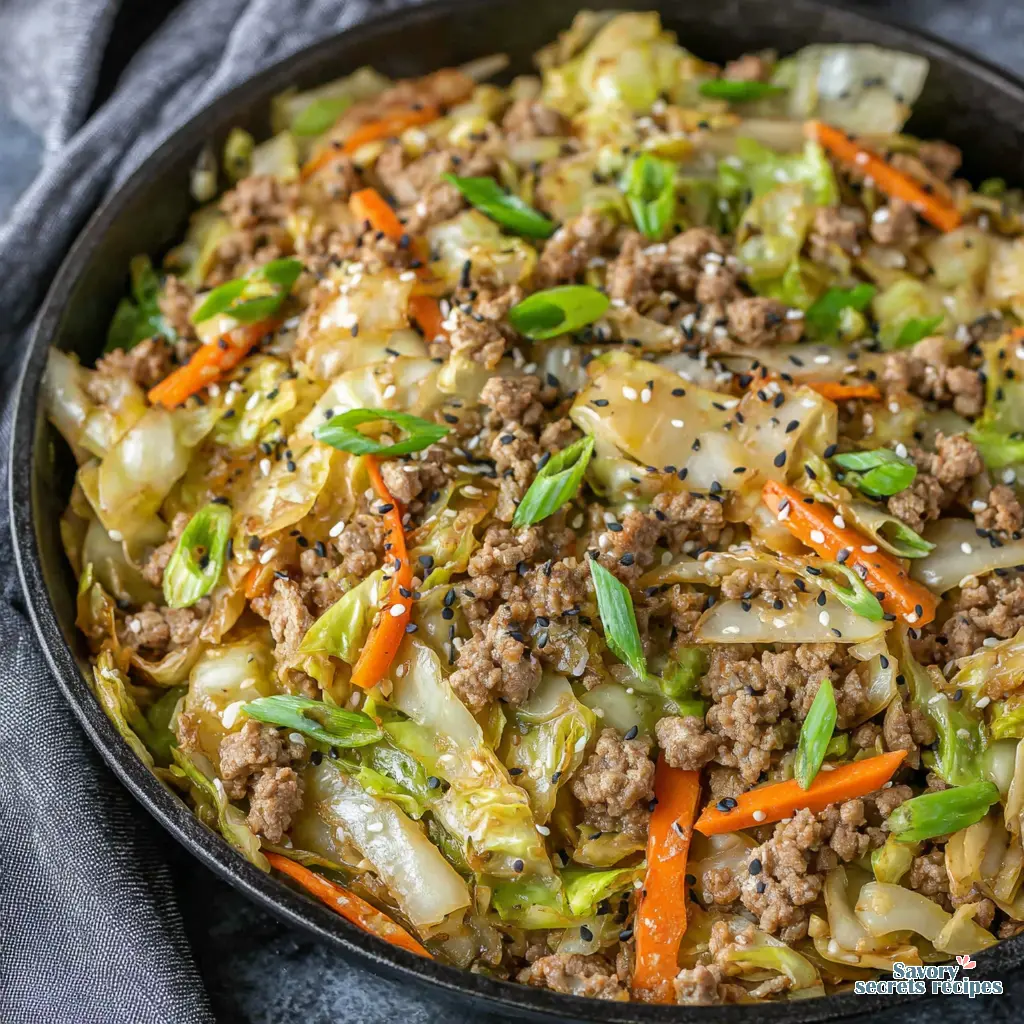
Quick Turkey Egg Roll in a Bowl
Ingredients
Method
- Heat 1 tablespoon olive oil in a large skillet over medium heat. Add the turkey and cook for 5-6 minutes, or until almost cooked through.
- Push the turkey to one side of the pan. Add the onion and remaining tablespoon of oil; cook for 3-4 minutes, stirring occasionally. Incorporate shredded carrots, garlic, and ginger; cook for 2 minutes, stirring frequently. Pour in the chicken broth and scrape any brown bits from the bottom of the pan.
- Add the cabbage, tamari or soy sauce, vinegar, salt, and pepper. Stir well, then cover. Reduce heat to medium-low and cook for 12-15 minutes, or until the cabbage reaches your desired tenderness. Remove from heat and stir in the toasted sesame oil.
- Serve the egg roll in a bowl over white rice, if using. Top with green onions, toasted sesame seeds, and sriracha mayo, if desired.
Nutrition
Notes
- Nutrition: Facts were calculated without any of the additional serving options.
- Storage: Store leftovers in the refrigerator for 3-4 days. I would not recommend freezing this recipe since excess water will accumulate after thawing, causing the cabbage to become mushy.
- Reheating: Warm up leftovers in a skillet over medium-low heat for the best taste and texture. You can also warm it up in the microwave, but it will be soggier.
- Cabbage. Freshly shredded cabbage is best, but you can also use 2 bags of coleslaw mix or pre-shredded cabbage.
- Soy sauce: Regular soy sauce works great, but can be a tad bit too salty. I prefer to use Tamari when making this recipe so you get all of the flavor without the extra sodium. Plus, it’s naturally gluten-free, too! Use coconut liquid aminos if on a Whole30 diet.
Why This Egg Roll in a Bowl is Your New Weeknight Hero
You know the feeling. It’s Tuesday, maybe Wednesday, and you’re staring into the fridge with that familiar mix of hunger and dread. You want something that tastes like a treat, something with that savory, umami-packed flavor you usually only get from takeout. But you also want it to be, you know, good for you. And you definitely don’t have an hour to spend cooking.
I hear you. I’ve been there more times than I can count, especially after a long day of testing recipes in the kitchen. The last thing I want to do is start another complicated project. That’s exactly why this Egg Roll in a Bowl recipe has become my absolute go-to. It’s the answer to that weeknight dinner dilemma. Let me walk you through why it works so well.
Understanding the “Deconstructed” Magic
So, what is an egg roll in a bowl, really? Fair enough, it’s a fair question. Think of it as all the best parts of a classic egg roll the savory filling of seasoned meat and crisp-tender cabbage scooped right out of the wrapper and into your bowl. It’s a deconstructed egg roll meal, and honestly, it’s better this way.
You get all that flavor without the fuss of rolling and frying. The texture is incredible, with the cabbage staying just crisp enough to give you that satisfying bite. The sauce, a simple combo of soy sauce, rice vinegar, and toasted sesame oil, coats everything in a glossy, savory sheen that’s just magic. This is the good stuff.
Your Ingredient Roadmap: Two Paths You Can Take
Here’s what I’ve found works when you’re gathering ingredients. You’ve got a couple of clear paths, and the choice depends on your time and what’s in your fridge.
Path One: The Shortcut. Grab a bag of coleslaw mix from the store. It’s usually just shredded green cabbage and carrots, and it’s a total time-saver. This is your checkpoint for a truly 20-minute meal. I pick mine up at Ralphs or Trader Joe’s almost every week.
Path Two: The From-Scratch. If you’ve got a small head of cabbage and a couple of carrots, you can absolutely shred your own. You’re looking for about six and a half cups total. The texture can be a bit more varied and robust, which I sometimes prefer. It depends on your setup, but here’s what I’d try if you have an extra five minutes.
The fresh ginger and garlic are non-negotiable for that authentic punch. Don’t worry if your mince isn’t perfect. The goal is to get that aroma going in the pan first thing. That’s exactly what you want to see.
Choosing Your Protein: A Quick Comparison
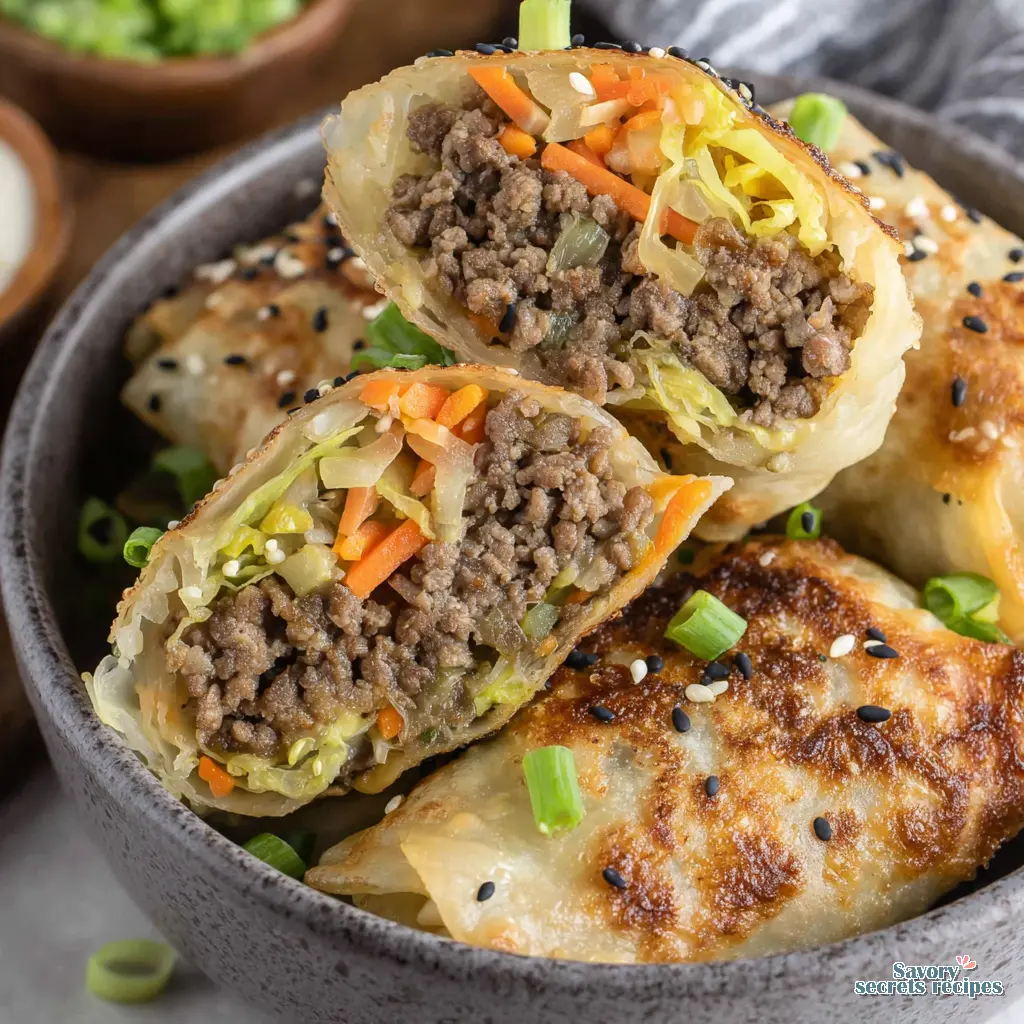
Now, about the meat. The recipe card uses ground turkey, which is a fantastic, lean option. But what if you want something else? Makes sense. Let’s troubleshoot this together.
I’ve tested this with a few different proteins, and they all work, but they bring different things to the bowl.
Ground Turkey or Chicken: This is your lean, mild canvas. It soaks up the sauce flavors beautifully and keeps things light. Perfect if you’re watching fat intake.
Ground Beef: Gives you a richer, more savory depth. I’d probably lean toward a 90/10 blend here so it doesn’t get too greasy. It’s a heartier option that feels more indulgent.
For a Vegetarian Version: Crumbled firm tofu or even a couple of scrambled eggs stirred in at the end are great. For tofu, press it well and brown it just like you would the meat. It won’t be exactly the same, but it’ll be delicious in its own right.
The process is the same no matter what you choose. Brown it well, get some color on it. That’s where a lot of the foundational flavor comes from.
The Cooking Process: Why Order Matters
This isn’t just a dump-and-stir recipe. Well, it almost is, but the sequence matters for building flavor. Trust the process here.
You start with the onion in hot oil. You want it to soften and get a little sweet. Then you add the ginger and garlic. This step makes all the difference. By adding them now, you’re toasting their flavors in the oil, which infuses the whole dish. If you add them later with the cabbage, they can taste a bit raw and sharp.
Next, the protein. Get it nicely browned. Don’t just gray it. Those little browned bits at the bottom of your pan? That’s flavor gold. We call that fond. The splash of chicken broth you add next helps lift all that fond up, dissolving it back into the sauce. Now we’re getting somewhere.
Avoiding the Soggy Cabbage Dilemma
This is the most common worry I hear. “Will my egg roll in a bowl be a soggy mess?” Not if you follow one simple rule.
High heat and short cooking time. When you add that mountain of cabbage, it might seem like too much. It’s not. Cabbage has a ton of water in it. You want to stir it in and cook it just until it wilts and turns bright, maybe 5 to 7 minutes. You’re aiming for crisp-tender, not mushy and translucent.
If your pan seems too crowded, don’t stir constantly. Let it sit for a minute to get some direct heat, then stir. This helps water evaporate instead of steaming the veggies. That tracks with my experience testing this in different pans.
Common Visual Cues & Fixes
Issue: The mixture seems too wet or soupy.
Likely Cause: The cabbage was added too early or cooked on too low a heat.
Fix: Crank the heat up to medium-high and let it cook, stirring less frequently, to evaporate the excess liquid. It’ll tighten up.
Issue: The flavors taste flat or one-dimensional.
Likely Cause: The ginger and garlic weren’t cooked long enough, or you skipped the toasted sesame oil.
Fix: Make sure to cook the aromatics for a full minute until fragrant. And that toasted sesame oil at the end is non-negotiable for authentic flavor. It’s your finishing touch.
Issue: The ground turkey is bland.
Likely Cause: It wasn’t seasoned during browning.
Fix: Don’t forget a pinch of salt and pepper when you’re cooking the protein. Season in layers.
Mastering the Sauce & Final Seasoning
The sauce is simple, but balancing it is key. You’ve got salty (soy sauce or tamari), tangy (rice vinegar), and rich, nutty (toasted sesame oil).
I add the soy sauce and rice vinegar when the cabbage goes in. This lets the flavors meld and cook into the veggies. The toasted sesame oil, however, always goes in at the very end, off the heat. Heat can destroy its delicate aroma. Drizzle it over the top and give it one final stir. The smell is incredible it instantly transforms the dish.
Now, taste. Always taste. Does it need another splash of vinegar for brightness? A tiny bit more salt? Your palate is the final judge. This is your checkpoint.
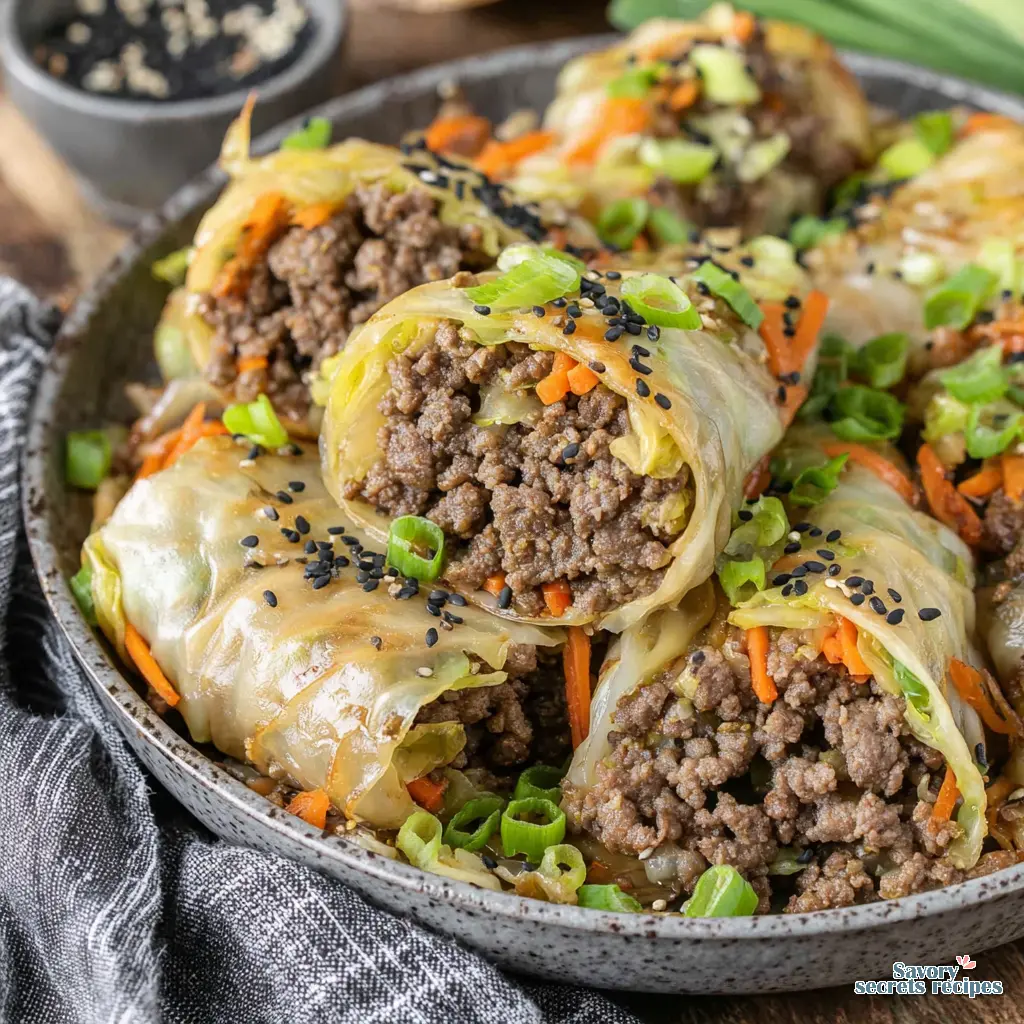
How to Serve Your Egg Roll in a Bowl
This is where you can really make it your own. The base is a complete, low carb egg roll bowl all on its own. But if you’re feeding a crowd or want to stretch it, you’ve got options.
For a Keto or Low-Carb Meal: Serve it straight up, maybe with a side of quick-sautéed green beans or zucchini noodles. It’s a perfect keto egg roll skillet.
To Make it More Substantial: Spoon it over a bed of cooked white rice, cauliflower rice (my go-to for extra veggies), or even quinoa. The rice soaks up the extra sauce beautifully.
The Toppings Bar: This is fun. Set out bowls of sliced green onions, extra sesame seeds, and a drizzle of sriracha mayo. I like a squeeze of fresh lime wedge sometimes, too. Let everyone build their perfect Asian cabbage bowl dish.
Your Meal Prep Game Plan
If you’re like me and love having healthy lunches ready to go, this egg roll in a bowl is a dream. It’s incredibly meal prep friendly.
Let the cooked mixture cool completely, then portion it into airtight containers. It’ll keep in the fridge for up to 4 days. The flavors actually meld and get better by the second day.
Reheating is easy. A minute or two in the microwave works, but I prefer the stovetop. Just toss it in a skillet over medium heat until it’s steaming hot. If it seems a tad dry, add a teaspoon of water or broth to loosen it up.
I don’t recommend freezing it, though. The cabbage loses too much texture and becomes watery when thawed.
Frequently Asked Questions
Final Thoughts from My Kitchen
This recipe reminds me of the kind of practical, feel-good food my teta would approve of. It’s resourceful, full of flavor, and gets a real dinner on the table without drama. That savory aroma filling your kitchen, the sizzle of the skillet, the vibrant colors in the bowl it’s a win on every level.
When you make this Egg Roll in a Bowl, you’ll wonder why you ever thought you needed takeout on a busy night. It’s that satisfying. I’d love to hear how it turns out for you. Did you try it with beef? Add some chili crisp? Let me know in the comments!
For more weeknight inspiration and easy twists on classics, check out my Pinterest boards. I’m always adding new ideas over there.
Source: Nutritional Information
What kind of cabbage is best for egg roll in a bowl?
Green cabbage is the standard and works perfectly. It holds up well to cooking and stays crisp-tender. You can use a bag of coleslaw mix (green cabbage and carrots) for a huge shortcut, or shred half a small head yourself. I wouldn’t use red cabbage here as it can bleed color.
Can you make egg roll in a bowl ahead of time?
Absolutely. It’s one of my favorite make-ahead meals. Let it cool, store it in airtight containers in the fridge for up to 4 days. Reheat in a skillet or the microwave. The flavors are even better the next day, making it a perfect lunch.
What can you use instead of soy sauce in egg roll in a bowl?
For gluten-free, use tamari. For a soy-free option, coconut aminos are great they’re slightly sweeter, so you might use a tiny bit less. In a real pinch, a very small amount of fish sauce diluted with water can work, but it’s a different flavor profile.
Is egg roll in a bowl healthy?
Yes, it can be a very healthy, balanced meal. It’s packed with vegetables (cabbage, carrots, onions), lean protein, and healthy fats from the oil. By skipping the fried wrapper and controlling the sauce, you get all the flavor for a fraction of the calories and carbs of a traditional egg roll.