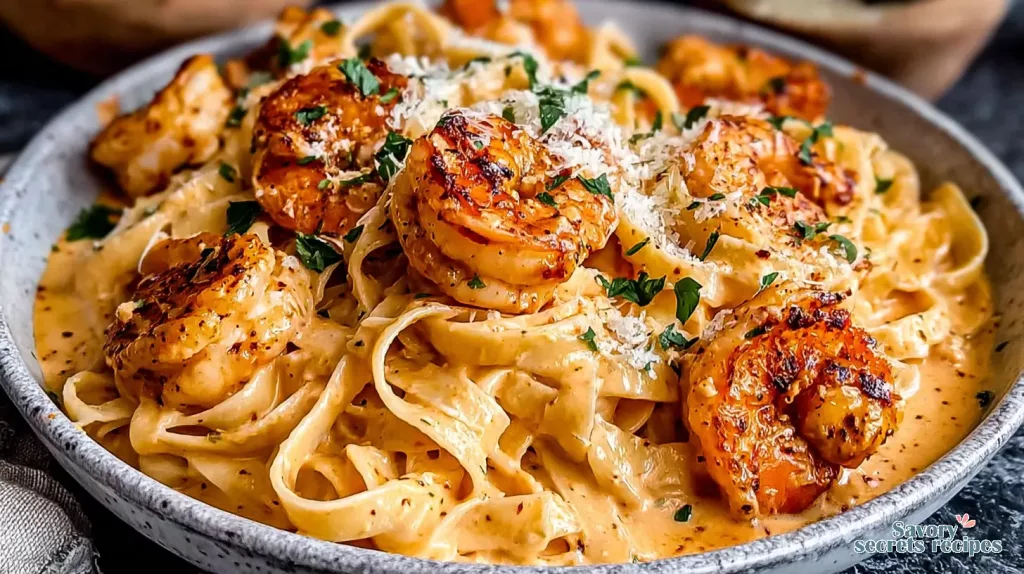




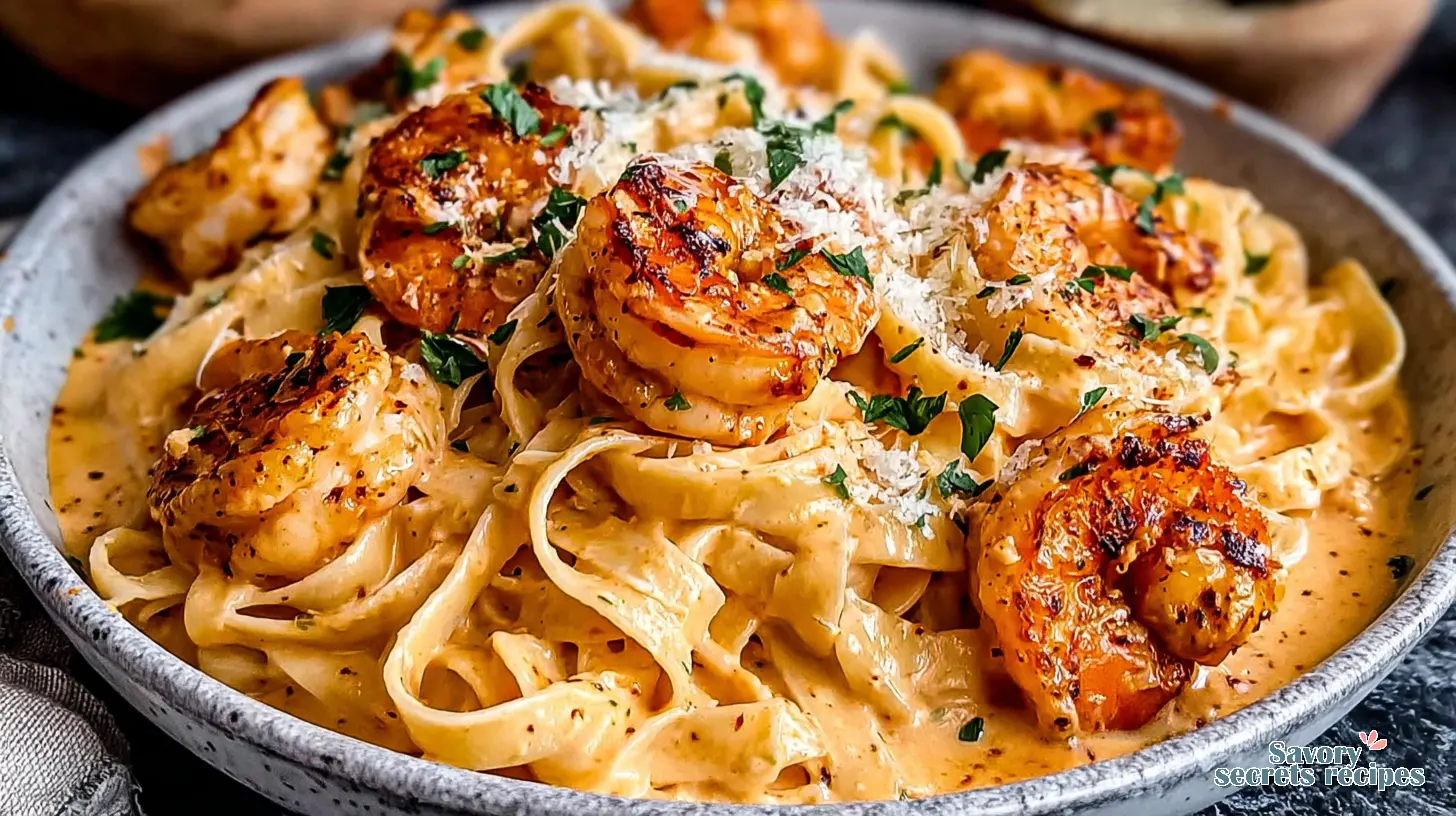
Creamy Cajun Shrimp Pasta: Quick & Easy Meal
Ingredients
Method
- Boil water and cook 8 oz of fettuccine or penne until al dente (8-10 minutes). Reserve ½ cup of pasta water, then drain and set aside.
- Combine 1 lb of peeled and deveined shrimp with 2 tablespoons of Cajun seasoning in a bowl, ensuring each shrimp is well-coated.
- Heat 2 tablespoons of olive oil in a large skillet over medium-high heat. Cook the shrimp for 2-3 minutes per side until opaque and lightly charred. Remove the shrimp and set aside.
- In the same skillet, melt 1 tablespoon of butter and sauté 4 cloves of minced garlic for about 30 seconds, until fragrant and slightly golden.
- Pour in 1 cup of heavy cream and ½ cup of chicken broth (or reserved pasta water). Let the mixture bubble gently for 2-3 minutes until creamy and slightly thickened.
- Stir in ½ cup of grated Parmesan cheese and ½ teaspoon of paprika (if using). Season with salt and pepper to taste, allowing the sauce to thicken further.
- Add the cooked pasta to the skillet and gently coat the noodles in the creamy sauce. Fold the shrimp back in, warming everything through.
- Serve hot, optionally top with chopped parsley, a sprinkle of extra cheese, or a squeeze of lemon juice for a fresh finish.
Nutrition
Notes
Why This Creamy Cajun Shrimp Pasta Works for a Busy Weeknight
You know that feeling. It’s Wednesday, you’re staring into the fridge, and the clock is ticking. You want something that feels like a treat, something with a bit of excitement, but you don’t have the energy for a culinary project. I’ve been there more times than I can count. That’s exactly where this creamy Cajun shrimp pasta comes in. It’s your answer. From what I’ve seen, a good weeknight recipe needs to be fast, forgiving, and deeply satisfying. This one hits all three. It brings that bold, spicy-savory flavor of a southern shrimp pasta dish right to your skillet in about the time it takes to boil water for the noodles. Makes sense to me. You get a rich, creamy sauce clinging to tender shrimp and pasta, and it all comes together in one pan. Well, mostly one pan. We’ll get to that.
I tend to think the magic is in the balance. You’ve got the heat from the Cajun seasoning, the cool richness from the cream, and that briny sweetness from the shrimp. It’s a flavor explosion that feels indulgent, but the process is straightforward. In my experience, that’s the sweet spot for a recipe like this. You’ll feel like you pulled off something special, and honestly, you did. But it doesn’t have to be complicated to be good. That’s the detail that matters.
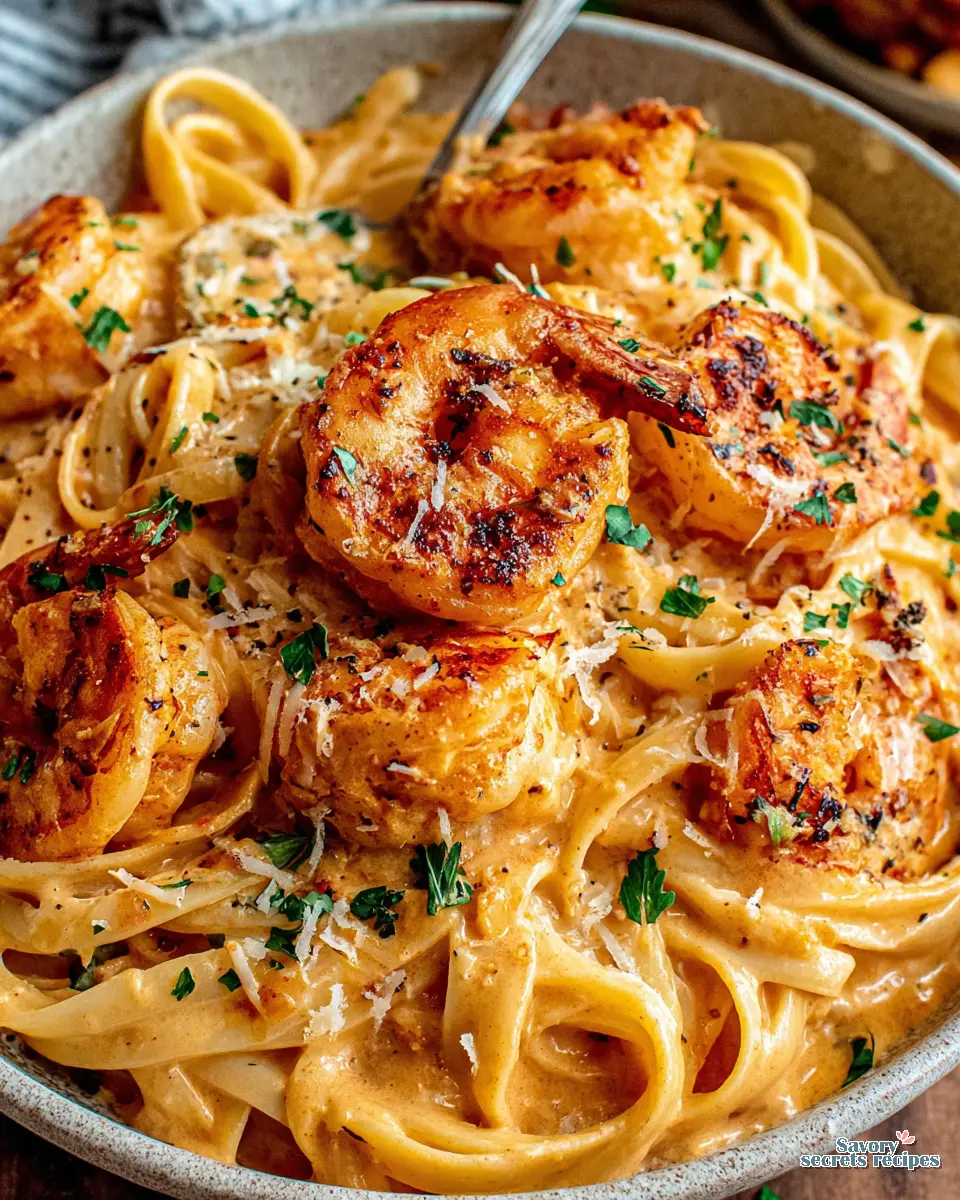
Choosing Your Path: Pasta, Shrimp, and Seasoning
Let’s talk ingredients, but not just list them. I want to walk you through the choices, because that’s where your confidence starts. You’ve got options, and understanding the trade-offs is half the battle.
First, the pasta. The recipe card calls for fettuccine or penne, and there’s a reason for that. I’d lean toward fettuccine for a classic, luxurious feel those wide ribbons hold onto the creamy Cajun sauce beautifully. Penne is fantastic too, especially if you’re serving a crowd or want every bite to have a little pocket of sauce. You could use linguine in a pinch, but I’d avoid angel hair or thin spaghetti. They can get overwhelmed. From what I’ve seen, a sturdier noodle stands up to the bold flavors better.
Now, the shrimp. This is where my grandfather’s lessons kick in. You’re looking for that just-opaque center. Please, trust the texture more than the clock. I recommend large shrimp (21-25 count per pound), peeled and deveined. Thaw frozen shrimp overnight in the fridge, or in a pinch, run them under cold water in a colander. Pat them completely dry with paper towels. This is crucial for a good sear and to keep your sauce from getting watery. A light hand here with the drying makes all the difference.
Finally, the Cajun seasoning. This is the heart of your spicy shrimp pasta skillet. You’ve got two main roads here: store-bought or homemade. Tony Chachere’s or Slap Ya Mama are common finds at Ralphs or Vons. They’re great, but they can be salty and spicy. My advice? Start with half the amount the recipe suggests, taste your sauce later, and add more. It’s way easier to add heat than to take it away. If you’ve got five extra minutes, making your own blend lets you control the salt and adjust the cayenne. It’s worth considering. A simple mix of paprika, garlic powder, onion powder, oregano, thyme, cayenne, and black pepper gets you there.
The Science of the Sauce (And How Not to Break It)
This is where it gets good. That rich creamy shrimp plate doesn’t happen by accident, but the method is simple once you know what you’re watching for. We’re building a quick pan sauce that uses the fond those tasty browned bits left from cooking the shrimp as its flavor base.
You start by searing the shrimp in oil and butter. Don’t crowd the pan. Do it in batches if you need to. You want a quick, hot sear just until they turn pink and opaque. They’ll finish cooking later. Remove them to a plate. This step infuses the fat with shrimp flavor and creates the foundation for your sauce.
Next, you make a quick roux. That’s just butter and flour cooked together for a minute to get rid of the raw flour taste. This is your thickening agent. Whisk it constantly. It should smell nutty, not burnt. Then, you slowly stream in the heavy cream and chicken broth, whisking the whole time to prevent lumps. This is where the sauce comes together. Let it simmer and reduce for a few minutes. It’ll thicken nicely. The parmesan cheese you stir in at the end? That adds body and a salty, umami punch, but add it off the heat. High heat can make cheese grainy.
If your sauce seems too thick, a splash more broth or cream will loosen it right up. Too thin? Let it simmer a bit longer. The fish will tell you when it’s ready, and so will the sauce. It should coat the back of a spoon.
Common Mistakes & Fixes
Mistake: Overcooked, rubbery shrimp.
Solution: Cook them just until pink and opaque, then remove. They’ll finish in the warm sauce. Seriously, take them out a minute before you think you should.
Mistake: A runny, broken sauce.
Solution: Simmer longer to reduce. Ensure you’re using heavy cream (not milk or half-and-half) and don’t skip the parmesan. Always add cheese off the direct heat.
Mistake: Seasoning overwhelm.
Solution: Start with half the Cajun seasoning, especially with store-bought blends. You can always add more after tasting the finished sauce.
Mistake: Adding pre-cooked shrimp.
Solution: Don’t. Use raw shrimp. Pre-cooked shrimp will become tough and won’t flavor the sauce. It depends on the situation, but generally speaking, raw is the only way to go for this creamy Cajun shrimp pasta.
Making It Yours: Variations and Swaps
This recipe is a fantastic template. Once you’re comfortable with the base, you can start playing. That’s how you make a recipe a part of your regular rotation.
Want to add veggies? Fair enough. Sauté some sliced bell peppers, onions, and celery the “holy trinity” right after you cook the shrimp. Remove them, then make your sauce. Stir them back in at the end. Asparagus or peas in the spring? Toss them in during the last minute of simmering. For a different protein, chicken breast or scallops work beautifully. Just adjust the cooking time. Chicken will need longer than shrimp.
If you’re looking for a lighter sauce, you can use half-and-half instead of heavy cream. The sauce won’t be quite as luxuriously thick, but it’ll still be delicious. For a dairy-free version, a full-fat coconut milk can work in a pinch, though it’ll add a subtle coconut flavor. Worth considering if you need it.
And the pasta? I mentioned fettuccine and penne. But rigatoni, ziti, or even a good rotini will trap that creamy Cajun sauce perfectly. It’s all about finding what you love.
Serving, Storing, and Bringing It All Back to Life
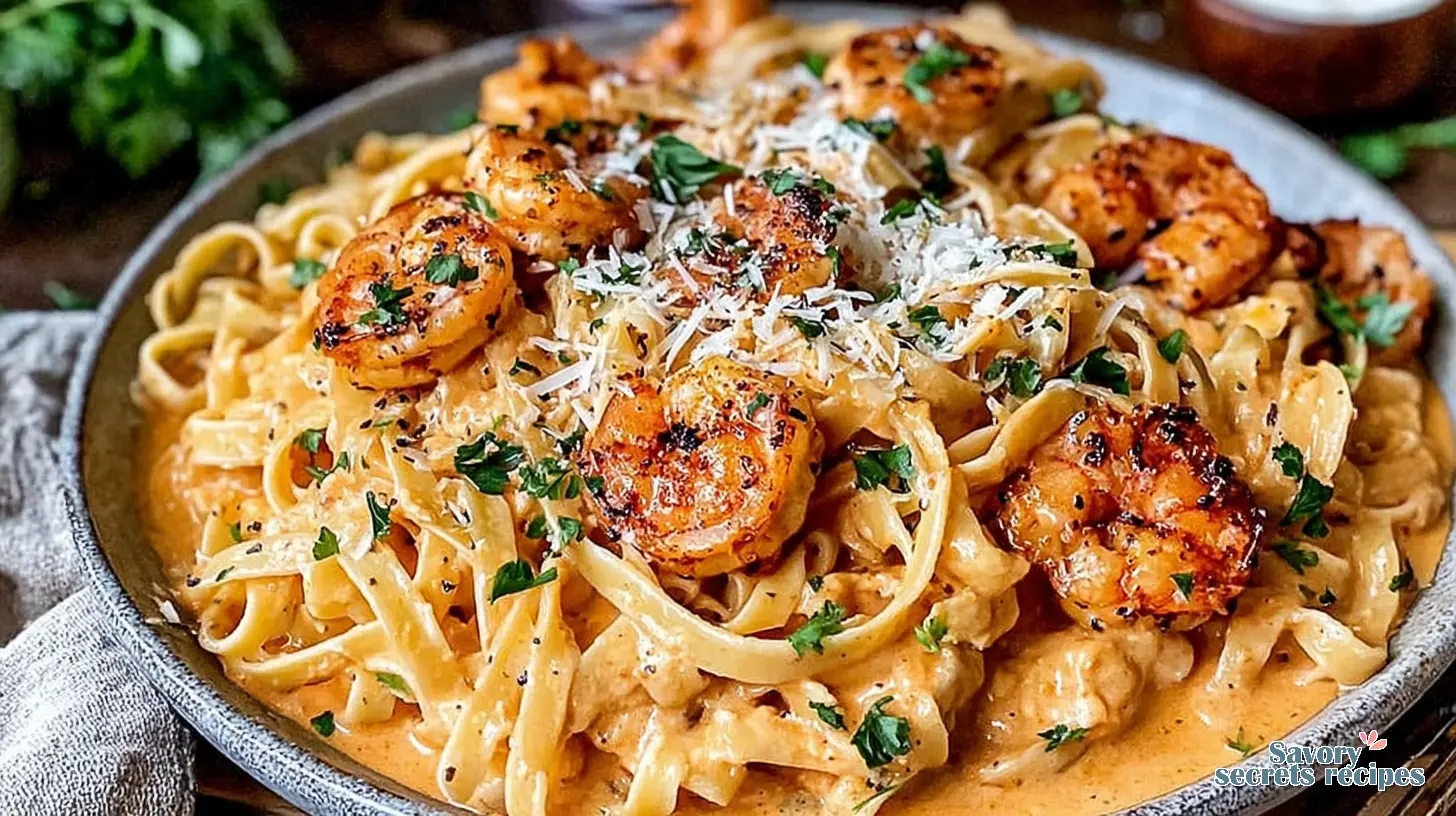
When your creamy Cajun shrimp pasta is ready, serve it immediately. Garnish with a little chopped parsley or a sprinkle of green onion for color and freshness. A squeeze of lemon juice right at the end can brighten all the rich flavors. It’s a complete meal on its own, but a simple green salad or some crusty bread to mop up the sauce is never a bad idea.
Got leftovers? Store them in an airtight container in the fridge for up to 3 days. The pasta will absorb sauce, so it’ll be thicker when cold. Reheating is key. Don’t just nuke it on high. My method: add a splash of broth or cream to a skillet over medium-low heat. Add the pasta, cover, and gently warm it, stirring occasionally, until it’s heated through. This keeps the shrimp from getting tough and re-emulsifies the sauce. You can microwave it in 30-second bursts with a damp paper towel over the top, but the stovetop is better. I wouldn’t recommend freezing this one the creamy sauce and shrimp don’t thaw well.
Frequently Asked Questions
When you take that first bite of your homemade creamy Cajun shrimp pasta, with the perfect spice level you tailored for yourself, you’ll understand why this recipe is a weeknight keeper. It’s that effortless indulgence we all need sometimes. You’ve got the knowledge now from choosing shrimp to saving a sauce. So grab your skillet. I’m confident you’ll nail this rich, creamy shrimp plate on the first try. Let me know how your creamy Cajun shrimp pasta turns out!
For more seafood inspiration and weeknight meal ideas, check out my Pinterest boards where I share tips and variations from my kitchen.
Source: Nutritional Information
What’s the best pasta to use for Creamy Cajun Shrimp Pasta?
Fettuccine or penne are my top picks. Fettuccine’s wide ribbons hold the sauce well, and penne’s tubes catch it inside. Both stand up to the bold flavors better than thinner pastas like angel hair.
How can I make this Cajun shrimp pasta less spicy?
Start with half the Cajun seasoning, especially if using a store-bought blend. You can always add more after tasting the finished sauce. Omitting cayenne or red pepper flakes from a homemade mix also dials back the heat.
Can I use milk instead of heavy cream for a lighter sauce?
You can, but the sauce will be much thinner and less rich. Half-and-half is a better middle-ground swap. For the classic creamy texture, heavy cream is the way to go.
What side dishes go well with this southern shrimp pasta dish?
A simple green salad with a vinaigrette cuts the richness perfectly. Garlic bread or a crusty baguette is great for sopping up sauce. For spring, some steamed asparagus or a quick sauté of peas works beautifully.
How do I store and reheat leftover creamy shrimp pasta?
Store in an airtight container in the fridge for up to 3 days. Reheat gently in a skillet with a splash of broth or cream over medium-low heat, stirring until warm. This prevents the shrimp from turning rubbery.
Can I make Creamy Cajun Shrimp Pasta ahead of time?
You can prep components: make the sauce (hold the parmesan), cook the shrimp, and boil the pasta separately. Store them apart in the fridge. Combine and gently reheat with a little extra liquid when ready to serve for the best texture.
Can I make my own Cajun seasoning?
Absolutely. Mix 2 tbsp paprika, 1 tbsp each garlic powder, onion powder, and dried oregano, 1 tsp each thyme, black pepper, and cayenne (adjust to taste), and 1/2 tsp salt. It gives you complete control over salt and heat.
Can I add extra vegetables to this pasta?
Yes. Sauté bell peppers, onions, and celery after the shrimp. Mushrooms, asparagus, or spinach are also great additions. Just cook them until tender-crisp before building your sauce.
Why is my Cajun sauce runny?
It likely needs more reduction. Let it simmer longer to thicken. Also, ensure you’re using heavy whipping cream and don’t skip the parmesan cheese, which acts as a thickener.
Can I use pre-cooked shrimp?
I don’t recommend it. Raw shrimp sears better, stays tender, and most importantly, infuses the pan with flavor that becomes the base of your sauce. Pre-cooked shrimp tends to get rubbery when reheated.