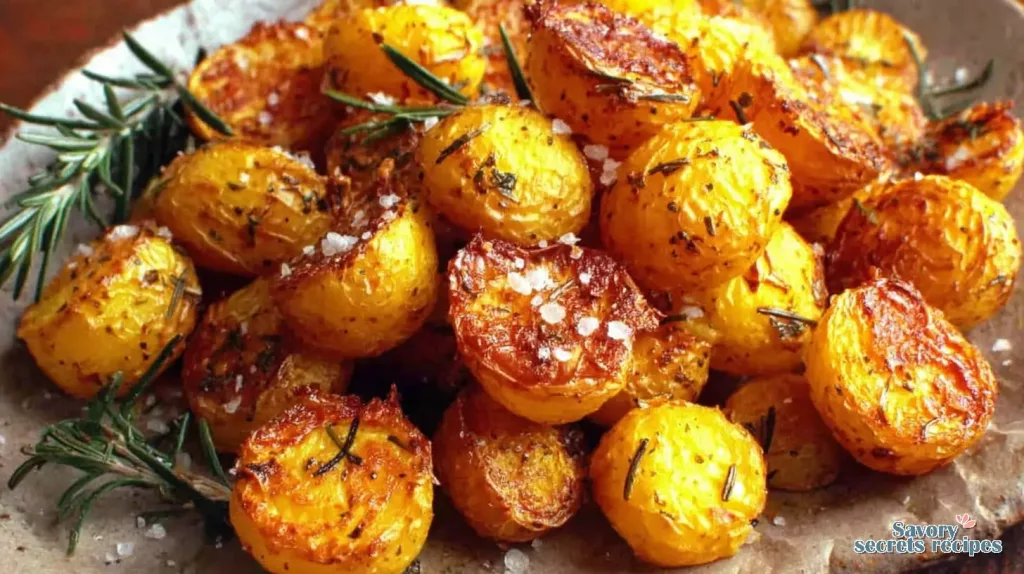




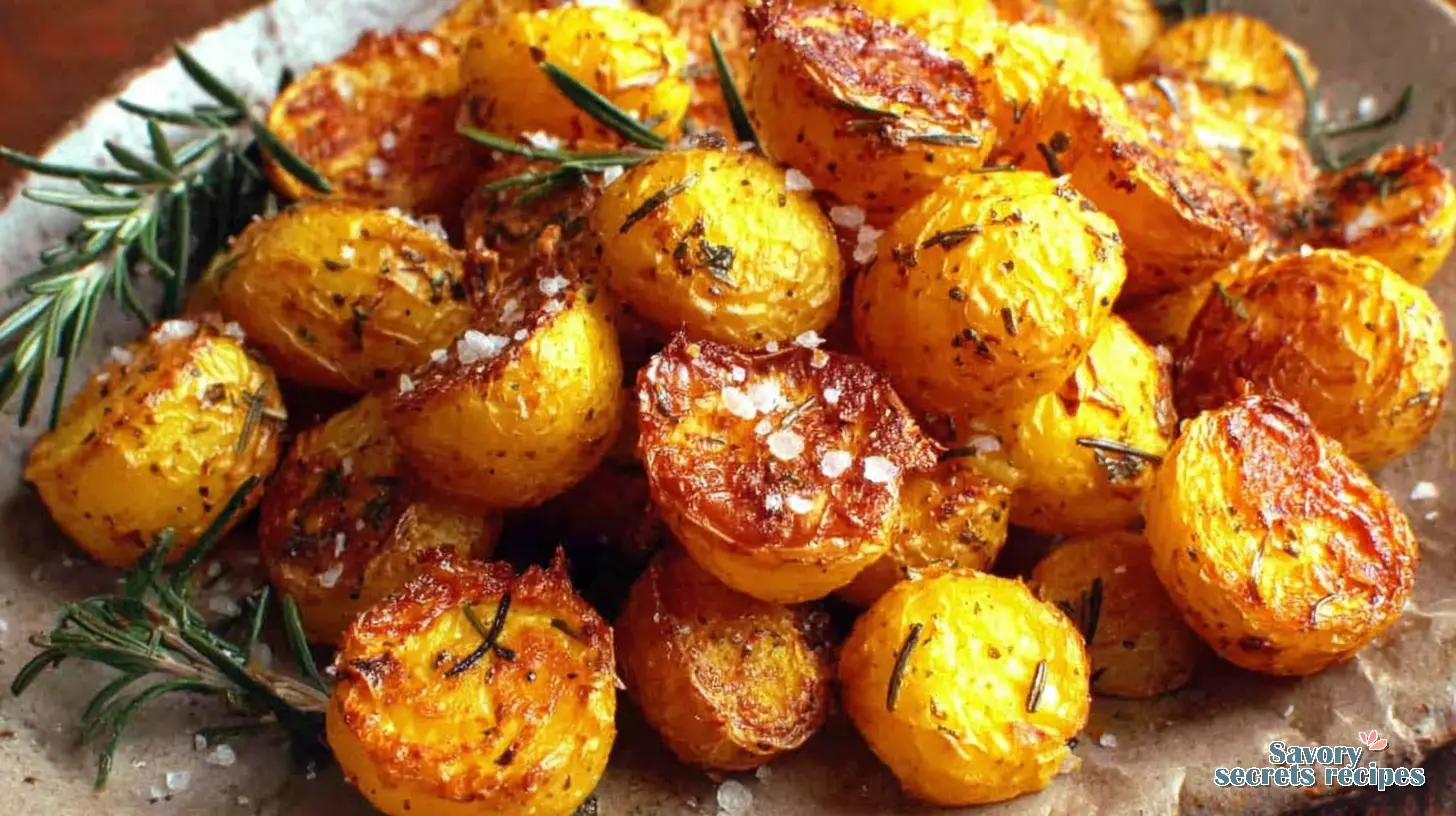
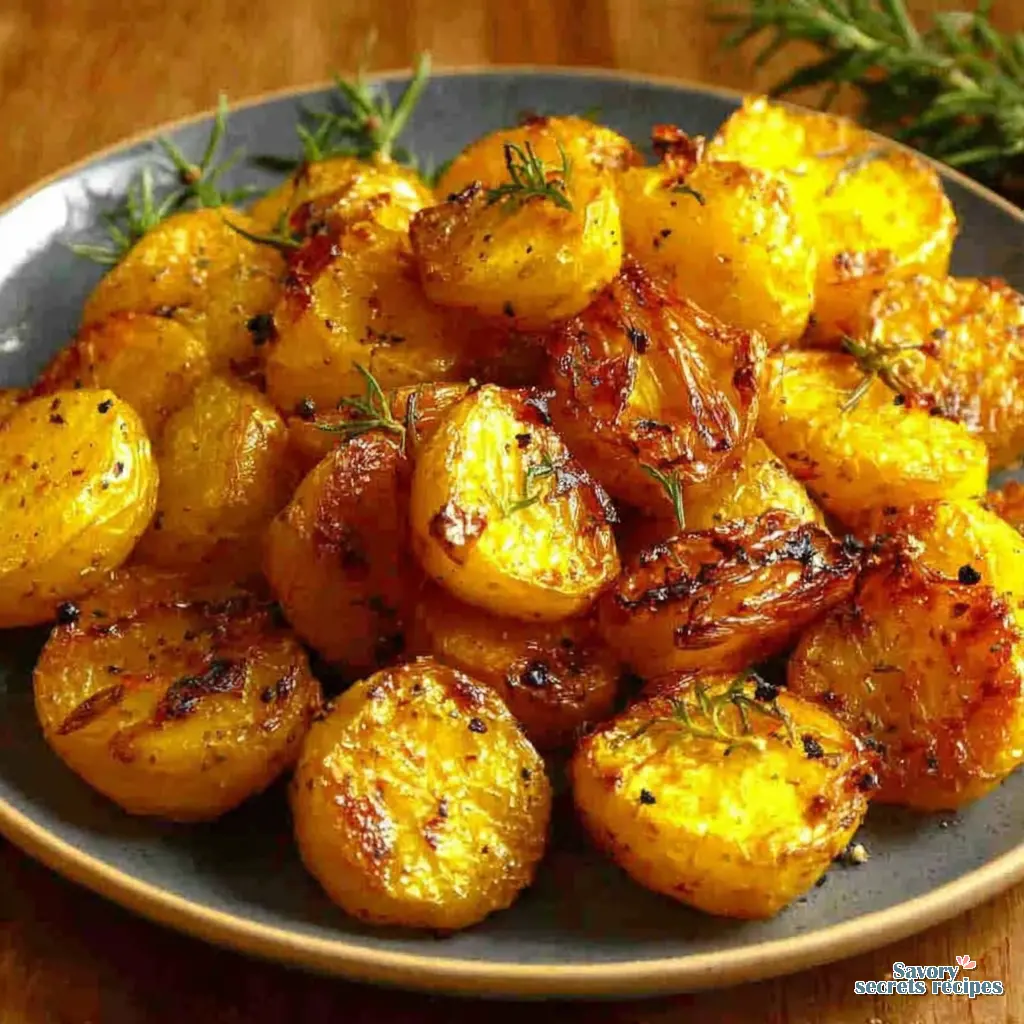
Crispy Roasted Garlic Potatoes with Rosemary
Ingredients
Method
- Preheat the oven to 450°F with a large roasting pan inside.
- Rinse and boil potatoes in salted water until barely fork-tender. Drain and dry them.
- Add melted duck fat to the hot roasting pan, then toss in the prepared potatoes and seasonings.
- Roast for about 55-60 minutes, tossing every 20 minutes until golden brown.
- Mix roasted garlic cloves with rosemary and olive oil. Combine with the potatoes for the last 5 minutes of roasting.
Nutrition
Notes
Why You’ll Love These Roasted Garlic Potatoes
I remember the first time I tried to make roasted garlic potatoes for a family dinner. It was a few years ago, and I was so sure I had it figured out. I chopped, I tossed, I baked. What came out of the oven were… fine. They were okay. But they were pale, a bit soft, and the garlic? It had that sharp, almost bitter bite because it burned. My husband, bless him, said they were great. But I knew. I knew they weren’t the crispy, golden, aromatic dream I was after.
That little failure stuck with me. It’s why I tested this method so many times. I wanted the kind of roasted garlic potatoes that make you close your eyes when you take a bite. The kind with a shatteringly crisp shell, a fluffy interior, and garlic that’s sweet and mellow, not harsh. This recipe is what finally solved the problem I was having. It really works. And let me walk you through why, so you can skip right to the glorious part.
Here is what I have found works: it’s not one big secret, but a few small, careful steps. Par-boiling with a pinch of baking soda creates a rough surface for maximum crispiness. Using duck fat (or a good oil) and a screaming hot pan gives you that incredible sizzle right from the start. And adding the garlic late in the game? That’s the part that matters to keep it from turning bitter. This recipe delivers that perfect contrast of textures and deep, savory flavor, every single time.
Key Ingredients for Roasted Garlic Potatoes
This isn’t a long list, which I love. Each ingredient has a specific job. Using the right ones is your first checkpoint for success.
Yellow Potatoes: I like Yukon Golds for this. Their thin skin doesn’t need peeling, they have a naturally buttery flavor, and they have just the right starch content to get fluffy inside and crispy outside. You could use red potatoes, too. Russets can work, but they’re more prone to falling apart. In my testing, Yukon Golds are the most reliable.
Duck Fat & Olive Oil: Okay, hear me out on the duck fat. It has a high smoke point and gives an unbelievably rich, savory flavor that’s just… next level. If you can find it at a place like Whole Foods or a good butcher, it’s worth it for special occasions. But to be safe, a good extra-virgin olive oil works beautifully too. The flavor is different, but still fantastic. Avocado oil is another great high-heat option.
Fresh Garlic & Rosemary: This is non-negotiable for me. Fresh garlic cloves, minced, and fresh rosemary, finely chopped. Dried rosemary is too prickly, and garlic powder won’t give you that same aromatic sweetness. The fresh stuff melts into the fat and coats the potatoes in the most incredible way. You’ll know it’s ready when the kitchen smells like a dream.
Kosher Salt & Baking Soda: The salt is for seasoning, obviously. But the baking soda? That’s a little powerhouse. Just a quarter teaspoon in the boiling water breaks down the surface of the potatoes ever so slightly. This creates a starchy, almost mashed-potato-like layer on the outside that crisps up like crazy in the oven. It’s a game-changer, I promise.
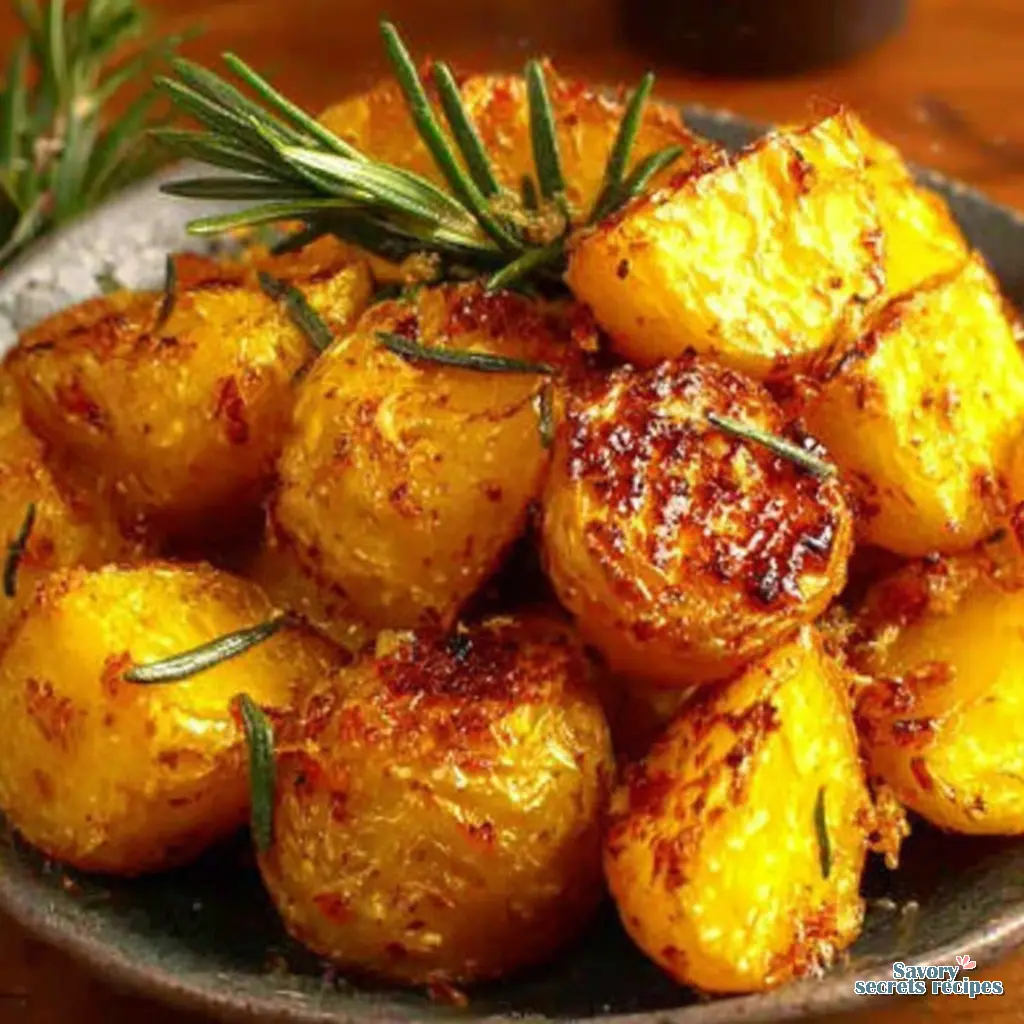
My Best Tips for Perfect Potatoes
This is where we turn good roasted garlic potatoes into great ones. These aren’t just random suggestions; they’re the solutions to the common pitfalls I’ve hit (and seen readers hit) over and over.
Cut Evenly, Seriously. I know it seems basic, but it’s the foundation. If your potato chunks are all different sizes, the small ones will burn before the big ones are cooked through. Aim for 1-inch cubes. It might take an extra minute, but it ensures everything finishes at the same time. This is your checkpoint before you even turn on the stove.
Heat the Pan First. This one really works. Place your empty baking sheet in the oven while it preheats. When those par-boiled, drained potatoes hit the sizzling hot fat on a hot pan, they start crisping immediately. If you start with a cold pan, they’ll steam first and you’ll lose that head start. Worth the extra step.
Don’t Crowd the Pan. This might be the most important tip. You want a single layer with a little space between each piece. If they’re all piled on top of each other, they’ll steam and become soggy. If your tray looks full, use two trays. It’s better to wash an extra pan than to eat soft potatoes. I learned this the hard way.
Be Patient with the Flip. Once they’re in the oven, leave them alone. Don’t poke or stir for at least 20 minutes. You want a solid, golden brown crust to form on the bottom. If you flip too soon, you’ll tear that crust off and they won’t get as crispy. You will know it is ready when you can easily slide a spatula underneath.
Add Garlic Late. Garlic burns fast. To keep it from getting bitter, we toss the minced garlic and rosemary with the hot potatoes in the last 5 minutes of roasting. The residual heat and oil will cook it gently, making it sweet and fragrant. This solved the problem I was having with burnt, bitter bits.
Common Mistakes & Fixes
Mistake: Soggy, pale potatoes.
Solution: You likely overcrowded the pan or didn’t heat the pan first. Give them space and start with a hot surface for that instant sizzle.
Mistake: Burnt, bitter garlic.
Solution: You added the garlic too early. Mix it in during the last few minutes of roasting only. The carryover heat is plenty to cook it.
Mistake: Uneven cooking.
Solution: Your potato pieces weren’t cut evenly. Take the time to cube them uniformly for consistent results.
Mistake: Potatoes sticking to the pan.
Solution: Make sure you’re using enough fat and that the pan is properly hot before adding the potatoes. Don’t skimp on the oil or duck fat here.
Recipe Variations to Try
Once you’ve mastered this base recipe for roasted garlic potatoes, it’s a fantastic canvas. Here are a few simple twists. I prefer recipes that give you decision points, because your taste isn’t exactly like mine.
Herb Swap: Not a rosemary fan? Fresh thyme is lovely. Or try a mix of chopped parsley and chives added right after baking for a brighter, fresher finish.
Cheesy Finish: In the last two minutes of roasting, sprinkle with a handful of freshly grated Parmesan. Let it melt and get a little frizzled. It adds a salty, umami punch. For a vegan version, a sprinkle of nutritional yeast works too.
Spice It Up: Toss the par-boiled potatoes with a teaspoon of smoked paprika along with the fat. It gives a warm, smoky depth that’s really comforting.
Lemon Zest: Right after they come out of the oven, add the zest of one lemon over the hot potatoes. The citrus oil brightens everything up beautifully. Serve with lemon wedges on the side.
What to Serve with Roasted Garlic Potatoes
These potatoes are the ultimate versatile side. Their savory, garlicky richness pairs with so many things. For a quick weeknight dinner here in LA, I’ll often pair them with a simple roasted chicken or a piece of pan-seared fish like salmon. They’re hearty enough to stand up to a steak, but also perfect with a big spring salad for a lighter meal.
They’re also my go-to for casual entertaining. A big tray of these crispy garlic potato cubes alongside some grilled vegetables, maybe some marinated tofu or chicken skewers, and you’ve got a spread that feels special without much stress. They’re always the first thing to disappear at a potluck.
Storage & Reheating Instructions
Let’s be real, leftovers are a fact of life. Here is what I have found works best to bring back that magic.
To Store: Let the roasted garlic potatoes cool completely, then transfer them to an airtight container. They’ll keep in the fridge for 4 to 5 days. They will soften, that’s just the nature of potatoes, but we can fix that.
To Freeze: You can freeze them for up to 3 months. Spread the cooled potatoes in a single layer on a baking sheet and freeze until solid (this prevents a big clump). Then transfer to a freezer-safe bag or container.
To Reheat (The Right Way): The microwave is fast, but it makes them steam and get softer. My favorite method is the air fryer. Toss them in at 400°F for 3-4 minutes, shaking halfway. The oven works too: spread on a sheet pan and bake at 400°F for 5-10 minutes until hot and re-crisped. This should work, assuming your oven runs true.
Frequently Asked Questions
Your New Go-To Side Dish
When you make this recipe for roasted garlic potatoes, get ready for that moment of pure kitchen pride. That sound of the crispy potatoes tumbling into your serving bowl. That smell of rosemary and sweet garlic filling your kitchen. It reminds me of the way my ajji’s kitchen smelled on Sunday mornings, that specific combination of something toasting and something deeply comforting.
This recipe is your ticket out of soggy potato syndrome. It breaks down what seems like a mystery into simple, foolproof steps. I was happy with how this turned out after all that testing, and I think you will be too. Give it a try this week. Let me know how your crispy, golden roasted garlic potatoes turn out!
For more simple, flavor-packed side dish ideas, you can always browse my Pinterest boards. I share tons of variations and weeknight inspiration there.
Source: Nutritional Information
What’s the secret to getting roasted garlic potatoes really crispy?
Three things: par-boiling with baking soda to rough up the surface, using a preheated pan so they sizzle on contact, and not overcrowding the tray. Space lets the moisture escape so they roast, not steam. That’s the part that matters most.
Should you boil potatoes before roasting?
Yes, for this method. A short boil with baking soda breaks down the outermost layer of starch. When you drain and shake them, that starchy slurry clings to the potatoes and creates an incredibly crispy, golden crust in the oven. It’s worth the extra step.
What are the best potatoes for roasting?
Yukon Gold or red potatoes are my top picks. They have a thin skin, a creamy texture, and enough starch to get fluffy inside while crisping up outside. Russets are very starchy and can fall apart more easily, but they’ll still work in a pinch.
How do you keep roasted potatoes from being soggy?
Avoid overcrowding the pan. Give them space in a single layer. Also, make sure your oven is fully preheated and you’re using a hot pan. Sogginess usually comes from steaming, which happens when there’s too much moisture trapped around the potatoes.
What’s the trick to keeping the garlic from burning?
Add it late. Toss the minced garlic and rosemary with the hot potatoes during the last 5 minutes of roasting. The residual heat and oil will cook it gently and perfectly, infusing flavor without any bitterness.
How long do garlic roasted potatoes last?
In the fridge, they’re best within 4-5 days. They will soften, but reheating in an air fryer or oven will bring back the crispiness. You can also freeze them for up to 3 months for longer storage.
What should I serve with these potatoes?
They’re incredibly versatile! They’re perfect with roasted chicken, grilled steak, or baked fish. For a vegetarian meal, I love them with a hearty lentil stew or a big salad topped with chickpeas. They’re a crowd-pleasing side for any dinner.
Can I make roasted garlic potatoes ahead of time?
You can par-boil the potatoes and let them dry on the sheet pan for an hour or two before roasting. For full make-ahead, cook them completely, let them cool, and store them. Reheat in a hot oven or air fryer to restore the crisp texture before serving.
Is it better to roast potatoes with butter or oil?
For high-heat roasting, oil (or duck fat) is better because it has a higher smoke point and won’t burn as easily. Butter can brown and taste bitter. If you love butter flavor, toss the hot roasted potatoes with a little cold butter after they come out of the oven.