




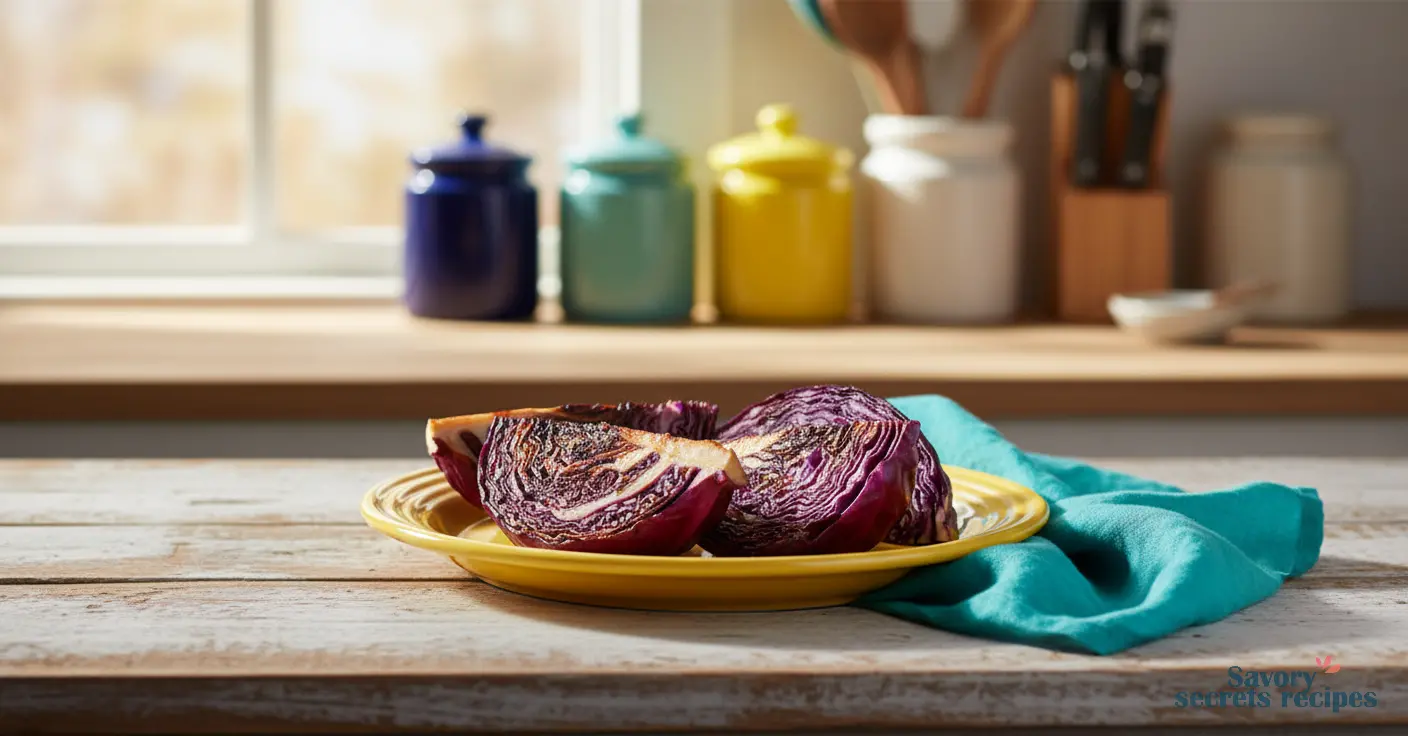
Pan Fried Cabbage Wedges with Crispy Edges
Ingredients
Method
- Heat oil in a heavy cast iron or nonstick frying pan over medium-high heat. Once very hot, add cabbage wedges in a single layer without crowding. Cook for three to five minutes until golden brown on the first side. Flip with tongs or a spatula and cook the other side for about five minutes, until tender, nicely browned, and crispy on the edges. Generously season with salt and pepper. Serve hot.
Nutrition
Notes
Why This Recipe Is My Winter Weeknight Hero
I’m not going to lie, I used to think cabbage was kind of a sad vegetable. You know, the thing that showed up boiled and mushy next to a corned beef sandwich, tasting mostly of… well, water. That was before I discovered the magic of pan fried cabbage wedges. Real talk: this method completely changed the game for me. It turns a humble, affordable head of cabbage into a side dish with crispy, caramelized edges and a tender, sweet heart. It’s the kind of thing that makes you feel like a kitchen genius with almost zero effort.
Here’s the thing. I grew up watching my mom work her Sunday cooking marathons, browning onions and garlic while the whole house filled with that specific, productive hum. This dish gives me that same feeling of cozy accomplishment, but on a Wednesday. When you’re staring into the fridge at 6 PM in a Los Angeles winter (which, fair enough, is just a chilly evening for everyone else), these pan fried cabbage wedges are totally doable. They come together in the time it takes to preheat your oven for something else. And that sizzle when they hit the hot oil? Honestly kind of genius. It’s the sound of dinner being halfway done.
Why These Pan Fried Cabbage Wedges Actually Work
This isn’t just another sautéed cabbage recipe. The wedge method is a game-changer for weeknights because it gives you the best of both worlds: serious sear and tender insides. When you cut the cabbage into thick wedges and keep the core intact, each piece holds together in the pan. That means you get these incredible, crispy, almost nutty-tasting edges while the inner layers steam gently to perfect tenderness. It’s a texture party in your mouth, and it all happens in one skillet. Future you will thank you for how little cleanup there is.
I think this works because it respects the cabbage. You’re not drowning it or stirring it into oblivion. You’re letting it sit in a hot pan with a little good oil and just… become its best self. The high heat triggers the Maillard reaction—that’s the science-y term for the delicious browning—which brings out a natural sweetness you didn’t know was in there. At least in my kitchen, this method has never failed me. It reheats like a dream, too, which is a major win for my Sunday prep routine.
Your Guide to Perfect, Crispy Wedges
Let’s get into the how-to. The goal is simple: golden-brown, crispy-edged wedges with a tender heart. It’s easier than you think, but a few key moves make all the difference.
Cutting is Everything
First, don’t be scared of the core. That’s your friend here. Slice the cabbage in half right through the middle of that stem. Place each half cut-side down, then slice into wedges, about 1 to 1.5 inches thick at the widest part. The core is what keeps each wedge from falling apart in the pan, so make sure every piece has a little anchor attached. I usually get 6 to 8 wedges from a standard head. Rinse them under cold water and shake off the excess. A little water clinging to the leaves is fine—it’ll help create steam.
The Sear is Key
Here’s what I wish someone had told me: don’t crowd the pan. Use a large skillet, preferably cast iron or stainless steel, and give those wedges some personal space. You might need to work in two batches. Heat your oil over medium-high heat until it shimmers. Then, lay the wedges down in a single layer. Listen for that initial fierce sizzle. That’s the sound of success starting.
Now, the hardest part: don’t touch them. Let them sit undisturbed for a good 4 to 5 minutes. You’re waiting for a deep golden-brown crust to form. Peek at the edges. When they look caramelized and smell sweet and nutty, that’s your cue to flip. Use a thin spatula to get under each wedge carefully. Repeat on the other side. That said, if the edges are getting too dark before the middle is tender, you can add a couple tablespoons of water or veggie stock to the pan, cover it for a minute, and let the steam finish the job.
Tips & Tricks From My Kitchen to Yours
I’ve made these pan fried cabbage wedges more times than I can count. Here are the little things that make a big difference.
Oil Choice: You want an oil with a high smoke point. Avocado oil is my go-to, but a light olive oil or even vegetable oil works. Save the fancy extra virgin for drizzling at the end.
Heat Management: If your oil starts smoking, the pan’s too hot. Dial it back a notch. Perfect searing happens at a steady, confident medium-high, not a raging inferno.
Season Liberally: Cabbage can handle it. Season with salt and pepper as soon as the wedges go in the pan. The salt will draw out a bit of moisture, which actually helps with browning and flavor penetration. I always give another small sprinkle when they come out of the pan.
The Doneness Test: The best way to know if your pan fried cabbage wedges are done? Pierce the thickest part near the core with the tip of a knife. It should slide in with just a little resistance, like a perfectly cooked potato. If it’s crunchy, it needs more time. If it’s mushy, well, you’ve gone a bit too far.
Variations & Substitutions: Make It Your Own
The basic recipe is a flawless canvas. Once you’ve got that down, the world is your oyster. Or, you know, your cabbage.
Flavor Twists
Toss a few smashed garlic cloves and a couple of thyme sprigs into the oil before adding the cabbage. The fragrance is incredible. For a zingy finish, a squeeze of lemon juice or a drizzle of balsamic glaze right before serving cuts through the richness beautifully. My daughter calls this the “fancy restaurant version.”
Dietary Adaptations
This is naturally vegan, gluten-free, and low-carb. For a whole30 or paleo version, just make sure your oil is compliant. Using ghee instead of oil adds a wonderful, rich nuttiness if dairy works for you.
The Onion Addition
One of my favorite simple variations is to add a thinly sliced yellow onion to the pan. Let the onion soften and get a little color before you add the cabbage wedges. They cook together, and the onion gets sweet and jammy. It’s a classic combo for a reason.
Common Mistakes to Avoid
We’ve all been there. Here’s how to sidestep the usual pitfalls with pan fried cabbage wedges.
❌ Mistake: Using the wrong cabbage. Red or green cabbage works best here. Savoy can be used but is more delicate. Avoid napa or bok choy—they have too much water and will steam, not sear.
✅ Solution: Stick with a dense, firm head of green or red cabbage from the farmers’ market or your local Ralphs.
❌ Mistake: Cutting the core out. That core is the structural integrity of your wedge. Without it, you’ll have a pile of loose leaves.
✅ Solution: Always cut through the core and leave a portion attached to each wedge.
❌ Mistake: Moving the wedges constantly. If you’re fussing with them, they won’t develop that crucial brown crust.
✅ Solution: Let them be! Set a timer for 4-5 minutes and walk away. Trust the process.
❌ Mistake: A pan that’s too cold or too crowded. This steams the cabbage instead of frying it, leading to soggy, grey results.
✅ Solution: Preheat your pan properly and cook in batches if you have to. A little patience yields a much better texture.
Frequently Asked Questions
How to Store and Serve Your Pan Fried Cabbage Wedges
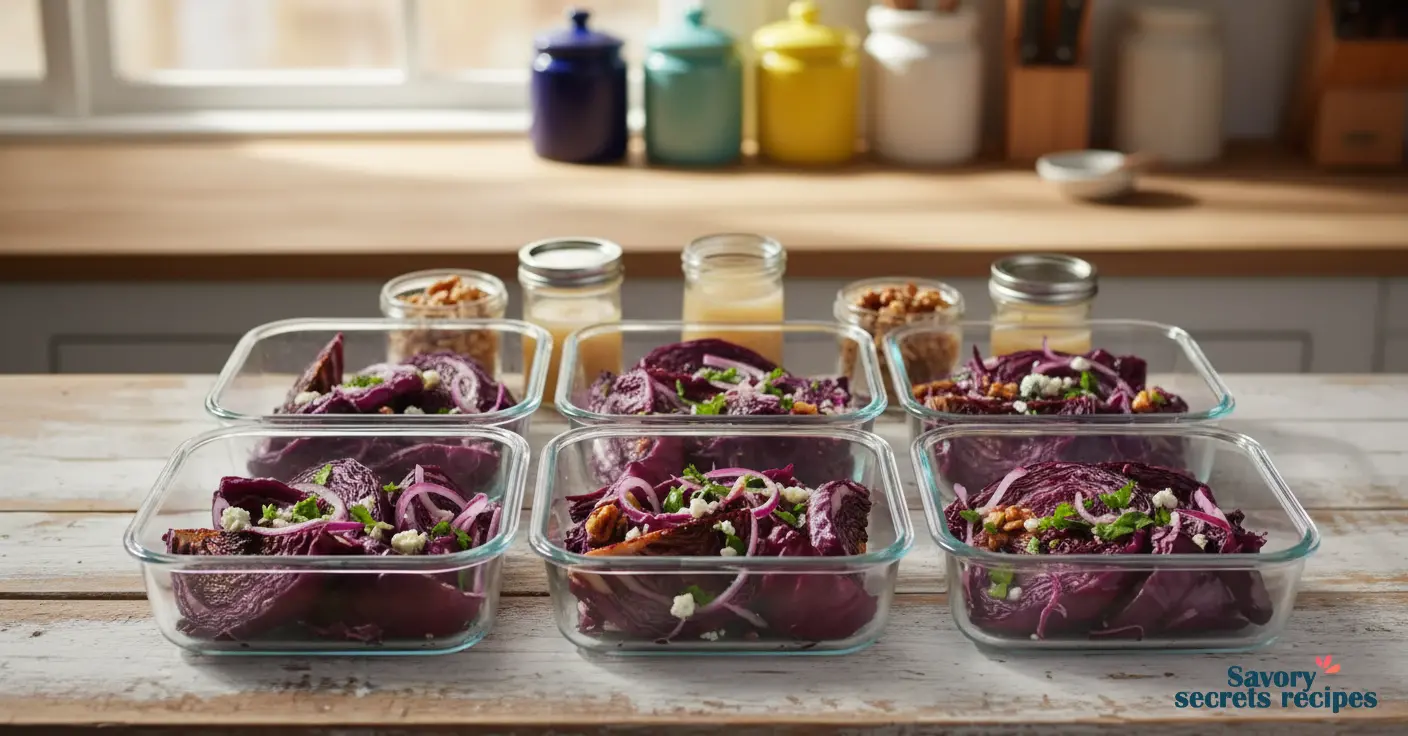
Leftovers are a feature, not a bug. Let the wedges cool completely, then store them in an airtight container in the fridge for up to 4 days. To reheat, I prefer the oven or toaster oven (about 375°F for 10-12 minutes) to bring back the crispness. The microwave works in a pinch, but it will soften them. They also freeze okay for a month, though the texture will be a bit softer after thawing.
As for serving, these wedges are incredibly versatile. They’re a perfect side for simple roast chicken, a seared steak, or a piece of flaky white fish. I love them alongside a bowl of creamy polenta or lentils for a hearty vegetarian meal. Toss any leftovers cold into a grain bowl the next day. They add a wonderful crunch.
Go Forth and Fry Some Cabbage
When you pull these pan fried cabbage wedges out of the skillet—all caramelized and glistening—you’ll feel that little spark of pride. It’s a dish that looks like you fussed, but we both know the truth. It’s simple, affordable, and deeply satisfying. This winter, whether you’re in a chilly Minneapolis or a cool LA evening, this recipe has your back. You’ve got this. Now go grab a head of cabbage and show it who’s boss.
What type of cabbage is best for pan fried cabbage wedges?
Green cabbage is the classic, most reliable choice. Red cabbage works beautifully too and adds stunning color. Savoy cabbage can be used, but it’s more delicate. I’d avoid napa or purple cabbage for this method—they have different moisture levels and won’t sear as well.
How do I cut cabbage for frying wedges?
Cut the whole head in half straight through the core. Place each half cut-side down on your board. Then, slice into 1 to 1.5-inch thick wedges, always cutting through the core. That core keeps the wedge together during cooking. Rinse them, and you’re ready to go.
Can I make pan fried cabbage wedges ahead of time?
Absolutely. You can sear the wedges until just tender, let them cool, and store them in an airtight container in the fridge for up to 3 days. Reheat in a hot oven or skillet to crisp them back up. They’re a meal-prep superstar.






One Response
Thank you for sharing this recipe