



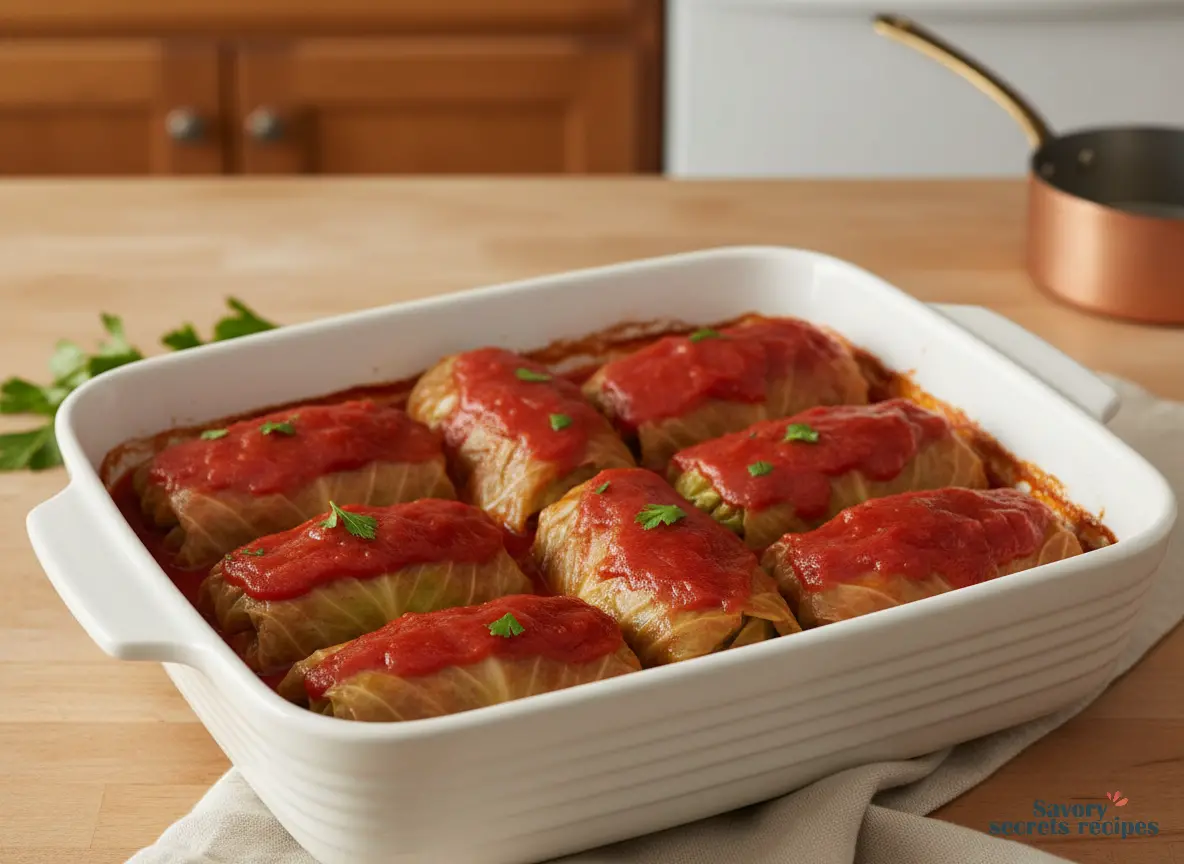
Mama Lu's Tomato Sauce for Cabbage Rolls
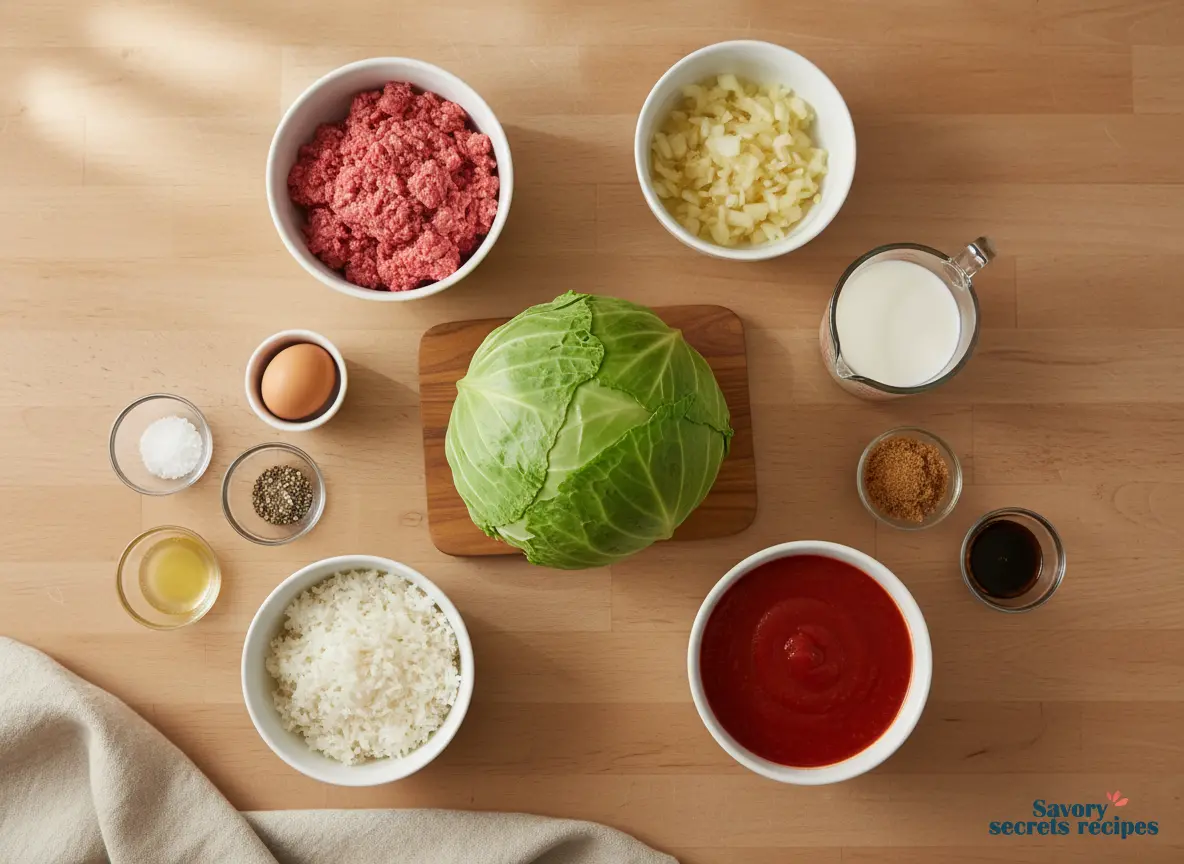
Ingredients
Method
- Bring a large pot of water to a rolling boil. Cook the cabbage leaves for two minutes, then drain them thoroughly.
- In a large bowl, mix the ground beef, cooked rice, egg, milk, onion, salt, and pepper. Place about two tablespoons of the mixture onto each cabbage leaf.
- Fold one end of the cabbage leaf over the filling. Roll it up tightly, tucking in the ends to secure the filling. Place the rolls in a single layer in the slow cooker.
- Combine tomato sauce, brown sugar, lemon juice, and Worcestershire sauce in a small bowl. Pour the mixture over the cabbage rolls.
- Cover and cook on the low setting for 8 to 9 hours.
Nutrition
Notes
That Sauce Struggle Is Real
You know that moment. You’ve spent an hour carefully rolling your cabbage leaves, you’ve got this beautiful pan ready to go into the oven, and then you’re just… stuck. Staring at the tomato sauce aisle, completely overwhelmed. Is jarred marinara okay for cabbage rolls? Should you make it from scratch? What if it’s too thin and turns your rolls to soup, or too thick and burns? I’ve been there. I once ruined a whole batch because my sauce was so acidic it made the whole dish taste sharp. Let me think on that. It was a lesson in balance, and it’s exactly why finding the best tomato sauce for cabbage rolls matters so much. It’s not just a topping. It’s the soul of the dish, the thing that ties everything together into that perfect, comforting bite. This time of year, when you actually want to use your oven here in LA, getting this right means the difference between a good dinner and a great one.
Why This Best Tomato Sauce for Cabbage Rolls Works
In my experience, a sauce for this dish needs to walk a tightrope. It has to be rich enough to stand up to a long bake without breaking, but bright enough to cut through the hearty filling. It needs body, but it can’t be gloppy. This recipe, the one I keep coming back to, finds that balance. The key checkpoint here is the combination of canned tomato sauce—which gives you a smooth, consistent base—with the brown sugar and lemon juice. That sweet and tangy sauce profile isn’t just about taste. It’s about chemistry. The sugar rounds out the natural acidity of the tomatoes without making it dessert-sweet, and the lemon juice, added at the end, gives a little lift that simmering can sometimes cook out. This is where most people rush it. They just dump everything in. But building the flavors in stages, letting the garlic and onion really soften first, that’s what makes a homemade tomato sauce taste, well, homemade. Even on a quick weeknight.
Building Your Foundation: The Sauce Base
Let’s start with the base, because everything else depends on it. You’ll need a large, heavy-bottomed pot or Dutch oven. Fair enough. Heat a couple tablespoons of olive oil over medium heat. Add your minced onion. You’ll know it’s ready when it turns translucent and smells sweet, about five minutes. Then add the garlic. Just for a minute. You want it fragrant, not colored. If it starts to brown too fast, just pull the pot off the heat for a second. We’ve all been there.
Now, the tomatoes. This is the good part. For the best tomato sauce for cabbage rolls, I almost always use canned crushed tomatoes or a good-quality tomato puree. The consistency is just right. Diced tomatoes can be a bit too chunky, and straight paste is too intense. Pour them in, along with the tomato paste. That paste is your secret weapon for a thick tomato sauce. It adds depth and body without hours of reduction. Stir it all together, then add your dried herbs—oregano, a bit of thyme. Dried work better here than fresh, honestly. They withstand the long simmer.
The Simmer and The Balance
Once everything’s in the pot, bring it to a very gentle bubble. Then, reduce the heat to low. You want the barest simmer, just a few lazy bubbles breaking the surface every so often. This is where most people rush it. A rapid boil will make your sauce taste tinny and can cause it to separate. A proper, patient simmer allows the flavors to marry and the sauce to reduce and thicken naturally. It’ll take about 25 to 30 minutes. You can stir it occasionally, but you don’t need to babysit it.
Here’s what I wish someone had told me earlier. Taste it halfway through. Does it taste a bit sharp or acidic? That’s normal. This is when you add your brown sugar, just a tablespoon at first. Stir it in, let it dissolve, and taste again. The sugar shouldn’t make it taste sweet. It should just make it taste… more. Richer. Fuller. If it’s still a bit flat, a tiny pinch of salt can work wonders. Right at the end, off the heat, stir in your lemon juice or a splash of vinegar. This brightens everything up. Trust the process on this one.
Tips for Perfect Best Tomato Sauce for Cabbage Rolls
Worth noting, these aren’t just random suggestions. They’re the little things that turn a decent sauce into the best tomato sauce for cabbage rolls you’ve ever made.
Preparation Tips
Don’t skip prepping your cabbage. Rolling a stiff, unboiled leaf is like trying to fold cardboard. You need to boil the whole head in salted water first. After about ten minutes, the outer leaves will soften and peel away easily. Use a sharp knife to slice a bit off the root end to help them along. And listen, if a leaf tears or is too small, just overlap two smaller ones. They’ll cook together perfectly and no one will ever know. You may have leftover filling. That’s okay. You can stuff bell peppers with it later in the week. If you’re looking for other ways to use up a head of cabbage, check out our guide on what to do with lots of cabbage.
Cooking Tips
When assembling your rolls in the baking dish, nestle them in snugly. They support each other. Then, pour your sauce over top, making sure every roll is covered. This is critical. Cover the dish tightly with foil. The foil trap creates a steamy environment that gently cooks and tenderizes the cabbage. If you’re in a real hurry, you can cook them in a large, lidded sauté pan on the stovetop for about 35 minutes over medium-low heat. It works.
Storage Tips
Let’s be real, these often taste better the next day. Cool leftovers completely, then store them in an airtight container in the fridge for up to 3 days. To freeze, cool them first, then wrap the whole dish tightly in two layers of plastic wrap followed by foil. They’ll keep for 3 months. Thaw in the fridge overnight before reheating, covered, in a 350°F oven until hot all the way through.
Variations & Substitutions
This recipe is a fantastic template. To be clear, you should feel completely free to make it yours.
Dietary Adaptations
For a vegetarian best tomato sauce for cabbage rolls, swap the ground beef for a mix of cooked lentils and finely chopped mushrooms. They have a similar hearty, meaty texture. Use vegetable broth instead of beef broth if your sauce calls for it. For a dairy-free version, the milk in the filling can be replaced with an unsweetened plant-based milk like oat or almond. It works just fine.
Ingredient Substitutions
No brown sugar? Use white sugar or even a drizzle of honey or maple syrup. The goal is to balance acidity, not to impart a molasses flavor. For the vinegar in the sauce, apple cider vinegar is my go-to, but red wine vinegar or even balsamic (just a teaspoon) will work. If you only have fresh herbs, use triple the amount of dried called for, and add them right at the end of cooking the sauce so their flavor stays bright.
Flavor Variations
Want a smokier note? Add a teaspoon of smoked paprika to the sauce with the other dried herbs. For a more Eastern European golabki or holubtsi vibe, stir a big spoonful of sour cream into the sauce after it’s off the heat. It creates a lovely, creamy tomato sauce. If you like a bit of heat, a pinch of red pepper flakes when you cook the garlic does the trick. For another cabbage dish with bold flavors, try our cabbage with rotel recipe.
Common Mistakes to Avoid
❌ Mistake: Using a thin, watery tomato product like some canned diced tomatoes or a runny jarred marinara.
✅ Solution: Opt for crushed tomatoes, tomato puree, or passata. If your sauce seems too thin after simmering, stir in a tablespoon of tomato paste and cook for another 5-10 minutes.
❌ Mistake: Not covering the baking dish tightly with foil.
✅ Solution: The foil is non-negotiable. It creates essential steam. Crimp it tightly around the edges of your dish to seal in the moisture.
❌ Mistake: Adding fresh herbs to the sauce at the beginning of the simmer.
✅ Solution: Fresh herbs are delicate. If you’re using them, stir them in right at the end, after you’ve turned off the heat. Their flavor will be vibrant, not bitter.
❌ Mistake: Overcrowding the pan when browning your meat filling (if you’re pre-cooking it).
✅ Solution: Brown in batches. Crowding steams the meat and you won’t get those nice, flavorful browned bits. That’s where the flavor lives.
Frequently Asked Questions
How to Store and Serve Your Best Tomato Sauce for Cabbage Rolls
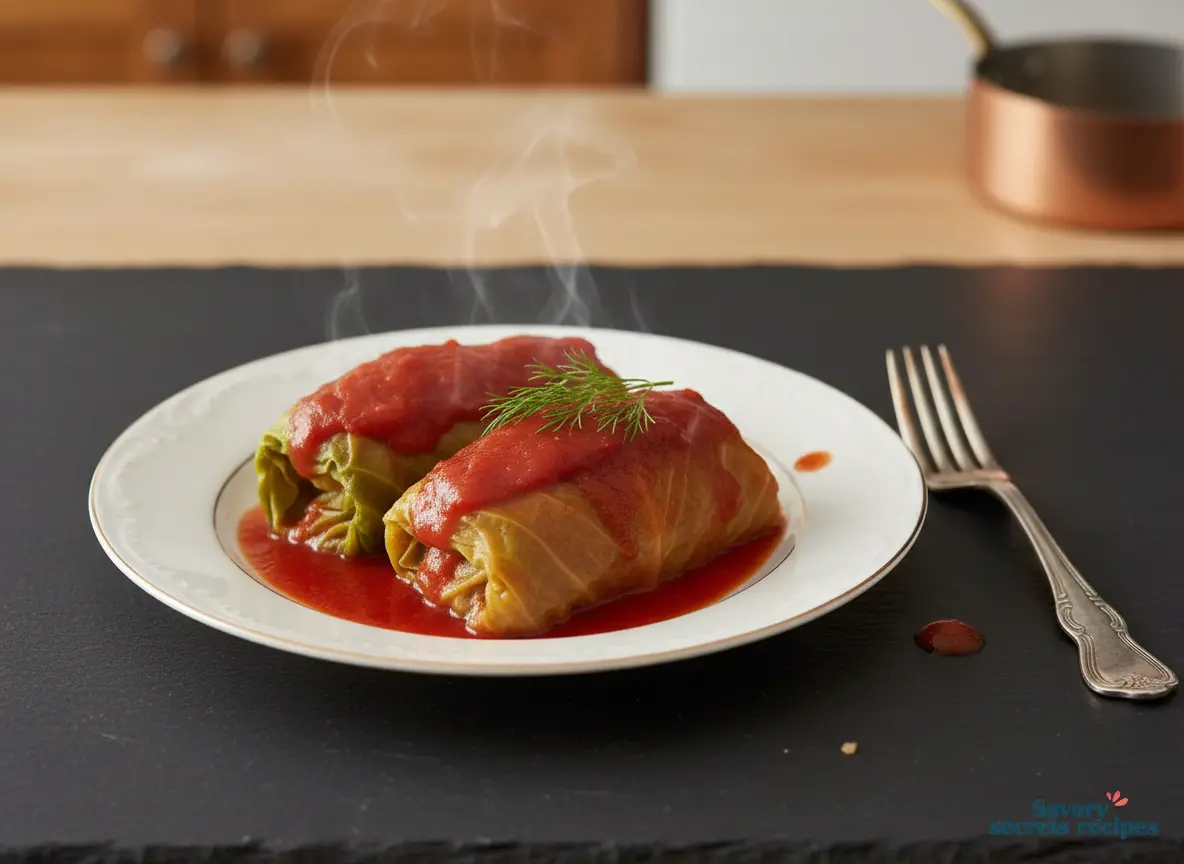
As a general rule, let any leftovers cool to room temperature before storing. Transfer them to an airtight container—they’ll keep in the fridge for 3 days. Reheating is best done gently. You can use the microwave at reduced power, stirring halfway through. Or, cover with foil and reheat in a 350°F oven for about 20-25 minutes, until piping hot. For serving, I love them with a generous spoonful of sour cream and a side of something bright and pickled, like beets or cucumbers. The contrast is everything.
Your Turn at the Stove
So, next time you’re at Ralph’s or Trader Joe’s, you can walk past that sauce aisle with confidence. You know what to look for, or better yet, you know how to make it yourself. When you pull that dish from the oven, the kitchen smelling like garlic and sweet tomatoes, and you ladle that perfect best tomato sauce for cabbage rolls over a tender roll, you’ll understand. It’s not just dinner. It’s a little bit of comfort, a little bit of tradition, and a whole lot of flavor you made yourself. Now, go warm up that kitchen.
Can you use marinara sauce for cabbage rolls?
You can, but with a tweak. Straight from the jar, it’s often a bit thin and one-note. In my experience, pour your jarred marinara into a pot, add a tablespoon of brown sugar and a splash of vinegar or lemon juice. Simmer it for 10-15 minutes to thicken it slightly. This turns a decent store-bought marinara into a much better tomato sauce for cabbage rolls.
What is the secret to a good marinara sauce for this dish?
Time and balance. Don’t rush the simmer—let it bubble gently for at least 25 minutes. And always, always balance the acidity. Taste it after 15 minutes. If it makes your mouth pucker a little, add a pinch of sugar. Not to make it sweet, but to make it taste round and full. That’s the secret.
Should cabbage rolls be covered when cooking?
Absolutely, yes. Covering them tightly with foil is what steams the cabbage leaves to that beautiful, tender texture. If you leave them uncovered, the exposed tops can dry out or burn before the inside is fully cooked. The foil trap is essential for perfect best tomato sauce for cabbage rolls.
What do you eat cabbage rolls with?
They’re a complete meal on their own, honestly. But a dollop of cool sour cream or a drizzle of dill-infused sour cream is classic and cuts the richness beautifully. On the side, a simple cucumber salad, some crusty bread to mop up the extra sauce, or some roasted root vegetables in the winter are all fantastic.
Can I make the best tomato sauce for cabbage rolls ahead of time?
It actually improves. Make the sauce up to 3 days ahead and store it in the fridge. The flavors have more time to meld. When you’re ready, assemble your rolls, pour the cold sauce over them, and bake. You might need to add 5-10 minutes to the baking time since you’re starting from cold.