




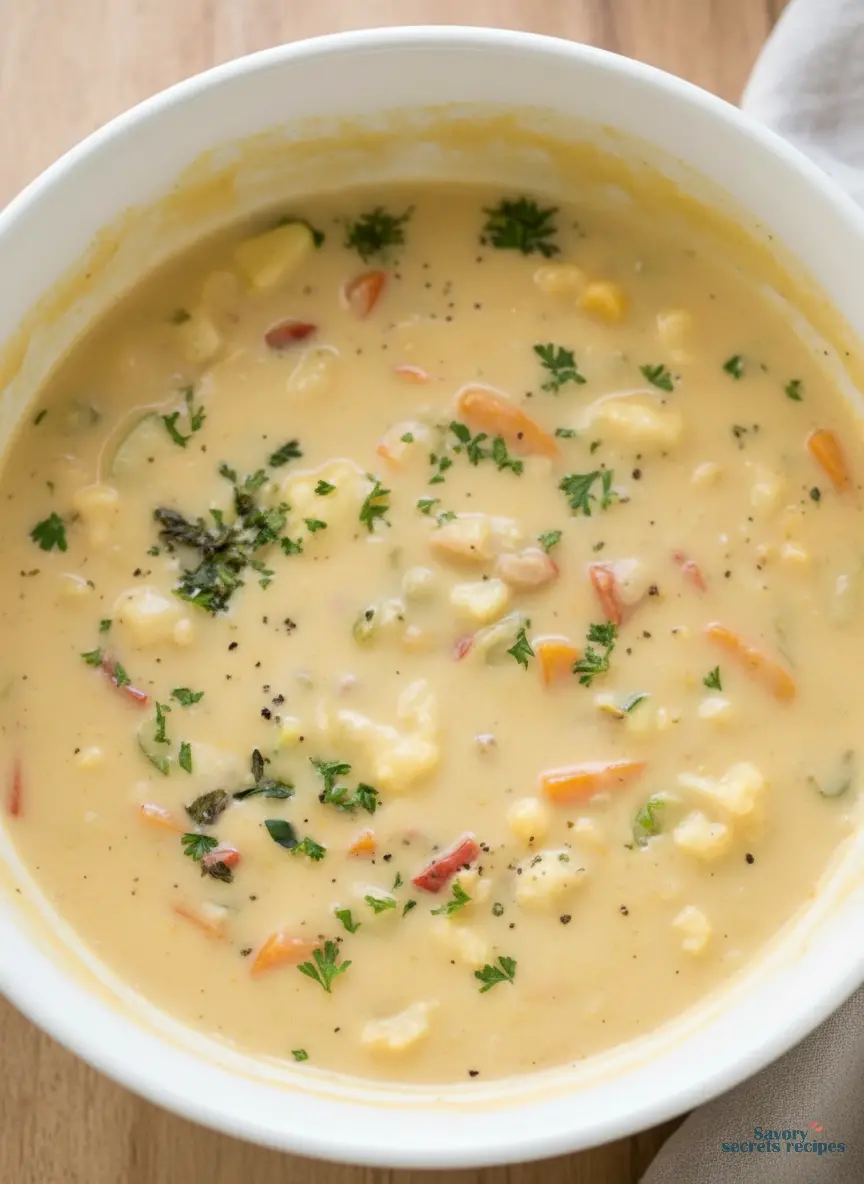
Low Calorie Fall Soup with Creamy Vegetables
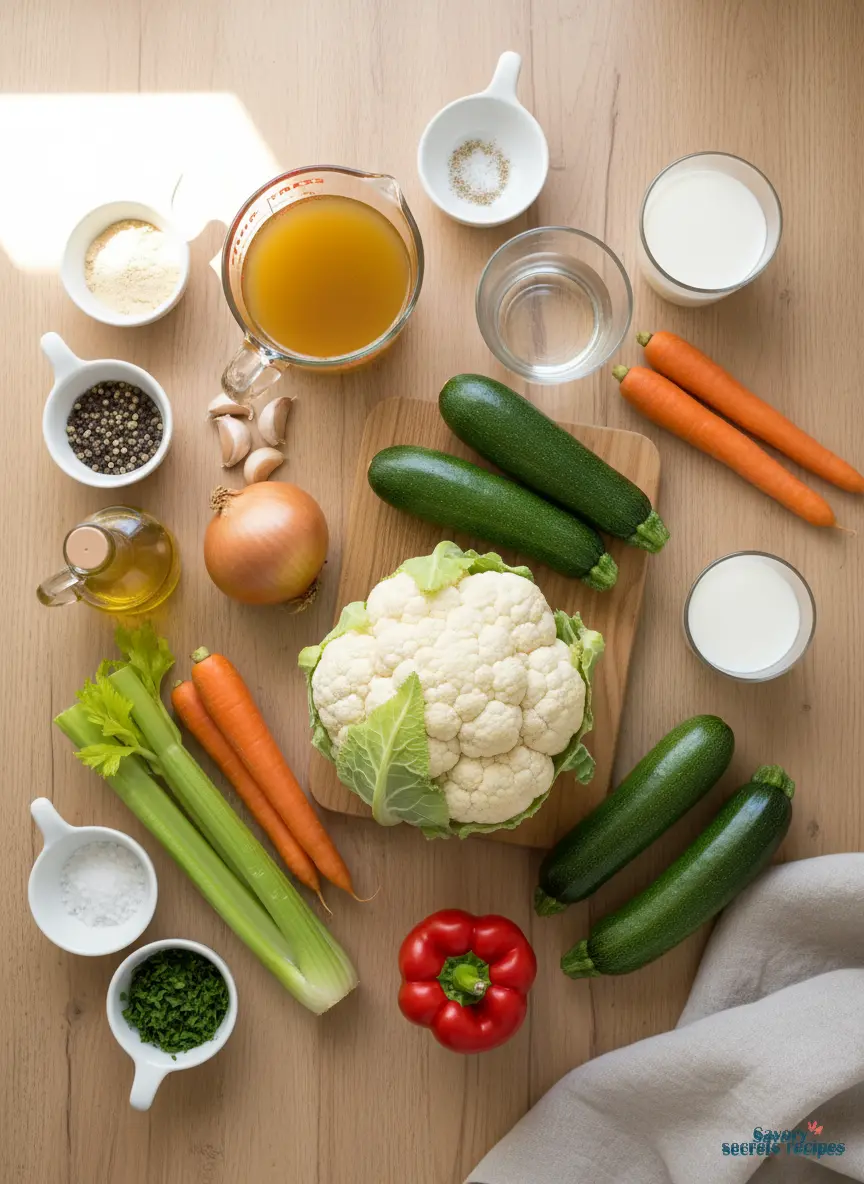
Ingredients
Method
- Break one-quarter of the cauliflower into small florets and set aside for the soup.
- Break the remaining cauliflower into medium florets for the broth. If using a small cauliflower, peel and roughly dice the stem as well.
- Combine cauliflower, zucchini, onion, whole garlic cloves, vegetable broth, and water in a large pot.
- Cover the pot, bring to a boil, then reduce the heat to a vigorous simmer. Cook for 15 minutes, or until the cauliflower is tender.
- Transfer the mixture to a blender, add garlic powder, onion powder, pepper, and milk. Secure the lid, cover it with a tea towel, and hold it down firmly. Puree the soup, starting on a low speed and gradually increasing to high.
- Remove the lid and admire the ultra-creamy, low-calorie soup broth.
- Heat oil in a large pot over medium-high heat. Add the onion and garlic and cook for one minute. Stir in the carrots and celery and cook for two minutes.
- Add thyme, bell pepper, and zucchini. Cook until softened, about 2 minutes.
- Pour in the soup broth, then adjust the consistency with water to your desired thickness. Stir in the reserved cauliflower.
- Simmer for five minutes to blend the flavors, then season with salt and pepper.
- Garnish with parsley before serving. Alternatively, indulge by dipping a piece of grilled cheese into the soup.
Nutrition
Notes

When Comfort Food Needs a Lighter Touch
You know that feeling, right? It hits around late afternoon. The light gets that specific golden slant, the air has a bite, and all you can think about is a big, steaming bowl of something warm. A hearty fall soup. But then the other thought creeps in. The one about calories, about that cozy comfort turning into a heavy meal that sits in your stomach for hours. I’ve been there. Honestly, I’m there every single fall. My avó’s kitchen in Somerville always smelled like olive oil and garlic on Sundays, and her caldo verde was the definition of comfort. But when I started working in nutrition, I realized I needed to find that same deep satisfaction without all the heaviness. That’s the whole point of these low calorie fall soups. They’re my weeknight answer, the thing I keep coming back to when I want warmth without the weight.
This isn’t about deprivation. Fair enough? It’s about cleverness. Using what the season gives us—sweet squash, earthy roots, crisp apples—and letting those ingredients build flavor naturally. You’ll get that creamy texture without a drop of cream, that hearty feel without a ton of fat. I promise, this is easier than it looks. And it delivers. This is the kind of recipe that actually works on a Tuesday when you’re tired and just want to feel nourished.
Why This Low Calorie Fall Soups Recipe Works
Here’s the thing, though. Most low fat soups sacrifice something. Usually texture, or that deep, rounded flavor that makes you want a second bowl. This one doesn’t. That tracks with what I’ve seen in recipe testing. The magic is in the method, not a secret ingredient. By roasting a big tray of vegetables first—the cauliflower, onion, that extra garlic clove—you’re building a flavor foundation that’s all caramelized sweetness and nuttiness. It’s like making a vegetable stock right in your oven. Then, when you blend it all with some broth, the roasted cauliflower breaks down into this incredibly silky, creamy base. No cream, no butter, no flour. It’s a technique my avó would have appreciated: using time and attention, not extra fat, to make something good.
It also works because it’s flexible. Not gonna lie, if your farmers market haul looks different, you can adapt. The recipe is a hypothesis until you’ve tested it three times, right? I’ve made versions with sweet potato instead of some cauliflower, or leeks instead of onion. The core principle holds. If the vegetables aren’t appealing, the recipe isn’t working. Start with what looks good to you.
The Simple Science of Creamy, Low Calorie Soup
Let me think about that for a second. How *do* you get creamy without cream? It’s all about starch and fiber. Vegetables like cauliflower, potatoes, and even white beans are packed with natural starches that release when they’re cooked soft and blended. They create a thick, velvety texture that coats your spoon. It’s a physical process, not a chemical one. You’re literally pureeing the vegetable’s own structure into the soup. That’s why an immersion blender is your best friend here—though, I’d want to double-check that, because a regular blender will give you a smoother result if you work in batches. A stick blender works but because it’s not as powerful, the soup won’t be quite as silky smooth. I suggest cooking the vegetables for an extra five minutes to make them even softer if that’s your tool.
Another trick? When in doubt, add acid. A squeeze of lemon juice or a dash of vinegar at the very end doesn’t add calories, but it wakes up every other flavor in the pot. It makes the soup taste brighter, more complex. Your palate is data. Taste as you go, and adjust that acidity until it just feels right.
Your Guide to the Best Fall Vegetables for Soup
Picking your produce is the first, most satisfying step. For low calorie fall soups, you want vegetables that bring big flavor and good texture without a lot of natural sugars or fats. Makes sense to me. Butternut squash and pumpkin are classics for a reason—they’re sweet, yes, but also fibrous and blend beautifully. Acorn squash works too. Carrots add sweetness and that gorgeous orange color. Don’t overlook celery root or parsnips for an earthy, nutty depth. And always, always onions and garlic. They’re the flavor backbone. For a classic vegetable soup that’s both low in fat and sodium, try our low salt vegetable soup recipe.
I like to choose one “base” vegetable for creaminess (cauliflower, squash), one for sweetness (carrot, sweet potato), and one for earthy notes (mushrooms, leeks). That balance creates a soup that’s interesting, not one-note. And if you’re at the Santa Monica farmers market this winter, look for the varieties that just look good. A knobby, fresh celery root will do more for your soup than a perfect but bland one from who-knows-where.
Tips for Perfect Low Calorie Fall Soups Every Time
Really solid option here for building a foolproof routine. Season in layers, not all at once. A little salt when you’re roasting the veggies, a bit more when they simmer in the broth. This builds a deeper, more integrated flavor than dumping it all in at the end.
Preparation Tips
Chop your vegetables roughly the same size. This isn’t being fussy, it’s the difference between some pieces being mushy and others still crunchy when you go to blend. A uniform chop means even cooking. And don’t skip the roasting step for the aromatics. That 20 minutes in the oven is where you develop the flavor that makes this taste like a low calorie fall soups you’d get in a restaurant.
Cooking Tips
Let the soup simmer gently, not boil aggressively. A hard boil can make vegetables tough and sometimes give the soup a slightly bitter edge. A lazy bubble is what you want. And when you blend, please be careful with hot soup. Fill your blender only halfway, hold the lid on with a towel, and start on low. A soup explosion is no one’s idea of a good time.
Storage & Meal Prep Tips
This keeps very well in the fridge for up to four days. It also freezes very well! Portion it out into single-serving containers before freezing—that way, you can grab one for lunch without thawing a giant vat. When you reheat, do it slowly over medium-low heat, stirring occasionally. You might need to add a splash of water or broth to loosen it up.
How to Make Your Soup More Filling (Without the Calories)
Sometimes a straight vegetable puree, as delicious as it is, doesn’t feel like a complete meal. Fair enough. Here’s how to bulk it up. Stir in a can of rinsed white beans or lentils after blending. They add protein and fiber, making the soup more substantial. A handful of cooked quinoa or farro works too, adding a pleasant chew. For a protein boost, top your bowl with a few ounces of shredded rotisserie chicken from the grocery store or some pan-seared shrimp. The soup becomes a vehicle for these hearty additions, making it a complete, satisfying dinner.
Variations & Substitutions
The beauty of a formula like this is how adaptable it is. This is the weeknight answer I’ve been looking for, precisely because I can change it based on what’s in my fridge. For another adaptable base recipe, explore our low fat tomato soup which works well with various herbs and spices.
Dietary Adaptations
For a vegan version, use vegetable broth and skip the 0% milk. You can add a quarter cup of raw cashews soaked in hot water to the blender for extra creaminess. For gluten-free, you’re already safe—just double-check your broth label. To make it nut-free, use a can of light coconut milk instead of cashews for that rich texture.
Ingredient Substitutions
No cauliflower? Use a peeled, chopped russet potato. No zucchini? Green beans or even frozen peas added at the end work. Out of fresh thyme? A pinch of dried rosemary or sage will take it in a different, but still cozy, direction. The recipe is a guide. Your kitchen is the lab.
Flavor Variations
For a Moroccan twist, add a teaspoon of cumin and a pinch of cinnamon with the dried thyme. For something brighter, stir in a tablespoon of pesto after blending. Or, for a smoky note, add a pinch of smoked paprika to the vegetables before roasting. One base recipe, a dozen different dinners.
Common Mistakes to Avoid
❌ Mistake: Blending the soup while it’s piping hot and filling the blender to the top.
✅ Solution: Let it cool for 10-15 minutes, blend in batches, and always hold the lid down with a kitchen towel. Safety first.
❌ Mistake: Underseasoning. Low fat soups need aggressive seasoning to taste vibrant.
✅ Solution: Taste as you go. Season in layers. Finish with a squeeze of lemon juice to make all the flavors pop.
❌ Mistake: Not roasting the vegetables first, or roasting them at too low a temperature so they steam instead of caramelize.
✅ Solution: Crank your oven to 425°F (220°C). You want some dark, crispy edges on those veggies. That’s pure flavor.
Frequently Asked Questions
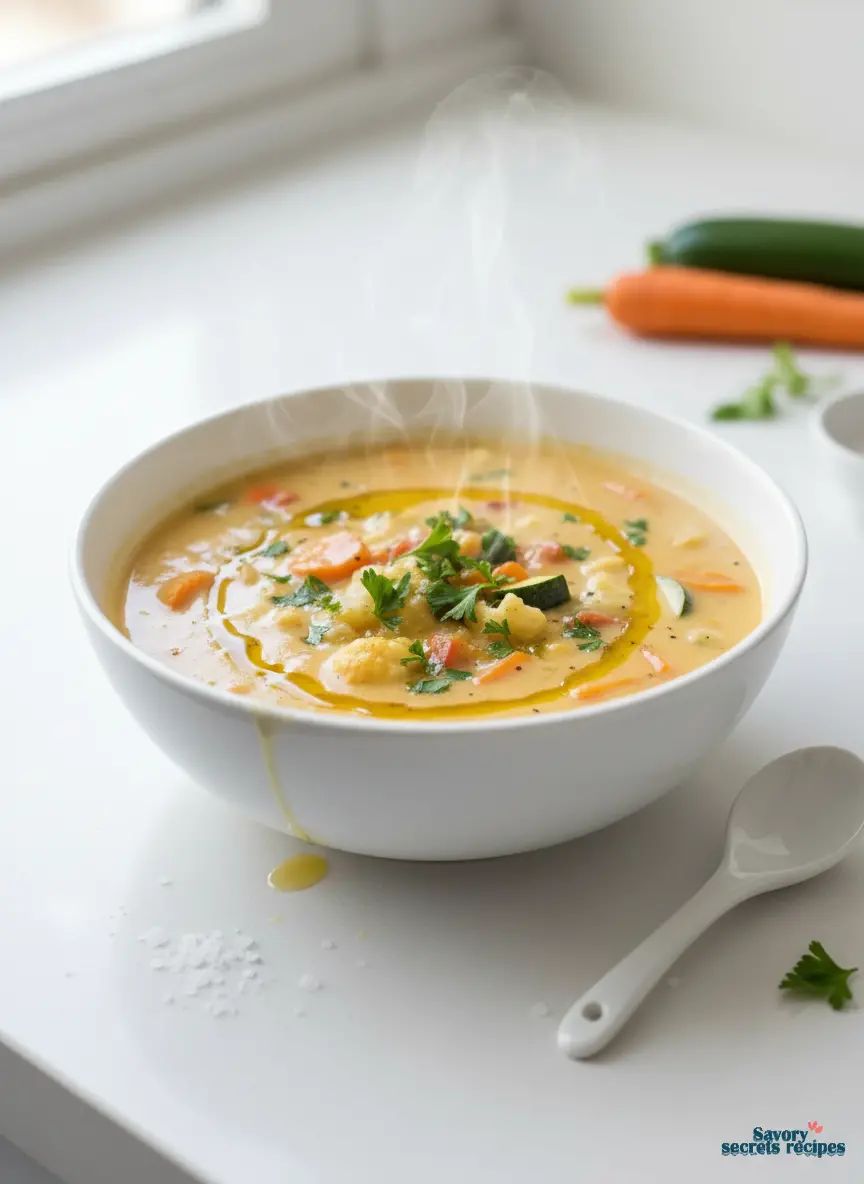
How to Store and Serve Your Soup
Let your soup cool completely before storing. I usually just leave the pot on the stove for an hour. Then, transfer it to airtight containers. It’ll keep in the fridge for 4 days, or in the freezer for up to 3 months. To reheat, thaw overnight in the fridge if frozen, then warm gently on the stove over medium heat, stirring often. You might need to add a splash of broth or water to get it back to the right consistency.
Serve it hot, garnished with that extra parsley. Or, splurge your calorie credits on a piece of whole-grain toast to dunk into the soup! For a fuller meal, add one of the protein additions we talked about. A simple green salad on the side makes it a perfect, balanced dinner.
Warm Up Your Winter, The Healthy Way
When you make this low calorie fall soups, you’ll feel that specific kind of satisfaction. The one that comes from eating something that’s both deeply comforting and genuinely good for you. It tastes like taking care of yourself. Like those Saturday mornings at the bakery with my pai, but for your weeknight dinner. I hope this recipe becomes your go-to, the thing you tweak and make your own all season long. Let me know how your soup turns out in the comments. Now, go warm up your kitchen.
What type of soup has the least calories?
Clear broth-based soups with lots of non-starchy vegetables are typically lowest. Think vegetable minestrone, cabbage soup, or a simple tomato broth. These low calorie fall soups fit the bill because they’re broth-based and packed with veggies, keeping calories in check while being filling.
How can you make low-calorie soups taste better?
Concentrate flavor! Roast your vegetables first for caramelization. Use plenty of garlic, onions, and herbs. Season in layers with salt. And the secret weapon: acid. A splash of vinegar or lemon juice at the end brightens everything. It makes a world of difference in low calorie fall soups.
What can I add to low-calorie soup to make it more filling?
Add protein and fiber. Stir in a can of beans or lentils, or a scoop of cooked quinoa. For more staying power, top your bowl with a soft-boiled egg or some shredded chicken. These additions transform a simple low calorie fall soups into a complete, satisfying meal.