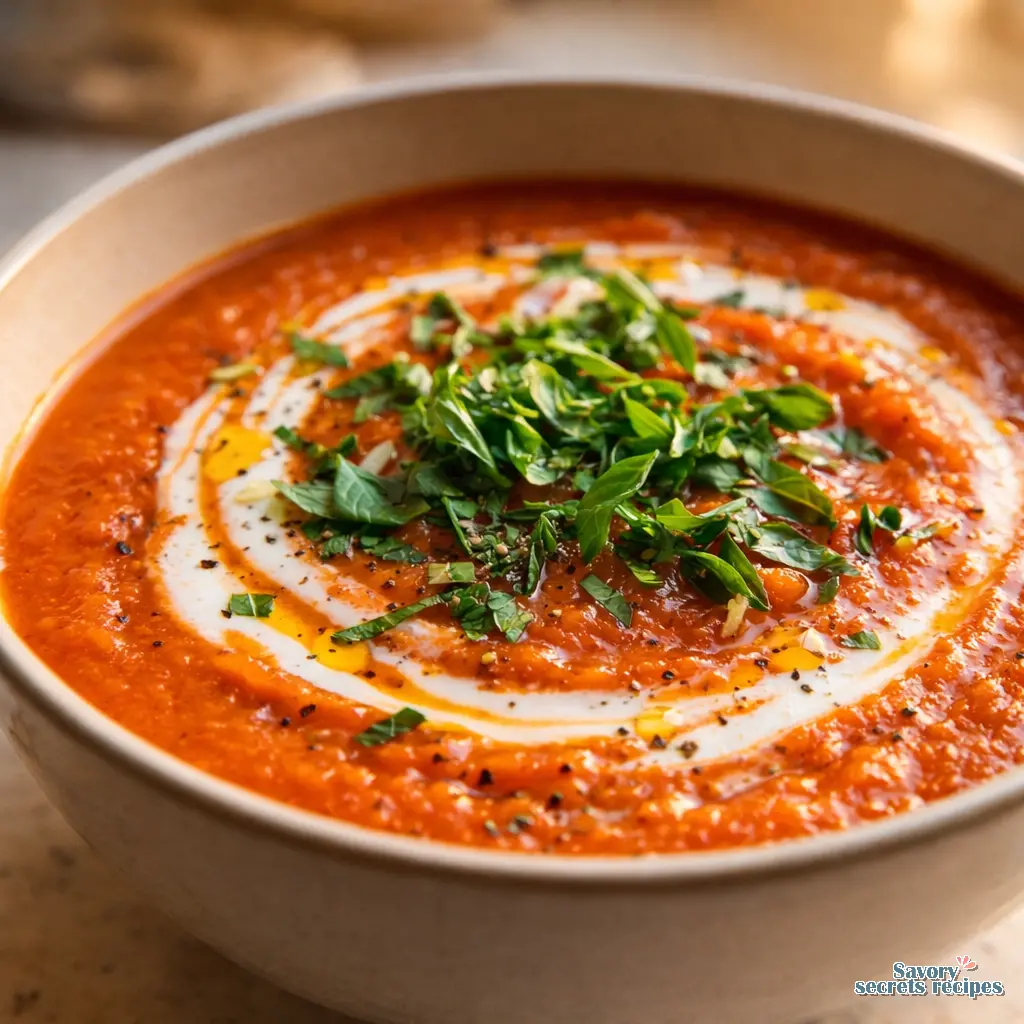




Homemade Tomato Soup from Tomato Paste
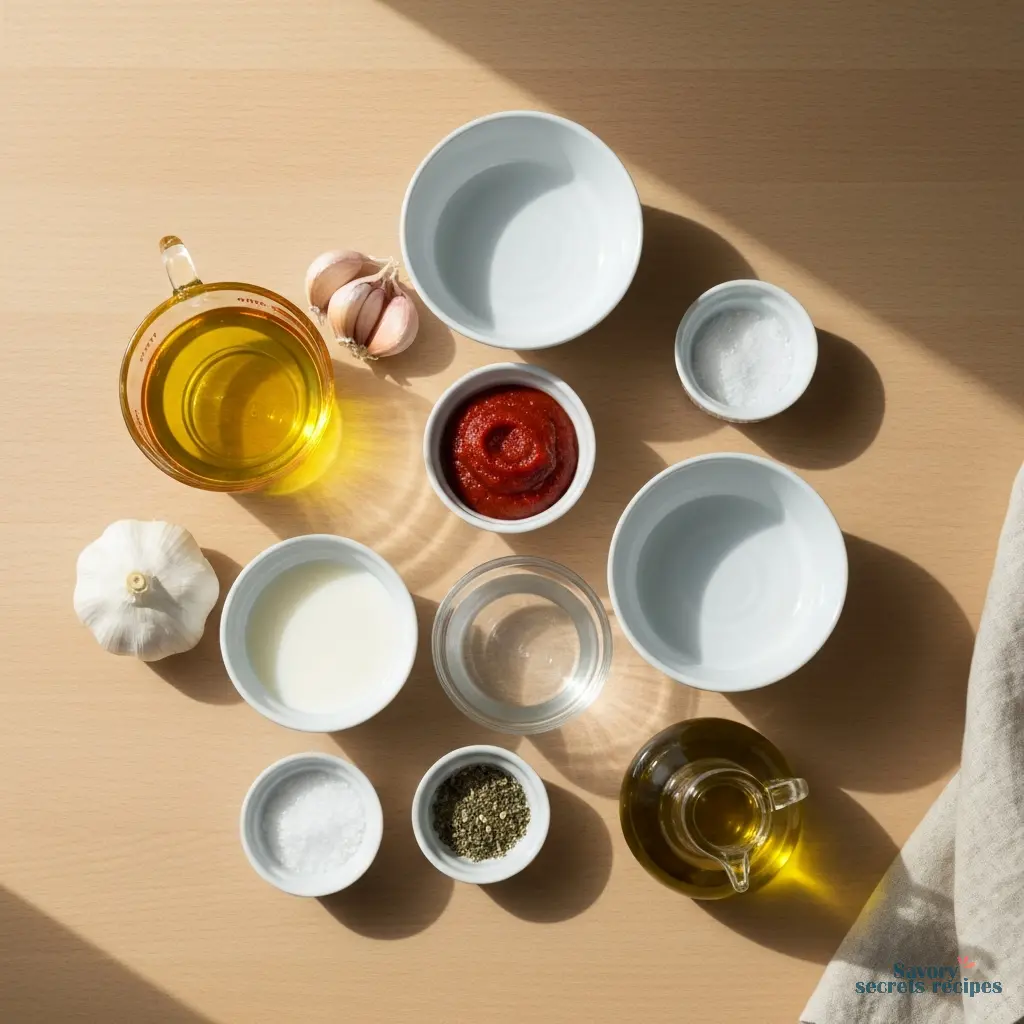
Ingredients
Method
- Heat a large pot over medium heat. Add vegetable oil and gently crushed garlic.
- Sizzle it over medium heat until fragrant.
- Add tomato paste, almond milk, and water. Bring to a boil.
- Reduce the heat and simmer for 10 minutes.
- Remove the garlic piece.
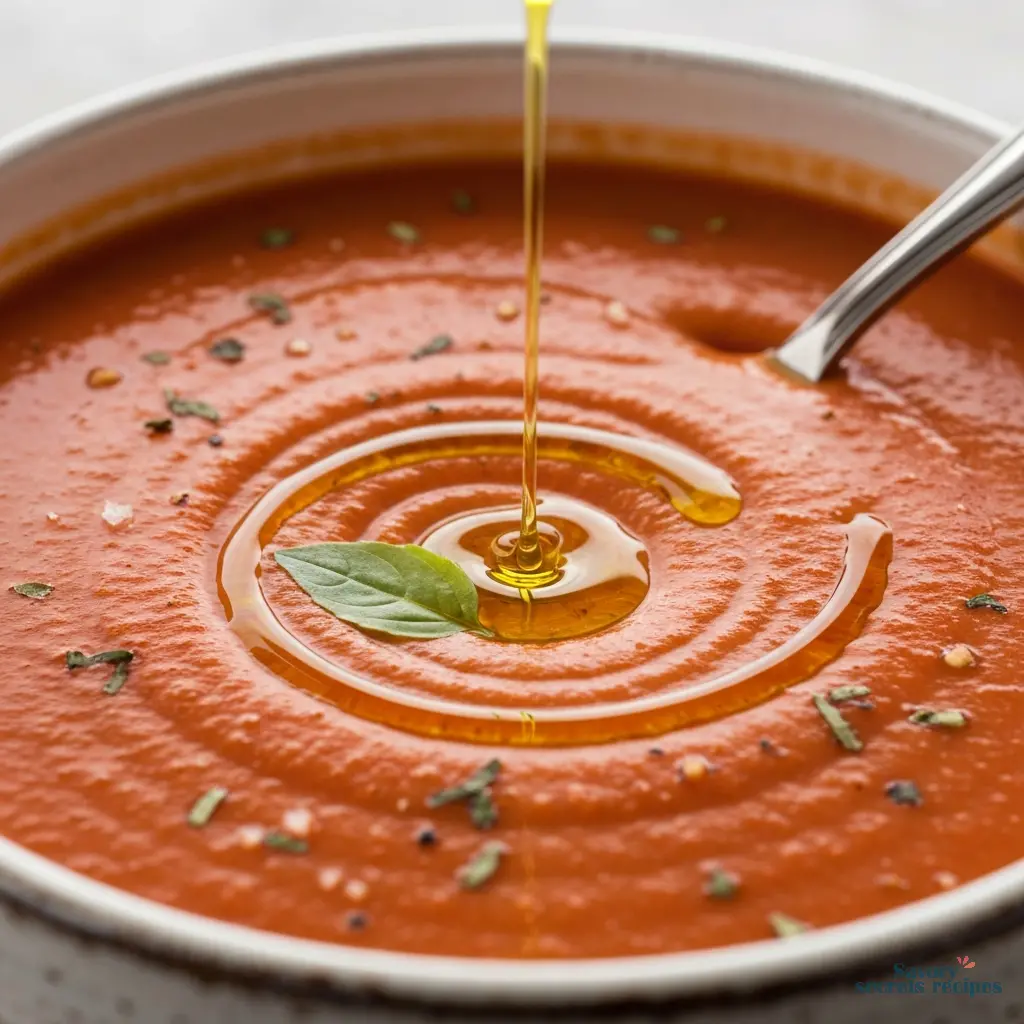
- Stir in the salt, crushed black pepper, and dried basil, then drizzle in the olive oil.
- Transfer to a serving bowl and enjoy.
Nutrition
Notes
- Drizzling olive oil is optional. But it can also be substituted with butter.
- Adjust the consistency with water.
- If the soup is thick add water and adjusts the thickness.
- If it thin, allow it to cook further until it reached preferred thickness.
That Moment You Realize You’re Out of Tomato Soup
I was right there with you last Tuesday. I’d promised my daughter spätzle and soup, a nod to my Opa’s kitchen. I had the flour measured, the pot ready. Then I opened the pantry. No red and white can. Just an empty spot where the tomato soup should’ve been. Dinner was in thirty minutes. That tracks, right? The classic weeknight scramble. But here’s the immediate answer: yes, you absolutely can use tomato sauce instead of tomato soup. In fact, once you know the simple adjustments, you might prefer it. This isn’t a compromise; it’s a solid workaround that turns a kitchen panic into a quiet win. Let me show you how.
This whole question, can i use tomato sauce instead of tomato soup, pops up more than you’d think. It’s that specific brand of stress when you’re mid-recipe and a key ingredient is MIA. I remember my Opa Klaus watching me scramble once as a kid. He didn’t say much, just pointed to a tube of tomato paste and a carton of broth. The lesson was clear: good cooking isn’t about having every single thing. It’s about understanding what each thing does. So if you’re staring at a can of tomato sauce and wondering if your dinner plans are ruined, take a breath. They’re not.
Why This Tomato Sauce Swap Actually Works
So, can you make tomato soup out of tomato paste or sauce? The short answer is a definitive yes. To be clear, tomato sauce and canned tomato soup are cousins, not twins. Soup has already been thinned and seasoned for you. Sauce is thicker, more concentrated. But that’s an advantage. You control the final product. In practice, turning tomato sauce into soup is about dilution and balance. You’re adding liquid to thin it and ingredients to round out the flavor profile that the soup company already built in. It’s simpler than you think. You’ve probably got everything you need already.
Think of it like this. If a tool feels wrong in your hand, you adjust your grip. Same principle here. Tomato sauce is your base tool. You’re just adjusting its application. The core question, can i use tomato sauce instead of tomato soup, really boils down to managing texture and acidity. That’s it. With some broth or milk and a few pantry staples, you’ll have a pot of homemade soup that tastes, honestly, fresher and less processed than the canned stuff. Worth noting.
The Simple Adjustment Formula
Let’s get practical. You have one cup of tomato sauce. To make it soup-like, you’ll need to add about one to one and a half cups of liquid. This is where you choose your path. Vegetable broth adds savory depth. Chicken broth does the same, if that’s your thing. Milk or cream makes it creamy and rich, which is what many of us crave. Almond milk, like in the recipe here, keeps it dairy-free and adds a subtle nutty note. Your mileage may vary with different milk alternatives, but the principle holds.
Now, flavor. Canned soup has sugar and other seasonings already in there. Your plain tomato sauce doesn’t. So we build. A pinch of sugar is non-negotiable. It’s not for sweetness, really. It cuts the sharp acidity of the tomatoes and brings forward their natural flavor. Then, aromatics. If you can sauté a little minced garlic or onion in your pot first, do it. That fond, those browned bits, they’re flavor gold. If you’re in a true rush, a sprinkle of garlic powder works. Then dried herbs. Basil is classic. Oregano works. Thyme is nice. Let it simmer for just ten minutes. That simmer means a low bubble, not a rolling boil. It lets the flavors marry.
Equipment That Makes Sense
I look at this from a tools perspective. You don’t need anything fancy. A medium saucepan, about 3 quarts, is perfect. The tool should disappear in your hand, meaning you shouldn’t be fighting with a pot that’s too small and splattering everywhere. A good whisk is helpful for smoothing everything out as you add your liquid. If you want it super smooth, an immersion blender is fantastic. I tested this with a standard $30 model from Target and it performed solidly across the board. A regular blender works too, just be careful with the hot liquid. Pulse it with the lid vent open.
My Opa had one pot he used for everything from soups to sauces. It was heavy, with a thick bottom. That’s what you want here. A thin pot will likely cause the tomato base to scorch on the bottom before the rest is hot. If your only pot is thin, just keep the heat lower and stir more frequently. Clean as you go or regret it later, especially with tomato-based things that can stick.
Tips for a Foolproof Result
Here are the things I’ve learned from testing this swap more times than I can count.
Getting the Consistency Right
Start with less liquid. You can always add more. The recipe might say one cup, but maybe your tomato sauce was extra thick. Add most of it, whisk, and see. If the soup is thick, add water or more broth a splash at a time. If it’s thin, let it cook a bit longer. The simmer will drive off water and thicken it up naturally. This might be personal preference, but I like my tomato soup with some body, not watery. If you prefer a consistently thick and creamy result, our creamy tomato soup recipe offers a perfected method.
Balancing the Flavor
Taste as you go. After adding your liquid and seasonings, give it a minute to heat through, then taste. Needs salt? Add it. Still tastes a bit sharp or tinny? Another tiny pinch of sugar. Too bland? A splash of something acidic, like a squeeze of lemon juice, can wake it right up. It’s a dance. Don’t worry, you’ll find the balance.
Dealing with Dairy
If you’re using milk or cream, here’s the trick. Temper it. Don’t dump cold milk into the hot tomato base. It might curdle because of the tomato’s acidity. Instead, ladle a little of the hot soup into the cold milk, stir it, then pour that mixture back into the pot. It gently brings the temperature up. This is the kind of design that makes sense once you know why.
Variations & Substitutions
The basic formula is your playground. Once you’re confident answering “can i use tomato sauce instead of tomato soup,” you can start playing.
Dietary Tweaks
This is naturally vegan if you use vegetable broth and a plant-based milk. For gluten-free folks, you’re already safe. No flour needed here. To make it dairy-free, just skip the butter or cream. A tablespoon of olive oil to start your sauté adds plenty of richness.
Flavor Boosts
Stir in a handful of fresh basil leaves at the end. It tastes like a more vibrant version of that famous department store soup. Yum. For a richer taste, a tablespoon of tomato paste cooked with the garlic at the start adds incredible depth. Want it spicy? Add a pinch of red pepper flakes with the dried herbs. It makes everyone feel like you’re serving them a different dish. For more ideas on building flavor, explore our guide to the best spices to add to tomato soup.
Common Mistakes to Avoid
I’ve made these so you don’t have to.
❌ Mistake: Using whole milk or cream without tempering it first.
✅ Solution: Always warm the dairy gradually by mixing it with a bit of hot soup first. This prevents curdling from the tomato’s acidity.
❌ Mistake: Thinking tomato sauce and tomato paste are the same for this swap.
✅ Solution: They’re different. Paste is super concentrated. If you only have paste, use about 1/4 cup and dilute it with more liquid. Sauce is closer to the starting line.
❌ Mistake: Not tasting before serving.
✅ Solution: Season in layers. Taste after simmering. It almost always needs another pinch of salt or a crack of pepper to sing.
Frequently Asked Questions
How to Store and Serve Your Homemade Soup
Let’s talk leftovers, because you’ll probably have some. You can store this soup in the fridge for about three days in an airtight container. It thickens as it chills, so you may need to add a splash of water or broth when reheating. A freezer-safe container or bag will hold it for up to three months. Thaw overnight in the fridge. Reheat it gently on the stovetop, stirring often. The microwave works too, just use short bursts and stir in between.
As for serving, this is a standalone comfort food champion. Serve it with your finest grilled cheese sandwich for the classic combo. A side of garlic bread or a simple green salad works beautifully. For a LA winter lunch, it’s exactly what you want to see.
Turning a Pantry Problem into Dinner
So, can i use tomato sauce instead of tomato soup? You bet. It’s more than a substitution. It’s a small lesson in kitchen resourcefulness. When you serve this soup, you won’t be thinking about the missing can. You’ll be thinking about how good it tastes, how simple it was, and how you didn’t have to run back to the store. That’s a win in my book. Give it a try next time you’re in a pinch. Snap a pic of your creation and tag me. I’d love to see how your version turns out. You just turned a kitchen oops into a quiet, delicious victory.
Can I use tomato sauce as a substitute for tomato soup in any recipe?
In most cooked applications, yes. For a casserole or soup recipe asking for a can of condensed soup, thin your sauce with a bit of broth or milk first. For a sandwich spread, you might want to reduce it down to be thicker. Results may vary depending on the recipe, but it’s a very workable swap.
Which brand of tomato paste or sauce works best?
Honestly, any major brand will work. I often use the organic tomato paste from Costco. For sauce, a plain, unseasoned version gives you the most control. Muir Glen tomato products consistently taste great, but your local Ralphs or Trader Joe’s brand will do the job perfectly well.
Can I substitute almond milk with whole milk in this soup?
You can, but be careful. Whole milk can curdle when hit with high heat and acidity. If you use it, make sure to temper it first by mixing a little hot soup into the cold milk before adding it all back to the pot. It’s an extra step, but it prevents a grainy texture.