



Erreur lors de l'appel à Deepseek: interrupted
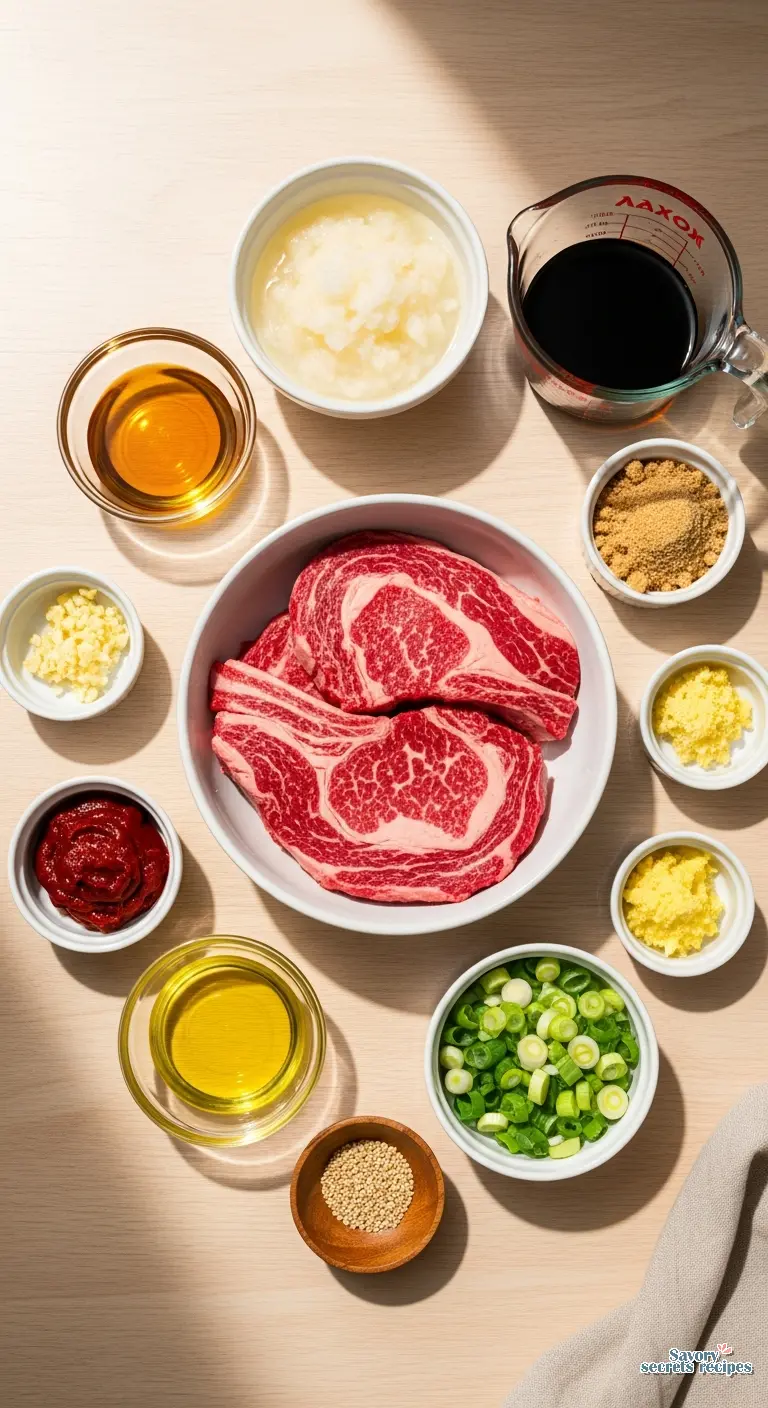
Ingredients
Method
- Wrap steak in plastic wrap, and place in the freezer for 30 minutes. Unwrap and slice across the grain into 1/4-inch thick slices.
- In a medium bowl, combine pear, soy sauce, brown sugar, sesame oil, garlic, ginger and gochujang. In a gallon size Ziploc bag, combine soy sauce mixture and steak; marinate for at least 2 hours to overnight, turning the bag occasionally.
- Heat 1 tablespoon vegetable oil in a cast iron grill pan over medium-high heat.* Working in batches, add steak to the grill pan in a single layer and cook, flipping once, until charred and cooked through, about 2-3 minutes per side. Repeat with remaining 1 tablespoon vegetable oil and steak.
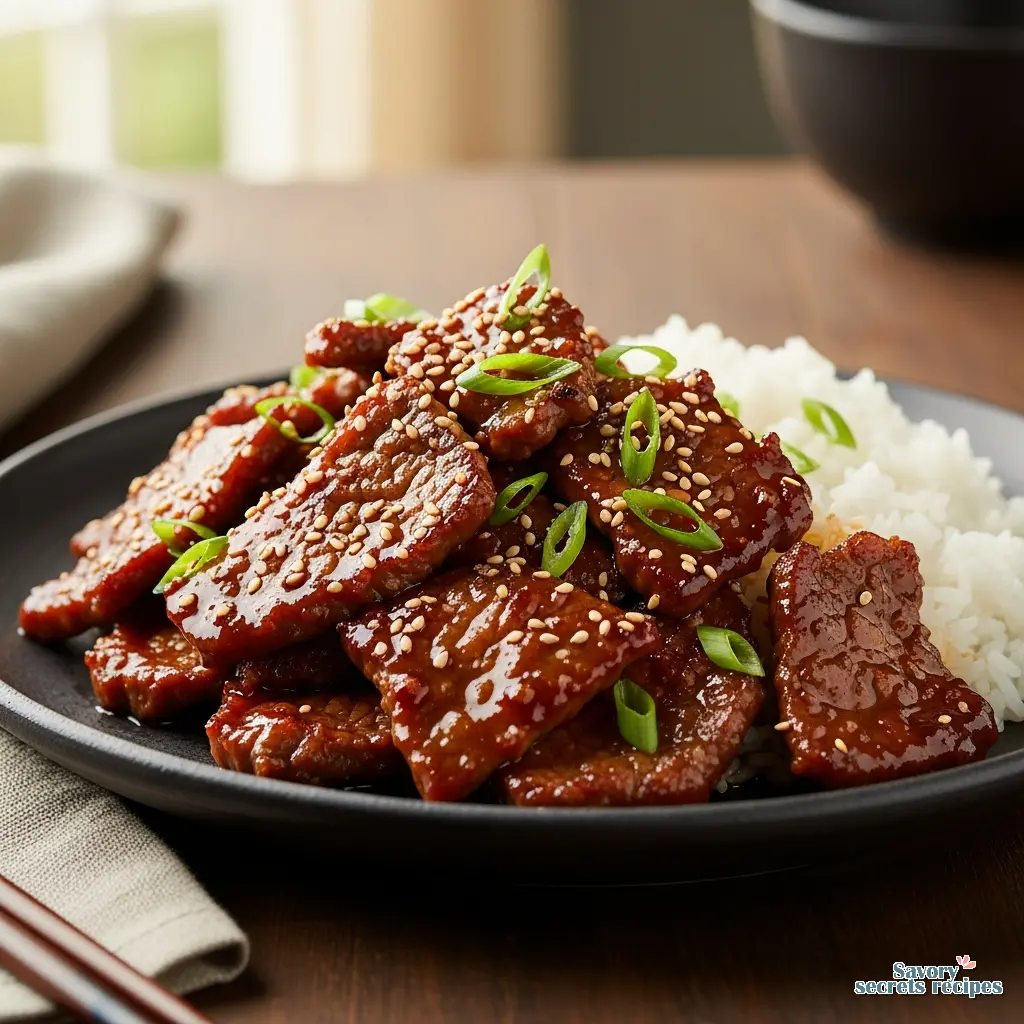
- Serve immediately, garnished with green onions and sesame seeds, if desired.
Notes
Think bulgogi is only for restaurants? Think again.
I remember trying to photograph a beef bulgogi dish early in my career. I was maybe twenty-two, working in a studio with terrible ventilation. The meat looked gray. Muddy. It tasted fine, I suppose, but visually? It was a disaster. It lacked that signature deep amber color and the caramelized edges that make your mouth water just looking at it. My editor took one look at the proofs and said, “That’ll photograph flat. Do it again.”
That’s when I learned the difference between steaming meat and searing it. And honestly, that’s the main struggle most of us have with home cooking. We want that restaurant-quality char, that irresistible sizzle and sweet aroma, but we end up with something that looks… well, boiled. Not quite there yet.
But here’s the good news. You don’t need a commercial grill or a degree in culinary arts to fix this. You just need to understand a few simple visual cues. Once you see the color change, you’ll know exactly what to do. I’ve broken this down into a clean read so you can get dinner on the table in about 30 minutes. It’s easier than you think, I promise.
The ‘Thin-Slice’ Secret (Freeze It First)
If you’ve ever tried to slice a raw, squishy ribeye into paper-thin strips, you know the frustration. The knife slides, the meat bunches up, and you end up with thick, uneven chunks. Visually, this is a nightmare because thick pieces don’t caramelize evenly. They cook unevenly, leaving you with chewy centers.
Here’s the trick I use for every shoot involving sliced meat. Freeze the steak for 20 to 30 minutes before you slice it. You want it firm to the touch but not rock hard. It gives you resistance against the knife, allowing you to get those incredibly thin shavings that curl up beautifully in the pan. It’s all about texture.
I know, I know. You’re hungry now. But trust me on this. That extra twenty minutes makes the difference between “okay” beef bulgogi and “is this takeout?” quality. While it chills, you can prep your marinade. It’s efficient. Dash, my dog, usually demands his walk right about then anyway, so it works out perfectly.
Meat Cut Guide: What to Buy
Lighting matters in photography, and fat content matters in bulgogi. You need fat for flavor and tenderness. If the meat is too lean, it dries out fast under high heat.
Ribeye (The Gold Standard): This is my go-to. It has beautiful marbling (those white flecks of fat) that renders down and keeps the meat juicy. It photographs beautifully because of that sheen.
Top Sirloin: A solid runner-up. It’s a bit leaner and friendlier on the wallet. If you use this, the pear in the marinade becomes even more critical to tenderize it.
Flank or Skirt Steak: These have great beefy flavor but can be tough if not sliced against the grain. If you’re on a budget, these work, just be extra careful with your slicing direction.
Pre-Sliced Meat: Look, no judgment here. If you have an Asian grocery store nearby like H Mart, they sell “bulgogi cut” beef that is machine-sliced thinner than you could ever do by hand. That’s a keeper. Grab it if you see it.
The Science of Tenderizing (The Pear Factor)
My grandmother Elaine used to say that every ingredient needs a job. In beef bulgogi, the pear isn’t just there for sweetness. It’s working hard behind the scenes. Asian pears (or Korean pears) contain an enzyme called calpain. It breaks down the protein fibers in the meat, making it incredibly tender.
If you can’t find a Korean pear, don’t panic. A Bosc or Fuji apple works almost as well. Even kiwi or pineapple works, but be careful with those they are much stronger. If you use pineapple, only marinate for 15 minutes, or the meat will turn to mush. I learned that the hard way on a shoot once. The meat literally dissolved. Not a good look.
Grate the pear (or apple) directly into the marinade. You want the juice and the pulp. It adds a subtle sweetness that balances the salty soy sauce and the savory garlic. It builds in layers of flavor that you just can’t get with sugar alone.
Visual Troubleshooting: Sear vs. Steam
This is where most people lose the plot. You’ve got your marinated meat, it smells amazing, and you dump the whole bowl into the skillet. Suddenly, there’s liquid everywhere. The meat turns gray. It’s boiling in its own juices.
In photography, we call this “muddy.” In cooking, it’s overcrowding. When you put too much cold meat in a pan, the temperature drops instantly. Instead of searing, the moisture releases and steams the beef.
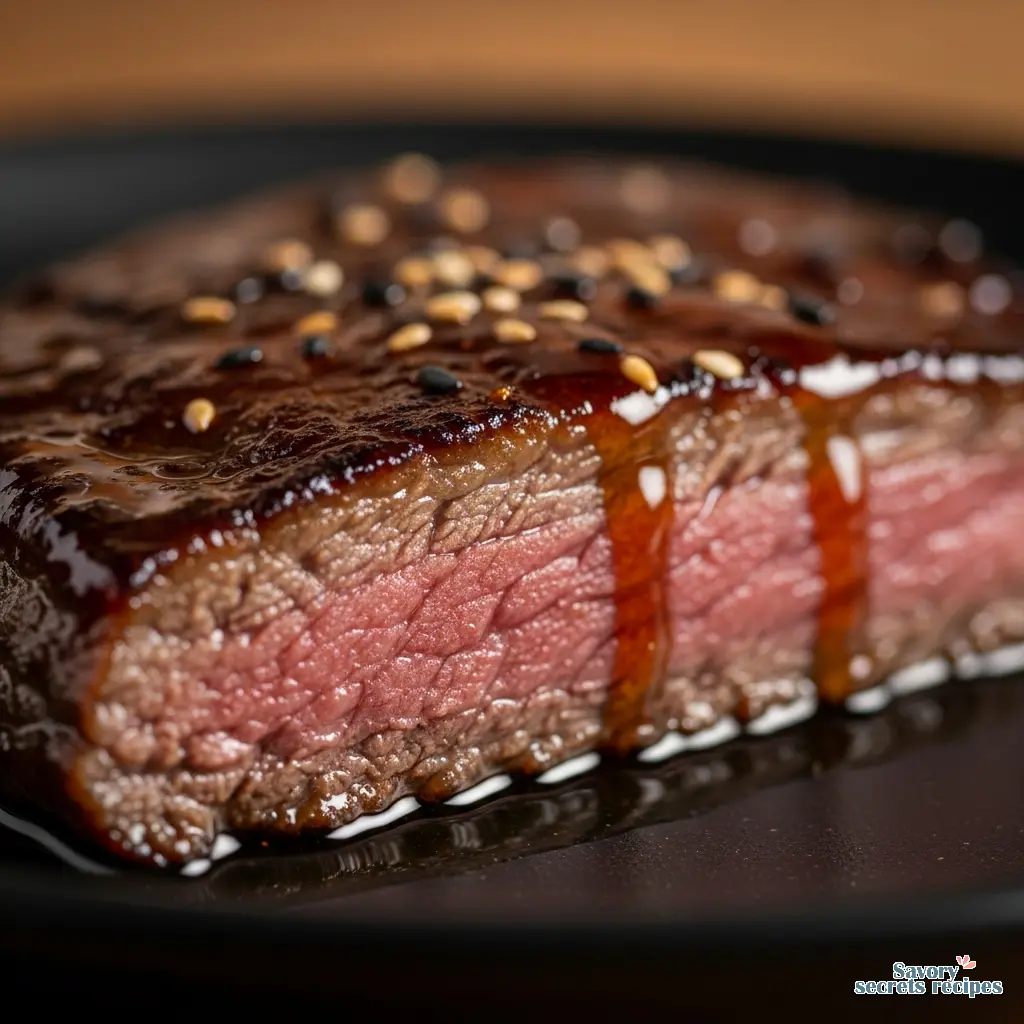
The Fix: Cook in batches. I know, it takes a few extra minutes. But it’s worth it. Heat your skillet (cast iron is best for that smoky char) until it’s very hot. Add a single layer of meat. You should hear a violent sizzle. That’s the sound of success. Let it sit for a minute without moving it. Let the color develop. Flip it, cook for another minute, and pull it out. Repeat.
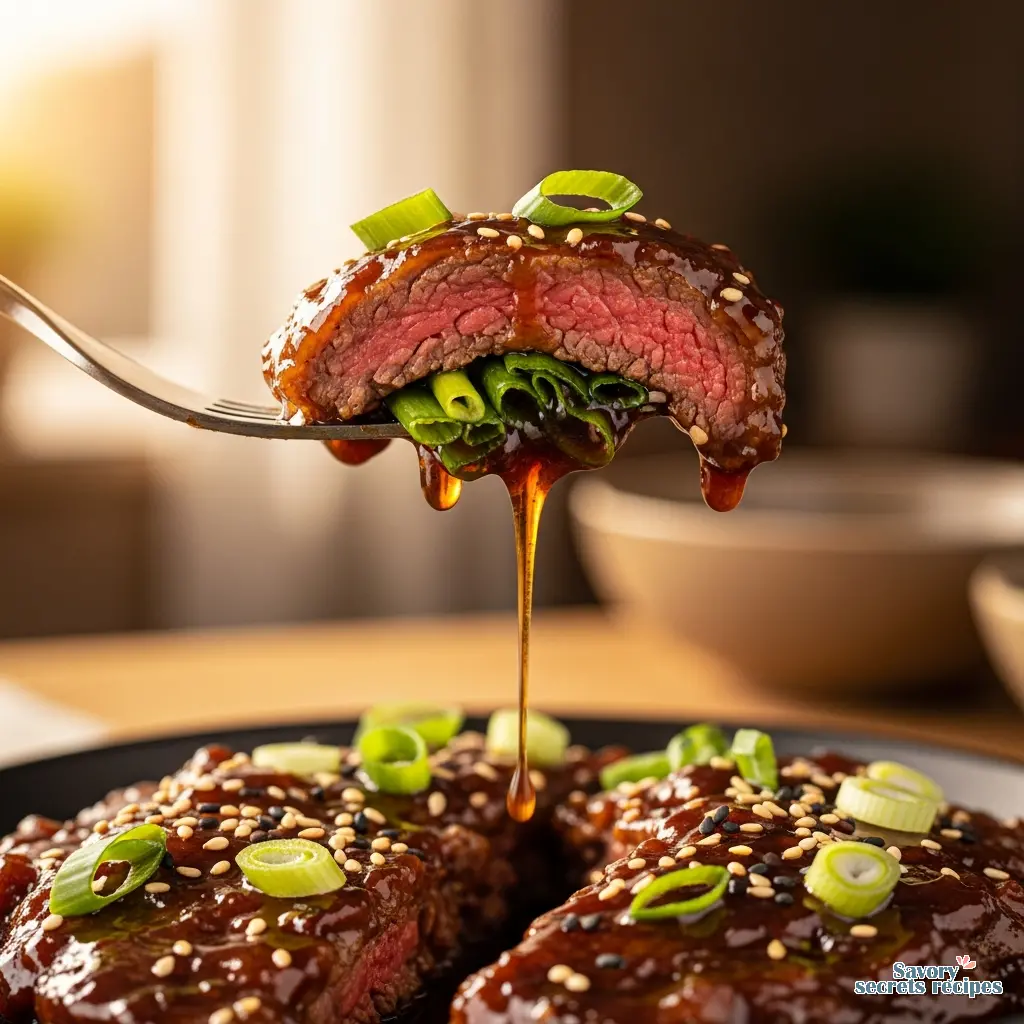
You want caramelized, dark brown edges. That’s where the flavor lives. That’s the “money shot.”
Serving & Meal Prep
Traditionally, this is often served with rice and kimchi, but I love the visual contrast of serving it “ssam” style wrapped in lettuce. The cool, crisp green lettuce against the hot, savory beef is perfect contrast. Use red leaf lettuce or perilla leaves if you can find them. The perilla has this unique, minty-basil flavor that cuts right through the richness of the beef.
For meal prep, this is a winner. The flavor actually improves the next day as the marinade continues to meld. I like to prep a big batch on Sunday. I’ll cook what we need for dinner and store the rest raw in the freezer in the marinade. It freezes beautifully for up to 2 months. Just thaw it in the fridge overnight before you want to cook it.
If you have leftovers (which is rare in my house), they reheat quickly in a hot pan. Don’t microwave them if you can help it; the texture gets a bit rubbery. A quick toss in a hot skillet brings that sizzle back to life.
Frequently Asked Questions
You’ve Got This
When you serve this, your family is going to love it. The smell alone that mix of garlic, sesame, and caramelized soy is enough to bring everyone to the table. You just made restaurant-worthy beef bulgogi in your own kitchen. Pat yourself on the back.
Cooking, like photography, is about practice and adjusting your light. If it’s too salty, add a bit more pear next time. If it’s not charred enough, turn up the heat. You’ll find your rhythm. Snap a pic and let me know how it turned out! For more visual inspiration and recipe ideas, check out my Pinterest boards where I collect all my favorite color palettes and plating ideas.
Reference: Original Source