



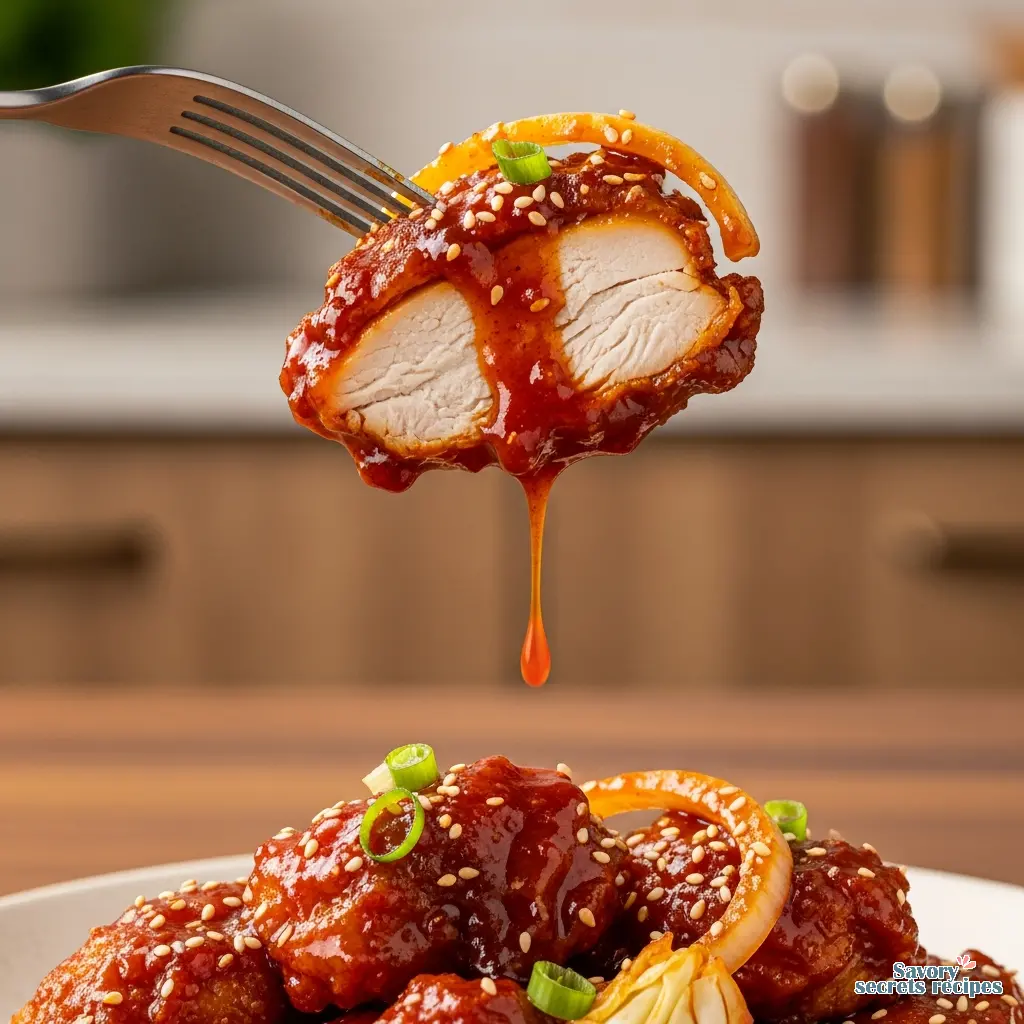
35 Cheap Korean Food Recipes: Easy Chicken Bulgogi
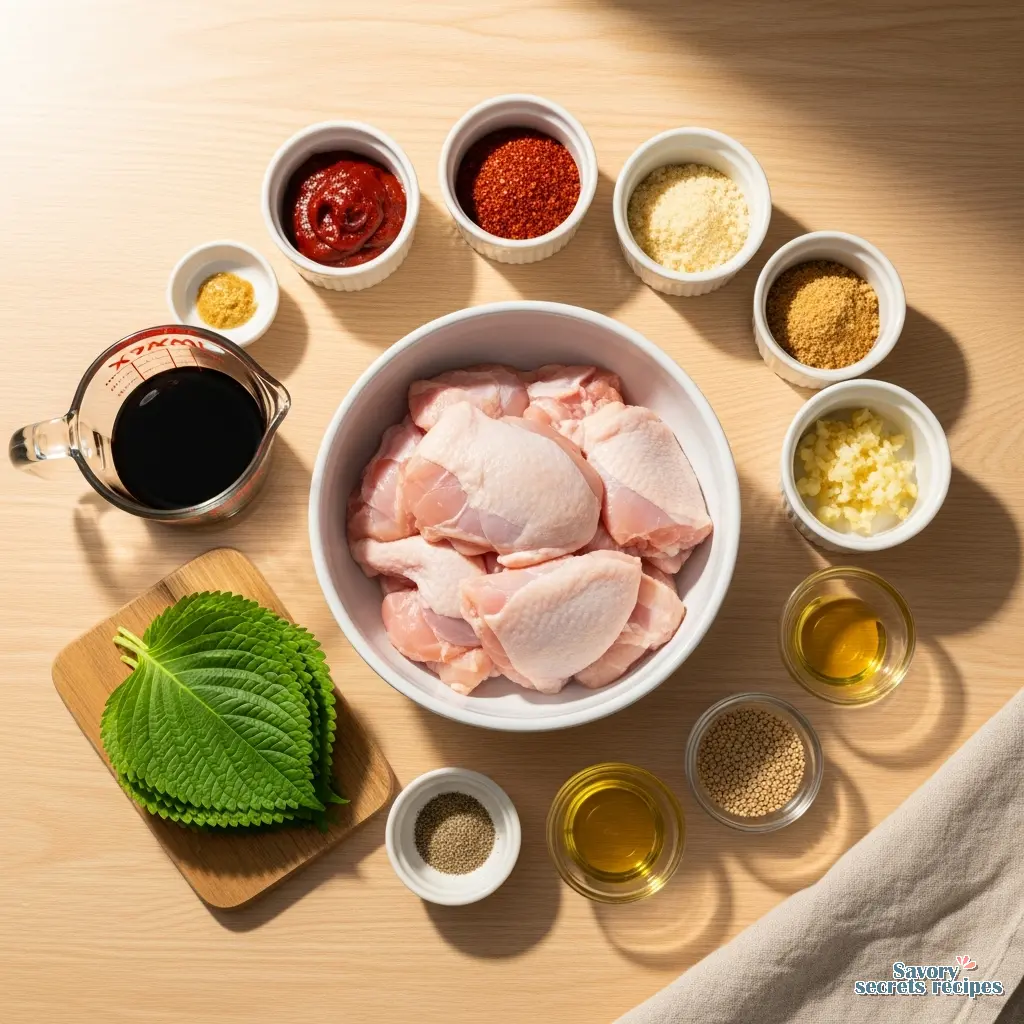
Ingredients
Method
- Cover chicken thighs with plastic wrap and pound with a meat mallet to stretch and tenderize; set aside.
- Combine gochujang, gochugaru (if using), soy sauce, brown sugar, garlic, ginger, rice wine, sesame oil, and pepper in a large mixing bowl. Add the chicken and toss to coat evenly. Let the chicken rest at room temperature for 15 minutes.
- Preheat the broiler and position an oven rack 5 to 6 inches below the heat source. Grease a cooling rack with cooking spray and place it on a foil-lined half-sheet baking pan.
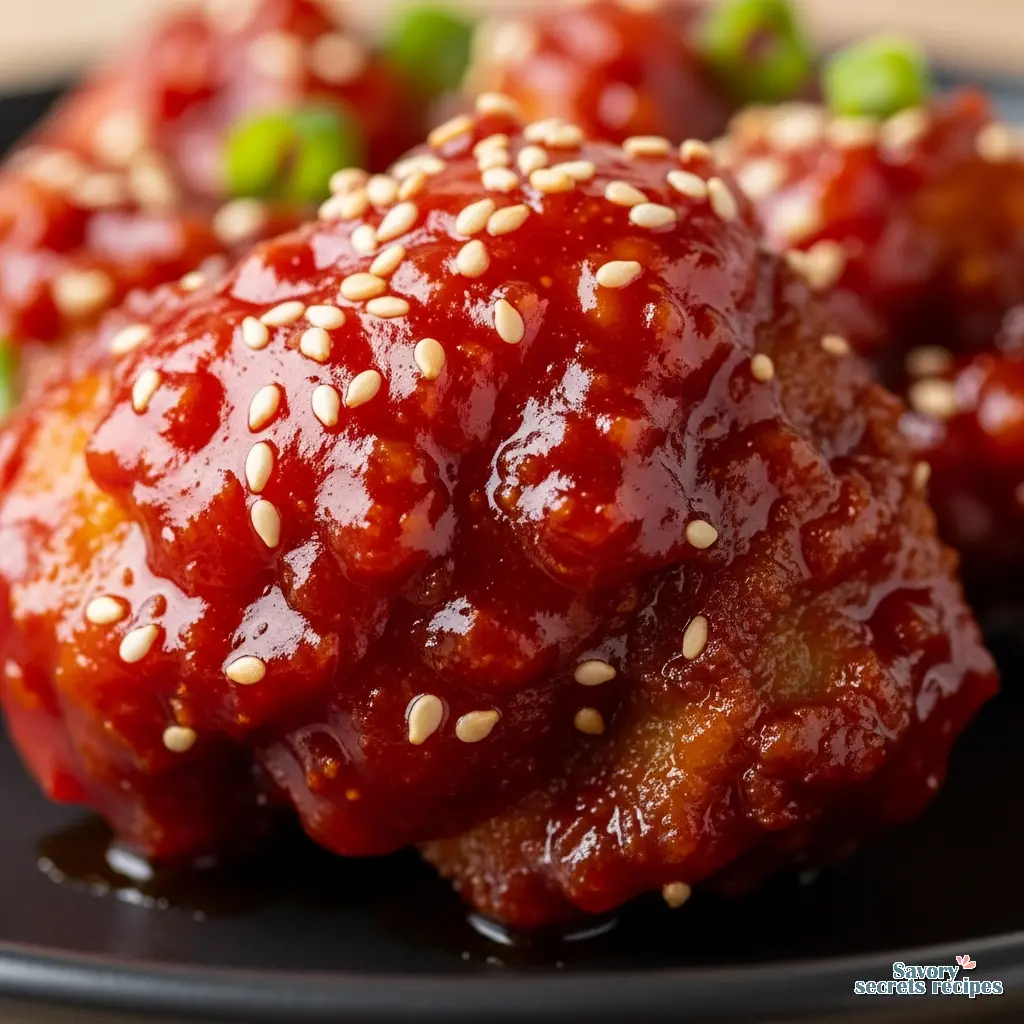
- Arrange the chicken pieces on the rack without overlapping. Broil for 4 to 5 minutes until slightly charred. Flip the chicken and broil for an additional 4 to 5 minutes until fully cooked, watching carefully to avoid over-charring.
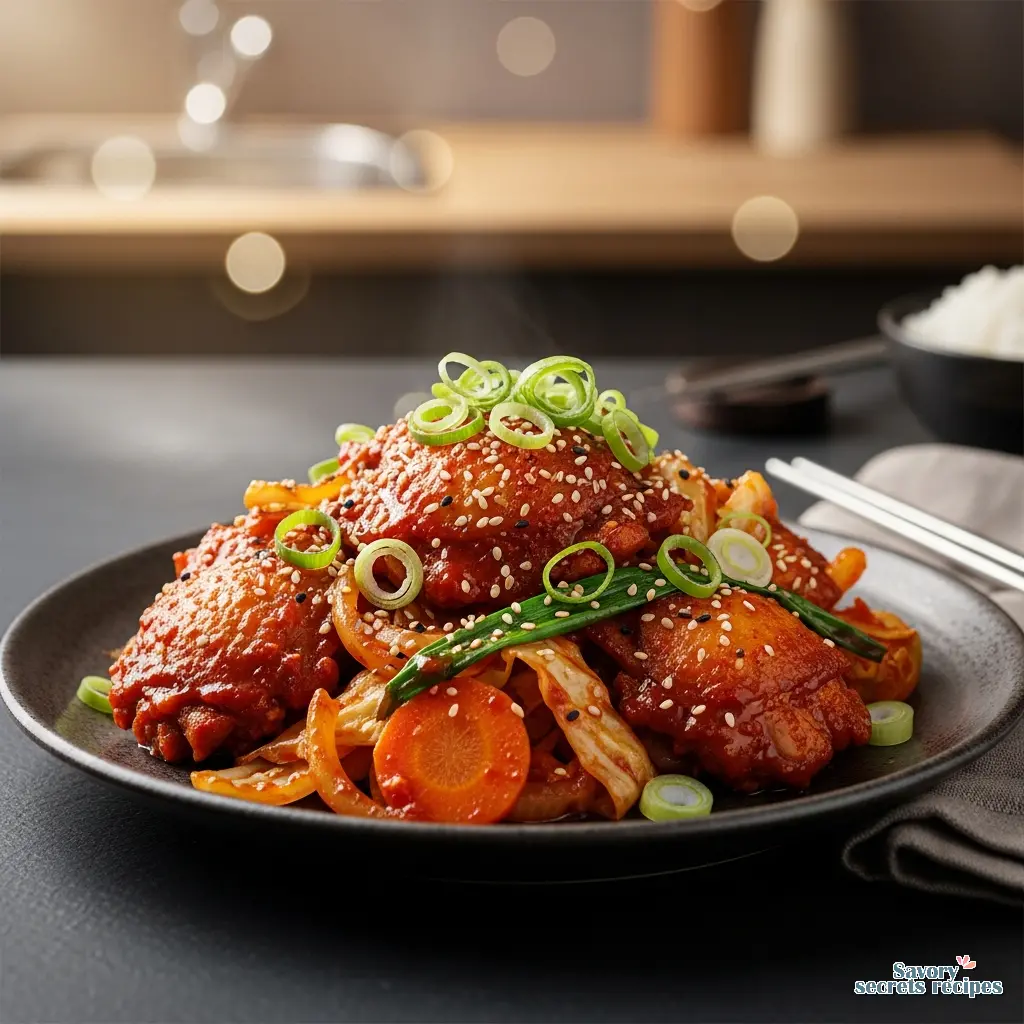
- Slice the chicken thighs into bite-sized pieces and place in a serving dish. Garnish with thinly sliced perilla leaves and toasted sesame seeds. Serve hot with rice.
Nutrition
Notes
" Meat Selection: I always choose skinless chicken thighs for this because they stay incredibly tender and juicy even when the broiler gets them nice and charred.",
" Heat Control: Keep a close eye on your oven during those last few minutes since the sugar in the marinade can go from perfectly caramelized to burnt very quickly.",
" Advance Prep: I have found that letting the chicken marinate in the fridge overnight really deepens the flavor: just make sure to bring it to room temperature before cooking.",
" Ingredient Swap: If you cannot find perilla leaves at your local market, I suggest using fresh basil or even thinly sliced green onions to get a similar fresh finish.",
" Leftover Ideas: My favorite way to eat any leftovers is to slice the chicken thin and toss it into a cold noodle salad the next day.",
" Texture Tip: Do not skip pounding the chicken with a mallet: it ensures every piece cooks at the same rate and helps the marinade penetrate deeper into the meat."
]
Why Budget Korean Food is the Ultimate Home Cooking Hack
I grew up in North Carolina where BBQ is less of a food group and more of a religion, and the first time I really dug into Korean cuisine, something clicked. It felt familiar. I know that sounds strange. What does a pulled pork shoulder in Goldsboro have to do with budget korean food in Los Angeles? Everything, actually.
It’s about economy. It’s about taking humble, inexpensive ingredients and using time, fermentation, and heat to turn them into something that tastes expensive. Uncle Raymond used to tell me, “The meat will tell you when it’s ready,” and that same patience applies here. When you’re looking for cheap korean meals, you aren’t sacrificing flavor. You’re just using smart techniques to stretch a dollar.
Right now, with winter settling into LA and the evenings actually getting cool enough to run the stove without sweating, this is the kind of cooking that saves your wallet. I’ve seen grocery bills lately. That tracks. We’re all feeling it. But I promise, once you stock a few essentials, you can put a dinner on the table for a fraction of the cost of takeout, and it’ll taste better too.
Essential Budget Pantry Staples
Here is the thing about budget korean food recipes: there is an upfront cost. I won’t lie to you about that. But it’s like buying a good bag of charcoal. You buy it once, and it fuels twenty meals. Generally speaking, if you have these four items, you can make almost anything.
First, Gochujang. This is your fermented chili paste. It’s savory, sweet, and spicy. Think of it like a wet rub for BBQ; it brings the depth. A tub costs about five bucks and lasts for months in the fridge. Second is Gochugaru (chili flakes). Unlike the generic red pepper flakes at the pizza place, these are sun-dried and have a smoky, fruity flavor. You can’t swap them out. Trust me on this.
Then you need Soy Sauce and Sesame Oil. You probably have soy sauce. But toasted sesame oil? That’s the finisher. It’s the aroma that hits you when you walk into a restaurant. You use it sparingly. A little bottle goes a long way. With just these, some garlic, and green onions, you are ninety percent of the way to a solid meal.
Top 10 Low-Cost Recipes for Beginners
When I started cooking this way, I realized that cheap korean dishes often rely on rice and vegetables, using meat as a flavoring rather than the main event. It’s a smart way to eat.
Bibimbap is the obvious starter. It’s literally “mixed rice.” You take whatever veggies are in your fridge spinach, carrots, bean sprouts sauté them quickly with sesame oil, and throw them over rice. Add an egg. Done. It’s the ultimate “clean out the fridge” meal. Kimchi Fried Rice (Kimchi Bokkeumbap) is another heavy hitter. Old, sour kimchi is actually better here. It’s like using day-old bread for stuffing; the texture creates the dish.
For stews, Soondubu Jjigae (soft tofu stew) is incredibly cheap. Tofu costs almost nothing, and it absorbs flavor like a sponge. Then there’s Dakgalbi, which is what we’re loosely basing our main method on today. It’s spicy stir-fried chicken. I prefer chicken thighs because they’re cheaper and handle heat better. Fat is your friend until it isn’t, but here, it keeps the meat moist. If you are looking for that signature crunch, learning to make the best korean chicken at home is much cheaper than ordering out.
Recipe Science: Why Fermentation Works
Let’s talk about why this food tastes so good for so little money. It comes down to fermentation. In BBQ, we use smoke to preserve and flavor. In Korea, they use fermentation. When you use budget korean food staples like kimchi or gochujang, you are using ingredients that have already been “cooked” by time.
The enzymes break down starches and proteins into glutamate. That’s Umami. It’s savory deliciousness. This is why you don’t need expensive beef stock or truffle oil. The flavor is built into the paste. When you sauté kimchi, you’re caramelizing those sugars and amino acids. It’s the Maillard reaction on steroids. That’s the one. That’s the secret weapon.
Price Comparison: Homemade vs Store-bought
I did the math on this because I was curious. A standard order of spicy chicken or bulgogi at a restaurant in LA is running about $18 to $22 right now. Plus tip. Plus delivery fees if you’re feeling lazy. That adds up.
When you make cheap korean food recipes at home, the breakdown looks different. A pound of chicken thighs is maybe $3. Rice is pennies per serving. The sauce ingredients, amortized over the number of meals you get from the jar, come out to maybe $0.50 per serving. You are looking at a meal that costs roughly $4 to $5 per person. You’re saving fifteen bucks a pop. That’s real money. Generally speaking, if you cook this twice a week, you’ve paid for your entire pantry setup in a month. You can also save significantly by mastering a simple korean beef strips recipe to replace expensive steakhouse visits.
Visual Troubleshooting for Rice Cakes and Stews
If you decide to branch out into things like Tteokbokki (rice cakes), texture is truth. I’ve seen people boil them until they fall apart. Don’t do that. You want a chew. It should offer resistance, like a good al dente pasta. If it’s mushy, you’ve gone too far.
For stews, the color tells the story. If your soup looks pale and watery, you didn’t cook the chili flakes in the oil long enough. You need to bloom the spices. I tend to sauté the Gochugaru with the garlic and oil right at the start, just for thirty seconds. Be careful not to burn it thin blue smoke or nothing but getting that oil red is what gives you that deep, restaurant-quality flavor.
Storage & Serving
Leftovers are the unsung hero of budget korean food. In fact, most of these stews and braises taste better the next day. The flavors meld. It’s like a brisket resting in a cooler; time does the work for you.
Store your spicy chicken or stews in airtight glass containers. Plastic will stain forever I learned that the hard way with a batch of kimchi stew in 2012. My Tupperware was orange until I threw it out. These dishes reheat beautifully in a microwave or, better yet, back in a pan with a splash of water to loosen the sauce. Serve with fresh steamed rice. Always fresh rice. Day-old rice is for frying; fresh rice is for eating.
Frequently Asked Questions
Which cookbook to get for home cooking?
In my experience, Maangchi’s “Real Korean Cooking” is the gold standard for authentic techniques. However, for strictly budget korean food ideas, “The Korean Vegan” offers incredible insight into using vegetables to create deep flavor without expensive meat cuts. Both are solid choices.
Can I make budget korean food ahead of time?
Absolutely. In fact, marinating meat like the chicken in this recipe overnight is better. The enzymes in the sauce tenderize the meat. Just don’t cook it until you’re ready to serve. Prep on Sunday, cook on Tuesday. That’s the move.
How do I store leftover budget korean food?
Glass containers are mandatory unless you want stained plastic. Most cheap korean meals keep for 3-4 days in the fridge. For reheating, use a skillet for stir-frys to re-crisp the edges. Microwaves tend to steam everything into mush.