




Easy Korean Breakfast Egg Rice Recipe
Ingredients
Method
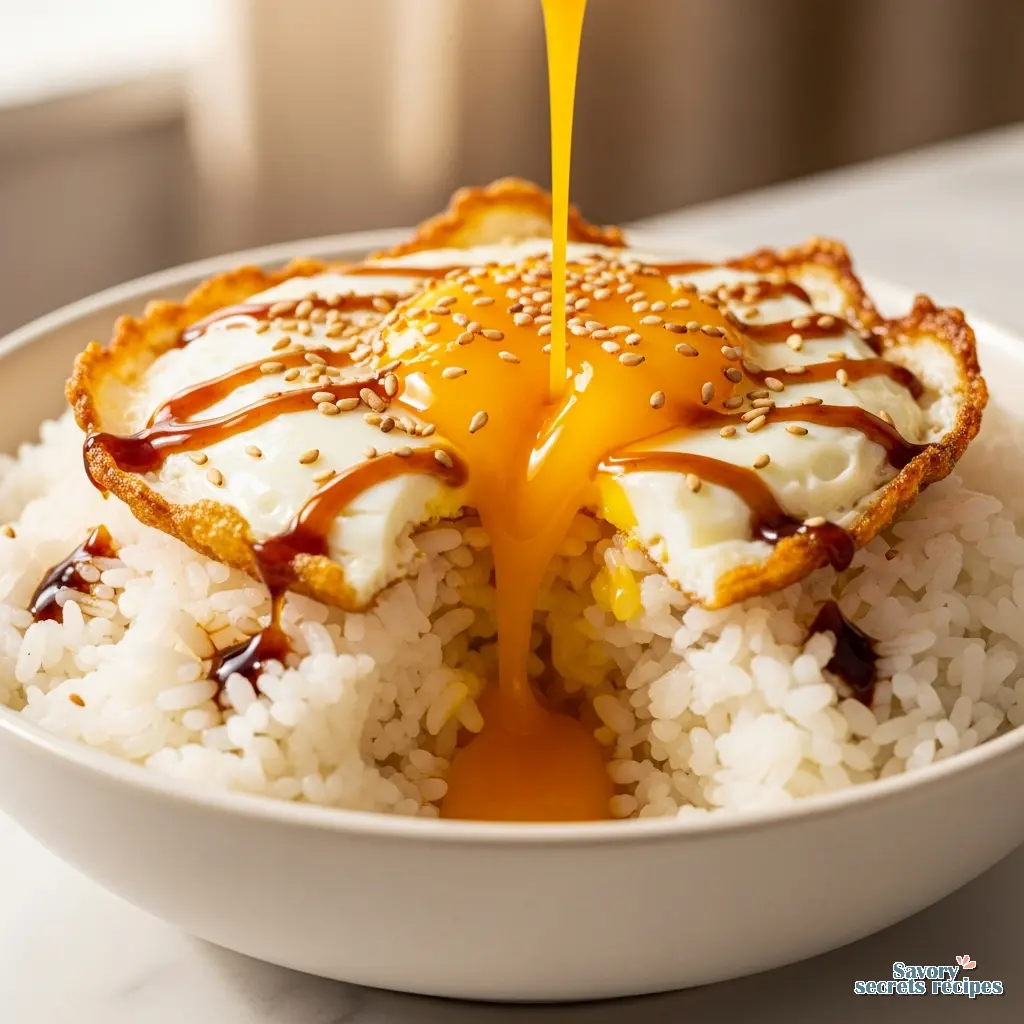
- Heat oil in a non-stick skillet over medium heat. Crack an egg and fry it to your desired doneness. (I recommend sunny-side-up.)
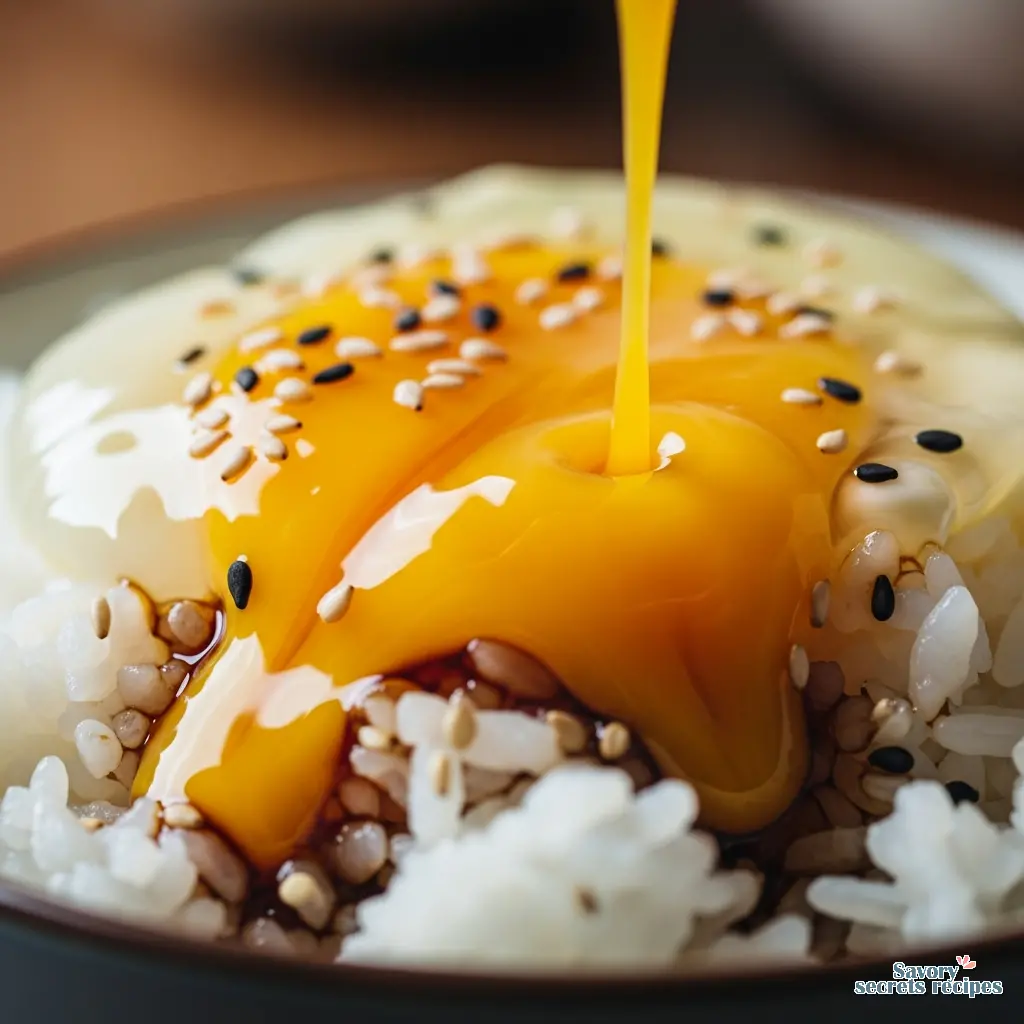
- In a bowl, add warm rice. Place a thin sliver of butter over the rice and place the fried egg on top. The heat of the rice and egg will melt the butter instantly. Drizzle soy sauce and sesame oil over the egg, and sprinkle toasted sesame seeds.
- To serve, break the egg yolk with a spoon and break up the egg white into chunks. Mix the egg and rice together until well combined. Serve with kimchi on the side and enjoy!
Nutrition
Notes
Why This Breakfast Korean Recipe Saves My Mornings
Let’s walk it back to a typical Tuesday morning. The coffee grinder is screaming, my daughter is asking where her shoes are for the tenth time, and I have exactly twelve minutes to get food on the table before the school run. This is usually when I’d grab a granola bar and call it a day. But here’s the thing. A proper breakfast korean recipe isn’t actually harder than making toast. It just requires a shift in perspective.
I used to think Korean cooking meant hours of fermentation and complicated broths. My teta (grandmother) taught me that good food is mostly about timing and using what you have, and that tracks perfectly here. This isn’t about fancy equipment or ingredients you can’t pronounce. It is about simple, comforting flavors like sesame oil, soy sauce, and eggs coming together in a way that feels like a hug in a bowl. Straight up, once you try this method, going back to cold cereal feels like a downgrade.
In this guide, I’m going to break down how to master a simple Korean breakfast that fits into a chaotic American morning. We are talking about savory flavors, quick protein, and that specific satisfaction of a warm meal to start the day. Trust the process. You’ve got this.
What Actually Is a Breakfast Korean Recipe?
If you are expecting pancakes or waffles, we need to recalibrate. In Korea, “breakfast” doesn’t strictly exist as a separate category of food. It is often just a lighter, simpler version of lunch or dinner. Traditionally, a breakfast korean recipe involves rice, a soup or stew, and a few side dishes called banchan.
I know what you’re thinking. “Tariq, I am not making soup at 7 AM.” Fair enough. I’m not either. That is why modern Korean breakfasts often lean on quick, comforting dishes like Gyeran Bap (egg rice) or street toast. It is about savory energy. The goal isn’t a sugar rush but sustained fuel.
Think of it like the leftovers my teta would repurpose. A bit of rice from last night, a fresh egg, some seasoning. It is practical. It is sustainable. And honestly, it tastes better than anything that comes out of a cardboard box.
The 5-Minute Fix: Gyeran Bap (Egg Rice)
This is the MVP of the morning rush. Gyeran Bap is literally just fried eggs over rice with soy sauce and butter. It sounds too simple to be a “recipe,” but the magic is in the details. My dad never measured his coffee beans, but he knew exactly how they should look in the grinder. Same principle here.
You need hot rice. If you are using leftover cold rice (which is totally fine), you must reheat it until it is steaming. Cold rice won’t melt the butter, and the butter is non-negotiable. It creates this creamy, rich emulsion with the soy sauce and the runny yolk. I prefer a runny sunny-side-up egg yolk because it acts as a natural sauce for the rice bowl. If you overcook the yolk, you lose that creamy texture.
Here is the move:
1. Scoop hot rice into a bowl.
2. Bury a knob of butter in the middle so it starts melting.
3. Fry two eggs (sunny side up or over easy).
4. Slide eggs onto rice.
5. Drizzle with soy sauce and sesame oil.
6. Sprinkle with sesame seeds and roasted seaweed if you have it.
My daughter insists on cracking the eggs for this, which means I usually spend a minute fishing out shells. But hey, she’s learning. And even with a little shell crunch, it’s still delicious.
Essential Banchan (Side Dishes) for Your Breakfast Korean Recipe
You don’t need to make twelve side dishes. In my house, we keep it to one or two essentials. The beauty of banchan is that you make them once (or buy them) and eat them for days. It is the original meal prep.
Kimchi: This is the cornerstone. It adds crunch, spice, and acidity that cuts through the richness of the egg and butter. You can buy excellent kimchi at most grocery stores now (look in the refrigerated section near the tofu). I like to sauté old, sour kimchi in a little sesame oil to mellow it out. For a gentler start to the day, consider serving this with mild kimchi that offers all the flavor with less heat.
Seasoned Seaweed (Gim): You know those little packs of roasted seaweed snacks? Crumble one over your rice. It adds salt and texture. No cooking required. That tracks for a busy morning.
Quick Cucumber Salad: If I’m feeling ambitious on a Sunday, I’ll slice some cucumbers and toss them with salt, vinegar, and chili flakes. But here is a tip I learned the hard way: mix cucumber salad immediately before serving if you want it crunchy. If you do it the night before, the water releases and it gets soggy. Not gonna lie, I’ve ruined a few batches that way.
Meal Prep Strategy: 1 Base, 3 Breakfasts
I am all about efficiency. I’m not waking up an hour early to cook. The secret to nailing a breakfast korean recipe all week is prepping the base: the rice.
On Sunday, I cook a big pot of short-grain white rice. I store it in the fridge in airtight containers. Throughout the week, that rice becomes three different breakfasts:
1. The Classic Egg Rice (Gyeran Bap): Reheat rice, add fried egg, butter, soy sauce. Done in 5 minutes.
2. Nurungji (Scorched Rice Soup): If you have rice stuck to the bottom of the pot (or you crisp some up in a pan), boil it with water. It becomes a comforting, nutty porridge. It is incredibly gentle on the stomach. My teta used to make something similar with lentils when we were sick. It’s the same comfort vibe.
3. Fried Rice (Bokkeumbap): Friday morning, take whatever veggies are dying in the crisper drawer, chop them small, and stir-fry them with the old rice and some kimchi. Old rice is actually better for fried rice because it has less moisture.
Dietary Adjustments (Alcohol-Free & More)
A lot of traditional Korean recipes call for Mirin or cooking wine to remove odors from meat or add sweetness. We don’t use alcohol in my house, so I’ve had to dial it in until it’s right using substitutes.
If a recipe calls for Mirin, I use a mix of water and a little sugar or grape juice with a splash of vinegar. For beef marinades, grated pear or apple works wonders for tenderness and sweetness without any wine. It’s not just a swap; it actually adds a fresh fruit enzyme that tenderizes the meat better than alcohol does.
For a gluten-free version, swap the soy sauce for Tamari. It tastes almost identical in a dish like this. And if you are avoiding red meat, canned tuna is a solid protein swap. Sauté it with a little kimchi and sesame oil, and you have a killer topping for your rice bowl. If you are cooking for children, using a mild kimchi recipe ensures they get the traditional taste without too much spice.
Storing and Reheating Your Breakfast Korean Recipe
Leftovers are great, but only if you treat them right. I’ve learned that texture is everything.
Rice: Never eat cold plain rice. It’s hard and waxy. Sprinkle it with a little water before microwaving it covered. This steams the grains and makes them fluffy again. If you are reheating fried rice, the stove is better to keep the texture crisp.
Soups & Stews: If you made a soybean paste soup (Doenjang Jjigae), it will thicken in the fridge as the starch settles. Always add a splash of water when reheating stews, or it will be too salty and thick. I usually add about a quarter cup of water per bowl when reheating.
Eggs: Eat them fresh. Reheated fried eggs become rubbery disks of sadness. Just fry a fresh one. It takes two minutes. Rolled omelets (Gyeran Mari), however, are the exception. You can eat those cold or gently warmed up, and they are still delicious.
Frequently Asked Questions
Your Morning Routine Just Got an Upgrade
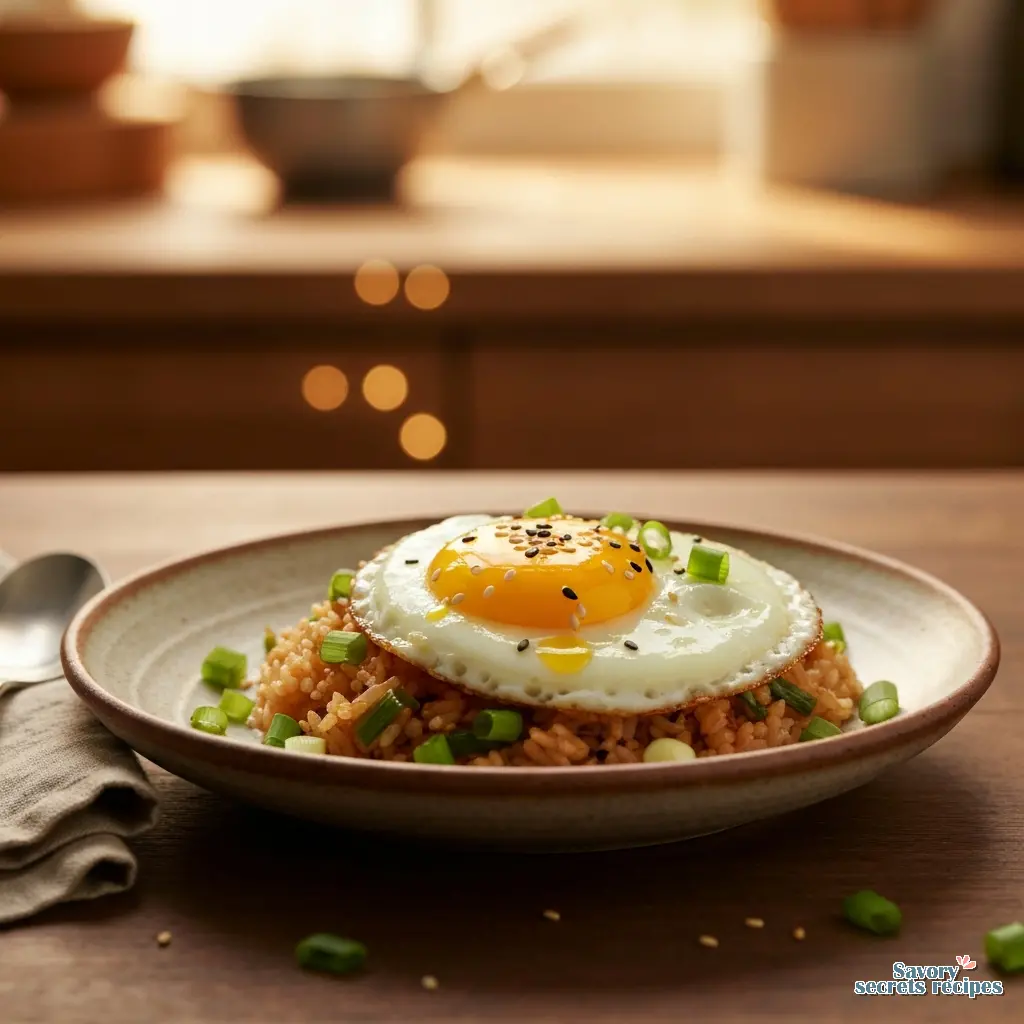
When you enjoy this breakfast korean recipe, take a moment to appreciate the calm it brings. It’s savory, simple, and satisfying in a way that sugary cereal just can’t compete with. You don’t need to overhaul your entire life to eat better; you just need good ingredients and five minutes. I share tons of variations and other quick morning ideas on my Pinterest boards, so check those out if you want to keep the inspiration going. Your Korean breakfast adventure starts now!
Reference: Original Source
Is there a specific ‘breakfast’ food in Korea?
Not in the Western sense. While dishes like Gyeran Bap (egg rice) and street toast are popular morning options, a traditional breakfast korean recipe looks a lot like dinner: rice, soup, and side dishes. It is about eating real food, not just “breakfast” food.
How long can I store leftover Korean soup?
In my experience, soups like soybean paste stew keep well in the fridge for about 3 days. The flavor actually deepens on day two. Just remember to bring it to a boil before serving and add a splash of water if it got too thick.
Can I eat a Korean rolled omelet cold?
Absolutely. That’s the move for lunchboxes. Rolled omelets are dense and seasoned well enough that they taste great at room temperature or straight from the fridge. It is one of the few egg dishes I don’t mind eating cold.
What is the best type of rice for Gyeran Bap?
Short-grain white rice (often labeled as sushi rice or Calrose) is the standard. It is sticky and holds its moisture well. Long-grain rice like Basmati is too dry and won’t clump together with the egg and butter in the same satisfying way.
How do I make beef ribs tender without a pressure cooker?
Low and slow. Cook beef short ribs for a very long time to ensure tenderness. If you rush it, they will be tough. I usually braise them for at least 2 to 3 hours on the stove if I’m not using a slow cooker.