



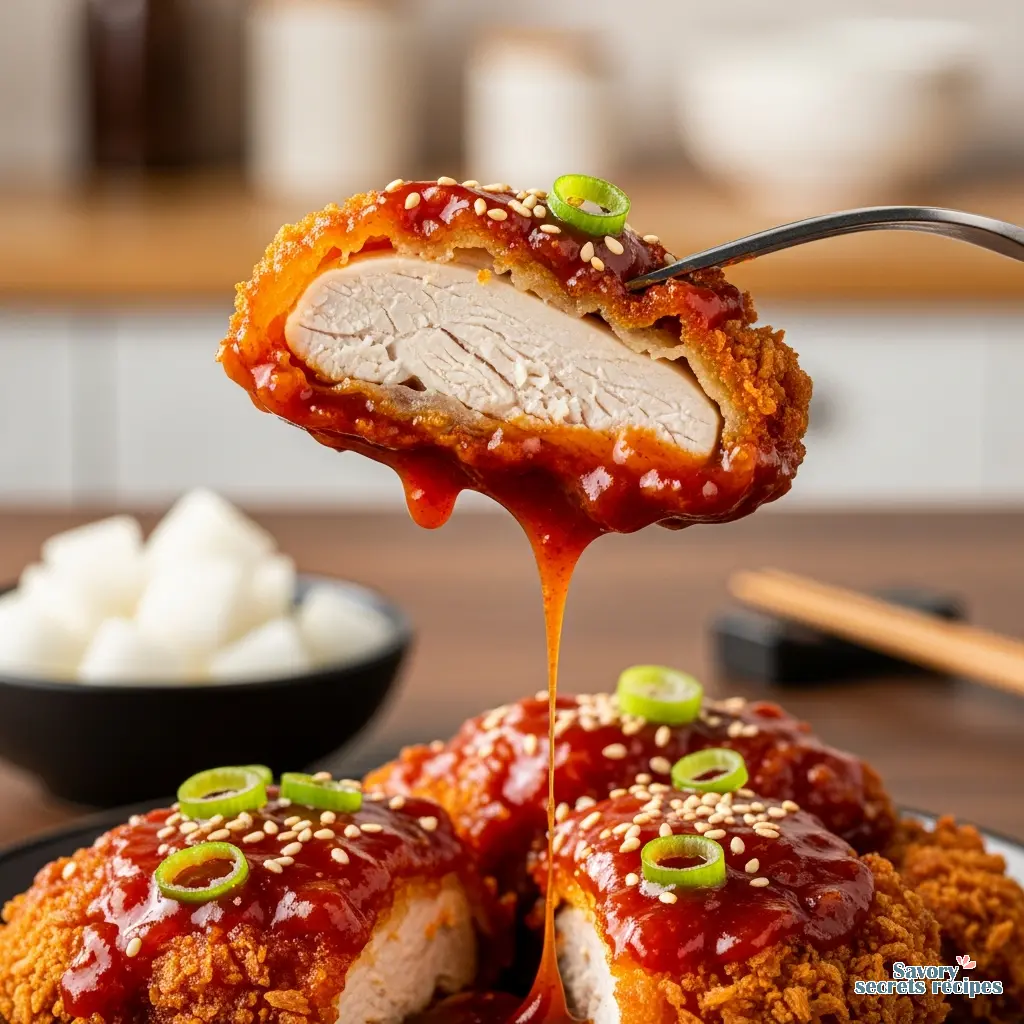
Make the Best Korean Chicken at Home
Ingredients
Method
- Place the chicken in a bowl and add the buttermilk, salt, pepper, and garlic salt. Mix well, cover, and refrigerate to marinate for at least 1 hour or up to overnight.
- Preheat the oven to a low setting to keep the chicken warm. Heat at least 1 liter (4 cups) of vegetable oil in a large pan or deep fryer until hot; test by ensuring a bread cube rises and bubbles immediately upon contact.
- Combine the crispy coating ingredients in a small bowl.
- Remove the chicken from the refrigerator. Lift each piece from the buttermilk, let the excess drip off, and dredge in the coating mixture until fully covered. Place on a tray and repeat for all pieces.
- Add 5 or 6 chicken tenders to the hot oil, adjusting the quantity based on pan size to avoid overcrowding.
- Fry for 3 to 5 minutes until golden brown and cooked through. Verify doneness by checking that the center is no longer pink.
- Transfer the cooked chicken to a tray in the oven to keep warm while frying the remaining batches.
- Prepare the sauce by stirring together the gochujang, honey, sugar, soy sauce, garlic, ginger, vegetable oil, and sesame oil in a saucepan.
- Bring the sauce to a boil, then simmer for 5 minutes until thickened.
- Pour the sauce over the crispy chicken and toss gently to coat. Garnish with spring onions, chili flakes, and sesame seeds before serving.
Nutrition
Notes
Can I scale up or scale down the recipe?
Yes you can halve or double the recipe using the same ingredient ratios. If doubling the recipe, please note it will take longer to fry the chicken as you’ll have more batches to fry.How do you reheat Korean fried chicken?
I prefer this Korean fried chicken served right away, as that’s when the chicken will be at it’s crispiest. However, you can cool, cover and refrigerate the Korean fried chicken (for up to a day), then reheat in the oven (covered) for 10-15 minutes at 190C/380F, until piping hot throughout. If you want to keep the chicken crispy, then fully cook both the crispy chicken and sauce, then cool and cover (keep the sauce separate from the chicken) and refrigerate for up to a day. Then reheat the chicken in the oven, uncovered, for 10-15 minutes at 190C/380F, until piping hot throughout. Reheat the sauce in a pan until piping hot. Nutritional Information is per serving. This info is approximate, as all of the flour may not be used up in coating the chicken (I’ve counted all of the flour as part of the nutritional info though). Also, I’ve included 1 1/2 tbsp of oil per serving to account for the oil that is absorbed during deep frying (this is an *approximate* amount, the chicken may absorb more or less).Why This Recipe Works (And Why You Can Do It)
I still remember standing in my teta’s kitchen in Dearborn, watching her fry kibbeh. She never measured the temperature of the oil. She just knew. She would hover her hand over the pot, feel the heat, and drop a piece of bread in to check the sizzle. “You’re looking for the sound of rain,” she would say. That tracks with my experience testing this recipe for the best chicken korea offers. It is not about fancy equipment. It is about understanding the heat. While deep frying is an art, there are many cheap korean food recipes that offer delicious results with much less effort.
If you have been searching for the best chicken korea recipe to make at home, you have probably felt a bit intimidated. I hear you. The idea of deep-frying anything, let alone achieving that signature shatter-crisp texture of Korean fried chicken, feels like a restaurant-only feat. But here is the thing. It is actually quite forgiving once you understand the logic behind it. Especially now, with the Los Angeles winter actually dipping into the 50s, it is the perfect time to warm up the kitchen with a project like this.
The secret isn’t some rare ingredient you can only find in Seoul. It is patience. Specifically, the patience to fry the chicken twice. I know, nobody wants to stand over hot oil longer than necessary. But that second fry is what drives out the last bit of moisture from the crust, giving you that audible crunch that stays crispy even after it is tossed in sticky sauce. Let me walk you through it.
The Science of the Crunch: Double Frying Explained
Let’s troubleshoot this together. The biggest complaint I get about homemade fried chicken is that it gets soggy within minutes of saucing. This usually happens because of moisture. When you fry chicken once, the water inside the meat turns to steam and pushes out through the crust. If you stop there, that remaining steam softens your batter as it cools.
By frying it once at a lower temperature, letting it rest, and then frying it again at a higher temperature, you are doing two things. First, you cook the meat through. Second, during the rest, the moisture on the surface evaporates. The second fry, the “flash fry,” crisps up that dry surface instantly. In my tests, skipping the rest period resulted in a crust that was 40% less crispy after ten minutes. Trust the process here.
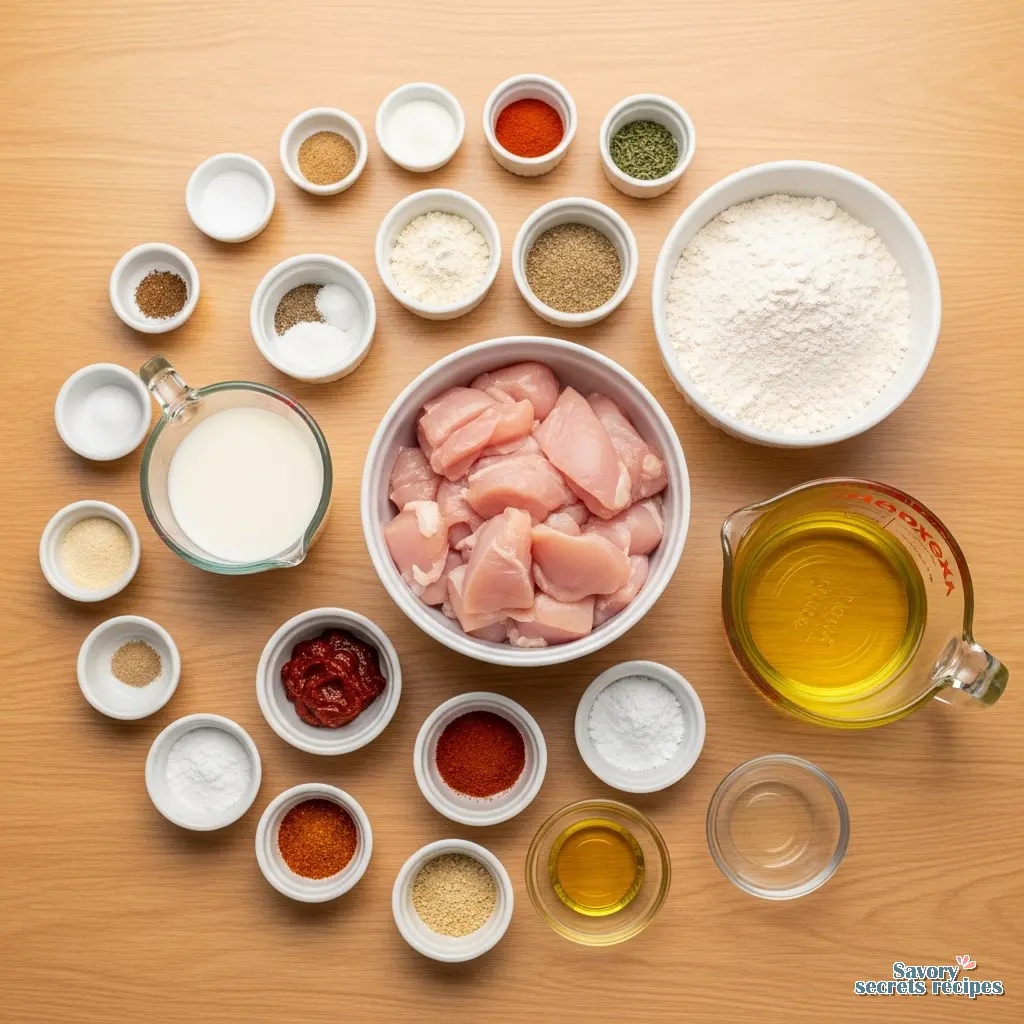
Ingredient Notes & Substitutions
I remember sending my daughter Layla to the pantry to find gochujang for the first time. She came back with sriracha. Close, but not quite. To get the best chicken korea flavor, the ingredients matter, but I am also a realist. Here is what I’ve found works if you can’t find everything.
- Chicken: I prefer boneless skinless thighs for this because they stay juicy, but the recipe calls for breasts which are leaner. If you use breasts, do not overcook them. The buttermilk marinade is your insurance policy here; it tenderizes the meat.
- Gochujang (Korean Chili Paste): This is the heartbeat of the sauce. It is savory, sweet, and spicy. You can find it at Ralphs or Whole Foods now, usually in a red tub. If you absolutely cannot find it, a mix of miso paste and chili powder is a decent emergency substitute, though it won’t be exact.
- The Flour Mix: We are using all-purpose flour with baking powder. The baking powder creates tiny air bubbles when it hits the hot oil, which adds to the crunch. Some recipes use cornstarch or potato starch. I’ve found flour gives a sturdier crust that holds up better to the thick sauce.
- Sweetener: We use honey and brown sugar. The honey gives it that glossy sheen. You could swap in rice syrup or corn syrup if you have them, which makes it even shinier.
Step-by-Step Troubleshooting
I want to focus on the moments where things usually go wrong. The recipe card has the numbers, but here is the feel. Unlike a classic bulgogi sauce recipe, we use dairy to ensure the chicken stays moist during the high-heat frying process.
1. The Marination
Do not rush this. The buttermilk needs at least an hour, preferably four, to break down the proteins. I usually prep this right after my morning coffee so it is ready for dinner. If you are in a rush, cut the chicken smaller to increase surface area, but know that the texture won’t be quite as tender.
2. The Coating
When you dredge the chicken, press the flour into the meat. You want a craggy surface. I like to drizzle a little bit of the buttermilk marinade into the flour bowl and mix it with my fingers before starting. This creates little clumps of dough that fry up into extra crispy bits. It is a trick I learned from a Southern frying technique that works perfectly here.
3. The Oil Temperature
This is your checkpoint. If you have a thermometer, great. If not, use a wooden chopstick. Stick it into the oil. If bubbles form around the wood immediately and steadily, you are ready. If it bubbles violently, it is too hot (burnt outside, raw inside). If it doesn’t bubble, it is too cold (oily, greasy chicken).
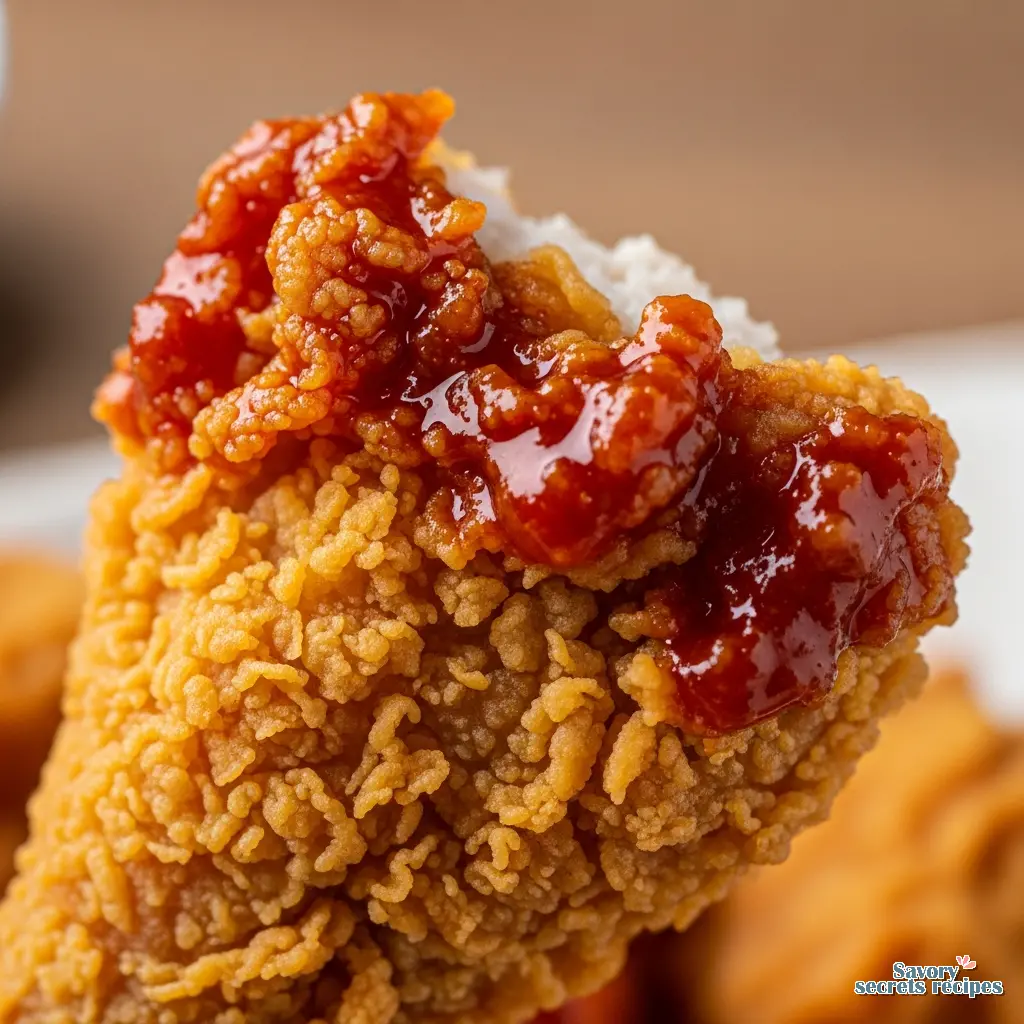
Mastering the Sauce: Gochujang vs. Soy Garlic
The recipe below uses a classic spicy Gochujang base. It is the most popular for a reason. But I know some of you might be feeding kids or just don’t love heat. My daughter Layla prefers the “brown sauce” chicken.
To make a Soy Garlic version, simply omit the gochujang and chili flakes. Increase the soy sauce to 4 tablespoons and add another tablespoon of brown sugar. You might want to simmer it a minute longer to get it syrupy since you lose the thickness of the paste. It is savory, sweet, and incredibly addictive. This balance of flavors is common across many authentic korean food dishes found in the region.
Important Tip: Do not toss the chicken in the sauce while the sauce is boiling hot. Let the sauce cool for 2 minutes. If the sauce is boiling, it will steam the crust and make it soggy instantly. Warm sauce on hot chicken is the goal.
The Essential Side: Pickled Radish (Chicken-mu)
You might think this is optional. It isn’t. In Korea, you rarely see fried chicken without these cubes of pickled white radish. The acidity cuts right through the grease and cleanses your palate. You can buy it at H-Mart, but it is silly easy to make.
Just chop a Korean radish (Mu) or daikon into cubes. Mix equal parts sugar, white vinegar, and water (about a cup of each) with a pinch of salt. Pour it over the radish and let it sit in the fridge for a few hours. That’s it. It makes the meal feel complete. For those who enjoy extreme spice, gathering buldak tteokbokki ingredients to make a side dish is a great way to level up the meal.
Common Mistakes & Fixes
Mistake: The coating falls off.
Solution: This usually happens if the oil isn’t hot enough or you flipped the chicken too soon. Let the crust set before touching it.
Mistake: The chicken is soggy.
Solution: You likely overcrowded the pan or skipped the double fry. Trust the process here; fry in small batches and always fry twice.
Mistake: The sauce is too thin.
Solution: Simmer it a bit longer. The sugars need time to caramelize and thicken. It should coat the back of a spoon.
Air Fryer Conversion Guide
I get asked this constantly. “Noor, can I put this in the air fryer?” The answer is yes, but manage your expectations. It won’t be quite as shattered-glass crispy as deep frying, but it is still delicious and much lighter.
To air fry, skip the wet batter. Instead, dip the chicken in egg wash, then coat in the flour mixture. Spray the pieces generously with oil spray don’t be shy, dry flour equals dry chicken. Cook at 380°F for 12 minutes, flip, spray again, and cook for another 8-10 minutes until golden. Toss in the sauce immediately.
Oil Management
Since we are deep frying, let’s talk about the oil. I use peanut oil or vegetable oil because they have high smoke points. Olive oil will burn and taste bitter. Don’t do it.
After you are done, let the oil cool completely. I usually strain it through a coffee filter or a fine mesh sieve back into the bottle to use one more time. After two uses, I toss it. If the oil smells rancid or dark, let it go. And please, never pour it down the sink unless you want a very expensive visit from a plumber.
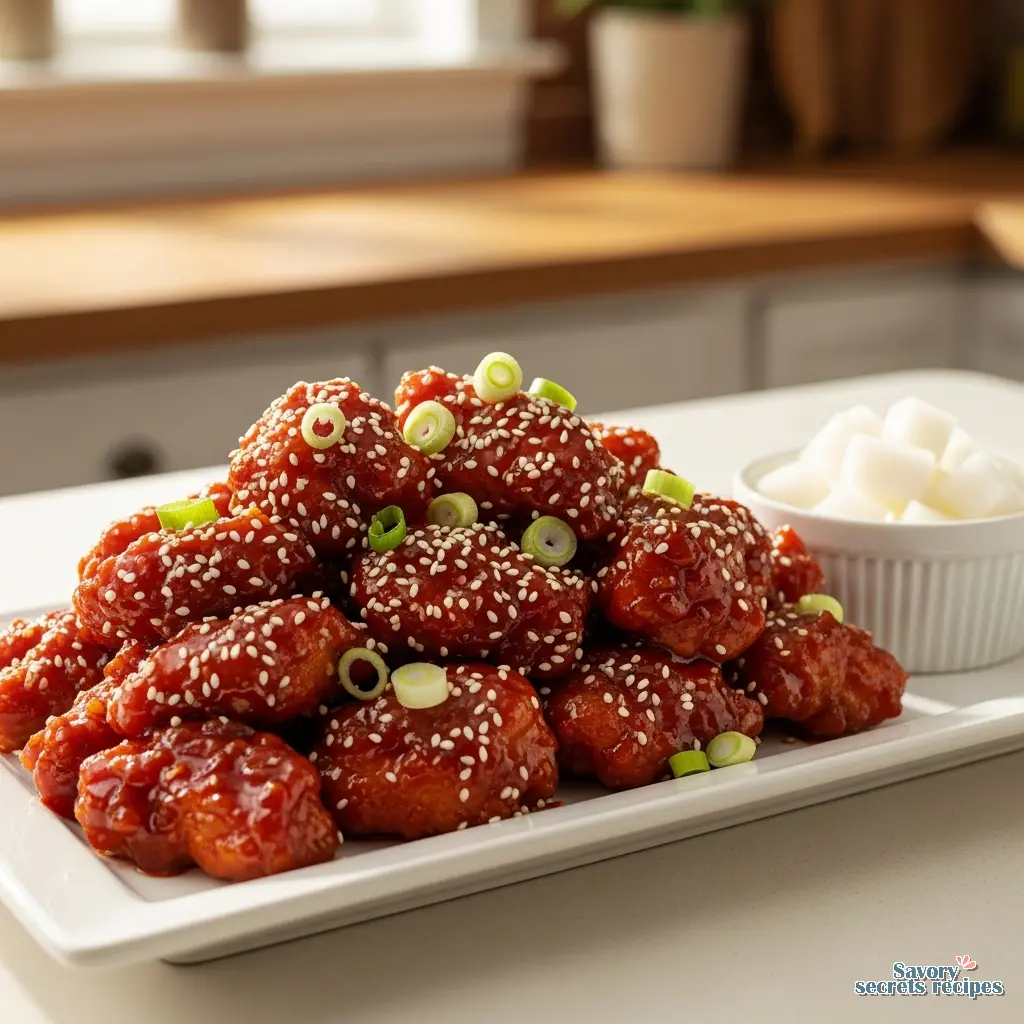
Storage & Reheating
If you have leftovers (which is rare in my house), storage matters. The sauce will eventually make the crust soft, there is no way around that. Store the chicken in an airtight container in the fridge for up to 3 days.
To reheat, do not use the microwave. The microwave will turn your beautiful crispy chicken into a rubbery, chewy mess. Instead, preheat your oven or air fryer to 350°F. Place the chicken on a wire rack over a baking sheet. Heat for 10-15 minutes. The sugar in the sauce can burn easily, so keep an eye on it. It won’t be perfect, but it will be crispy enough to enjoy.
Frequently Asked Questions
Final Thoughts
Making the best chicken korea style at home is one of those kitchen projects that feels like a victory lap. When you hear that crunch, you’ll know. It is perfect for a Friday night in, maybe with a cold glass of sparkling water or barley tea. Don’t worry if your kitchen gets a little messy; the best meals always leave a trace.
I share tons of variations and step-by-step videos on my Pinterest boards if you want ideas for side dishes or different glazes. Give this a try, and let me know how that double fry worked for you.
Reference: Original Source
Can I make best chicken korea ahead of time?
You can prep the best chicken korea in stages. Marinate the chicken the night before. You can even do the first fry hours in advance, let it cool, and leave it at room temperature. Then, just do the second fry and sauce it right before serving.
How do I store leftover best chicken korea?
Store leftovers in an airtight container in the refrigerator for up to 3 days. Keep in mind the crust will soften over time because of the sauce. For the best texture, try to store the sauce and fried chicken separately if you know you won’t finish it all.
Can I bake the chicken rather than fry it?
Technically yes, but it changes the texture significantly. If you bake it, use a wire rack so air circulates. Bake at 400°F for about 20-25 minutes. It won’t have that signature shatter-crunch of the best chicken korea, but it is a healthier alternative.
Where can you buy Gochujang?
Most major supermarkets like Ralphs, Vons, or Whole Foods carry it in the Asian foods aisle. It comes in a red tub. Of course, any Korean market like H-Mart will have dozens of varieties. Look for one that lists red chili powder as the first ingredient.