



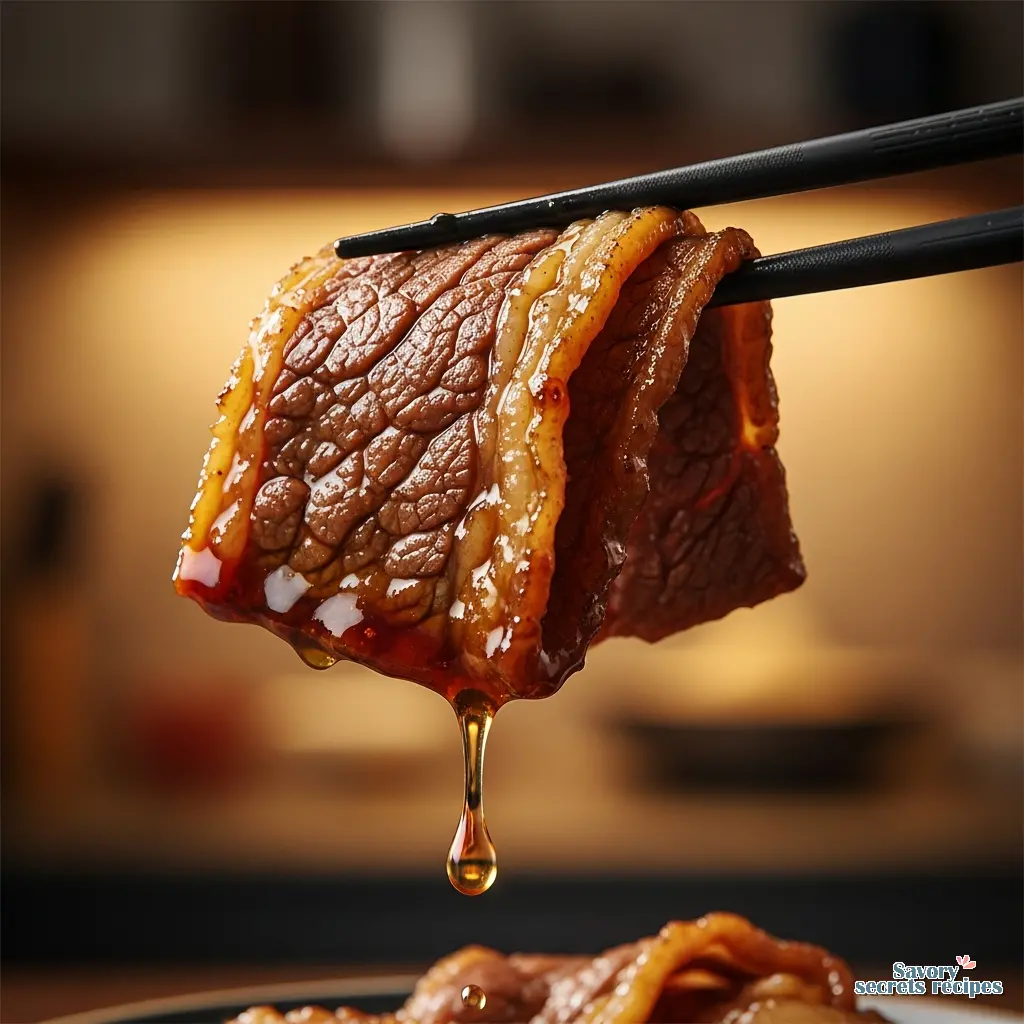
Erreur lors de l'appel à Deepseek: interrupted
Ingredients
Method
- Wrap steak in plastic wrap, and place in the freezer for 30 minutes. Unwrap and slice across the grain into 1/4-inch thick slices.
- In a medium bowl, combine pear, soy sauce, brown sugar, sesame oil, garlic, ginger and gochujang. In a gallon size Ziploc bag, combine soy sauce mixture and steak; marinate for at least 2 hours to overnight, turning the bag occasionally.
- Heat 1 tablespoon vegetable oil in a cast iron grill pan over medium-high heat.* Working in batches, add steak to the grill pan in a single layer and cook, flipping once, until charred and cooked through, about 2-3 minutes per side. Repeat with remaining 1 tablespoon vegetable oil and steak.
- Serve immediately, garnished with green onions and sesame seeds, if desired.
Notes
Why Your Beef Bulgogi Usually Disappoints (And How to Fix It)
Think bulgogi is only for restaurants? Think again. I remember the first time I tried to shoot a Korean barbecue spread. I was obsessing over the light, trying to get that perfect gleam on the meat, but the dish itself just looked… muddy. It didn’t have that vibrant, caramelized contrast that makes your mouth water. It tasted fine, but visually? It was flat. Not quite there yet.
That’s when I realized cooking is a lot like photography. It’s all about contrast and layers. If you throw everything into a cold pan, you get gray, steamed meat. But if you build it right, you get that irresistible sizzle and sweet aroma that fills the whole house.
We’re going to fix that today. This beef bulgogi recipe isn’t just about tossing ingredients in a bowl. It’s about getting a clean read on the flavors. We want tender, savory-sweet beef with those crispy, caramelized edges that usually only happen on a charcoal grill. And the best part? You can pull this off on a Tuesday night. I promise. If you enjoy this style of cooking but want to try poultry, exploring the [best korean chicken] methods is a fantastic next step.
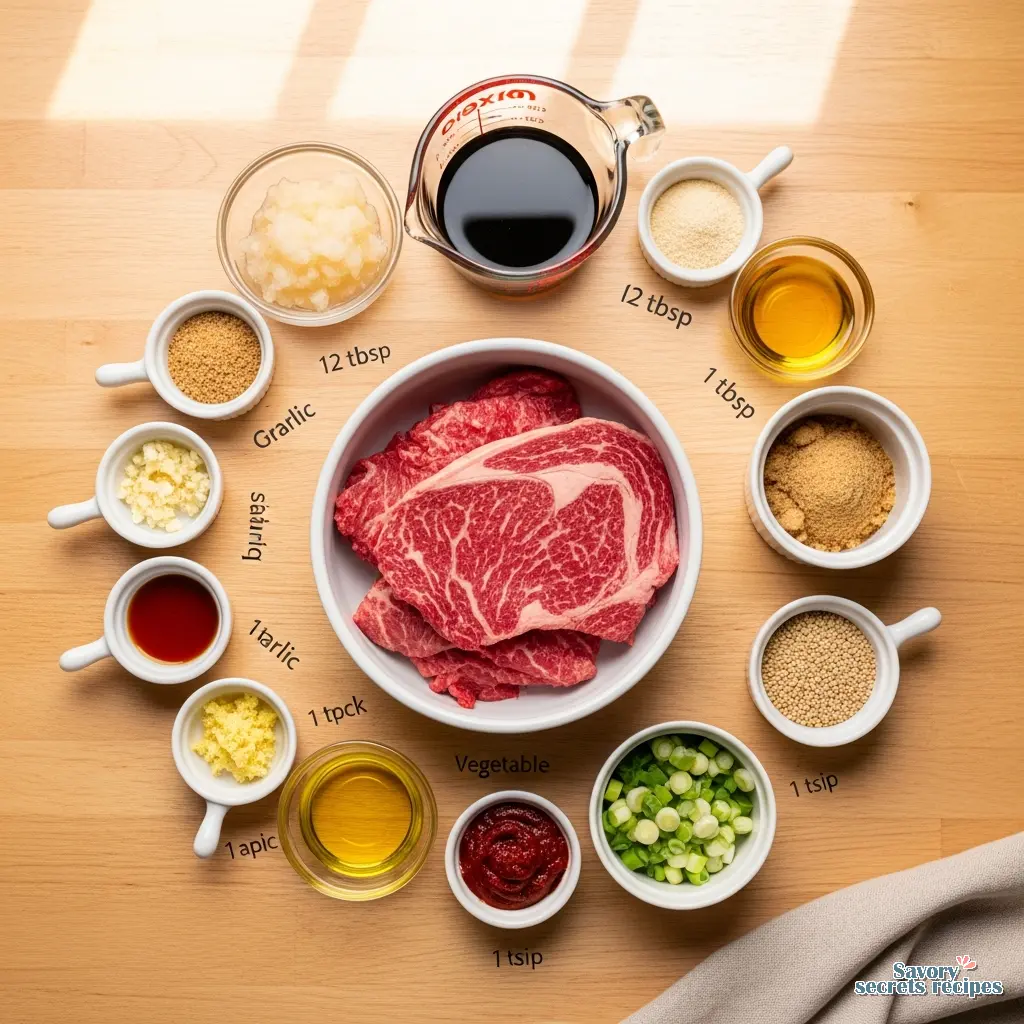
The ‘Thin-Slice’ Secret
If there is one thing that will ruin your beef bulgogi experience, it’s thick, chewy meat. You want the beef to be paper-thin so it absorbs the marinade instantly and cooks in seconds. But have you ever tried slicing a raw, wiggly ribeye? It’s a nightmare. It moves around, your slices end up uneven, and frankly, it’s dangerous.
Here is the trick I use for every shoot involving sliced meat: freeze it first. Put your steak in the freezer for about 20 to 30 minutes. You want it firm, but not rock hard. When you press it, it should have just a little give. This makes it incredibly easy to get those consistent, 1/8-inch slices that curl up beautifully in the pan. Good light today? Perfect slices today.
Choosing the Right Cut
Let’s talk composition. In photography, if your subject is blurry, no amount of editing will fix it. In cooking, if your meat is tough, no marinade will save it. For an authentic beef bulgogi recipe, you really want ribeye. It has that beautiful marbling of fat that renders down and keeps the meat juicy.
Top sirloin is a solid runner-up if you want something leaner. If you are on a budget, flank steak or skirt steak can work, but you have to be careful. You must slice these across the grain. Look for the lines running through the meat and cut perpendicular to them. This shortens the muscle fibers so the meat falls apart in your mouth rather than turning into rubber bands.
The Science of Tenderizing (It’s Not Just Acid)
Here is where things get interesting. Most marinades rely on acid, like vinegar or lemon juice, to tenderize meat. But leave those on too long and the meat gets mushy. It’s too muddy. Korean barbecue marinade recipes use a different tool: enzymes.
We use grated pear (specifically Korean pear or Asian pear if you can find it) in the marinade. The pear contains an enzyme called calpain that naturally breaks down the proteins in the beef without turning it into mush. It also adds a subtle, floral sweetness that sugar just can’t replicate. It reminds me of those apricots from my grandmother Elaine’s tree that natural, honeyed sweetness that feels effortless.
No pear? No sweat. A Fuji apple works almost as well. In a pinch, kiwi works too, but be careful kiwi is extremely powerful. If you use kiwi, marinate for only 30 minutes, or your beef will disintegrate. Pull back a bit on the timing there.
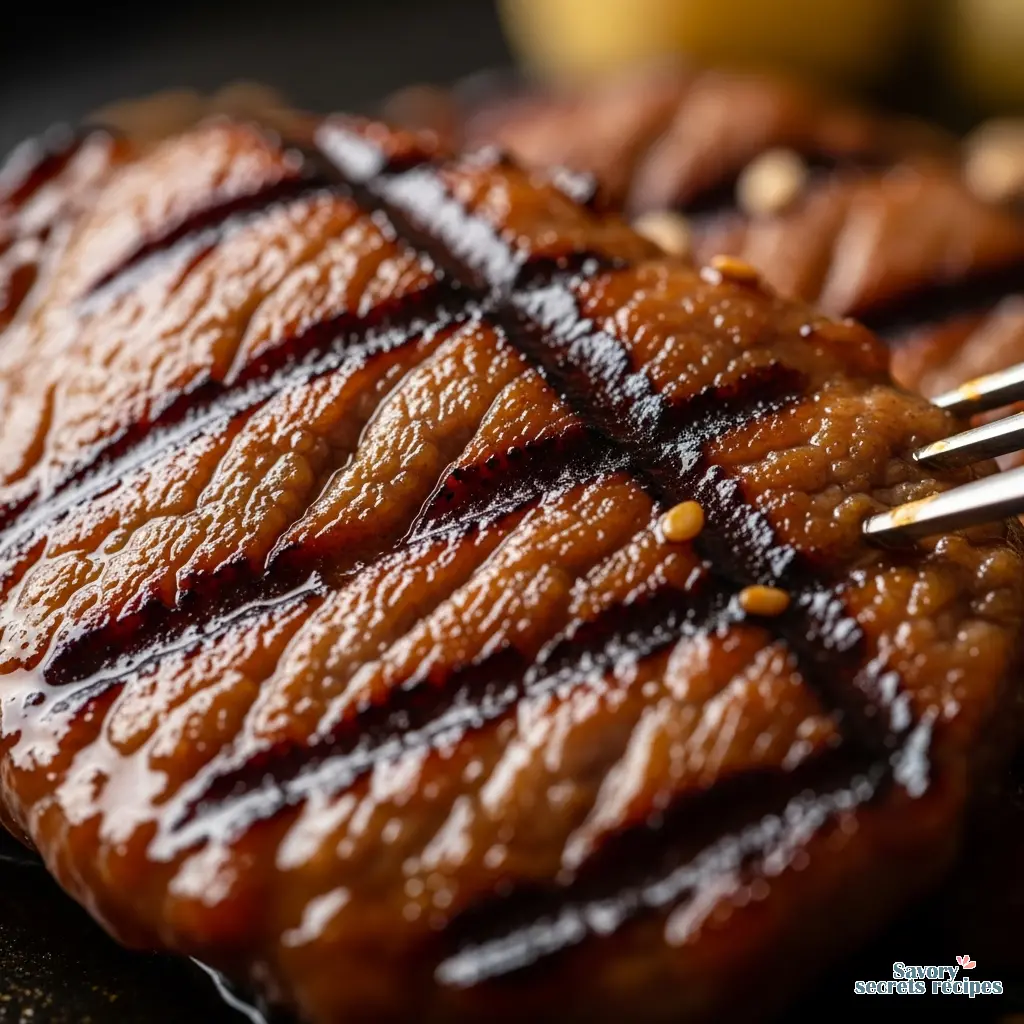
Visual Troubleshooting: Sear vs. Steam
This is the most common mistake I see. You dump all the meat into the pan at once. The temperature drops, the liquid releases, and suddenly your beef is boiling in gray water. That’s a flat image. No contrast.
To get that restaurant-quality char on a stovetop, you need heat and space. Use a cast-iron skillet if you have one. Get it smoking hot. Then, cook the beef in single layers. Yes, it takes a few extra minutes to cook in batches, but it makes the difference between “meh” and “wow.” You want the marinade to caramelize on the meat, not wash off into a soup.
Listen for the sound. If it’s hissing, you’re steaming. If it’s sizzling and popping, you’re searing. That’s the one.
Serving and Leftovers
My partner and I have this Sunday ritual where we meal prep, and bulgogi is a regular in the rotation because it’s so versatile. Traditionally, you’d serve this with rice and kimchi, maybe some lettuce leaves for wrapping (ssam). It’s clean, simple, and perfect.
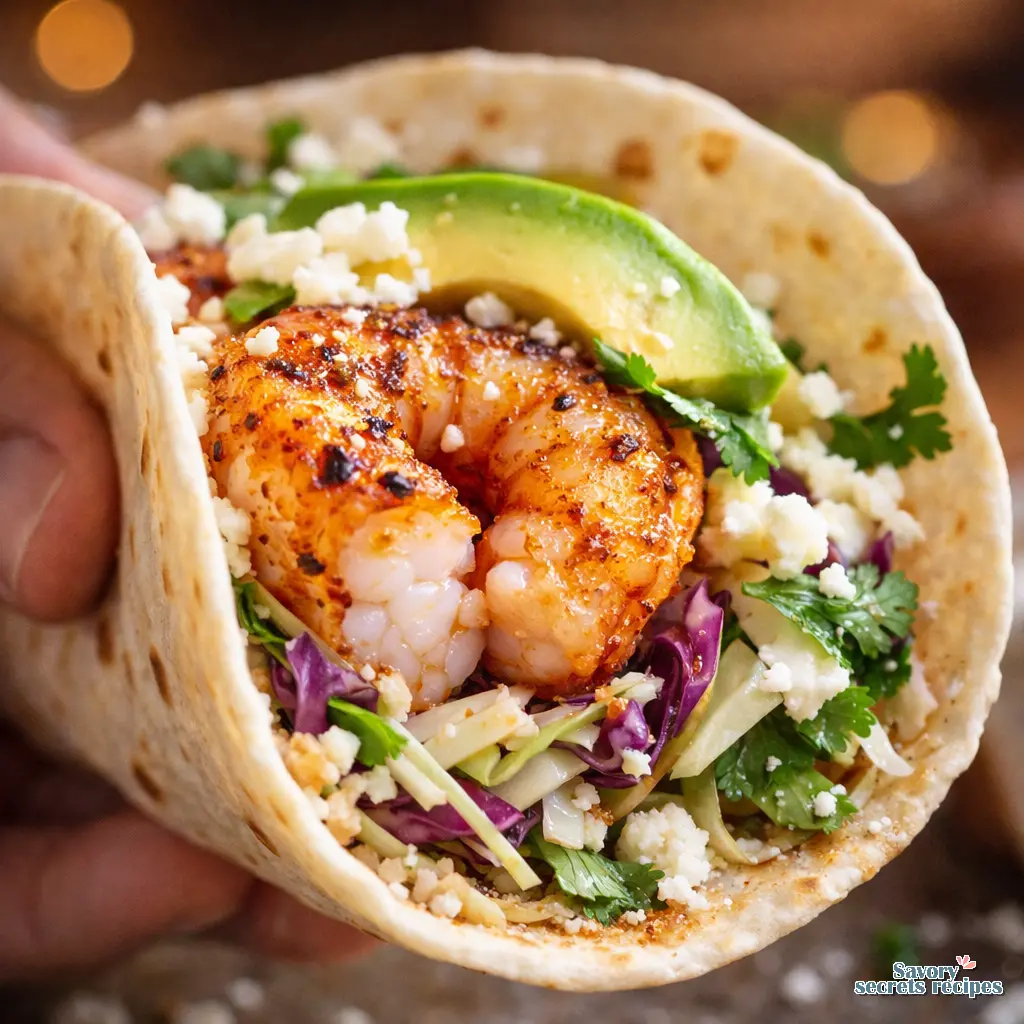
But don’t be afraid to remix it. Leftover bulgogi makes incredible tacos with a little slaw. I’ve even thrown it into a grilled cheese sandwich when I needed comfort food fast. If you have leftovers (which is rare in my house), store them in an airtight container in the fridge for up to 3 days. To reheat, just flash it in a hot pan for a minute. Don’t microwave it if you can help it; you’ll lose that texture we worked so hard for. If you prefer a spicy twist on leftovers, incorporating a [recipe with gochujang] can completely transform the flavor profile.
Frequently Asked Questions
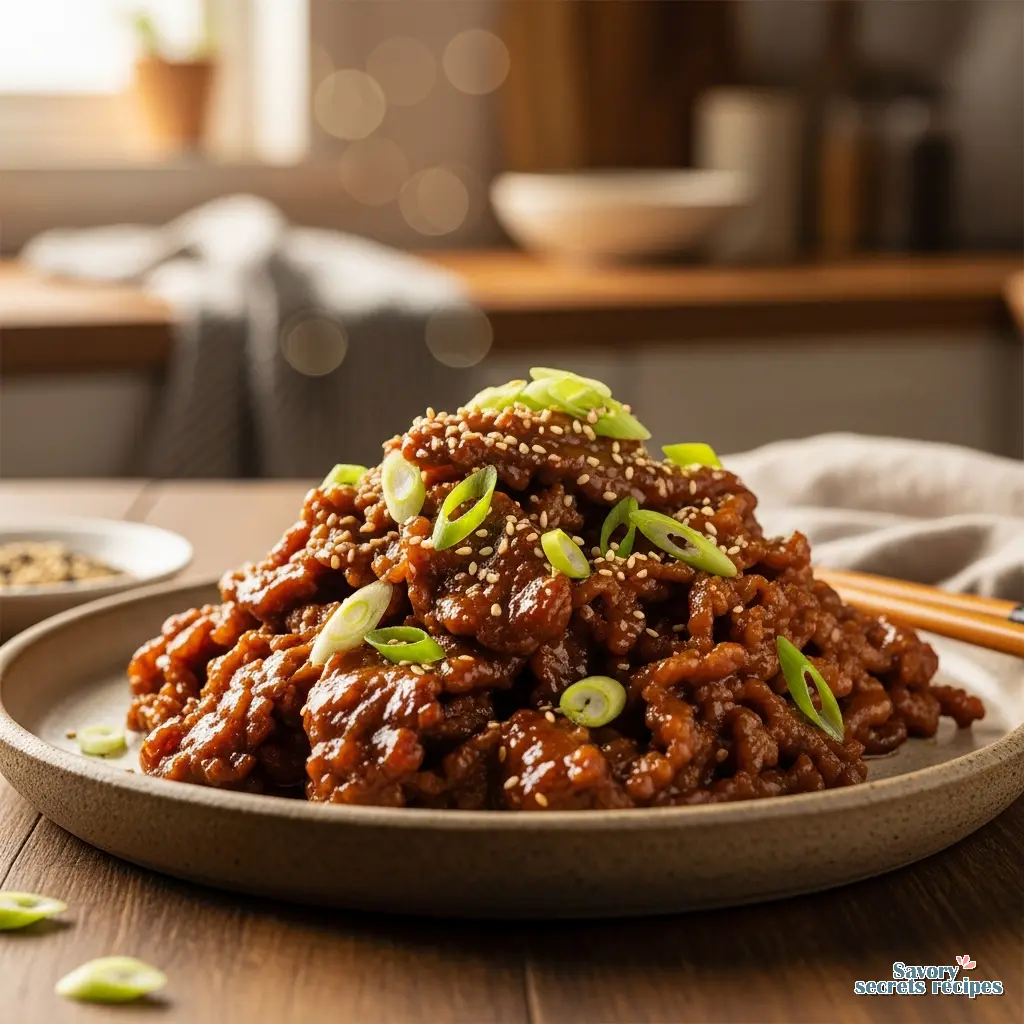
When you finally plate this up, smell that toasted sesame oil, and see the light catching the glaze, you’ll know you nailed it. It’s satisfying in a way that takeout just isn’t. You built those layers yourself. Whether you serve it over steaming rice or wrapped in crisp lettuce, your family is going to love it. And hey, if you snap a photo before it disappears, tag me. I’d love to see your composition.
For more inspiration on how to style your weeknight meals, check out my Pinterest boards where I collect all my favorite color palettes and plating ideas.
Reference: Original Source
Can I make the marinade in advance?
Absolutely. In fact, I prefer it. The flavors in the bulgogi sauce recipe meld together beautifully if you let them sit. You can keep the marinade in a jar in the fridge for up to a week. It’s a huge time-saver for weeknight dinners.
What if I don’t have a cast iron skillet?
No worries. A regular non-stick pan works, but you’ll need to be extra careful not to overcrowd it. Cook in smaller batches to keep the heat high. You won’t get quite the same smoky char, but it will still be delicious. Just keep that heat up.
Is gochujang absolutely necessary?
It adds a depth and slight heat that really defines the flavor profile, but if you can’t find it or want zero spice, you can skip it. The soy, sugar, and sesame are the core trinity here. But honestly? Try to find it. It builds in layers.
How long should I marinate the beef?
At least 30 minutes, but ideally overnight. If you’re using pear, don’t go past 24 hours or the texture gets too soft. If you’re using kiwi, stick to 30 minutes max. It’s all about finding that balance.
Can I use ground beef instead?
Yes! Ground beef bulgogi is a fantastic, budget-friendly variation. It cooks faster and is great for rice bowls. Just brown the meat well before adding the sauce so you get some texture. It’s a keeper for quick lunches.