



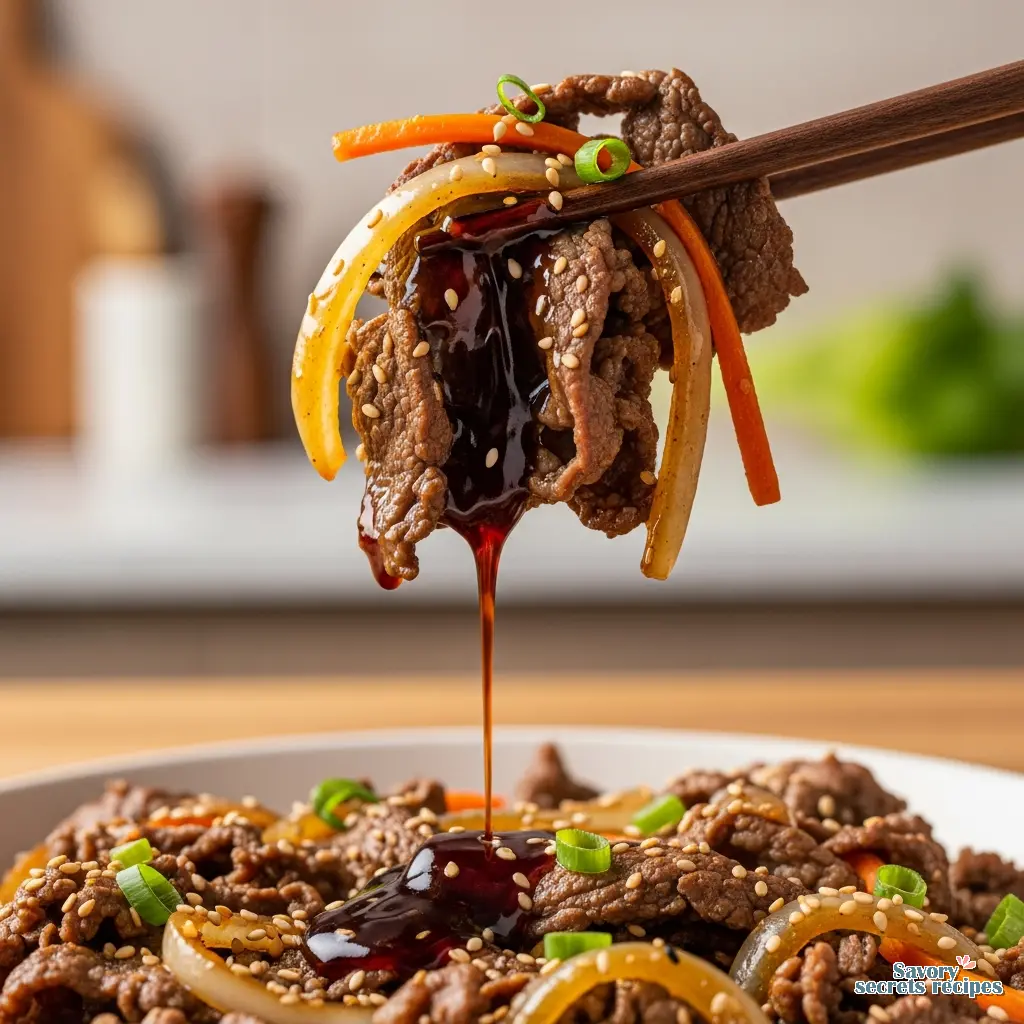
Easy Beef Bulgogi Stir Fry for Your Weeknight Dinner
Ingredients
Method
- Pat the beef dry with paper towels and place it in a bowl.
- Combine marinade ingredients in a small bowl and add the beef. Stir gently to coat, cover with plastic wrap, and marinate for at least 1 hour or overnight.
- Heat oil in a wok or large skillet over high heat.
- Add the onion and the white parts of the scallions, then cook for 1 minute.
- Add the beef, marinade, and carrots. Cook for 3 to 5 minutes while stirring constantly until the beef is just cooked through.
- Remove from heat and toss with sesame seeds.
- Serve immediately over rice or cauliflower rice, garnished with additional sesame seeds and the reserved green scallion tops.
Notes
Why This Beef Bulgogi Stir Fry Saves My Tuesdays
I still remember the first time I tried to make a proper beef bulgogi stir fry in my tiny apartment kitchen. I was fresh out of grad school, missing my avó’s cooking, and trying to impress a date. I bought the most expensive steak I could find, sliced it thick, and threw it into a cold pan. The result? Grey, chewy meat that tasted like sadness. It was a disaster.
But here is the thing about cooking failures. They are just data. Years later, after studying food science and testing countless batches in my Cambridge kitchen, I realized where I went wrong. You don’t need expensive equipment or hours of prep to get that authentic, savory-sweet Korean BBQ flavor at home. You just need a little bit of chemistry and a lot of heat.
This beef bulgogi stir fry has become my “break glass in case of emergency” dinner. It is faster than waiting for delivery, and honestly, it tastes better because you control the ingredients. When it’s dark at 4:30 PM and I’m exhausted, the smell of sesame oil and garlic hitting the hot pan is the only thing that wakes me up. It is salty, sweet, tender, and incredibly satisfying. Plus, if you have picky eaters, the natural sweetness from the fruit marinade usually wins them over. My daughter calls it “candy beef,” and I am not going to correct her if it means she eats her protein. For a change of pace from beef, a spicy stewed mackerel offers a different but equally traditional flavor profile for a quick weeknight meal.
The Science of Fruit Tenderizers
Let’s get a little nerdy for a second. If you look at traditional bulgogi recipes, you will almost always see grated pear or apple in the marinade. This isn’t just for flavor. It is actually a crucial chemical step. Pears, especially Asian pears, contain an enzyme called calpain. Apples contain similar enzymes. These enzymes act like microscopic scissors, cutting through the tough protein fibers in the meat.
I used to skip this step because I didn’t want to wash my box grater. Big mistake. Without the enzymatic breakdown, even a decent cut of beef can get chewy when you stir-fry it quickly. The fruit sugars also caramelize faster than refined sugar, giving you that beautiful char we all want. If you can’t find an Asian pear, a regular Fuji or Gala apple works perfectly fine. I’ve tested both, and the difference is negligible for a weeknight meal.
Beef Selection Guide
You might think you need the most expensive cut of meat for a good beef bulgogi stir fry, but that tracks with a common misconception. Since we are marinating and slicing thinly, we have some flexibility. However, fat is structural here. You need some marbling to keep the meat moist under high heat.
Ribeye is the gold standard. It has incredible marbling and stays tender, but it is pricey. For a Tuesday night, I usually grab sirloin or flank steak. Flank steak has a great beefy flavor, but it requires strict attention to slicing (more on that in a minute). I’ve even used flat iron steak with great results. Avoid stew meat or roast cuts like chuck unless you plan to marinate them for a very long time, which defeats the purpose of a quick stir fry.
Another option? Check your local Asian grocery store (like H Mart if you have one nearby) or even the freezer section at Trader Joe’s. They often sell “shabu shabu” or “bulgogi” beef that is already sliced paper-thin. It is a massive time-saver. I buy it whenever I see it and keep it in the freezer for weeks like this.
Step-by-Step Slicing Instructions
If you are slicing the beef yourself, listen closely. This is the variable that makes or breaks the dish. You must slice against the grain. When you look at a piece of flank steak, you’ll see lines running across the meat. Those are muscle fibers. If you cut parallel to them, you get long, stringy, chewy strands. If you cut perpendicular to them (against the grain), you shorten those fibers, making the meat tender.
Here is a trick I learned from a chef friend: put your beef in the freezer for about 20 to 30 minutes before slicing. You don’t want it frozen solid, just firm. This prevents the meat from squishing under your knife and allows you to get those super thin, 1/8-inch slices that absorb the marinade instantly. It makes a huge difference.
The Secret Marinade
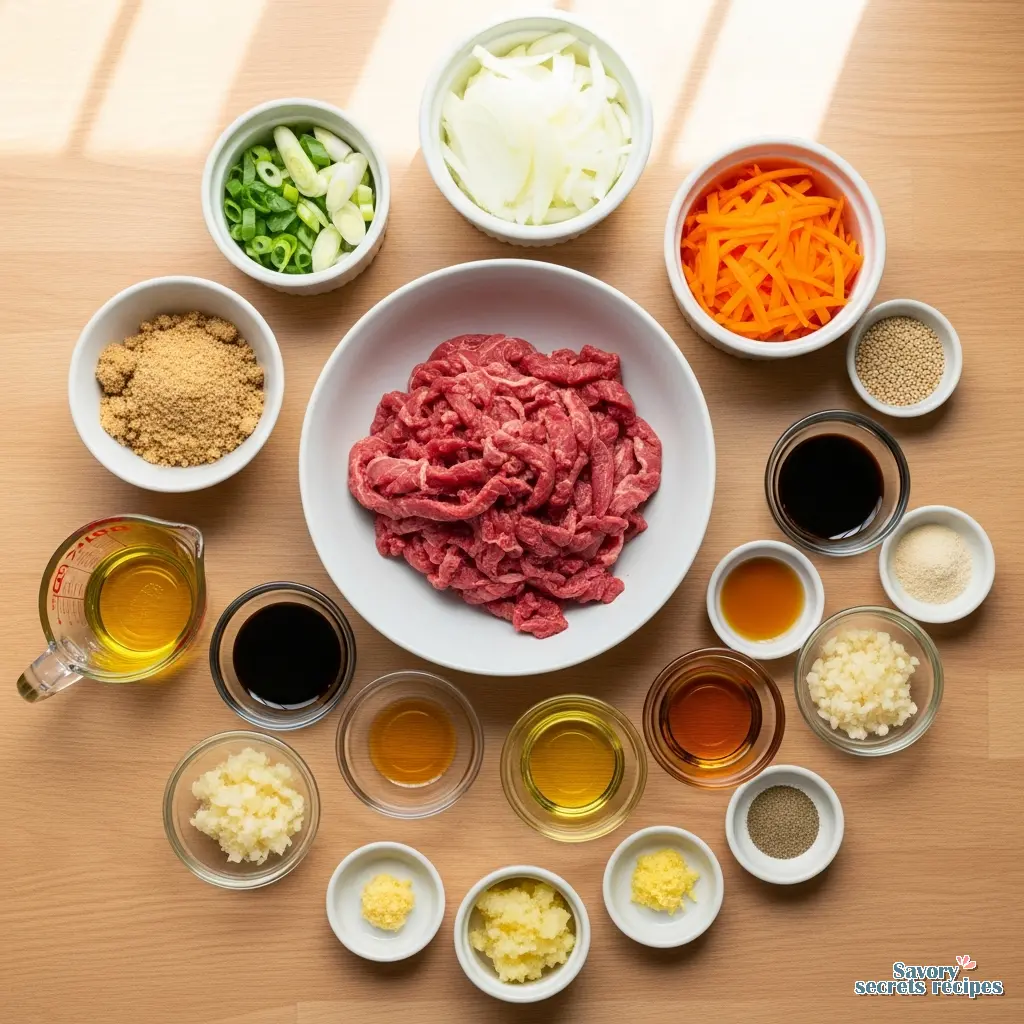
This marinade is where the magic happens. It is a balance of salty (soy sauce), sweet (sugar and fruit), and nutty (sesame oil). My avó Helena never measured anything, but my training dictates precision. You want enough sugar to balance the salt, but not so much that it tastes like dessert. The grated onion and garlic provide that savory backbone.
If you are gluten-free, swap the soy sauce for Tamari or coconut aminos. It works perfectly. I’ve also used honey instead of brown sugar, but keep in mind that honey burns faster, so you’ll need to watch your heat. Mix everything in a bowl or better yet, a blender if you want a super smooth sauce and massage it into the meat. Yes, use your hands. It ensures every slice is coated. Let it sit for at least 30 minutes. If you can do overnight, even better, but 30 minutes is enough for the enzymes to start working. This resting period allows the flavors to penetrate the protein, a technique also essential when preparing the base for a rich stewed mackerel.
Quick Stir-Fry Method
Okay, this is the part where people get nervous. High heat is your friend. You want the pan hot enough that the beef sizzles aggressively the moment it hits the metal. If it just gently hisses, your pan is too cold. We are looking for the Maillard reaction, that browning that creates deep flavor.
I use a large skillet or a wok if I’m feeling ambitious. Heat your oil until it shimmers. Then, add the beef in a single layer. This is crucial. Do not dump the whole bowl in at once. If you crowd the pan, the temperature drops, the moisture releases, and the meat steams in its own juices instead of searing. You want fried beef, not boiled beef. Cook it in batches if you have to. It takes two minutes extra but saves the texture.
Visual Troubleshooting: Overcrowding the Pan
I see this mistake constantly. If your pan looks like a soup pot with grey liquid bubbling up around the meat, you have overcrowded it. Don’t panic. If this happens, scoop the meat out with a slotted spoon, pour out the liquid (save it, you can reduce it later), get the pan ripping hot again, and return the meat to sear. It is a salvageable situation, I promise.
Vegetables and Timing
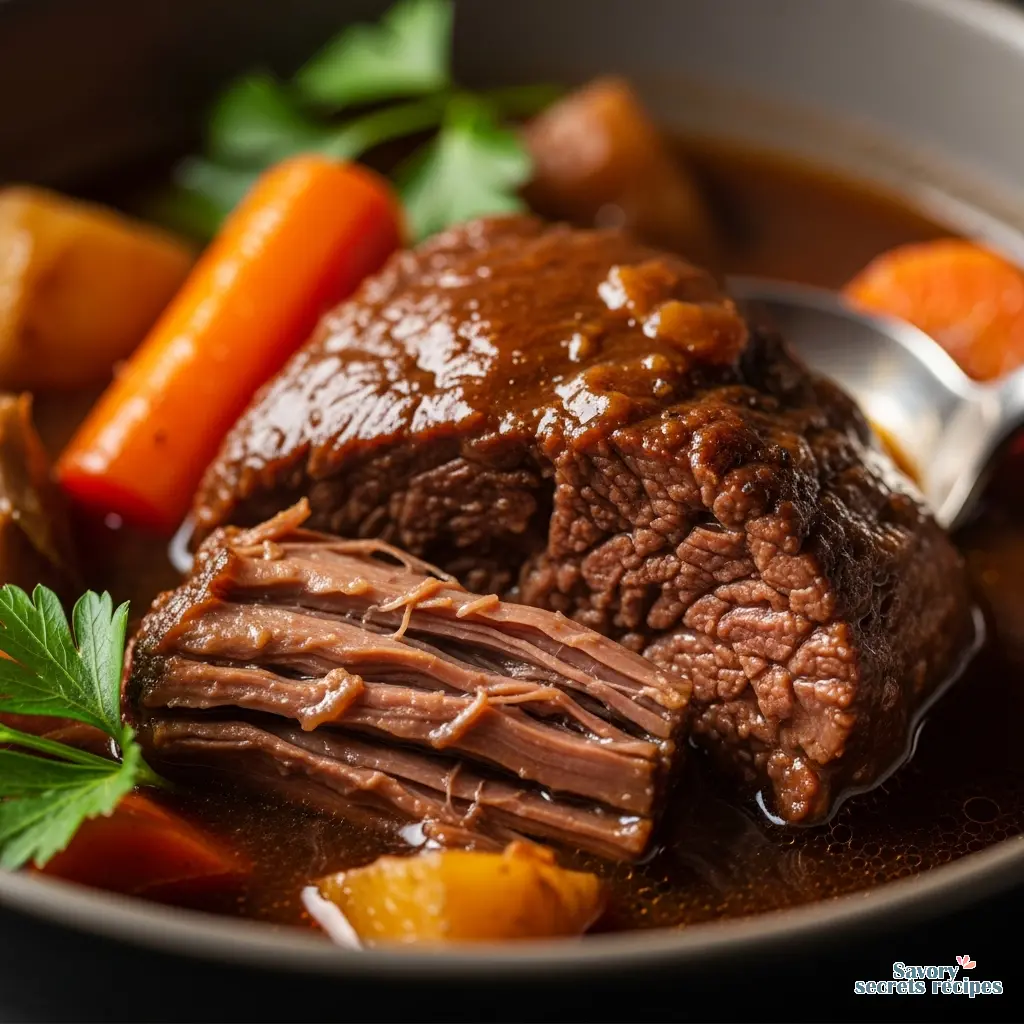
While this is a beef bulgogi stir fry, I like to balance it with vegetables. It makes me feel better about the meal as an RD, and it adds necessary crunch. Carrots and onions are classic. I julienne the carrots (cut them into matchsticks) so they cook at the same rate as the onions. Throw them in after the beef is about 75% cooked, or cook them separately and toss them back in at the end. This keeps them crisp-tender rather than mushy.
If you have bell peppers, mushrooms, or even zucchini lurking in your fridge, throw them in. This recipe is very forgiving. Just remember the rule: harder vegetables (carrots) go in first, softer ones (scallions, spinach) go in last. Taste as you go. If the veggie tastes raw, give it another minute. If it’s limp, well, next time cook it less. If you enjoy the balance of textures here, you might also want to try a traditional stewed mackerel, which similarly pairs tender protein with crisp vegetables.
Serving with Banchan
In Korean cuisine, the main dish is rarely served alone. It is accompanied by banchan, or side dishes. You don’t have to make these from scratch. I certainly don’t on a Tuesday. I buy a jar of kimchi and maybe some pickled radishes from the store. The acidity and spice of the kimchi cut through the richness of the beef bulgogi stir fry perfectly.
Serve this over steamed white rice. Short-grain rice is traditional and has a lovely sticky texture, but jasmine rice works too. If you are watching carbs, I’ve served this inside lettuce cups (butter lettuce is best) for a fresh, crunchy wrap. It is messy to eat, but in a fun way.
Storage & Reheating
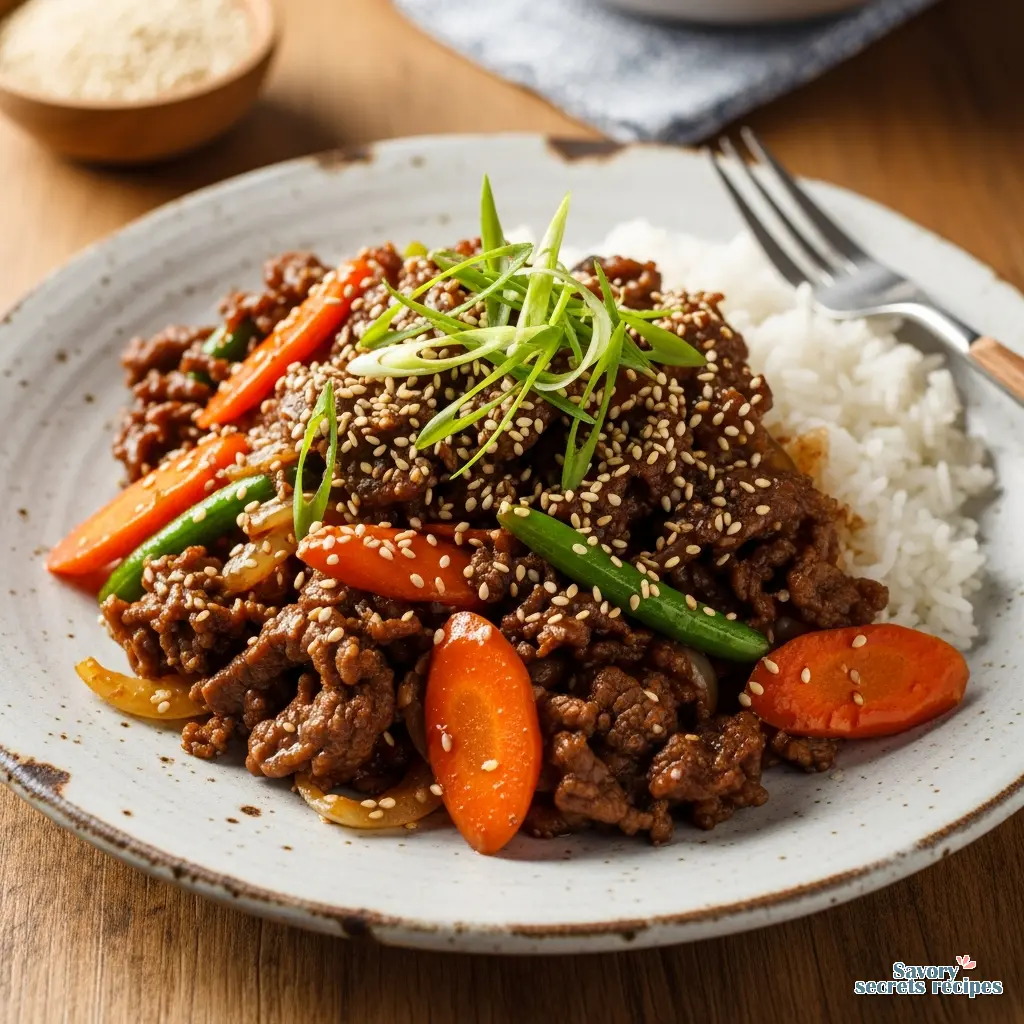
If you are lucky enough to have leftovers, this beef bulgogi stir fry keeps beautifully in the fridge for about 3 days. Store it in an airtight container. In fact, I think the flavors meld even better the next day.
To reheat, avoid the microwave if you can help it. It tends to make the beef rubbery. Instead, toss it back into a hot skillet with a splash of water or broth. The water creates a little steam to warm it through without drying it out. If you must microwave, cover it with a damp paper towel to keep the moisture in.
Frequently Asked Questions
When you put this on the table, I hope you feel that same sense of relief and pride I do. It is proof that good food doesn’t have to be complicated or take hours. You just made something delicious, nutritious, and full of flavor. Snap a pic and tag me I love seeing your creations. You’ve got this now go sizzle!
For more inspiration, check out my Pinterest boards where I save all my favorite weeknight wins.
Reference: Original Source
What is the best cut of meat to use for an authentic beef bulgogi stir fry?
Ribeye is the most authentic and tender choice due to its high fat content. However, for a weeknight beef bulgogi stir fry, top sirloin or flank steak are excellent, affordable alternatives. Just ensure you slice them thinly against the grain to prevent chewiness.
How long should you marinate the meat for a flavorful bulgogi stir fry?
Ideally, marinate for at least 30 minutes to allow the fruit enzymes to tenderize the meat. If you have time, 2 to 4 hours is perfect. I wouldn’t go past 24 hours, though, as the texture can become too soft and mushy.
What vegetables can I add to my beef bulgogi stir fry to make it a complete meal?
Carrots, onions, and scallions are traditional. However, sliced bell peppers, mushrooms (shiitake are great), zucchini, or even spinach work wonderfully. Add harder veggies like carrots early, and softer greens right at the end so they don’t overcook.
Can you make this easy beef bulgogi recipe ahead of time for meal prep?
Absolutely. You can prep the marinade and freeze the raw sliced beef in the sauce for up to a month. It marinates as it thaws! For cooked leftovers, store them in the fridge for up to 3 days. It is a fantastic meal prep option.
What is the difference between traditional Korean bulgogi and a bulgogi stir fry?
Traditional bulgogi is often grilled over charcoal or a slotted pan to get a smoky char. A beef bulgogi stir fry adapts this for the home kitchen using a skillet or wok. The flavor profile is very similar, but the cooking method is more convenient for indoors.