



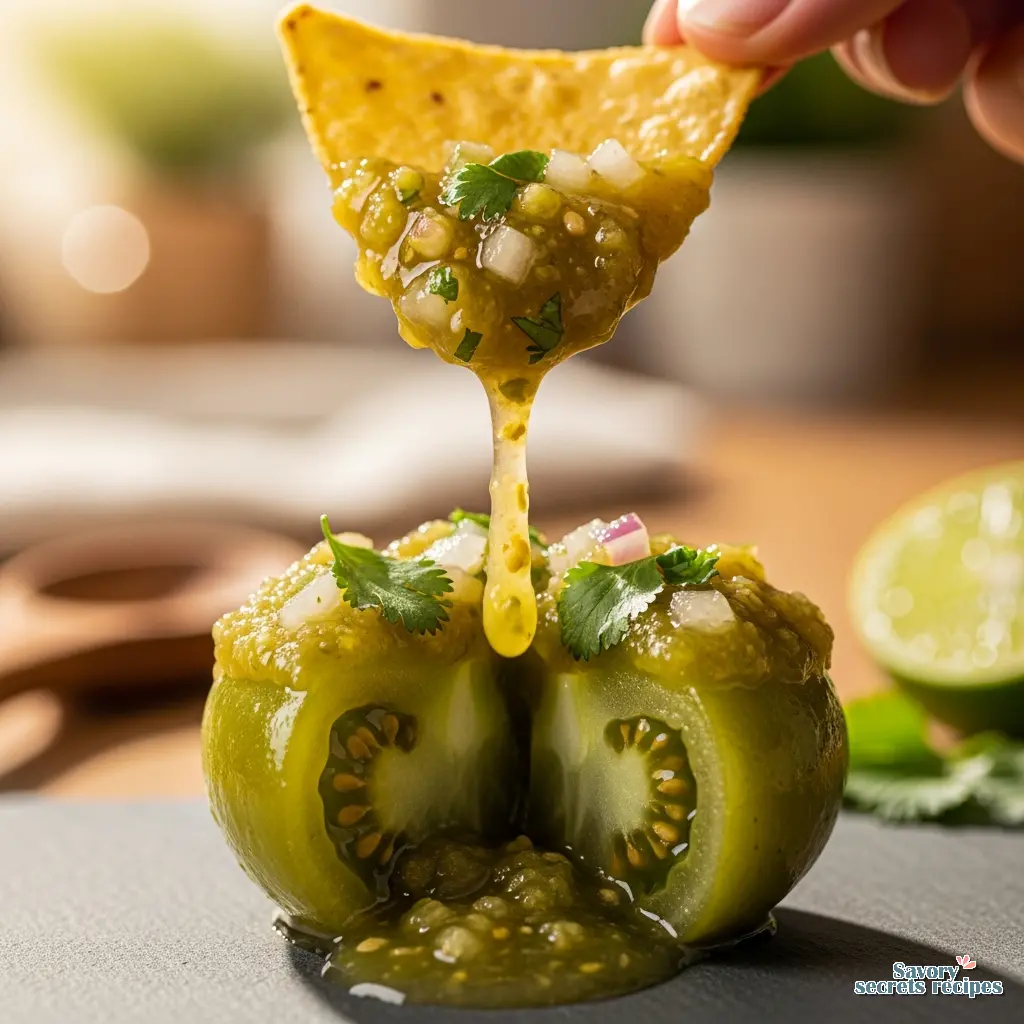
Mexican Green Tomatoes and Tomatillo Salsa Verde
Ingredients
Method
- Position the oven rack approximately 6 inches from the heating element.
- Husk and rinse the tomatillos. Halve the tomatillos and place them cut-side down on a foil-lined baking sheet. Add unpeeled garlic cloves if using. Broil for 5 to 7 minutes until the skins are lightly charred.
- Combine the cooked tomatillos, lime juice, onions, garlic (if using), cilantro, and chili peppers in a blender or food processor. Pulse until the ingredients are finely chopped and thoroughly mixed.
- Season with salt to taste. Allow the mixture to cool, then refrigerate. Serve with chips or as an accompaniment to Mexican dishes.
- Coat the bottom of a skillet with vegetable oil and heat over high heat. Sear the tomatillos on one side, then flip and brown the other side. Remove from heat.
- Place the cooked tomatillos, lime juice, onions, garlic (if using), cilantro, and chili peppers in a blender or food processor. Pulse until finely chopped and mixed. Season with salt to taste, cool, and refrigerate before serving.
- Place the tomatillos in a saucepan and cover with water. Bring to a boil and simmer for 5 minutes. Remove the tomatillos using a slotted spoon.
- Combine the cooked tomatillos, lime juice, onions, garlic (if using), cilantro, and chili peppers in a blender or food processor. Pulse until the ingredients are finely chopped. Season with salt, cool, and refrigerate before serving.
Nutrition
Notes
The End-of-Season Garden Rescue
I remember standing in my garden last November, staring at three massive tomato plants that were absolutely loaded with fruit. The weather report for Philadelphia was calling for a hard frost that night. It was the kind of cold that kills a garden instantly. I had two choices. I could let them freeze, or I could haul twenty pounds of rock-hard green tomatoes into my kitchen. I chose the kitchen.
In my experience, green tomatoes on their own can be stubborn. They are tart, yes, but they lack the complex, citrusy depth of their cousin, the tomatillo. That is where this green tomato and tomatillo salsa comes into play. It is the bridge between the end of the garden season and the comfort of winter cooking. By combining the two, you get the best of both worlds. You get the firm, apple-like crunch of the unripe tomato and the sticky, sweet-tart profile of the tomatillo. If you have extra fruit, a savory green tomato casserole is another fantastic way to utilize the harvest during the colder months.
If you have ever felt guilty about tossing those unripened tomatoes, this recipe is your redemption. It is vibrant, it is electric green, and honestly, it might just ruin you for store-bought salsa verde forever. Let’s get into it.
Tomatillos vs. Green Tomatoes: Knowing the Difference
Before we start chopping, let’s clear up a common confusion. I used to think these were interchangeable, but they are botanically distinct. To be clear, a green tomato is simply an unripe red tomato (unless you are growing a specific heirloom variety like Green Zebra). It is firm, dry, and acidic.
A tomatillo, on the other hand, comes wrapped in a papery husk. It is a distant relative of the gooseberry. When you peel back that husk, the fruit inside is sticky. That stickiness is natural. It is a resin the plant produces to ward off pests. It tracks that nature would protect something so delicious.
For this green tomato and tomatillo salsa, we are using a blend. The tomatillos provide the gelatinous body and citrus notes, while the green tomatoes add bulk and a sharper, more vegetable-forward acidity. Together, they create a texture that is neither too watery nor too thick. It is just right.
Preparation: The Sticky Situation
The first step is always the most tedious, but trust the process on this one. You have to remove the husks from the tomatillos. Underneath, you will find that sticky film I mentioned. You cannot skip rinsing this off. If you do, your salsa will have a slightly bitter, resinous aftertaste.
I usually dump all my husked tomatillos into a colander and run them under warm water. The warmth helps dissolve the residue better than cold water. Rub them gently with your thumbs until they feel squeaky clean, like a polished apple. For the green tomatoes, just a simple rinse is fine. They don’t have that coating.
Generally speaking, I aim for a 50/50 ratio by weight. However, this is a forgiving recipe. If you have more green tomatoes because the frost came early, use them. If you have a bumper crop of tomatillos, lean into that. The method remains the same. You can also explore a traditional green tomato salsa recipe if you want to skip the tomatillos entirely.
The Science of Roasting (Why We Don’t Boil)
My grandmother Thérèse was very particular about how she treated vegetables. She believed that boiling water was often a thief, stealing flavor away from the food. In the case of salsa verde, she was absolutely right. You will see many recipes that call for boiling the tomatillos and tomatoes. I tend to think this is a mistake.
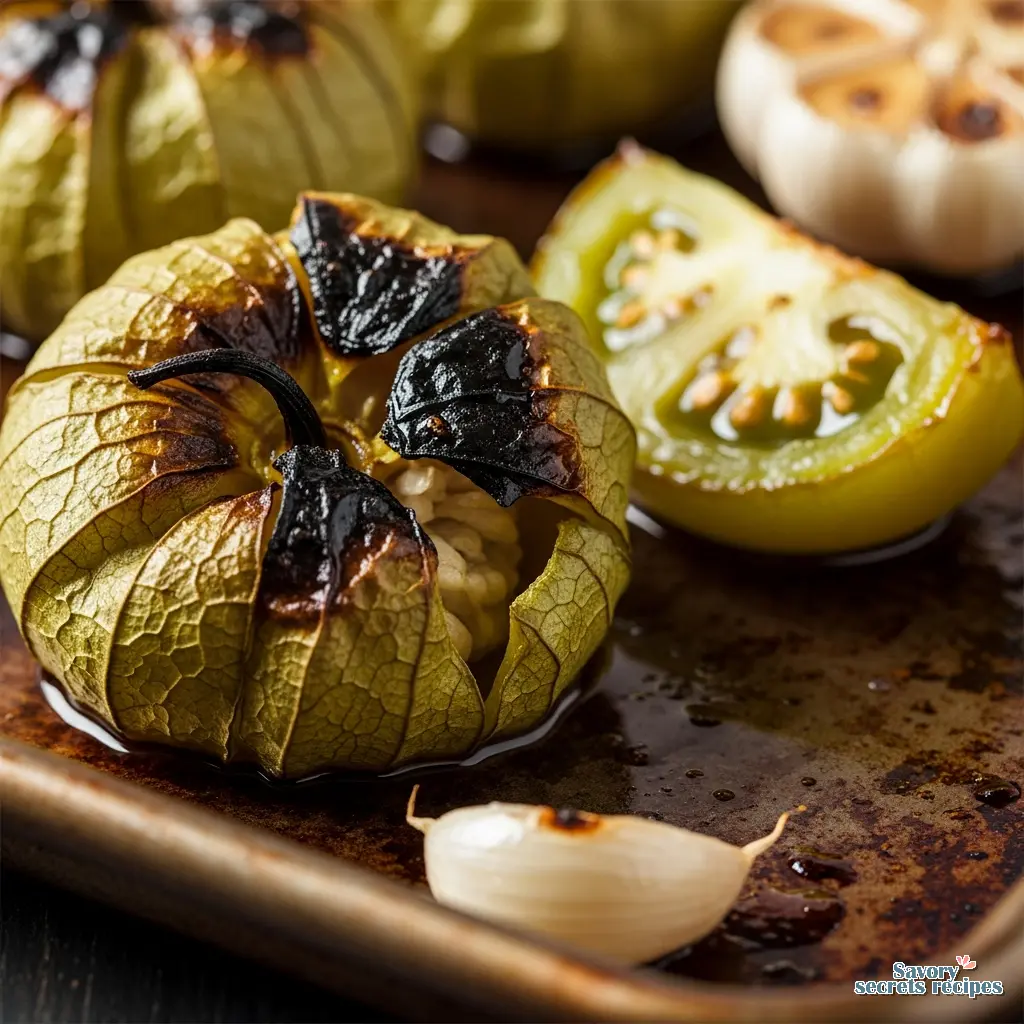
Boiling dilutes the flavor. It adds water to ingredients that are already mostly water. Instead, we are going to roast them. When you roast or broil these ingredients, you trigger the Maillard reaction. You want those dark, charred spots. That char is flavor. It adds a smoky complexity that boiling simply cannot achieve.
I arrange my tomatillos, green tomatoes, onions, and garlic on a sheet pan. I leave the garlic in its skin to protect it from burning too quickly. You’ll know it’s ready when the tomatillos have collapsed slightly and leaked some of their juices, and the skins are blistered and blackened in spots. That juice on the pan? That is liquid gold. Do not discard it. Scrape every bit of it into the blender.
Balancing the Acidity
Here is where it gets interesting. Green tomatoes are acidic. Tomatillos are acidic. Lime juice is acidic. If you just blend this all up, it can be aggressive. You need to balance that tartness.
I always start by roasting the onions and garlic alongside the fruit. Roasting brings out their natural sugars, which helps mellow the final sauce. But the real secret is tasting as you go. Once everything is blended, dip a spoon in.
If it makes your jaw ache, it needs salt. Salt suppresses bitterness and balances acidity. If it’s still too sharp, add a pinch of sugar or honey. I know, I know. Adding sugar to salsa sounds wrong. But we are talking about a quarter teaspoon here. It rounds out the jagged edges of the green tomato flavor. Worth noting: the heat from the peppers also distracts from the acidity. I use jalapeños or serranos, and I roast them too. For a different kind of heat, try a spicy pickled green tomatoes recipe to preserve that garden-fresh zing.
Texture Control: The Pulse Technique
There is nothing sadder than watery salsa that runs right off your chip. The key checkpoint here is how you use your blender. Do not just turn it on high and walk away. That creates a gazpacho, not a salsa.
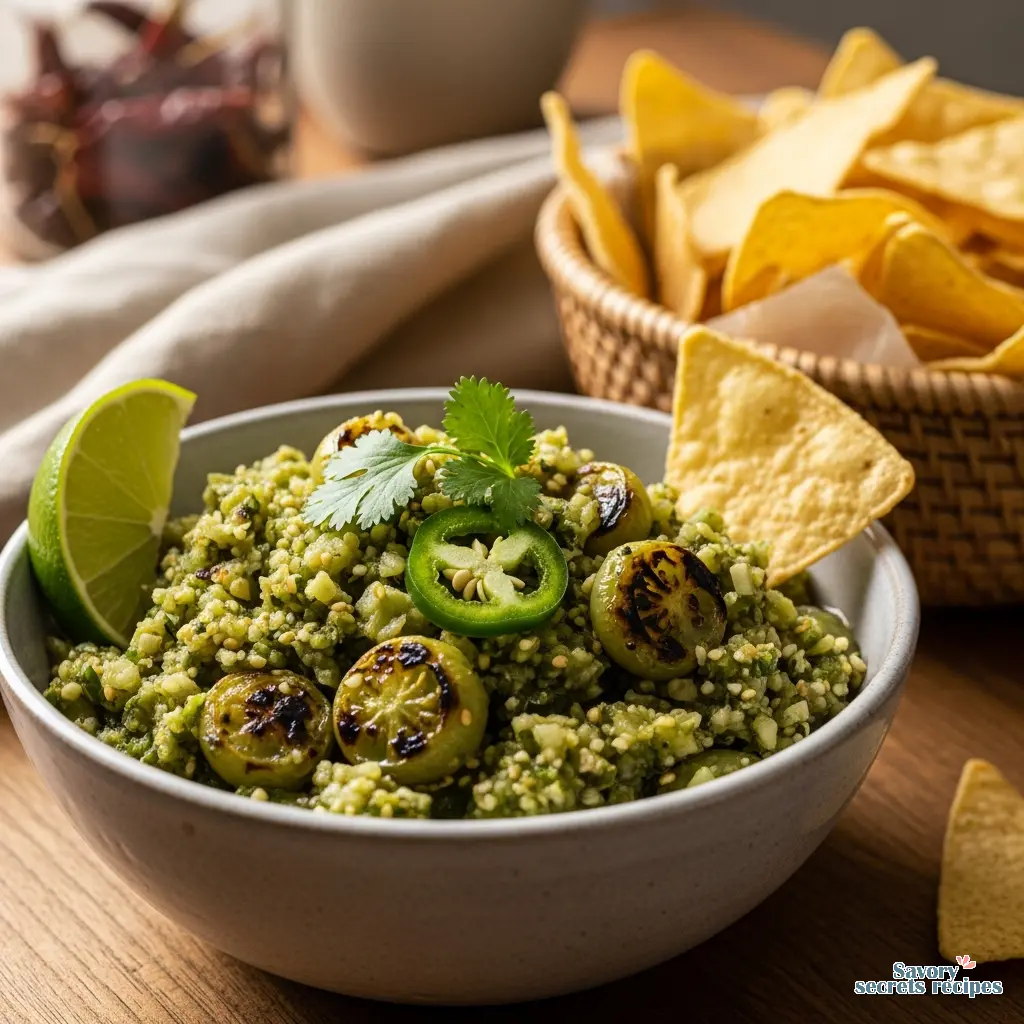
Pulse. Stop. Look. Pulse again. You want chunks. You want texture. The roasted tomatillos will break down into a sauce almost instantly, but the green tomatoes will hold their shape a bit longer. By pulsing, you keep those nice little nuggets of tomato suspended in the sauce.
If you find your salsa is too thick (which can happen if your green tomatoes were very dry), adding a splash of water is fine. But add it one tablespoon at a time. You can always add more, but you can’t take it out.
Home Canning: Safety First
Since this recipe is often born from a harvest glut, many of you will want to can it. That tracks. It preserves beautifully. However, you must be careful with acidity levels. While green tomatoes are acidic, their pH can vary.
If you plan to water-bath can this green tomato and tomatillo salsa, you must ensure it is acidic enough to prevent botulism. Do not rely on the natural acidity of the fruit alone. Bottled lime juice is consistent in acidity, whereas fresh limes vary. For canning, I recommend adding one tablespoon of bottled lime juice per pint jar before filling. Process pints for 15 minutes in a boiling water bath (adjusting for altitude). If you aren’t ready for canning salsa, learning how to make pickled tomatoes is a simpler entry point for food preservation.
If you are just putting it in the fridge, fresh lime juice is absolutely the way to go. The flavor is incomparable.
Serving Suggestions: Beyond the Chip
Yes, this is incredible with tortilla chips. But don’t limit yourself. In my kitchen, this salsa is a workhorse sauce. It is essentially a braising liquid waiting to happen.
Try simmering chicken thighs directly in the salsa until they are falling apart. The gelatinous nature of the tomatillos creates a rich, velvety sauce that coats the meat perfectly. It is also fantastic spooned over fried eggs for a breakfast that wakes you up. I’ve even used it as a base for a white chili, adding white beans and shredded turkey. It brings a brightness that cuts through rich, heavy ingredients. Additionally, a smooth green tomato sauce can serve as a versatile base for many Mexican-inspired dishes.
Common Mistakes & Fixes
Mistake: The salsa is too bitter.
Solution: This usually means the tomatillos weren’t rinsed well enough, or the roast went too far into “burnt” territory. Add a pinch of sugar and a little more salt to counteract it.
Mistake: The salsa is watery and thin.
Solution: You likely over-blended it. Next time, pulse gently. To fix it now, add a ripe avocado. It changes the profile to a creamy salsa, but it saves the texture.
Mistake: It tastes flat.
Solution: It needs acid or salt. Add a squeeze of fresh lime juice first. If that doesn’t pop the flavors, add salt in small increments.
Mistake: The color turned dull olive.
Solution: This happens when the salsa oxidizes or cooks too long. To keep it bright green, add a handful of fresh cilantro (stems and all) at the very end of blending.
Frequently Asked Questions
Storage & Reheating
This salsa keeps beautifully in the refrigerator for about a week. In fact, I tend to think it tastes better on the second day after the flavors have had time to marry. The garlic mellows out, and the heat from the peppers distributes more evenly.
If you have frozen your salsa, let it thaw in the fridge overnight. You might notice some separation water on top, solids on the bottom. That is normal. Just give it a vigorous stir, or a quick pulse in the blender to bring it back together. If you are using it for cooking (like with chicken or eggs), you can use it straight from the freezer.
Your tacos are about to get a major upgrade. There is something incredibly satisfying about taking what looks like garden waste those rock-hard green tomatoes and turning them into something so vibrant and full of life. Go turn those garden leftovers into a masterpiece. And if you make a batch, I’d love to see it.
For more inspiration, check out my Pinterest boards where I collect all my favorite seasonal preservation ideas.
Reference: Original Source
Can you mix tomatillos and tomatoes for salsa?
Absolutely. In my experience, mixing them creates a more complex flavor profile than using just one. The green tomatoes add a crisp, apple-like acidity and bulk, while the tomatillos provide that distinct citrusy tartness and a gelatinous texture that binds the salsa together perfectly. It is the best of both worlds.
Do I roast or boil tomatillos for salsa?
I strongly recommend roasting. While boiling is faster, water dilutes the flavor. Roasting evaporates excess moisture and caramelizes the natural sugars, adding a smoky depth and char that makes green tomato and tomatillo salsa taste restaurant-quality. Trust the process; the char is where the flavor lives.
Do I need to peel green tomatoes for salsa?
Generally speaking, no. Unlike ripe red tomatoes, the skins on green tomatoes are quite firmly attached. When you roast them, the skins soften and blister, adding texture and charred flavor to the salsa. If you were eating them raw, the skins might be tough, but roasting breaks them down sufficiently.
Why is my salsa bitter?
Bitterness usually comes from the sticky residue on the tomatillo husks. You must wash this off thoroughly with warm water before cooking. If you have already cooked it and it’s bitter, try adding a pinch of salt or a tiny amount of sugar to balance it out. Sometimes over-charring the garlic can cause bitterness too.
Can I freeze green tomato and tomatillo salsa?
Yes, you can. While fresh is best, this salsa freezes reasonably well. The texture might change slightly upon thawing (it can get a bit watery), but the flavor holds up. I recommend freezing it in flat freezer bags with the air pressed out. It will keep for about 3 to 4 months.