



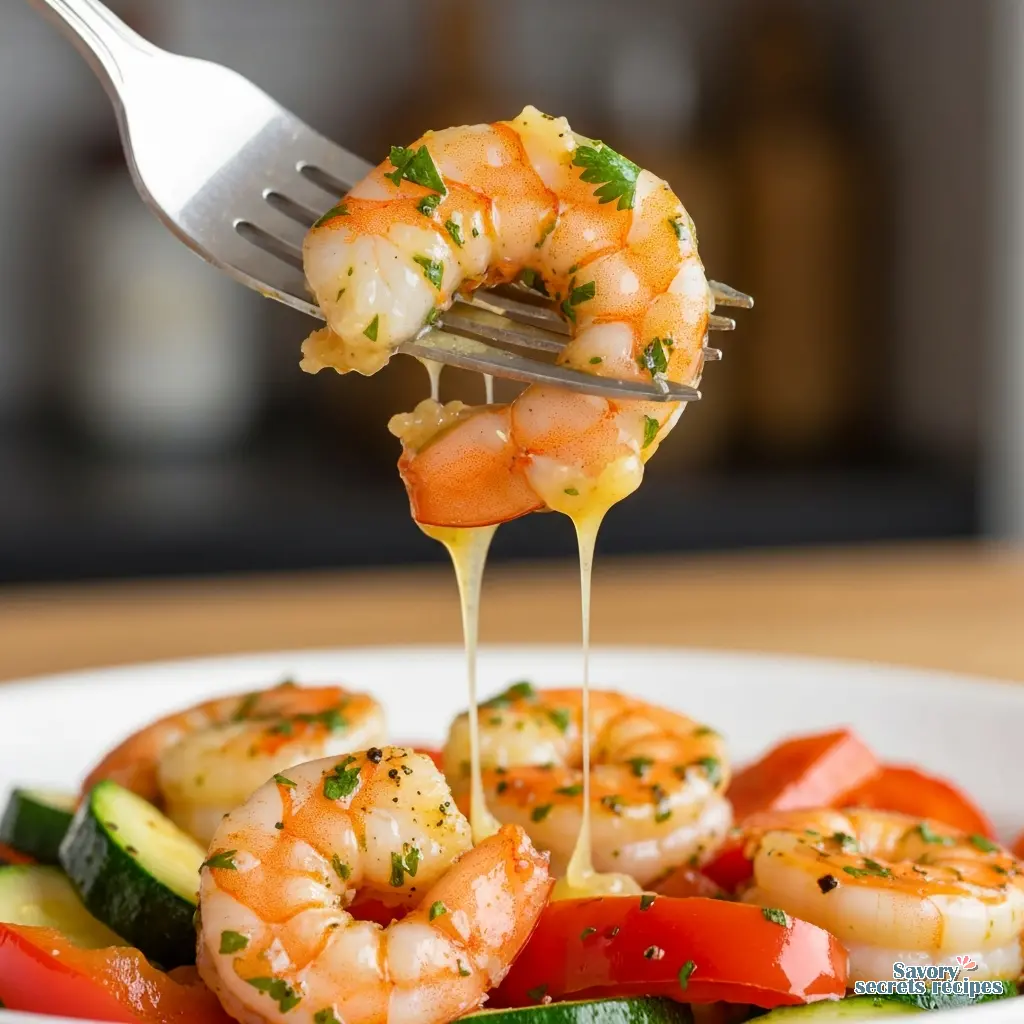
One Pan 20 Minute Shrimp and Veggies Recipe
Ingredients
Method
- Combine onion powder, garlic powder, smoked paprika, salt, and black pepper in a small bowl and mix well.
- Mix the shrimp and spice mixture in a large bowl until thoroughly combined.
- Heat olive oil in a cast iron skillet over medium heat.
- Add the shrimp and cook for 1 to 2 minutes per side until pink and cooked through, then remove and set aside.
- Add the remaining tablespoon of olive oil, white onions, and red bell peppers to the same skillet.
- Cook for approximately 4 minutes, stirring occasionally.
- Stir in chicken broth and asparagus, cover, and cook for 2 minutes, stirring occasionally.
- Add zucchini, replace the lid, and cook for an additional 3 minutes.
- Return the cooked shrimp to the skillet.
- Heat for 30 to 60 seconds until warmed through.
- Garnish the dish with fresh parsley.
- For meal prep, divide cauliflower rice and the shrimp mixture into four glass containers, cover, and refrigerate for up to 4 days; reheat in the microwave for 2 minutes.
Nutrition
Notes
- Serve this recipe over cauliflower rice or mashed cauliflower, or serve it with traditional rice or mashed potatoes.
- Make sure to wash all the vegetables before using them.
- Cook in batches if your skillet is small.
- To store: Leftovers can be stored in the fridge for up to 3 days.
- To reheat: You can microwave leftovers or reheat on the stovetop.
The Weeknight Dinner That Actually Happens
My daughter went through a phase last year where she refused to eat anything that wasn’t beige. Rice, pasta, bread, chicken nuggets. That was the entire approved list. I didn’t want to fight it every single night, but I also wasn’t going to run a short-order diner from my kitchen in Oakland. I started making this shrimp and veggies recipe because it was fast enough that I wouldn’t feel defeated if she picked around the peppers, but flavorful enough that my wife and I actually looked forward to eating it.
Here is the thing about weeknight cooking. It is rarely about being a chef. It is about logistics. You need something that goes from fridge to table before the hanger sets in. This meal? It clocks in at about 20 minutes. Honestly, it usually takes me longer to chop the vegetables than it does to actually cook the food. That tracks with how I like to cook these days heavy on the prep, fast on the heat. Finding reliable and easy shrimp recipes is the key to maintaining a stress-free kitchen routine.
I remember my grandmother Fatima in Casablanca telling me that good food doesn’t need to be complicated, it just needs to be fresh. She never measured anything, just tasted and adjusted. This recipe is built on that same principle. It is a framework. You have shrimp, you have whatever vegetables are looking sad in your crisper drawer, and you have a simple sauce. You just made dinner magic happen.
Why This Recipe Works (Beyond Just Speed)
We all want the “healthy shrimp dinner” that doesn’t taste like diet food. The problem with a lot of stir-frys or skillet meals is that everything ends up tasting the same kind of steamed and soggy. I have been there. You crowd the pan, the water releases, and suddenly you are boiling your expensive shrimp instead of searing them.
This approach fixes that. By cooking the shrimp first and removing them, we let the vegetables get that nice char without overcooking the protein. It creates layers of flavor in one pan. Plus, using a mix of textures crunchy asparagus, soft zucchini, snappy peppers keeps it interesting. It is low carb if you skip the rice, but I usually serve it over jasmine rice or quinoa to soak up that garlic sauce.
And let’s be real, the cleanup is a major factor here. One skillet. Maybe a small bowl for mixing the spices. That is it. When you are staring down a sink full of dishes on a Tuesday night, that matters.
The “Pat Dry” Rule: Do Not Skip This
If you take one thing away from this article, let it be this: moisture is the enemy of the sear. I learned this the hard way early in my career when I wrote a recipe for fish that readers complained was “mushy.” I realized I hadn’t emphasized drying the protein enough.
When you buy shrimp, even fresh ones, they are sitting in liquid. If you throw them straight into the hot oil, that liquid hits the pan and turns to steam. Steam cooks things at 212°F. Maillard reaction (browning and flavor) happens at over 300°F. You see the problem?
Here is what I’d do:
- Take your peeled shrimp and lay them out on a layer of paper towels.
- Take another paper towel and press down on top.
- You want them tacky to the touch, not slick.
Trust me, it makes the difference between “rubber boiled shrimp” and “restaurant-quality sautéed shrimp.” The spices will stick better, and you’ll get that beautiful golden color we are after. This same technique is essential when learning how to make crispy shrimp with a perfect golden crust.
Visual Troubleshooting: The C-Shape Rule
Cooking shrimp is intimidating for some people because it happens so fast. You turn around to grab the salt, and they are done. Give it another minute, and they are ruined. Overcooked shrimp is rubbery, tough, and frankly, a tragedy considering how much seafood costs these days.
I use a simple visual cue to know when they are perfect. It is all about the alphabet.
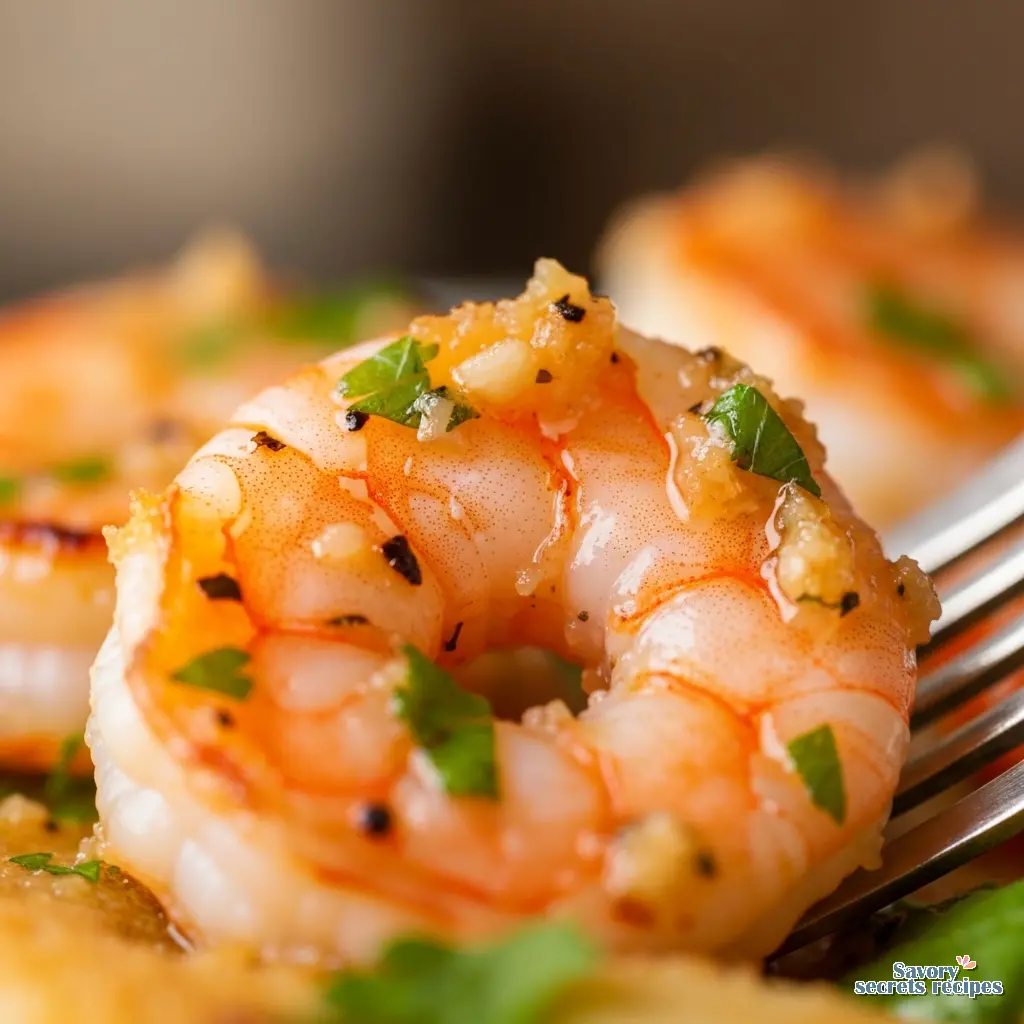
The “C” Shape = Cooked. When the shrimp curls loosely into the shape of the letter C, it is done. It will be opaque, pink, and tender. Get it out of the pan immediately. Understanding these visual cues is also helpful when preparing delicate shrimp appetizers for a party.
The “O” Shape = Overcooked. If the shrimp curls tight into an O shape where the tail touches the head, you have gone too far. It is going to be tough. If this happens, don’t panic. Chop it up small and mix it with rice so the texture isn’t as noticeable. We have all been there.
Vegetable Substitution Guide
One of the reasons I love this shrimp and veggies recipe is that it is basically a fridge clean-out operation. My grandmother would never let food go to waste, and that stuck with me. However, not all vegetables cook at the same rate. You have to be strategic.
Asparagus: This is my go-to. It cooks fast and stays crunchy. Snap off the woody ends they naturally break where the tough part ends. If you have thick stalks, cut them into 1-inch pieces so they cook evenly with the shrimp.
Zucchini: In California, zucchini season feels like it lasts all year. Use the smaller ones; they have less water and fewer seeds. If you only have massive ones, scrape out the seeds before chopping, or your skillet will turn into soup.
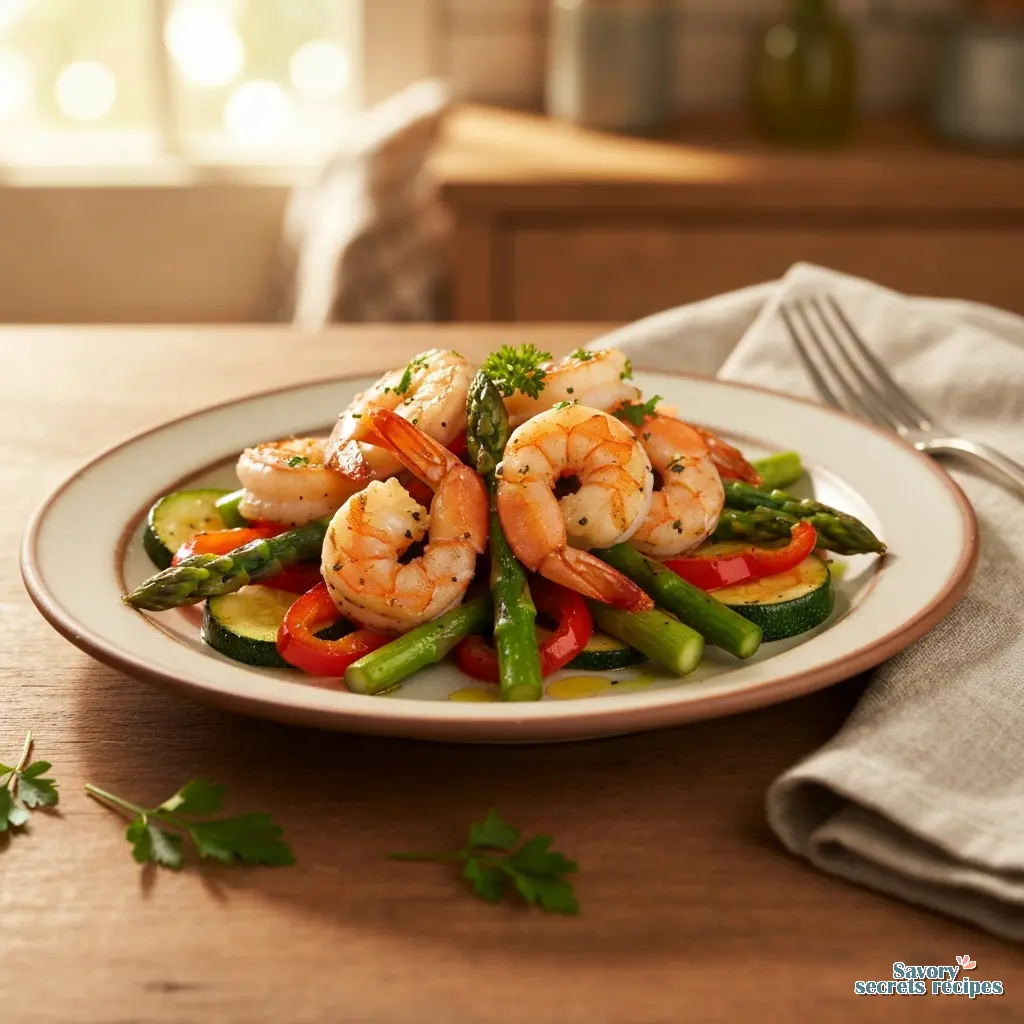
Bell Peppers: Any color works. Red and orange are sweeter, green is more bitter. I like the red for the color contrast with the pink shrimp and green asparagus. It just looks better on the plate.
Broccoli or Cauliflower: These are denser. If you want to swap these in, I’d probably blanch them (boil for 2 minutes then ice bath) before adding them to the skillet, or just cut the florets very small. Otherwise, your shrimp will be done while your broccoli is still raw.
Homemade vs. Store-Bought Sauce
I know it is tempting to grab a bottle of stir-fry sauce. I get it. But most of those are loaded with sugar and preservatives. Making your own sauce takes maybe three minutes, and you probably have the ingredients already.
My base is simple: olive oil, garlic, onion powder, smoked paprika, and a little chicken broth. Sometimes I add a splash of soy sauce or lemon juice for acid. If it needs more acid, it needs more acid taste as you go.
If you want a thicker sauce that clings to the veggies (like takeout style), mix a teaspoon of cornstarch with a tablespoon of cold water or broth to make a slurry. Add this at the very end when the liquid is bubbling. It will thicken up in about 30 seconds. That is the move right there. While this version is light, sometimes I crave richer shrimp and cheese recipes for a more indulgent weekend meal.
Sustainability: Choosing Your Shrimp
Living in the Bay Area, we talk a lot about sourcing. When you are at the store whether it is Whole Foods or just the local Safeway you are faced with a wall of options. Farmed, wild, tiger, white, pink.
I generally lean toward wild-caught American shrimp (often from the Gulf or Atlantic). They tend to have a cleaner, sweeter flavor and firmer texture. If you are buying farmed, look for certifications like BAP (Best Aquaculture Practices). It is worth the extra dollar or two for the texture alone.
Also, buy frozen. Unless you live on the coast and see the boats coming in, the “fresh” shrimp at the seafood counter were likely frozen and thawed anyway. Buying them frozen gives you control over the thawing process. For even faster prep, you can adapt many already cooked shrimp recipes to work with your favorite vegetable combinations.
Common Shrimp and Veggies Recipe Mistakes
Troubleshooting Your Skillet
Mistake: The shrimp are rubbery.
Solution: You cooked them too long. Remember the “C” shape rule. Also, remove them from the pan while cooking the vegetables, then add them back at the very end just to warm through.
Mistake: The dish is watery.
Solution: You overcrowded the pan or didn’t dry the shrimp. Cook in batches if your skillet is small. High heat fast is better than low heat slow for this recipe.
Mistake: The garlic burned.
Solution: Garlic burns in seconds. Don’t add it at the very beginning with the hot oil. Add it when the shrimp are halfway done, or with the vegetables.
Frequently Asked Questions
Storage & Reheating: Keeping it Fresh
If you have leftovers, which is rare in my house, they will keep in the fridge for about 2 to 3 days. I usually put them in glass containers. Just know that zucchini might release a little more water as it sits.
When it comes to reheating, step away from the microwave. Seriously. Microwaving shrimp is how you get seafood that tastes like a pencil eraser. I’d suggest throwing it back in a hot skillet for 2 minutes with a splash of water or broth. It brings the texture back to life. If you absolutely must microwave, do it on 50% power in short bursts.
Let’s Eat
There is something satisfying about putting a plate of colorful, healthy food on the table in less time than it takes to watch a sitcom episode. When you serve this, your family will probably ask for seconds. Mine usually does, even the picky one. You’ve got this. The hardest part is just remembering to thaw the shrimp.
I’d love to see how yours turns out. If you make it, snap a photo and tag me I love seeing your creations! For more inspiration, check out my Pinterest boards where I save all my weeknight favorites.
You just made dinner magic happen. Go enjoy it!
Reference: Original Source
Do I cook shrimp or vegetables first?
I always cook the shrimp first. Sear them quickly for 2-3 minutes, then remove them from the pan. If you leave them in while the veggies cook, they turn into rubber. Add them back at the very end just to warm them up.
Can I make this shrimp and veggies recipe ahead of time?
You can prep everything, but I wouldn’t cook it ahead. Shrimp reheats poorly it gets tough. However, you can chop all your veggies and mix your spice blend up to 2 days in advance. That makes the actual cooking take 10 minutes.
Do I use fresh or frozen shrimp?
Frozen is usually better unless you have a local fishmonger. Most “fresh” shrimp at the store were previously frozen anyway. Thaw them in a colander under cold running water for about 15 minutes. Never use warm water, or they’ll start cooking.
Is it better to use butter or oil when cooking shrimp?
I use a mix. Start with olive oil (or avocado oil) because it has a higher smoke point and won’t burn during the sear. I add a little butter at the very end for that rich flavor and glossy finish. Best of both worlds.
What vegetables go well with shrimp?
Quick-cooking veggies are best. Asparagus, bell peppers, zucchini, sugar snap peas, and broccoli florets work great. Avoid root vegetables like potatoes or carrots unless you boil them first, or they’ll be hard when the shrimp is done.
How do I store leftover shrimp and veggies recipe?
Store in an airtight container in the fridge for up to 3 days. To reheat, use a skillet over medium heat with a splash of water or broth. Avoid the microwave if possible, as it nukes the texture of the shrimp instantly.
Can I use another protein besides shrimp?
Absolutely. Chicken breast or thighs work well, but you’ll need to cook them longer (about 5-7 minutes). Tofu is also great press it first to remove water. Adjust your cooking times accordingly, but the veggie method stays the same.
What seasoning is best for shrimp?
Shrimp is mild, so it takes bold flavors well. I love smoked paprika, garlic powder, and onion powder. For a kick, add red pepper flakes. Fresh herbs like parsley or cilantro added at the end brighten the whole dish up.