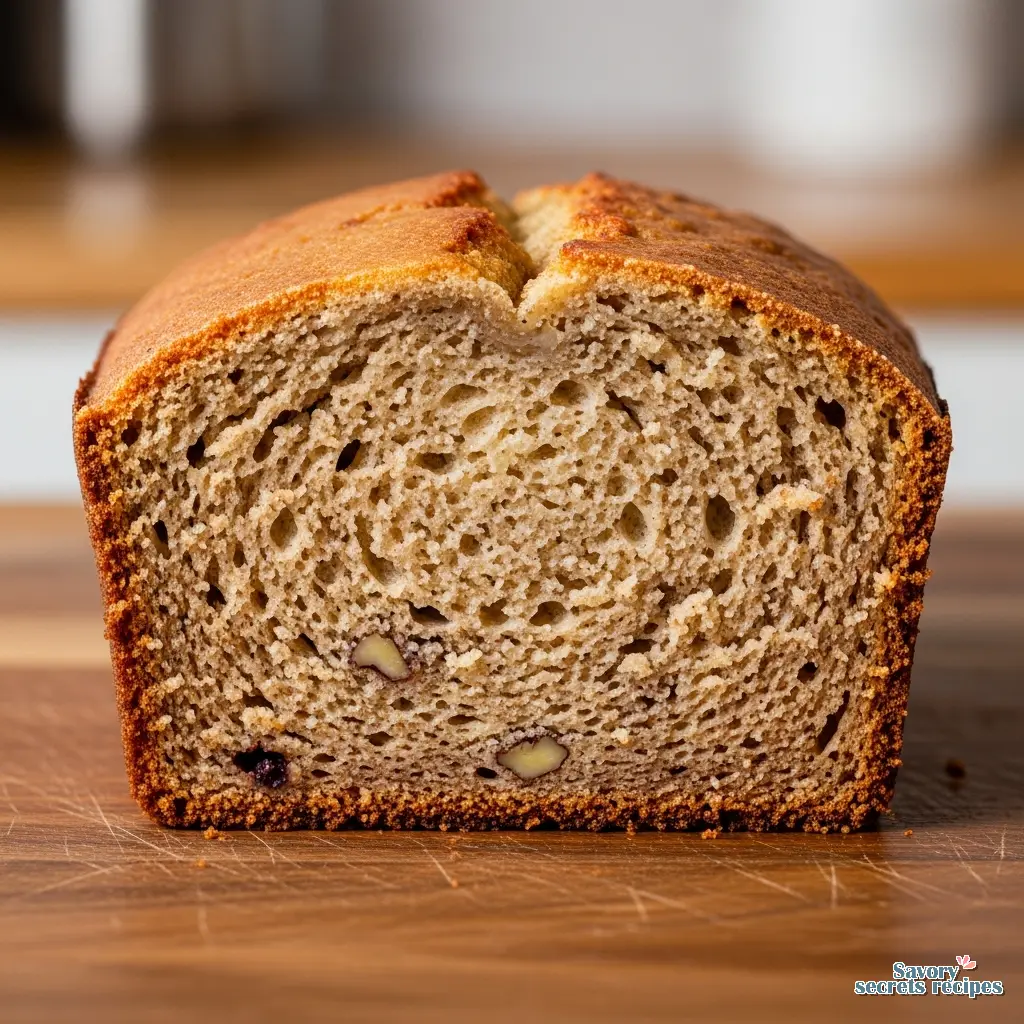
Banana Bread Recipe 8x4 Pan Using Baking Powder
Ingredients
Method
- Preheat oven to 350°F. Grease a loaf pan and line the bottom with parchment paper.
- Cream sugar and butter in a large bowl until light and fluffy. Beat in eggs one at a time, then stir in mashed bananas and milk until combined.
- Whisk flour, baking powder, baking soda, cinnamon, and salt together in a separate bowl.
- Add the dry ingredients to the wet mixture and stir until just combined. Fold in nuts or chocolate if desired.
- Pour batter into the prepared pan and bake for 55 to 65 minutes, or until a toothpick inserted into the center comes out clean. Let cool in the pan briefly before transferring to a wire rack to cool completely.
- Store leftovers at room temperature or in the refrigerator for 3 to 5 days, or freeze for up to 3 months.
Nutrition
Notes
Why This Specific Pan Size Matters
I have a theory that half the baking failures in this country aren’t user error. They are equipment mismatches. You grab a standard recipe, pour it into the loaf pan you inherited from your grandmother, and forty minutes later you have batter overflowing onto the oven floor or a loaf that’s sunken in the middle. That tracks, honestly. Most recipes assume you own a 9×5 inch pan. But if you are here, you probably have an 8×4 pan. And let me tell you, that one inch makes a massive difference.
In practice, a 9×5 pan holds about 8 cups of volume. An 8×4 pan? It holds roughly 6 cups. That is a 25% reduction in space. If you try to force a standard batch into the smaller vessel, the physics just won’t work. The center won’t set before the top burns. It’s a design flaw in the recipe, not your cooking. This banana bread recipe 8×4 pan is calibrated specifically for that smaller volume. It ensures you get that high, domed top without the anxiety of a spillover.
I remember watching my Opa Klaus measure ingredients. He used a scale for everything. He’d say, “The numbers don’t lie, Jonas.” He was right. When we scale this down for the 8×4 geometry, we actually get a better rise because the batter has nowhere to go but up. It results in a taller, more impressive loaf than what you’d get spreading this same amount of batter into a larger pan.
The Science of Leavening: Baking Powder vs. Soda
You’ll notice something specific about this ingredient list. We are leaning heavily on baking powder. A lot of old-school recipes use baking soda because it reacts with the acid in the fruit. Fair enough. But in my testing, relying solely on soda can sometimes lead to a denser, slightly gummy texture if the bananas aren’t acidic enough. Baking powder is double-acting. It gives you a lift when it hits the wet ingredients, and a second lift when it hits the heat.
For a banana bread recipe 8×4 pan, this structural support is critical. Since the pan is narrower and deeper relative to the batter volume, we need that consistent upward push to ensure the center cooks through. The baking powder ratio here is adjusted to lift the heavy fruit without creating large air tunnels. It’s about balance. You want a moist crumb, not a wet one.
Ingredient Selection and Preparation
Let’s talk about the bananas. I know everyone says “brown spots,” but I want you to go further. If the banana is yellow, it’s starch. If it’s black, it’s sugar. For the best banana bread recipe using baking powder, you want bananas that are almost entirely black. They should feel soft, almost like a water balloon that’s about to burst. That is where the flavor lives. If you use yellow bananas, the bread will taste like flour and disappointment. Trust me on this.
When it comes to mashing, put the electric mixer away. You don’t need it. I prefer a stiff fork or a potato masher. You want mashing bananas to be a manual process because we want to leave a few small chunks. Those chunks become little pockets of custard in the finished loaf. If you puree it until smooth, the batter becomes too liquid, and you lose that rustic texture. You can apply this same technique if you want to [add banana to muffin mix] for a shortcut version.
Also, make sure your eggs and butter are at room temperature. I know, I know. It’s a pain when you want to bake right now. But cold eggs hitting melted butter will seize the fat, creating a grainy batter. If you’re in a rush, put the eggs in a bowl of warm water for five minutes. It works every time. For those who prefer a dairy-free option, a [moist banana bread recipe with oil and brown sugar] is a great alternative to using butter.
The Bake: Temperature and Tenting
Because the 8×4 pan is smaller, the batter is deeper. This presents a thermal challenge. Heat takes longer to penetrate to the geometric center of the loaf. If we bake this at a high temperature, the outside will be charcoal before the inside is edible. We bake this at 350°F, but we have to watch it. Checking the internal [banana bread temperature] ensures the loaf is cooked through without becoming dry.
Around the 30-minute mark, check the color. If you have a beautiful golden brown crust but the center is still wobbling, don’t panic. This is standard behavior for this pan size. Simply create an aluminum foil tenting over the top. Just lay a loose sheet of foil over the pan. This deflects the direct heat, stopping the browning process, while allowing the ambient heat to continue cooking the center. It’s a simple fix that saves the loaf every time. This technique helps maintain the moisture of a [banana nut bread with brown sugar] while achieving the perfect crust.
Troubleshooting Common Issues
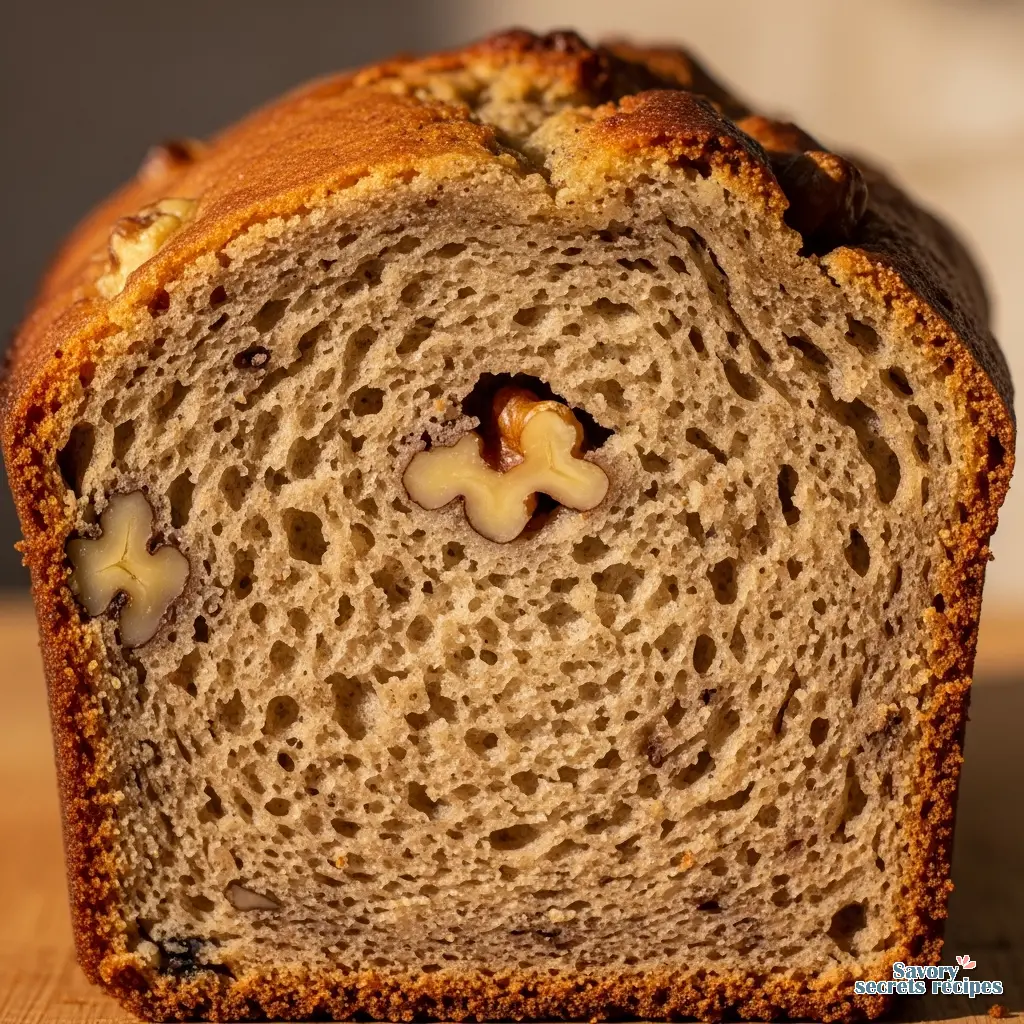
Even with good tools, things happen. If you pull your loaf out and it sinks in the middle as it cools, it was underbaked. The structure wasn’t set. The toothpick test is your best friend here, but you have to do it right. Don’t just poke the top. Insert the toothpick deep into the center. It should come out with a few moist crumbs attached, but no wet batter. If it’s clean, you might have actually overbaked it. Moist crumbs are the goal.
If the bottom is burnt but the middle is raw, your oven might be running hot. Most home ovens are terrible at holding a specific temperature. I keep an oven thermometer inside mine just to be sure. If yours runs hot, slide a baking sheet on the rack underneath your loaf pan. It acts as a heat shield, moderating the intensity of the heating element.
Another issue is the dreaded “gummy” layer at the bottom. This usually comes from overripe bananas that released too much liquid, or simply letting the batter sit too long before baking. The baking powder starts reacting the moment it hits the wet ingredients. If you wait twenty minutes while the oven preheats, you’ve lost half your lift. Get it in the oven immediately.
Storage and Freezing
My Opa hated waste. “Respect the food,” he’d say. Luckily, banana bread is one of the easiest things to store. If you are going to eat it within two days, a simple airtight container on the counter is fine. But here is a trick I learned from a test kitchen colleague: the paper towel method. Place a paper towel on the bottom of the container, put the loaf in, and place another paper towel on top before sealing. The paper towels regulate the humidity, absorbing excess moisture so the bread doesn’t get soggy, but keeping enough in so it doesn’t dry out.
For freezing, this recipe is a tank. It survives the deep freeze beautifully. I prefer to slice it first. Wrap individual slices in plastic wrap, then foil. That way, you can pull out a single slice for breakfast without thawing the whole block. It’ll last three months like that. Just don’t forget to label it. Mystery foil packets in the freezer are nobody’s friend.
Frequently Asked Questions
Serving Suggestions
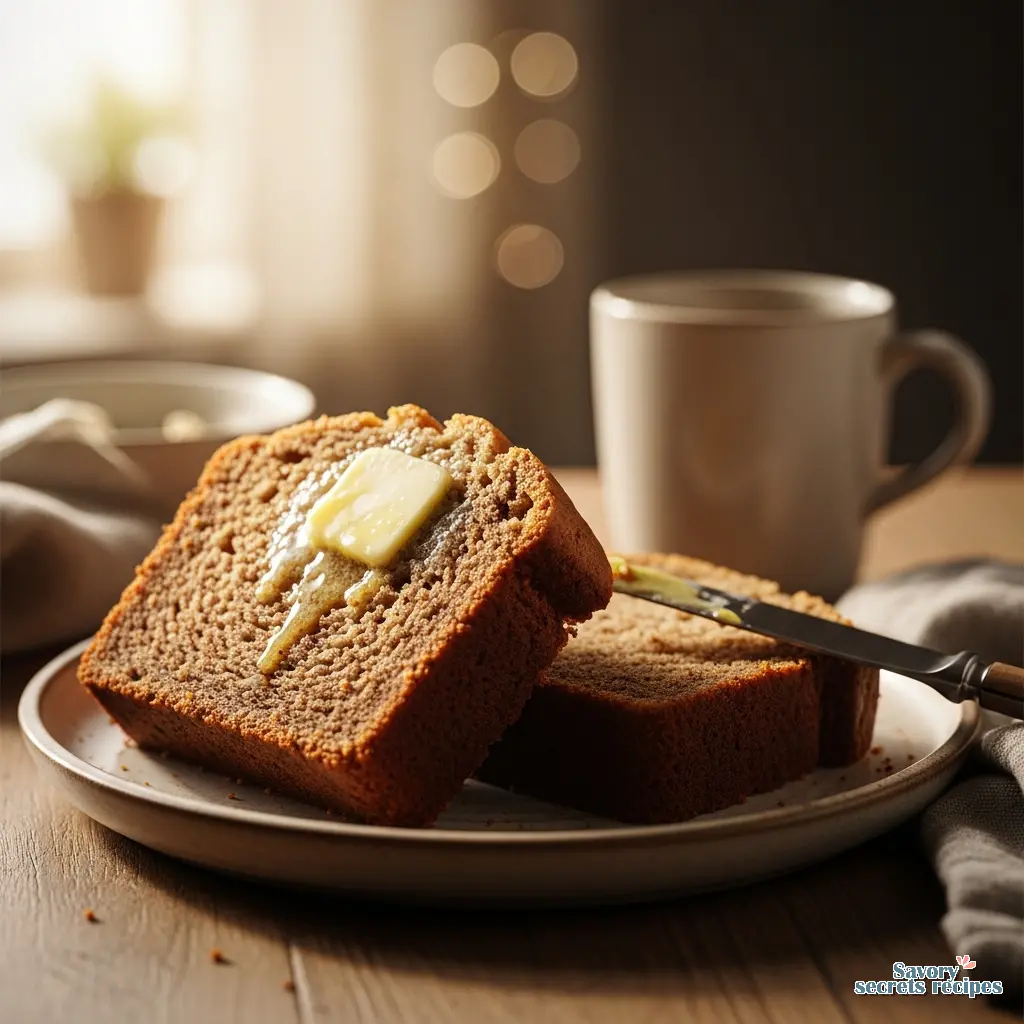
There is something satisfying about a simple slice of warm bread. I usually eat this plain, maybe with a little salted butter if I’m feeling indulgent. The salt cuts through the sweetness of the banana perfectly. If you want to dress it up for brunch, a smear of cream cheese or even a drizzle of honey works well. But honestly, if the recipe is solid, you don’t need to hide it under toppings. The flavor should stand on its own.
This recipe is a workhorse. It’s reliable, it fits your equipment, and it tastes like home. It’s the kind of thing you bake on a Sunday afternoon when the weather is turning, just to make the house smell good. My Opa would approve of the precision, and I think you’ll appreciate the results. Give it a shot, and let the tool do the work.
For more inspiration and visual guides, check out my Pinterest boards where I collect all my favorite equipment-tested recipes.
Reference: Original Source
What is the difference between 8×4 and 9×5 loaf pans?
It comes down to volume. A 9×5 pan holds about 8 cups of batter, while an 8×4 holds roughly 6 cups. In practice, using an 8×4 for a standard recipe often causes overflow or undercooked centers due to the increased depth. This recipe is scaled specifically for the 8×4 capacity.
Can I freeze banana bread recipe 8×4 pan?
Absolutely. This dense quick bread freezes exceptionally well. Let it cool completely on a cooling rack first. For best results, wrap the whole loaf or individual slices tightly in plastic wrap, then a layer of aluminum foil. It stays fresh for up to 3 months.
Is it better to make banana bread with oil or butter?
I prefer melted butter for the flavor profile it gives that rich, bakery-style taste. However, oil produces a loaf that stays moist longer because oil remains liquid at room temperature. If you want maximum moisture over several days, you can swap half the butter for a neutral oil.
Why use baking powder instead of soda?
Baking soda requires an acid (like buttermilk or very sour bananas) to activate. Banana bread using baking powder gets a reliable lift regardless of the acidity level of your fruit. It creates a fluffier, more cake-like crumb that helps the deeper 8×4 loaf cook evenly without getting dense.