



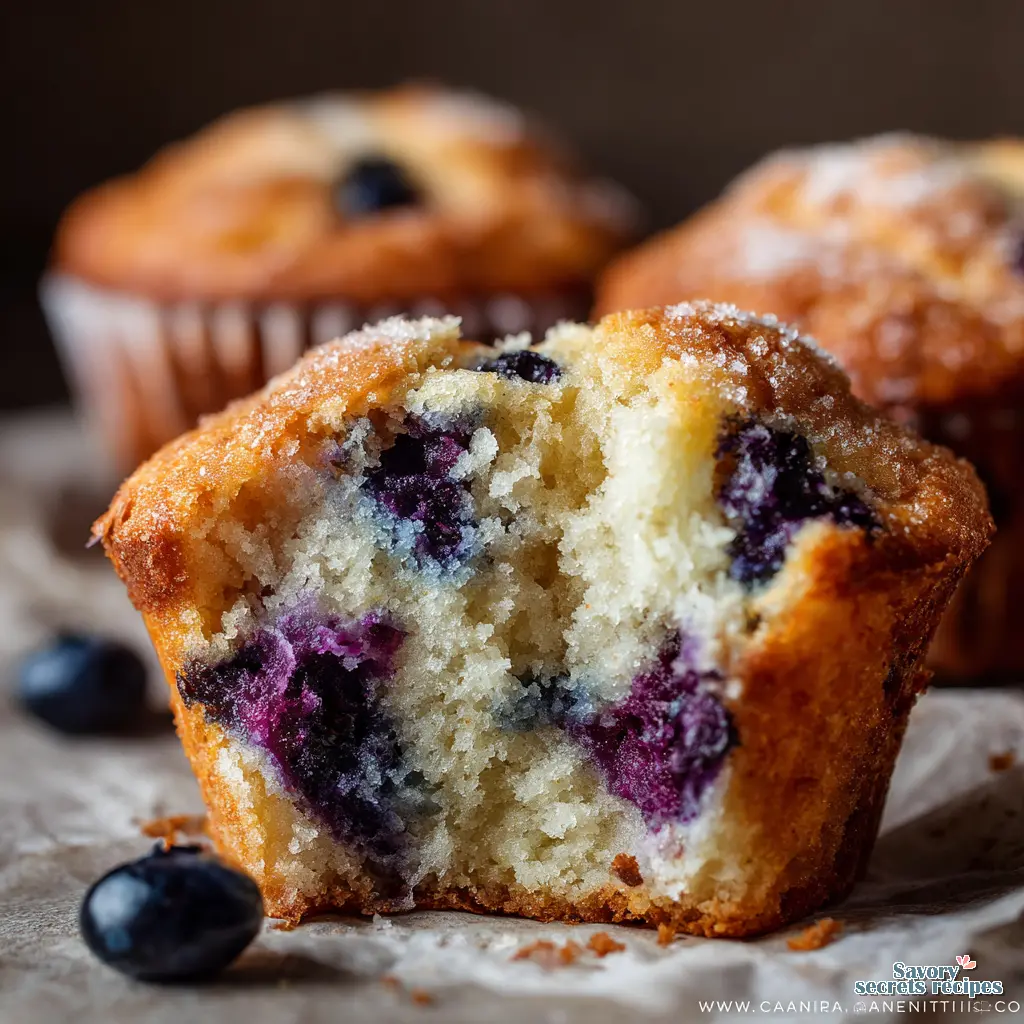
Blueberry Muffins with Coconut Oil and No Milk
Ingredients
Method
- Preheat the oven to 375°F.
- Whisk the flour, sugar, salt, baking powder, and baking soda together in a large bowl until thoroughly combined.
- Melt 1/2 cup plus 2 tablespoons of butter and allow it to cool slightly. Whisk in the eggs, water, and vanilla until the mixture is well combined.
- Add the blueberries and the wet mixture to the dry ingredients. Use a spatula to fold the batter about 12 times until just incorporated, taking care not to over-mix.
- Fill each muffin cup with approximately 1/3 cup of batter. Bake for 18 to 20 minutes and remove from the oven once the muffins spring back to the touch and the centers are no longer gooey.
Nutrition
Notes
- Other Berries: Instead of blueberries try this recipe with blackberries, raspberries, or chopped strawberries to make berry muffins without milk.
- Toddler friendly: Bake these muffins in a tiny muffin tray to make every toddler squeal for mini blueberry muffins!
- Healthy Blueberry Lemon Muffins: Add 1 tablespoon of lemon zest to the batter to make dairy-free blueberry lemon muffins!
- Add Chocolate Chips: Add ¾ cup chocolate chips to the batter with the blueberries to make blueberry chocolate chip muffins!
- Gluten Free Dairy Free Blueberry Muffins: To make these muffins df and gf simply use a gluten-free flour blend.
Why These Are the Only Muffins I Make Now
I still remember the first time I tried to make a “healthier” muffin. It was a Tuesday morning, I was rushing to get Priya’s lunchbox packed, and I swapped butter for a random oil I found in the back of the pantry. The result was a tray of hockey pucks that tasted like cardboard. My daughter, who is usually very polite about my experiments, just handed it back and asked for an apple instead. It was humbling. Since then, I have perfected several baby friendly blueberry muffins that even the pickiest toddlers enjoy.
That failure sent me down a rabbit hole of testing. As a dietitian, I know that fat is flavor, but it is also texture. Butter contains water and milk solids, which create steam and lift. Oil is 100% fat. When you make blueberry muffins using coconut oil, you are trading that steam for incredible tenderness. Coconut oil coats the flour proteins better than butter does, which inhibits gluten formation. In plain English? That means a softer, more plush crumb that stays moist for days.
After about a dozen batches and a lot of flour on my floor, I found the sweet spot. These aren’t just “good for being dairy-free.” They are tall, golden, and bursting with berries. The coconut oil gives them a subtle richness that vegetable oil just can’t match. Whether you are avoiding dairy or just out of butter, this recipe is the one you’ll keep coming back to.
The Science of Coconut Oil in Baking
Let me walk you through why we are using this specific fat. In my testing, I found that blueberry muffins using coconut oil have a distinct advantage over those made with canola or vegetable oil. It comes down to the melting point.
Coconut oil is solid at room temperature (below 76°F). When you bake with it, it creates a structure that is somewhere between butter and liquid oil. It gives you the moistness of oil cakes but with a bit more stability. However, you have a choice to make regarding flavor:
- Virgin (Unrefined) Coconut Oil: This retains the coconut flavor. If you use this, your muffins will have a lovely, subtle tropical note that pairs beautifully with the blueberries and lemon zest.
- Refined Coconut Oil: This has been processed to remove the coconut flavor. It is completely neutral. If you want a classic blueberry muffin taste where the fruit is the star, use this.
I usually grab whatever is closest to the front of the shelf, but my husband prefers the refined version because he is a purist about his blueberry muffins.
The Temperature Trap (Read This First)
This is the part that matters. If you take nothing else away from this article, please listen to this advice. I learned this the hard way during a recipe test that ended with me scraping clumpy batter into the trash.
You cannot use cold ingredients with melted coconut oil.
Here is what happens: You melt your coconut oil so it is liquid. Then you crack a cold egg from the fridge directly into it. The cold egg immediately shocks the oil, causing it to seize back up into hard, waxy little clumps. If you bake it like this, you will end up with greasy pockets in your muffins and a dry crumb elsewhere.
To avoid this disaster, your eggs and milk (or water) must be at room temperature. If you forget to take the eggs out early and I forget almost every time just place them in a bowl of warm water for 5 minutes before cracking. It works like a charm.
How to Get That Bakery-Style Dome
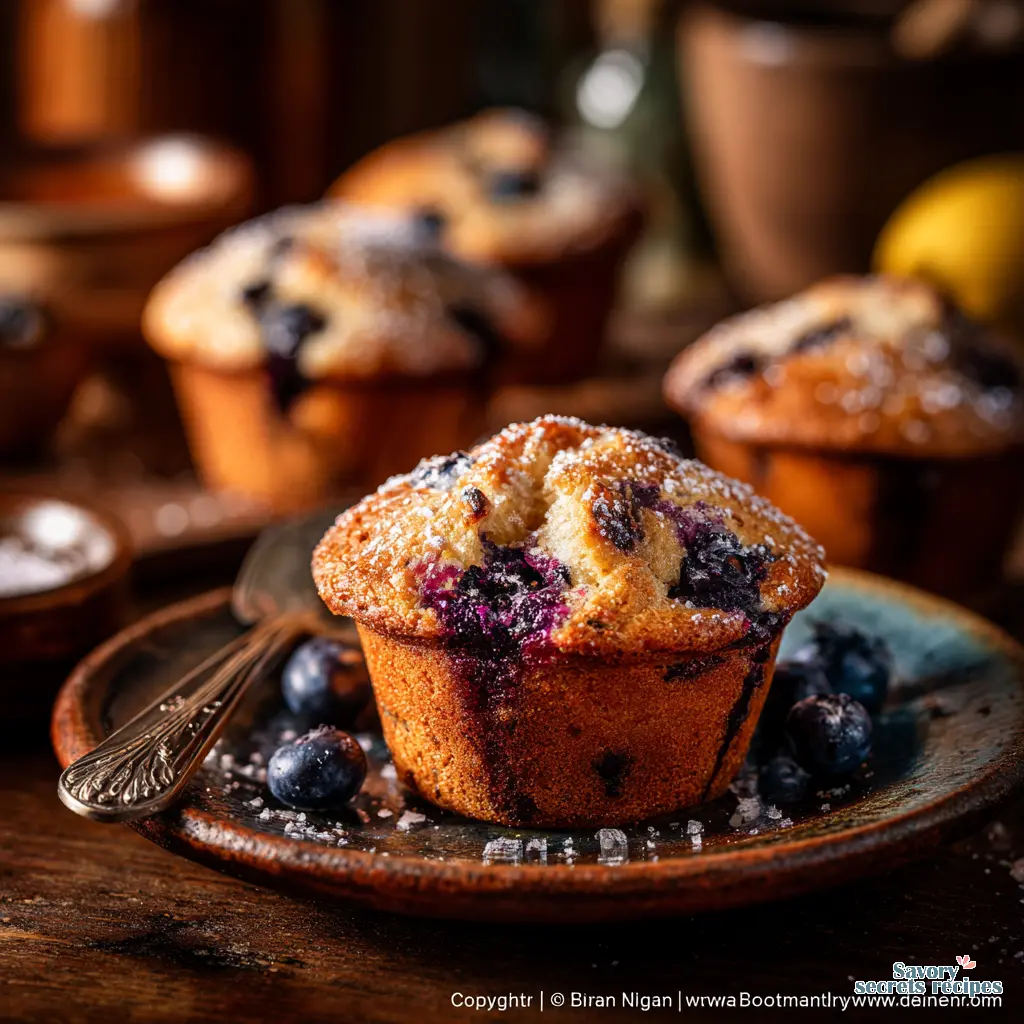
We all want those tall, craggy tops that look like they came from a fancy coffee shop. In my experience, achieving that with blueberry muffins using coconut oil requires a two-step approach involving heat and rest.
First, the rest. Once you mix your batter, let it sit in the bowl or the tin for about 15 to 30 minutes while the oven preheats. This allows the flour to hydrate fully and the baking powder to get a head start. It thickens the batter, which helps it hold its shape as it rises.
Second, the heat. I bake these at a relatively high temperature (400°F) initially. This creates a rapid burst of steam that pushes the muffin top up before the crust sets. If you bake at 350°F the whole time, they tend to spread out rather than up. It is a small tweak, but it makes a huge visual difference.
Handling the Berries: Fresh vs. Frozen
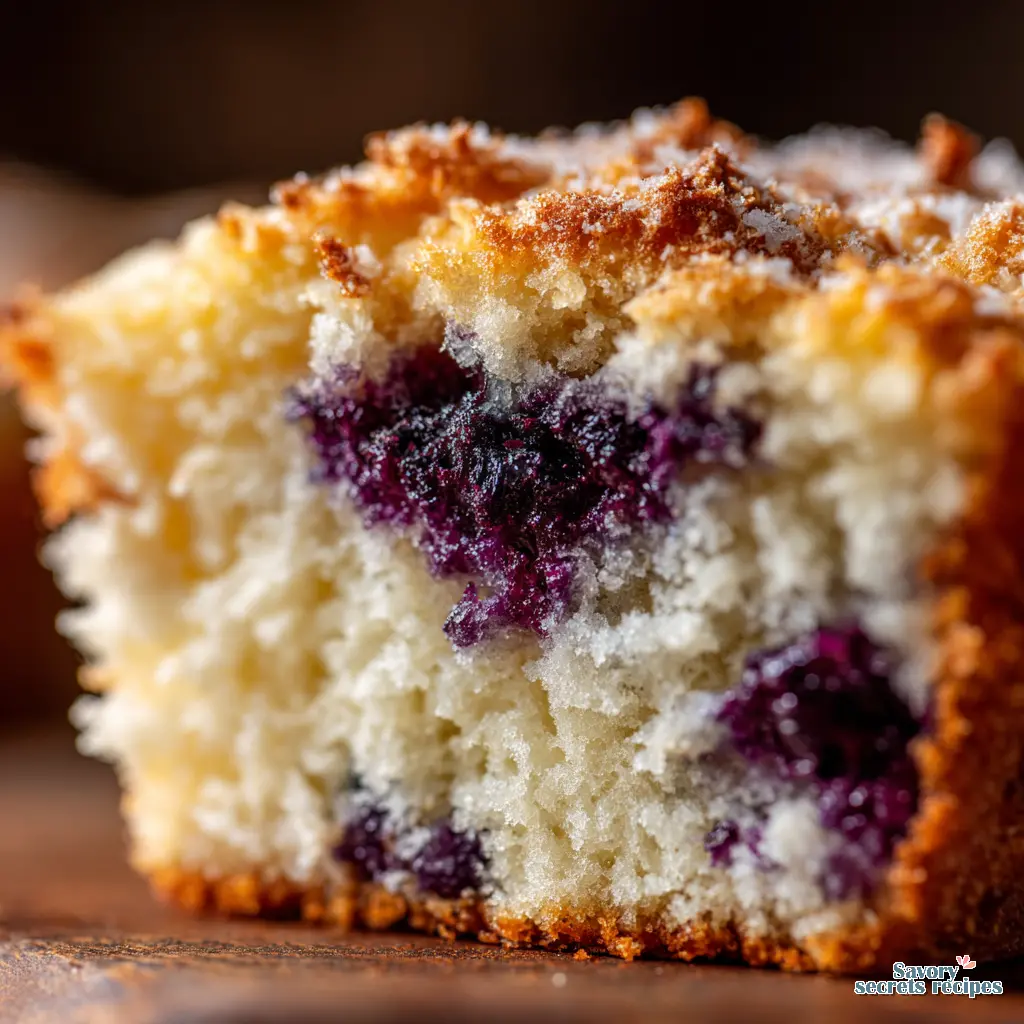
You can absolutely use frozen blueberries for blueberry muffins using coconut oil. In fact, living in New Jersey where berry season is short, I use frozen ones probably 80% of the time. But there are rules.
Do not thaw them. If you thaw frozen blueberries, they release a lot of purple juice. When you stir that into your batter, you will end up with gray, muddy-looking muffins. Keep them in the freezer until the very last second. When you are ready to fold them in, toss them with a tablespoon of flour first. This coating helps grip the batter so they don’t all sink to the bottom.
If you are using fresh berries, wash and dry them thoroughly. Excess water can throw off the moisture balance of the batter. I usually gently pat them with a paper towel before tossing them in. This same technique works perfectly when making banana blueberry muffins to prevent the fruit from bleeding into the batter.
Variations & Substitutions
One thing I love about this recipe is how flexible it is. I’ve tested several variations in my kitchen, and here is what works best. For those looking to reduce the fat content further, blueberry muffins with applesauce are a fantastic alternative.
Making it Dairy-Free
Since we are already making blueberry muffins using coconut oil instead of butter, it is very easy to go fully dairy-free. You can replace the regular milk with almond milk, oat milk, or even soy milk. I’ve found that oat milk provides the creamiest texture because it has a bit more body than almond milk. Just make sure it is unsweetened so you don’t throw off the sugar balance.
Sugar Swaps
If you want to avoid refined white sugar, coconut sugar is a fantastic 1:1 substitute. It adds a caramel-like color and flavor that is really lovely. Just know that your muffins will be a darker brown, not that pale golden color you might be used to. Maple syrup can work too, but since it is a liquid, you’ll need to reduce the milk slightly to compensate.
Lemon Zest
This is hardly a variation, it’s almost a requirement in my house. Rubbing the zest of one lemon into the sugar before mixing it with the wet ingredients releases the oils and makes the kitchen smell amazing. Lemon and blueberry are best friends for a reason.
Common Mistakes & Troubleshooting
Mistake: The Oil Seized (Clumped Up)
Solution: As I mentioned earlier, this happens when cold ingredients hit warm oil. If you see white waxy bits in your batter, you can try gently warming the bowl over a pot of simmering water (like a double boiler) and whisking constantly until it smooths out. Don’t cook the eggs, just warm the batter.
Mistake: The Muffins are Tough
Solution: You likely overmixed the batter. When you add the dry ingredients to the wet, stop mixing as soon as the flour streaks disappear. It is okay if it looks a little lumpy. Lumps bake out; toughness stays.
Mistake: The Berries Sank
Solution: The batter was too thin or you didn’t toss the berries in flour. Make sure you are measuring your flour correctly (spoon and level, don’t scoop!) so the batter is thick enough to suspend the fruit.
Storage and Freezing
Because these blueberry muffins using coconut oil rely on a fat that is solid at room temperature, storage is a little tricky. In the summer, they are fine on the counter. In the winter, or if you keep your house cool, the coconut oil can solidify and make the muffins feel firmer than they actually are.
I store mine in an airtight container at room temperature for up to 3 days. If they feel a bit firm, pop them in the microwave for 10 to 15 seconds. This melts the oil slightly and returns them to that soft, fresh-baked texture. It makes a huge difference.
They also freeze beautifully. Wrap them individually in plastic wrap and then place them in a zip-top bag. They will keep for about 3 months. Just thaw them on the counter or warm them gently before eating.
Frequently Asked Questions
When you pull these out of the oven, the smell of toasted sugar and warm berries will fill the kitchen. The hardest part is waiting five minutes for them to cool enough to handle. I usually burn my fingers on the first one because I just can’t wait.
I hope these blueberry muffins using coconut oil become a staple in your home just like they have in mine. If you make them, I’d love to see how they turned out! For more inspiration, check out my Pinterest boards where I save all my favorite baking experiments.
Happy baking!
Reference: Original Source
Can I use coconut oil instead of vegetable oil for blueberry muffins?
Yes, absolutely. In fact, making blueberry muffins using coconut oil often results in a more tender crumb. Just ensure you melt the oil first and use room temperature eggs so the oil doesn’t clump up in the batter.
What does coconut oil do to muffins?
Coconut oil provides moisture and tenderness similar to butter but without the dairy. It creates a plush texture. If you use unrefined oil, it adds a mild coconut flavor; refined oil is neutral and won’t change the taste.
Can you make blueberry muffins with coconut oil?
You certainly can. It is my preferred method for dairy-free baking. The key is measuring correctly and ensuring your other liquid ingredients aren’t cold, or the batter will seize.
What oil is best for blueberry muffins?
It depends on your goal. For health-conscious baking, coconut oil is great. For a classic, neutral taste, canola or vegetable oil works. For flavor richness, melted butter is king. I prefer coconut oil for the texture balance.
Why do cardiologists say to avoid coconut oil?
Coconut oil is high in saturated fat, which can raise LDL cholesterol. As a dietitian, I recommend enjoying treats like blueberry muffins using coconut oil in moderation as part of a balanced diet, rather than as a daily health supplement.
How does coconut oil affect baking?
It creates a tender, moist crumb because it coats flour proteins well. However, because it solidifies when cool, baked goods can feel firmer if stored in a cold kitchen. Warming them briefly restores the softness.
What not to do with coconut oil?
Never mix melted coconut oil with cold ingredients like milk or eggs directly from the fridge. The oil will instantly harden into waxy lumps that won’t bake out properly.
What is the healthiest oil for muffins?
Avocado oil is excellent as it is heat-stable and heart-healthy with neutral flavor. Olive oil is healthy but has a strong taste. Coconut oil is a good natural option if you are okay with saturated fats.
Do you need to melt coconut oil before baking with it?
For muffins, yes. Most muffin recipes use the “muffin method” which requires liquid fat. Melt it gently and let it cool slightly so it doesn’t cook your eggs.
What is one thing you should never do to a muffin mixture?
Never overmix. Once the dry and wet ingredients meet, stir gently only until combined. Vigorous mixing develops gluten, turning your soft muffins into tough, rubbery bread.
What is the blueberry muffin syndrome?
This is actually a medical term (purpura) referring to skin lesions in infants, not baking! In the kitchen, the only “syndrome” we worry about is sinking berries, which we fix with a flour toss.
What is the secret to a moist muffin?
Fat and sugar balance. Using liquid fats like oil keeps muffins moist longer than butter. Also, don’t overbake; check them a minute or two before the timer goes off.
What oil do professional bakers use?
Many commercial bakeries use soybean or canola oil for cost and texture. High-end bakeries often use a mix of butter for flavor and oil for longevity and moisture.