



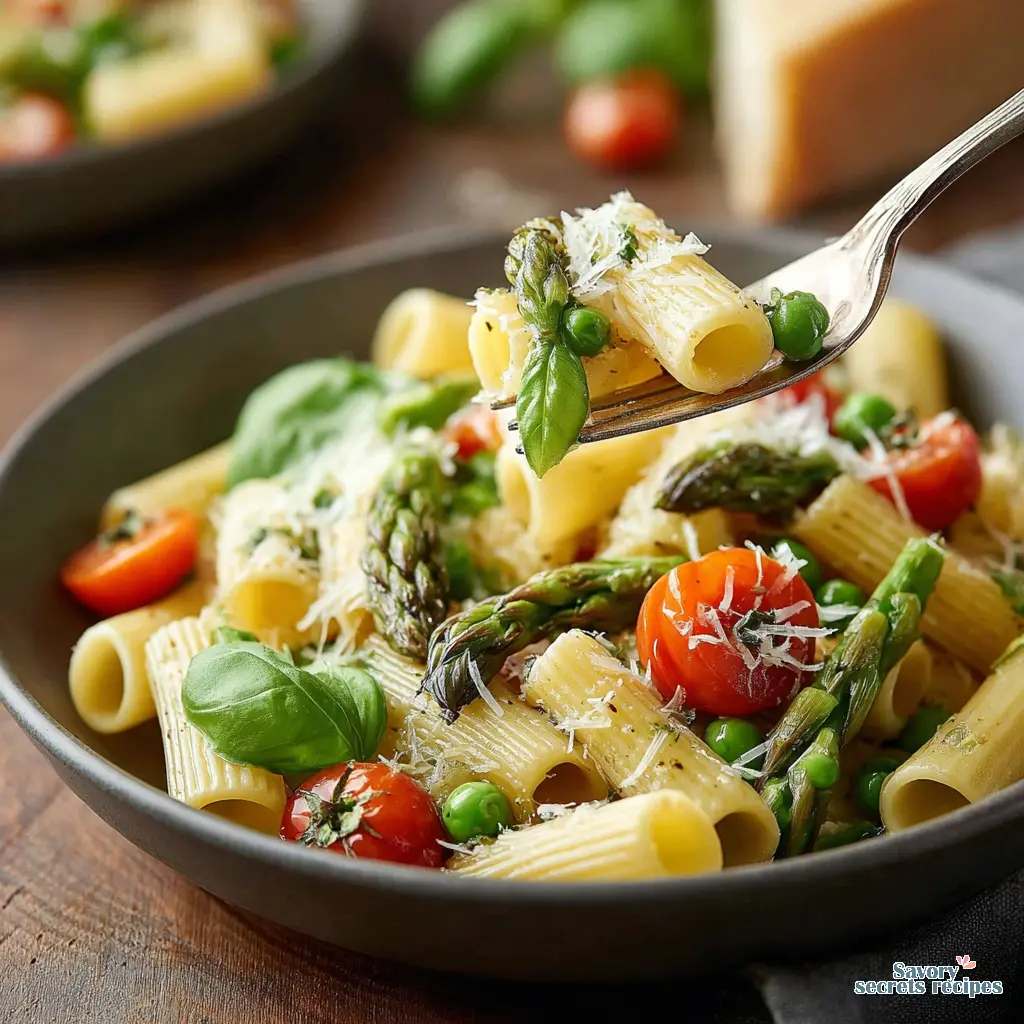
Barilla Pasta Primavera Recipe with Spring Vegetables
Ingredients
Method
- Bring a large pot of salted water to a boil.
- Add the pasta and cook until it reaches a tender consistency.
- Drain the pasta and set it aside.
- Heat the olive oil in a skillet.
- Add the garlic and sauté for one minute.
- Incorporate the vegetables and sauté until they are soft.
- Stir in the cooked pasta.
- Add the Parmesan, salt, and pepper.
- Toss the ingredients thoroughly until evenly coated.
- Serve the dish warm, garnished with fresh basil.
Nutrition
Notes
- Use seasonal vegetables for better taste.
- Don’t overcook pasta; keep it al dente.
- Add lemon zest for extra flavor.
- Use good-quality olive oil.
- Mix cheese just before serving.
The Magic of Brand Name Spring Pasta Recipes
Walking through the Santa Monica Farmers Market and seeing those first vibrant asparagus spears means it’s time for brand name spring pasta recipes. It literally makes me stop in my tracks every single year. You know that familiar Wednesday night dinner panic? It’s 5:30 PM, you’re tired from holiday traffic or just a long workday, and you need something fast. Honestly, brand name spring pasta recipes are my absolute secret weapon for these busy nights.
I mean, we all want that farm-to-table vibe without spending three hours in the kitchen, right? I thought making a restaurant-quality seasonal produce dish was hard, then I discovered this method. I’ve had my share of mushy pasta fails in the past, believe me. You think you’re making a masterpiece, and it turns into a sad, watery bowl of regret. But this? This is foolproof. With temps dropping to 55-60°F during our LA winter, it’s the perfect time to turn on the stove for a cozy 20-minute meal.
Creating brand name spring pasta recipes at home is actually easier than you think. It looks fancy but takes 35 minutes from fridge to table. Your family will be impressed, and you’ll feel like an absolute kitchen genius. Let’s get into the details.
The Uniformity Rule for Vegetable Prep
Let’s start with the easiest first step. Boil heavily salted water. Just get a large pot on the stove. I know some folks stress over finding the absolute perfect fresh veggies, but honestly, frozen peas are a perfectly fine substitute if that’s what you have in the freezer. Don’t worry if you can’t find fresh sweet peas.
The real trick for the best brand name spring pasta recipes is the uniformity rule. Cut all your vegetables into uniform 1/2 to 1-inch pieces for even cooking. This isn’t being fussy, it’s the difference between a clumsy bite and a perfectly balanced forkful. You want a piece of zucchini, a cherry tomato, and a short noodle all in one single bite. It’s about engineering the perfect mouthful.
I think probably the biggest mistake I used to make was roughly chopping everything in a rush. Taking an extra three minutes to dice things evenly ensures they cook at the same rate. Once you understand the basics of prep, the actual cooking part is a breeze.
The ‘Crisp-Meter’: Perfect Veggie Textures
If you want your brand name spring pasta recipes to look like a magazine cover, you have to master the ‘Crisp-Meter’. You have to add vegetables in order of cooking time based on their density. Harder veggies like carrots or thick bell peppers go first. Tender things like zucchini or fresh mint leaves go last.
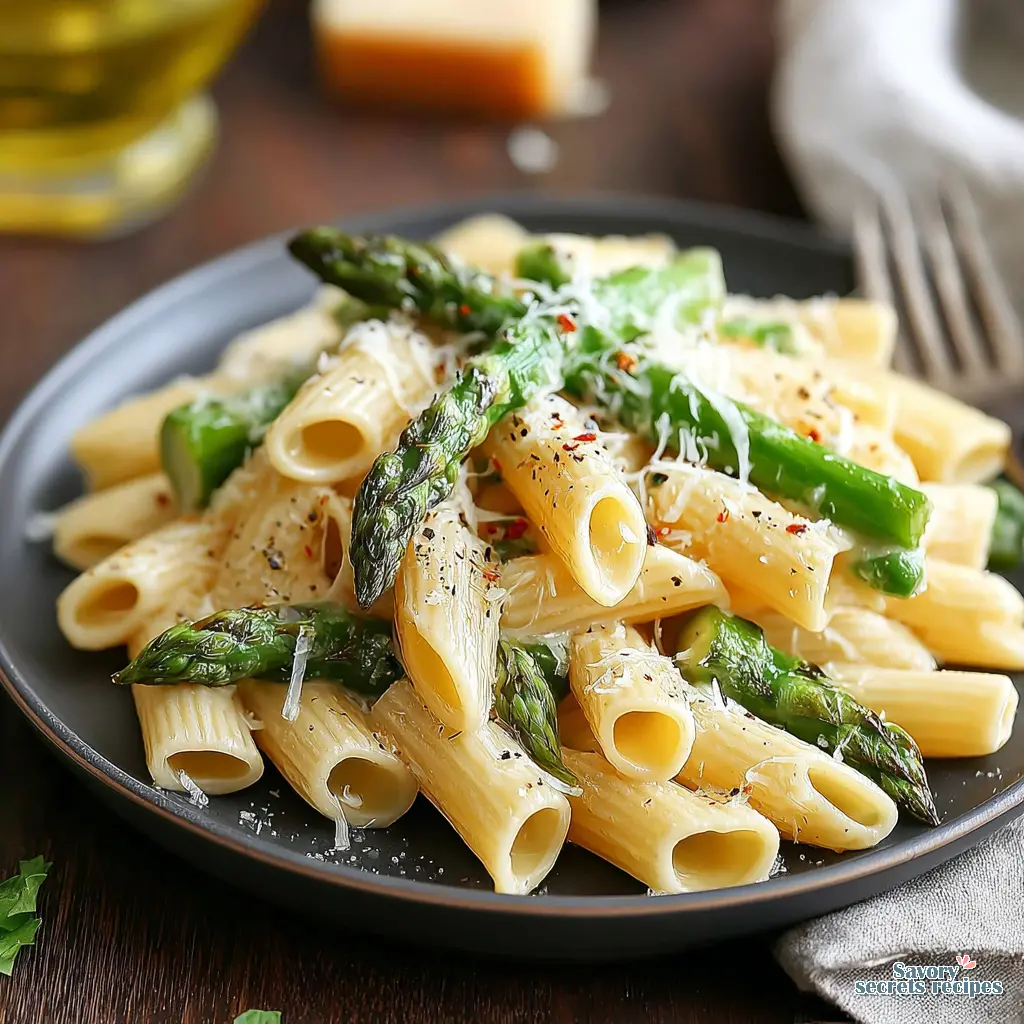
You’re looking for that perfectly tender, tender-crisp texture. The asparagus should have a bright green snap, not droop sadly over your fork. Slightly undercook or blanch the vegetables in the boiling water just before the pasta finishes. This maintains their bright color and prevents them from turning into mush when they hit the hot pan.
Brand Name Spring Pasta Recipes Texture Comparison
I love this part. Testing different brand name spring pasta recipes taught me so much about starch and structure. If you want to make an authentic Barilla pasta primavera recipe, you need the right shape. Always use short pasta shapes like penne rigate or fusilli to match the size of the chunky vegetables. Long strands just don’t work well here.
I weighed this out once, and weighing pasta portions (about 100g dry or 150g fresh per person) gives you the perfect sauce-to-pasta ratio. Cook the pasta al dente so it holds its shape. Barilla holds up beautifully for a one-pot pasta, while De Cecco has a slightly rougher bronze-die texture that grips the sauce like a dream. Both are amazing, honestly.
The Science of the Starch-Water Emulsion
Here’s what I wish someone had told me years ago. The secret to a restaurant-quality dish is the pasta water emulsion. I used to drain all the water down the sink. Never do that. Always reserve starchy pasta water before draining to emulsify and loosen the sauce.
This is why restaurant brand name spring pasta recipes taste so rich. When you mash garlic cloves, lemon zest, and butter together for a garlic-lemon butter base, then whisk in that hot, starchy water… it creates magic. Add a splash of extra virgin olive oil and maybe a touch of crème fraîche or a light cream sauce if you’re aiming for a hello fresh spring pasta copycat recipe. Grate your own Parmigiano-Reggiano cheese to avoid those anti-caking additives. It ensures smooth melting every single time.
Troubleshooting Your Brand Name Spring Pasta Recipes
Don’t panic if your brand name spring pasta recipes sauce separates. I learned this the hard way. You’re stirring everything together, and suddenly the sauce looks greasy and broken. The fix is actually quite forgiving. Just add another splash of that reserved hot pasta water and stir vigorously. The starch binds the fat and liquid back together.
If your sauce feels too dry, a splash of vegetable broth works wonders too. It’s all about controlling the moisture. The pasta will continue to absorb liquid as it sits, so you always want the sauce to look slightly looser in the pan than you want it on the plate. Trust me on this.
Common Mistakes & Fixes
❌ Mistake: Using long pasta strands with chunky vegetables.
✅ Solution: Long noodles tangle and leave the veggies at the bottom of the bowl. Switch to short shapes like penne or fusilli so everything fits on the fork.
❌ Mistake: Overcooking the vegetables until they are mushy.
✅ Solution: Add veggies in stages based on density, and blanch them briefly. They should still have a bright snap when you bite into them.
❌ Mistake: The sauce is dry or greasy.
✅ Solution: You likely forgot to save the pasta water. Always scoop out a cup of that starchy water before draining. It’s liquid gold for emulsifying your sauce.
Storage & Reheating Guide for Brand Name Spring Pasta Recipes
Reheating your brand name spring pasta recipes is quite simple, but you have to be gentle. How long does leftover pasta primavera stay fresh in the refrigerator? You can refrigerate it in an airtight container for 3 to 7 days. I love making a big batch for meal prep Sundays.
You can freeze cooked and finished pasta for a busy day, though the zucchini might soften a bit upon thawing. When reheating, do it gently on the stove top. Add a splash of water or vegetable broth to loosen the sauce and bring that creamy emulsion back to life. Microwaving works in a pinch, but the stove top keeps the textures much better.
those hectic weeknights when you’re tempted to just order takeout. If you’re hosting a lunch, you can even cook the whole thing, let it cool, and serve it as a cold pasta salad. It’s super versatile that way.