



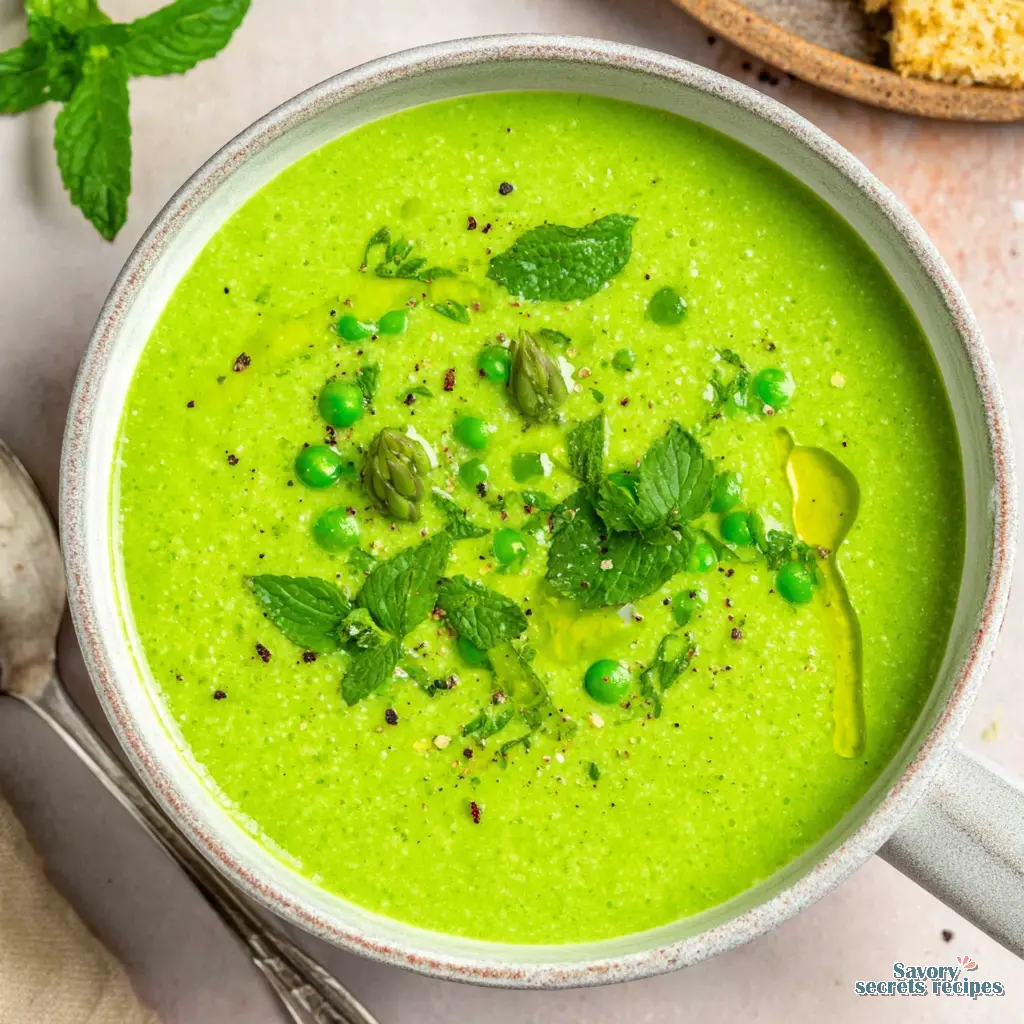
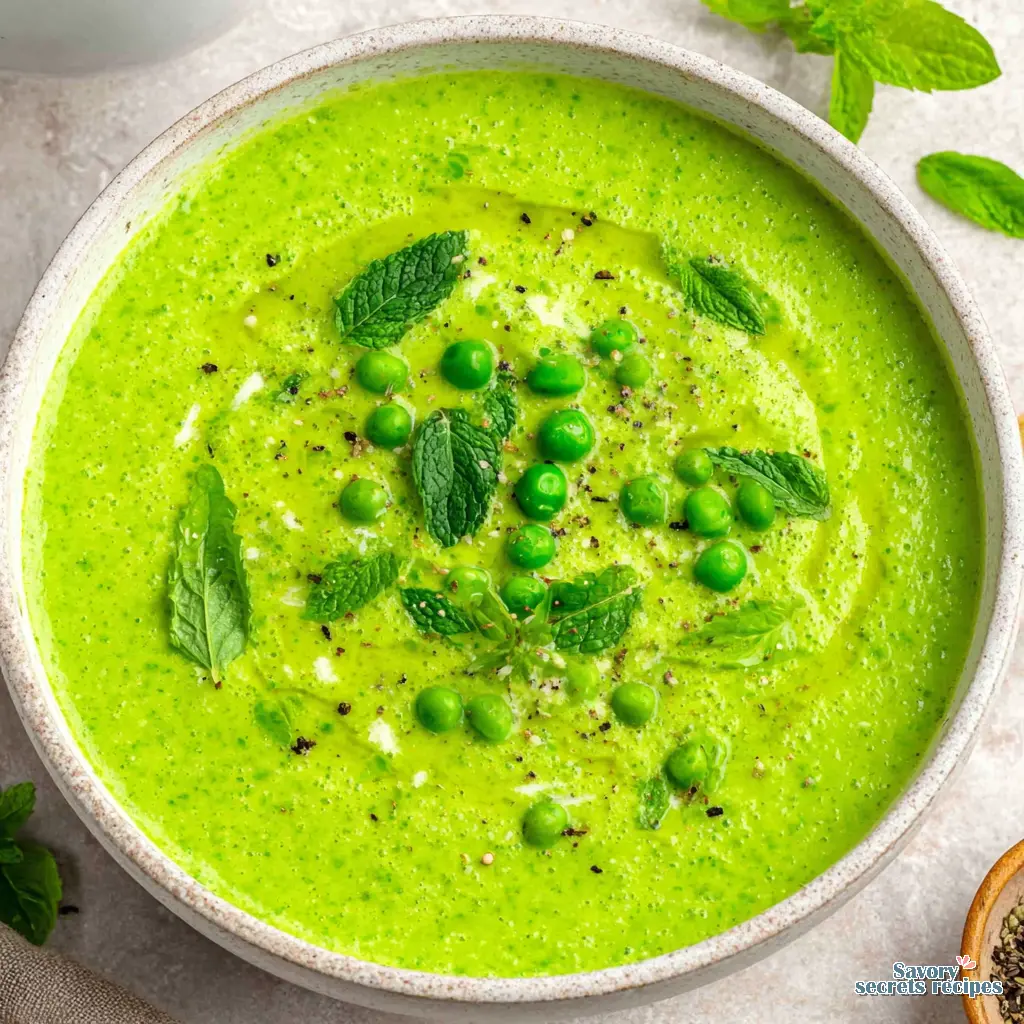
Spring Asparagus and Pea Soup with Mint
Ingredients
Method
- Slice the shallots and garlic.
- Heat olive oil in a saucepot over medium-high heat, then sauté the shallots and garlic for 5 to 7 minutes while stirring.
- Add the peas, mint, and half of the vegetable stock, bring the mixture to a boil, then reduce the heat and simmer for 10 minutes until the peas are tender.
- Puree the mixture until smooth using either a standard blender or an immersion blender.
- Return the soup to the saucepot, stir in the remaining stock, season with salt and pepper, then reheat and serve.
Nutrition
Notes
The Spring Reset We Actually Need
I remember my teta’s kitchen always smelled like cardamom before sunrise. She would grind the beans by hand in this brass grinder that was older than my dad, and I would sit on the counter watching her measure everything by eye. Years later, I tested her eye measurements with a scale. She was accurate to within two grams every single time. That is when I learned precision isn’t about tools. It’s about repetition.
Making a proper pea mint and asparagus soup requires that same kind of quiet attention. Right now, we are hitting that Spring Equinox transition. The winter stews are starting to feel too heavy, and the first signs of the spring harvest are showing up at Tesco and Waitrose. We all want something clean. Something that feels like a palate reset after months of root vegetables. Exploring various spring soup recipes is a great way to make the most of this short-lived produce.
Here’s the thing. A vibrant emerald green soup is a massive mood booster. But I’ve seen too many people attempt an asparagus pea and mint soup recipe only to end up with a bowl of murky, olive-drab liquid that tastes like overcooked grass. I learned this the hard way myself. I once tried to streamline my prep by boiling all the herbs right into the stock. Total disaster. Some shortcuts aren’t worth it.
Let’s walk it back and build this right. We are going for a silky texture, a bright herbaceous flavour, and a colour that practically glows in the bowl. Straight up, this is exactly the spring cleaning your palate needs.
Prepping the Spring Harvest: Asparagus & Peas
You have probably heard about the snap test for asparagus. You bend the spear until it naturally breaks, separating the tender top from the woody ends. That tracks. It works every time. But don’t throw those woody ends away just yet. You can simmer them in your vegetable bouillon for twenty minutes to reinforce that deep asparagus flavour before you even start the main event.
Now, let’s talk about the peas. I am not totally sure why people get so fussy about shelling fresh peas for a weeknight dinner. In my experience, anyway, frozen petite peas are actually superior for this specific application. They are flash-frozen at peak sweetness. They give you a consistent sugar content that fresh peas sitting on a supermarket shelf for three days just can’t match. Grab a 500g bag from the freezer aisle. That’s the move.
If you want to build a milder, less harsh aromatic base, use leeks instead of onions. Just make sure you clean them properly. Slice them down the middle and fan them under cold running water. Sand in your pea mint and asparagus soup is a quick way to ruin a good meal.
The Science of That Vibrant Emerald Green
Getting that perfect colour isn’t magic. It is just basic chemistry. When you cook green vegetables, the chlorophyll breaks down and turns that dull grey-green colour. To prevent this, we use a quick blanching vegetables technique. You want to drop your asparagus and peas into boiling water just until they turn bright green, then immediately hit them with cold water. This locks the colour in.
And here is the real secret for a flawless pea mint and asparagus soup. You absolutely must wait to add your fresh mint leaves until just before serving. If you simmer the mint, it oxidizes. It loses that bright, cooling flavour and turns the soup brown. Add the mint right at the end when you blend. Trust the process.
Acidity also plays a massive role here. A squeeze of fresh lemon juice or a splash of white wine vinegar stirred in right before serving will brighten the whole pot. It balances the sweetness of the peas and cuts through the richness. Dial it in until it’s right. Taste it. If it tastes flat, it needs another minute of blending and a touch more lemon zest.
Blending for a Silky Texture: Immersion vs. Countertop
I have strong opinions on blending. My dad never measured his coffee. He’d just pour beans into the grinder until it looked right. Drove me crazy as a kid. But I get why his way worked for him. He knew his equipment. You need to know your blender for this pea mint and asparagus soup.
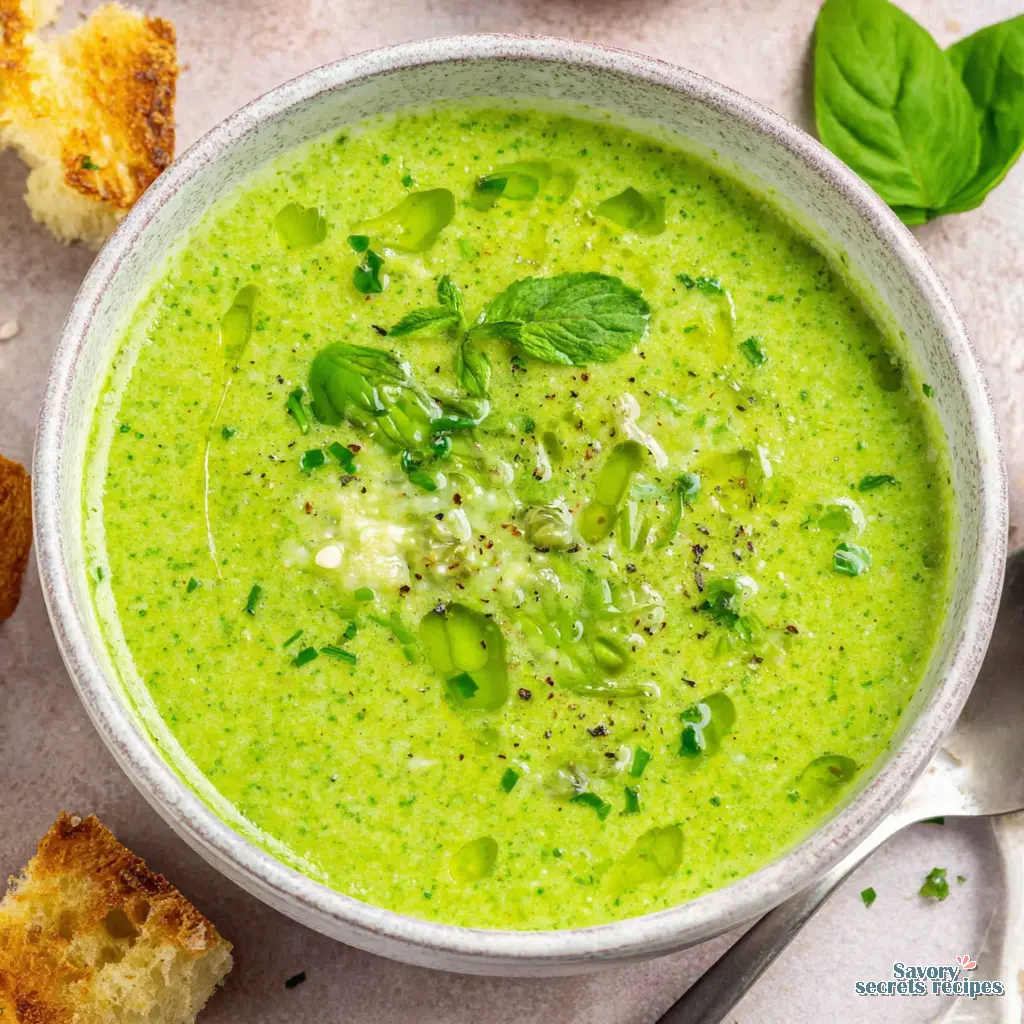
An immersion blender is incredibly convenient. You just stick the wand right into the pot and let it do its thing. It creates a rustic, slightly textured soup. If you want that ultra-smooth, restaurant-quality silky texture, you need a high-speed countertop blender. The swirling vortex of a high-speed blender completely pulverizes the fibrous asparagus bits. Alternatively, if you own a dedicated appliance, making pea and mint soup in a soup maker can streamline the process significantly.
If you are using a countertop blender, please remember that hot liquids expand. Only fill the pitcher halfway, remove the centre cap from the lid, and cover it with a folded kitchen towel. I once painted my kitchen ceiling with hot tomato soup because I ignored this rule. Account for the heat.
To get a creamy texture without heavy cream, the peas actually do a lot of the heavy lifting. Their natural starches thicken the broth beautifully. If you want it richer while keeping it vegan-friendly, a spoonful of cashew cream blended in at the end is brilliant. Otherwise, a dollop of crème fraîche stirred into each bowl works every time.
Common Mistakes & Fixes
Mistake: The soup turned a dull, murky brown colour.
Solution: You added the mint too early or boiled the soup after blending. Always add fresh herbs at the very end and only reheat gently.
Mistake: The texture is stringy and tough.
Solution: You likely didn’t snap off the woody ends of the asparagus. If it’s already blended, pass the soup through a fine-mesh sieve to catch the fibres.
Mistake: The soup separated in the fridge overnight.
Solution: This is completely normal for puréed vegetable soups. Just re-blend it quickly with an immersion blender while you gently reheat it.
Dinner Party Timeline (Making It 24 Hours Ahead)
I tried developing a make-ahead shakshuka recipe once. Failed seven times. The eggs always turned rubbery. Some dishes aren’t meant to be make-ahead. But a pea mint and asparagus soup? That’s the one. It actually tastes better the next day after the garlic and shallots have had time to mingle.
If you are hosting a Spring Equinox or Easter brunch, you can make the entire soup base 24 hours in advance. Just hold back on two things: the fresh mint and the final squeeze of lemon juice. Store the base in an airtight container in the fridge. Right before your guests arrive, gently warm the soup on the stovetop over medium-low heat. Do not let it boil. Boiling mutes the fresh flavours.
Once it is warm, toss it in the blender with your fresh mint leaves and a glug of extra virgin olive oil. The warm soup will slightly wilt the mint, releasing all those essential oils without cooking them. Pour it into bowls, add your lemon zest, and you look like an absolute professional.
Storage, Freezing, and Serving Hot or Cold
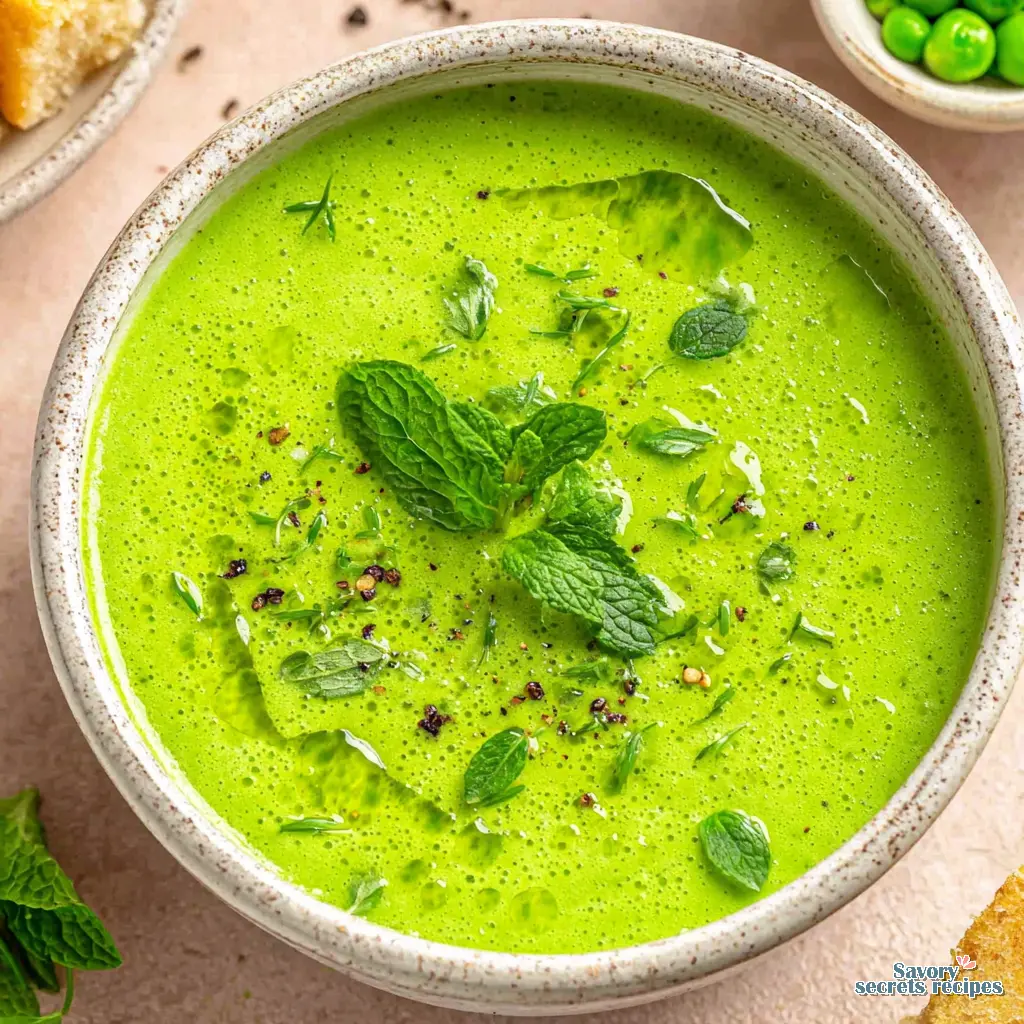
This soup is incredibly versatile. I like breakfast foods that taste good cold because mornings are unpredictable. Same goes for lunch. A chilled pea mint and asparagus soup on a surprisingly warm afternoon is fantastic. If you are serving it cold, you will need to season it more aggressively. Cold temperatures dull our perception of salt and acidity, so add an extra pinch of salt and a bit more lemon juice.
For storage, keep any leftover pea mint and asparagus soup in an airtight container in the refrigerator for up to three days. If you want to freeze it, it holds up beautifully for about three months. Just transfer it to freezer-safe bags or containers, leaving an inch of space at the top for expansion.
When you are ready to eat the frozen soup, thaw it overnight in the fridge. Reheat it gently in a saucepan over low heat. If it looks like it has separated, don’t panic. Just hit it with your immersion blender for ten seconds. The ratio’s not off. It just needs a quick emulsion.
Frequently Asked Questions
Wrapping It Up
When you take that first bright, herbaceous sip of this pea mint and asparagus soup, you’ll understand why I am so particular about the timing of the mint. It tastes exactly like spring should. Pair it with a thick, crusty piece of sourdough to mop up the bowl, and you have got a meal that is light, satisfying, and genuinely beautiful to look at. Even when things get chaotic in the kitchen, taking thirty minutes to make something this vibrant just feels right. Try it out this weekend.
For more inspiration, check out my Pinterest boards where I save all my favourite seasonal transition recipes and weekend projects.
Reference: Original Source
How do you make a creamy pea mint and asparagus soup without using heavy cream?
You actually don’t need dairy for a creamy texture. The natural starches in the frozen petite peas thicken the broth beautifully when blended. For extra richness, I like adding a spoonful of cashew cream or just relying on a solid drizzle of extra virgin olive oil at the end.
Can I add other green vegetables like broccoli to an asparagus pea and mint soup recipe?
Absolutely. A pea mint and broccoli soup is a great variation. Just swap out half the asparagus for broccoli florets. Make sure you blanch the broccoli just like the asparagus to keep that vibrant emerald green colour. It adds a lovely earthy depth to the final dish.
Do I need to peel the asparagus spears before making spring asparagus and pea soup with mint?
Not usually. Unless you bought incredibly thick, late-season asparagus with tough outer skins, peeling is unnecessary. Just use the snap test to remove the woody ends, and a good immersion blender or high-speed blender will take care of the rest, giving you a perfectly silky texture.
How long can you store leftover pea mint and asparagus soup in the refrigerator?
Your pea mint and asparagus soup will stay fresh in an airtight container in the fridge for up to three days. If it separates slightly overnight, don’t worry. Just give it a quick stir or re-blend it while reheating gently on the stovetop. Never let it boil!
What are the best toppings to serve with a fresh broccoli and pea soup with mint and garlic?
I love keeping it simple. A drizzle of high-quality olive oil, some cracked black pepper, and a few reserved asparagus tips work perfectly. If you want a Mediterranean vibe, crumbled feta cheese and crispy pita croutons are solid choices that add great textural contrast.