



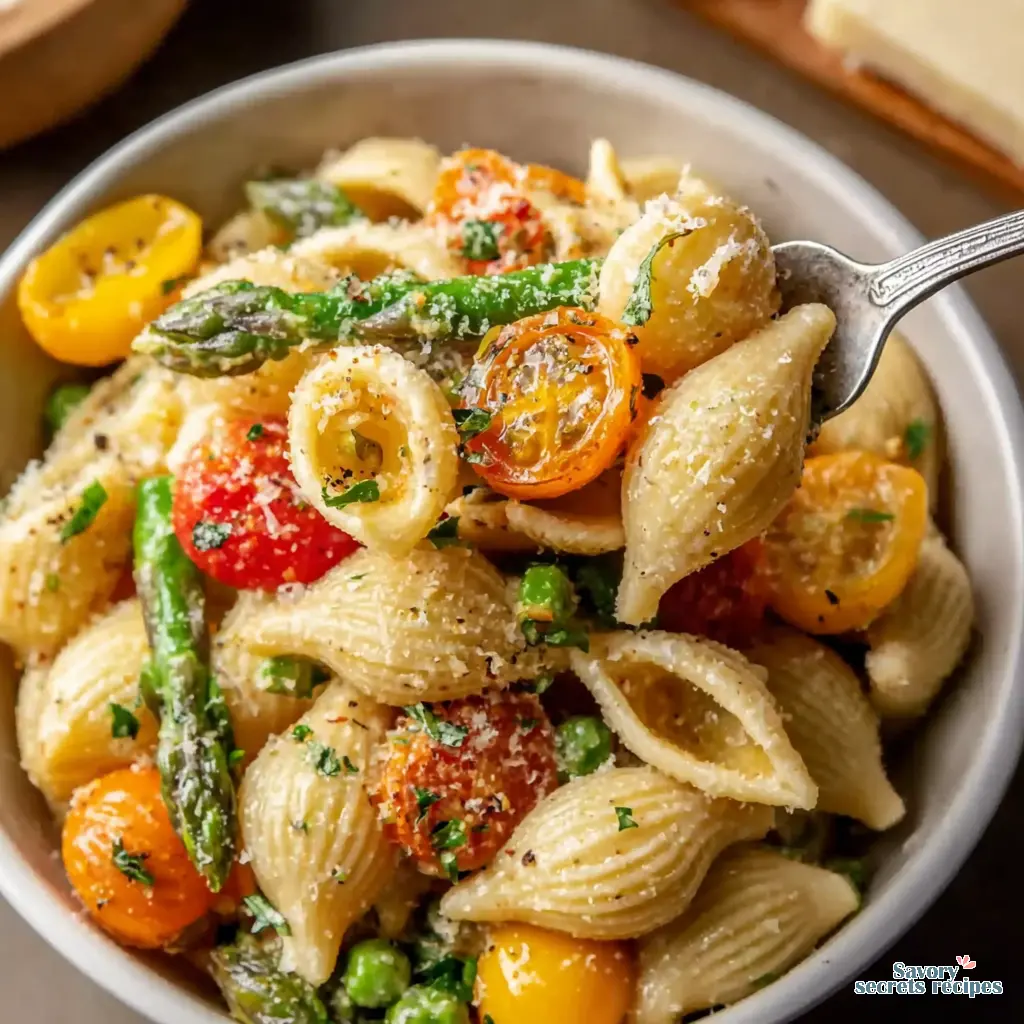
Creamy Spring Lemon Pasta Recipe
Ingredients
Method
- Boil the pasta until al dente according to the package directions, then drain and set aside.
- Heat olive oil in a large skillet over medium heat and sauté the garlic until fragrant.
- Add the bell peppers, zucchini, and broccoli, then cook for 5 to 7 minutes until the vegetables are tender.
- Stir in the cherry tomatoes and cook for an additional 2 minutes.
- Lower the heat and pour in the heavy cream, stirring until the sauce thickens slightly.
- Mix in the Parmesan cheese, salt, and pepper until well combined.
- Toss the cooked pasta with the sauce and vegetables until thoroughly coated.
- Garnish with fresh basil and serve immediately.
Nutrition
Notes
The Season for a Creamy Spring Pasta Recipe
Today is the Spring Equinox. Finally. We are officially done with heavy, deeply roasted winter stews. Those gray, endless months of root vegetables are behind us. I usually write about baking, and I’ll tell you that lamination shows you everything about your technique. But my grandmother Zoya taught me that savory food needs just as much precision. She would stand in her Brighton Beach kitchen with her arms crossed while I chopped vegetables. If I rushed the process, we started over. She understood that transitioning your kitchen from winter to spring requires a shift in methodology.
You want something fresh but comforting. A creamy spring pasta recipe is exactly what you need for those 50-degree LA evenings when it’s still just chilly enough to turn on the stove. This dish bridges the gap. It gives you that rich, velvety comfort you crave after a long workday, but it relies on bright, snappy vegetables to keep things light. You’ll find yourself making this immediately after your next Trader Joe’s run. I know this sounds complicated because cream sauces have a reputation for breaking. They don’t have to. Let’s be clear about this. If you respect the temperatures and the timing, you’ll get a glossy, emulsified sauce every single time.
Prepping Your Spring Vegetables Correctly
I need you to show me your process for prepping vegetables. Most people just chop off the ends of their asparagus spears and call it a day. That’s not how this works. You need to use the natural break method. Hold the asparagus spear near the base and bend it gently. It will naturally snap right where the woody, tough part ends and the tender stalk begins. This isn’t being fussy. It’s the difference between a pleasant bite and chewing on fibrous tree bark. Once snapped, cut them into one-inch pieces so they match the size of your pasta. For those who love these specific greens, our spring pasta recipe with asparagus and peas offers even more preparation tips.
Now, let’s talk about sweet peas. Fresh are wonderful if you can find them at the Santa Monica Farmers Market. But honestly, frozen peas are a perfectly fine alternative. I use them constantly. However, you can’t just dump frozen peas directly into your hot pan. Temperature matters here. If you add frozen vegetables to your sauté pan, the temperature drops immediately. Your shallots stop cooking, and your garlic cloves risk steaming instead of softening. Rinse your frozen peas under warm water in a colander first. Bring them up to room temperature. That’s the correct instinct.
The Science of a Light Cream Sauce
A truly great creamy spring pasta recipe doesn’t rely on gallons of heavy cream to do the heavy lifting. We are building an emulsified sauce. Starchy pasta water is half the equation. As your pasta boils, it releases starch into the water. This cloudy, salty liquid is liquid gold. When you combine that starchy water with a modest amount of heavy cream or cream cheese, the starch bonds with the fat. This prevents the cream from separating and creates a velvety texture that actually clings to the noodles.
Many traditional recipes call for white wine deglazing. We are skipping the alcohol completely here. Instead, you’ll deglaze your pan with a splash of vegetable broth and fresh lemon juice. This lifts all those browned bits of garlic and shallot off the bottom of the pan. But here is the trick with lemon and dairy. Lemon juice can curdle hot cream if you aren’t careful. You must temper the heat. Lower your burner temperature before adding the dairy. Stir constantly. I prefer using mostly lemon zest for that bright floral flavor, adding just a squeeze of juice at the very end off the heat. Use a microplane for zesting and a dedicated juicer to get every drop. Roll your lemons on the counter for 15 seconds first. It breaks the cell walls and gives you twice as much juice.
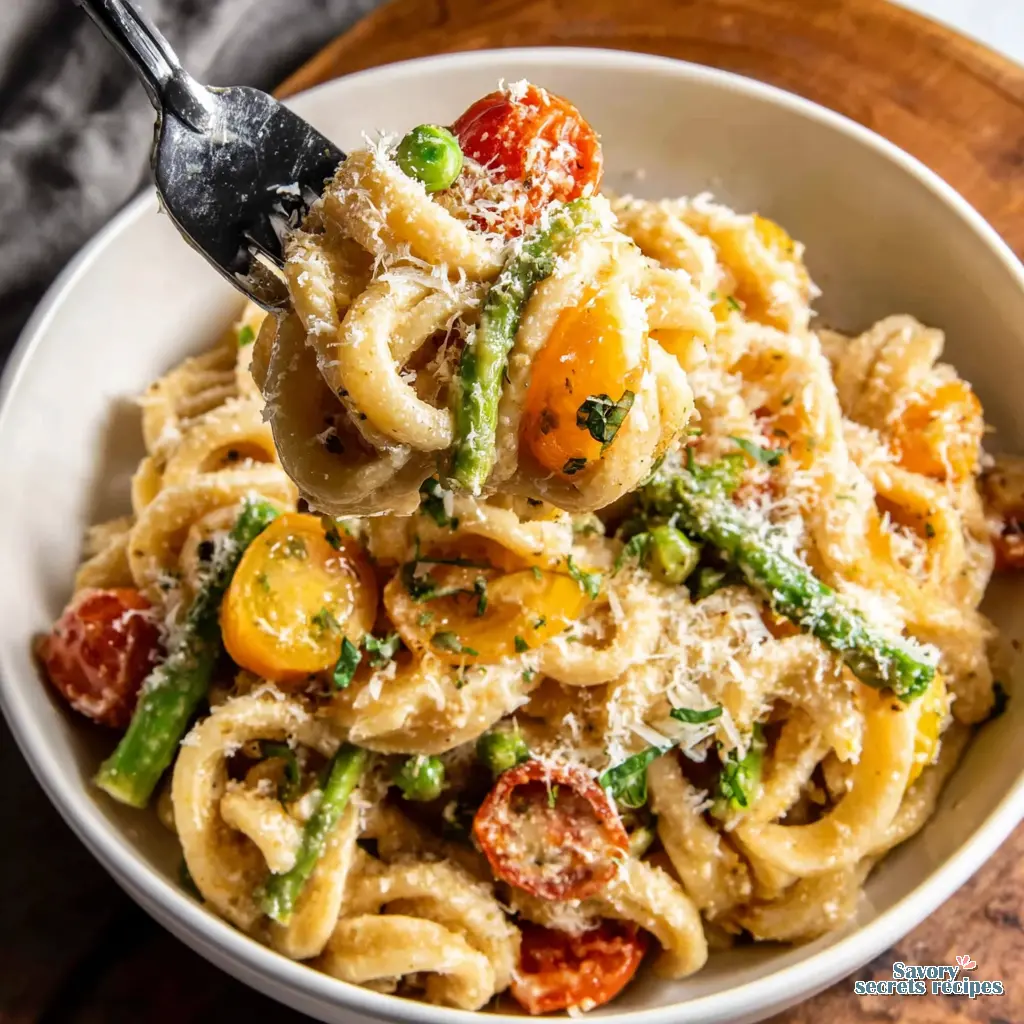
Timing Your Creamy Spring Pasta Recipe
Timing your vegetable additions is critical. I’ve ruined batches of pasta by throwing everything into the pot at once. If it doesn’t look right, it isn’t right. You want your vegetables to maintain a distinct snap and a bright green hue. Blanching vegetables separately is one option, but we want a one-pot pasta feel for a weeknight dinner. Sauté your denser vegetables like bell peppers and zucchini first. Give them a head start in the extra virgin olive oil. Add your asparagus spears in the last three minutes of cooking. Add your warmed sweet peas in the final sixty seconds. They only need to heat through.
Your pasta choice matters immensely. I see people using long, thin spaghetti for chunky vegetable dishes. That might be regional, but I’d need to verify why anyone thinks that works. Choose short, ridged pasta shapes like fusilli, penne, or rigatoni. The ridges catch the light cream sauce, and the size matches the chopped vegetables. You get a perfect ratio of pasta, sauce, and spring produce in every single bite. Cook the pasta until it is just shy of al dente. You will finish simmering the pasta directly in the sauce for the last two minutes. This allows the starches to release directly into the cream, thickening it naturally. If you prefer a chilled alternative, consider the preparation for a spring pasta salad recipe instead.
Common Mistakes & Fixes
Mistake: The sauce curdles and looks grainy.
Solution: Your pan was too hot when you added the dairy, or you added lemon juice directly to boiling cream. Always lower the heat to a gentle simmer before adding heavy cream or cream cheese. Add lemon juice off the heat.
Mistake: The sauce pools at the bottom of the bowl.
Solution: You didn’t emulsify the sauce properly. You need to vigorously toss the pasta with the cream and a splash of starchy pasta water. The agitation forces the fat and water to bind.
Mistake: The asparagus is mushy and olive green.
Solution: You cooked it too long. Asparagus only needs 2 to 3 minutes in the pan. It should still have a slight crunch when you pull it from the heat. Carryover cooking will finish the job.
Building Texture and Flavor Variations
A great creamy spring pasta recipe needs texture contrast. Creamy sauce and soft noodles require a crunch. I love topping this dish with toasted parsley breadcrumbs. Just toast some panko in a dry skillet with a little olive oil, garlic powder, and finely chopped fresh parsley. It takes three minutes and changes the entire dish. If you want to add protein, sautéed chicken breast or grilled shrimp work perfectly. Just cook them first, remove them from the pan, and fold them back in at the end so they don’t overcook.
We’re not guessing on this one regarding dietary substitutions. If you need a dairy-free version, I’ve tested it. Use full-fat canned coconut milk or a rich almond milk creamer. You’ll want to add a tablespoon of nutritional yeast to mimic the savory depth of Parmigiano-Reggiano. If you prefer a vibrant green color, fold a dollop of fresh basil pesto into the cream sauce right before serving. The smell of garlic, basil, and lemon hitting the warm pasta is incredible. It smells like a Saturday morning in our old Logan Square apartment.
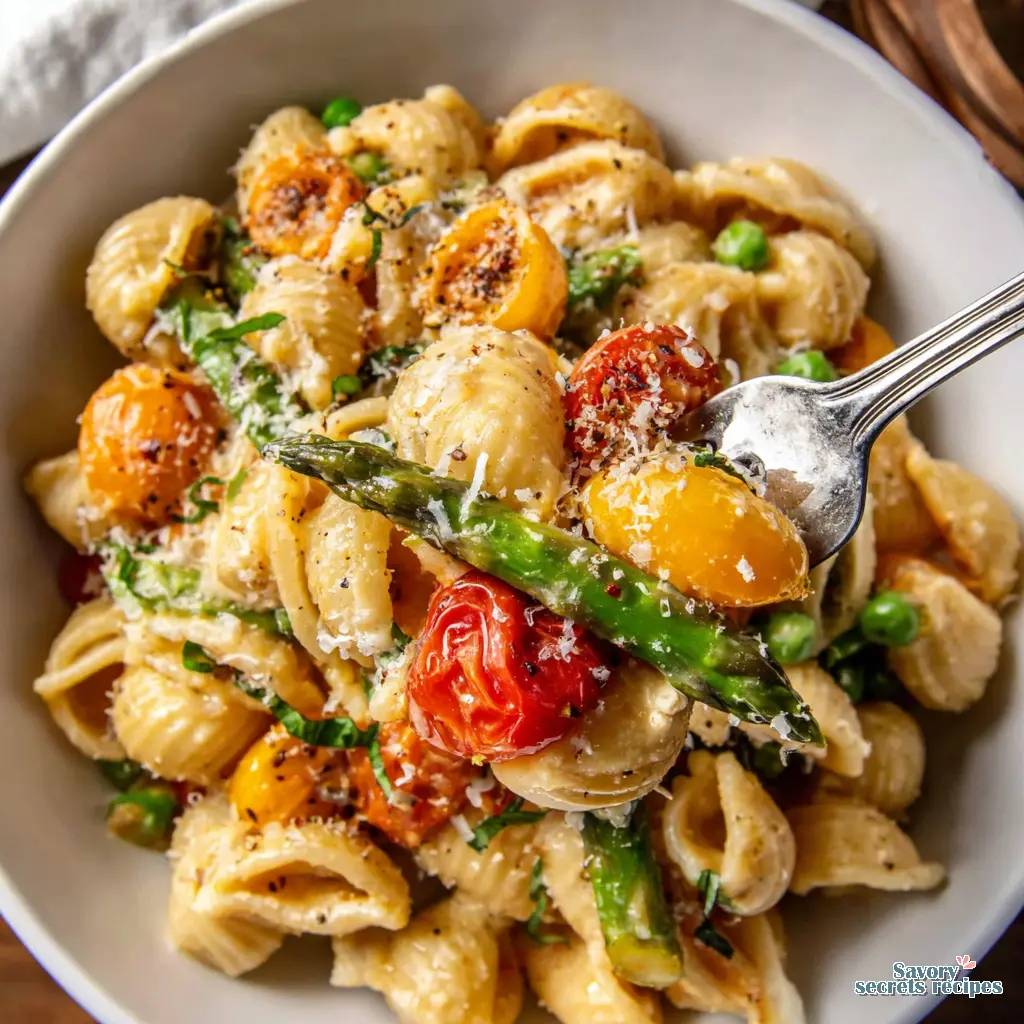
Storing and Reheating Your Creamy Spring Pasta Recipe
Proper storage is crucial for dairy-based sauces. Let’s be clear about this. You can’t just throw hot pasta into a plastic container and seal it. The condensation will water down your beautiful sauce. Let the pasta cool to room temperature for about twenty minutes. Then, transfer it to an airtight container. It will keep in the refrigerator for up to three days. The sauce will firm up significantly in the fridge. That’s entirely normal because the fats solidify when chilled.
Reheating is where most people ruin their leftovers. The microwave will aggressively separate your sauce into a greasy, broken mess if you aren’t careful. I prefer stovetop reheating. Place your leftover creamy spring pasta recipe into a skillet over medium-low heat. Add a generous splash of water, vegetable broth, or extra milk. As the pan warms, gently toss the pasta. The added liquid helps re-emulsify the sauce, bringing it back to that silky, glossy texture you had on day one. If you must use a microwave, heat it on 50% power in one-minute bursts, stirring well between each interval with a splash of water.
Frequently Asked Questions
Bringing Spring to Your Table
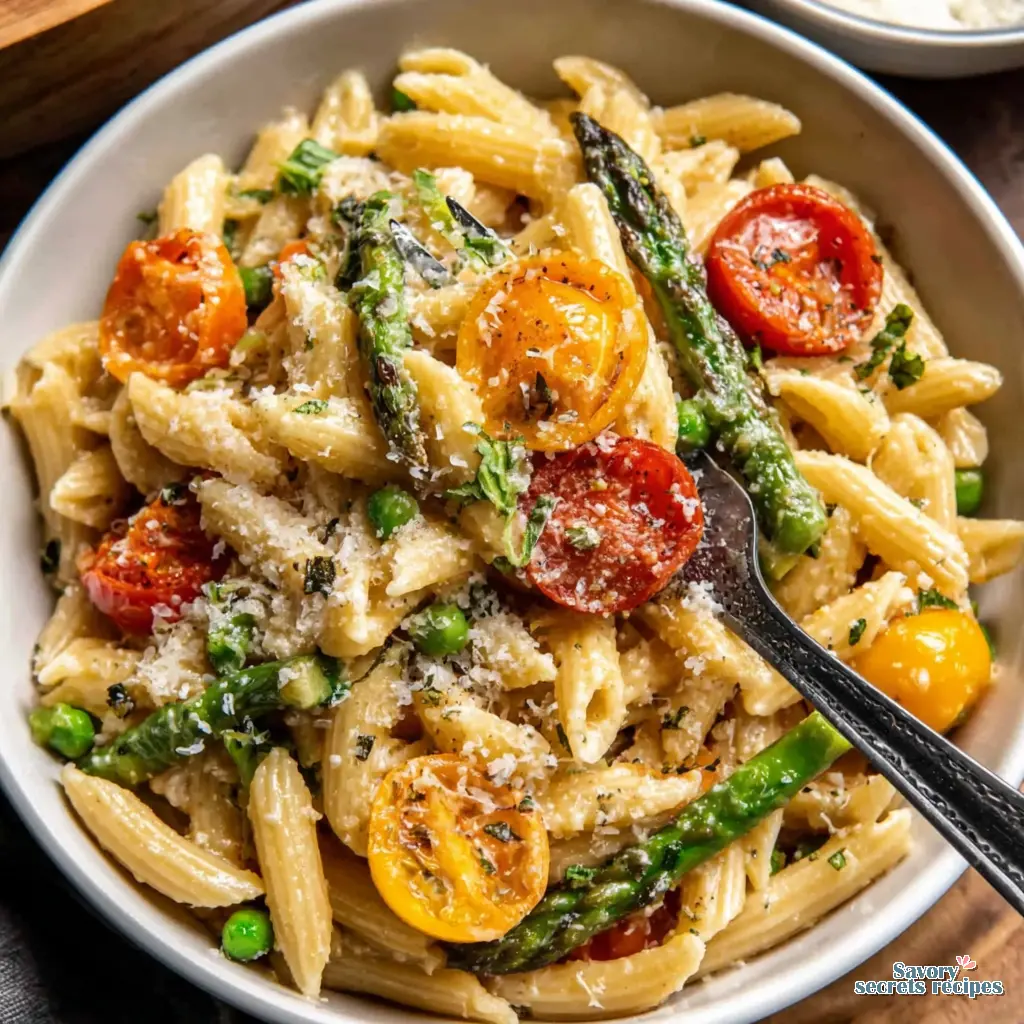
When you take that first bite of this creamy spring pasta recipe, you’ll understand why precision matters. The sauce coats the back of your spoon perfectly. The asparagus snaps. The lemon zest cuts right through the richness of the cream. My daughter Maya helped me test this final version, standing on her step stool, carefully watching the sauce thicken. She took one bite and gave me a thumbs up. That’s all the validation I need. Grab some fresh produce on your next grocery run, respect the temperatures, and enjoy the evening sun. You’ve got this.
I share tons of variations on my Pinterest boards if you want ideas for adapting this to whatever vegetables you have in your crisper drawer. Come say hello over there.
Reference: Original Source
What is the best creamy spring pasta recipe to showcase seasonal vegetables?
The best approach uses a light cream base emulsified with starchy pasta water. This coats delicate vegetables like asparagus and peas without suffocating them. You want a sauce that enhances the fresh produce, not a heavy winter Alfredo that masks the bright spring flavors.
How do you make a light cream sauce for spring vegetables that isn’t too heavy?
You rely on pasta water. By vigorously tossing your cooked pasta with just a half-cup of heavy cream and a ladle of salty, starchy cooking water, you create a velvety emulsion. It feels rich on the palate but sits lightly in the stomach.
Can I use cream cheese in a spring pasta recipe to achieve a richer texture?
Absolutely. Cream cheese is a fantastic stabilizer. Whisk two ounces of softened cream cheese into your warm vegetable broth and pasta water mixture until smooth. It melts beautifully and provides a subtle tang that pairs perfectly with lemon zest and spring herbs.
What are the best seasonal vegetables to include in a spring lemon pasta recipe?
I look for ingredients that peak in early spring. Asparagus spears, sweet peas, leeks, and tender spinach are my favorites. You can also add artichoke hearts or thinly sliced zucchini. The trick is cutting them uniformly so they cook at the same rate.
How do I prevent the lemon from curdling the sauce in a creamy lemon pasta with spring onions?
Temperature control is everything. Never add cold lemon juice to boiling dairy. Lower your heat to a gentle simmer, stir in your cream, and take the pan completely off the heat before stirring in the lemon juice. Using mostly lemon zest also prevents curdling.
Can I make this creamy spring pasta recipe ahead of time?
I don’t recommend making the full dish ahead, as the pasta will absorb the sauce and become mushy. However, you can prep all your vegetables, zest your lemons, and measure your dairy a day in advance. The actual cooking takes under twenty minutes.
Is this creamy spring pasta recipe vegetarian?
Yes, the base recipe is entirely vegetarian. Just ensure you are using a vegetable broth for deglazing and verify that your Parmigiano-Reggiano or alternative cheese is made with vegetarian rennet. It’s hearty enough that you won’t miss the meat at all.