




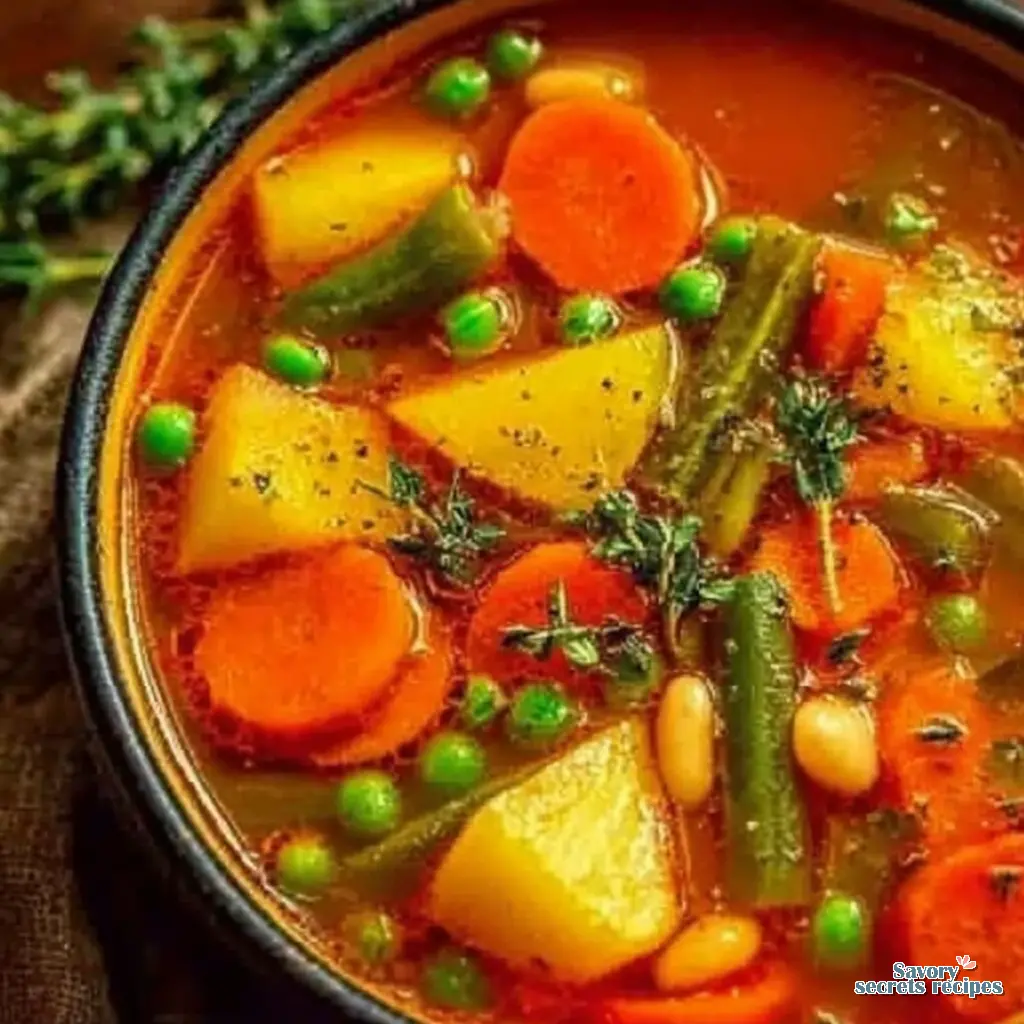
Best Vegetarian Vegetable Soup with Spring Herbs
Ingredients
Method
- Brown the ground beef with the diced onions, carrots, and celery in a large pot over medium-high heat, then drain any excess grease.
- Season the beef mixture with seasoned salt, onion powder, garlic powder, salt, and black pepper.
- Add the diced tomatoes, tomato sauce, beef broth, corn, green beans, and beefy onion soup mix, then simmer gently for 15 to 20 minutes.
- Stir in the diced potatoes and cook for 10 to 15 minutes until fork-tender, adjusting the seasoning as needed before serving.
Nutrition
Notes
Why This Fresh Vegetable Broth Soup Changes Everything
I grew up watching my grandma Evelyn pull fully assembled meals out of her garage freezer like magic tricks. She’d peel back the foil, read her own Sharpie notes, and dinner was handled. I didn’t realize until college that not everyone’s grandma had a freezer inventory system. Now that my daughter is in kindergarten and our mornings are a chaotic rush to the bus stop, I finally get it. Future you will thank you when you have a batch of this fresh vegetable broth soup waiting in the fridge.
Honestly, store-bought cartons of broth are holding your cooking back. They taste flat and usually cost way too much for what is essentially flavored water. But making a fresh vegetable broth soup from scratch? That changes the whole equation. It turns literal kitchen trash into absolute treasure. We’re going to build a gorgeous, liquid gold homemade stock using simple vegetable scraps. It’s completely doable on a Sunday afternoon. The whole house is going to smell like garlic, fresh thyme, and comfort. If you prefer a quicker alternative, you might also enjoy this light vegetable soup recipe for a busy weekday.
With temps dropping to 55°F here in LA, it’s the perfect time for oven recipes and simmering pots. It’s comfort food season without heating up your apartment too much. Plus, this hearty vegetarian meal is easier than takeout and half the price in this economy. Let’s get into how to build it properly.
Your Zero-Waste Scraps Collection Guide
Here’s the thing about sustainable cooking. You don’t need to buy expensive, picture-perfect produce to make the best vegetarian vegetable soup with spring herbs. You just need a freezer bag and a little bit of foresight. Every time I chop an onion, peel a carrot, or trim celery for my weeknight meals, those pieces go straight into a gallon bag in my freezer. I genuinely love the feeling of opening a well-organized fridge on Monday morning knowing nothing went to waste. This method is perfect when preparing the base for a Spring Vegetable Soup.
Start saving the ends of your earthy, sweet, and savory veggies. Carrots, parsnips, and leeks are absolutely perfect for this. Keep those mushroom stems and garlic skins, too. Once the bag is full, dinner’s already halfway done. Just ensure all vegetable scraps are clean and free of mold before using them for your fresh vegetable broth soup. Using kitchen scraps instead of whole vegetables for your broth base saves money and builds an incredibly deep flavor profile.
I think this works best when you have a good mix of sweet and savory scraps. If you only use carrot peels, your broth will be too sweet. Balance it out with plenty of onion skins and celery tops. You’ll know it when you smell it simmering.
The Science of Bitter Broth (And What to Avoid)
I learned this the hard way. Early in my meal prep days, I tossed a huge pile of leftover broccoli stalks and cabbage cores into my stock pot, thinking I was being the ultimate zero-waste queen. The result was a bitter, unpalatable mess that smelled vaguely of old gym socks. I had to throw the whole thing out. Some lessons you only need to learn once.
Avoid cruciferous vegetables entirely when making broth. Broccoli, cabbage, cauliflower, and brussels sprouts will turn your beautiful homemade stock bitter. They release strong sulfur compounds during the long simmering process. This isn’t being fussy, it’s the difference between a sweet, golden broth and something you can’t force yourself to eat.
Stick to your classic mirepoix of onions, carrots, and celery to build a reliable flavor base. That tracks with classic French cooking techniques, and it works perfectly for our fresh vegetable broth soup. If you want to use up those broccoli florets, save them to add at the very end of your soup-making process, not during the broth phase. This careful addition of greens is a hallmark of a great easy spring soup dinner.
Building Your Mirepoix and Flavor Base
I like recipes that scale up without changing the technique. For a truly hearty vegetarian soup, you need to layer your aromatics properly. Cook your garlic and spices in a combination of olive oil and butter for about one minute before adding any liquid. If you’re keeping it dairy-free, use coconut oil or just stick to a good quality olive oil. This blooms the spices in the fat and prevents burning.
If you want a deeper color, add a little tomato paste during the sauté stage. It caramelizes on the bottom of the pot and gives the broth a rich, roasted undertone. I’m a little obsessed with this trick. It makes your fresh vegetable broth soup look and taste like it simmered for three days instead of thirty minutes.
You can also use fresh tomatoes instead of canned if you picked some up at the Santa Monica Farmers Market. Just remember that one pound of fresh tomatoes roughly equals a 15-ounce can. Let them break down completely in the oil before you pour in your water.
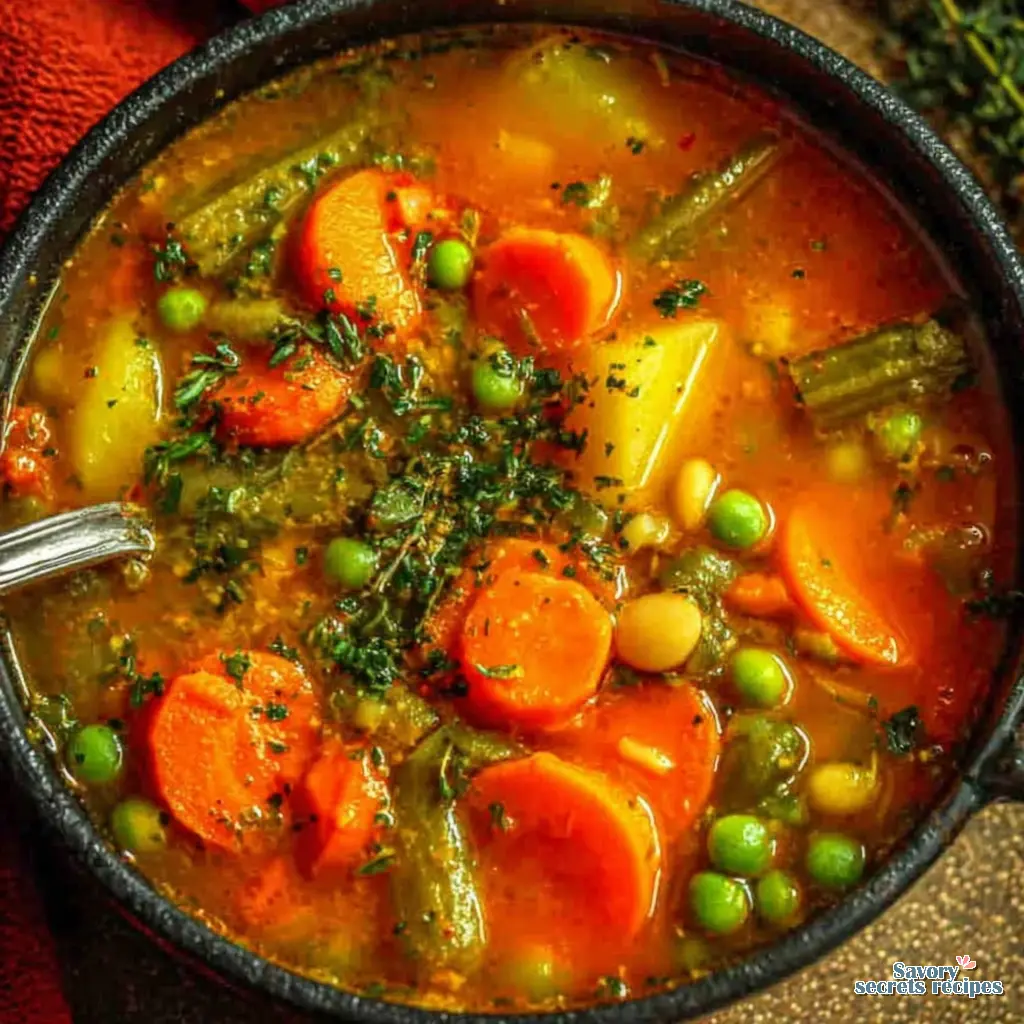
Vegetable Timing Guide and Spring Herb Pairings
I once made a huge batch of soup, dumped every single vegetable in at once, and walked away. I ended up with mushy peas, gray spinach, and potatoes that had completely disintegrated. Not appetizing at all. That’s when I learned that not everything batch-preps the same way.
To make a fresh vegetable broth soup from scratch with homemade broth that actually looks vibrant, timing is everything. Simmer your hard root vegetables and potatoes first. Then, add delicate vegetables and leafy greens like kale, spinach, or sweet corn right after turning off the heat. The residual hot liquid cooks them perfectly while preserving their bright color and snappy texture.
For your herbs, use dried herbs during the cooking process and fresh herbs as a finisher. A beautiful herb bouquet of fresh thyme, peppercorns, and bay leaves simmering in the pot adds amazing depth. At the very end, stir in fresh parsley or basil. The heat will release their oils instantly.
Visual Troubleshooting Guide for Broth Clarity
Boiling your fresh vegetable broth soup aggressively is a mistake. I know it’s tempting to crank the heat when you’re in a hurry on a weeknight. But boiling vigorously breaks down the vegetables too fast, emulsifies the fats, and makes the broth cloudy and heavy.
You want a gentle, lazy simmer. Look for tiny bubbles just barely breaking the surface. Simmering extracts the flavors slowly and gently. When it’s done, straining it through a fine mesh sieve or cheesecloth will give you that silky, clear liquid gold texture. If your broth looks cloudy, turn the heat down immediately.
Real talk, straining can be annoying. But taking that extra two minutes to pass your homemade stock through a sieve changes the entire mouthfeel of the soup. It’s worth the Sunday afternoon effort, I promise.
Common Soup Mistakes & Fixes
Mistake: Adding delicate greens too early.
Solution: This destroys their color and turns them to mush. Fold in your spinach or fresh herbs only after you take the pot off the heat.
Mistake: Dumping all spices in at once without blooming them.
Solution: Spices need fat and heat to wake up. Sauté your garlic powder and onion powder in the oil for 60 seconds before adding your liquid.
Mistake: Overcooking the soup beyond 20 minutes.
Solution: Vegetables cook fast. If you simmer them for an hour, they will fall apart. Stick to 20 minutes for a perfect tender-crisp texture.
Finishing Touches for the Best Vegetarian Vegetable Soup
Vegetarian soups sometimes lack that deep, savory punch that you get from meat-based stocks. We need to actively build umami. Dropping a parmesan rind into the pot during simmering is honestly kind of genius. It melts slightly and gives the broth a rich, salty backbone. If you’re keeping it strictly vegan, stir in a little miso paste or nutritional yeast at the very end.
To make your fresh vegetable broth soup more filling, you need a protein boost. Cannellini beans, white beans, or kidney beans make it incredibly satisfying. They add a creamy texture that contrasts beautifully with the clear broth. You could also toss in some orzo or rice about ten minutes before it’s done.
Finally, if your soup tastes one-dimensional or flat, it needs acid. A splash of lemon juice or apple cider vinegar right before serving brightens all the flavors. I think this works for almost any soup, but your mileage may vary. Just a teaspoon is usually enough to wake everything up. Using these simple adjustments can transform any basic recipe into a healthy veggie soup full of depth.
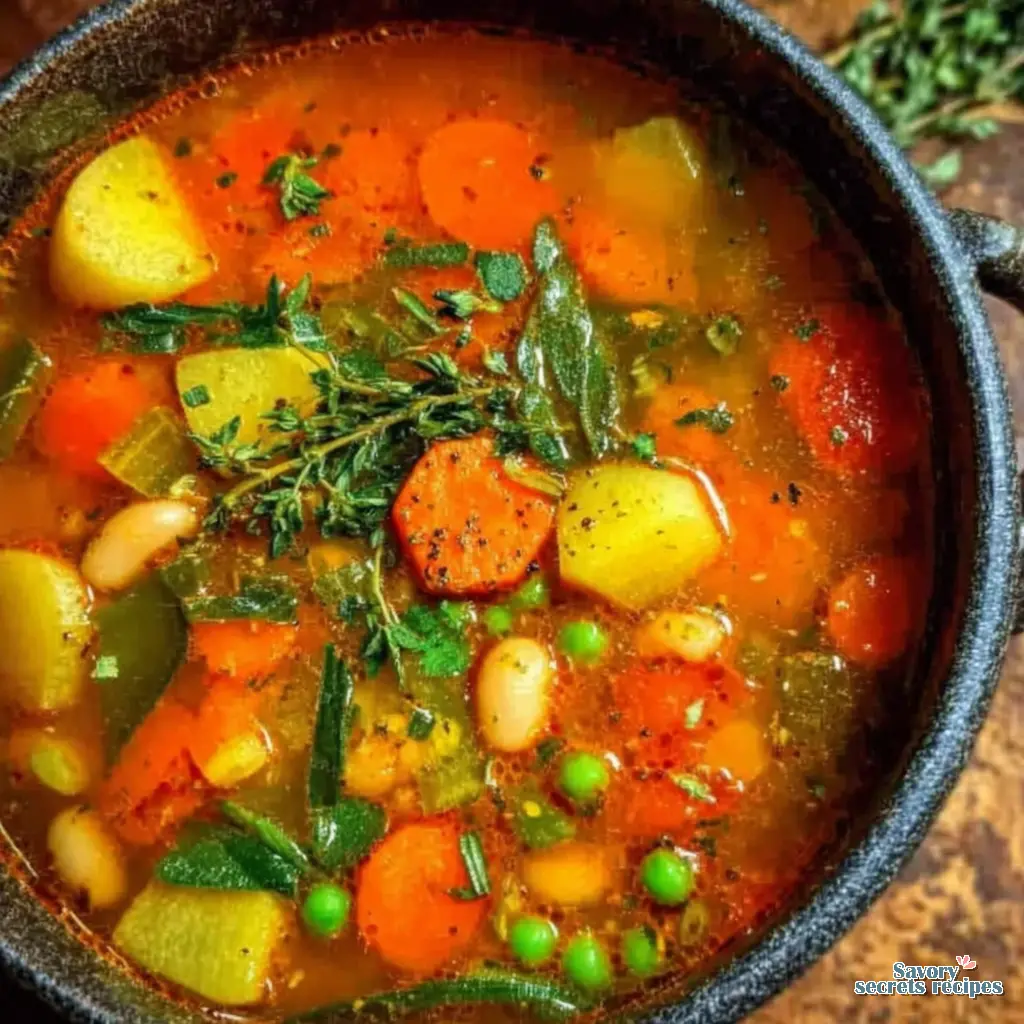
Storage and Freezing Guide
This is a Sunday job that pays off all week. I get unreasonably excited about a good storage container. The right size, a tight seal, stackable shapes. It’s the little things that make the meal prep system actually work.
You can refrigerate your fresh vegetable broth soup in airtight containers for up to 4 days. If you’re freezing it, portion it out into individual serving sizes so it’s freezer safe for up to 3 months. I use glass containers for fridge storage and plastic for anything going in the freezer. I learned that after shattering a glass bowl of frozen chili all over my kitchen floor at 6pm on a Tuesday.
When you’re ready to eat, thaw it in the refrigerator overnight. Gently reheat it on the stovetop over medium-low heat. Add your fresh greens and delicate herbs only after reheating so they don’t turn gray. It reheats like a dream, especially if you serve it with some warm crusty sourdough bread.
Frequently Asked Questions
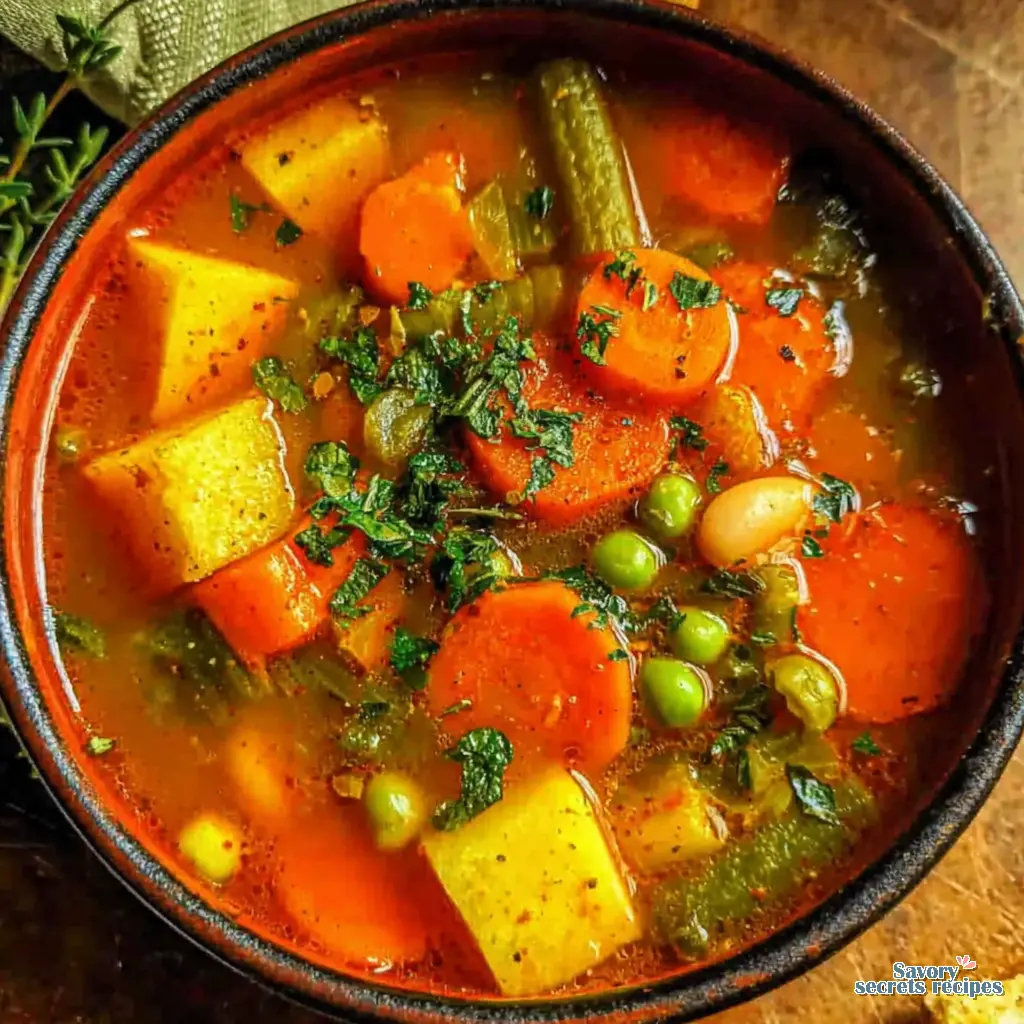
Ready to Start Simmering?
Once you understand the basics of building a flavor base and timing your vegetables, you’ll never want to buy boxed broth again. It’s easier than it looks, and your family is going to be incredibly impressed with the depth of flavor you achieved from scratch. Grab some extra carrots on your next Trader Joe’s run and start saving those scraps.
I genuinely love seeing how you adapt these methods in your own kitchens. For more meal prep inspiration and zero-waste ideas, check out my Pinterest boards where I save all my favorite weeknight lifesavers. Let me know what you end up adding to your fresh vegetable broth soup!
Reference: Original Source
Can I make this fresh vegetable broth soup in a crockpot?
Absolutely. Sauté your aromatics on the stove first to build flavor. Then, transfer everything to your slow cooker. Cook on high for 3 hours or low for 6 to 7 hours. Add your delicate greens and peas at the very end.
Can I make this soup in an Instant Pot?
Yes, it’s totally doable. Use the sauté function for your onions and garlic. Add your hard vegetables and broth, then cook on manual high pressure for 5 minutes. Quick release the pressure, then stir in your soft vegetables and fresh herbs.
Can you freeze homemade vegetarian vegetable soup without losing the herb aroma?
You can freeze it for up to 3 months. However, fresh herbs lose their punch in the freezer. My trick is to freeze the base soup, then stir in a handful of fresh basil or parsley right after you reheat it.
What is the difference between vegetable broth and stock?
Traditionally, stock is made with animal bones for a thicker mouthfeel, while broth is made with meat or vegetables. For a fresh vegetable broth soup, the terms are basically interchangeable. We use vegetable scraps to create a rich, deeply flavored liquid base.
How do I prevent the vegetables from getting mushy?
Don’t overcook them. Simmer your fresh vegetable broth soup for exactly 20 minutes. Hard roots go in first, while delicate items like peas, corn, and spinach should be stirred in off the heat. The residual warmth cooks them perfectly.