



How to make pancakes fluffy like a diner
Ingredients
Method
- Whisk the eggs in a large bowl and add the granulated sugar and vanilla sugar. Mix until the mixture lightens in color. Pour in the sunflower oil and milk, stir well, and add a pinch of salt.
- Sift the flour and baking powder into a separate bowl. Gradually add the dry ingredients to the wet mixture and mix briefly until smooth, taking care not to overmix.
- Cover the batter and let it rest for 5 minutes.
- Heat a skillet over medium heat and lightly grease with oil or butter. Ladle the batter into the pan and cook for 2-3 minutes per side until bubbles form. Flip carefully and cook for another 1-2 minutes until golden brown.
- Stack the pancakes and serve immediately with maple syrup, fresh fruit, powdered sugar, or a pat of butter.
Nutrition
Notes
The Secret to Diner-Style American Breakfast Pancakes
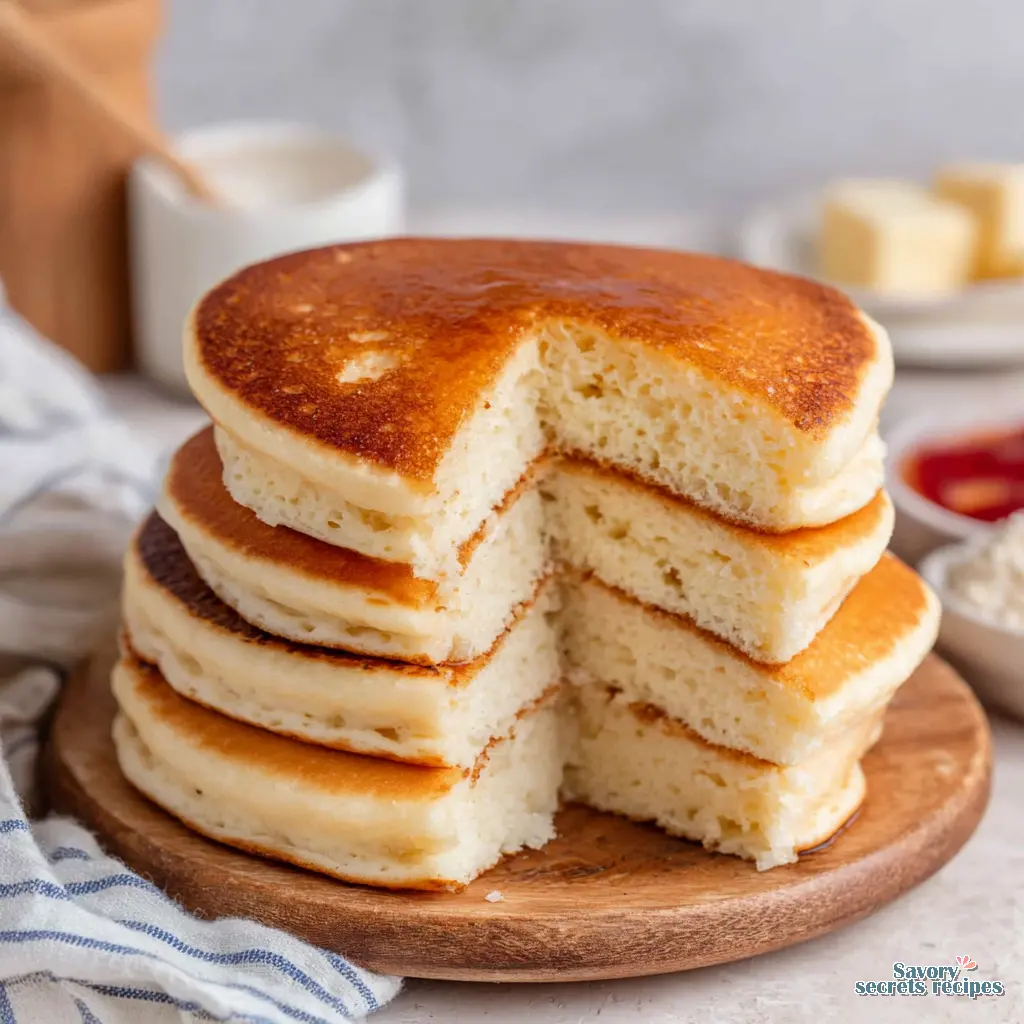
Easter brunch is practically here, and I know exactly what you are planning to make. You want those iconic, tall, pillowy american breakfast pancakes that look exactly like the ones from a high-end diner. But let us be honest for a second. Most of the time, we end up with flat, rubbery discs that taste fine but look incredibly sad. I have been there. We all have.
I remember my teta’s kitchen always smelling like cardamom before sunrise. She would grind the beans by hand, and I would sit on the counter watching her measure everything by eye. Years later, I tested her eye measurements with a scale. She was accurate to within two grams every single time. That is when I learned precision is not about tools. It is about repetition and paying attention to the details.
Making truly soft fluffy pancakes is exactly like that. Good food does not need fancy equipment. It just requires you to understand what the ingredients are actually doing. These american breakfast pancakes are easier than you think. Once you grasp a few basic principles, you will never buy a boxed mix again. Trust the process.
The Science of Lumps: Why Smooth Batter Ruins Everything
People always ask me why are my pancakes not fluffy. Let’s walk it back. The number one culprit is usually right in the mixing bowl. You are probably overmixing the batter. I know it sounds counterintuitive because we are taught to whisk until everything is perfectly smooth. Do not do that here. Properly handling your homemade pancake batter is essential for consistent easy breakfast pancakes every time.
Here’s the thing. When you mix wet and dry ingredients, the all-purpose flour immediately starts developing gluten. Gluten is great for chewy sourdough bread, but it is the absolute enemy of tender american breakfast pancakes. You want a lumpy batter. I mean, you could try to whisk out every single lump, but you will end up with a tough, flat breakfast.
Just gently fold the wet ingredients into the dry using a spatula or a light whisk. Stop the second you no longer see dry flour streaks. Yes, there will be lumps. Yes, it will look a bit messy. That is exactly what you want. Those little lumps of flour will hydrate as the batter rests, giving you that melt-in-your-mouth texture we are chasing.
Building Your American Breakfast Pancakes Dry Mix Strategy
If you love a quick weekend brunch, prepping your dry ingredients in bulk is a massive time saver. That’s the move. You just measure out your flour, sugar, and leavening agent into a large jar. This strategy allows you to execute a quick pancake recipe even on the busiest mornings.
But we need to talk about your baking powder. I learned this the hard way. I once tried to make a huge batch of batter for a family gathering, and they completely failed to rise. My baking powder was ten months old. It loses potency after 6 to 9 months. If you are wondering what is the best flour for thick american pancakes, standard all-purpose flour works perfectly, provided your baking powder is fresh.
To test it, drop a spoonful of baking powder into a splash of hot water. If it bubbles vigorously, you are good to go. If it just sits there looking cloudy, throw it out. Also, try to use aluminum-free baking powder. It prevents that weird metallic aftertaste that sometimes happens when you use a lot of leavening agent.
Dialing In Your Griddle Temperature
You can have the perfect lumpy batter, but if your pan is too hot or too cold, you are going to have a bad time. Dial it in until it’s right. For american breakfast pancakes, the sweet spot is 375°F (about 190°C) on a non-stick electric griddle or a heavy cast iron skillet.
If you are using a stove, medium heat is usually best. But stoves vary wildly. I test the pan temperature with a tiny blob of batter first. It should sizzle quietly, not violently. If it browns in under a minute, your pan is too hot. If it takes three minutes to show any color, turn the heat up.
Lightly grease the pan with a neutral vegetable oil or sunflower oil between every pancake. Melted butter tastes amazing, but the milk solids will burn at this temperature and leave black specks on your beautiful golden brown crust. Save the butter for melting on top later.
The Bubble Indicator: When to Actually Flip
My daughter insists on helping me make her breakfast every morning. She stands on her little stool and asks if they are ready to flip every fifteen seconds. I have been teaching her to look for the bubbles. This is the most crucial visual cue for perfect american breakfast pancakes.
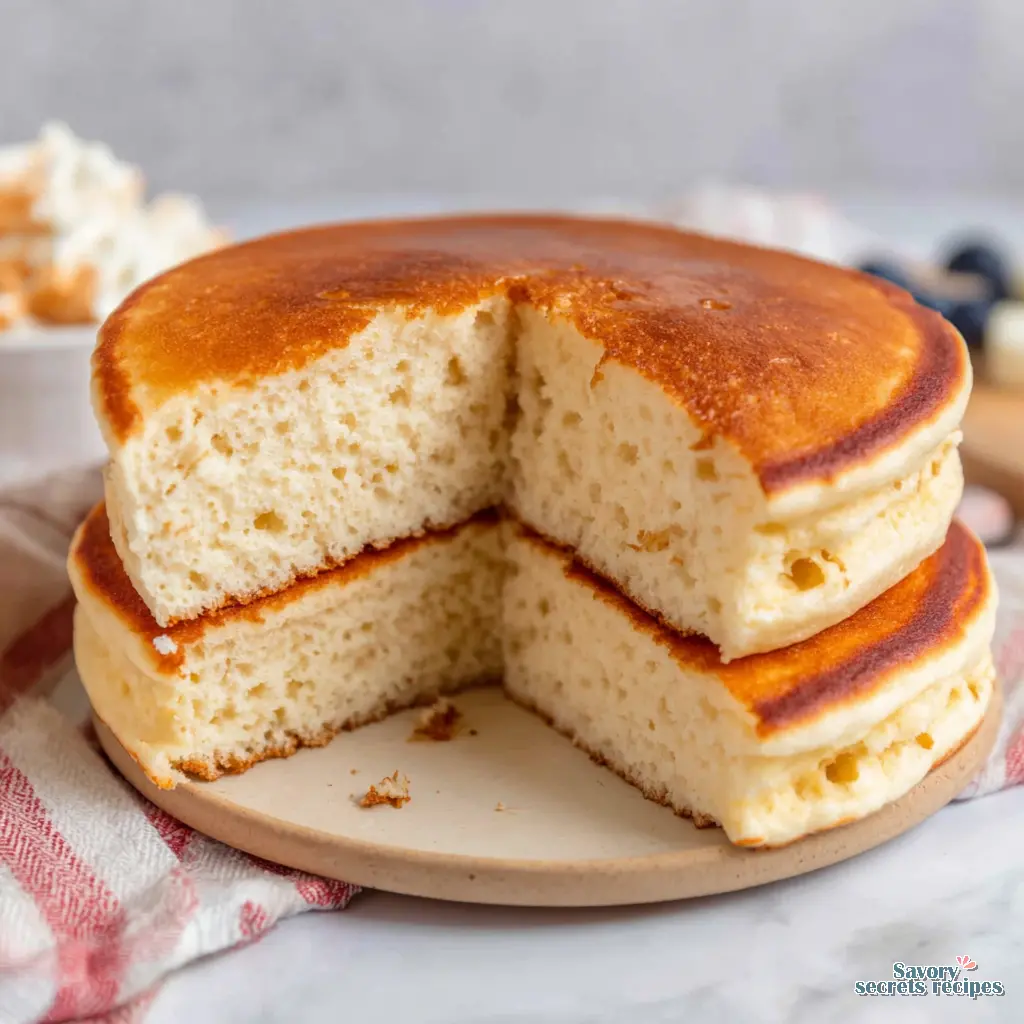
Do not just look at the edges setting. Watch the center. You will see bubbles rise to the surface and pop. When those popped bubbles stay open and do not immediately fill back in with wet batter, that is your exact moment to flip. Needs another minute? Let it do its thing. Patience pays off here.
When you flip, use a quick, confident move with a wide spatula. Do not hesitate, and do not press down on the pancake after flipping. Pressing squeezes out all those beautiful air pockets you just spent time creating. You want them lofty and pillowy.
Variations That Actually Work
The base recipe is incredibly forgiving if you want to mix things up. If you want a buttermilk version but only have regular milk, add a teaspoon of lemon juice to the milk 10 minutes before mixing. It mimics the acidity and gives you that tender texture. Works every time.
For a dairy-free option, swap the milk for oat milk or almond milk, and use vegetable oil instead of butter in the batter. The ratio’s off slightly with almond milk since it’s thinner, so you might need an extra tablespoon of flour. Dial it in until the batter is thick but pourable. A splash of vanilla extract always elevates the flavor, regardless of the milk you choose. If you prefer a simpler start, trying an easy breakfast pancakes version can save time without sacrificing quality.
Common Mistakes & Fixes
Mistake: The batter is totally smooth and the pancakes are chewy.
Solution: You overmixed. Stir the wet and dry ingredients until just combined. Lumps are mandatory for fluffiness.
Mistake: The outside is burnt but the inside is raw batter.
Solution: Your pan is too hot. Lower the heat to medium and let the pancakes rise slowly. They need time to cook through before the outside gets too dark.
Mistake: They taste bitter or metallic.
Solution: You likely used too much baking soda or expired baking powder. Stick to the exact measurements and switch to an aluminum-free baking powder.
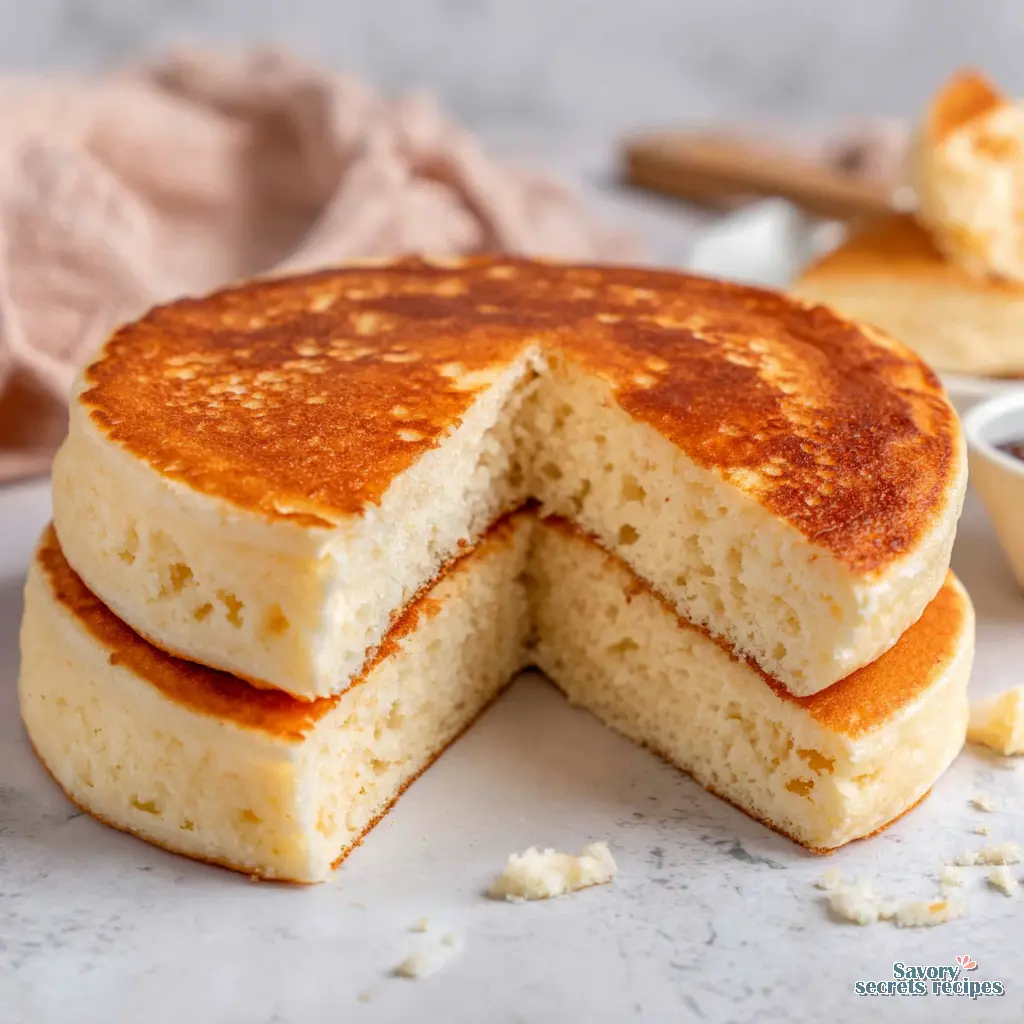
Storing and Reheating Your American Breakfast Pancakes
Mornings are unpredictable. I like breakfast foods that taste good even when you are rushing out the door. If you make a big batch of american breakfast pancakes, they store beautifully. Keep them in a sealed container in the fridge for up to 3 days.
If you want to freeze them, lay them flat in a single layer on a parchment-lined baking sheet first. Once they are frozen solid, transfer them to a freezer bag. This two-step process stops them from sticking together into a giant ice block. When you are ready to eat, just pop them straight from frozen into the toaster. An air fryer set to 350°F for about 60 seconds also works perfectly to bring back those slightly crispy edges.
Frequently Asked Questions
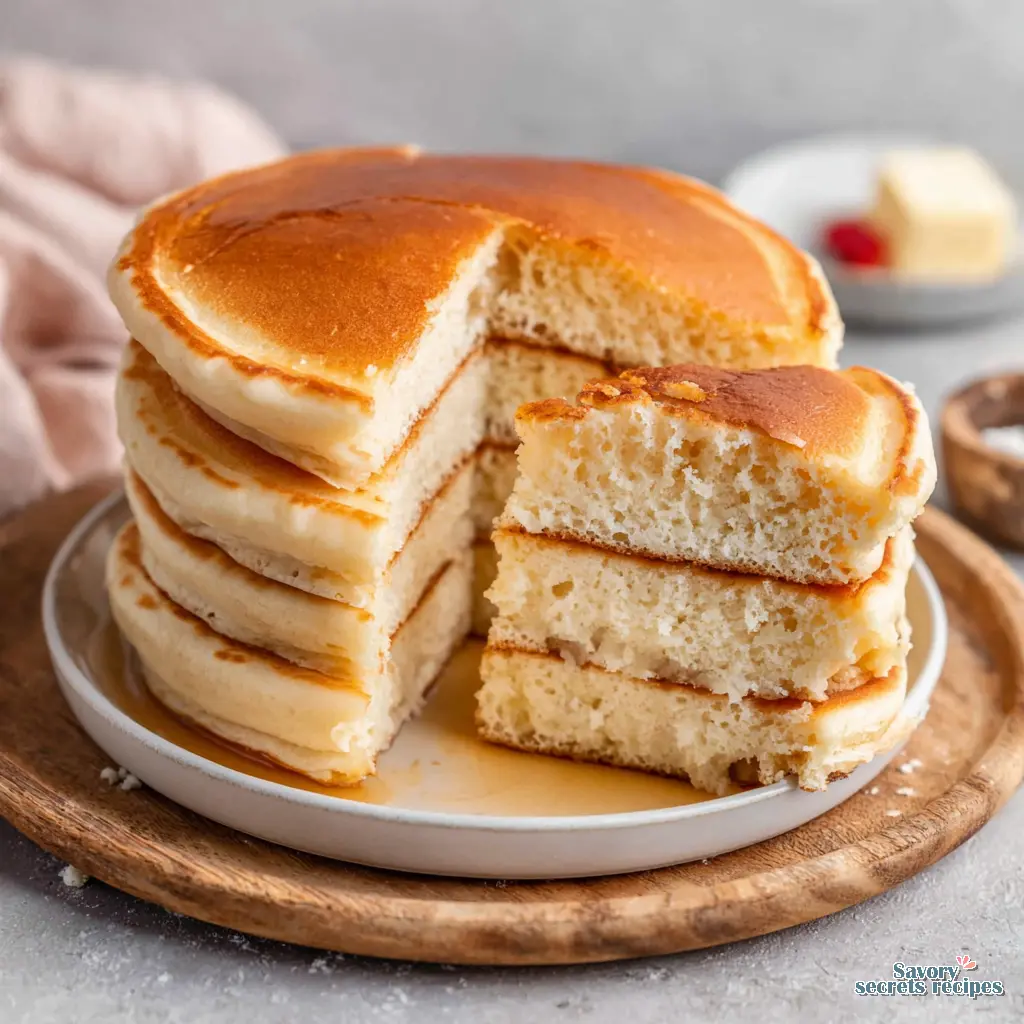
Ready to Heat Up the Griddle?
Making breakfast from scratch does not have to be a stressful production. Just remember what we talked about. Keep the batter lumpy, watch for those bubbles to pop, and do not rush the heat. Serve them up immediately with plenty of real maple syrup and maybe some fresh berries. Your family is going to love these.
If you end up making a massive stack of these american breakfast pancakes this weekend, I want to see them. I share tons of variations on my Pinterest boards if you want ideas for different toppings or mix-ins. Go grab your whisk, and trust the process. You’ve got this.
Reference: Original Source
How do you make American breakfast pancakes as fluffy as a diner?
The secret to diner-style fluffiness is fresh baking powder and a lumpy batter. Never overmix your ingredients. Let the batter rest for five minutes before cooking so the leavening agent can activate properly. That is how you get those tall, airy american breakfast pancakes.
Why are my pancakes not fluffy and how can I fix them?
If they are flat, you likely overmixed the batter, developing too much gluten. Or, your baking powder is expired. To fix it next time, gently fold the wet and dry ingredients together until just combined, leaving plenty of lumps in the bowl.
What is the best flour for thick American pancakes?
Standard all-purpose flour is absolutely the best choice for classic american breakfast pancakes. It has a moderate protein content that provides enough structure to hold the rise without making the final result tough or chewy like bread flour would.
How long can you store soft fluffy pancake batter in the fridge?
I do not recommend storing raw batter for more than a few hours. The baking powder loses its lifting power over time. For best results, cook all the american breakfast pancakes immediately and store the cooked leftovers in the fridge for up to three days.
Should you let pancake batter rest before cooking for maximum thickness?
Yes, absolutely. Letting the batter rest for about five to ten minutes allows the flour to hydrate and gives the baking powder time to create air bubbles. This simple resting period makes a massive difference in thickness and tenderness.
Can I make a buttermilk version?
You certainly can. Buttermilk adds a wonderful tang and makes the texture even more tender. If you do not have buttermilk on hand, just add one teaspoon of lemon juice or white vinegar to regular milk and let it sit for ten minutes before using.
Can I use self-raising flour instead of plain for pancakes?
Yes, you can use self-raising flour. However, you will need to omit the extra baking powder called for in the recipe, as self-raising flour already contains a leavening agent. The texture might vary slightly, but it works in a pinch.
What happens if you over-mix pancake batter?
Overmixing develops the gluten strands in the flour. Instead of soft, tender american breakfast pancakes, you will end up with a dense, chewy, and flat result. Always stir until the wet and dry ingredients are just incorporated. Embrace the lumps.