




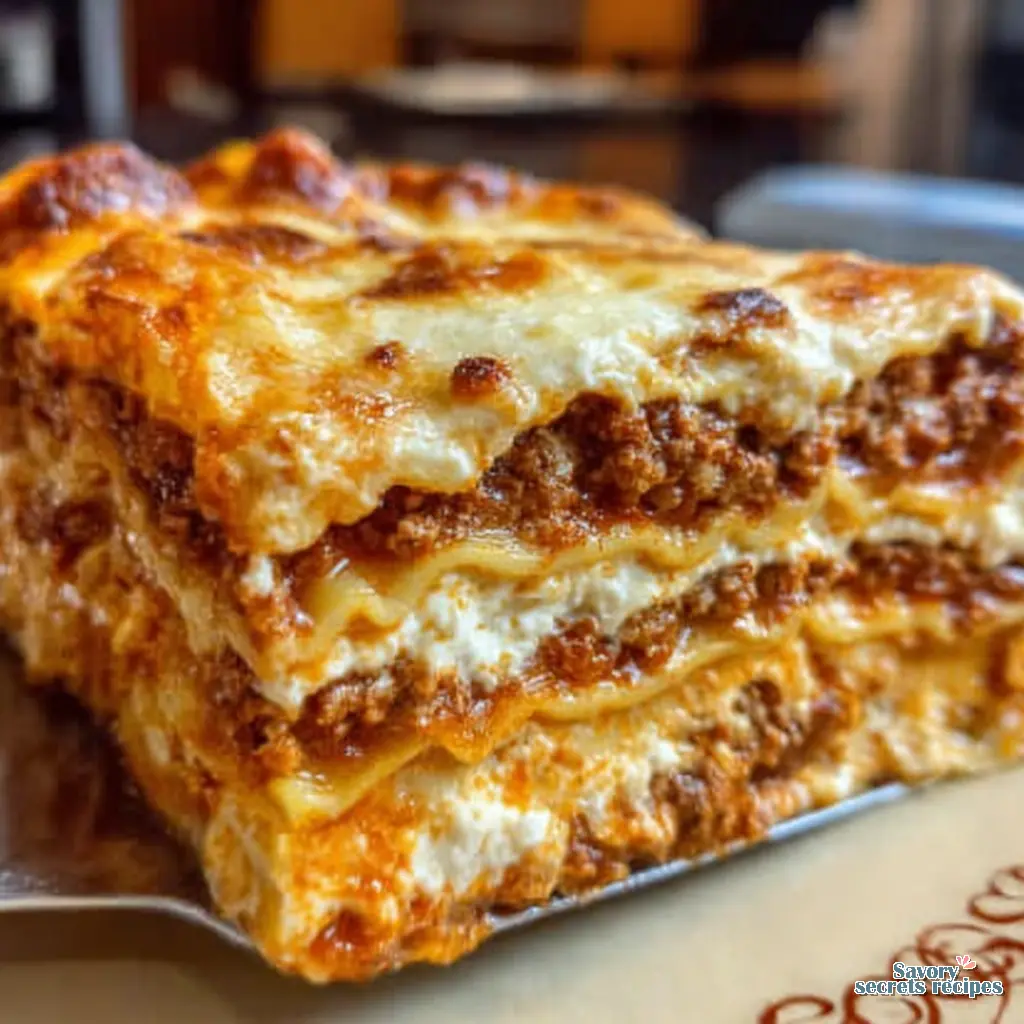
Best Classic Lasagna Recipe for Beginners
Ingredients
Method
- Boil the lasagna noodles until al dente according to package instructions, then drain and set them aside.
- Heat olive oil in a large pot over medium heat, brown the ground beef and sausage while breaking up the meat, and drain any excess fat.
- Sauté the chopped onion in the pot for 5 minutes until softened, then add the minced garlic and cook for 1 additional minute until fragrant.
- Stir in the crushed tomatoes, tomato sauce, paste, herbs, seasonings, and water; bring to a simmer, then cover and cook on low for at least 30 minutes.
- Whisk the ricotta cheese, beaten egg, Parmesan, salt, and pepper in a medium bowl until the mixture is fully combined.
- Preheat the oven to 375°F and lightly grease a 9x13-inch baking dish.
- Spread a thin layer of the prepared meat sauce over the bottom of the baking dish.
- Place a layer of cooked lasagna noodles over the sauce.
- Spread half of the ricotta cheese mixture evenly across the noodles.
- Sprinkle one-third of the mozzarella cheese over the ricotta layer.
- Spoon half of the remaining meat sauce over the mozzarella.
- Repeat the layers by adding noodles, the remaining ricotta mixture, another third of the mozzarella, and the rest of the meat sauce.
- Top with a final layer of noodles and the remaining mozzarella, then sprinkle with extra Parmesan if desired.
- Cover the baking dish tightly with a sheet of aluminum foil.
- Bake for 25 minutes, then remove the foil and continue baking for 20 to 25 minutes until the cheese is melted and golden brown.
- Let the lasagna rest for 15 minutes before slicing to allow the layers to set properly.
Nutrition
Notes
The Ultimate Classic Lasagna Recipe for Chaotic Weeknights
It is Wednesday evening, about 45 minutes before dinner, and your kitchen is likely a disaster zone. I know that feeling well. Between homework, evening emails, and figuring out what to feed everyone, the weeknight rush is real. But here’s the thing about making a truly great classic lasagna recipe. It’s the absolute ultimate win for a busy family.
The house smells like garlic and melting cheese while it bakes, and suddenly the chaos just calms down. With Mother’s Day coming up this spring, this is actually the perfect meal-train recipe or a dinner the whole family can help build. Even the kids can get involved with the layering.
I remember my uncle Marc letting me stand on a milk crate at his bistro’s prep station back in Philly. He’d check my vegetable cuts with a ruler to make sure they were perfectly uniform. It seemed harsh at the time, but now I get it. Consistency matters. Not a huge deal, but worth noting when you’re building a classic lasagna recipe. If your layers are even, every single bite is perfectly balanced. Let me show you what I mean.
The Foundation: Building Your Meat Sauce
A classic lasagna recipe doesn’t need to be complicated or require a culinary degree. Honestly, the best versions rely on simple pantry staples. We’re talking crushed tomatoes, a good marinara sauce, ground beef, garlic powder, and some italian seasoning. You can grab all of this on a quick run to Ralphs or Trader Joe’s.
This is where most people run into trouble with the meat. You have options here. You can use 80/20 ground beef or 90/10 lean ground beef. I prefer the 80/20 because the higher fat content adds a rich, savory depth to the sauce that you just can’t fake. That tracks with how we used to build sauces in the restaurant. However, 90/10 means less draining and a slightly lighter dish. Tradeoffs, right? Either way, brown it well. You want actual color on the meat, not just gray crumbles.
Once your meat is browned, you build the sauce. I’m not totally sure why people overcomplicate this part. Just let the tomatoes, garlic powder, and italian seasoning simmer together until it thickens up. Let it do its thing.
The Ultimate Sauce-to-Noodle Ratio Guide
If there’s one thing that ruins a family dinner, it’s a dry, rubbery pasta bake. Conversely, nobody wants a sloppy soup on their plate. Getting the sauce-to-noodle ratio right is crucial for a homemade beef lasagna. You need enough moisture to hydrate the lasagna noodles, but not so much that the whole structure collapses.
I’d probably lean toward a heavier sauce application on the very bottom of your 9×13 pan. Think of it as a protective barrier. It keeps the bottom noodles from cementing themselves to the baking dish, which makes for super easy cleanup later. Spread about a cup of your meat sauce right on the bottom before a single noodle goes in.
Makes sense to me, right? From there, you want just enough sauce between the layers to coat the pasta completely. If you’re using no-boil noodles, they will absorb a lot of liquid as they bake. You’ll know it’s ready when the sauce looks rich and thick, but still easily spreadable. Trust the process on this one.
The Definitive Layering Guide for a Classic Lasagna Recipe
Okay, let’s talk about the cheese filling. The key step here is whisking an egg into the whole milk ricotta. My daughter insists on cracking the eggs whenever we cook together. She gets shell fragments in there about half the time, so I’ve learned to crack a few extras into a separate bowl that I can fish from. She’s so proud of herself that I just work around it. That’s parenting, I guess.
The egg acts as a binder. It stops the ricotta from turning into a runny mess when it gets hot. Mix your ricotta with the egg, a handful of parmesan, and some salt and pepper. If you want to get a little fancy, add a tiny pinch of nutmeg. It adds a professional depth of flavor that people can never quite identify, but they absolutely love.
So, what is the correct order to layer this classic lasagna recipe? Here’s the fail-proof sequence.
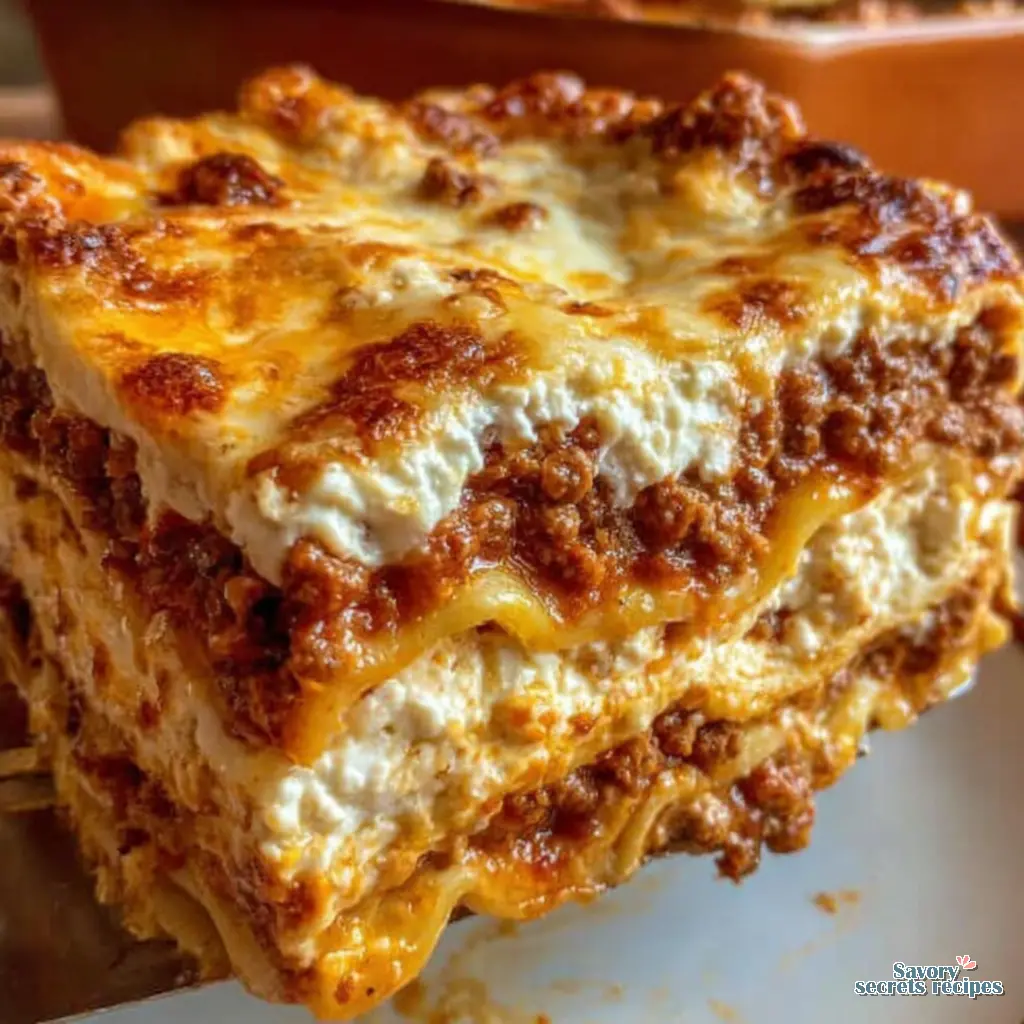
Sauce on the bottom. Then lasagna noodles. Then a layer of your ricotta mixture. Then mozzarella cheese. Then meat sauce. Repeat this three to four times. You want to finish with noodles, a thin layer of sauce, and a massive amount of mozzarella and parmesan on top.
Tips for the Perfect Cheese Crust
Now we’re talking. The cheese crust is arguably the best part of any comfort food bake. I figured out how to light for steam and texture by screwing up a pasta video so badly we had to reshoot the entire thing. The highlights were blown out and you couldn’t see the cheese consistency at all. It taught me exactly what perfect melted cheese should look like.
First rule. Shred your own mozzarella and parmesan. Pre-shredded bags are coated in anti-clumping powders that prevent them from melting smoothly. Taking three minutes to grate a block of cheese makes a massive difference.
Second rule. Use aluminum foil. Cover the baking dish tightly with foil for the first 45 minutes of baking. This traps the steam, cooks the noodles perfectly, and prevents the top from burning. Then, remove the foil and let it bake uncovered for the last 15 minutes. That’s how you get those crispy, deeply browned corner pieces that everyone fights over.
Resting Time: The Science of Slicing
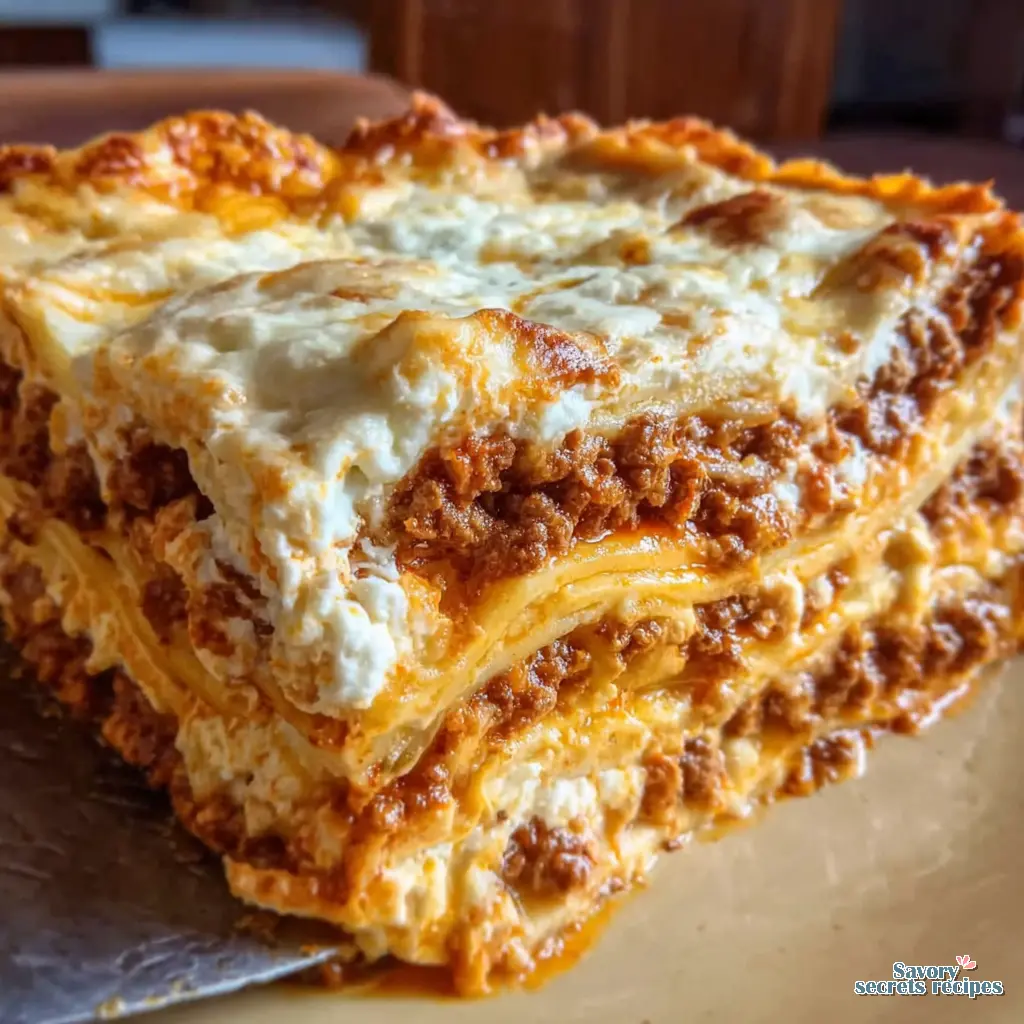
I know it’s tempting to cut right into it the second it comes out of the oven. The smell is intoxicating. But you have to wait. If you slice a classic lasagna recipe immediately, it will collapse into a tragic, delicious puddle.
Let it rest for at least 15 to 45 minutes. I know, I know. It sounds like torture. But as it cools, the cheese sets and the pasta absorbs any excess liquid. This resting period is the only way to get those perfect, clean, bakery-style squares that hold their shape on the plate.
Common Mistakes & Fixes
Mistake: The lasagna is too watery.
Solution: You likely didn’t let the sauce simmer long enough to reduce, or you cut it too soon. Always let it rest before slicing.
Mistake: The top noodles are hard and crunchy.
Solution: You either didn’t cover them completely with sauce, or you forgot to bake it covered with foil for the first 45 minutes.
Mistake: The cheese is grainy, not stringy.
Solution: Pre-shredded cheese strikes again. Always hand-shred your mozzarella cheese from a block for that perfect melt.
Make-Ahead & Freezing Instructions
One of the best things about this classic lasagna recipe is how freezer friendly it is. Leftovers are basically currency in my house. I’d argue it actually tastes better the next day after the flavors have had time to meld in the fridge.
If you want to freeze it, you have two solid approaches. You can freeze it unbaked or baked. Either way, wrap the cooled 9×13 pan tightly in plastic wrap, and then cover it securely with aluminum foil. It will keep beautifully in the freezer for up to three months. When you are ready for a family dinner, thaw it overnight in the fridge and bake at 350°F until it is bubbling and heated completely through. Reheating individual slices in the microwave works perfectly for quick lunches, too.
Frequently Asked Questions
Bringing It All Together
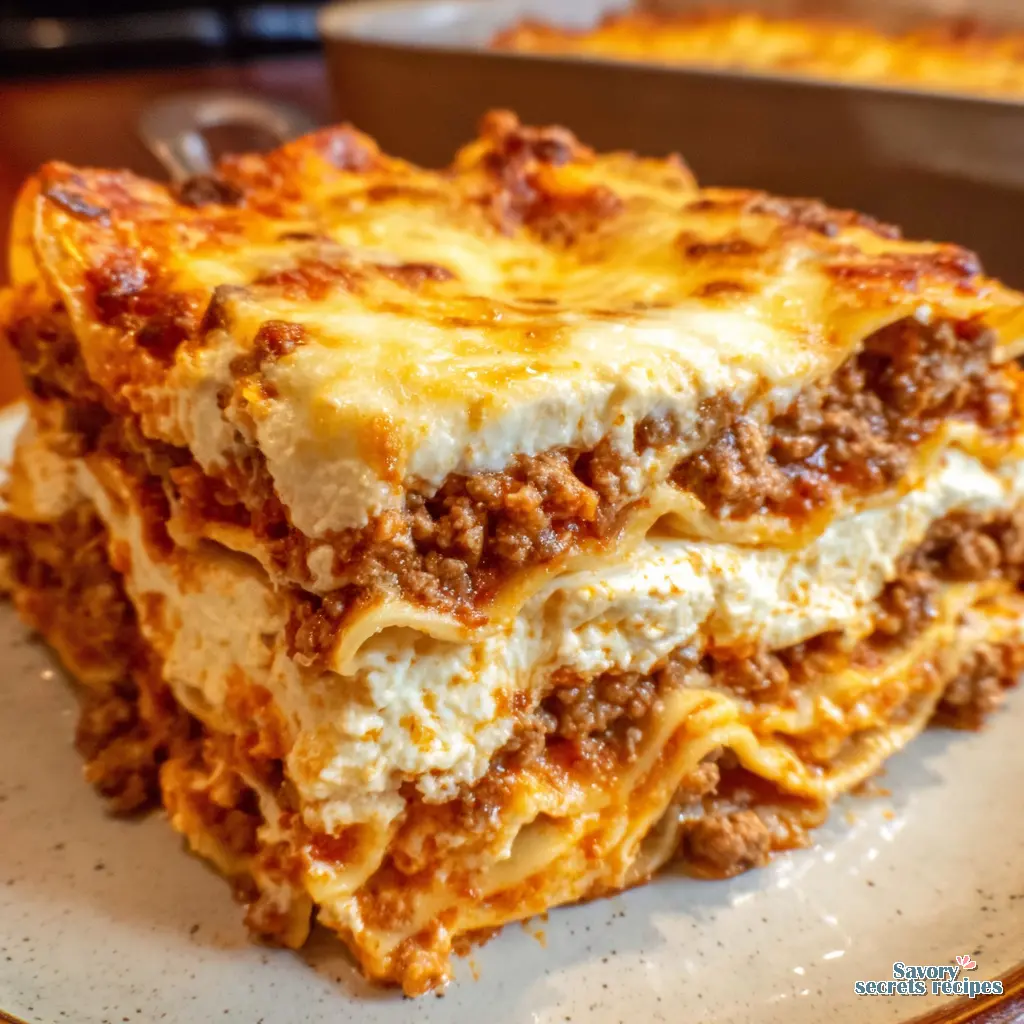
That’s exactly right. You’ve got a fantastic, comforting meal ready to hit the table. This classic lasagna recipe is everything a good dinner should be. It’s hearty, it’s reliable, and it makes people happy. What’s your favorite side dish to serve with this? A simple green salad with a sharp vinaigrette or some crusty sourdough garlic bread usually makes sense to me.
Don’t stress if the first slice isn’t perfectly square. It’s going to taste incredible regardless. For more inspiration, check out my Pinterest boards where I save all my favorite weeknight lifesavers. Have a great dinner, and enjoy the leftovers tomorrow!
Reference: Original Source
Can I make classic lasagna recipe ahead of time?
Absolutely. You can assemble the entire dish a day or two in advance. Just cover it tightly and keep it in the fridge. When you’re ready to cook, you might need to add an extra 10 to 15 minutes to the covered baking time since it’s starting from cold.
How do I store leftover classic lasagna recipe?
Store any leftovers in an airtight container in the refrigerator for 3 to 5 days. For longer storage, wrap individual portions tightly in plastic wrap and foil, then freeze. They reheat beautifully in the microwave or oven, making them perfect for quick weekday lunches.
Can I use cottage cheese instead of ricotta in a homemade beef lasagna?
You definitely can. Cottage cheese is a very common substitution if you don’t have ricotta. I recommend blending the cottage cheese briefly in a food processor to smooth out the curds. It gives you a very similar creamy texture without changing the flavor profile significantly.
What is the secret to making the best classic lasagna recipe without it being runny?
The secret is moisture control. Make sure your meat sauce is thick, not watery. Always mix an egg into your ricotta cheese to bind it. Most importantly, you must let the dish rest for at least 15 to 45 minutes after baking before you slice into it.
How many layers should a traditional homemade beef lasagna typically have?
A standard 9×13 pan usually accommodates three to four complete layers of pasta, cheese, and meat sauce. You want enough layers to build height and structure, but not so many that it overflows the baking dish while bubbling in the oven. Three layers is generally the sweet spot.