




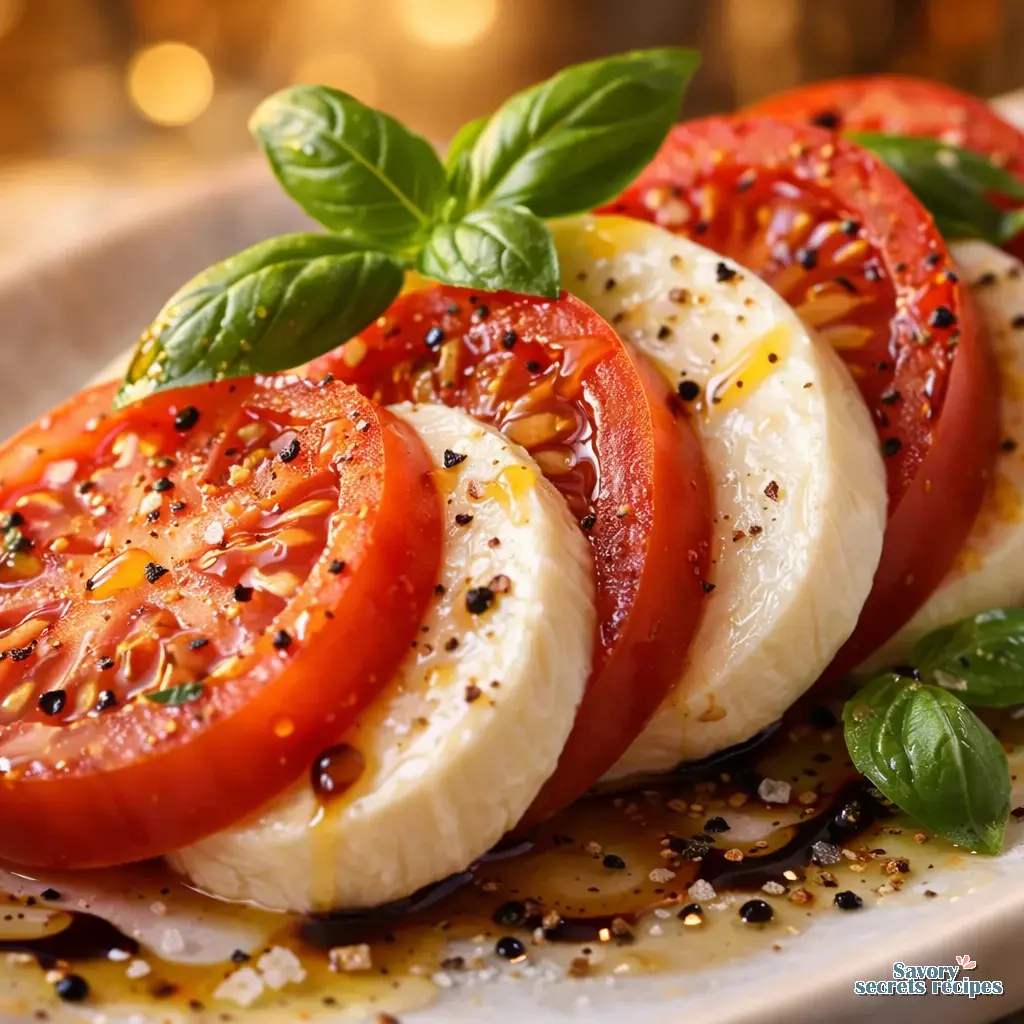
text Authentic Caprese Salad Recipe for Restaurant Flavor
Ingredients
Method
- Slice tomatoes and mozzarella into 1/4-inch thick rounds.
- Alternate and layer tomato slices, mozzarella slices, and basil leaves in a circular or overlapping pattern on a large serving platter.
- Drizzle with olive oil and balsamic glaze, then sprinkle with salt and freshly ground black pepper.
- Serve immediately at room temperature as a starter or side dish.
Nutrition
Notes
- Use heirloom or vine-ripened tomatoes for the best flavor and presentation.
- If balsamic glaze isn’t available, simmer regular balsamic vinegar until reduced and thickened.
- Great alongside grilled meats, crusty bread, or as part of a summer spread.
- Add a pinch of flaky sea salt for extra texture and taste.
The Secret to a Truly Authentic Caprese Salad Recipe
Red, white, and green. The colors of the Italian flag, sure, but also the exact palette of a perfect Mediterranean lunch. With Easter just around the corner, this authentic caprese salad recipe is the perfect vibrant side for your holiday table. It offers a fresh contrast to heavy holiday mains that always seems to steal the show. For a more festive presentation during the winter holidays, a caprese salad wreath is a beautiful way to arrange these same ingredients.
I remember my grandfather bringing home sardines still cold from the morning catch in Essaouira. He would grill them whole over charcoal in the courtyard, and I would eat them with my hands. The smell of that smoke mixed with Atlantic salt air is still the first thing I think of when someone says fresh food. That discipline, that commitment to letting the ingredients speak for themselves, shaped how I think about everything I cook. You do not need a dozen ingredients to make a masterpiece. In fact, a true Insalata Caprese relies entirely on restraint.
I know this sounds incredibly simple, but the difference between a sad, watery tomato dish and a restaurant-quality authentic caprese salad recipe comes down to a few critical techniques. Let me think that through. Yes, it is mostly about temperature and timing. We are going to build a plate that smells like a sunny Italian courtyard and tastes like pure summer produce.
Quick Wins for Your Authentic Caprese Salad Recipe
Before we get into the deep details of sourcing and slicing, let me give you the quick wins for this authentic caprese salad recipe. I learned these the hard way after serving far too many soggy salads. First, you absolutely must use peak-season tomatoes. If it is Spring or Summer here in Los Angeles, you are in luck. Second, never put your tomatoes in the fridge. Let it come to temperature first. Cold kills the flavor compounds. For social gatherings where guests are standing, caprese salad skewers provide a similar flavor profile in a bite-sized format that prevents the ingredients from becoming soggy.
Third, only use fresh, whole-milk mozzarella packed in water. The dry, shrink-wrapped pizza cheese simply will not work here. Fourth, tear your basil leaves instead of chopping them with a knife. A light hand here prevents the edges from turning black and releases more of those incredible essential oils. Finally, do not salt the salad until the exact moment you are ready to serve it. Salt draws out moisture, and salting too early leaves your beautiful authentic caprese salad recipe sitting in a puddle of watery juice.
The Seasonal Tomato Guide and the Science of Room Temperature
From what I’ve seen at the Santa Monica Farmers Market, the variety of tomatoes available in Southern California is staggering. But for an authentic caprese salad recipe, you need specific types. Heirloom tomatoes or large Beefsteaks are your best friends here. You want a tomato that feels heavy for its size and yields slightly when you press it gently near the stem. The ingredients will tell you when they’re ready.
Here is what I wish someone had told me years ago. Never, ever refrigerate your tomatoes. I know it is tempting when you get home from Ralphs or Trader Joe’s to put all your produce in the crisper drawer. But the science is clear. Temperatures below 50°F alter the chemical structure of the tomato, turning the flesh mealy and completely neutralizing the enzymes that give it that complex, sweet flavor. Keep them on your counter. Room temperature tomatoes are the foundation of this dish. If you have an abundance of summer tomatoes, a caprese pasta salad is another excellent way to use them in a more filling meal.
Mozzarella Quality Standards: Buffalo vs. Fior di Latte
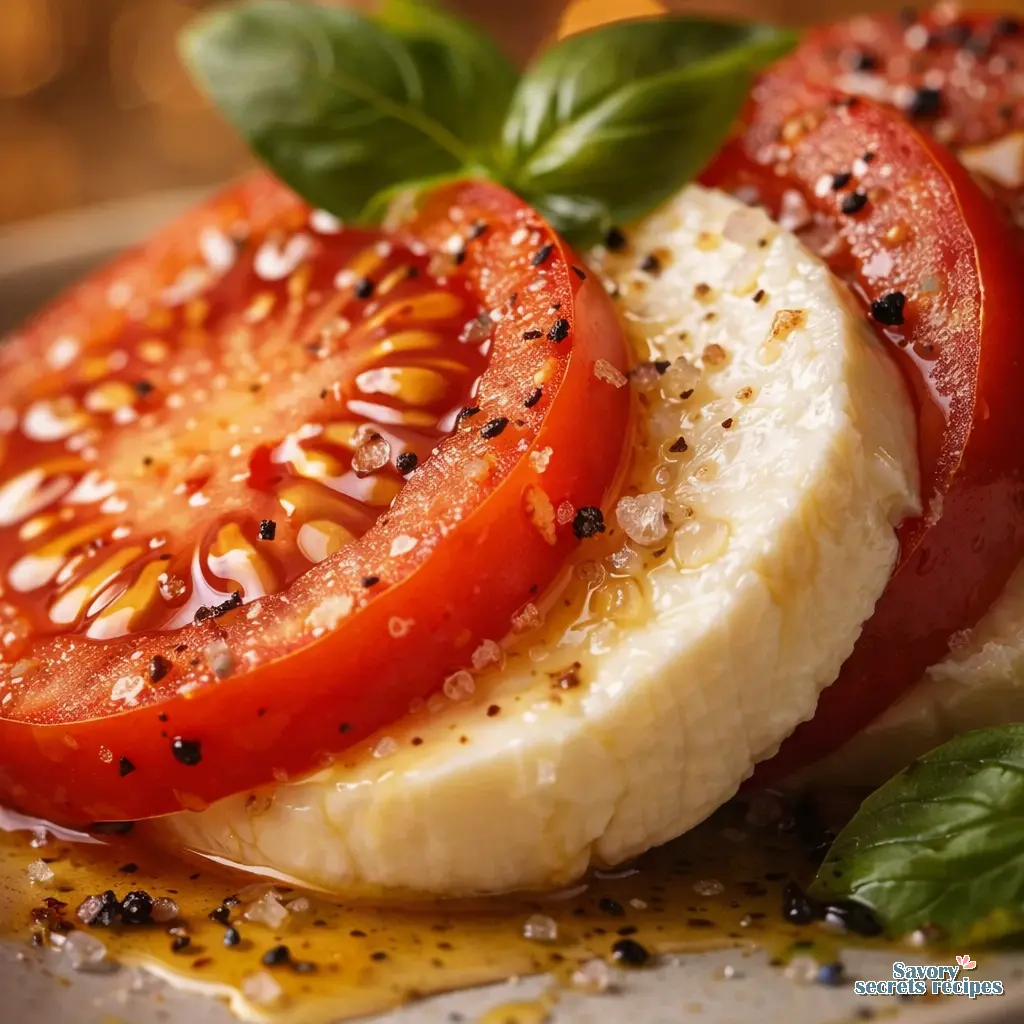
I genuinely love the problem-solving aspect of cooking. When readers email me asking why their caprese lacks that creamy texture they had in Italy, the answer is almost always the cheese. You have two authentic choices here. Mozzarella di Bufala (Buffalo mozzarella) and Fior di Latte (cow’s milk mozzarella). I’d lean toward Buffalo mozzarella if you can find it. It has a slightly tangier flavor and a softer, almost weeping center that mixes beautifully with the olive oil. You can also experiment with a burrata caprese salad if you prefer the ultra-creamy texture of stracciatella-filled cheese.
Fior di Latte is excellent too, provided it is fresh and packed in water. When you take it out of the tub, pat it dry with a paper towel. Now, here is a visual guide for slicing. Use a sharp serrated knife. A dull chef’s knife will squish the delicate cheese, ruining that beautiful round shape. You’re looking for that perfect, clean cut. Slice the cheese to the exact same thickness as your tomatoes, usually about a quarter-inch thick. Symmetry matters in plating techniques.
The Salt and Timing Rule
This is where it gets good. The seasoning. I once ruined a beautiful platter of tomatoes by salting them twenty minutes before my guests arrived. By the time we sat down, the platter was a soup of tomato water and diluted oil. I still feel that one.
For a truly authentic caprese salad recipe, the salt is not just an afterthought. It is a crucial ingredient. You want a high-quality flaky sea salt. Maldon sea salt is my absolute favorite here. The large, pyramid-shaped crystals provide a satisfying crunch that contrasts perfectly with the soft cheese and tender tomatoes. Salt amplifies the natural sweetness of the tomatoes. But remember the golden rule. Salt the tomatoes only just before serving to prevent them from becoming mushy. Add some freshly ground black pepper, and you are almost there.
The Balsamic vs. Traditional Debate
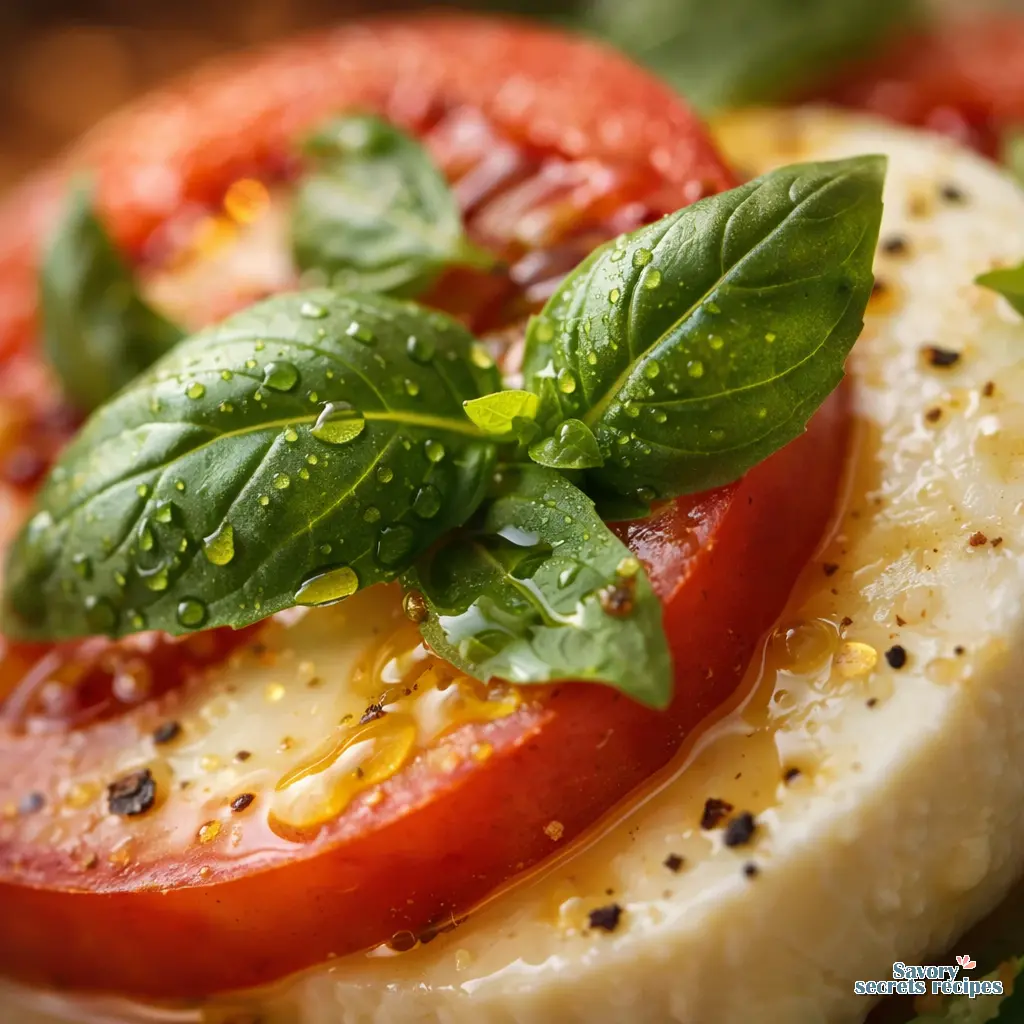
Look, I will be honest. If you ask a nonna in Capri if balsamic vinegar belongs on an authentic caprese salad recipe, she might chase you out of her kitchen. Traditionally, this dish is dressed exclusively with olive oil and salt. However, I go back and forth on whether home cooks really want strict tradition or if they just want something delicious. In most cases, Americans love a balsamic reduction.
If you are going to use it, use a thick, syrupy balsamic glaze rather than thin vinegar. A light drizzle adds a beautiful acidity balance and a touch of sweetness that pairs wonderfully with the creamy cheese. Just do not drown the salad. The tomatoes and cheese should be the stars. I mean, you could skip this, but a little balsamic is worth considering if your tomatoes are not quite at their peak summer sweetness. In these cases, a fruit-based peach caprese salad can provide a similar balance of sweetness and acidity.
Olive Oil Recommendations and Platter Assembly
Your authentic caprese salad recipe is only as good as your olive oil. That’s the difference-maker. You want a high-quality 100% extra virgin olive oil. Look for a cold pressed oil with a slightly peppery finish. The fat in the oil carries the flavors of the fresh Genovese basil and the tomatoes across your palate.
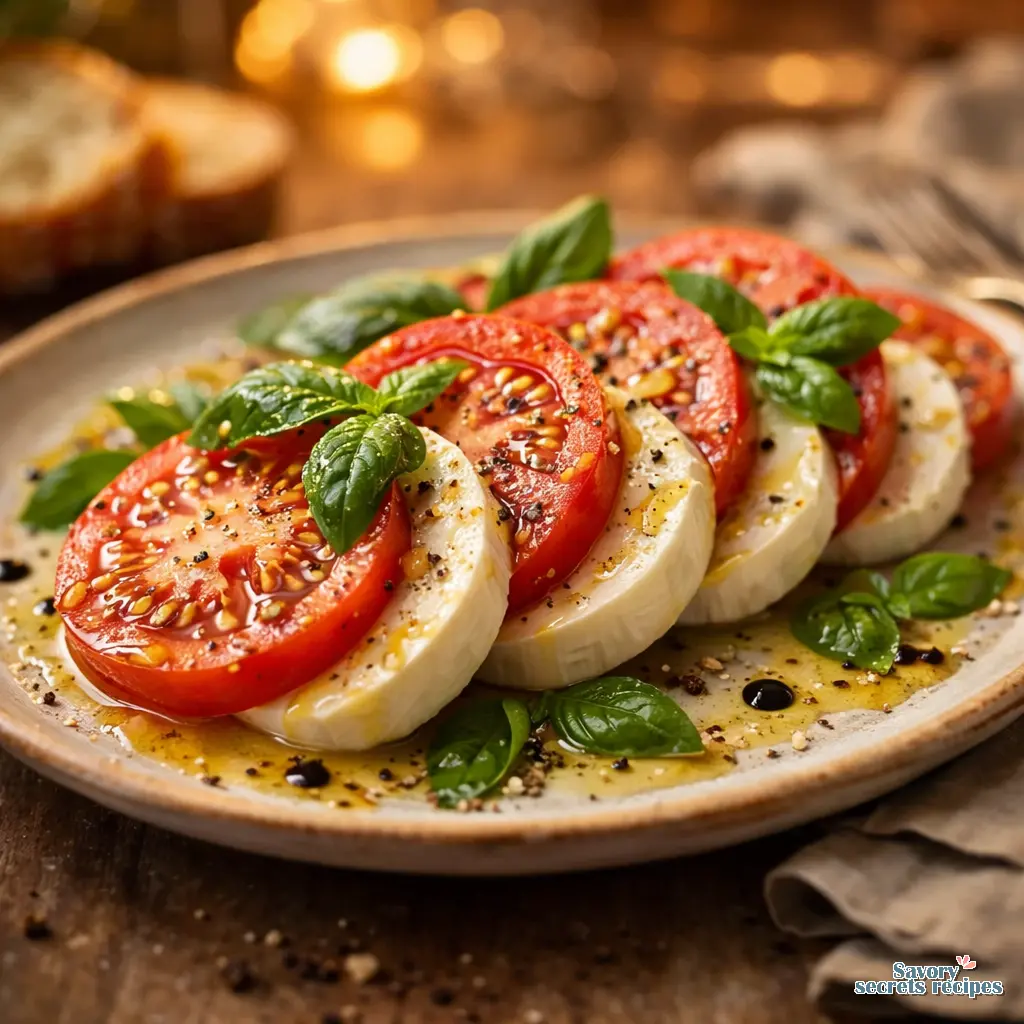
To assemble, use a large, flat serving platter. Alternate slices of tomato and mozzarella, overlapping them slightly like a fallen deck of cards. Tuck whole or torn basil leaves between the slices. Drizzle generously with your olive oil. Let the oil pool slightly on the plate. Why? Because you are going to serve this with warm, crusty ciabatta bread to mop up those incredible juices at the end of the meal. Perfect.
Common Mistakes & Fixes
Mistake: Using out-of-season, mealy supermarket tomatoes.
Solution: If large tomatoes look pale and hard, swap them for cherry tomatoes or Campari tomatoes left on the counter. They tend to have more reliable flavor year-round.
Mistake: Salting too early, causing the salad to sit in a pool of water.
Solution: This usually happens if you prep too far in advance. Assemble the dry ingredients ahead of time, but do not add salt, oil, or vinegar until you are carrying the platter to the table.
Mistake: Chopping basil with a dull knife.
Solution: A dull knife crushes the cell walls of the basil, causing it to turn black and bitter. Trust the texture more than the clock. Just tear larger basil leaves with your hands to release more aroma naturally.
Storage and Serving Your Authentic Caprese Salad Recipe
I tend to think that leftover salads are usually a lost cause. An authentic caprese salad recipe is meant to be eaten fresh. Once dressed, you should really consume it within 30 to 60 minutes. If you absolutely must prep ahead, refrigerate the cheese and tomatoes separately in airtight containers for up to 4 hours. Take them out 30 minutes before serving so they can come back to room temperature.
Never freeze fresh mozzarella or tomatoes. The water expands and destroys the texture entirely. If you do have leftovers that have already been dressed, do not throw them away. Chop them up the next morning, toss them with some fresh olive oil, and spoon the mixture over toasted sourdough bread for a quick bruschetta. Makes sense to me, right?
Frequently Asked Questions
Final Thoughts on This Authentic Caprese Salad Recipe
There is something deeply satisfying about mastering a dish that relies on just a handful of ingredients. When you select the right tomatoes, respect the room temperature rule, and splurge on good olive oil, this authentic caprese salad recipe practically makes itself. It takes me back to the simple, ingredient-focused meals my grandfather used to make. I hope you try this for your next spring gathering or Easter brunch. It is easier than you think, and your guests will absolutely notice the difference.
If you end up making this, let me know how it turns out. For more inspiration on fresh, seasonal eating and simple techniques, check out my Pinterest boards. I share plenty of variations there to keep your summer menus interesting.
Reference: Original Source
What does Caprese mean in English?
Caprese simply translates to “from Capri,” referring to the beautiful Italian island where this iconic salad originated. The dish was designed to pay homage to the Italian flag using local summer produce. It is a perfect representation of regional Mediterranean cooking.
What to serve as a main with an authentic caprese salad recipe?
I’d lean toward something light and grilled. A beautifully seared piece of halibut or grilled chicken breast pairs perfectly. You want a protein that will not overpower the delicate acidity balance of the tomatoes and the creamy texture of the cheese.
Is balsamic vinegar traditional in an authentic caprese salad recipe?
Strictly speaking, no. Traditional purists in Italy only use extra virgin olive oil, salt, and sometimes pepper. However, a sweet balsamic reduction has become widely accepted and loved in modern versions, especially here in the US. It adds a wonderful depth of flavor.
Can I make an authentic caprese salad recipe ahead of time?
You can prep the components, but do not assemble it fully. Slice your tomatoes and cheese up to 4 hours ahead and store them separately. The trick is to wait to plate, salt, and dress the salad until right before you serve it.
What are the best tomatoes for traditional caprese salad to ensure maximum flavor?
From what I’ve seen, large Heirloom tomatoes or Beefsteaks are your best options during summer. They offer a meaty texture and perfect sweetness. If it is off-season, swap them for smaller Campari or cherry tomatoes, which retain their flavor better year-round.