



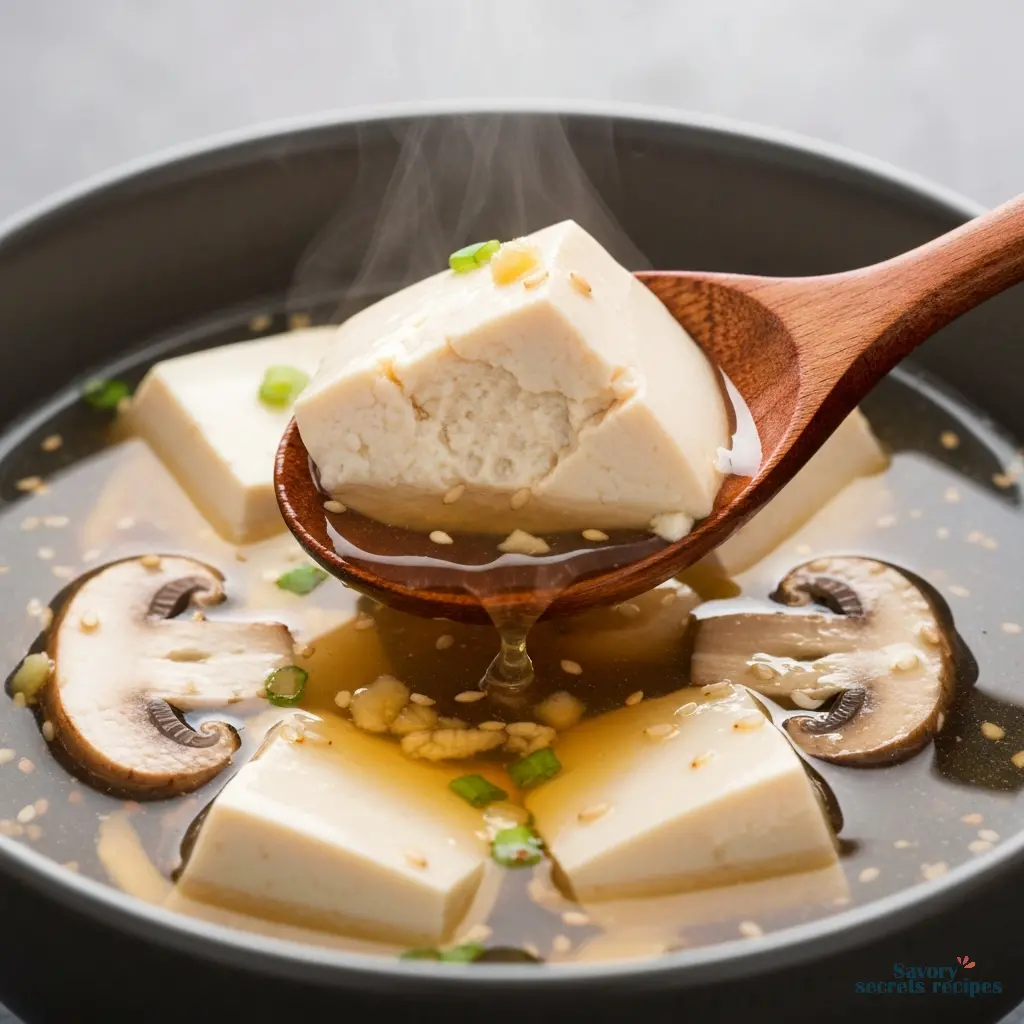
Easy Asian Tofu Soup Recipe
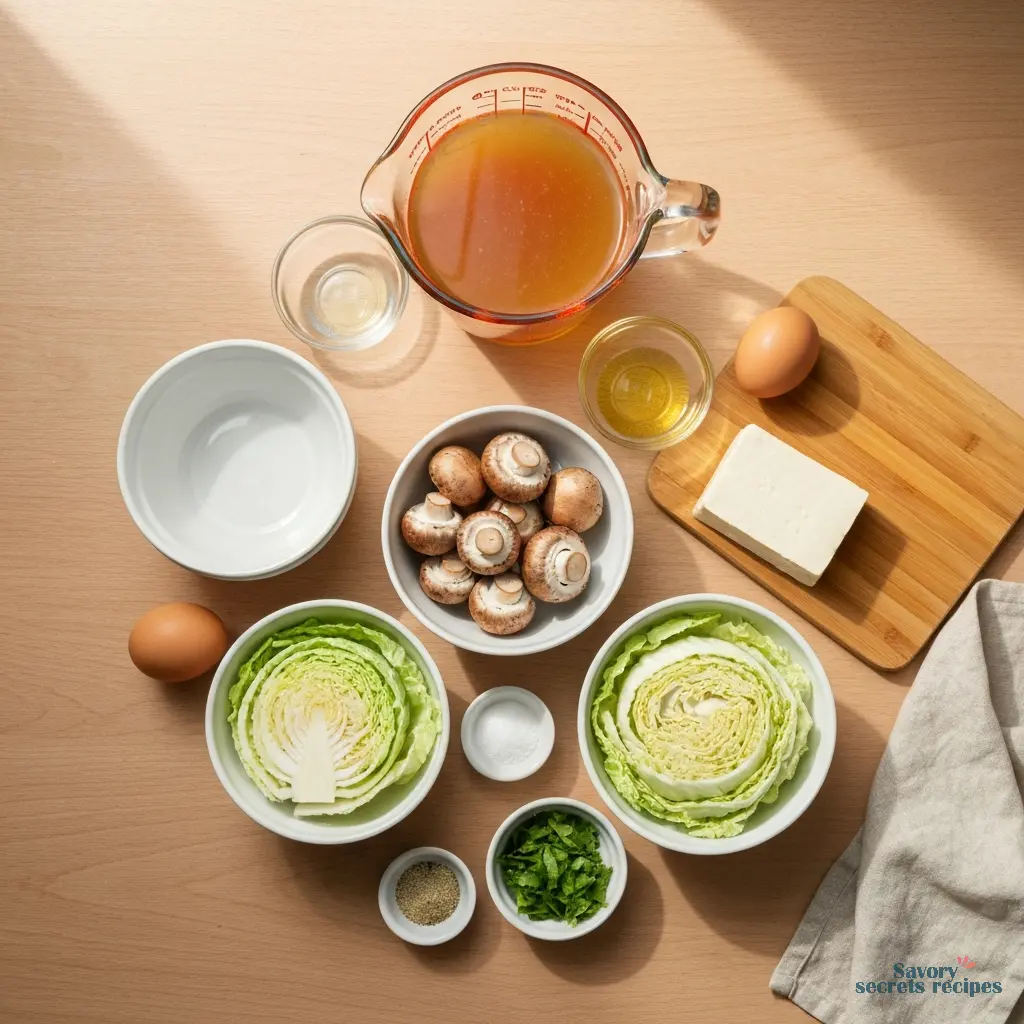
Ingredients
Method
- Bring the chicken stock and water to a boil in a pot. Cover, reduce the heat, and maintain a simmer. Meanwhile, heat a medium soup pot or wok over medium-high heat until a small splash of water beads and dances on the surface.
- Heat the oil in the pot until hot, coating the bottom. Crack in the eggs and cook over medium-high heat until the edges are well-browned. Flip the eggs and cook the other side completely through, ensuring no runny yolk remains.
- Transfer the fried eggs to a cutting board and cut them into bite-size pieces. Return the pieces to the pot. Increase the heat to high, pour in the simmering stock or water, and add the tofu and mushrooms. Cover the pot and boil for 10 minutes.
- Add the napa cabbage. Cover and cook for 5-10 more minutes, until the cabbage is very tender. Stir in the sesame oil, salt to taste, and white pepper. Garnish with cilantro and/or scallion before serving.
Nutrition
Notes
This Soup Changed My Winter Evenings
I remember a Wednesday last February, the kind where the chill in our Astoria apartment seemed to seep right through the windows. I’d just gotten home, my fingers were still cold from the walk, and the thought of another complicated dinner felt impossible. I was craving something warm, something that felt like a hug from the inside out, but I didn’t have hours. That’s when this asian tofu soup became my weeknight savior. It’s the kind of recipe that looks like you fussed, but really, it’s about letting a few good ingredients do the heavy lifting. If you’ve ever stared at a block of tofu in the store, unsure which one to grab for soup, I get it. Let me walk you through this.
Why This Asian Tofu Soup Works Every Time
Honestly, the beauty of this asian tofu soup is in its simplicity. You’re not building a dozen layers of flavor from scratch. You’re starting with a good broth and letting the tofu and vegetables be themselves. I tend to find, but test it yourself, that using a quality chicken stock from the store is perfectly fine. That tracks with what I’ve seen in my own kitchen testing. The real secret? It’s all about timing and temperature. The eggs create those lovely ribbons, the mushrooms give an earthy depth, and the napa cabbage turns silky without disappearing. It’s so satisfying when it comes together in one pot. You’re looking for that gentle simmer, not a rolling boil. That’s the sweet spot where everything cooks evenly without the tofu breaking apart.
Let’s Talk Tofu: Your Texture Guide
This is the part I love, because choosing your tofu is where you decide the soup’s personality. For a classic, delicate asian tofu soup, silken or soft tofu is what you want. It has this melt-in-your-mouth quality that feels luxurious. If you prefer more distinct bites, firm tofu works too, it just won’t melt into the broth the same way. Here’s a secret I learned from testing: you don’t need to press or pre-cook the tofu for this soup. Just cube it gently and add it in the last few minutes. Boiling it directly in the broth actually firms it up slightly while keeping the center tender. Give it a minute to settle after you turn off the heat. The residual heat finishes cooking it perfectly. Your mileage may vary depending on your brand, but in my experience, five minutes of simmering is right in that window. For those interested in traditional Korean stews beyond tofu soup, our korean stew guide covers various preparation methods and ingredients.
Building Your Soup, Step by Step
I’m keeping an eye on the order of operations here, because it matters. Start by sautéing your sliced mushrooms in that neutral oil. You want them to release their moisture and get a little golden. That’s building your base flavor. Then, add your broth and water and bring it to that gentle simmer I mentioned. This is where you season with salt and white pepper. Now, here’s the trick. Stir the broth in a circular motion to create a little whirlpool, then crack your eggs right into the center. The swirling water helps the eggs cook in those beautiful strands instead of one big clump. It’s easier than it looks, I promise.
Once the eggs are set, lower the heat. This is when you gently add your cubed tofu and the napa cabbage. Don’t stir aggressively. Just nudge them under the broth. Let everything cook together for about five minutes. The texture should read smooth when you drag a spoon through the broth. Finally, and this is non-negotiable, take the pot off the heat before you drizzle in the sesame oil. Adding it at the end preserves its incredible nutty aroma. If you add it while cooking, that fragrance just vanishes.
Your Flavor Adjustment Toolkit
Maybe your broth tastes a bit weak, or you want more kick. Let’s troubleshoot together. If the soup is too bland, a dash of soy sauce or tamari adds salty umami fast. Too thin? Let it simmer uncovered for a few extra minutes. Want it spicy? A teaspoon of gochujang stirred in at the sauté stage works wonders, or a drizzle of chili crisp on top. For a vegetarian asian tofu soup, swap the chicken stock for a robust vegetable broth. You could add a handful of spinach or some sliced zucchini in the last two minutes. The recipe is a template. Make it yours.
Common Hiccups and How to Fix Them
We’ve all been there. Here are the fixes I’ve learned, sometimes the hard way.
❌ The tofu fell apart completely. → ✅ You probably used silken tofu and stirred too vigorously. It’s delicate. Next time, use soft or firm tofu, or just be gentler. It’ll still taste great.
❌ The soup tastes flat. → ✅ The broth might need more salt or a boost of umami. Add a bit more soy sauce or a pinch of MSG if you have it. A small knob of grated ginger at the start can also wake everything up.
❌ The egg formed one big lump. → ✅ The broth wasn’t swirling enough, or it was at a hard boil. A gentler simmer and a confident pour right into the vortex fixes this.
❌ It’s not hearty enough for a meal. → ✅ Add cooked noodles like udon or ramen at the end, or serve it over a scoop of steamed jasmine rice. Perfect.
Storing and Serving Your Masterpiece
Leftover asian tofu soup keeps in the fridge for 3 to 4 days in an airtight container. The tofu will absorb more broth and soften further, which I actually love. Reheat it gently on the stovetop over medium-low heat. Don’t boil it again, just warm it through. I don’t recommend freezing it, as freezing can really alter the texture of the tofu, making it spongy. If you want to meal prep, you could make the broth base ahead and add fresh tofu and vegetables when you reheat. Serve it steaming hot, with extra cilantro and maybe a sprinkle of sliced green onions. That texture is exactly what we’re after.
Frequently Asked Questions
Your Cozy Dinner Awaits
When you ladle this soup into bowls tonight, watch the steam rise with that incredible scent of ginger and sesame. That’s the moment I live for. It tastes like comfort, like something that took care but didn’t take over your evening. You’ve got this. It’s simpler than you think, and more rewarding than takeout. Snap a pic of your beautiful asian tofu soup and tag me. I’d love to see your creation. Now we’re getting somewhere.
Is asian tofu soup healthy?
Absolutely. It’s packed with plant-based protein from the tofu, it’s low in calories if you watch the oil, and you’re loading up on vegetables. Using a low-sodium broth lets you control the salt, making it a nourishing choice for a quick dinner.
What kind of tofu is best for tofu soup?
For the silky, traditional texture, soft or silken tofu is best. It melts into the broth beautifully. Firm tofu works if you want distinct cubes, but it won’t give you that same creamy feel in every spoonful of your asian tofu soup.
Should I cook tofu before adding to soup?
Nope, not for this recipe. Adding it directly to the simmering broth is perfect. It cooks through in just a few minutes and absorbs the flavor. Pre-cooking can make it rubbery. Just cube it and gently slide it in.
How long should I boil tofu for soup?
Don’t boil it, simmer it. Once you add the tofu to your asian tofu soup, let it cook in the gently bubbling broth for about 5 minutes. That’s enough to heat it through and firm it up slightly without breaking down.
Can I make this asian tofu soup vegetarian?
Easily. Just swap the chicken stock for a good vegetable broth. You might add a splash of soy sauce or a teaspoon of white miso paste to boost the savory depth. It becomes a fantastic vegan tofu soup that way.
Can I freeze tofu soup?
I don’t recommend it for the full soup. The tofu texture becomes porous and spongy after freezing. You can freeze the broth base alone, though. Just thaw, reheat, and add fresh tofu and veggies.
What’s the Korean tofu soup called?
That’s sundubu jjigae, a spicy Korean tofu stew. It’s usually made with a very soft tofu, a potent chili paste (gochujang), and often includes kimchi. Our recipe is a simpler, less spicy gateway into that wonderful world.
How do you add more flavor to tofu soup?
Start with a great broth. Sauté a tablespoon of grated ginger and garlic with the mushrooms. Finish with that sesame oil and fresh herbs. A spoonful of gochujang or a drizzle of chili oil on top adds a fantastic kick.
What vegetables go well in this soup?
Napa cabbage is classic, but spinach, bok choy, or sliced zucchini are great. For heartier veggies like broccoli or carrots, add them with the broth so they have time to soften. It’s a very forgiving vegetable tofu soup.
Is it OK to eat tofu every day?
For most people, yes, as part of a balanced diet. It’s a great protein source. If you have specific thyroid concerns, it’s best to chat with a doctor. But enjoying a comforting bowl of asian tofu soup a few times a week is a healthy habit.
Does boiling tofu destroy nutrients?
Not really. Boiling is a gentle cooking method that preserves most nutrients. It’s much better than deep-frying. You’ll still get all the protein and minerals from the tofu in your soup. The quick simmer is perfect.