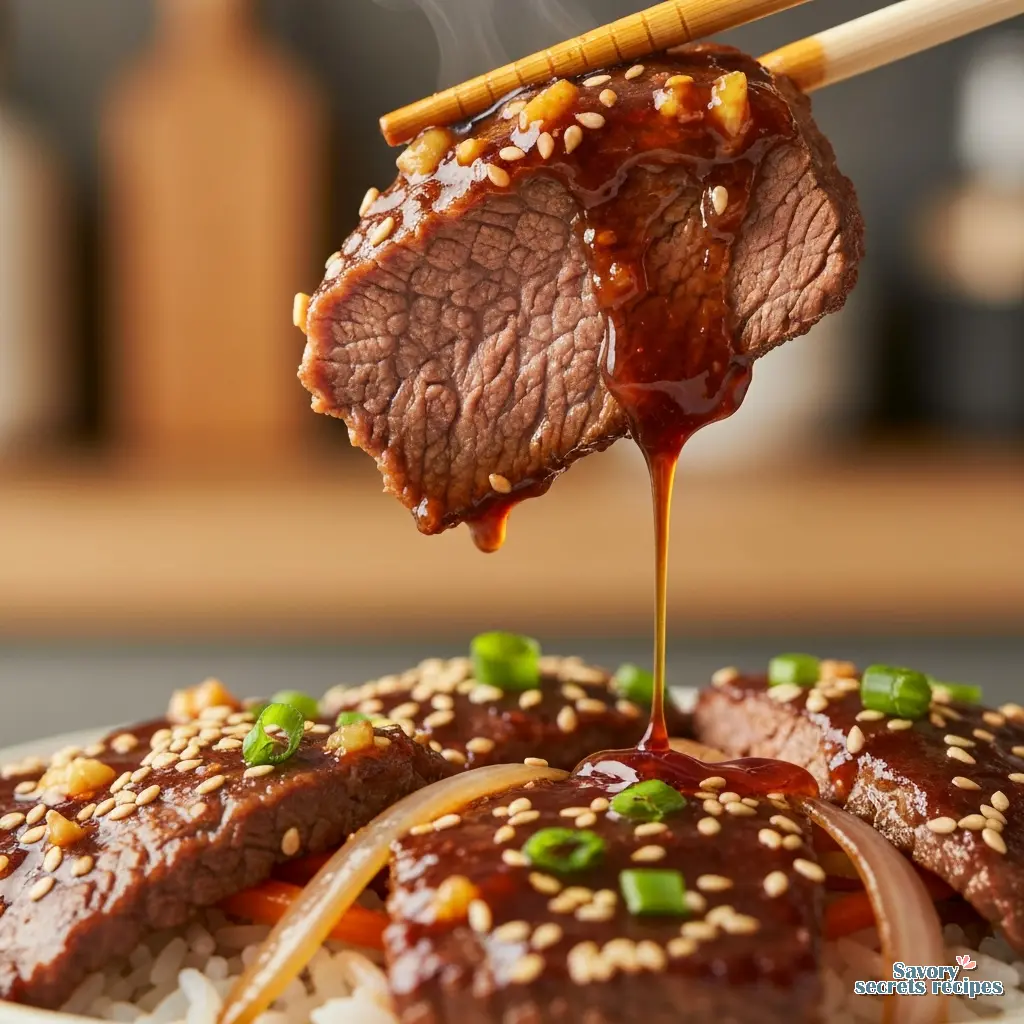
Easy Authentic Bulgogi Sauce Recipe
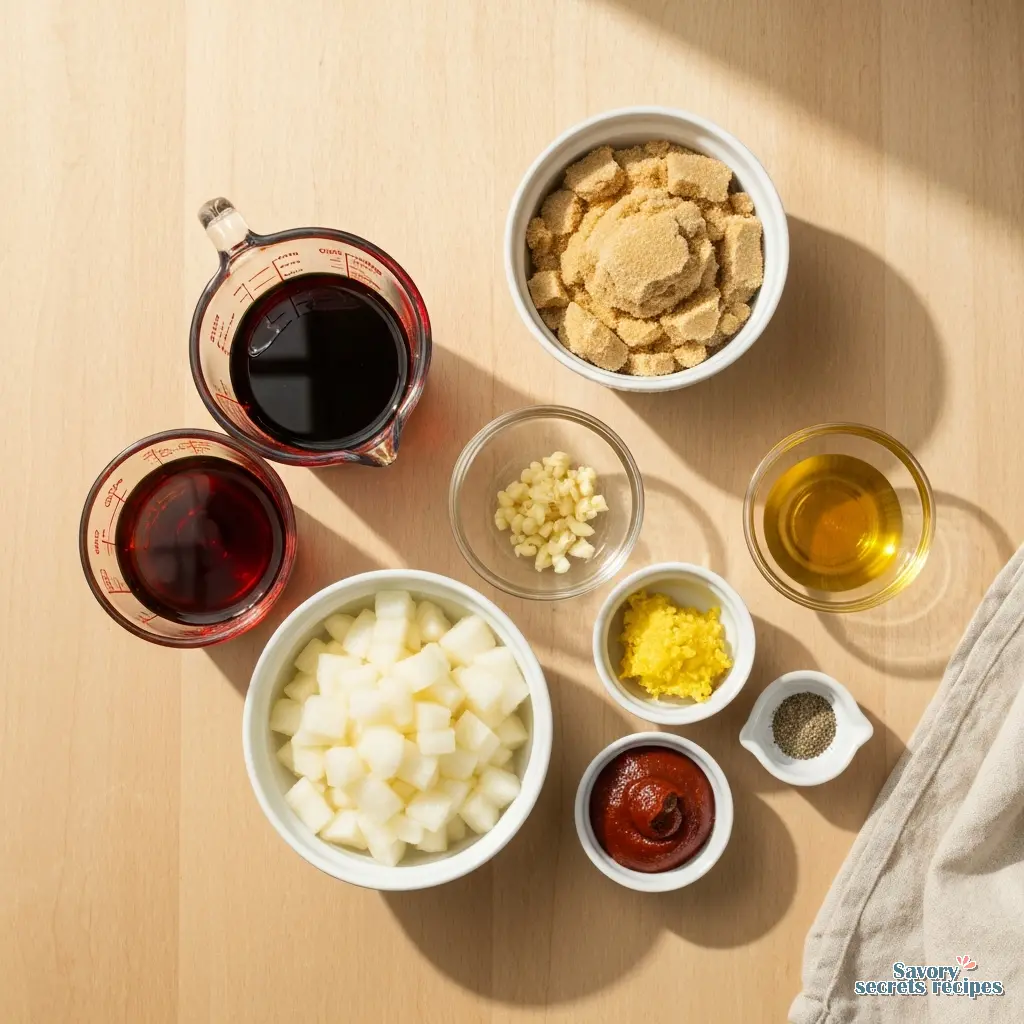
Ingredients
Method
- Combine the soy sauce, red pepper flakes, ginger, garlic, brown sugar, and sesame oil in a mixing bowl.
- Fold in the grated pear until just combined, then stir in the gochujang sauce.
- Place the sliced meat in a bowl, coat thoroughly with the sauce, and marinate for at least 20 minutes.
- Preheat a grill or a lightly greased skillet over high heat and cook the meat strips for 4 to 5 minutes per side.
Nutrition
Notes
Why This Authentic Bulgogi Sauce Recipe Wins Every Time
Honestly, my first attempt at Korean barbecue at home was a bit of a disaster. I remember standing in my tiny New York kitchen, staring at a pan of gray, boiled-looking beef that tasted nothing like the smoky, sweet, savory magic I’d had at restaurants in K-Town. I had used a generic store-bought bottle labeled “Korean BBQ Marinade,” and let me tell you, it was just… sad. It lacked that depth, that specific nutty aroma of sesame oil, and the tender texture that melts in your mouth.
That was years ago, and since then, I’ve learned that the secret to a truly authentic bulgogi sauce recipe isn’t about having a pantry full of impossible-to-find ingredients. It’s about balance. You know, getting that perfect interplay between the salty soy sauce, the sweetness of brown sugar, and the sharp kick of garlic. And it’s easier than you think. I mean, we’re talking about 10 minutes of prep work here. It is one of the most popular korean dishes because it is so approachable for home cooks.
With winter settling in and those chilly Los Angeles evenings finally giving us an excuse to turn on the stove, this recipe is a lifesaver. It transforms simple sliced beef into a restaurant-quality meal in under 30 minutes. Whether you’re meal prepping for a busy week or trying to impress friends at a dinner party, this sauce delivers that “I can’t believe you made this” reaction every single time.
The Science of Tenderizing: Why Pear Matters
If you look at the ingredients list, you might pause at the Asian pear. You might be thinking, “Can I just skip this?” Please don’t. This is arguably the most critical component of an authentic bulgogi sauce recipe. It’s not just there for sweetness; it’s there for science.
Asian pears contain an enzyme called calpain. I know, getting a bit technical here, but stay with me. This enzyme breaks down the protein fibers in the meat, making it incredibly tender without turning it into mush. It’s a natural tenderizer that works gently. Kiwi and pineapple have similar enzymes, but they are aggressive. I’ve ruined good ribeye by marinating it with kiwi for too long it literally turned into a meat paste. Not appetizing.
The pear provides a delicate sweetness and a texture that thickens the sauce slightly. If you can’t find an Asian pear at your local Ralphs or Whole Foods, don’t panic. A sweet apple, like a Fuji or Gala, works almost as well. Just grate it finely to release all those juices. Trust me, this step is the difference between “chewy steak” and “melt-in-your-mouth bulgogi.”
Meat Preparation: The Knife Skills Factor
As someone who obsesses over knife skills, I have to tell you that how you cut the meat is just as important as the marinade itself. For bulgogi, you want paper-thin slices. The thinner the meat, the more surface area there is for that delicious authentic bulgogi sauce recipe to cling to, and the faster it cooks.
Here is the trick I use every time: freeze the meat partially. Put your ribeye or sirloin in the freezer for about 45 minutes to an hour. You want it firm but not rock solid. When the meat is firm, your knife will glide through it, allowing you to get those super thin, consistent slices that look like they came from a professional slicer. If you try to slice warm, soft meat, it just squishes and tears. It’s frustrating and dangerous.
Once sliced, toss the meat gently with the sauce. You don’t need to massage it aggressively. Just ensure every piece is coated. I usually let it sit for at least 30 minutes. You can go longer, maybe overnight, but honestly, because the slices are so thin, 30 minutes is plenty of time for the flavor to penetrate.
Cooking Techniques: Avoid the Steam Bath
This is where most people mess up. You’ve made a great authentic bulgogi sauce recipe, you’ve sliced the meat perfectly, and then you dump the whole bowl into a cold pan. What happens? The temperature drops, the liquid releases, and instead of searing, your beautiful beef boils in its own juices. It turns gray and chewy.
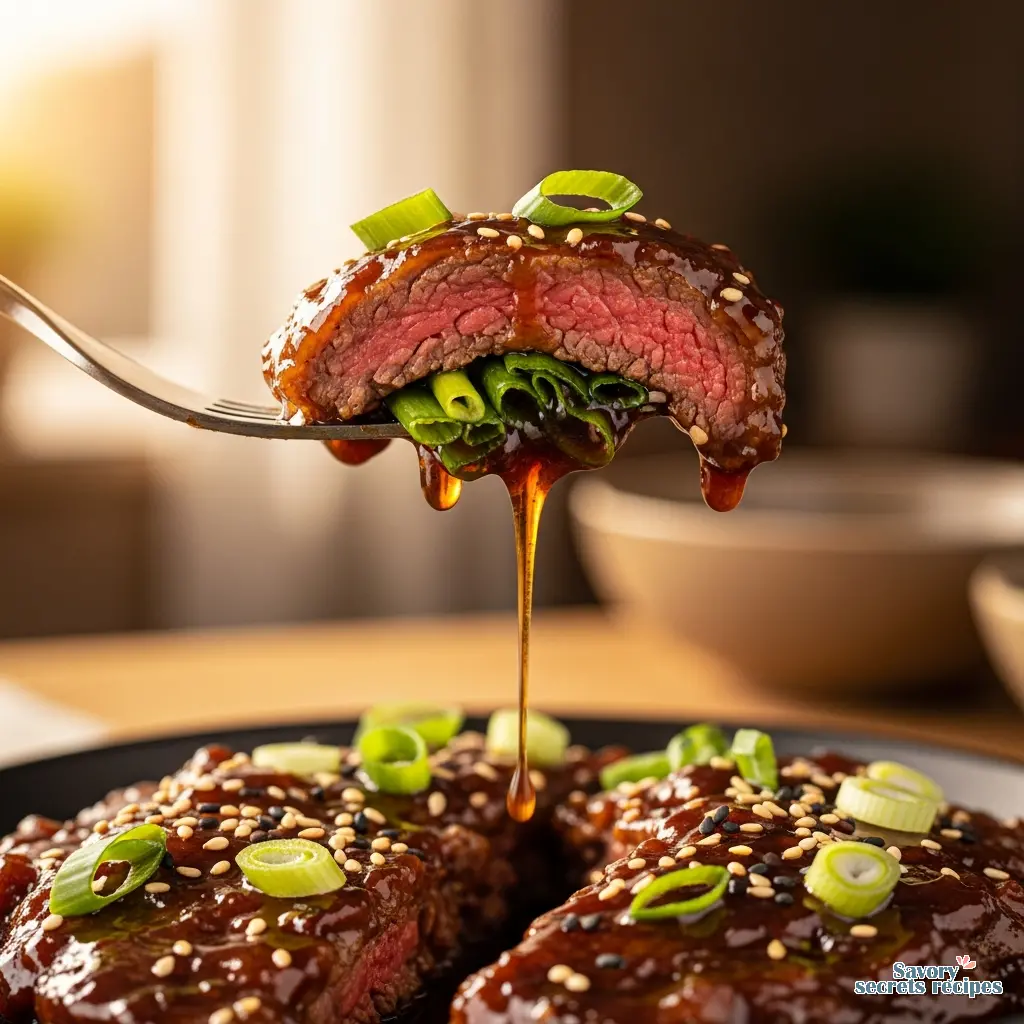
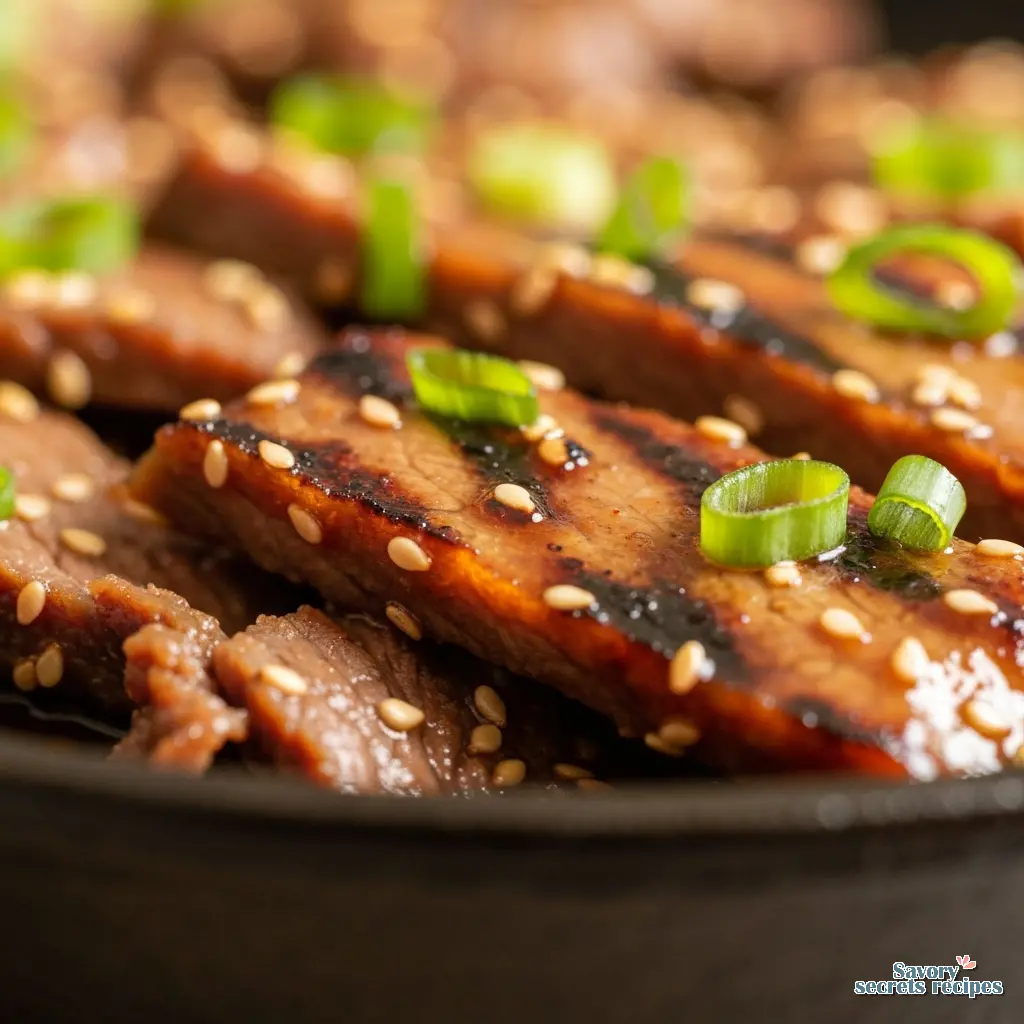
To get that restaurant-style char that “bulgogi” taste which literally translates to “fire meat” you need heat. High heat. Get your cast iron skillet ripping hot. You should see a wisp of heat rising from it. Add a little oil, and then cook the meat in small batches. I mean it. Don’t crowd the pan. You want the meat to sizzle immediately, caramelizing that brown sugar and soy sauce upon contact.
It takes a little more time to cook in batches, maybe an extra 5 minutes, but the result is golden brown, slightly charred edges with a juicy interior. Totally worth it.
Variations and Substitutions
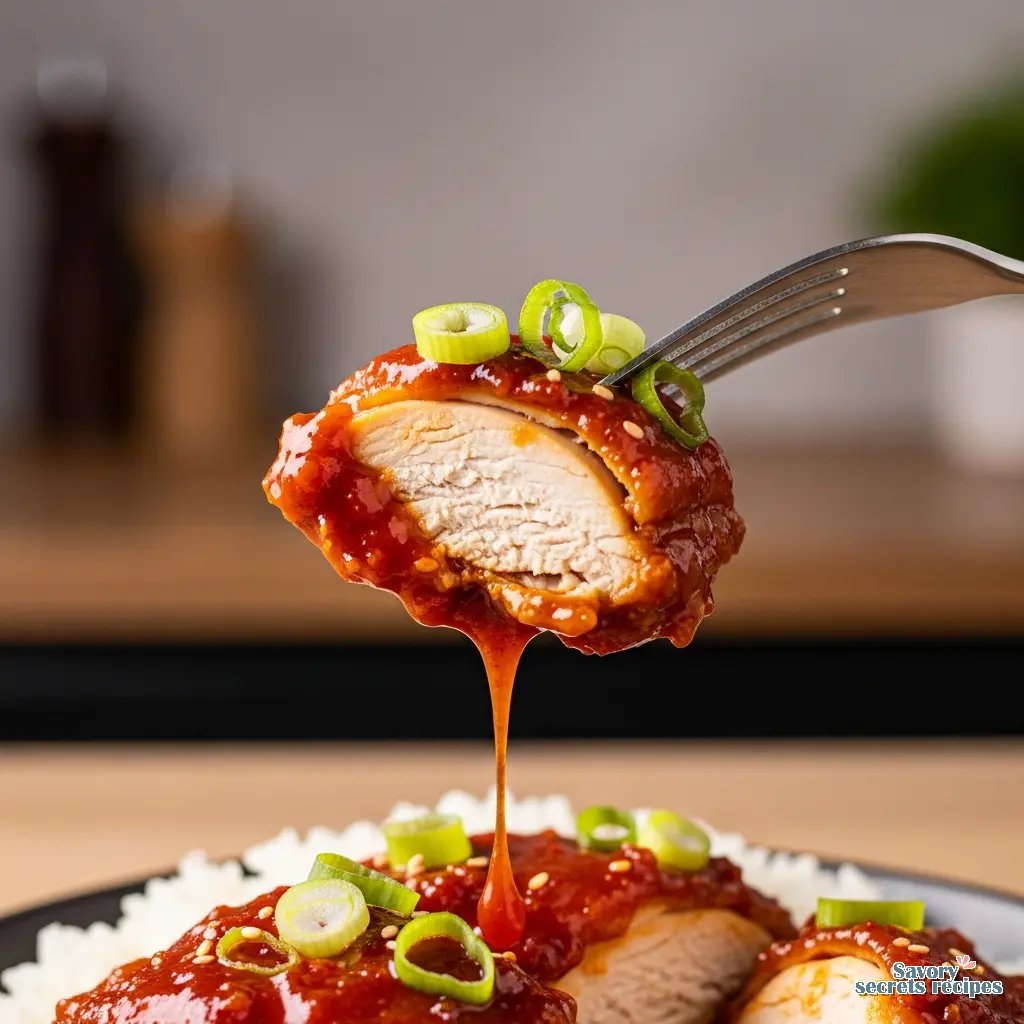
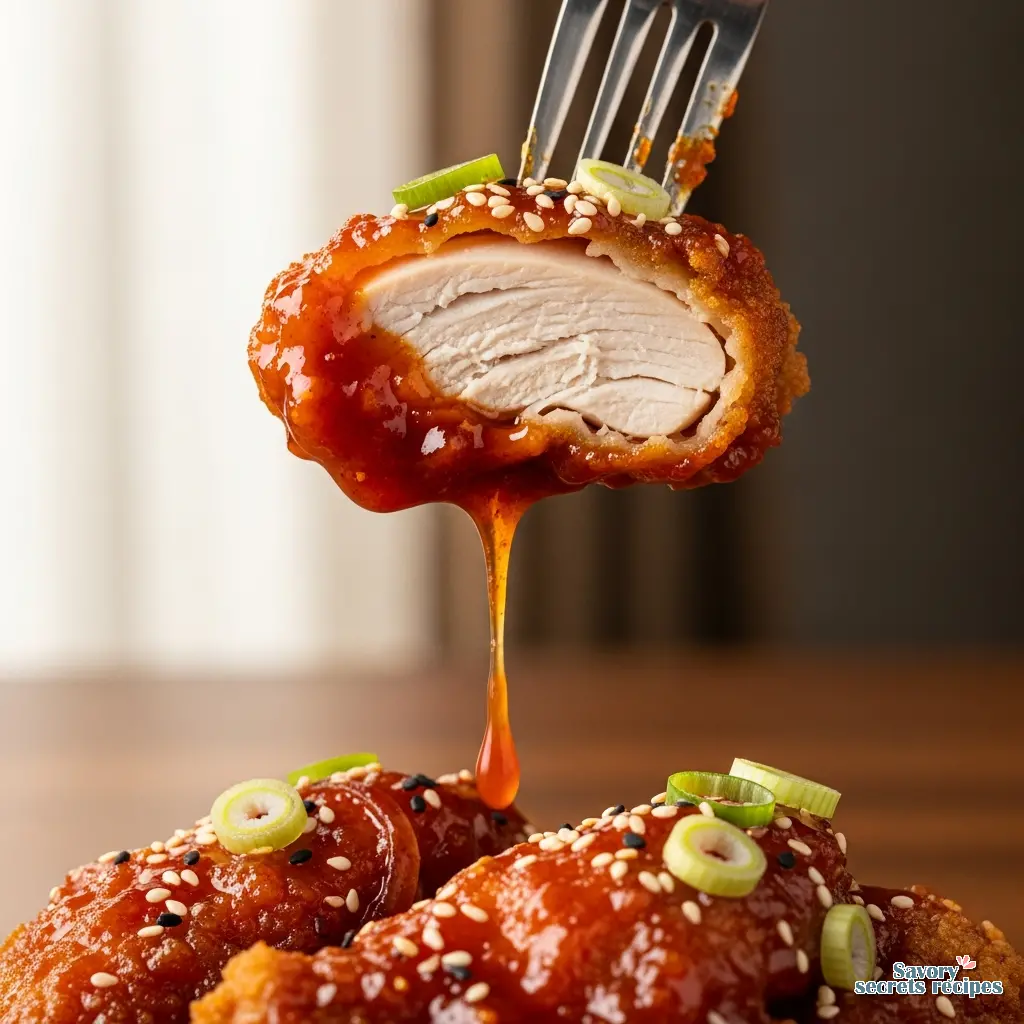
One of the things I love about this authentic bulgogi sauce recipe is how adaptable it is. You don’t have to stick to beef. I’ve used this exact same marinade on chicken thighs, and it’s amazing. Just make sure to cut the chicken into bite-sized pieces so it cooks evenly. For my vegetarian friends, firm tofu or meaty mushrooms like portobello work wonders. The sponge-like texture of tofu soaks up the marinade beautifully. If you enjoy this flavor profile but prefer poultry, you should also try making the best korean chicken for a crispy alternative.
If you are watching your sugar intake or doing keto, you can easily swap the brown sugar for a brown sugar alternative like Swerve or monk fruit sweetener. The flavor profile remains surprisingly close. And if you are gluten-free, tamari or coconut aminos are perfect 1:1 substitutes for soy sauce. You won’t lose that savory umami punch.
Low-Carb Sweetener Conversion
If you’re swapping out the brown sugar, here is a quick guide I use:
- Brown Sugar: 1/4 cup (Standard)
- Swerve Brown: 1/4 cup (1:1 ratio)
- Monk Fruit Golden: 1/4 cup (1:1 ratio)
- Allulose: 1/3 cup (slightly less sweet, so add a bit more)
Common Mistakes to Avoid
Even with a simple recipe, things can go sideways. I’ve been there. Here are a few pitfalls I’ve encountered and how to fix them.
Mistake: The sauce is too salty.
Solution: This usually happens if the soy sauce is too concentrated or reduced too much. Don’t worry. Add a splash of water or unsalted beef broth to dilute it. You can also add a few more slices of onion or mushrooms during cooking to absorb the excess salt.
Mistake: The meat is tough.
Solution: You probably skipped the pear or didn’t marinate long enough. Or, you might have sliced the meat too thick. Next time, ensure those slices are paper-thin and give the enzymes time to do their work.
Mistake: The garlic burned.
Solution: Garlic burns fast at high heat. If you find your garlic is turning bitter before the meat is done, try adding the minced garlic toward the last minute of cooking, or use a larger cut of garlic that won’t burn as instantly as minced.
Storage and Freezing Guide
This authentic bulgogi sauce recipe is a meal prep champion. Honestly, I often make a double batch of the sauce just to keep in the fridge. In an airtight jar, the sauce alone will stay fresh for up to 2 weeks. It might separate a little, but just give it a good shake before using.
If you have already marinated the meat, you can store it in the fridge for up to 3 days. Any longer, and the texture might get a bit too soft from the enzymes. But here is the best part: you can freeze the meat in the marinade. Put the sliced beef and sauce in a freezer bag, squeeze out all the air, and freeze it flat. It keeps for about a month. When you’re ready to eat, let it thaw in the fridge overnight. It marinates while it thaws. Genius, right?
Frequently Asked Questions
Is Korean BBQ sauce the same as authentic bulgogi sauce recipe?
Not exactly. While they share DNA, general Korean BBQ sauce (often called Galbi sauce) is usually designed for beef short ribs and can be slightly sweeter or thicker. An authentic bulgogi sauce recipe is specifically balanced for thin cuts of beef, often with a slightly stronger soy and garlic profile to penetrate the meat quickly.
What is the best cut of beef for bulgogi?
Ribeye is the gold standard because that marbling melts beautifully and keeps the meat juicy. However, top sirloin or tenderloin are excellent options if you want something leaner. I’ve even used flank steak cut against the grain, and with this marinade, it turns out perfectly tender.
Can I make authentic bulgogi sauce recipe ahead of time?
Absolutely. In fact, I recommend it. Making the sauce a day ahead allows the flavors of the garlic, ginger, and onion to meld together. Just store it in a mason jar in the fridge. It will stay fresh for about a week, ready for whenever you need a quick dinner fix.
What if I can’t find Asian pear?
Don’t stress about it. While Asian pear is traditional for its specific enzymes, a sweet apple like Fuji or Gala is a fantastic substitute. It provides similar sweetness and acidity. In a pinch, kiwi works too, but be careful use very little and marinate for a shorter time, or the meat will get mushy.