



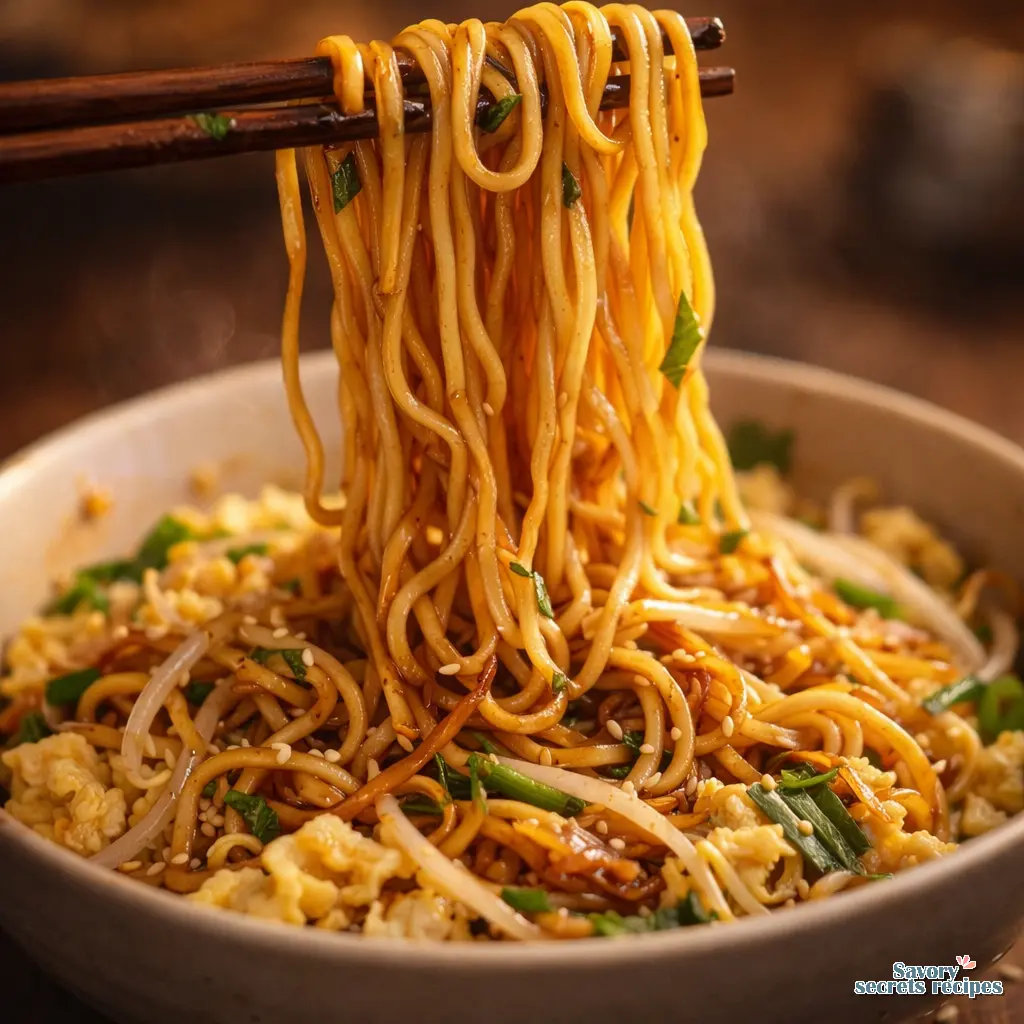
Traditional Cantonese Egg Fried Noodles Recipe
Ingredients
Method
- Combine the flour and salt in a stand mixer bowl. Add the eggs and water, then mix until a shaggy dough forms.
- Knead the dough for 10 minutes using a stand mixer with a dough hook, or for 15 minutes if kneading by hand. Cover the dough and let it rest for 30 minutes.
- Divide the dough in half and keep one portion covered. Flatten the other half into a rectangle approximately 1/2 to 3/4 inch (1-2 cm) thick.
- Feed the dough through the pasta roller on its thickest setting, guiding it straight to prevent it from catching or becoming crooked.
- Pass the dough through the roller once at every setting. Cut the dough in half at the midpoint of the settings to keep it manageable.
- Flour both sides of the dough sheet once it is translucent. Run it through the preferred cutting setting, then toss the noodles in flour to prevent sticking. Repeat the process with the remaining dough.
- Bring a large pot of water to a boil. Add the noodles, stirring immediately to prevent clumping, and cook for 60 to 90 seconds before adding to a sauce, soup, or stir-fry.
Nutrition
Notes
That First Puff of Smoke
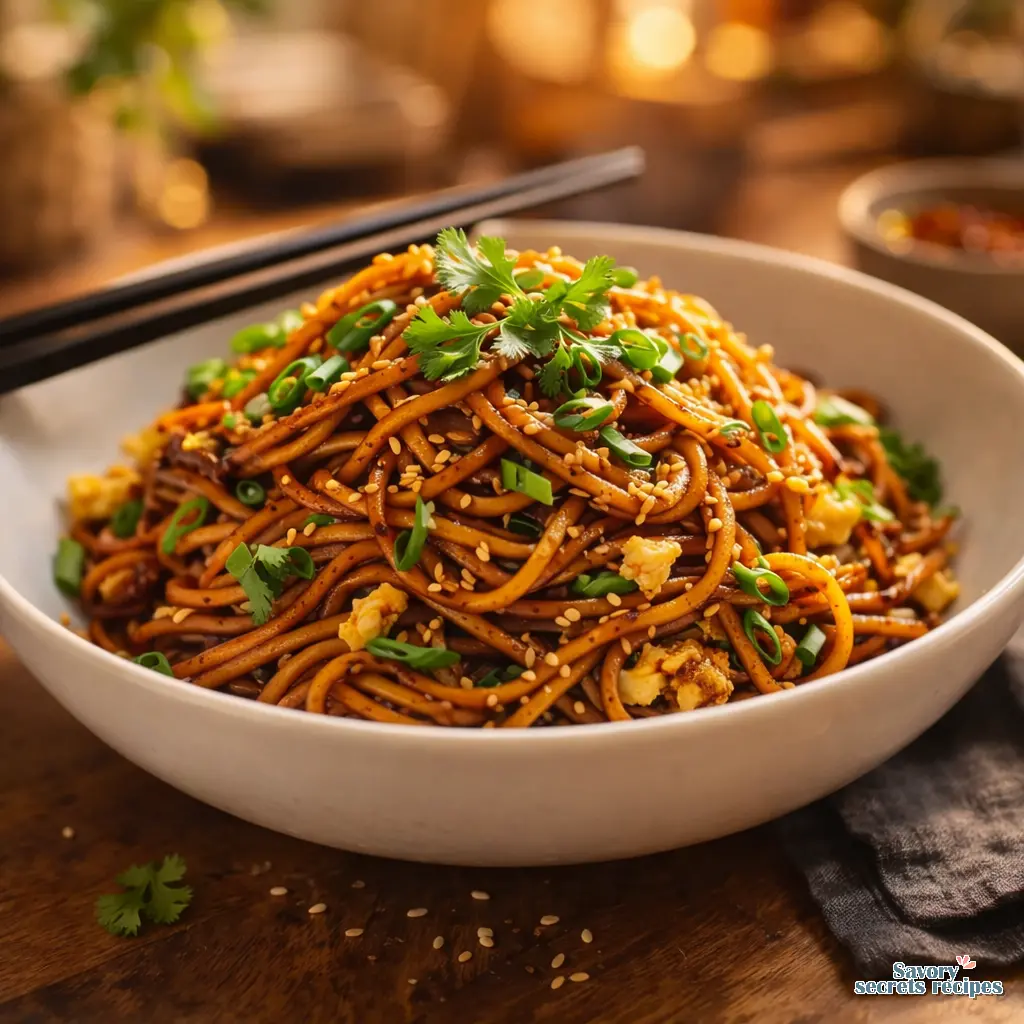
I remember the first time I got it right. It was in a friend’s cramped apartment kitchen in Silver Spring, and we were trying to recreate this dish from a place in Rockville we loved. We had the wok screaming hot, the noodles prepped, everything ready. Then I added the sauce, and this incredible puff of fragrant, almost sweet smoke billowed up. That’s wok hei. That’s the “breath of the wok” you hear about. It’s not just a cooking technique, it’s a sensory event. And getting that authentic chinese egg fried noodles experience at home isn’t about having a restaurant hood, it’s about understanding a few non-negotiable principles. Let me think about that for a second. The difference between a Western stir-fry and a true Cantonese chow mein is the pursuit of that breath. It’s dry, it’s fast, and it’s deeply savory. This is the real deal.
The Noodle Foundation: Your First Make-or-Break Step
Here’s what I’ve found works, and it’s the most cited secret for a reason. Your noodle prep is everything. If you start with soggy noodles, you’ll end with a mushy, steamed mess. You need distinct strands that fry, not stew. Whether you’re using fresh egg noodles from the fridge section at H Mart or dried ones from Ralphs, the process is similar. You’ll boil them until they’re just shy of done, maybe a minute less than the package says. Then, and this is critical, you have to dry them. Thoroughly. I drain them in a colander and then shake the living daylights out of it. I’ll even spread them on a sheet pan for a few minutes if I’m being meticulous. That surface moisture is the enemy of wok hei. You want the noodles to hit the hot oil and sear, not steam.
Gathering Your Flavor Arsenal
This is exactly the sort of thing I love to dig into. The sauce for authentic chinese egg fried noodles is a simple but specific alchemy. You need both light and dark soy sauce. The light soy is for saltiness and that fundamental umami punch. The dark soy is mostly for color and a touch of molasses-like sweetness. It’s what gives the noodles that gorgeous, bronzed restaurant hue. Now, traditional recipes often call for Shaoxing wine. If you don’t have it or prefer not to use it, a good substitute is a mix of chicken broth and a tiny splash of rice vinegar. It adds a similar depth and slight tang. You’ll also want toasted sesame oil for finishing, and white pepper. Don’t skip the white pepper. It has a brighter, more floral heat than black pepper that’s essential to the flavor profile.
For aromatics, keep it classic: minced garlic, grated ginger, and the white parts of scallions sliced on a sharp bias. Have your mung bean sprouts rinsed and dried, and your protein (like shrimp or chicken) sliced thinly and marinated in a bit of the sauce. This is the kind of ingredient prep that changes how you cook. Have it all in little bowls next to the stove. The actual stir-fry for authentic chinese egg fried noodles takes about five, maybe six minutes. There’s no time to chop.
The Wok Dance: Achieving “Breath” at Home
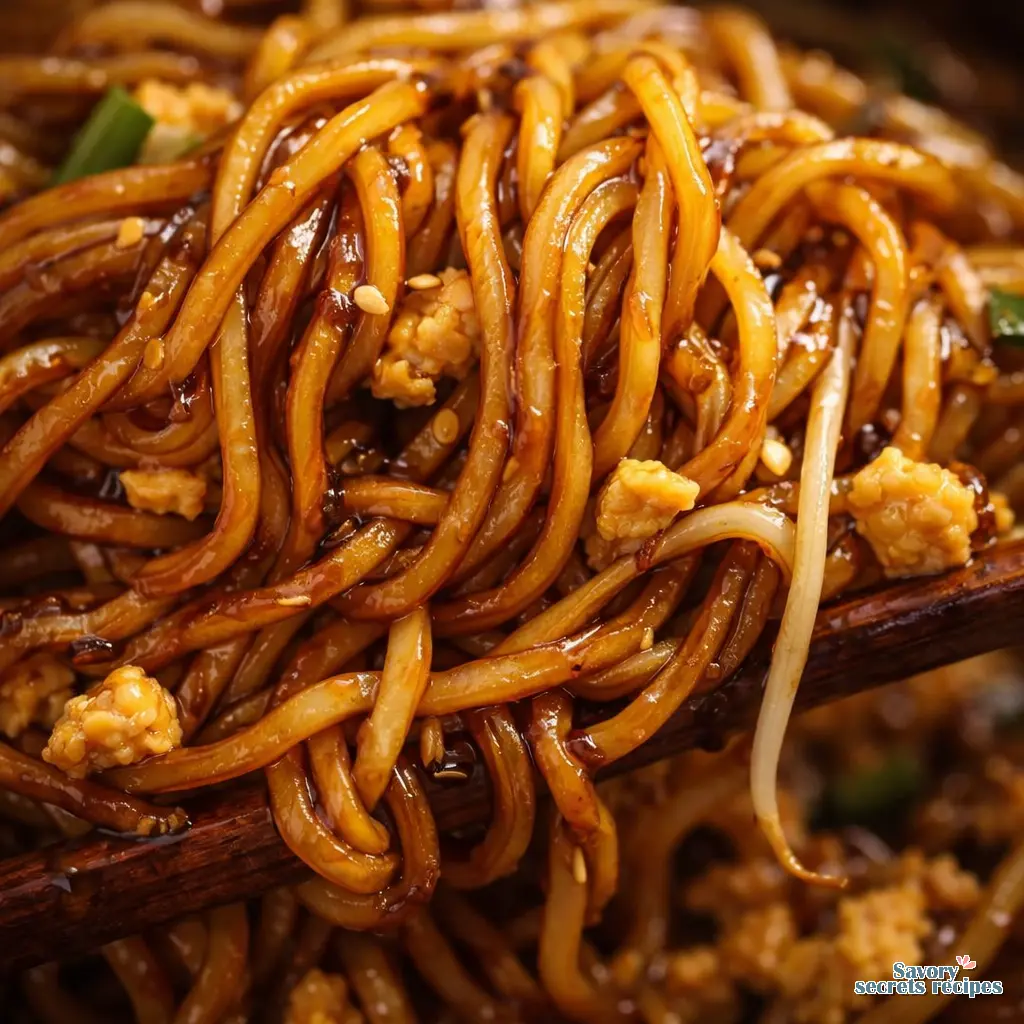
Now we’re talking. This is where the magic happens. You need your heaviest pan or, ideally, a carbon steel wok, ripping hot. Use a high smoke point oil like peanut or avocado. Add the noodles first, in a single layer if you can. Let them sit for 30 seconds. You’ll hear it, a faint singing sound as they start to fry and dry further. This is the “dry-fry” stage. Then you start tossing, using two wooden spoons or a set of long chopsticks. You’re not just stirring, you’re flipping the mass over itself, letting every strand kiss the hot metal. That’s how you get those tiny, delicious charred spots. After a minute, push the noodles up the side of the wok, add a bit more oil to the center, and scramble your eggs. Then integrate everything.
Here’s the real secret for the wok hei. When you add your sauce mixture, pour it in a circle around the hot sides of the wok, not directly onto the noodles. It should instantly sizzle and vaporize into that fragrant puff of smoke I mentioned. That smoke gets tossed into the noodles, flavoring them with that irreplaceable, smoky aroma. It’s the difference between food that’s cooked and food that’s transformed. Toss vigorously for another minute, add your bean sprouts and scallion greens, give it a final flip, and drizzle with that toasted sesame oil. Done.
Common Mistakes & Fixes
Mistake: Soggy, clumped together noodles.
Solution: You didn’t dry them enough after boiling. Shake the colander aggressively, or even pat gently with a paper towel. Moisture is the enemy.
Mistake: The noodles stick terribly to the pan.
Solution: Your pan wasn’t hot enough, or you didn’t use enough oil. Get the oil shimmering before the noodles go in. A well-seasoned carbon steel wok is your best friend here.
Mistake: The sauce tastes bitter or burns.
Solution: You added the soy sauce to the center of the wok on max heat. Always pour it onto the hot sides so it cooks and reduces instantly without scorching.
Mistake: Everything is limp and steamed.
Solution: You overcrowded the wok or added too many watery veggies at once. Cook in batches if needed, and keep the heat high. The process should be fast and loud.
Choosing Your Noodles & Making It Your Own
That’s a good question, actually. What noodles are best? For the most authentic chinese egg fried noodles, you want fresh or par-cooked yellow egg noodles. You can find them in the refrigerated section of most Asian markets. Dried egg noodles work perfectly well too, just follow the boiling instructions. In a real pinch, even ramen noodles (discard the seasoning packet) or thin spaghetti can work, but the texture will be different. I haven’t worked with that specific variety, though I’d imagine the cooking time would adjust.
Variations? Fair enough. For a vegetarian version, swap the oyster sauce for a mushroom stir-fry sauce and load up on shiitakes and bok choy. Love spice? Finish with a drizzle of chili oil or add some sliced fresno chiles with the aromatics. My daughter went through a phase where she’d only eat “white foods,” so I started making this with extra scrambled egg and just the white parts of the scallions for her. She called it “yellow noodles.” The point is, once you have the technique down for these fried egg noodles, the Chinese recipe becomes a template you can play with.
Serving, Storing, and the All-Important Reheat
Serve your authentic chinese egg fried noodles immediately. That’s non-negotiable. The texture is at its peak right out of the wok, with that perfect contrast between the slightly chewy noodles, the tender-crisp veggies, and the soft egg. If you have leftovers, let them cool completely before storing in an airtight container in the fridge. They’ll keep for 2-3 days.
Now, reheating is where most guides fall short. You’ll never quite get the fresh wok hei back, but you can revive the texture. Don’t microwave it, that’ll make it soggy. The best method is to re-fry it in a hot, lightly oiled skillet for a few minutes, tossing constantly. An air fryer at 375°F for 3-4 minutes, shaking halfway, also works surprisingly well to re-crisp the noodles. It’s worth the extra step.
Frequently Asked Questions
What’s the difference between this and regular chow mein?
In my experience, “chow mein” can mean stir-fried noodles or a specific crispy noodle cake. This authentic chinese egg fried noodles recipe is the former, a Cantonese-style stir-fry focused on wok hei. It’s drier and more focused on the noodle and egg than the American version loaded with vegetables.
Do I absolutely need a wok to make authentic egg fried noodles?
You don’t, but it helps. A wok’s shape is designed for tossing. A large, heavy-bottomed skillet or cast iron pan is a viable alternative. Just make sure it’s screaming hot to mimic the high-heat environment needed for that wok hei effect at home.
Can I use spaghetti instead of egg noodles?
You can, in a pinch. Boil spaghetti until al dente and dry it thoroughly. The texture and flavor will be different, less springy and eggy, but it’ll still be a tasty noodle stir-fry. It’s a good substitution if it’s what you have.
After boiling, rinse them briefly under cold water to stop the cooking and remove surface starch. Then, and this is key, toss them with a tablespoon of neutral oil before you start stir-frying. This creates a barrier and helps them stay separate.
What’s the best way to reheat leftover fried egg noodles Chinese-style?
Skip the microwave. Reheat them in a hot, lightly oiled pan or wok for 3-4 minutes, tossing constantly. An air fryer at 375°F for a few minutes also works wonders to bring back some crispiness without making them soggy.
The Final Toss
So there you have it. It tracks with what I’ve seen in my own kitchen and from testing this over and over. Making authentic chinese egg fried noodles isn’t about having professional equipment, it’s about respecting the process: dry noodles, high heat, and that fearless, smoky toss. When you get that first puff of aromatic wok hei in your own kitchen, you’ll feel it. It’s a little thrill of pride. You did it. You captured the breath of the wok. Now, go make some smoke. And if you’re looking for more ways to use your wok or other global pantry inspirations, I share tons of variations and ideas over on my Pinterest boards. Happy cooking.
Reference: Original Source