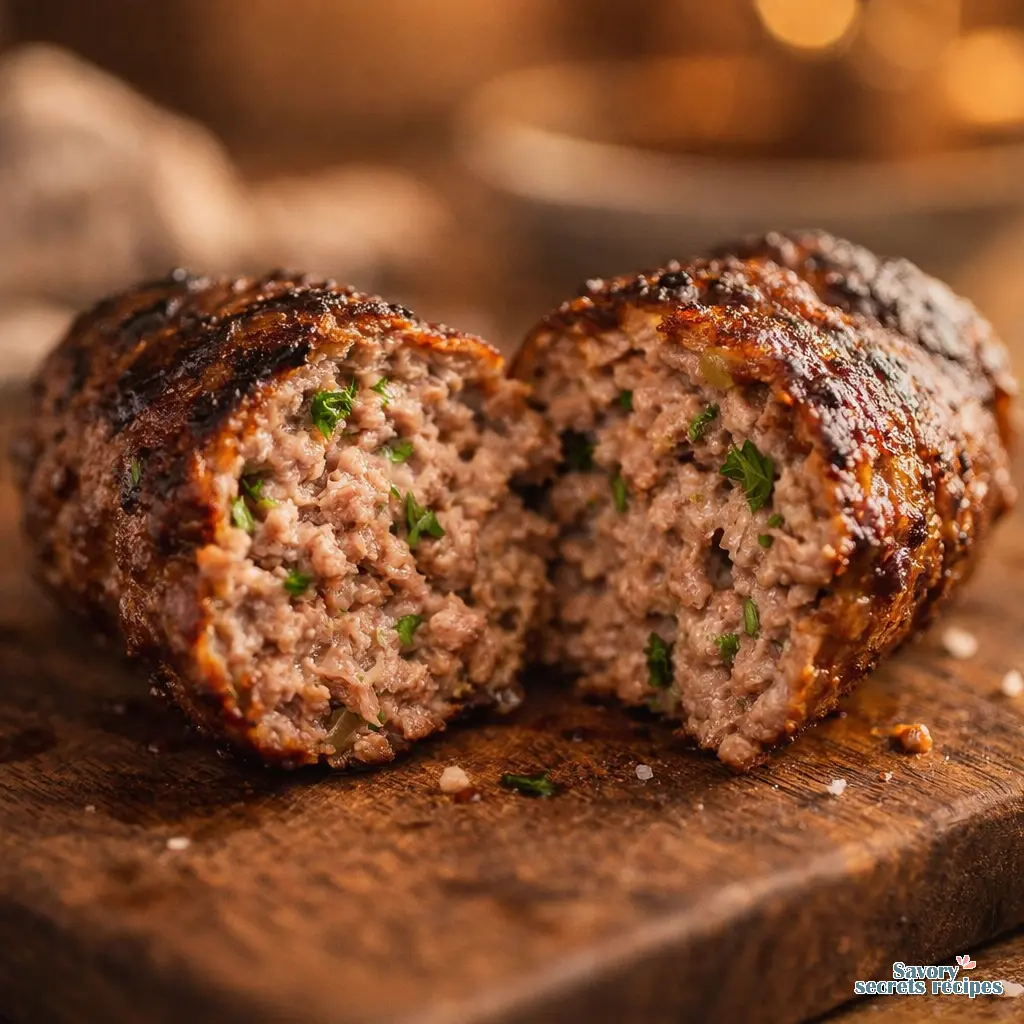
Authentic Egyptian Beef Kofta Recipe
Ingredients
Method
- Place the meat and lamb into a large mixing bowl.
- Combine the parsley, cilantro, onion, garlic, and tomato in a food processor or blender and process until a paste forms.
- Add the salt, pepper, allspice, cardamom, and optional chili powder, then mix until thoroughly combined.
- Pour the herb and spice mixture over the meat and mix by hand until well incorporated.
- Add the breadcrumbs and baking powder and mix until evenly distributed; add more breadcrumbs if the mixture is too soft or sticky.
- Cover the mixture with plastic wrap pressed directly onto the surface and refrigerate for up to 24 hours if preparing in advance.
- Shape the mixture into patties, fingers, or meatballs, ensuring they are at least 3/4 to 1 inch thick to retain moisture.
- Grill the kofta, bake it at 425°F for 20-25 minutes until juices run clear, or sauté it in a pan with oil over medium-high heat until browned on all sides.
- Serve hot or at room temperature with rice, pasta, or in pitas topped with tahini or tzatziki sauce.
Notes
The Secret to an Authentic Egyptian Beef Kofta Recipe
I remember standing on a wooden stool in my teta’s kitchen in Heliopolis. I was seven years old, watching her mix ground meat by hand. The smell of warm spices and roasting meat drifting up from the street vendors below was intoxicating. That specific combination of seasoned beef and the faint diesel smell from the Cairo streets mixing through the window is etched in my brain. I swore I would figure out how to make that exact texture at home. Took me until I was twenty-six.
Today, I am sharing the ultimate authentic egyptian beef kofta recipe. It is perfect for your Ramadan Iftar table, or just a busy weeknight when you need something incredible in under forty-five minutes. This is where most recipes skip the detail. They give you a list of ingredients and tell you to shape the meat. But Kofta El Haty is entirely about technique. The dough will tell you when it’s ready, and yes, we treat this meat exactly like a dough.
Before we get into the deep dive, I want to give you the absolute non-negotiables. These are the quick wins that make or break the dish.
First, you need fat. Never use lean meat. You want at least 15 to 20 percent fat to prevent the skewers from drying out. Second, use onion juice for shaping. Grate your large onion, squeeze the water out completely, and save that liquid. The dry onion pulp goes into the meat. Third, use a food processor to pulse your parsley and cilantro. Meticulously hand-chopping herbs is messy and inefficient, but just pulse them a few times rather than over-processing into a paste. Finally, baking powder is your best friend here. It helps the meat retain moisture and stay soft.
The Science of Baking Powder and Moisture Locking
Let me think through this. The texture of traditional street food kofta is spongy yet firm. It has a beautiful bounce to it. How do we get that bounce in a home kitchen, especially when I am cooking for friends in Los Angeles and relying on supermarket beef? You use baking powder. I know this sounds complicated, or maybe just weird, but the baking powder slightly alters the pH of the meat. This helps the proteins hold onto their natural juices while cooking.
I also add one grated plum tomato to the mixture. Make sure you squeeze out the excess water first. The tomato flesh adds incredible internal moisture without making the mixture soggy. Your hands know before your eyes do when the mixture is right. It should feel tacky. Almost sticky. If you are using soaked breadcrumbs or white buns as a binder, you must squeeze the water out completely before adding them to the meat. Water is the enemy of a good bind.
Common Mistakes & Fixes
Mistake: The meat falls off the skewer into the fire.
Solution: You likely did not knead the meat long enough. You must knead the mixture for at least 5 to 7 minutes until you see white fibrous threads forming. This protein development is what holds it together.
Mistake: The kofta is dry and crumbly.
Solution: You used extra lean ground beef. Trust the process here; you need an 80/20 fat ratio. Lean meat simply will not work for this authentic egyptian beef kofta recipe.
Mistake: The wooden skewers caught on fire.
Solution: Always soak your wooden skewers in water for 30 to 60 minutes before grilling. It is a simple step that prevents a fiery disaster.
The 80/20 Rule: Choosing Your Meat
Temperature matters more than time here, but fat content matters most of all. If you march into Trader Joe’s or Whole Foods and buy 96 percent lean ground beef, you are going to make dry little bricks. That tracks with what I’ve seen in every failed batch I tested back in 2019. You need an 80/20 ratio.
For a truly authentic egyptian beef kofta recipe, you can use all beef with that 80/20 ratio. Traditionally, many grill masters in Cairo use a mix of beef and lamb. Adding a little lamb fat gives you that unmistakable street food flavor. I prefer working with weight measurements exclusively because volume is too variable, so I aim for exactly one pound of meat total. If you omit the bread binder entirely for a gluten-free version, the fat content becomes even more critical to keep things juicy.
Building the Kofta El Haty Flavor Profile
The spice profile is what separates an authentic egyptian beef kofta recipe from a generic middle eastern grill dish. We use warm, deeply aromatic spices. Allspice, cinnamon, nutmeg, and a touch of ground cardamom. Plus salt, black pepper, and maybe a little chili powder if you like a subtle heat. The smell shifts right before it’s done mixing. You will smell the cinnamon hitting the beef fat. It is absolutely incredible.
I prefer mahlab or nutmeg that I’ve ground myself the morning I’m using it. The pre-ground stuff loses its floral notes within weeks, and those notes are the whole point. Once you mix your spices into the meat, chill the mixture for 1 to 2 days to let the flavors truly develop. Cold meat is also much easier to thread onto skewers.
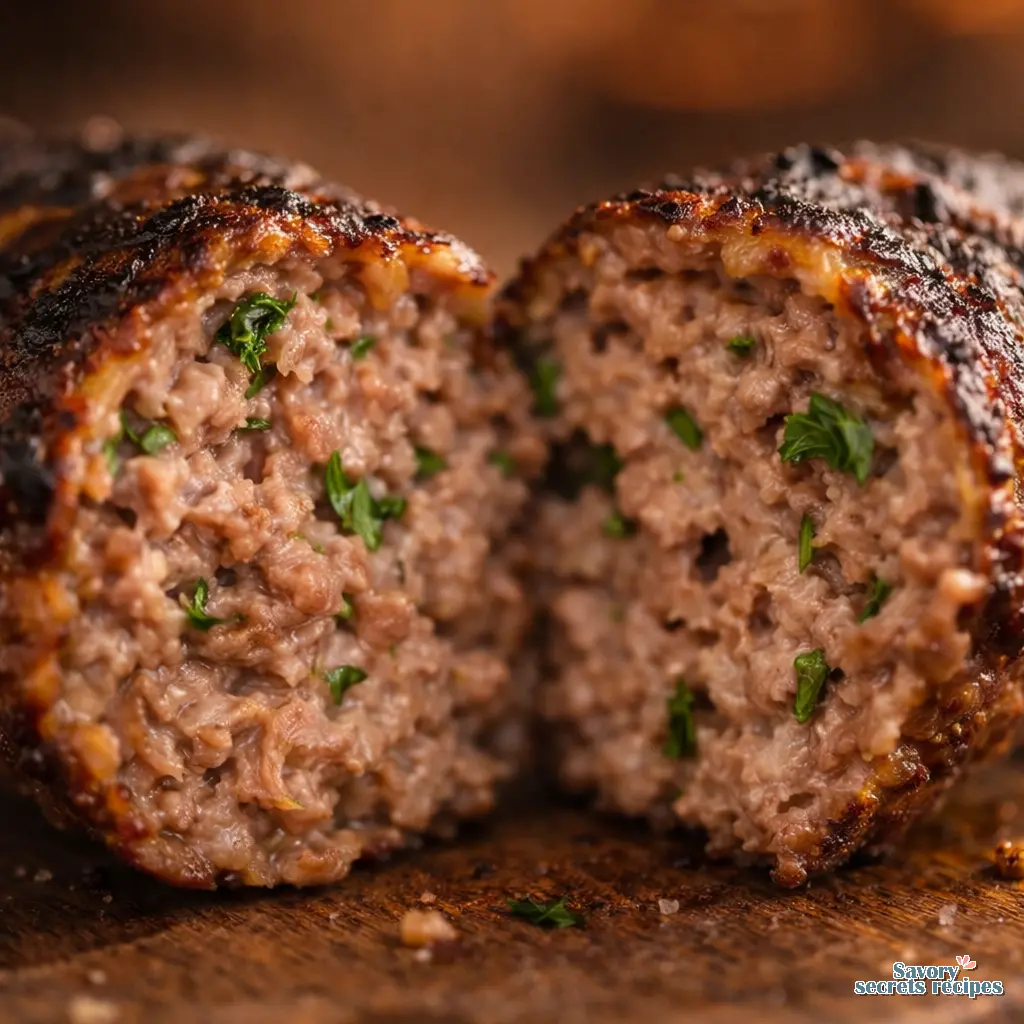
Cooking Methods: Grill, Oven, and Air Fryer
You do not need an outdoor grill to make this work. Though if you are firing up the barbecue for a casual weekend gathering in the backyard, make sure you manage your hot zones. You want medium-high heat. Dip your hands in that reserved onion juice while you shape the meat onto the skewers. It gives the outside a beautiful caramelized crust.
For the oven, bake them at 400°F on a wire rack set over a baking sheet. The high heat sears the outside quickly. I need to test that assumption, I thought, when my daughter asked if we could air fry them instead. Turns out, the air fryer works brilliantly. Cook them at 375°F for about 10 to 12 minutes. They come out perfectly browned.
But how do we get that charcoal smoke flavor indoors? The traditional fahm method. I know this sounds a bit wild, but trust me. You take a small piece of natural charcoal and heat it until red hot on your stove. Place it in a little foil cup in the center of your cooked kofta pot. Add a single drop of oil to the coal, and cover tightly with a lid for five minutes. The trapped aroma infuses the meat perfectly. Just be careful handling the hot coal.
Serving Your Middle Eastern Masterpiece
The sides are just as important as the meat itself. You need a comprehensive side dish guide to do this right. First, tahini sauce. It is absolutely non-negotiable. Then, warm pita or fresh baladi bread. I love serving this with a simple baladi salad of cucumber chunks, tomatoes, and parsley tossed with salt and lemon juice.
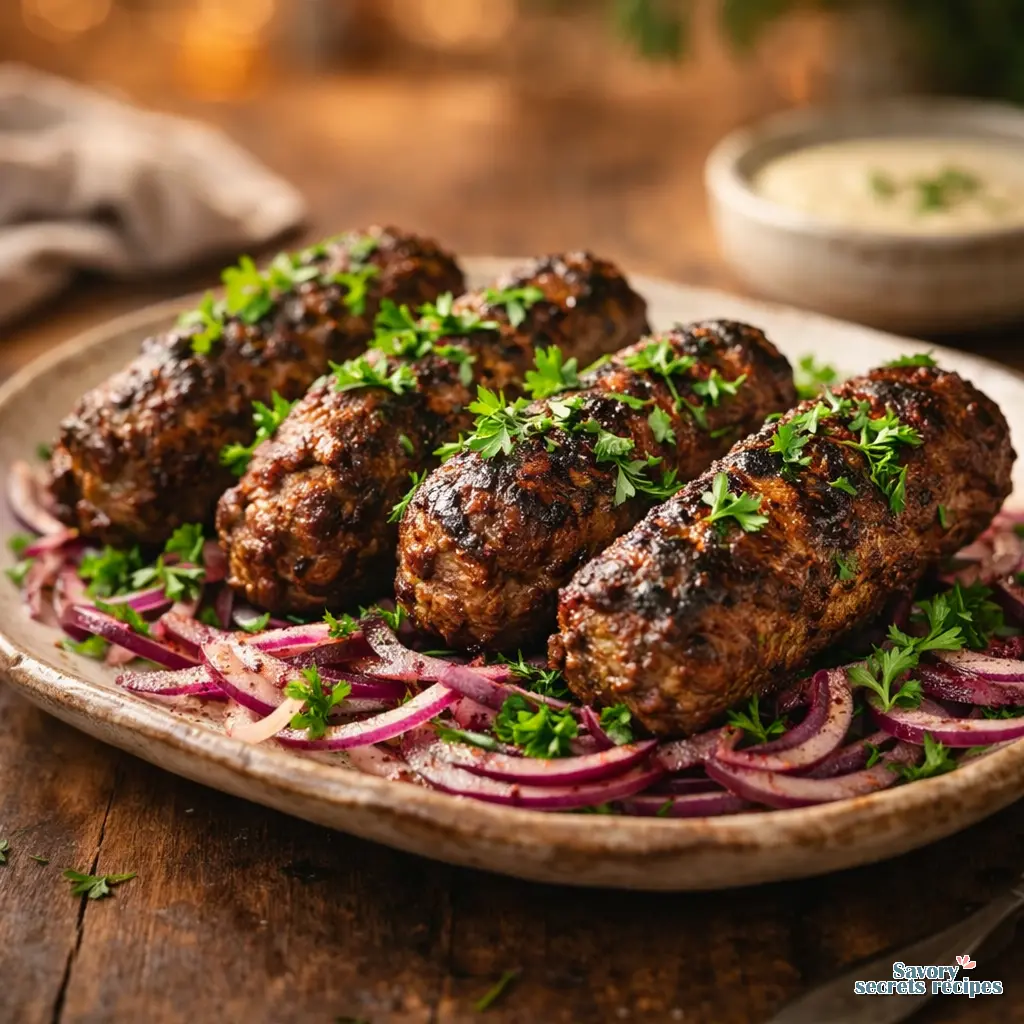
And do not forget the sumac onions. Just thinly slice red onions, rub them with sumac and a little salt, and serve them underneath the hot kofta. The savory juices drip down into the onions as they rest. This is exactly the texture we’re after. The contrast between the rich meat and the sharp, acidic onions is brilliant.
Freezing, Storing, and Reheating
I often make a double batch of this authentic egyptian beef kofta recipe for meal prep Sundays. Store your cooked leftovers in an airtight container in the fridge for up to four days. Honestly, it almost tastes better the next day served cold in a toasted wrap with plenty of tahini.
If you want to freeze them, I highly recommend freezing the raw, shaped skewers. Place them on a parchment-lined baking sheet. Once they are frozen solid, transfer them to a freezer bag. You can cook them straight from frozen; just add a few extra minutes to your cooking time. When reheating cooked kofta, use the oven or air fryer at 350°F until just warmed through. The microwave will turn them into rubber, and nobody wants that.
Frequently Asked Questions
A Few Final Thoughts
There is nothing quite like the pride of pulling a perfectly threaded skewer off the grill. Once you understand the basics of kneading the meat and balancing the fat, you will never go back to generic recipes. This authentic egyptian beef kofta recipe brings a piece of Cairo straight into your kitchen.
I know you’re going to nail this texture. When you do, please share your smoky, juicy results with me. I have a folder of messages from people who finally got their favorite childhood recipes right, and it never gets old. For more inspiration and variations on Middle Eastern classics, check out my Pinterest boards. Grab some good quality ground beef on your next grocery run and give this a try tonight. You’ve got this.
Reference: Original Source
Can I make this authentic egyptian beef kofta recipe ahead of time?
Absolutely. In fact, I highly recommend it. Mix all the ingredients and chill the raw mixture in the fridge for 1 to 2 days. This resting period lets the warm spices fully develop and makes the cold fat much easier to thread onto your skewers.
How do I store leftover authentic egyptian beef kofta recipe?
Keep any cooked leftovers in a sealed container in the fridge for up to four days. To reheat without drying them out, pop them in a 350°F oven or air fryer for just a few minutes. Avoid the microwave if you want to keep that spongy texture.
What is the difference between this and beef kofta skewers Jerusalem style?
The main difference lies in the spice blend and binders. A traditional Egyptian kofta recipe relies heavily on warm spices like allspice and nutmeg, and often uses soaked bread and baking powder for a spongy texture. Jerusalem style often leans more heavily on fresh herbs, garlic, and pine nuts.