



How to Keep Beef Kofta Kebabs on the Skewer
Ingredients
Method
- Prepare the beef mixture.
- Combine the ground beef, onion, garlic, parsley, cilantro, cumin, coriander, cinnamon, paprika, and turmeric in a large mixing bowl. Season with salt and pepper to taste.
- Add the egg and olive oil to the bowl. Mix the ingredients thoroughly by hand or with a spoon until well incorporated.
- Adjust the consistency of the mixture by adding olive oil if it is too dry or breadcrumbs if it is too wet, until it is firm yet moist.
- Shape the kebabs.
- Divide the mixture into 12-14 equal portions. Use damp hands to shape each portion into a 4-5 inch cylinder and press the meat firmly and evenly onto skewers.
- Soak wooden skewers in water for at least 30 minutes before use to prevent burning.
- Preheat the grill or skillet.
- Preheat an outdoor grill to 375-400°F or heat a cast-iron skillet over medium-high heat.
- Cook the beef kofta kebabs.
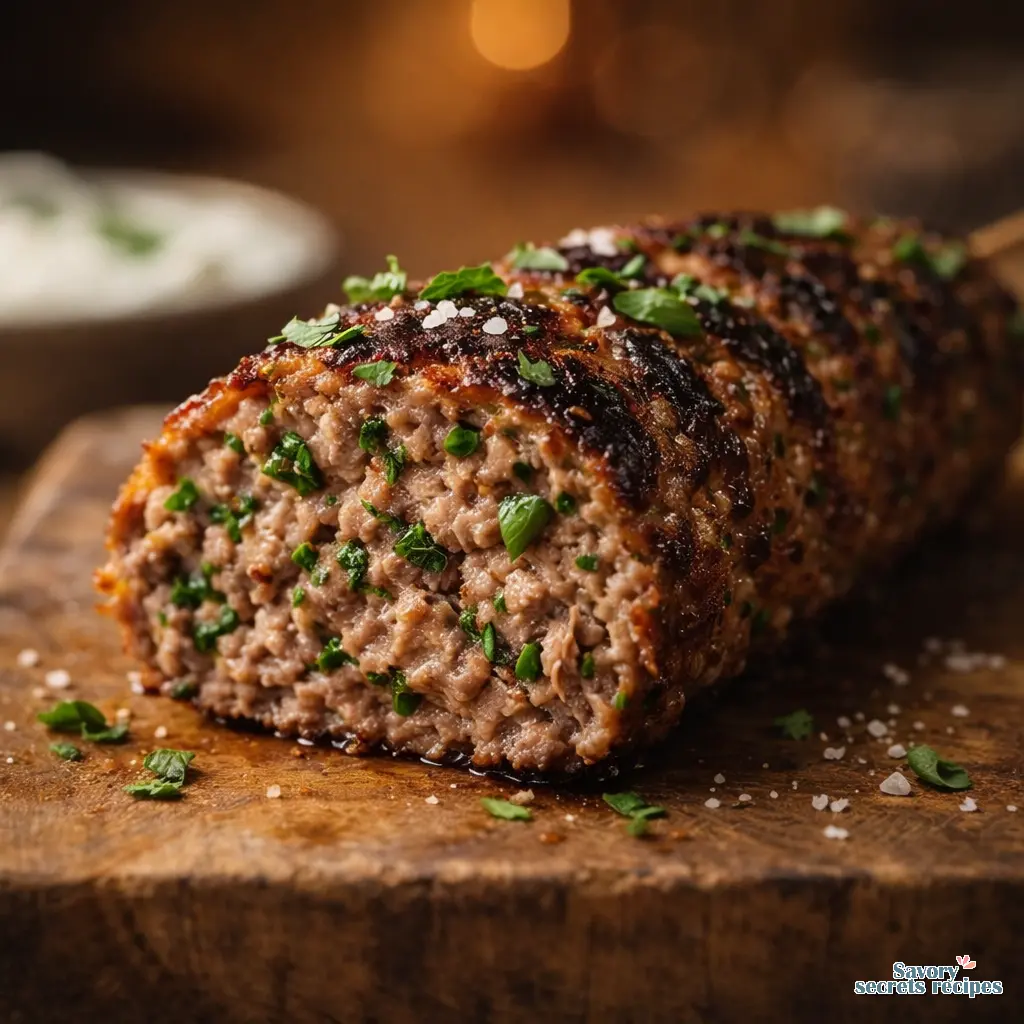
- Place the kebabs on the hot grill. Cook for 4-5 minutes per side, turning gently, until charred and the internal temperature reaches 160°F.
- Lightly coat a skillet with olive oil and cook the kebabs for 4-5 minutes per side until fully browned and cooked through.
- Rest the kebabs.
- Remove the kebabs from the heat and let them rest for several minutes to allow the juices to redistribute.
- Make the yogurt sauce (optional).
- Combine the Greek yogurt, mint, lemon juice, cumin, salt, and pepper in a small bowl and stir until well combined.
- Serve and enjoy.
- Arrange the kebabs on a platter and garnish with fresh herbs. Serve with the yogurt sauce and sides such as rice, pita, or salad.
Nutrition
Notes
The Frustration of the Falling Meat
I remember the exact sound. It was a sharp hiss followed by a plume of acrid smoke. My beautifully seasoned beef mixture had just slid completely off the stick and straight into the white hot mesquite coals. Not gonna lie, I wanted to throw my tongs across the yard. If you are standing in front of your grill right now frantically searching how to make kofta kebabs stick together, take a deep breath. I have been exactly where you are.
My grandfather Vicente ran a small taqueria in San Antonio’s West Side back in the day. He used to let me tend the coals when I was eight. I would watch him manipulate ground meat on the grill with absolute precision. He never had a single piece fall into the fire. I thought it was magic. Years later in culinary school, I realized it was just science. Today, we are going to fix this problem for good. By the time we finish, you’ll know exactly how to make kofta kebabs stick together so perfectly that you can flip them with total confidence.
Here’s the deal. Making ground meat stay on a stick over an open fire goes against gravity. But once you understand the basic rules of temperature, friction, and binding, it becomes second nature. Let me walk you through this.
The Secret to Making Kofta Stick: Emulsification
Most folks treat this dish like a meatloaf. They gently fold the ingredients together because they’ve been told that overworking ground beef makes it tough. That tracks for burgers. But for kebabs? That is the exact opposite of what you want to do.
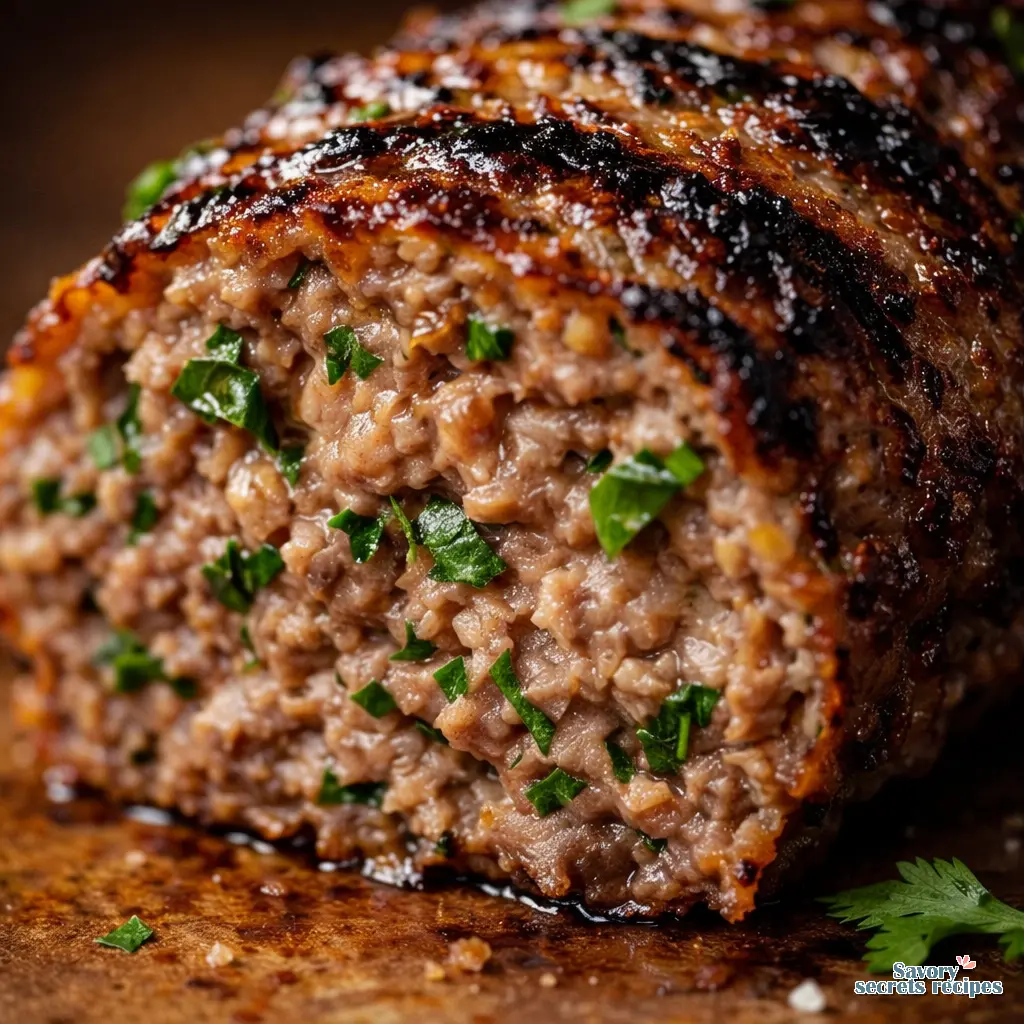
To master how to make kofta kebabs stick together, you have to embrace kneading meat. I mean really getting in there with your hands and working it like bread dough. When you knead the ground beef, you break down the protein strands. Those proteins become sticky. This process is called emulsification. You’ll literally feel the texture change in your hands. It goes from a loose, crumbly mixture to a tacky, unified paste. That sticky texture is your primary binding agent.
I tend to think this is the single most important step, but I could be wrong. Actually, no, I’m definitely right on this one. If your meat mixture doesn’t stick to the side of the bowl when you press it, it won’t stick to your skewer.
The Science of Binding: Salt, Fat, and Cold
You can’t just rely on kneading alone. The chemistry of the meat matters just as much. Let’s talk about your fat ratio first. Ground beef tips usually tell you to go lean for health reasons. Real talk, if you use 90/10 lean beef, your kebabs will crumble into dust. You need an 80/20 mix. The fat melts during cooking, sure, but in its raw state, it helps bind the meat together.
Then there is the salt. Salt isn’t just for flavor here. It actually extracts the myosin (a specific protein) from the meat, which acts like culinary superglue. Don’t skimp on it.
Finally, we have the golden rule of grilling ground meat. The chilled meat rule. After you mix and knead everything, put that bowl in the fridge for at least 30 minutes. Warm fat is slippery. Cold fat is solid. When you shape chilled meat onto a stick, it holds its form. If your mixture feels loose while you’re shaping it, stop. Put it back in the fridge. Trust me on this.
Grated Onion vs. Minced Onion: The Moisture Problem
We need to talk about onions. They bring incredible flavor, but they are secretly trying to ruin your dinner. Onions are mostly water. If you just grate a raw onion and toss it into your beef, you are introducing a massive amount of liquid. Onion juice destroys meat adhesion.
I learned this the hard way during a family barbecue. I was rushing, skipped the draining step, and ended up with a sloppy, wet mess that wouldn’t even form a ball, let alone grip a stick. Moisture control is absolutely critical.
If you prefer grated onion for a smoother texture, you must wrap that grated onion in a clean kitchen towel and squeeze the living daylights out of it. Get all that juice out. If you prefer minced onion, chop it as finely as humanly possible so you don’t have large chunks creating structural weak points in your meat log.
Comparison of Fillers: Breadcrumbs vs. Toasted Bread vs. No Filler
If you look up how to make kofta kebabs stick together online, you’ll find a massive debate about fillers. Do you really need an egg binder? What about bread crumbs? Let’s break it down.
Traditional recipes often use soaked and squeezed bread. This acts as a sponge, holding onto the meat juices as they cook, which keeps the final product incredibly tender. Bread crumbs do a similar job but can sometimes make the texture a bit dense if you use too much.
Honestly, if you nail the emulsification (kneading) and the temperature (chilling), you don’t strictly need a filler. I often make mine completely gluten-free without any bread at all. The egg binder is great insurance if you’re a beginner, but again, a well-kneaded 80/20 beef mix will hold together on its own. If you are struggling, though, add one egg and a handful of breadcrumbs. It’s a foolproof safety net.
Skewer Prep: Flat Metal vs. Soaking Wood
Your choice of hardware matters. I see people trying to use those thin, round bamboo skewers for heavy ground meat. That’s a recipe for disaster. The meat just spins around the stick like a loose tire when you try flipping kebabs.
If you want to know how to make kofta kebabs stick together like a pro, invest in flat skewers. Wide, metal skewers provide a massive amount of surface area for the meat to grip. They also conduct heat through the center of the meat, cooking it faster. That’s the sweet spot right there.
If you only have wooden skewers, you must soak them in water for at least 30 to 60 minutes. Dry wood will catch fire, burn through, and drop your hard work into the ashes. Also, if you’re cooking indoors, make sure to use short skewers (around 7 inches) so they actually fit flat in your stovetop grill pan.
Visual Troubleshooting: My Meat is Falling Off, Help!
Mistake: The meat feels warm and greasy in your hands while shaping.
Solution: Stop immediately. Put the bowl in the fridge for 20 minutes. Warm fat won’t hold shape.
Mistake: The meat is spinning around the stick.
Solution: You are likely using round skewers. Try the “dimple” technique. Press your thumb along the length of the meat to create small indentations. This helps the meat grip the stick and cook more evenly.
Mistake: The meat is sticking to the grill grates and tearing off.
Solution: Your fire isn’t hot enough, or your grates are dirty. Make sure your grill is screaming hot and well-oiled before the meat touches it. Let it ride until a crust forms before you try to flip.
Shaping Technique: The Hand-Squeeze Method
When it’s time to shape, keep a small bowl of cold water nearby. Wet your hands slightly. This prevents the sticky meat from clinging to your palms instead of the stick. Take a handful of the chilled mixture, form it into a ball, and pierce it with the skewer.
Now, use your whole hand to squeeze the meat down the length of the stick. Don’t roll it gently. Squeeze it firmly. You want to eliminate any air pockets inside the meat. Air pockets turn into steam pockets on the grill, and steam will blow your kebab apart from the inside out. Flatten the meat slightly rather than keeping it perfectly cylindrical. It cooks faster and browns better.
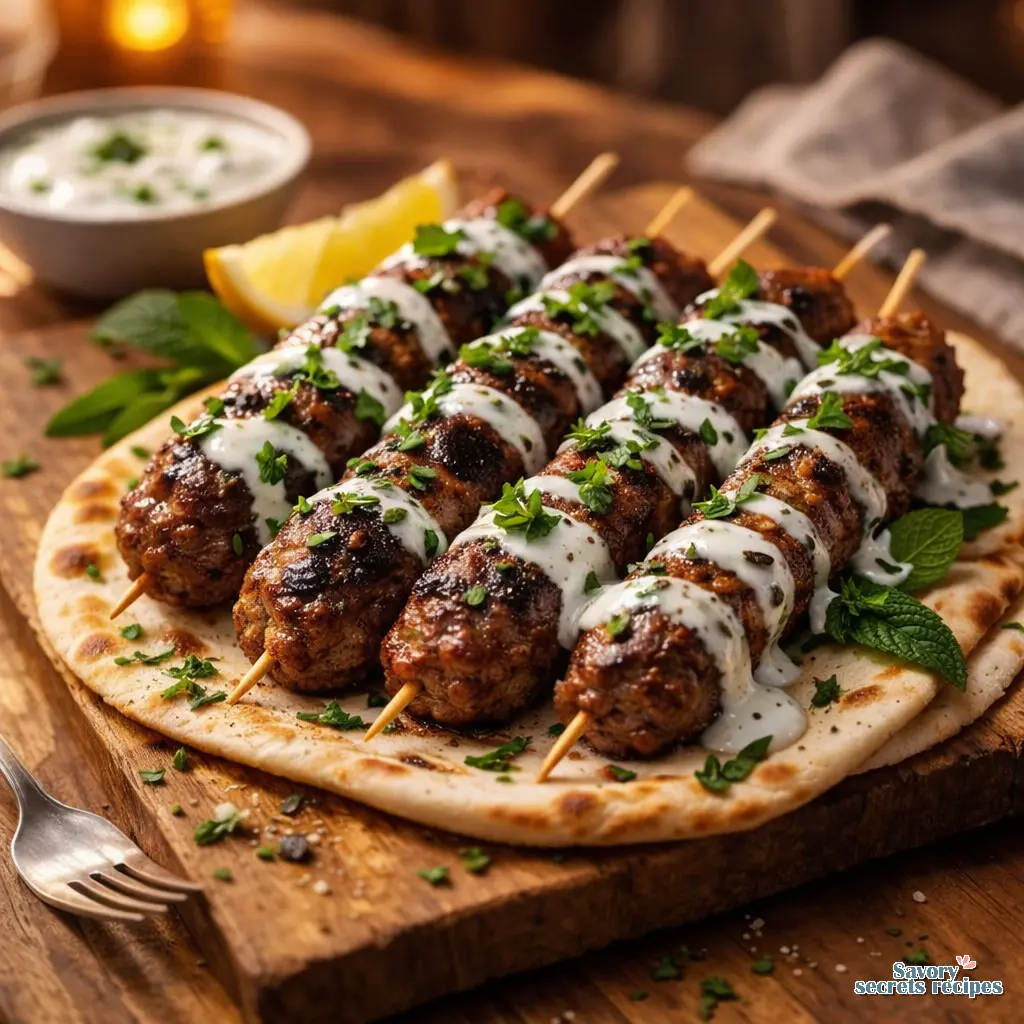
Serving Suggestions for Perfect Kofta
There is nothing better than the sound of a good sear. Once you pull these off the heat, the hard part is over. I like to serve these Mediterranean style. Warm your pita bread first so it doesn’t tear when you fold it. Lay the hot kebab right in the center of the warm bread.
Make your sauces first to allow the flavors to meld while you grill. A simple plain Greek yogurt with fresh mint, lemon juice, and a pinch of ground cumin is perfect. Slide the skewer out, top with a cucumber and tomato salad, and you have a meal that will make you look like a backyard hero.
Storage & Reheating Guide
If you have leftovers (which is rare in my house), they store beautifully. Keep them in a covered container in the fridge for up to 4 days. You can also freeze the cooked kebabs for up to 3 months. Just wrap them tightly in foil.
If you want to prep ahead, you can store the uncooked shaped kebabs in the fridge for up to 2 days. When it’s time to reheat, skip the microwave if you can. It makes the meat rubbery. Put them in a 350°F oven for 6 to 8 minutes, or throw them back on a hot grill for 2 minutes per side to crisp up that bark.
Frequently Asked Questions
Go Light Your Fire
Learning how to make kofta kebabs stick together completely changes your grilling game. No more anxiety over the coals. No more lost meat. Just beautiful, charred, juicy perfection every single time. My grandfather would be proud, and I know your family is going to love these. Build your fire in zones, trust your hands, and let it ride.
If you try this technique and nail it, drop a comment below. I love hearing about your backyard wins. For more inspiration and fire-cooking tips, check out my Pinterest boards where I save all my favorite variations.
Reference: Original Source
How do you make beef kofta kebabs stick together without falling off the skewers?
The absolute best way to make kofta kebabs stick together is to knead the meat mixture vigorously until it becomes a sticky paste. Then, chill the meat for 30 minutes before shaping. Using flat metal skewers also provides better grip than round wooden ones.
Do you need to add an egg or breadcrumbs to kofta to make it stick?
Not necessarily. If you use an 80/20 fat ratio and knead the meat properly, it will bind on its own. However, if you are still learning how to make kofta kebabs stick together, an egg and a handful of breadcrumbs act as a great safety net.
Why won’t my kofta stick to the skewers and how can I prevent it from breaking?
It usually falls apart because there is too much moisture from the onions, or the fat got too warm. Always squeeze the juice out of grated onions, and keep your meat mixture ice cold. Cold fat holds its shape over the fire much better.
What is the secret to keeping kofta on the skewer while grilling over high heat?
Squeeze the meat firmly onto the skewer to remove all air pockets. Air expands into steam over high heat, which blows the meat apart. Also, make sure your grill grates are screaming hot and oiled so the meat sears instead of sticking to the metal.
Can I make Mediterranean beef kofta without skewers if I don’t have a grill?
Absolutely. You can shape the mixture into small, elongated patties (like thick cigars) and cook them directly in a cast iron pan on the stove. You still need to follow the rules for how to make kofta kebabs stick together so they don’t crumble when you flip them.