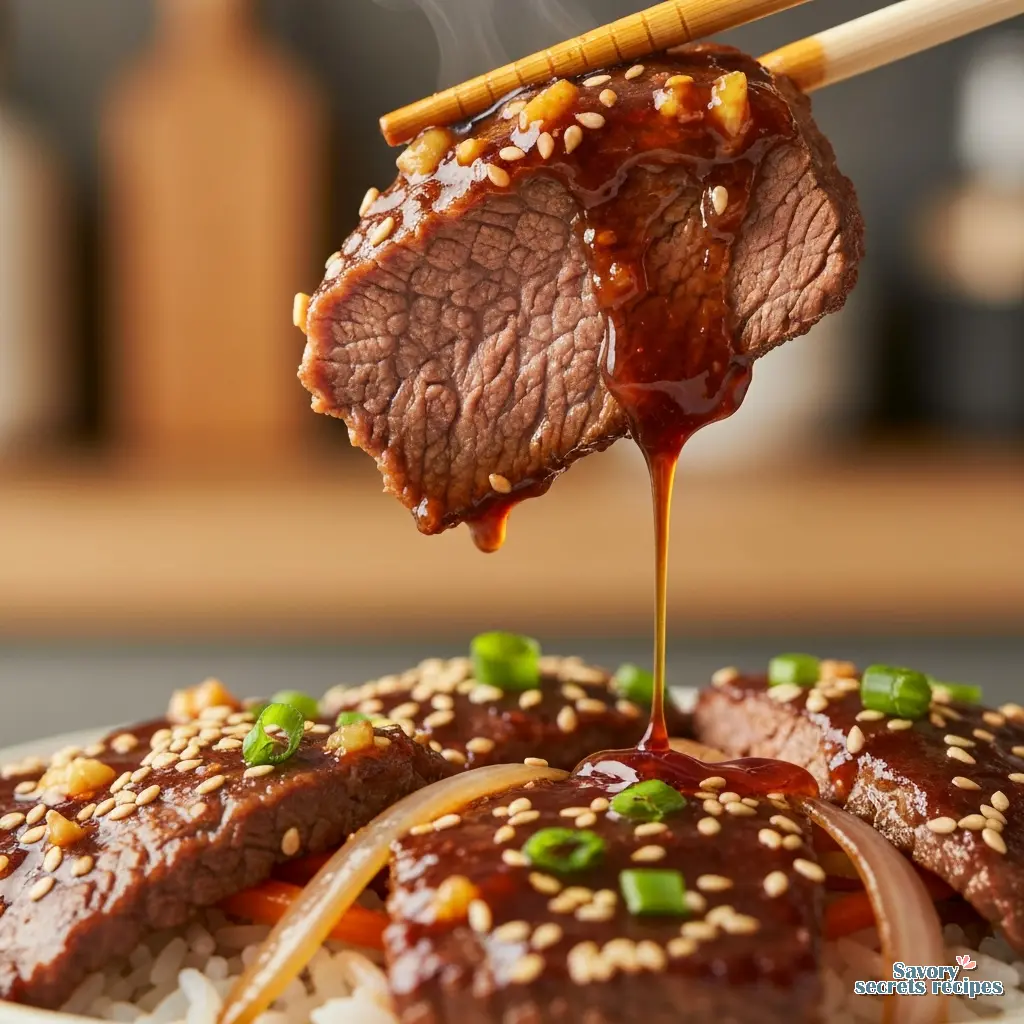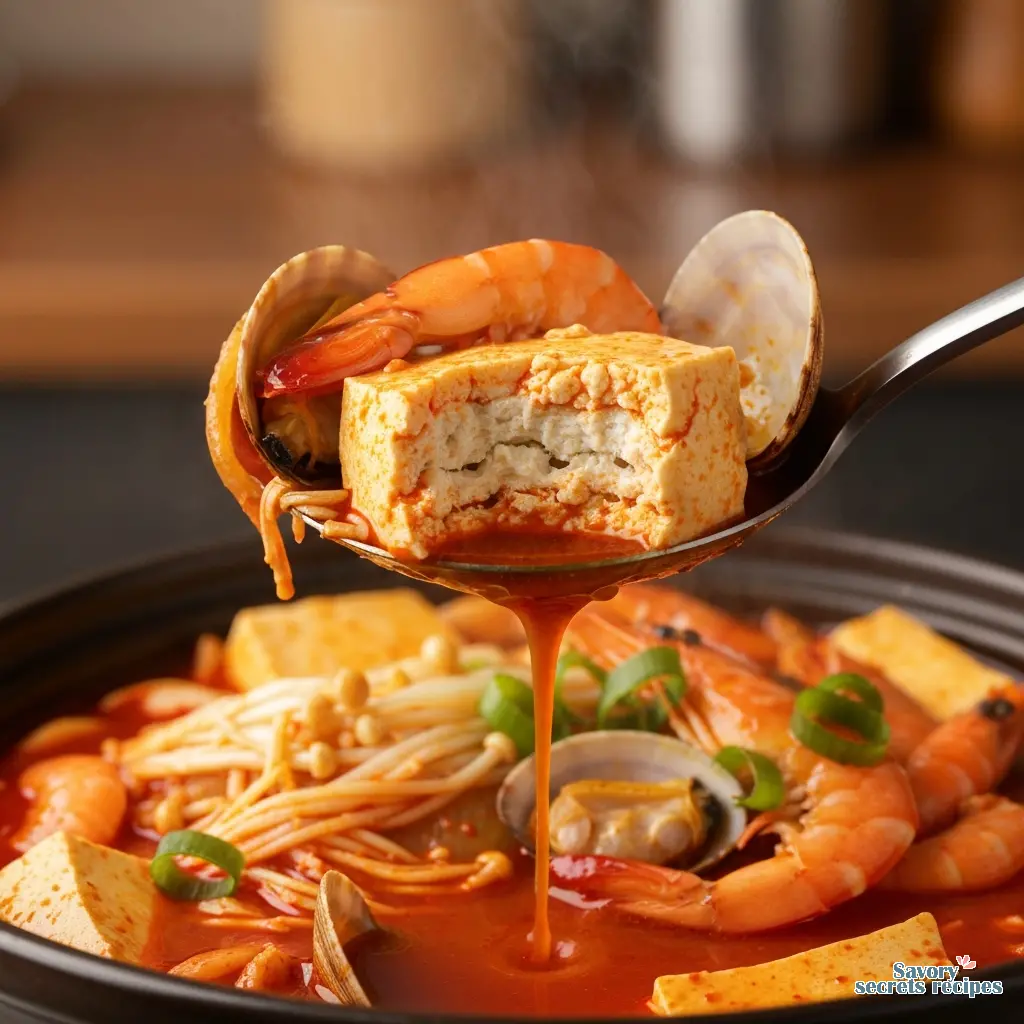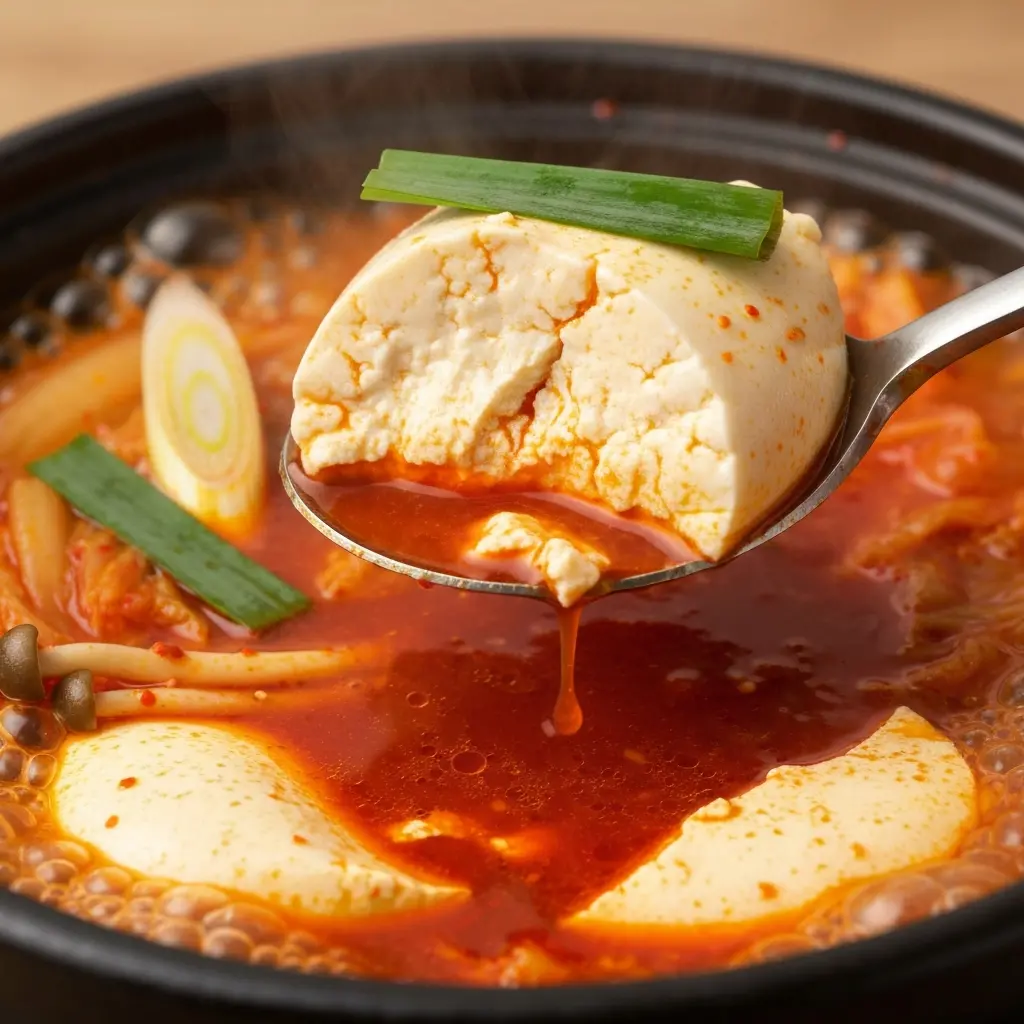




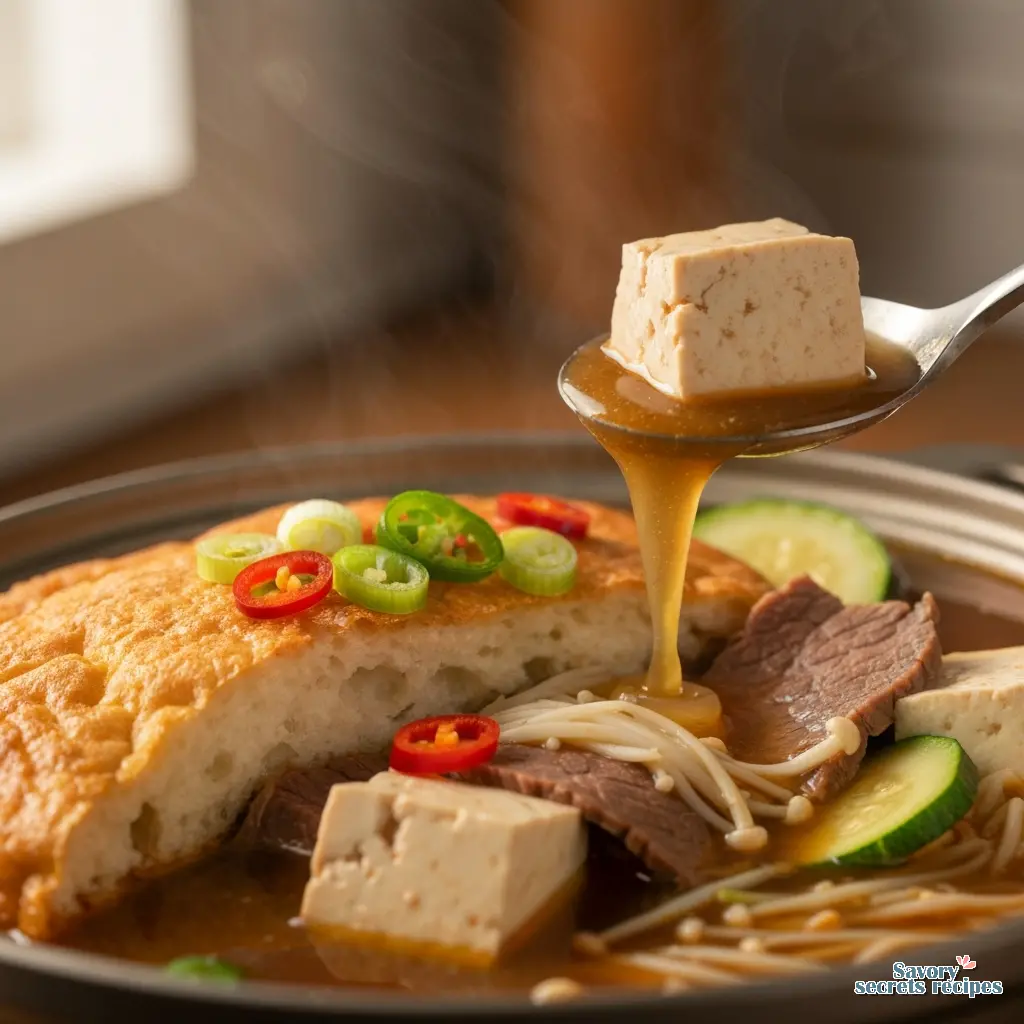
Doenjang Jjigae Recipe Korean Bean Paste Stew
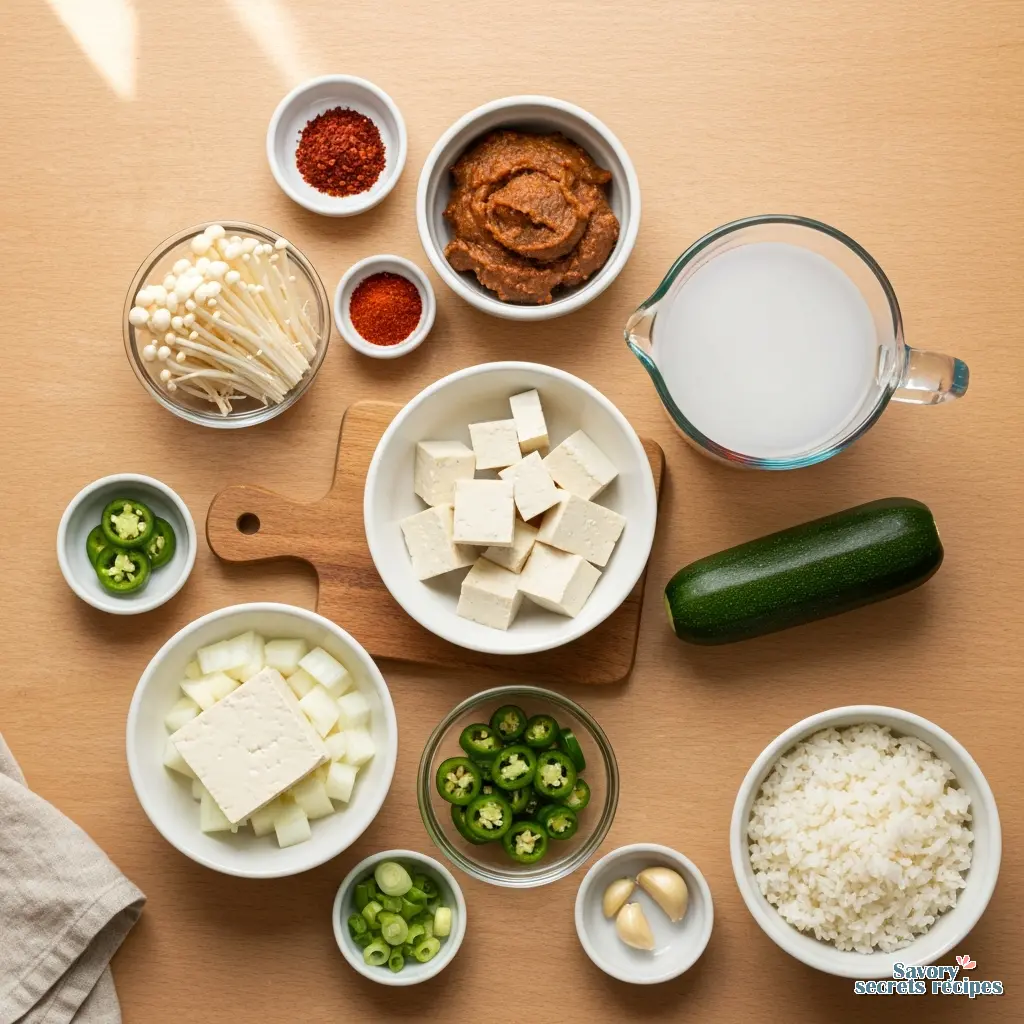
Ingredients
Method
- Prepare the produce by dicing the zucchini, mushrooms, and onion into small chunks. Finely mince the garlic, slice the scallions, and cube the tofu. Thinly slice the jalapeño if desired.
- Boil water in a medium pot. Stir in the doenjang, minced garlic, and optional gochugaru until fully dissolved.
- Stir in the tofu, mushrooms, and onions. Bring the mixture back to a boil and cook for about 5 minutes until the vegetables begin to tenderize.
- Mix in the zucchini, optional jalapeño, and green onions, then simmer for an additional 3 to 4 minutes until the zucchini is tender.
- Portion into bowls and serve hot alongside steamed rice.
Notes
The Comfort of a Bubbling Earthenware Pot
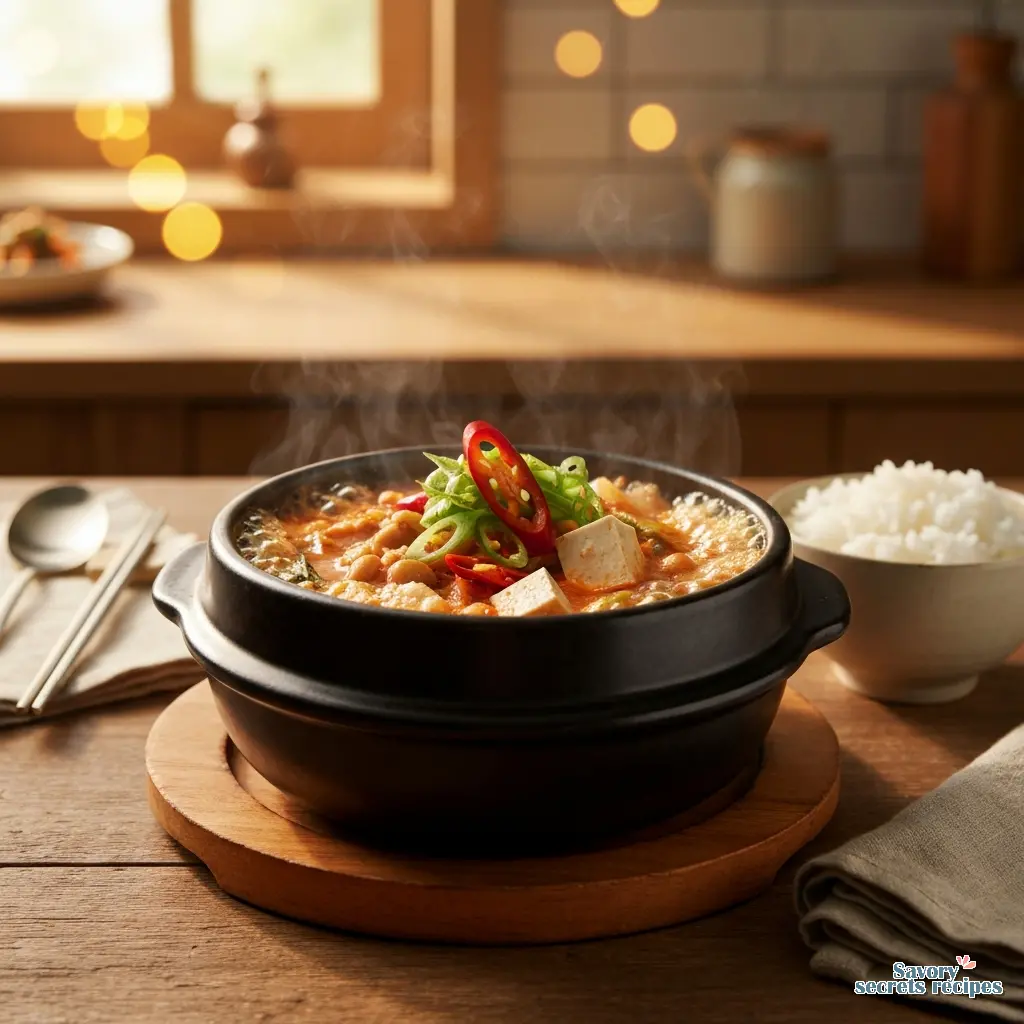
I remember the first time I really understood the power of a good stew. It wasn’t in Korea, but right here in San Diego during a surprisingly biting February rainstorm. The damp cold had settled into my bones, the kind that a jacket just doesn’t seem to touch. I walked into a small family-run spot in Convoy District, shaking off my umbrella, and saw almost every table occupied by a bubbling stone pot. The smell hit me instantly. It was earthy, pungent, and deeply savory. It reminded me of the Essaouira harbor at sunset, that specific mix of salt air and something ancient. It was my first real encounter with the complexity of a traditional korean stew, and I was hooked. This method of serving is quite similar to a communal hot pot dish recipe, where the heat is maintained throughout the meal.
That was my introduction to bean paste stew korean style, or doenjang jjigae. It’s the kind of dish that doesn’t just feed you. It restores you. And frankly, it’s exactly what I crave when the temperature drops below 60 degrees (which, let’s be honest, feels freezing to us Californians). I tend to think of it as the original comfort food, stripped of pretense and packed with flavor.
For a long time, I was intimidated to make it at home. I worried about getting the funkiness of the fermented paste right or balancing the salt. But after plenty of testing in my own kitchen, and a few failures that were too salty to eat, I realized something important. This stew is incredibly forgiving. It wants to be made. It’s not about perfect measurements but about understanding the ingredients. Once you get the hang of it, you’ll wonder why you haven’t been making it every week.
The Secret Foundation: Rice Water (Ssalddeumul)
If there is one thing you take away from this article, let it be this. Do not use plain water. I mean, you can, but you shouldn’t. The real secret to that velvety, slightly thick mouthfeel you get in restaurants is ssalddeumul, or rice water.
It sounds fancy, but it’s literally the water you usually pour down the sink when washing rice. The starch in that cloudy water acts as a binder. It brings the oil from the soybean paste and the water together into a cohesive broth rather than a separated, watery soup. From what I’ve seen in my testing, it makes the difference between a “good” stew and a “great” one.
Here is how I do it. When you’re rinsing rice for dinner, discard the first rinse (it can be a bit dusty). Keep the second and third rinses. That milky white water is liquid gold. If you don’t eat rice that night, fair enough. You can whisk a teaspoon of flour or rice flour into cold water. It’s a decent cheat, though I lean toward the real thing whenever possible.
Understanding Your Doenjang
Let’s talk about the star of the show. Doenjang is fermented soybean paste. It’s the funkier, stronger, chunkier cousin of Japanese miso. But please, don’t swap them. Miso is generally sweeter and milder. Doenjang has a robust, earthy kick that defines this bean paste stew korean recipe.
When you are standing in the aisle at H Mart or Zion Market, looking at the wall of tubs, it can be overwhelming. I’ve been there. Generally speaking, you are looking for a brown tub. The red ones are gochujang (chili paste), and the green ones are usually ssamjang (seasoned paste). You want the brown one.
In my experience, the darker the paste, the longer it has been fermented and the deeper the flavor. For beginners, a medium-brown paste is a safe bet. It offers that classic umami punch without being overpowering. If you see “traditional” on the label, it might be saltier and chunkier. I love that texture, but it requires a light hand when seasoning.
Building Restaurant-Style Depth
You might wonder why the stew at your local Korean spot tastes so much richer than the one you make at home. I spent weeks trying to figure this out. I thought it was MSG or some secret stock. Turns out, it’s usually about the fat and the layering.
Most restaurants use fatty cuts of beef, like brisket or beef plate. The fat renders out into the broth, carrying the flavor of the doenjang and coating your tongue. If you use a lean cut, the broth feels thin. I’d lean toward buying “chadolbaegi” (thinly sliced beef brisket) from the frozen section of a Korean market. It cooks in seconds and releases the perfect amount of oil. This technique is also common when preparing a hearty korean beef stew to ensure a rich and satisfying mouthfeel.
Another trick I learned? Ssamjang. Yes, the dipping sauce for BBQ. Adding just a half-tablespoon of ssamjang alongside your doenjang adds a touch of sweetness and garlic that rounds out the sharp edges of the fermented beans. It’s not traditional in every household, but in my kitchen, it’s a game-changer. Well, maybe not a game-changer (I hate that word), but it definitely makes a noticeable difference.
Also, don’t just boil everything at once. I like to sauté the beef and garlic first to develop some fond on the bottom of the pot. Then add the paste and fry it for just 30 seconds before adding the liquid. This “wakes up” the fermentation and deepens the flavor profile.
The Science of Fermentation and Umami
I find the science here fascinating. Doenjang is a living ingredient, teeming with beneficial bacteria and enzymes. It’s similar to how cheese develops complex flavors over time. When you cook bean paste stew korean style, you are essentially making a warm, savory tea out of these fermented proteins.
However, there is a catch. If you boil doenjang hard for too long, you can kill off some of the subtle probiotic benefits and volatile aroma compounds. That’s why I usually add half the paste at the beginning to flavor the vegetables and beef, and the other half towards the end. It keeps the flavor bright and the probiotic count… well, better than zero. It depends on the situation, but generally, a gentle simmer is better than a rolling boil for the final stage. When considering the health benefits, some diners also look into kimchi soup calories to compare different types of fermented Korean stews.
For my vegetarian friends, you don’t need beef to get umami. Dried kelp (dashima) and dried shiitake mushrooms are incredible here. Soak them in your rice water for 20 minutes before cooking. The resulting stock is so rich you won’t miss the meat. Trust me on this.
Troubleshooting Your Stew
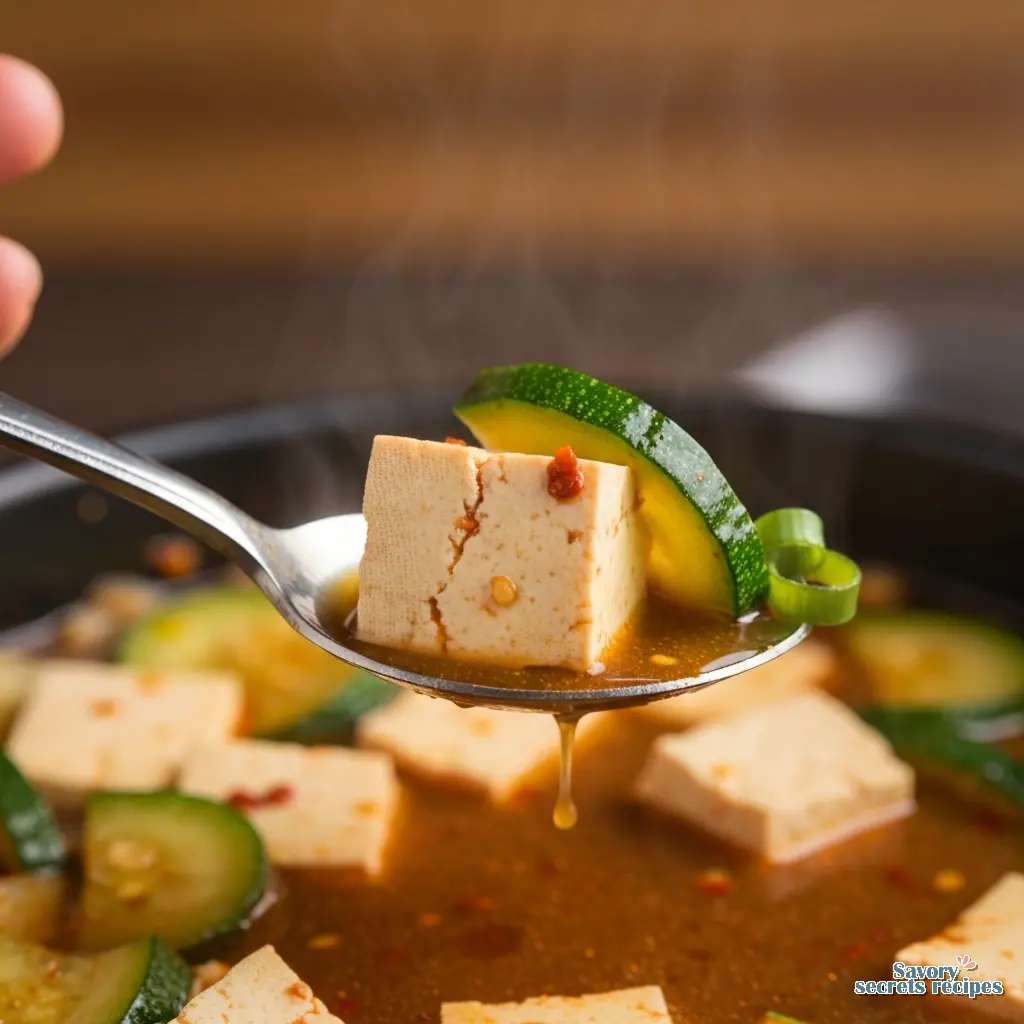
Even with a good recipe, things can go sideways. I’ve had pots that tasted like pure salt water and others that were sadly bland. Here is how to fix them.
Too Salty? This is the most common issue because every brand of doenjang has a different salinity level. If you taste it and pucker, don’t panic. Add more plain water or rice water. You can also add a few slices of potato or Korean radish (mu). They act like sponges for the salt. A pinch of sugar can also balance out the harshness without making it sweet.
Too Bland? If it lacks depth, you probably didn’t use enough paste or your broth was too weak. Stir in another tablespoon of doenjang (dissolve it in a ladle of broth first so it doesn’t clump). A splash of fish sauce or a teaspoon of tuna sauce (liquid anchovy extract) works wonders here. It sounds fishy, but it just tastes savory in the final dish.
Too Bitter? Sometimes, the paste can have a bitter aftertaste. This is where the onions and zucchini help, providing natural sweetness. But if it’s still bitter, fry the paste in a little oil before adding water next time. For the current pot, a tiny amount of sugar or honey just a half teaspoon will neutralize the bitterness instantly.
Variations to Consider
While I love the beef version, the seafood variation (Haemul Doenjang Jjigae) is spectacular. It reminds me of the seafood stews my grandfather loved, though the flavor profile is totally different. Use a mix of shrimp, clams, and squid. The brine from the clams seasons the broth beautifully. Just be careful not to overcook the seafood; add it in the last 3-4 minutes.
For a spicy kick, increase the gochugaru (red pepper flakes) or slice up a fresh jalapeño or serrano pepper. I usually add one pepper for a gentle hum of heat, but my wife prefers two. It clears the sinuses, which is exactly what you want in winter. For those who enjoy both spice and the silkiness of bean curd, a kimchi tofu soup recipe is another excellent variation to try.
Storage and Reheating
This is one of those dishes that tastes even better the next day. The flavors meld and the tofu absorbs more of the broth. Store any leftovers in an airtight container in the fridge for up to 3 days. I wouldn’t recommend freezing it if you have tofu and zucchini in there. The texture of the tofu gets spongy and weird, and the zucchini turns to mush. It’s edible, sure, but not enjoyable. If you find yourself with extra tofu, it’s worth checking out other asian tofu soup recipes to use up your ingredients.
To reheat, put it on the stove over medium heat. Avoid a high boil, or you’ll break up the delicate tofu cubes. If the stew has thickened up too much in the fridge (which it likely will), add a splash of water to loosen it up.
Frequently Asked Questions
Final Thoughts
There is something grounding about making bean paste stew korean style at home. It connects you to a rhythm of cooking that values patience and depth over flashiness. When you lift the lid and that steam hits your face, smelling of earth and comfort, you’ll know exactly what I mean. It’s perfect for these chilly evenings when you just need a bowl of warmth.
Give it a try this week. Don’t worry if it’s not picture-perfect the first time. The flavor will still be there. And if you’re looking for more comforting meal ideas, check out my Pinterest boards where I’ve saved some of my favorite winter warmers.
Go warm up your kitchen. You’ve got this.
Reference: Original Source
What is the difference between doenjang-jjigae and doenjang-guk?
It comes down to the ratio of liquid to paste. Jjigae is a stew thicker, saltier, and meant to be eaten with rice. Guk is a soup lighter, more watery, and often drunk on its own. I prefer the intensity of the jjigae (stew) version for a hearty meal.
Can I use store-bought doenjang for bean paste stew korean?
Absolutely. In fact, most home cooks do. While homemade paste has incredible depth, the store-bought tubs are consistent and convenient. Look for brands that list simple ingredients like soybeans, water, and salt. Avoid ones with too many preservatives if you can.
How do I make the broth taste like a restaurant?
The restaurant secret is usually a combination of MSG (or a dash of beef dashida powder), fatty beef brisket, and sometimes a mix of doenjang and ssamjang. Also, using rice water (ssalddeumul) gives it that signature body you’re looking for.
Can I make this stew without beef?
Yes, and it’s delicious. For a vegan version, use a dried kelp and shiitake mushroom stock base. The mushrooms add a meaty texture and plenty of guanylic acid, which amplifies the savory taste of the soybean paste. It’s a solid alternative.
How do I store leftover bean paste stew korean?
Keep it in an airtight container in the fridge for 3 days. Reheat it gently on the stove. I’d advise against freezing it because the tofu texture changes completely, becoming spongy and tough. It’s best enjoyed fresh or from the fridge.