



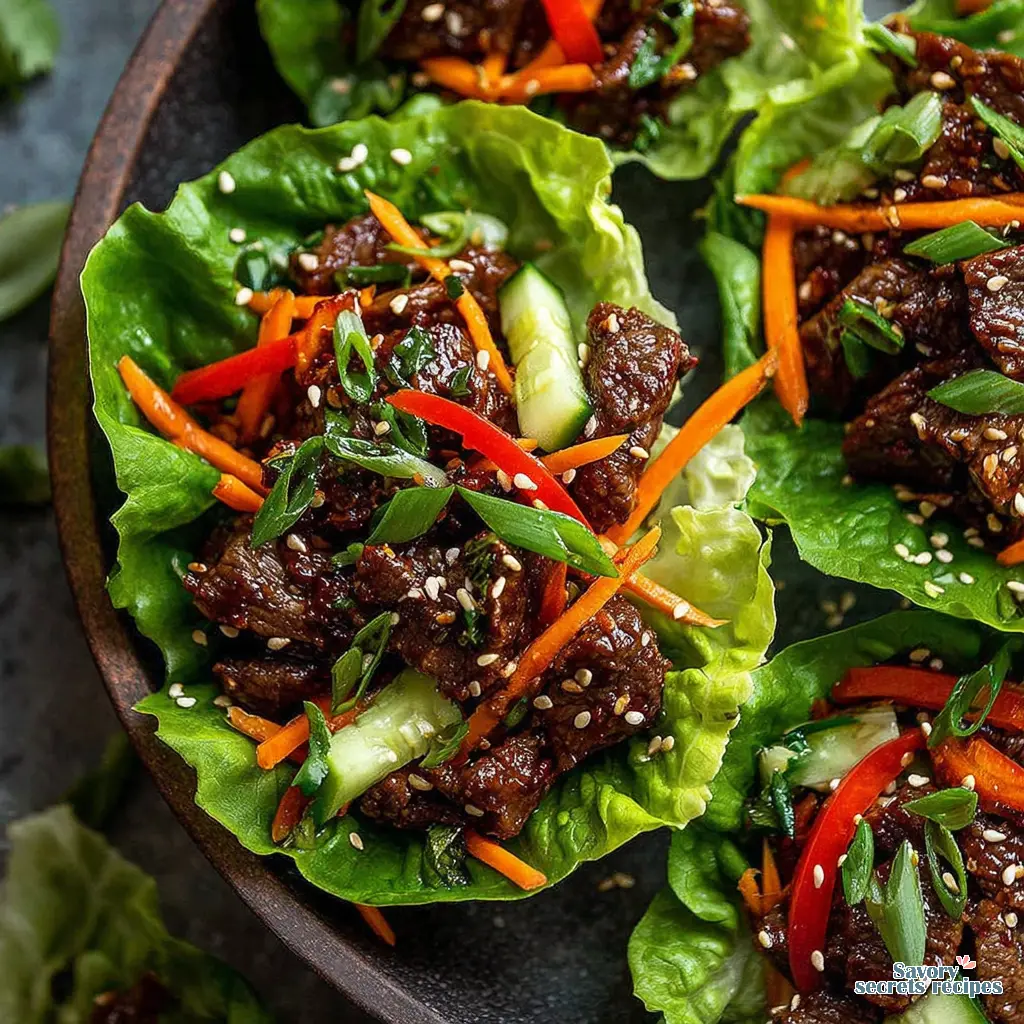
Easy Beef Bulgogi Lettuce Cups
Ingredients
Method
- Prepare the beef.
- Place the steak in the freezer for 30 minutes to facilitate thin slicing. Using a sharp knife, slice the steak against the grain into very thin strips.
- Marinate the beef.
- Transfer the sliced steak to a large bowl. Add the dark soy sauce, gochujang, ginger, brown sugar, mirin, garlic, pepper, grated apple, and sesame oil. Mix thoroughly to coat the beef. Cover and refrigerate for 3 to 4 hours to develop the flavors.
- Cook the beef.
- Heat neutral oil in a large skillet over medium-high heat. Remove the beef from the marinade with a slotted spoon, allowing excess liquid to drip off. Add the beef to the pan in batches if needed, separating the slices with tongs. Stir-fry for about 5 minutes, or until fully cooked and slightly caramelized.
- Assemble the wraps.
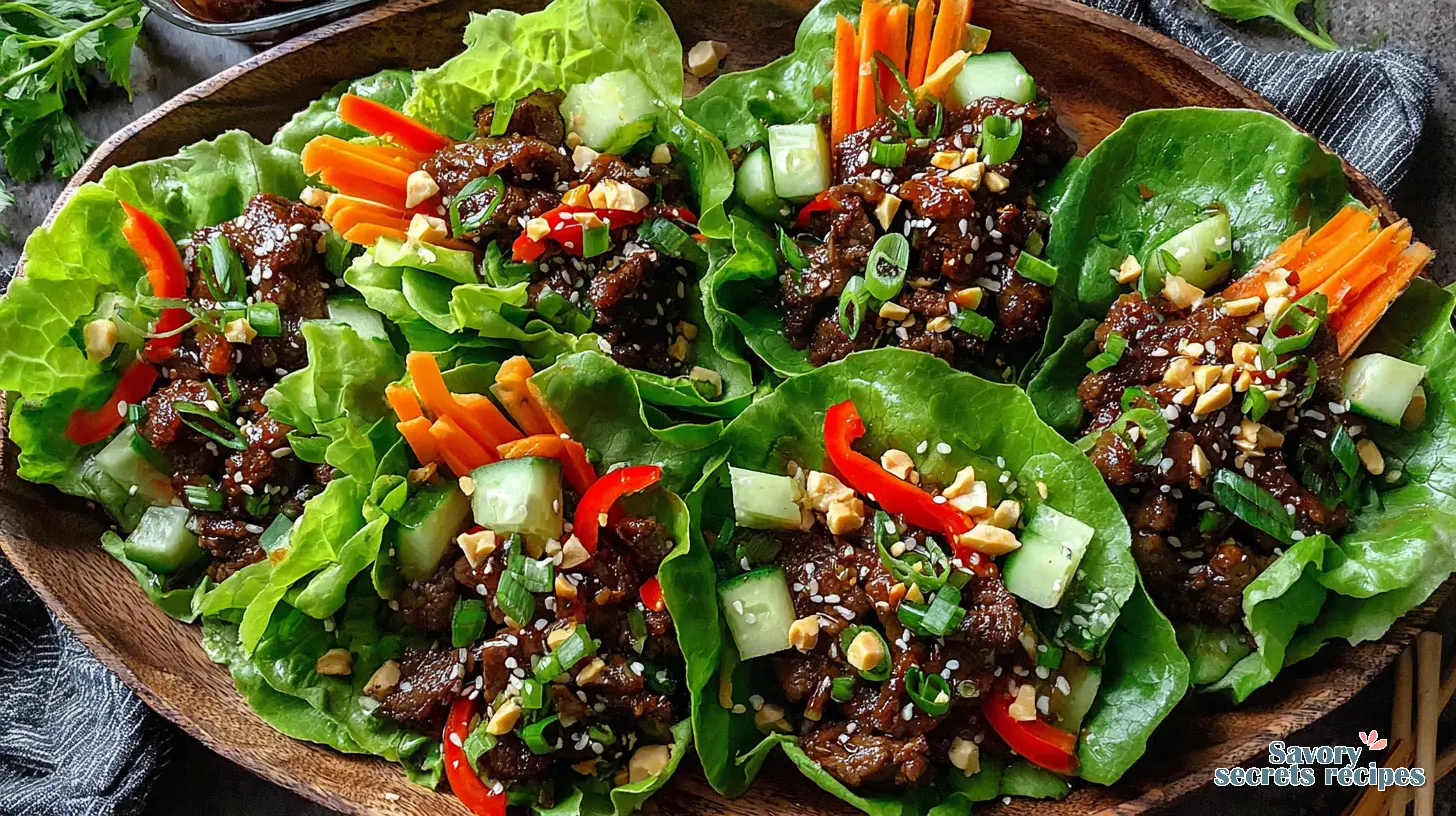
- Arrange the lettuce leaves on a serving platter. Fill each leaf with a spoonful of cooked bulgogi beef. Top with carrot, cucumber, bell pepper, and spring onions. Garnish with sesame seeds and peanuts if desired. Serve immediately.
Nutrition
Notes
Why You’ll Absolutely Adore These Beef Bulgogi Lettuce Cups
You know that feeling, right? It’s a Tuesday or Wednesday evening, you’ve had a long day, and the thought of cooking something exciting feels like an Olympic sport. I mean, we all want healthy, delicious dinners, but sometimes the effort just feels like too much. Especially when you’re trying to balance vibrant flavors with something that won’t leave you feeling weighed down.
Here’s what I’m seeing: a lot of people struggle to find weeknight meals that are both quick and truly satisfying. That’s where these Beef Bulgogi Lettuce Cups come in. They’re that perfect blend of sweet, savory, and fresh, all wrapped up in a crisp bite. And honestly? They’re way easier than they look.
This dish is a total game-changer for those mild spring evenings here in California when you crave something full of flavor but still light. It’s a brilliant way to shake off winter’s heavier meals and embrace the freshness of the season. Plus, it’s a fantastic low-carb option that doesn’t skimp on taste. I could eat these Beef Bulgogi Lettuce Cups every week, truly.
Getting Started: The Magic Behind Flavorful Bulgogi
The secret to incredible bulgogi, and by extension, fantastic Beef Bulgogi Lettuce Cups, really starts with the marinade. It’s where all that sweet and savory goodness comes from, and it’s surprisingly simple to whisk together. You’ll probably already have most of these ingredients in your pantry.
When I first started trying to recreate authentic Korean flavors at home, I’ll be honest, I felt a little intimidated by what seemed like a long list of ingredients. But here’s the thing: each one plays a crucial role. Don’t worry if you don’t have every single item on hand, we can talk about substitutions, but for that truly authentic Korean marinade, you’ll want to aim for the full lineup.
Crafting the Perfect Marinade
For your marinade, you’ll combine dark soy sauce, gochujang paste, fresh ginger, light brown sugar, mirin, garlic cloves, freshly ground black pepper, a sweet apple, and a touch of toasted sesame oil. See? Not so scary! The apple, for example, isn’t just for sweetness; it actually helps tenderize the beef. That tracks, right? Enzymes in the apple break down the meat fibers, making your beef incredibly soft and juicy. It’s a little bit of recipe science that makes a huge difference.
I like to grate the apple and ginger for maximum flavor distribution. And for the garlic? If you don’t like little pieces in every bite, grating it works wonders, blending seamlessly into the sauce. It’s one of those small adjustments that makes a big impact on the overall texture of your sweet soy beef cups.
Essential Toppings & Garnishes for Your Lettuce Wraps
Once you’ve got that savory bulgogi bite dish cooked up, the toppings are what really bring these Beef Bulgogi Lettuce Cups to life. We’re talking fresh lettuce, crisp carrots, cool cucumber, vibrant red bell pepper, and thinly sliced spring onions. A sprinkle of sesame seeds and some chopped unsalted peanuts add that perfect crunch and nutty finish.
These fresh elements aren’t just for looks; they add a wonderful textural contrast to the tender beef and brighten up the whole dish. It’s all about balancing those rich, umami flavors with something fresh and crunchy. That’s exactly what I mean by healthy indulgence.
How to Make Delicious Beef Bulgogi Lettuce Cups at Home
So, you’ve got your marinade ready, your veggies prepped, and your thinly sliced beef waiting. Now comes the fun part: cooking! I know this might sound a little complicated, but trust me, it’s about technique, not difficulty. We’re aiming for that beautiful caramelization on the beef that gives bulgogi its signature flavor.
First things first, and this is a high-value tip I learned the hard way: you’ll want to place your medium sirloin or ribeye steak in the freezer for about 20 to 30 minutes before you try to slice it. This firms it up just enough so you can get those paper-thin strips. It’s a game-changer for even cooking and tender results. Without this step, trying to slice raw beef super thin can be a real struggle, and I’m not convinced yet it’s worth the frustration.
Once your beef is perfectly sliced, it’s time to let it soak up all that Korean marinade goodness. You’ll want to give it at least 30 minutes, but honestly, the longer the better. Up to 8 hours in the fridge means deeper flavor penetration. This is the good stuff, the core of your Korean beef lettuce wraps.
Cooking the Bulgogi: Heat is Your Friend
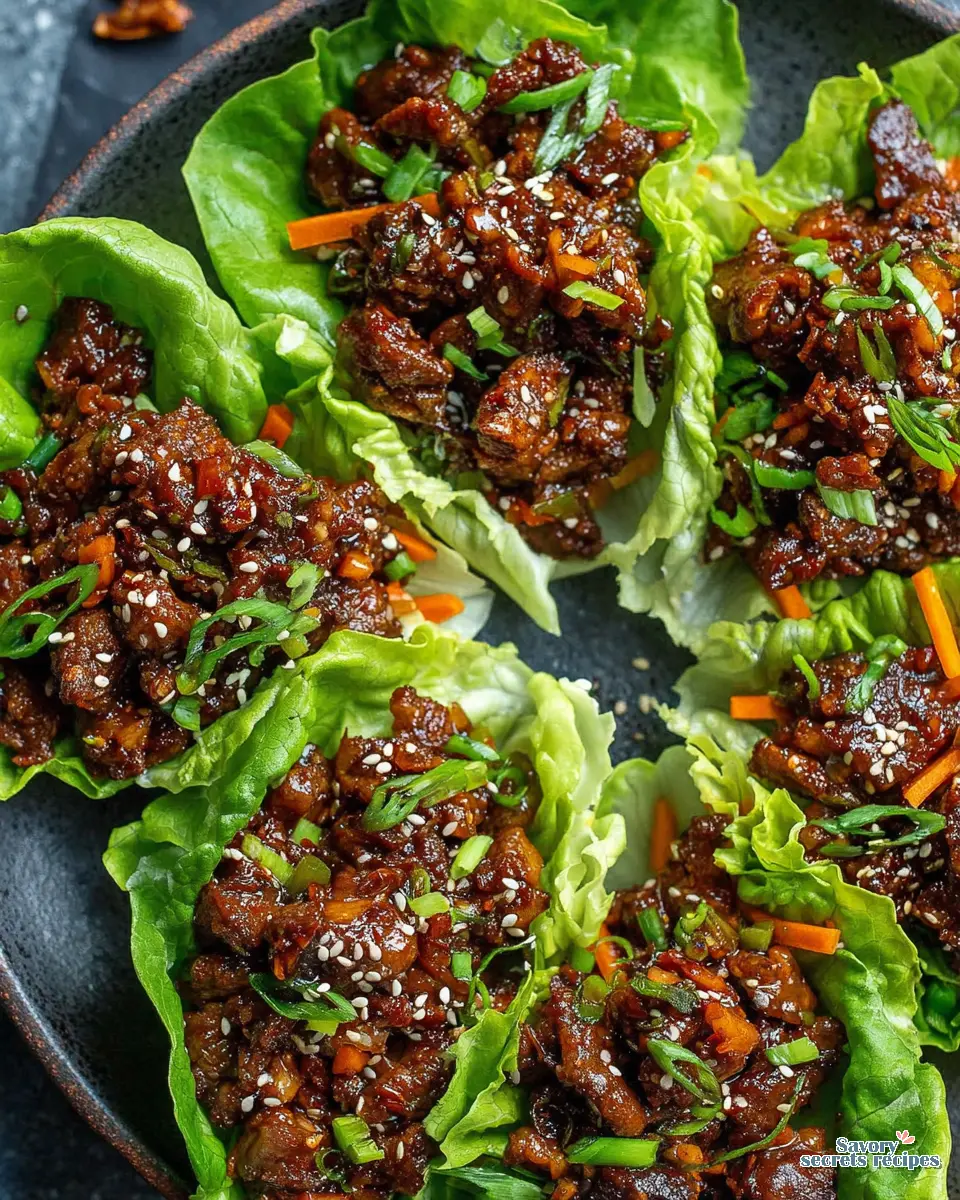
Now, for the actual cooking. This is crucial for tender, caramelized bulgogi. You need a very hot pan or wok. I mean, really hot. Add a neutral oil, and once it’s shimmering, add your marinated beef in a single layer. Don’t overcrowd the pan, you’ll thank me later. If you add too much, the temperature will drop, and you’ll end up steaming the beef instead of searing it. We want that sizzle, that beautiful browning process.
Cook it quickly, just a minute or two per side, until it’s nicely caramelized. This is where that incredible sweet and savory aroma fills your kitchen. If it smells ready, it probably is. Just before it’s done, add a bit more fresh garlic. This prevents it from burning and keeps its pungent flavor bright. This quick weeknight meal truly delivers on authentic Korean flavor.
Expert Tips for Perfect Bulgogi Lettuce Wraps Every Time
Making delicious Beef Bulgogi Lettuce Cups isn’t just about following the recipe; it’s about understanding a few key principles that elevate the dish. After years of testing recipes and, let’s be honest, making my share of mistakes, I’ve picked up some tricks that make all the difference.
First, that freezing trick for the beef? It’s mentioned above, but it really is the most important tip. It makes slicing against the grain, paper-thin, so much easier. Thinly sliced beef cooks quickly and evenly, which is exactly what you want for these savory bulgogi bite dishes.
Another thing: make sure your wok or pan is adequately heated before adding the oil and beef. The key to achieving a crispy end result is to work quickly at a VERY high heat. I mean, you should be a little nervous about how hot it is. That’s how you get that beautiful Maillard reaction and not a pale, sad beef stir-fry.
Don’t add all your garlic until just before adding the sauce, otherwise it could burn. Burnt garlic tastes bitter, and we don’t want that masking the sweet soy beef cups. Also, if you like extra heat, feel free to add another teaspoon or two of gochujang paste. Taste as you go, that’s my motto.
Choosing the Right Lettuce for Your Wraps
You can use any lettuce you like for these wraps, but I’d recommend crispier lettuce leaves, such as romaine or butter lettuce. They hold together better, giving you that satisfying crunch with every bite. I prefer vegetables that still have some resistance when you bite into them, and floppy lettuce just won’t cut it here.
Romaine lettuce leaves are great because they’re sturdy and form a nice cup. Butter lettuce wraps are also fantastic; they’re softer but still have a good structure. Honestly, the crispier, the better for these fresh lettuce beef plate creations.
Variations & Customization Ideas for Your Bulgogi
I like recipes that give you a framework and then trust you to adjust based on what you’re tasting. These Beef Bulgogi Lettuce Cups are incredibly versatile, so don’t be afraid to make them your own.
Making it Vegetarian
If you’re looking for a plant-based option, you can absolutely swap the beef for mushrooms or tofu. For mushrooms, portobello or shiitake would be fantastic. Slice them thick, marinate them in the same bulgogi marinade, and sauté until golden and slightly crisp. For tofu, press a block of extra-firm tofu really well to remove excess water, then slice it into thin planks or cubes. Marinate and pan-fry until beautifully browned. This is a great way to make a family friendly dinner that caters to everyone.
Ingredient Swaps
If Asian pear is hard to find, a sweet apple works perfectly as a substitute in the marinade, offering similar tenderizing properties and sweetness. For the soy sauce, if you’re watching your sodium, tamari or a low-sodium soy sauce can be used. And while sirloin or ribeye are great, other tender, marbled cuts like hanger steak, skirt steak, or even boneless short ribs can make excellent Korean beef lettuce wraps.
Storage & Make-Ahead Guide for Your Bulgogi
We all need strategies for busy weeknights, and meal prep ideas are crucial, especially for those of us juggling work and family. These Beef Bulgogi Lettuce Cups are surprisingly good for making ahead, which is a huge win in my book.
The beef can marinate in the fridge for up to 8 hours, which is perfect for an overnight prep. You could even double batch the bulgogi, and I highly recommend it; you’ll thank me later. Leftovers are perfect over a rice bowl the next day, or toss them into my fried rice recipe and it’s next-level delicious.
Once cooked, the bulgogi filling can be made in advance and kept in the wok or an airtight container in the fridge for 3-4 days. When you’re ready to eat, reheat the filling quickly over a high heat. If the sauce seems a little thick, you can add a bit of low-sodium chicken stock or water to loosen it up. Keep the lettuce and other fresh toppings separate until serving to maintain their crispness. This is exactly what I mean by effortless flavor for a weeknight win!
Serving Suggestions for Beef Bulgogi Lettuce Cups
The beauty of these Korean beef lettuce wraps is how customizable they are at the table. It’s all about building your perfect bite, or “ssam” style, as it’s known in Korea. This feels special without actually being complicated, which is my kind of cooking.
Serve your sweet soy beef cups with fresh lettuce leaves, of course. Romaine lettuce and butter lettuce are stellar choices. Beyond that, offer a colorful array of fresh veggies like sliced carrots, cucumbers, and red bell peppers. Thinly sliced spring onions and a sprinkle of sesame seeds are non-negotiable for me. Some chopped unsalted peanuts add a lovely texture too.
For side dishes, steamed white or brown rice is always a classic pairing. You can also add kimchi, pickled veggies, or a simple scallion salad. I mean, who doesn’t love a good kimchi side? If you’re feeling a bit more ambitious, some Asian noodles or crispy green beans would be delicious additions. This is the ultimate healthy dinner recipe that feels like a feast.
Common Mistakes to Avoid with Beef Bulgogi Lettuce Cups
Common Mistakes & Fixes
Mistake: Not freezing the beef before slicing.
Solution: This makes it incredibly hard to get those paper-thin strips. Pop your steak in the freezer for 20-30 minutes first. Trust me on this, it’s worth it.
Mistake: Not heating your pan adequately.
Solution: If your wok or pan isn’t hot enough, the beef will steam instead of sear, and you won’t get that delicious caramelization. Work quickly at a VERY high heat for crispy results.
Mistake: Adding garlic too early.
Solution: Garlic burns quickly, turning bitter. Add it just before the beef is fully cooked, or even grate it directly into the marinade.
Mistake: Using flimsy lettuce.
Solution: Some lettuce types just won’t hold up. Go for crispier varieties like romaine or butter lettuce for sturdy, satisfying Korean beef lettuce wraps.
Frequently Asked Questions About Beef Bulgogi Lettuce Cups
Ready to Master Your Beef Bulgogi Lettuce Cups?
I hope you’re feeling inspired to try these incredible Beef Bulgogi Lettuce Cups. They really are a testament to how exciting and healthy weeknight meals can be, without needing hours in the kitchen. Once you get that thinly sliced beef just right and taste that sweet and savory bulgogi marinade, you’ll feel so proud of what you’ve created.
It’s a meal that satisfies those cravings for Korean BBQ at home, but in a lighter, fresher package. So go ahead, grab some fresh lettuce on your next Ralphs run, and let me know how your Beef Bulgogi Lettuce Cups turn out! I share tons of variations on Pinterest if you want ideas.
Source: Nutritional Information
Can I prep these Beef Bulgogi Lettuce Cups ahead of time?
Absolutely! You can marinate the beef for your Beef Bulgogi Lettuce Cups up to 8 hours in advance. Chop all your fresh veggies and store them separately in airtight containers in the fridge. That way, when dinner time rolls around, most of the work is already done.
What’s the best cut of beef for bulgogi?
For the most tender Korean beef lettuce wraps, I recommend medium sirloin or ribeye steaks. Hanger steak, skirt steak, or even boneless short ribs also work beautifully. The key is a tender, marbled cut that you can slice very thinly against the grain for that perfect bulgogi texture.
Can I make this vegetarian?
You totally can! Swap the beef for sliced portobello or shiitake mushrooms, or extra-firm tofu that’s been pressed and sliced. Use the exact same Korean marinade and sauté until golden. It’s a delicious and healthy dinner recipe variation that still brings that authentic flavor.
What do I serve with my Beef Bulgogi Lettuce Cups?
Beyond the fresh lettuce, I love serving these with steamed white or brown rice, a crisp scallion salad, and a side of kimchi. Pickled daikon or roasted sweet potatoes also make fantastic accompaniments. It’s all about building a fresh, satisfying meal.
What do I do with leftover Kimchi?
Leftover kimchi is a treasure! Don’t let it go to waste. You can stir-fry it with rice for kimchi fried rice, add it to stews like kimchi jjigae, or even use it as a topping for hot dogs or scrambled eggs. It adds a wonderful fermented tang to so many dishes.
What do you recommend as a substitute for the pear in the bulgogi marinade?
If you can’t get your hands on an Asian pear for your bulgogi marinade, a sweet apple works perfectly. It provides similar natural sweetness and, crucially, those tenderizing enzymes that help break down the beef, ensuring your bulgogi is incredibly tender and flavorful.