



Classic Stovetop Corned Beef and Cabbage
Ingredients
Method
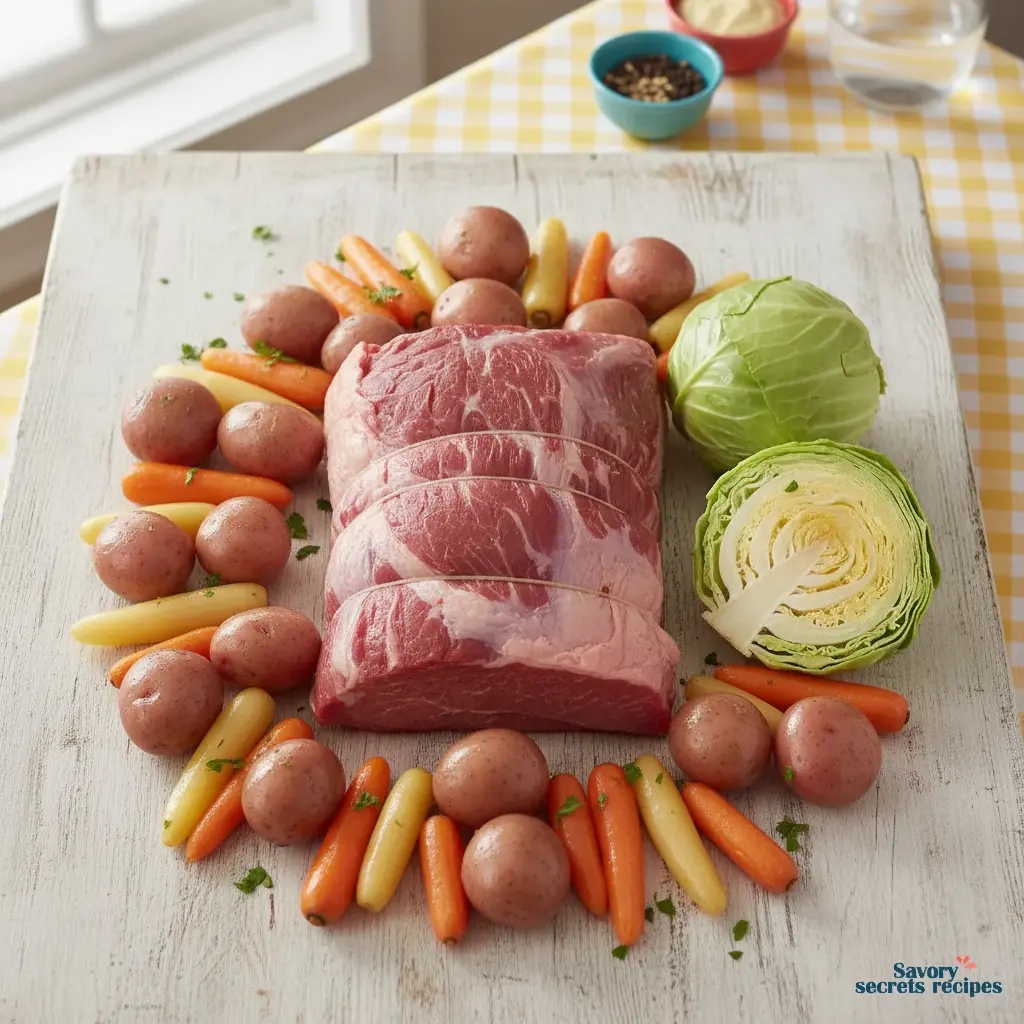
- Select the corned beef brisket.
- Shop several days in advance to secure the best selection before it's gone.
- Avoid freezing.
- Select a thick slab and inspect the sides to avoid excessive gristle.
- Check the meat by feeling for gristle, as some butchers may fold it over to conceal excess.
- Remove the central gristle that runs the length of the slab.
- Choose the thickest slab available. Look for chunk-style cuts, which may be priced higher per pound.
- If no spice bag is present, add whole white and black peppercorns and bay leaves to the brisket.
- Select the cabbage.
- Choose a heavier, more solid piece for best results.
- Check the aroma to ensure it is not overly bitter.
- Check multiple stores to find a batch without a strong bitter smell.
- Discard the outer leaves, even if the store has already removed some to improve appearance.
- Select the potatoes.
- Avoid the red-dyed ones.
- Select a bag of medium to small sized ones.
- Use the smallest possible pieces.
- For the best results, use cherry tomatoes or other small, salad-sized varieties.
- Select the carrots.
- Purchase the smallest bag of carrots available, unless you prefer them, as you will only need one carrot per pot of cabbage to remove any bitterness.
- Do not serve a bowl of carrots on Saint Patrick's Day.
- Prepare and cook the meal.
- Allow three hours for this step.
- Select a large Dutch oven or stock pot large enough to hold all ingredients at once.
- Place the brisket in the bottom of the pot with the best side facing up.
- Do not rinse it. The next steps will eliminate any harmful elements and remove the outer marinade.
- Add the spice packet, or use one teaspoon of peppercorns and two bay leaves.
- Generously cover the brisket with water and a bottle of beer for added flavor and tenderness.
- Bring the mixture to a boil.
- Reduce the heat, cover the pot, and simmer for two hours.
- Let the mixture rest for two hours.
- Scrub and rinse the new red potatoes thoroughly.
- Cut out any eyes and blemishes.
- Retain as much of the peel as possible.
- Quarter the potatoes. Halve or leave whole if they are very small.
- Cover the items with water until you are ready to use them.
- Peel away the dark outer cabbage leaves until only light green leaves remain. Rinse the cabbage, then quarter it through the core to keep the pieces intact. Set aside.
- Peel and quarter one carrot, then set it aside.
- Peel and quarter the onion, then set it aside.
- Rinse the fresh parsley and finely chop the leafy tops.
- Use kitchen scissors.
- After two hours, proceed.
- Place the potatoes over the brisket.
- Pour in enough water to cover all ingredients.
- Bring the mixture to a boil.
- Reduce the heat, cover the pot, and simmer for ten minutes.
- Layer the cabbage over the potatoes, then top with the onion and carrot.
- Pour in enough water to cover all ingredients.
- Bring the mixture to a boil.
- Lower the heat, cover the pot, and simmer for 20 minutes.
- Check the cabbage for tenderness.
- Otherwise, simmer for an additional five minutes. Do not undercook it, as it is difficult to overcook.
- Remove from heat when finished.
- Crush a garlic clove and rub it inside a large serving bowl.
- Transfer the piping hot potatoes to a bowl. Add at least a quarter pound of butter and a generous handful of chopped fresh parsley.
- Stir gently until the butter melts, coats all the potato pieces, and the parsley is evenly distributed.
- Place the remaining parsley in a small serving bowl for those who wish to add extra to their potatoes.
- Add more for best results.
- Slice the brisket against the grain.
- Save some for breakfast.
- Finely chop and fry the corned beef and cabbage. Add any leftover parsley. Serve with coffee. Prepare enough to have leftovers for the next morning's breakfast.
Nutrition
Notes
Why This Is The One You’ve Been Looking For
You know that feeling, right? It’s a damp, chilly evening, maybe you’ve got family coming over, and you want to make something that feels like a hug in a bowl. Something hearty, something that fills the whole house with a smell that promises comfort. But then you think about cooking corned beef and cabbage, and a little voice whispers, “What if it’s tough? What if the cabbage turns to mush?” I’ve been there. I’ve made that dry, chewy brisket. I’ve served a pot of grey, overcooked vegetables. It’s enough to make you want to just order takeout.
Well, let’s be realistic here. This best corned beef and cabbage recipe is the one that changed all that for me. It’s not fussy. It doesn’t require you to babysit a pot for hours. It’s the method I learned from watching my dad stretch one big brisket into a week of meals when I was a kid, and I’ve tweaked it over the years to be absolutely foolproof. The secret isn’t some fancy ingredient; it’s just understanding a few simple rules. This is the one that’ll give you tender, fall-apart meat and vegetables that still have a bit of life to them. That’s the thing, though—once you get it right, you’ll make it all winter long.
The Simple Science of a Tender Brisket
Here’s what actually works, and it’s simpler than you think. Corned beef is just brisket that’s been cured in a brine. All that salt and time does two things: it flavors it deeply, and it starts breaking down the tough muscle fibers. Your job when cooking it is to finish that job gently. That means low and slow. A hard, rolling boil will just squeeze all the moisture out and make it tough as leather. A bare simmer, where you see just a few lazy bubbles breaking the surface? That’ll do it. That gentle heat melts the collagen—that’s the connective tissue—into gelatin, which is what gives you that incredible, juicy tenderness. It’s not magic; it’s just patience.
And the cabbage? Your mileage may vary, but I’ll admit, I’m militant about this. You cannot add it at the beginning. Cabbage only needs about 20-30 minutes to become tender but still have a slight crunch. If you cook it for hours with the beef, you’ll get a pot of sad, bitter mush. Adding it at the end is the single biggest trick to a great best corned beef and cabbage recipe. It stays bright, it soaks up just enough of that flavorful broth, and it actually tastes like cabbage. Worth every penny of effort, which, honestly, is almost none.
Your Stovetop Game Plan: A Step-by-Step Mindset
Don’t worry, it’s easier than it looks. I’m going to walk you through this like I’m standing next to you in my Boston kitchen. First, grab your biggest pot—a Dutch oven or a heavy stockpot is perfect. Unwrap your brisket. Now, a hot tip from my grandmother’s boarding house days: give it a quick rinse under cold water. Some folks say you don’t need to, and they’re not wrong, but I find it takes the edge off any excess saltiness from the brine. No harm in trying, right? Pat it dry.
Place the brisket in the pot, fat side up. That fat will baste the meat as it cooks, keeping it insanely moist. Add the spice packet that came with it. If yours is missing, no panic. Toss in a tablespoon of whole peppercorns and two bay leaves. Now, cover the meat completely with cold water. Or, for even more flavor, use a mix of water and beef broth, or that non-alcoholic beer if you’ve got it. The liquid should cover the meat by about an inch.
The Long, Lazy Simmer
Bring it to a boil over high heat. Then, immediately reduce the heat to the lowest setting that maintains that bare simmer I talked about. You want a whisper of bubbles, not a volcano. Cover it and walk away. For a 4-pound brisket, plan on about 3 hours. For 5 pounds, maybe 3.5. You’re not looking at the clock so much as you’re waiting for the meat to be fork-tender. You’ll know it’s done when you poke it with a fork and it slides in with almost no resistance, and the meat wants to pull apart. That’s the sweet spot.
The Vegetable Parade
When the beef is about 45 minutes from being done, that’s your cue. Scrub your potatoes (leave the skins on for texture and flavor, trust me) and cut them in half if they’re big. Peel your carrots and cut them into big chunks. Add them to the pot, pushing them down into the broth. Let them simmer with the beef. This gives them time to cook through and soak up all that goodness without turning to complete mush.
Now, for the grand finale. When the beef and potatoes are tender, it’s cabbage time. Core your cabbage and cut it into 6 or 8 wedges. Tuck them into the pot on top of everything else. They’ll steam and simmer in that amazing broth. Put the lid back on and let it go for just 20-30 minutes more. You’re looking for the cabbage to be tender but not limp. It should still have a bit of structure. And that’s it. You’ve done it.
Tips That Make All The Difference
Let’s talk about the little things that turn a good best corned beef and cabbage recipe into a great one. These aren’t rules, just what I’ve learned from making a mess of my kitchen more times than I’d like to admit.
Prep Tips
Go to the store a few days ahead if it’s near St. Patrick’s Day, or you’ll be picking through what’s left. Pick a brisket that feels heavy for its size—that usually means less gristle. And feel the ends if you can; sometimes they’re folded to hide sinew. I’m not sure everyone will agree, but I like a thicker slab. It just seems to stay juicier. For the cabbage, peel off the outer leaves until you get to the lighter, more tender ones. Even if the store already did it, do it again. You want the good stuff.
Cooking Tips
Settle in for the long haul. Low and slow is non-negotiable for tenderness. Don’t add extra salt to the pot—the brine has done all that work for you. And please, for the love of all that is good, let the meat rest for 10-15 minutes after cooking before you even think about slicing it. If you cut into it hot, all the juices will run out onto the cutting board, and that’s a tragedy. When you do slice, this is critical: cut against the grain. See those lines running through the meat? Slice perpendicular to them. It shortens the muscle fibers and makes every bite melt-in-your-mouth tender instead of chewy.
Serving & Storage Tips
Use what you’ve got for serving. A big platter is nice, but a deep bowl is just as good. I like to make a quick parsley butter for the potatoes: mash some soft butter with a handful of chopped fresh parsley and a tiny bit of garlic. Stir it into the hot potatoes right before serving. Honestly, it’s brilliant. For leftovers, store the beef and veggies separately in airtight containers. They’ll last 4-5 days in the fridge. The beef freezes beautifully for up to 3 months. Do not freeze the cabbage or potatoes, though—the texture goes all wrong.
What If Something Goes Wrong? A Troubleshooting Guide
Even with the best corned beef and cabbage recipe, things can happen. Here’s how to fix the common stuff.
❌ Mistake: The meat is still tough after 3 hours.
✅ Solution: It just needs more time. Keep it simmering, covered, and check every 30 minutes. It can sometimes take 4 hours for a larger brisket to become fully tender. It’s done when it’s fork-tender, not when the timer dings.
❌ Mistake: The whole dish is too salty.
✅ Solution: Next time, rinse the brisket and use low-sodium broth. For now, serve it with plenty of plain, boiled potatoes or some unsalted soda bread to balance it out. The potatoes will soak up some of the salt.
❌ Mistake: The vegetables are mushy.
✅ Solution: You added them too early. Remember the order: beef first, then potatoes and carrots with about 45 minutes to go, cabbage only in the last 20-30 minutes. For this meal, timing is everything.
❌ Mistake: The meat is dry.
✅ Solution: You probably cooked it at too high a heat or didn’t let it rest. For next time, ensure a bare simmer and let it rest before slicing. For this batch, slice it thin, drizzle with a little of the warm broth, and cover with foil to reheat gently.
Frequently Asked Questions
Serving It Up & Stretching It Out
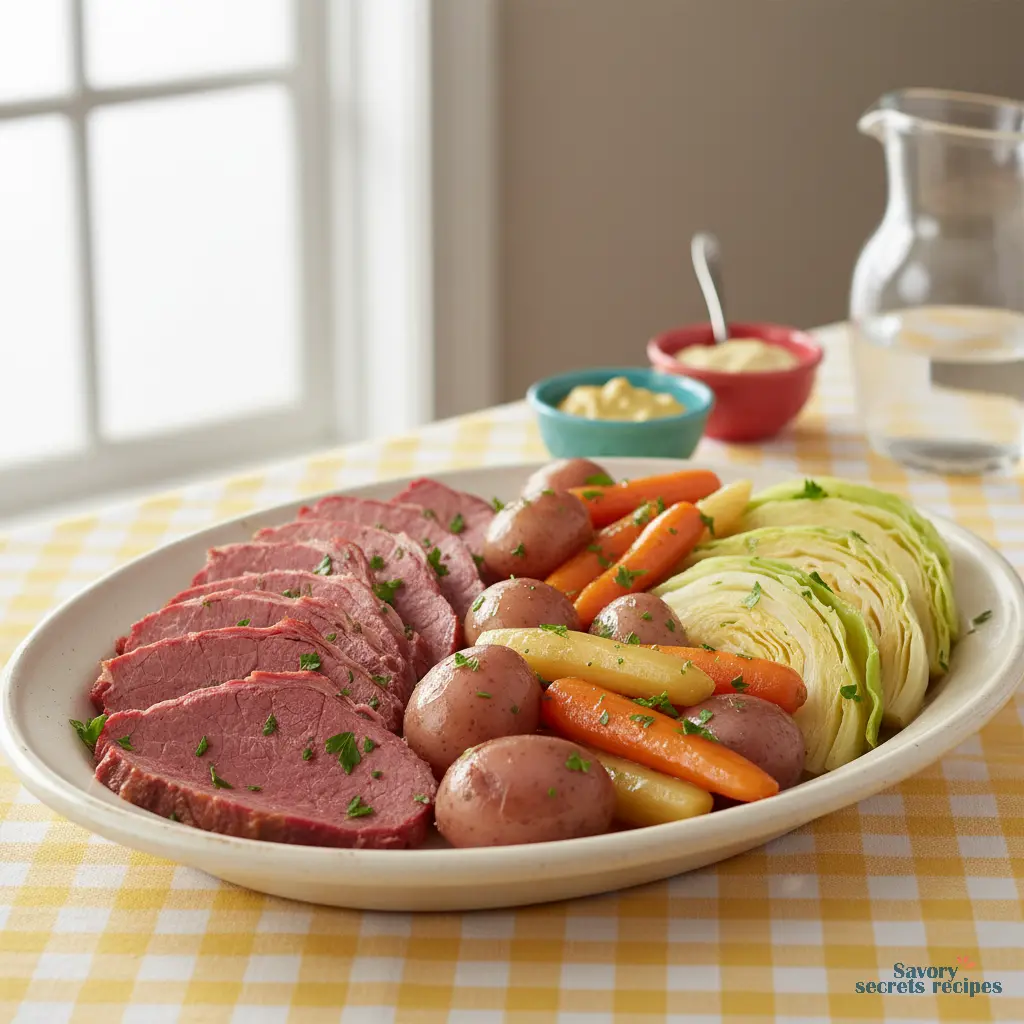
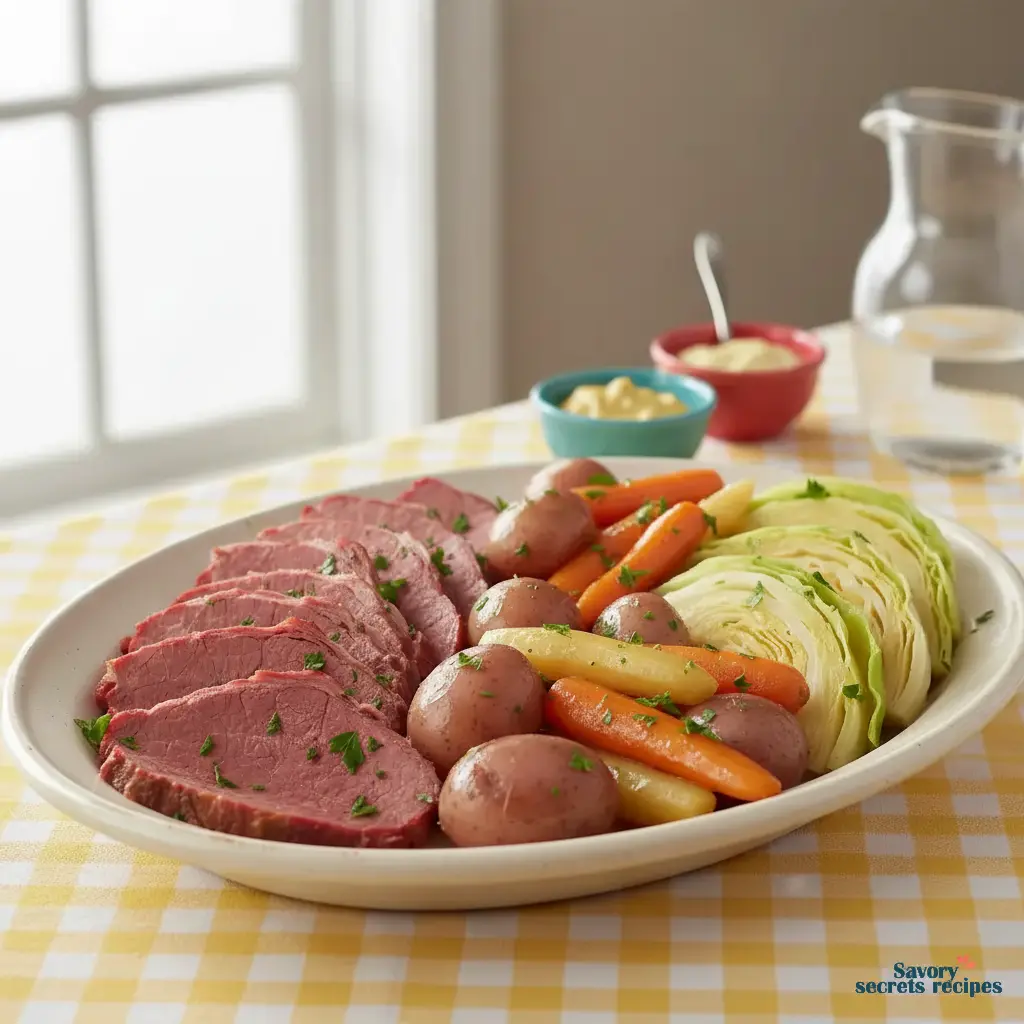
When you serve this best corned beef and cabbage recipe, keep it simple. Use a big slotted spoon to lift the veggies onto a warm platter. Let the brisket rest on a cutting board, then slice it thin against the grain. Arrange it all together. A bowl of grainy mustard on the side is non-negotiable in my house. Some good rye bread or soda bread for soaking up the broth is perfect.
For storage, let everything cool completely. Keep the beef and cooking liquid in one container, and the veggies in another. They’ll last 4-5 days in the fridge. The beef freezes like a dream for quick sandwiches or hash later. I’ll admit, it’s not fancy, but it’s the kind of meal that makes a house feel like a home. The kind where everyone goes for seconds, and you’re left with just enough for a great sandwich tomorrow.
You’ve Got This
When you pull this best corned beef and cabbage recipe together, your kitchen will smell like patience and comfort. You’ll have a pot full of food that feels generous, the kind of meal that gathers people. It’s not about being a perfect chef; it’s about understanding a few simple rules and then letting the pot do its work. I could eat this weekly during these colder months. So go grab a brisket on your next run to the store. Take a deep breath, and trust the process. You’ll end up with a tender, flavorful triumph that’ll have everyone asking for your secret. And you can just smile and say, “It’s easier than it looks.” Now we’re talking.
Do you really need to rinse corned beef before cooking?
I usually do, yeah. It’s a habit from my gran. The brine is seriously salty, and a quick rinse under cold water takes the very edge off. You won’t lose the flavor, I promise. If you’re worried about salt, it’s an easy step that helps.
When should I add cabbage to corned beef?
Always at the very end. For this best corned beef and cabbage recipe, add the cabbage wedges during the last 20 to 30 minutes of cooking. That’s just enough time for them to become tender and soak up flavor without turning into a soggy, bitter mess.
Is it better to cook corned beef in the oven or on top of the stove?
For control and tenderness, I’m a stovetop believer. It’s easier to maintain that perfect low simmer. The oven can work, but it’s less direct. The stovetop method for this best corned beef and cabbage recipe is simpler and, in my opinion, more reliable for that fall-apart texture.
How do you know when corned beef is done?
It’s all about the fork test. When you think it’s close, poke the thickest part with a fork and gently twist. If the fork slides in and out with little resistance, and a piece of meat wants to pull away easily, it’s done. If it feels tight or rubbery, give it more time.
What if I don’t have the spice packet?
No problem at all. The backbone of the flavor is the brine in the meat. For the pot, just add a tablespoon of whole mixed peppercorns and two dried bay leaves. That’ll give you the classic, aromatic base you’re looking for.
Can I make this best corned beef and cabbage recipe in a slow cooker?
Absolutely. Put the brisket and spices in, cover with liquid, and cook on LOW for 8-10 hours. Add potatoes and carrots 3 hours before it’s done, and the cabbage only in the last hour. It’s a great hands-off method.
What’s the best way to reheat leftovers?
The trick is keeping it from drying out. For the beef, place slices in a baking dish, sprinkle with a couple tablespoons of broth or water, cover tightly with foil, and warm at 350°F for 10-15 minutes. Reheat veggies separately in the microwave or a steamer.
Fat side up or down when cooking?
Fat side up, always. As it slowly renders and melts during the long cook, it bastes the meat from the top down, keeping every single bite incredibly moist and flavorful. It’s a small detail with a big payoff.
How long do I cook a 5 pound corned beef?
Plan for about 3.5 hours of simmering time, but always trust the fork over the clock. Start checking at the 3-hour mark. A 5-pound brisket for this best corned beef and cabbage recipe might need closer to 4 hours if it’s very thick. It’s done when it’s tender, not when a timer goes off.
What can I do with all the leftover corned beef?
Oh, the possibilities. My favorite is a killer Reuben sandwich on rye with Swiss and sauerkraut. Or chop it up for a hearty hash with potatoes and onions for breakfast. You can also add it to a creamy potato soup. Good bones for later, as my gran would say.