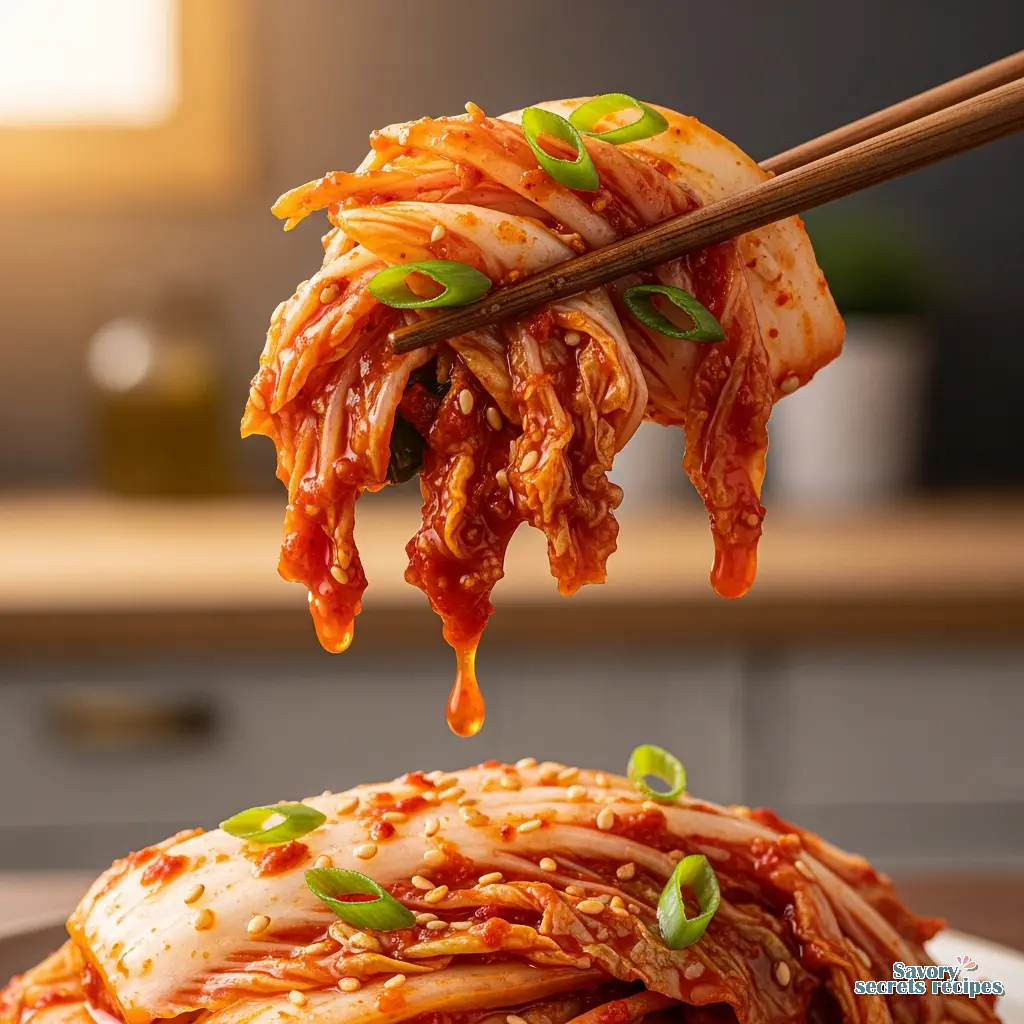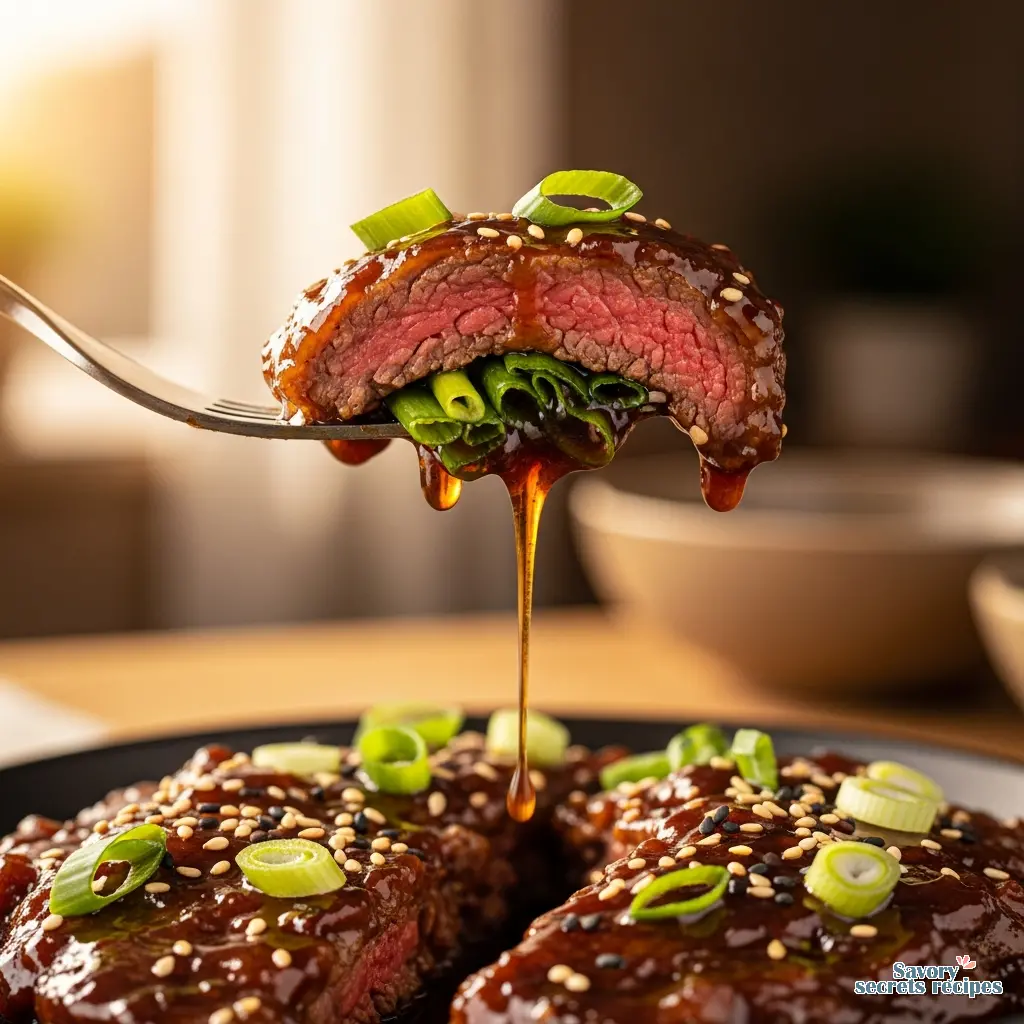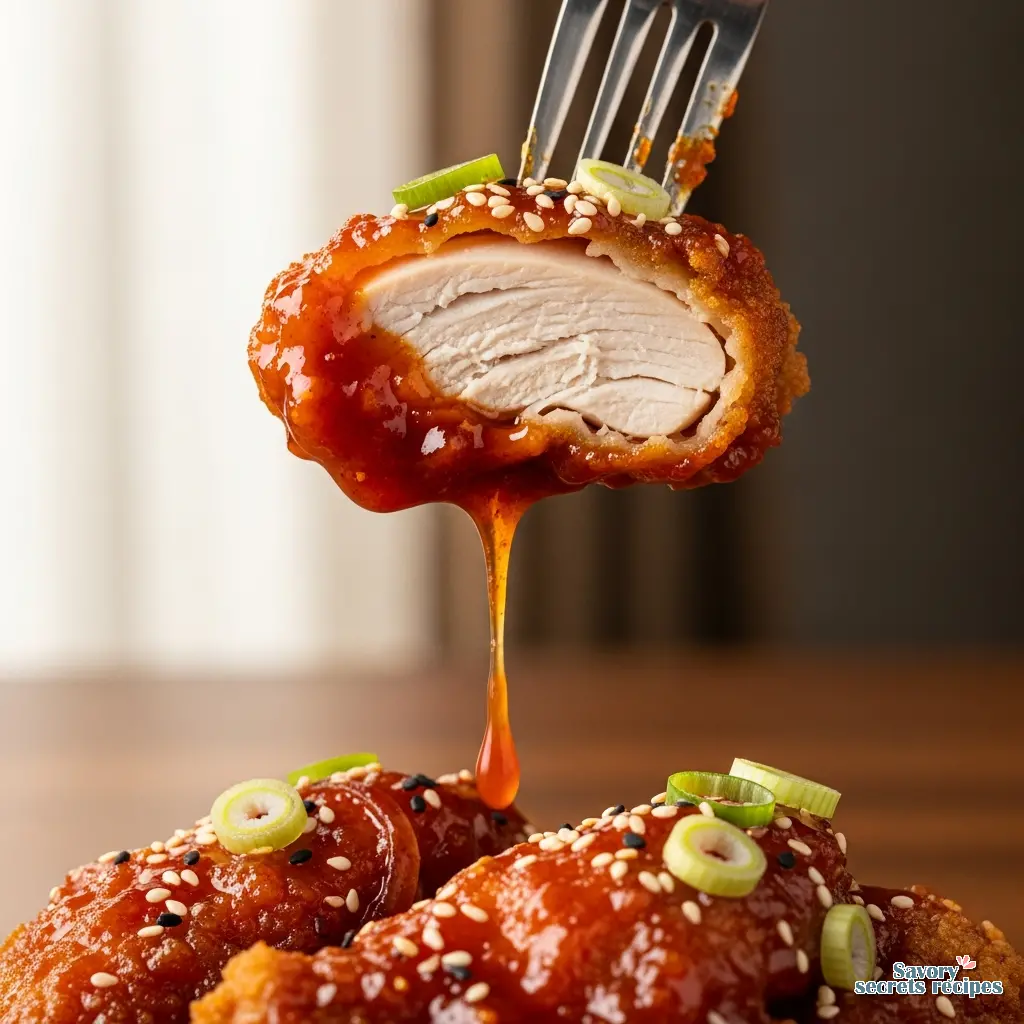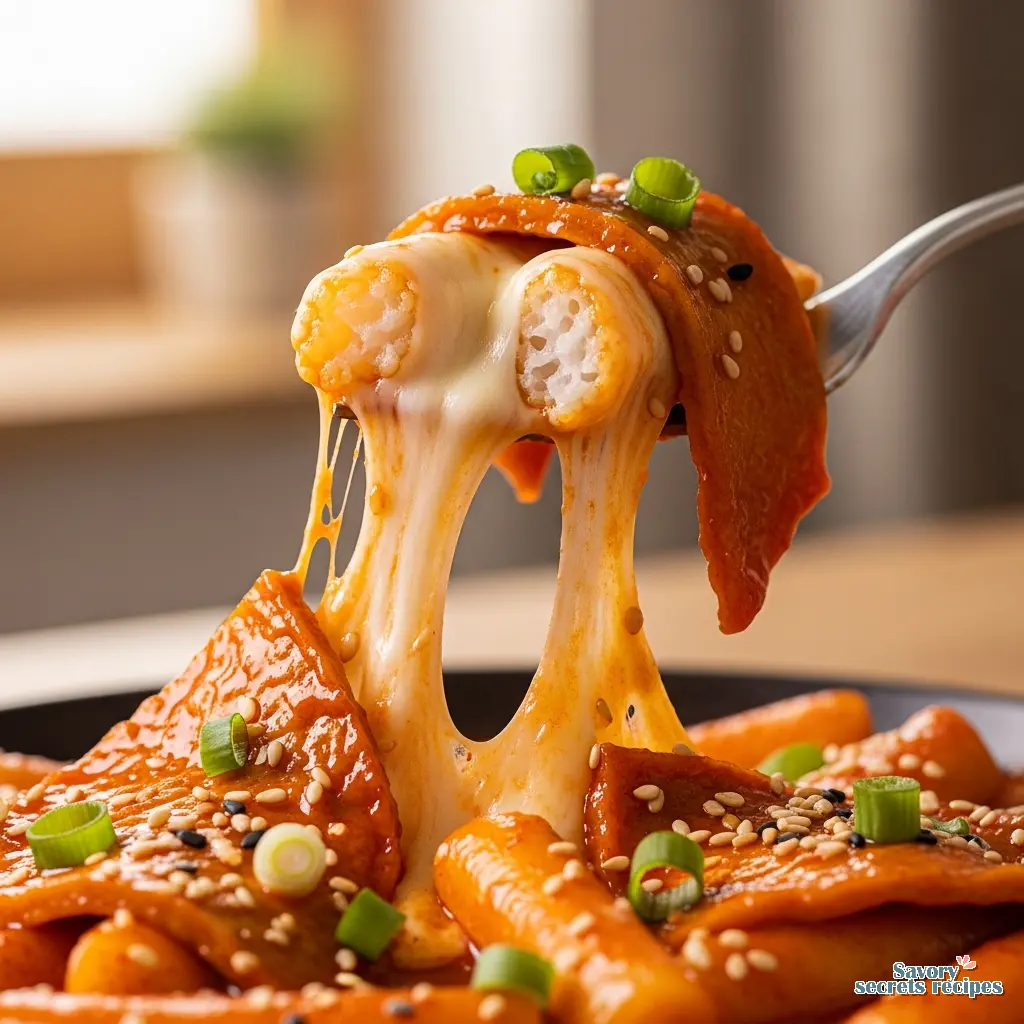




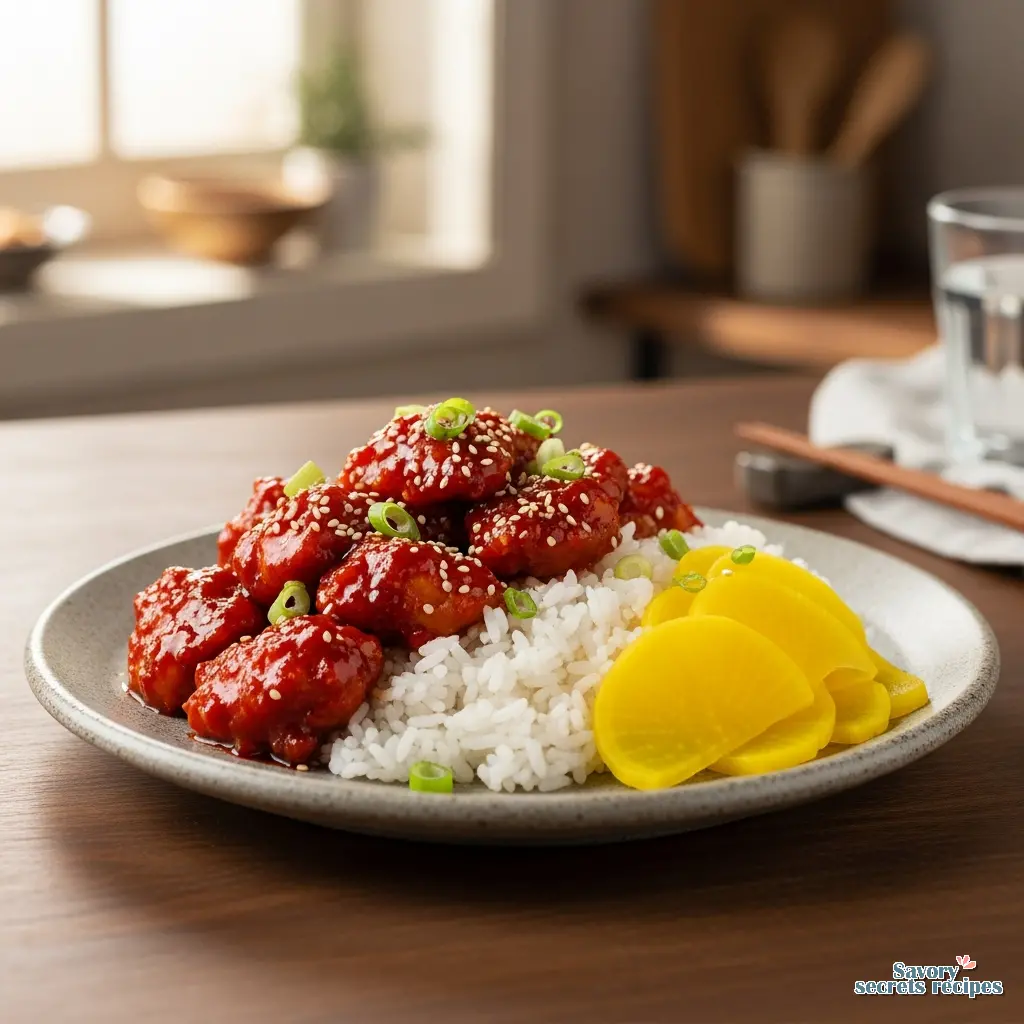
35 Cheap Korean Food Recipes: Easy Chicken Bulgogi
Ingredients
Method
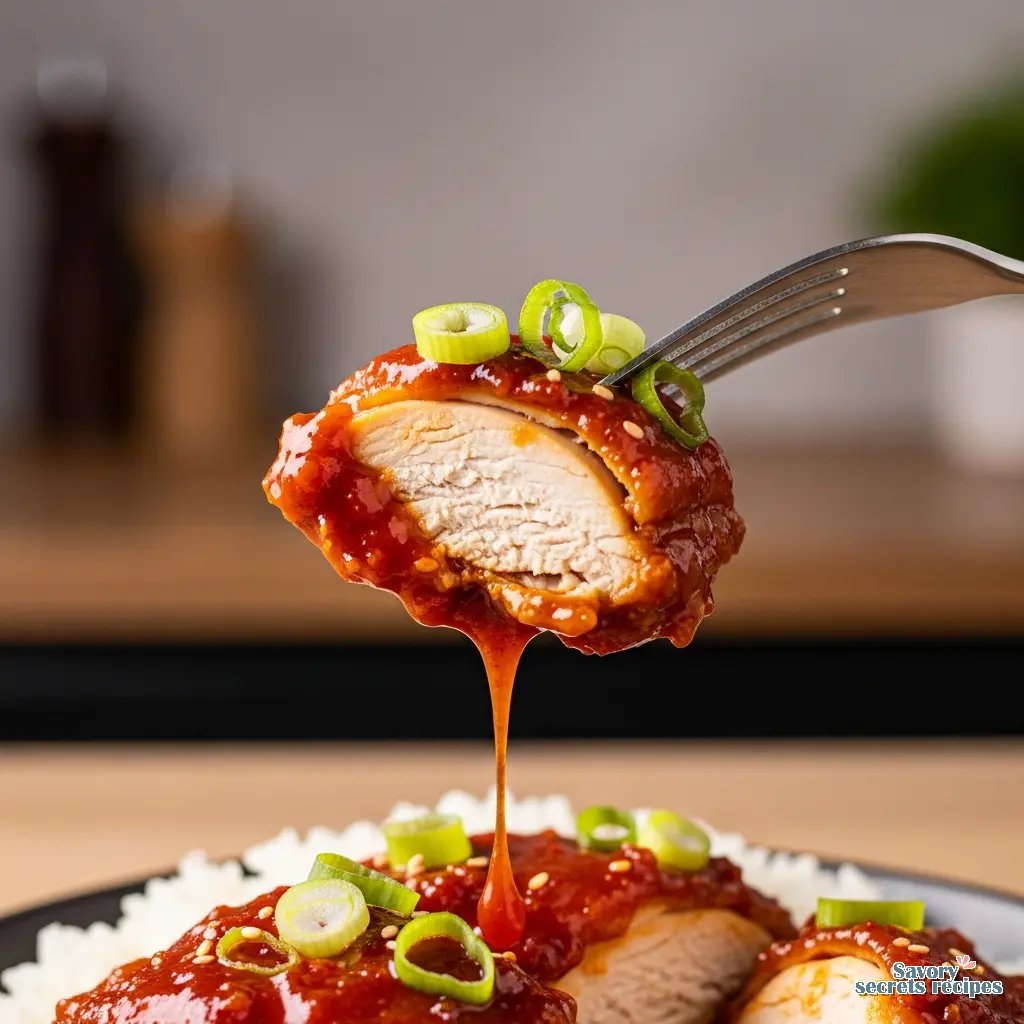
- Cover chicken thighs with plastic wrap and pound with a meat mallet to stretch and tenderize; set aside.
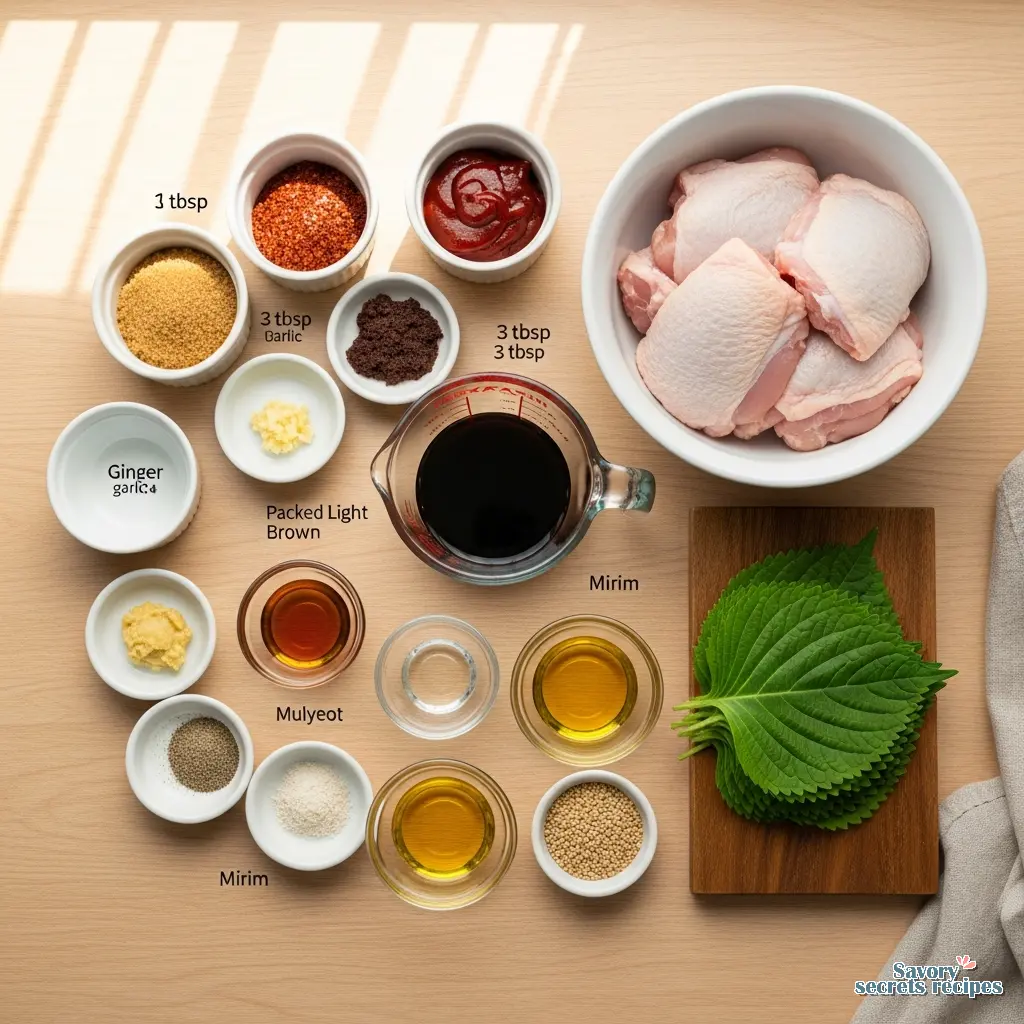
- Combine gochujang, gochugaru (if using), soy sauce, brown sugar, garlic, ginger, rice wine, sesame oil, and pepper in a large mixing bowl. Add the chicken and toss to coat evenly. Let the chicken rest at room temperature for 15 minutes.
- Preheat the broiler and position an oven rack 5 to 6 inches below the heat source. Grease a cooling rack with cooking spray and place it on a foil-lined half-sheet baking pan.
- Arrange the chicken pieces on the rack without overlapping. Broil for 4 to 5 minutes until slightly charred. Flip the chicken and broil for an additional 4 to 5 minutes until fully cooked, watching carefully to avoid over-charring.
- Slice the chicken thighs into bite-sized pieces and place in a serving dish. Garnish with thinly sliced perilla leaves and toasted sesame seeds. Serve hot with rice.
Nutrition
Notes
" Meat Selection: I always choose skinless chicken thighs for this because they stay incredibly tender and juicy even when the broiler gets them nice and charred.",
" Heat Control: Keep a close eye on your oven during those last few minutes since the sugar in the marinade can go from perfectly caramelized to burnt very quickly.",
" Advance Prep: I have found that letting the chicken marinate in the fridge overnight really deepens the flavor: just make sure to bring it to room temperature before cooking.",
" Ingredient Swap: If you cannot find perilla leaves at your local market, I suggest using fresh basil or even thinly sliced green onions to get a similar fresh finish.",
" Leftover Ideas: My favorite way to eat any leftovers is to slice the chicken thin and toss it into a cold noodle salad the next day.",
" Texture Tip: Do not skip pounding the chicken with a mallet: it ensures every piece cooks at the same rate and helps the marinade penetrate deeper into the meat."
]
Why Budget Korean Food Works for Home Cooks
I was twelve when Uncle Raymond let me tend his offset smoker at the Goldsboro farmers market. He’d check the firebox every forty minutes. He never rushed. He taught me that great food isn’t about buying the most expensive cut of meat. It’s about patience and technique. Generally speaking, I find that principle holds true whether you’re smoking a shoulder in North Carolina or making a stew in Seoul.
We need to talk about budget korean food. Living here in Durham but keeping an eye on food trends out in Los Angeles, I see people paying forty dollars for a meal they could make for five. That tracks if you’re paying for the atmosphere. But for a Tuesday night dinner? You can do better.
The beauty of this cuisine is that it was born from preservation and necessity. It’s peasant food. I mean that with the highest respect. It uses fermentation, strong savory pastes, and rice to stretch small amounts of protein into a feast. When you look at the price of groceries at Ralphs or even Walmart right now, that approach just makes sense. You don’t need a pantry full of impossible-to-find ingredients. You need a few solid staples and the willingness to learn a new method.
Essential Budget Pantry Staples
If you’re going to cook this way, you need the right tools. In BBQ, that’s hickory and a good rub. In Korean cooking, it’s the jangs (sauces). You buy these once, and they last for months. The upfront cost might seem like a hit, maybe fifteen bucks for the set, but the cost per meal drops to pennies. Solid investment.
Gochujang (Chili Paste): This is the binder. It’s a fermented soybean and chili paste. Think of it like a wet rub. It brings heat, sweetness, and a deep savory note that you can’t fake with hot sauce. I tend to buy the medium heat level. It comes in a red tub. It lasts forever in the fridge.
Gochugaru (Chili Flakes): This isn’t the same as the red pepper flakes you put on pizza. Those are just hot. Gochugaru is sun-dried and has a smoky, fruity flavor profile. It provides the vibrant red color in kimchi and stews. Without it, your dish will look pale and taste flat. Thin blue smoke or nothing, right? Well, red flakes or nothing here.
Sesame Oil: This is your finishing move. Never cook with it on high heat. It burns bitter. You drizzle this at the very end, just like you might brush a glaze on ribs right before serving. The aroma should hit you as the bowl hits the table.
Soy Sauce: You probably have this. Use a regular soy sauce, not the low-sodium stuff unless you have to. Salt is flavor. In my experience, though your mileage may vary, the cheap store brand works fine for marinades, but get a decent bottle for dipping.
Recipe Science: Why Fermentation Works
I learned patience before I learned chemistry watching Uncle Raymond. He didn’t know the molecular breakdown of collagen, but he knew that low heat over time made meat tender. Korean food operates on a similar principle of time. Fermentation is just controlled aging.
When you use kimchi or gochujang, you are using ingredients that have already done the hard work for you. The enzymes have broken down, creating glutamates. That’s savory flavor. That’s umami. It means you don’t need to simmer a stock for twelve hours to get a rich taste. You just add a spoonful of the paste. It’s a shortcut that isn’t cheating.
Acid is crucial here too. Kimchi gets sour as it ages. That acid cuts through fat. If you’re frying chicken thighs or using a fatty cut of beef, that acid balances the palate so you don’t get overwhelmed. It’s the same reason we put vinegar sauce on pork shoulder in North Carolina. Fat is your friend until it isn’t. The acid keeps it friendly.
Top 10 Low-Cost Meal Concepts
You don’t need a specific recipe for every single night. You need concepts. Once you understand the method, you can swap ingredients based on what’s on sale. That’s how you save money.
1. Bibimbap (Mixed Rice): This is the ultimate “clean the fridge” meal. You take a bowl of rice, top it with small amounts of whatever vegetables you have (sautéed spinach, carrots, bean sprouts), add an egg, and a dollop of gochujang. It looks fancy. It costs pennies.
2. Kimchi Fried Rice: Old kimchi is better than fresh kimchi for cooking. When it gets too sour to eat raw, fry it with rice and oil. The oil mellows the acid. Throw in some spam or canned tuna if you’re on a tight budget. It’s a ten-minute meal.
3. Sundubu Jjigae (Soft Tofu Stew): Tofu is cheap. Like, really cheap. A tube of soft tofu costs a dollar. Boil it with water, gochugaru, garlic, and soy sauce. Add an egg at the end. It’s hot, spicy, and filling.
4. Dakgalbi (Spicy Chicken Stir-fry): Chicken thighs are affordable and forgiving. Marinate them in the paste and stir-fry with cabbage and sweet potato. The cabbage bulks it up so you use less meat.
5. Gyeran Jjim (Steamed Egg): Eggs and water. That’s the base. Whisk them together and steam until fluffy. It’s a protein-packed side dish or a light breakfast.
6. Soybean Paste Stew (Doenjang Jjigae): Similar to miso soup but punchier. Use zucchini, onions, and tofu. It’s hearty enough for a main course with a bowl of rice.
7. Spicy Noodles: Wheat noodles are inexpensive. Mix them with a sauce of gochujang, sugar, vinegar, and sesame oil. Cold, spicy, and chewy.
8. Braised Potatoes (Gamja Jorim): Baby potatoes simmered in soy sauce and corn syrup until they are sticky and sweet. A great side dish that fills you up.
9. Tuna Pancakes: Canned tuna mixed with flour, egg, and scallions. Pan-fry them into little patties. Dip in soy sauce.
10. Rice Cake Soup: You can buy a bag of frozen rice cakes for a few dollars. Simmer them in broth with egg and seaweed. It’s pure comfort food.
Price Comparison: Homemade vs Store-bought
Let’s look at the numbers. Temperature is data, and so is your bank account balance. If you go to a Korean restaurant in LA, a bowl of Bibimbap is easily fifteen to eighteen dollars. Add tax and tip, you’re over twenty.
Making it at home? Rice is maybe twenty cents. The vegetables, if you buy seasonal, are maybe two dollars. The egg is thirty cents. The sauce is negligible per serving. You are looking at a meal that costs under three dollars. That’s the one. You are saving eighty percent by doing the assembly yourself. The markup in restaurants is labor and rent. When you provide the labor and the kitchen, you keep the money.
Visual Troubleshooting for Beginners
Things go wrong. I’ve burned biscuits. I’ve oversalted brisket. It happens. Here is what to look for with budget korean food.
Mushy Rice: If your rice is mushy, you used too much water. Asian rice needs less water than you think. Generally, the ratio is 1:1 for short grain rice after rinsing. If it’s mushy, don’t throw it out. Use it for porridge (juk) the next day. Nothing for it but to wait and repurpose.
Stew Too Watery: If your Jjigae looks like colored water, you didn’t let it reduce, or you didn’t use enough paste. Let it boil. Let it ride. The bubbles should look thick and heavy, not fizzy like soda. That thickness is where the flavor lives.
Meat Not Browning: If you are stir-frying chicken and it’s steaming instead of searing, you crowded the pan. I see this all the time. Cook in batches. You want to hear a hard sizzle, not a gentle bubble. Respect the stall, but don’t crowd the pan.
Frequently Asked Questions
Storage & Serving
Korean food is built around the concept of Banchan, or side dishes. You make a big batch of seasoned spinach or bean sprouts on Sunday. You keep them in the fridge. During the week, you just cook rice and maybe a main protein. You pull out the cold sides, and dinner is ready in fifteen minutes. It’s the original meal prep.
When you serve, temperature contrast is key. Hot rice, cold sides, hot stew. That interplay keeps the meal interesting. And don’t worry if you don’t have twenty side dishes like a restaurant. One or two is plenty for a weeknight. Fair enough?
Conclusion
When you make this, you’ll feel that same satisfaction I get when a smoke ring sets perfectly. It’s the feeling of mastering a process. You took simple, affordable ingredients and turned them into something that tastes like it cost three times as much. That’s the goal. That’s the win.
Give these budget korean food recipes a shot. Don’t overthink it. Just cook. And when you do, tag me. I want to see what you’re making in your kitchen.
For more inspiration, check out my Pinterest boards where I collect ideas for weeknight meals.
Reference: Original Source
Can I make budget korean food ahead of time?
Absolutely. In fact, stews like Kimchi Jjigae taste better the next day after the flavors meld. Marinated meats (Bulgogi style) can sit in the fridge for two days before cooking. It’s like a dry brine on a steak; time helps.
Which cookbook to get for home cooking?
I’d suggest Maangchi’s “Real Korean Cooking” for beginners. She breaks down the steps clearly. It’s solid. For something more modern, “Koreatown” gives you that LA vibe, but the recipes can be a bit more involved.
How do I store leftover budget korean food?
Glass containers are best because the red pepper paste stains plastic permanently. Trust me on this. Rice should be frozen if you aren’t eating it within a day to keep it from drying out. Reheat with a splash of water.