



["Buldak Tteokbokki Recipe and Ingredients"]
Ingredients
Method
- Soak the rice cakes in warm water for 10 minutes, unless using fresh, tender rice cakes.
- Boil the soup stock in a shallow pot over medium-high heat and stir in the tteokbokki sauce until dissolved. Add the rice cakes, fish cakes, and onion, then boil for 3 to 5 minutes until the rice cakes are cooked through. Simmer over low heat for an additional 2 to 4 minutes to thicken the sauce and develop the flavor.
- Stir in the sesame oil, sesame seeds, and green onion, then serve immediately while warm.
Nutrition
Notes
Why This Spicy Comfort Dish Works
Ever craved something spicy and comforting on a cold night? I mean the kind of spicy that wakes you up but still feels like a hug. That was me last Tuesday. It’s winter here in Silver Spring, and honestly, sometimes a salad just doesn’t cut it when the temperature drops. I found myself rummaging through my pantry, looking for the specific buldak tteokbokki ingredients I needed to recreate that street food magic I first tasted years ago. My grandmother Fatoumata used to say that heat in food isn’t just about pain. It’s about waking up the other flavors. She was right. When you get the balance of these buldak tteokbokki ingredients right, you get this incredible interplay between the fiery sauce, the chewy rice cakes, and the savory fish cakes. It’s addictive. But I know it can be intimidating if you haven’t cooked with Korean ingredients before. Here’s the thing about this dish. It looks impressive, almost like restaurant-quality takeout, but it comes together in one pan. Seriously. Once you have the right components, it’s faster than waiting for a delivery driver. I’ve made plenty of mistakes figuring this out like the time I turned my rice cakes into a solid brick of starch so you don’t have to. Let’s walk through exactly what you need to get that perfect chew and that signature heat.The Essential Buldak Tteokbokki Ingredients List
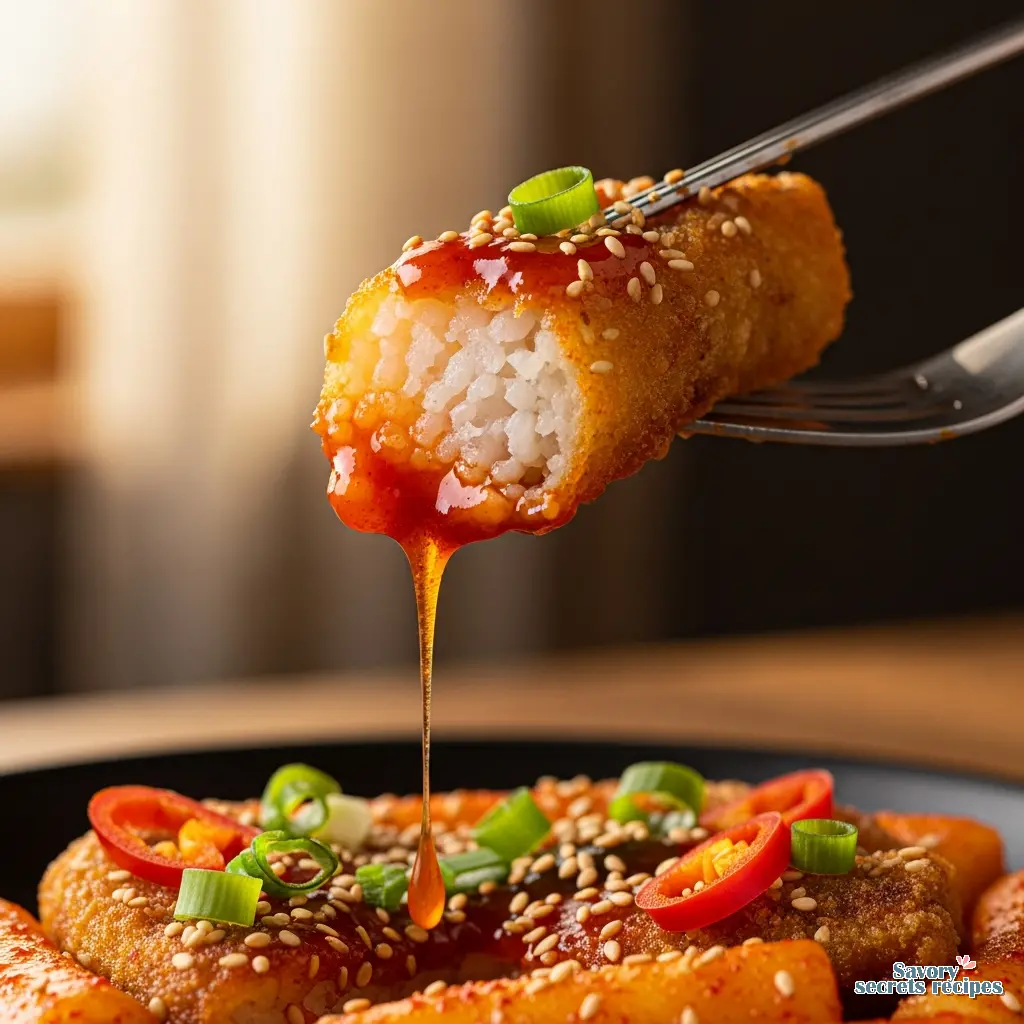
Getting the right ingredients is half the battle won. In my experience, you can fudge the technique a little, but if you start with the wrong rice cakes, you’re fighting a losing battle.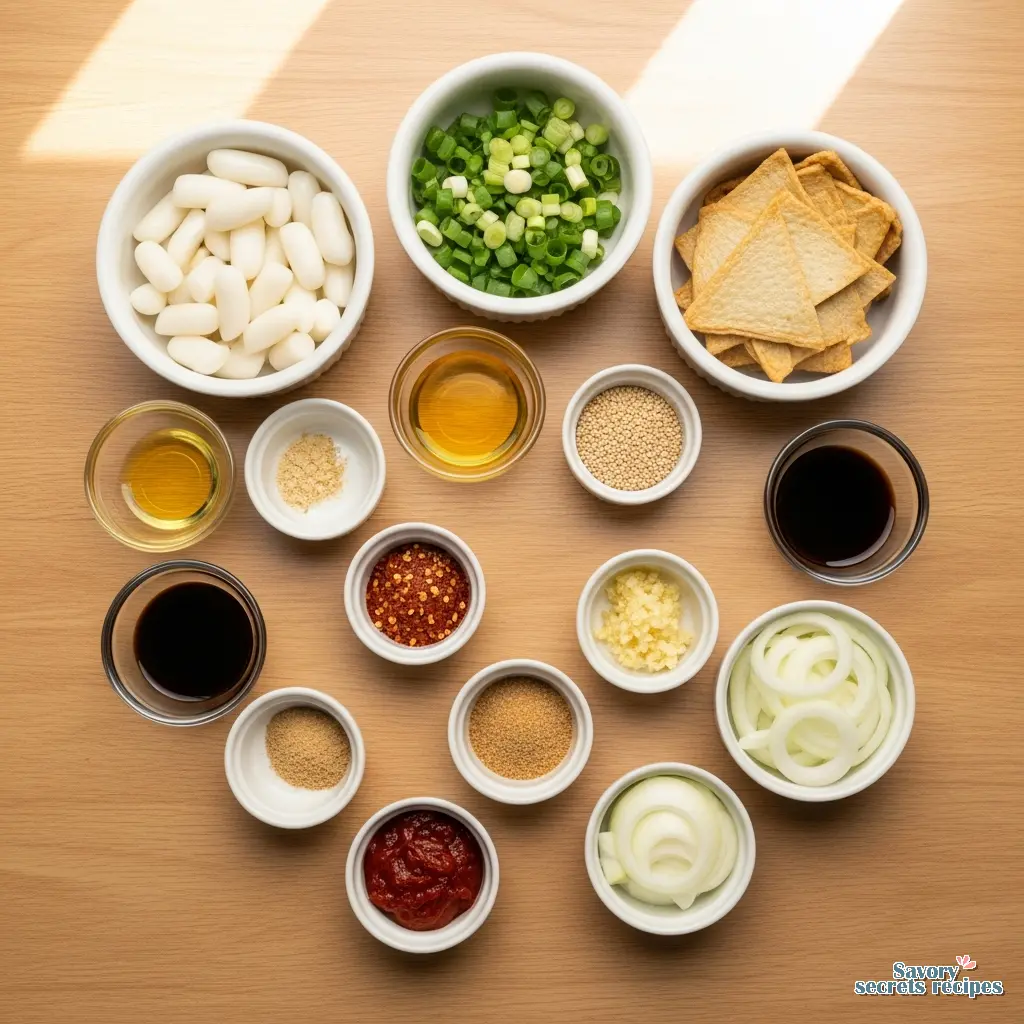 First, you need the rice cakes, or *garaetteok*. You’ll usually find these in the refrigerated or frozen section of Asian grocery stores like H Mart. Look for the cylinder shape, not the flat slices used for soup. The flat ones get too soft too quickly in this sauce.
Then there’s the fish cakes, or *eomuk*. These usually come in flat rectangular sheets in the freezer aisle. They add a savory depth that balances the sweet and spicy sauce. If you can’t find them, Japanese fish cakes work, or you can skip them, but I think they’re essential for that authentic texture contrast.
For the aromatics and sauce, you’re looking at green onions (scallions), onion, and cabbage if you want some crunch. The sauce base relies heavily on *gochujang* (Korean chili paste) and *gochugaru* (Korean chili flakes). I always keep these in my pantry because they last forever in the fridge.
First, you need the rice cakes, or *garaetteok*. You’ll usually find these in the refrigerated or frozen section of Asian grocery stores like H Mart. Look for the cylinder shape, not the flat slices used for soup. The flat ones get too soft too quickly in this sauce.
Then there’s the fish cakes, or *eomuk*. These usually come in flat rectangular sheets in the freezer aisle. They add a savory depth that balances the sweet and spicy sauce. If you can’t find them, Japanese fish cakes work, or you can skip them, but I think they’re essential for that authentic texture contrast.
For the aromatics and sauce, you’re looking at green onions (scallions), onion, and cabbage if you want some crunch. The sauce base relies heavily on *gochujang* (Korean chili paste) and *gochugaru* (Korean chili flakes). I always keep these in my pantry because they last forever in the fridge.
Rice Cakes (Tteok): The Chewy Foundation
Let me think about that for a second. The texture of the rice cake is probably the most controversial part of this dish for beginners. It should be chewy, soft, and bouncy not hard, and definitely not mushy. If you buy them fresh from a local Korean bakery, you can toss them right into the pan. But most of us are buying them frozen or vacuum-sealed. Here’s what I’ve found works best: soak them in lukewarm water for about 10 to 20 minutes before cooking. Don’t use boiling water. I learned that the hard way. Boiling water starts cooking the outside before the inside is thawed, and you end up with a slimy exterior that disintegrates while the center stays hard. You’ll know they’re ready when they feel slightly pliable to the touch. If you’re using the vacuum-sealed ones that are super hard, they might need a quick blanch in boiling water for 30 seconds, but be careful not to overdo it. The goal is to hydrate them so they can absorb that delicious sauce later.The Sauce Spectrum: Gochujang vs. Buldak Packet
Now, about the heat. The term “Buldak” literally means “fire chicken,” made famous by those incredibly spicy instant noodles. If you have a packet of the Buldak sauce, you can absolutely use that. It’s a shortcut, and fair enough, it’s convenient. But honestly? Making your own sauce gives you way more control. The pre-made stuff is just… intense. It hits you with heat but sometimes lacks depth. My homemade version uses gochujang for that fermented, savory base, gochugaru for a cleaner heat, and a bit of soy sauce and sugar (or maple syrup) to round it out. If you’re worried about the spice level, start small. You can always add more chili flakes, but you can’t take them out. I usually mix my sauce in a separate bowl first. Taste it. It should be a little too salty and a little too sweet because it’s going to get diluted by the stock and absorbed by the bland rice cakes. Trust your nose on this one. If it smells flat, it needs more garlic or a splash of sesame oil.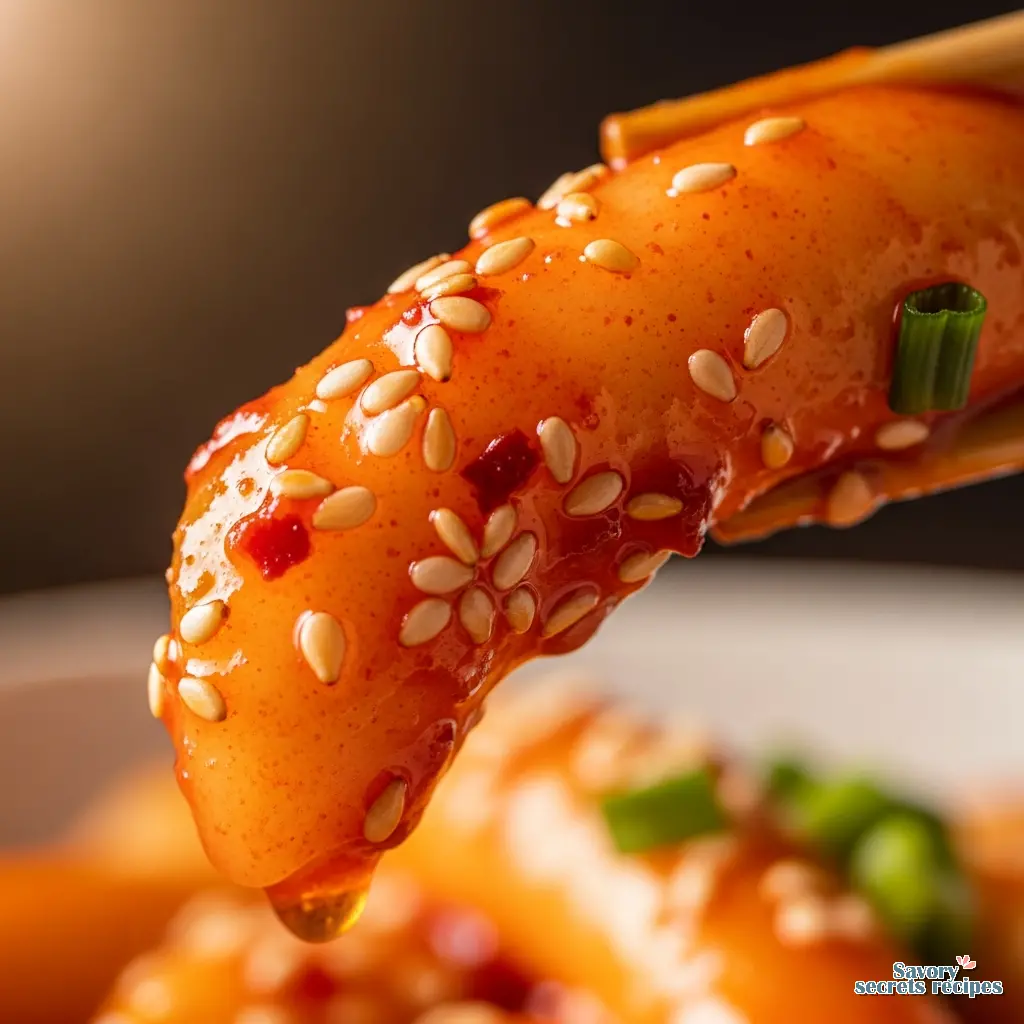
Stock vs. Water: The Flavor Secret
This is one of those things where the ingredient does most of the work if you let it. You *can* use water. It works. But if you want it to taste like the street stalls in Seoul (or the good spots in K-Town here in LA), you need stock. Traditionally, you’d use a dried anchovy and kelp stock (dashima). It adds this invisible layer of umami that makes the spicy sauce taste rich rather than just hot. If you don’t have time to boil anchovies and let’s be real, on a Tuesday night, who does? you can use a dashi packet or even chicken stock. I’ve even used vegetable broth when cooking for vegetarian friends, and it’s still delicious. The starch from the rice cakes will thicken whatever liquid you use, turning it into a glossy glaze. Just don’t skip the liquid entirely, or you’ll end up with burnt sauce and hard cakes.Variations & “Fridge Clean-out” Add-ins
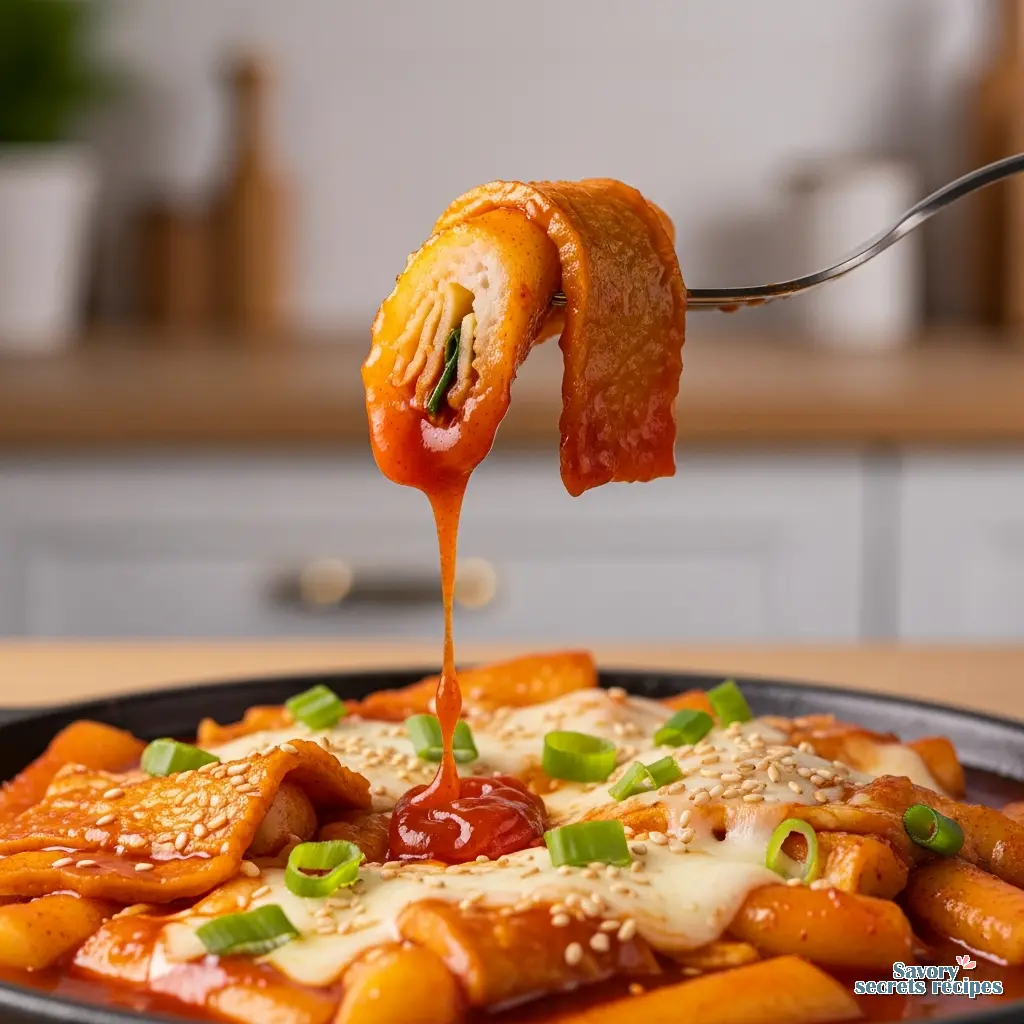
One of the reasons I love this dish is how adaptable it is. My daughter calls it “Korean pizza” because we just throw whatever toppings we want on it. **Cheese Tteokbokki:** This is a game-changer for people who are scared of spice. Mozzarella cheese is the best here. Its mild, creamy flavor cuts right through the sharp heat of the buldak sauce. Just sprinkle a generous handful on top at the very end and cover the pan for two minutes until it melts. **Rabokki:** This is just tteokbokki plus ramen noodles. If you’re really hungry, add a block of instant noodles (without the flavor packet) into the pan when the sauce is simmering. You might need to add an extra half cup of stock so the noodles have something to drink up. **Vegetables:** Cabbage is traditional, but I’ve thrown in julienned carrots, sliced zucchini, and even mushrooms. It’s a great way to bulk up the meal without adding more carbs.Step-by-Step Texture Troubleshooting
I’ve messed this up enough times to know exactly what can go wrong. Here is what usually trips people up.Common Mistakes & Fixes
Mistake: The rice cakes are splitting or cracking.
Solution: You probably boiled them too hard or soaked them in water that was too hot. Keep it to a gentle simmer.
Mistake: The sauce is too watery.
Solution: Be patient. The starch from the rice cakes needs time to release and thicken the sauce. Keep simmering, stirring often so it doesn’t stick.
Mistake: The sauce is too thick/burning.
Solution: This happens fast. Add a splash of water or stock immediately and lower the heat. The sauce should coat the back of a spoon, not be a paste.
Storage & Reheating: Avoiding the Rubber Texture
I’ll be honest with you: rice cakes are best eaten fresh. The moment they get cold, they start to harden. It’s just the nature of rice starch. But if you do have leftovers, don’t throw them away. Store them in an airtight container in the fridge for up to 3 days. When you take them out, they will look unappealing hard and solid. Don’t panic. To reheat, put them in a pan with a splash of water or stock. Cover it and steam them gently on low heat. Do not I repeat, do not just zap them in the microwave without water. They will turn into rubber bullets. You need moisture to bring that soft, chewy texture back.Frequently Asked Questions
Bring the Heat Home
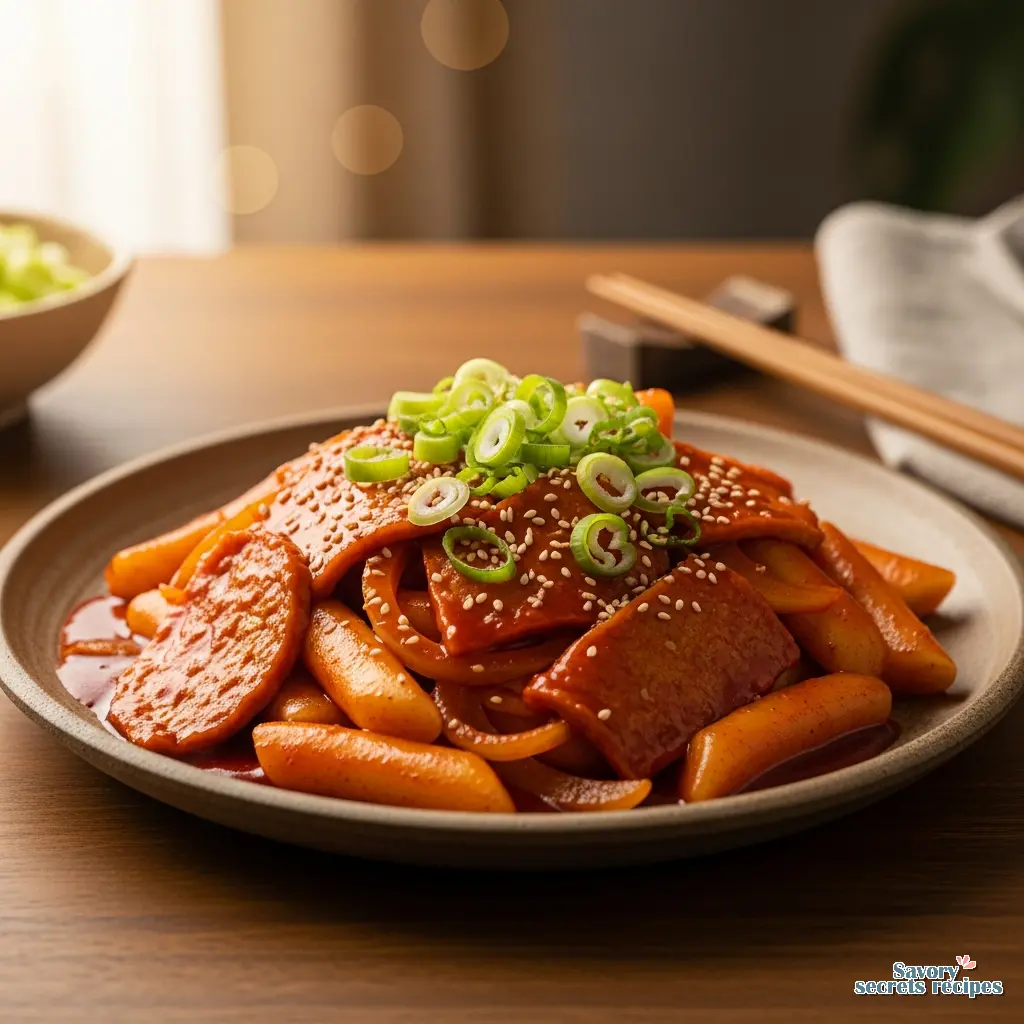
When you finally sit down with that bowl, steam rising (but hopefully no smoke!), and take that first bite, you’ll understand why this dish is such a phenomenon. It’s chewy, spicy, sweet, and savory all at once. It’s the kind of meal that makes you feel accomplished. For more inspiration on spicy comfort foods, check out my Pinterest boards where I save all my favorite fiery recipes. I’d love to see how yours turns out, so tag me if you post it. Go warm up your winter with this spicy delight. You’ve got this!Reference: Original Source
Can I make buldak tteokbokki ingredients ahead of time?
In my experience, it’s tricky. You can mix the sauce and chop the vegetables a day or two in advance. But don’t cook the rice cakes until you’re ready to eat. They harden quickly and lose that magical texture if they sit too long.
How do I make the sauce less spicy?
That’s a good question. Cut back on the gochugaru (chili flakes) first, as they bring the sharp heat. You can also add more sugar or a splash of heavy cream, which helps neutralize the capsaicin. Cheese on top works wonders, too.
Can I use frozen rice cakes without thawing?
I wouldn’t recommend it. They tend to crack and cook unevenly. Soak them in cold water for at least 20 minutes. If you’re in a huge rush, lukewarm water works, but never boiling water or they’ll turn to mush on the outside.
Is buldak tteokbokki gluten-free?
It depends on what you’re going for. Pure rice cakes are gluten-free, but many commercial brands include wheat flour. Also, gochujang and soy sauce usually contain wheat. You’d need to source specifically gluten-free brands for all these ingredients to be safe.
What if I can’t find Korean fish cakes?
Fair enough, they aren’t in every store. You can substitute with Japanese fish cakes, thinly sliced tofu, or just leave them out. If you skip them, maybe add a splash of fish sauce to the broth to keep that savory depth.