



Cabbage Chicken Soup for Weight Loss
Ingredients
Method
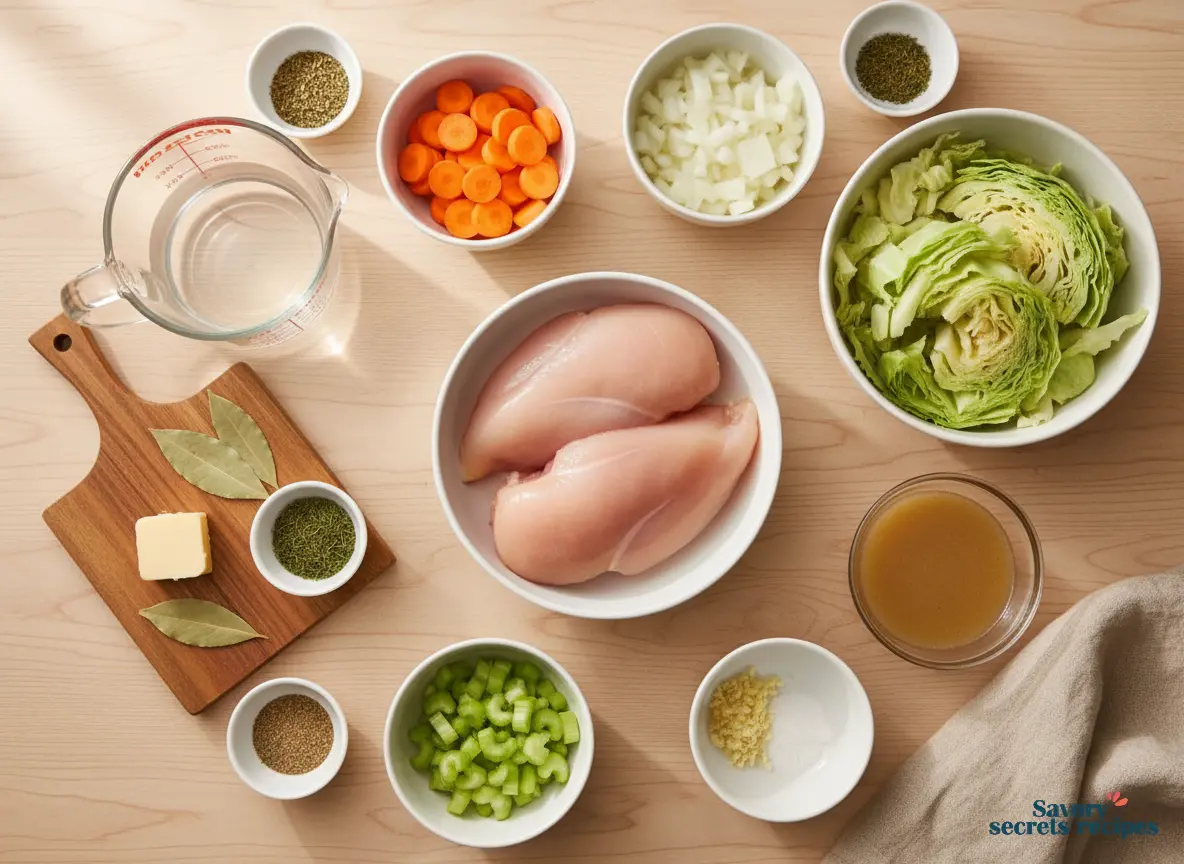
- Collect all ingredients.
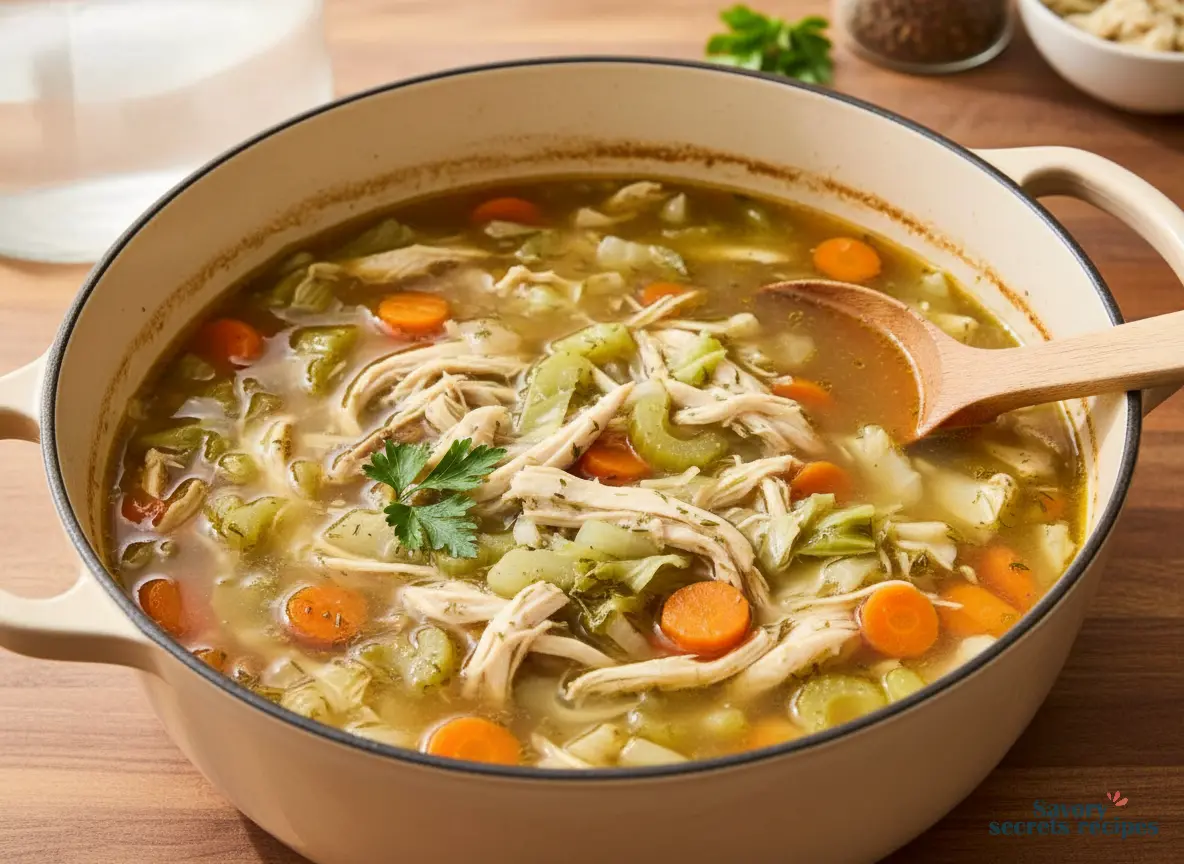
- Place a large pot with 4 quarts of water on the stove. Add the chicken and bring the water to a boil. Simmer until the chicken is tender and easily pulls from the bone, approximately 45 minutes. Transfer the chicken to a platter and cover it with plastic wrap. Place a lid on the pot. Chill both the chicken and the broth until the chicken is cool to the touch, about 40 minutes.
- Remove the meat from the chicken bones and set it aside. Skim any excess fat from the top of the cooled broth.
- Add the remaining 2 quarts of water, chicken, carrots, celery, onion, cabbage, wine, bouillon, dill, butter, parsley, thyme, garlic, white pepper, and bay leaves to the broth in the pot. Cook over medium heat until the vegetables are tender, about 30 minutes.
Nutrition
Notes
When Your Resolution Needs a Reset
Okay, I’ll be honest. I’ve been there. It’s mid-January, the holiday cookies are a distant memory, and that shiny new gym membership card is staring at you from the kitchen counter. You type “weight loss soups” into your phone, scrolling through pictures that look either painfully bland or wildly complicated. I get it. That’s exactly why I keep coming back to this cabbage chicken soup for weight loss. It’s the weeknight answer I’ve been looking for, and honestly, it tastes like a hug. It reminds me of my avó’s kitchen on a Sunday—that specific, comforting smell of something simmering that means you’re being taken care of, even if you’re the one doing the cooking. This isn’t about deprivation; it’s about finding a cabbage chicken soup for weight loss that actually delivers on flavor and satisfaction.
Why This Cabbage Chicken Soup for Weight Loss Works
Here’s the thing, though. A good weight loss soup recipe needs to do more than just be low in calories. It has to keep you full. It has to taste good so you actually want to eat it again. And it shouldn’t feel like a punishment. This cabbage chicken soup for weight loss hits all those notes. Fair enough, the cabbage provides a ton of volume and fiber for very few calories—that’s the science. But the chicken adds satisfying, lean protein. Together, they create a meal that’s genuinely filling. I promise, when you ladle this into a bowl, you’re not going to feel like you’re on a diet. You’re going to feel like you made a really good, comforting dinner.
Building Your Soup, Step by Comforting Step
Grab your biggest pot. I mean, the one you make pasta in. This makes a lot, and that’s the point. Meal prep is your friend here. You’ll start by softening your onion, carrot, and celery in that bit of butter. Don’t rush this. That gentle sizzle, the way the kitchen starts to smell like the foundation of every good soup… that’s where the flavor begins. Season in layers, not all at once. Then you add everything else—the garlic, spices, broth, water, and that whole chicken. Just plop it right in. Bring it to a simmer and let it bubble away quietly. The chicken cooks right in the broth, which makes it incredibly tender and infuses the whole pot with flavor.
The Magic of Simmering
This is the kind of recipe that actually delivers because of patience, not effort. While the soup simmers, the chicken becomes fork-tender and the cabbage softens into silky, sweet ribbons. That’s when you pull the chicken out to shred it. If it doesn’t shred easily, put it back in for five more minutes. No stress. Stir it all back together, and that’s it. You’ve just made a giant pot of the most reliable cabbage chicken soup for weight loss. The whole house will smell amazing.
Tips for the Best Cabbage Chicken Soup for Weight Loss
I want this to work for you, so let me think about that for a second. A few pointers can make all the difference between a good soup and a great one.
Preparation Tips
You can absolutely use a rotisserie chicken from the grocery store to save time. Just shred the meat and add it at the end to warm through. If you’re using raw chicken, I don’t recommend starting with frozen—it messes with the cook time. Defrost it overnight. Chop your veggies roughly the same size so they cook evenly. And listen, taste your broth before you add it. If you don’t like it straight from the carton, you won’t like it in the soup. I usually grab the low-sodium organic kind from Trader Joe’s or Whole Foods.
Cooking Tips
Once you add the cabbage and chicken, keep it at a gentle simmer. A rolling boil will make the vegetables mushy. We want texture. And here’s a tip I learned from a developer early in my career: when in doubt, add acid. Right at the end, stir in that tablespoon of vinegar. It doesn’t make the soup taste like vinegar, I promise. It just wakes up all the other flavors and makes the whole thing taste richer and more balanced. Lemon juice works too.
Storage & Make-Ahead
This soup is a meal prep dream. Make the whole pot on a Sunday. Let it cool, then portion it into airtight containers. It’ll keep in the fridge for 4 days, easy. I’m not entirely sure about freezing it with the cabbage—the texture can get a bit wobbly upon thawing. In my experience, it’s best enjoyed within the week. Reheat it gently on the stovetop.
Alcohol-Free Variation
This recipe can easily be made without alcohol. Here are the substitutions I recommend:
- White wine → chicken broth + 1 tbsp white wine vinegar (or apple cider vinegar). For acidity and brightness
These swaps maintain the depth of flavor while keeping the dish completely alcohol-free. Perfect for family-friendly meals or personal preference.
Variations & Substitutions
This recipe is a hypothesis until you’ve tested it three times, right? So make it your own. The basic formula is forgiving.
Flavor Variations
Want more of a classic chicken soup vibe? Add a teaspoon of Italian seasoning with the other dried herbs. For a brighter, fresher twist, stir in a thumb of grated ginger and a big squeeze of lemon juice at the end. If you like a little heat, a pinch of red pepper flakes with the garlic does the trick. And for an even cozier feel, a splash of heavy cream right at the end is divine—just don’t let it boil after. If you enjoy ginger in soup, our cabbage soup with turmeric and ginger offers another flavorful, health-focused option.
Ingredient Substitutions
No chicken breasts? Thighs work beautifully. Use leftover Thanksgiving turkey instead. Want to bulk it up? Add diced Yukon gold potatoes with the carrots, or stir in a can of rinsed white beans at the end. You can swap the green cabbage for savoy or napa, just know they’ll cook a little faster. If the vegetables aren’t appealing, the recipe isn’t working, so use what you love. For more ideas on using different cabbage varieties, check out our guide to cabbage rolls with savoy cabbage. For another hearty soup variation, explore our cabbage soup with beans recipe.
Common Mistakes to Avoid
I’ve made most of these, so learn from my Tuesday-night mistakes.
❌ Mistake: Boiling the soup too hard after adding the vegetables.
✅ Solution: Keep it at a gentle, lazy bubble. This keeps the cabbage and chicken tender, not tough.
❌ Mistake: Trying to shred the chicken before it’s fully cooked.
✅ Solution: If it resists, it needs more time. Let it simmer another 5-10 minutes submerged in the hot broth.
❌ Mistake: Skipping the acid at the end.
✅ Solution: That splash of vinegar or lemon is non-negotiable. It transforms the soup from flat to fantastic.
❌ Mistake: Using a broth or stock you don’t like.
✅ Solution: The broth is the backbone. Taste it first. A good, low-sodium chicken broth makes all the difference.
Frequently Asked Questions
How to Store and Serve Your Soup
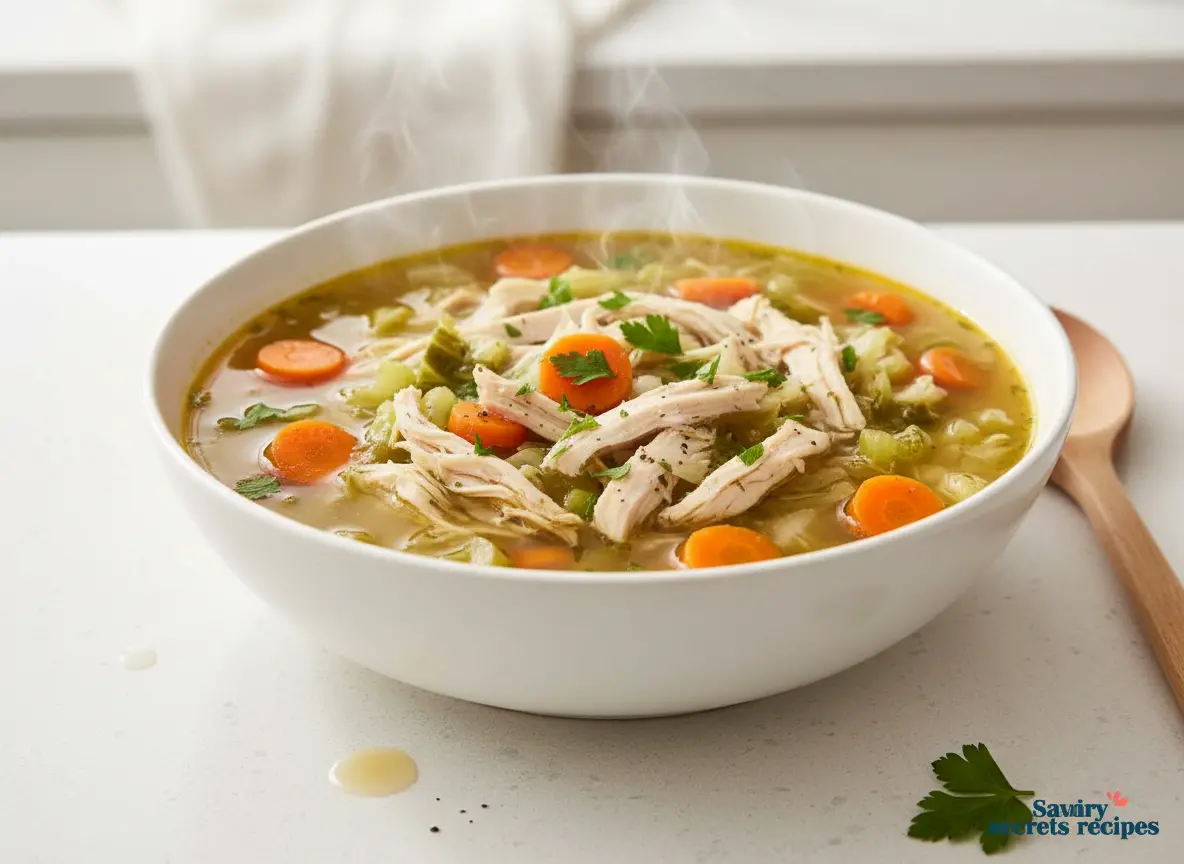
Once you’ve enjoyed your first bowl, let the pot cool on the stovetop before transferring it to containers. I use those glass ones with the clamp lids—they stack neatly in the fridge. This cabbage chicken soup for weight loss will keep for 3 to 4 days. When you’re ready to eat, reheat it in a saucepan over medium heat until it’s steaming hot all the way through. Serve it as is, or with a side of whole-grain crackers or a slice of hearty sourdough for dipping. It’s a complete, satisfying meal in a bowl.
Your Healthier Week Starts Here
When you make this cabbage chicken soup for weight loss, you’re not just making dinner. You’re giving yourself a tool. A tool for busy nights, for staying on track, and for enjoying the process of nourishing yourself well. It’s really solid option here, one I keep coming back to year after year. So grab your pot this week. Let me know in the comments how it goes for you. Your journey to feeling good, one comforting, flavorful bowl at a time, starts right here.
Is cabbage and chicken good for weight loss?
Absolutely. Together, they’re a powerhouse for a cabbage chicken soup for weight loss. Cabbage is low in calories but high in volume and fiber, which promotes fullness. Chicken provides lean protein to help maintain muscle and keep you satisfied longer. It’s a balanced, effective combination.
How many calories are in this cabbage chicken soup for weight loss?
It varies based on exact ingredients, but a generous 2-cup serving of this cabbage chicken soup for weight loss typically comes in around 250-300 calories. The high water and fiber content from the cabbage makes it incredibly filling for that calorie count, which is the real win.
Can I make this cabbage chicken soup for weight loss in a slow cooker?
Yes, and it’s a great hands-off method. Add all ingredients except the vinegar to the pot. Cook on low for 6-7 hours or high for 3-4. Shred the chicken, stir it back in with the vinegar, and serve. It’s perfect for a set-it-and-forget-it meal.
Why won’t my chicken shred easily for the soup?
It just needs more time. If the chicken breast isn’t shredding with gentle pressure from two forks, it isn’t fully cooked or tenderized yet. Put it back into the hot soup, make sure it’s submerged, and let it simmer for another 5-10 minutes. It’ll get there.
How do I store and reheat leftover cabbage chicken soup?
Let the soup cool completely, then store it in airtight containers in the fridge for 3-4 days. Reheat gently in a saucepan over medium heat until steaming. I don’t recommend freezing, as the cabbage can become soggy when thawed.