



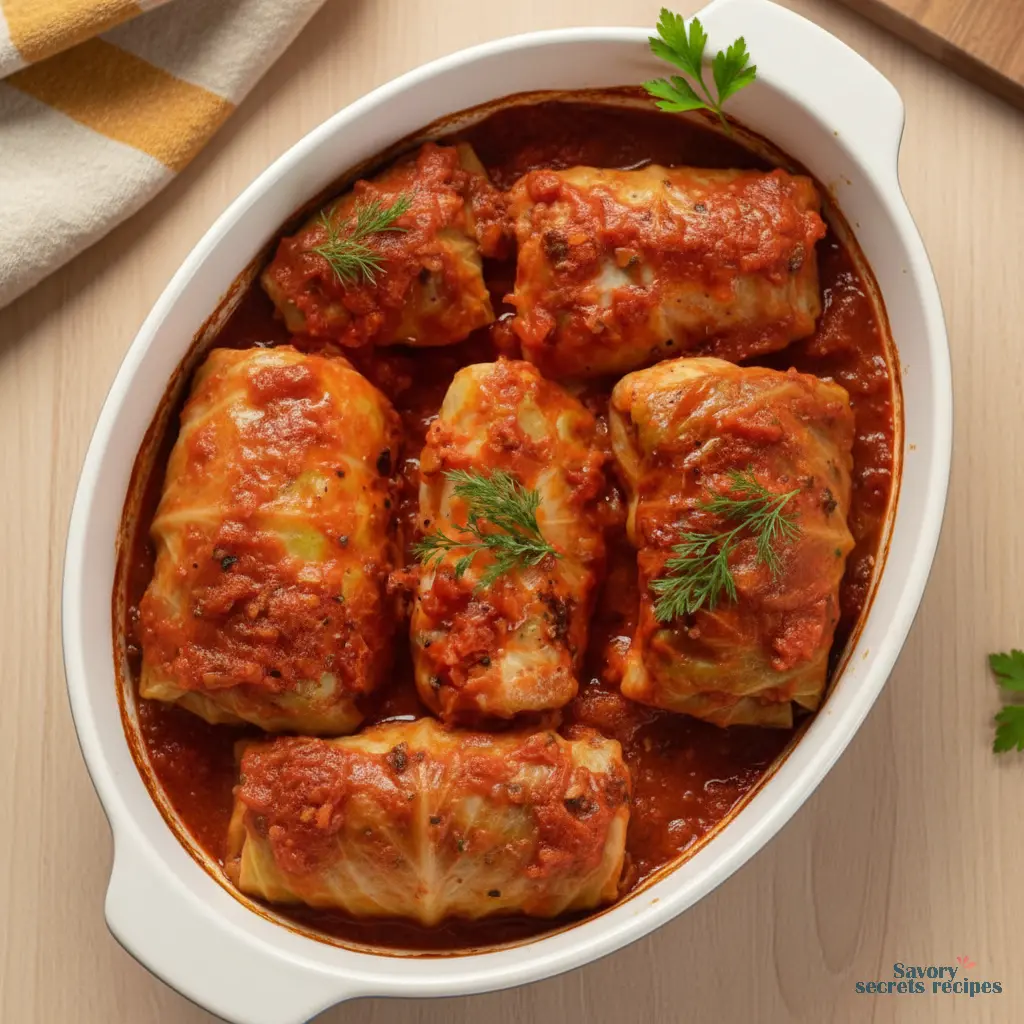
Ina Garten's Easy Stuffed Cabbage Recipe
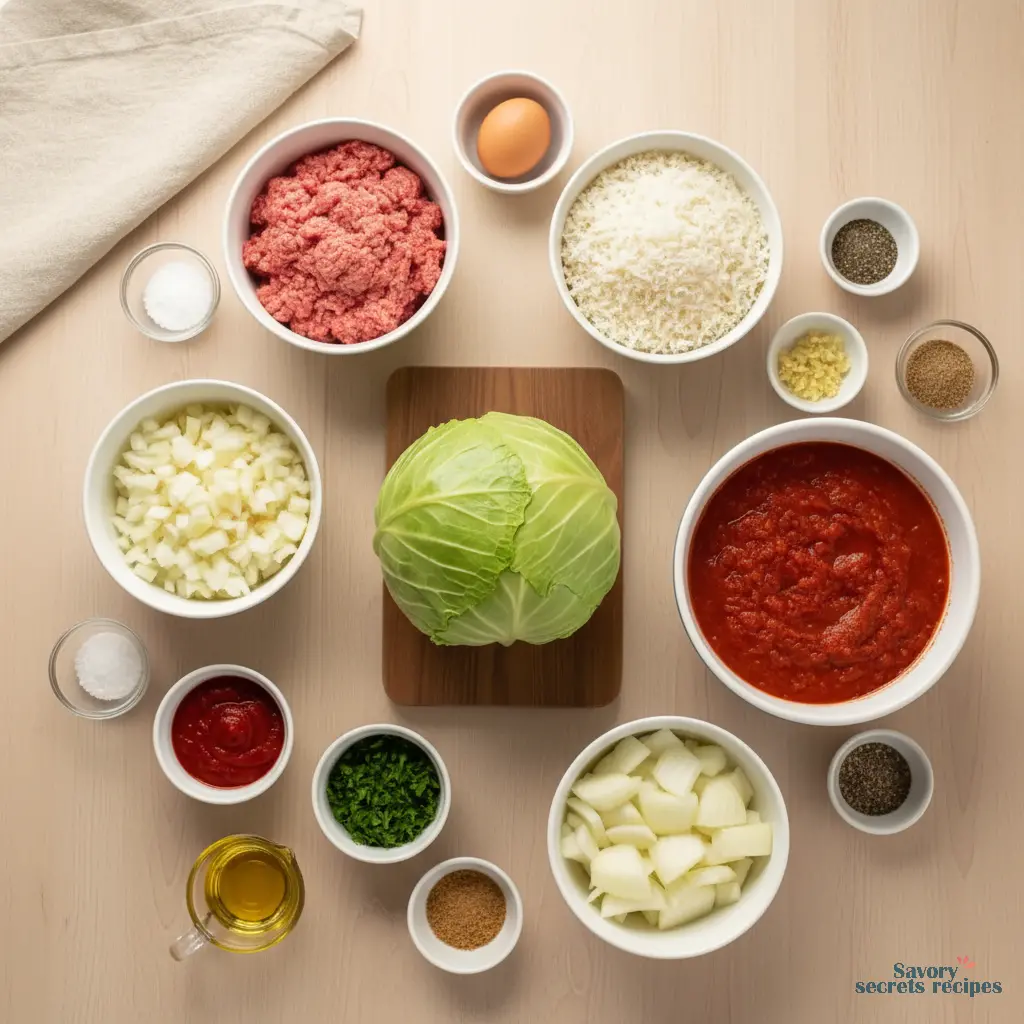
Ingredients
Method
- Bring a large pot of water to a boil. Core the cabbage and gently separate 12 large outer leaves.
- Blanch the cabbage leaves in boiling water for one to two minutes until pliable. Transfer to a kitchen towel to drain.
- Combine ground beef, ground pork, cooked rice, chopped onion, egg, garlic, parsley, salt, and pepper in a large mixing bowl. Mix thoroughly until well blended.
- Heat olive oil in a large saucepan over medium heat. Add the chopped onion and cook for 5 to 7 minutes until soft.
- Stir in the garlic and cook for one minute. Add the crushed tomatoes, tomato paste, brown sugar, red wine vinegar, salt, and pepper. Simmer for ten minutes to allow the flavors to combine.
- Place two to three tablespoons of filling near the base of a cabbage leaf laid flat.
- Tightly roll the leaf, tucking in the sides to enclose the filling. Repeat with the remaining leaves and filling.
- Preheat the oven to 350°F (175°C).
- Coat the bottom of a large baking dish with a thin layer of tomato sauce. Place the stuffed cabbage rolls in the dish with the seams facing down.
- Cover the cabbage rolls completely with the remaining sauce.
- Cover the dish with aluminum foil and bake for one hour, or until the cabbage is tender and the filling is fully cooked.
- Remove the dish from the oven, allow it to cool briefly, garnish with chopped parsley, and serve warm.
Notes
Why This cabbage recipes ina garten Works
You know that feeling. It’s a Wednesday, you’re staring at a head of cabbage in the fridge, and the thought of another boring side dish just… exhausts you. I’ve been there. My daughter Maya announced a full-on vegetable rebellion last winter, and I was desperate. That’s when I circled back to Ina Garten’s approach. Her cabbage recipes ina garten aren’t about reinventing the wheel. They’re about understanding the ingredient. Let’s be clear about this: she treats cabbage with respect, not as an afterthought. The method here—whether it’s her sautéed cabbage or these stuffed rolls—works because it addresses the vegetable’s two main issues: potential bitterness and a tendency to go soggy. By balancing sweetness with acidity and controlling moisture, you end up with something that’s actually crave-able. It’s comfort food that doesn’t feel heavy, which, honestly, is a win for any weeknight.
The Recipe Science: Why Cabbage Sweetens
Most people think cabbage is just… cabbage. But temperature matters here. When you cook it slowly, something pretty great happens. The natural sugars in the leaves, which are kind of locked up at first, start to caramelize. It’s not magic, it’s chemistry you can taste. That’s the foundation of any good cabbage recipes ina garten style. The low, steady heat in the braising sauce for the stuffed rolls, or the patient sauté in a pan, coaxes out a nutty sweetness that completely changes the game. It goes from that sharp, raw crunch to something mellow and almost buttery. That’s the correct instinct Ina has—she never rushes this part. If your heat is too high, you just get wilted, bitter greens. But get it right, and you’ll understand why this humble vegetable is a winter superstar.
Tips for Perfect cabbage recipes ina garten
I need you to show me your process, so let’s talk technique. These aren’t just suggestions; they’re the difference between a good dish and a great one.
Preparation Tips
First, the cabbage leaves. You guys probably already knew how to do this, but what an awesome way to de-leaf a cabbage! Just remove the core and submerge the entire head into boiling water. One by one, the leaves will come loose and you can pull them out with tongs to dry on a kitchen towel. Don’t rush it. Let them cool enough to handle, then gently cut out the stiff stem part from each leaf—it makes rolling possible. For the filling, taste it. I mean, cook a tiny spoonful in a pan to check the seasoning before you commit to stuffing all those leaves. It seems like an extra step, but it saves you from bland rolls later.
Cooking Tips
When you’re building your sauce, let it simmer. Really simmer. That’s not how this works if you just heat it through. The twenty minutes it bubbles on the stove is when the tomato paste mellows, the vinegar integrates, and the sugar balances everything. It reduces and thickens, which is critical because a thin sauce will make your cabbage recipes ina garten soggy. And about those raisins Ina adds? I was skeptical. Raisins! In a savory tomato sauce? How wrong is that? I decided to be brave, and believe me, it just works. The sweet pop against the tangy sauce is weirdly perfect. Fine, but document what you changed—I added an extra tablespoon of red wine vinegar to my sauce to balance the sweetness a bit more.
Assembly & Baking
Don’t overfill the leaves. Use just enough filling to make a plump little bundle, but if you pack it like a suitcase, it’ll burst in the oven. Wrap each side over the filling and then roll, tucking the sides in as you go. Place your little cabbages in a heavy pot—I use my Dutch oven from Costco—in snug layers. Pour that simmered sauce over everything. When it comes out of the oven, let it rest. Ten minutes. I know it’s hard, but that rest lets the filling set and makes plating so much easier. They won’t fall apart on you.
Visual Troubleshooting Guide
If it doesn’t look right, it isn’t right. Here’s what to watch for. Leaves tearing during prep? Your water might not be hot enough, or you’re pulling too hard. A quick 1-2 minute blanch softens them perfectly. Sauce too thin after baking? You probably didn’t simmer it long enough on the stovetop before adding it to the dish. Next time, let it reduce until it coats the back of a spoon. Filling tasting dry? That’s often about the meat-to-rice ratio. The rice is there to absorb juices and keep things moist, so don’t skimp. And if the top layer of cabbage is getting too dark before the inside is hot, just lay a piece of foil loosely over the dish. See how much better that looks?
Meal-Prep and Make-Ahead Strategy
For busy parents, this is the real secret. These cabbage recipes ina garten are a meal-prep dream. You can assemble the entire dish—rolls nestled in their sauce—cover it tightly, and refrigerate it for up to 24 hours before baking. Just add about 10 extra minutes to the bake time since you’re starting from cold. Or, bake it completely, let it cool, and portion it out for the week. They reheat beautifully in a 350°F oven until warmed through. I often double the recipe on a Sunday. One dish for dinner that night, one goes straight into the freezer for the following week. That’s the correct way to handle a busy schedule. If you’re looking for other make-ahead cabbage dishes, a cabbage casserole is another excellent option for busy weeks.
Cabbage Variety Comparison
Not all cabbages are the same for this. Green cabbage is your standard, reliable workhorse—it’s what Ina typically uses, and it holds up beautifully to braising. Savoy cabbage, with its crinkly, tender leaves, is actually easier to roll, but it can become very soft. I haven’t worked with red cabbage enough for stuffed rolls to say, but it’s fantastic for a quick sauté with apples and vinegar. For these cabbage recipes ina garten style, stick with the large, dense heads of green cabbage you find at Ralphs or Vons. They have the structure you need.
Alcohol-Free Variation
This recipe can easily be made without alcohol. Here are the substitutions I recommend:
- Red wine → beef broth + 1 tbsp red wine vinegar. For depth of flavor
These swaps maintain the depth of flavor while keeping the dish completely alcohol-free. Perfect for family-friendly meals or personal preference.
Variations & Substitutions
Look, cooking should adapt to you. The actual stuffing is a breeze, and you can tweak it based on what’s in your fridge.
Dietary Adaptations
For a vegetarian option, swap the meat for a mixture of cooked brown lentils, finely chopped mushrooms, and quinoa. You’ll want to add an extra egg to help bind it. The texture is different, but the flavor is deeply satisfying.
Ingredient Substitutions
Ina’s original uses ground pork. I used a combination of ground turkey and some homemade turkey sausage I had on hand and it was so, so good. Well, it was all just good. The point is, use what you like. Just keep the total weight of protein about the same.
Flavor Variations
Feel like mixing it up? Add a teaspoon of smoked paprika or ground cumin to the filling for warmth. Make the sauce spicy with a pinch of red pepper flakes. Or swap the parsley for fresh dill for a brighter, more herbal note. These are the kind of cooking projects that keep me entertained.
Common Mistakes to Avoid
I learned some of these the hard way, so you don’t have to.
❌ Mistake: Overfilling the cabbage leaves until they’re bursting at the seams.
✅ Solution: Use about 1/4 to 1/3 cup of filling per leaf. You want a plump roll, not an overstuffed one.
❌ Mistake: Pouring a thin, un-simmered sauce over the rolls.
✅ Solution: Simmer your tomato sauce for at least 20 minutes to concentrate flavors and thicken. It should coat a spoon.
❌ Mistake: Cutting into the rolls the second they come out of the oven.
✅ Solution: Let the dish rest for 10 minutes. The filling will set, and you’ll get clean, beautiful portions.
Frequently Asked Questions

How to Store and Serve cabbage recipes ina garten
Store any leftovers in an airtight container in the fridge for up to 3 days. Reheat gently in the oven or in a covered skillet on the stove with a splash of water to keep the sauce from drying out. For serving, I’m not entirely convinced there’s a better pairing than creamy mashed potatoes to soak up that incredible sauce. A simple green salad on the side cuts the richness perfectly. And definitely with some crusty bread from your local bakery—Trader Joe’s has a great sourdough batard that works wonders.
Final Thoughts
When you make this cabbage recipes ina garten dish, you’re not just making dinner. You’re creating this warm, satisfying anchor for a winter evening. It might take a bit of time to stuff those leaves, but it’s the kind of cooking that feels rewarding, not tedious. Your family will gather around, and that first bite of sweet cabbage and savory filling will make the effort completely worth it. Trust in Ina’s method, use these tips, and you’ve got this. Let me know how your cabbage recipes ina garten turn out.
Can stuffed cabbage be made ahead of time?
Absolutely. Assemble the entire dish, cover it, and refrigerate for up to 24 hours before baking. You may need to add 10-15 minutes to the baking time since it’s going in cold. You can also bake it fully, then cool and store it for easy reheating later in the week.
Can you freeze cabbage recipes ina garten style?
Yes, they freeze beautifully. Cool the baked dish completely, then wrap it tightly or transfer portions to airtight containers. Freeze for up to 2 months. Thaw overnight in your refrigerator, then reheat in a 350°F oven until hot all the way through.
What’s the best way to keep cabbage leaves from tearing?
Blanching is key. Submerge the whole cored head in boiling water for a minute, then peel leaves as they loosen. The heat softens the tough membrane. If a leaf does tear, don’t stress—you can often patch it with another piece of leaf during rolling.
Can I use a different meat for these cabbage recipes ina garten?
Of course. The recipe is adaptable. I’ve successfully used all ground turkey, a beef-and-turkey blend, or even a plant-based ground “meat.” Just maintain the total weight and adjust seasoning as you go. The core technique remains the same.