



Roasted Green Tomato Salsa Verde for Unripe Tomatoes
Ingredients
Method
- Preheat oven to 375°F (190°C) and line a baking sheet with parchment paper.
- Arrange green tomatoes, onion, jalapeños, bell pepper, and garlic on the prepared baking sheet and drizzle with olive oil.
- Bake for approximately 15 minutes until vegetables begin to char and blacken. Remove from the oven and let cool for at least 10 minutes.
- Transfer roasted vegetables to a blender or food processor. Add cilantro, lime juice, salt, cumin, and pepper. Process until smooth and refrigerate until ready to serve.
Nutrition
Notes
Saving the Harvest (and Your Sanity)
Every year, it happens. You watch the weather report in late October or November, and you see that first hard frost coming for your garden. It feels like a punch to the gut. You look out at your tomato plants, heavy with fruit that just didn’t have enough time to turn red, and you start doing the math. Do I cover them? Do I pull the whole plant? Or do I just accept the loss?
I’ve been there. I used to think green tomatoes were only good for frying, probably because that’s the only way I saw them on menus here in San Antonio. But then I remembered my abuela Marta. She never wasted anything. If the garden gave her unripe tomatoes, she didn’t see a failure. She saw an ingredient. However, a warm green tomato casserole is another traditional favorite that deserves a spot on your table.
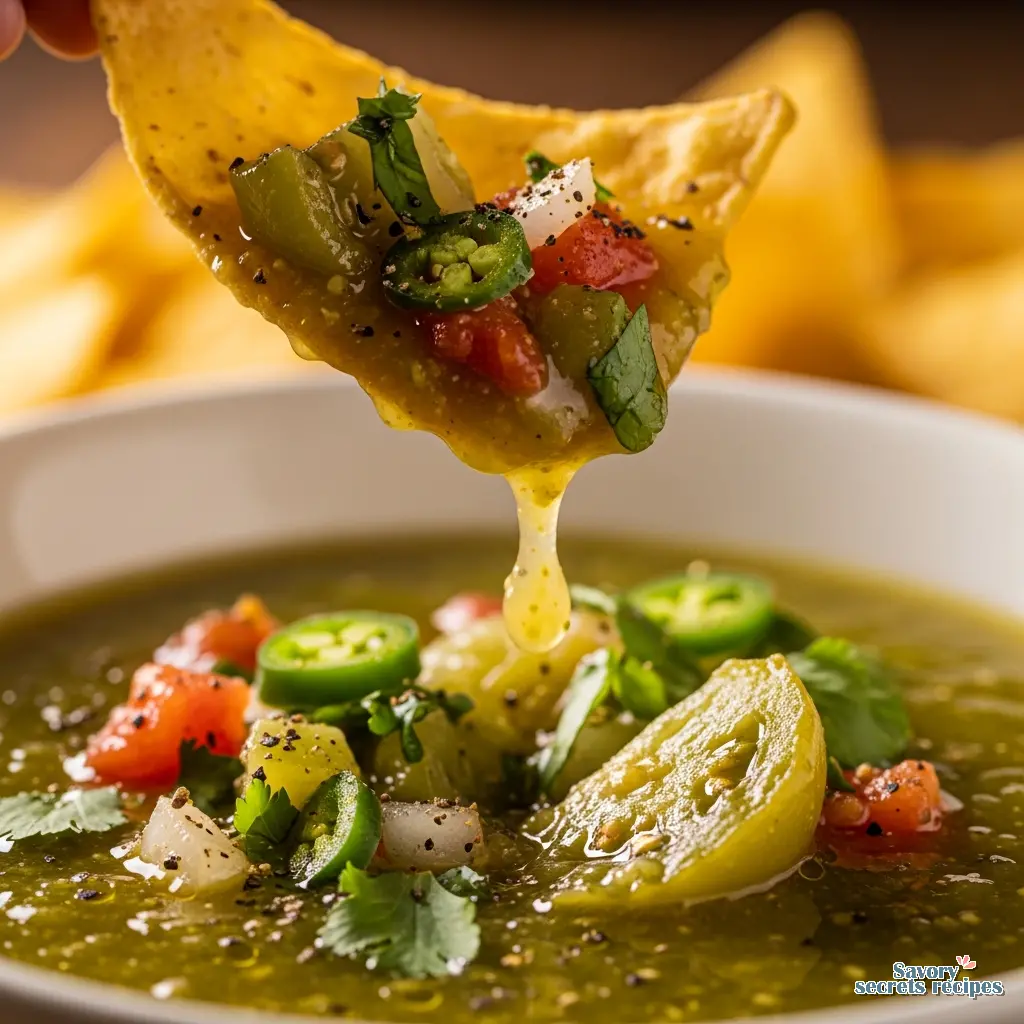
So, can you make salsa with green tomatoes? The answer is a loud, resounding yes. In fact, you should. It’s not just a salvage operation. It’s a way to make something tart, bright, and completely different from your standard red salsa. It’s closer to a tomatillo salsa verde, but with a unique texture that holds up beautifully to a salty tortilla chip. When you learn how to treat them right, you might actually start picking them green on purpose. That’ll work for me.
The Difference Between Green Tomatoes and Tomatillos
Before we fire up the oven, we need to clear something up. A lot of folks think green tomatoes and tomatillos are the same thing. They aren’t. Tomatillos come in a papery husk and are naturally sticky when you peel them. They have a distinct, almost citrusy flavor profile right out of the gate.
Green unripe tomatoes are just that. Unripe. They are much firmer, crunchier, and significantly more acidic than their red future selves. Think of a Granny Smith apple compared to a Red Delicious. That tartness is what we are harnessing here. But because they are unripe, they contain higher levels of solanine. Don’t panic. You’d have to eat a massive amount of raw green tomatoes to get sick, and cooking them breaks this down significantly. Generally speaking, they are perfectly safe to eat in salsa quantities.
The texture is different too. Green tomatoes have more pectin, which means your salsa will naturally be a bit thicker and glossier. It won’t be as watery as fresh pico de gallo made with ripe red tomatoes. That’s a win in my book.
Why Roasting is Non-Negotiable
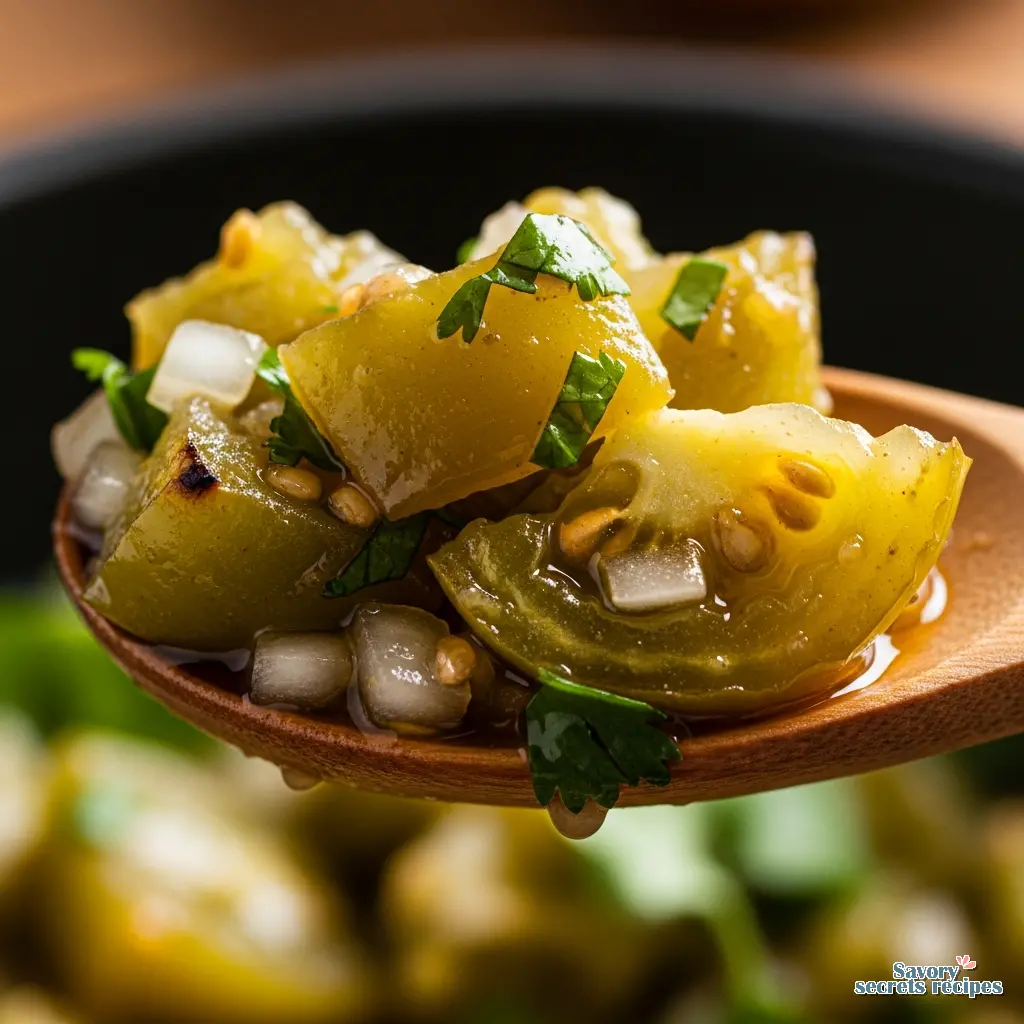
You could chop these up raw, sure. But if you want flavor, you need heat. Raw green tomatoes can be overwhelmingly sour and sometimes a little bitter. Roasting or broiling them is the game changer. It caramelizes the natural sugars (what little there are) and mellows out that sharp acidity.
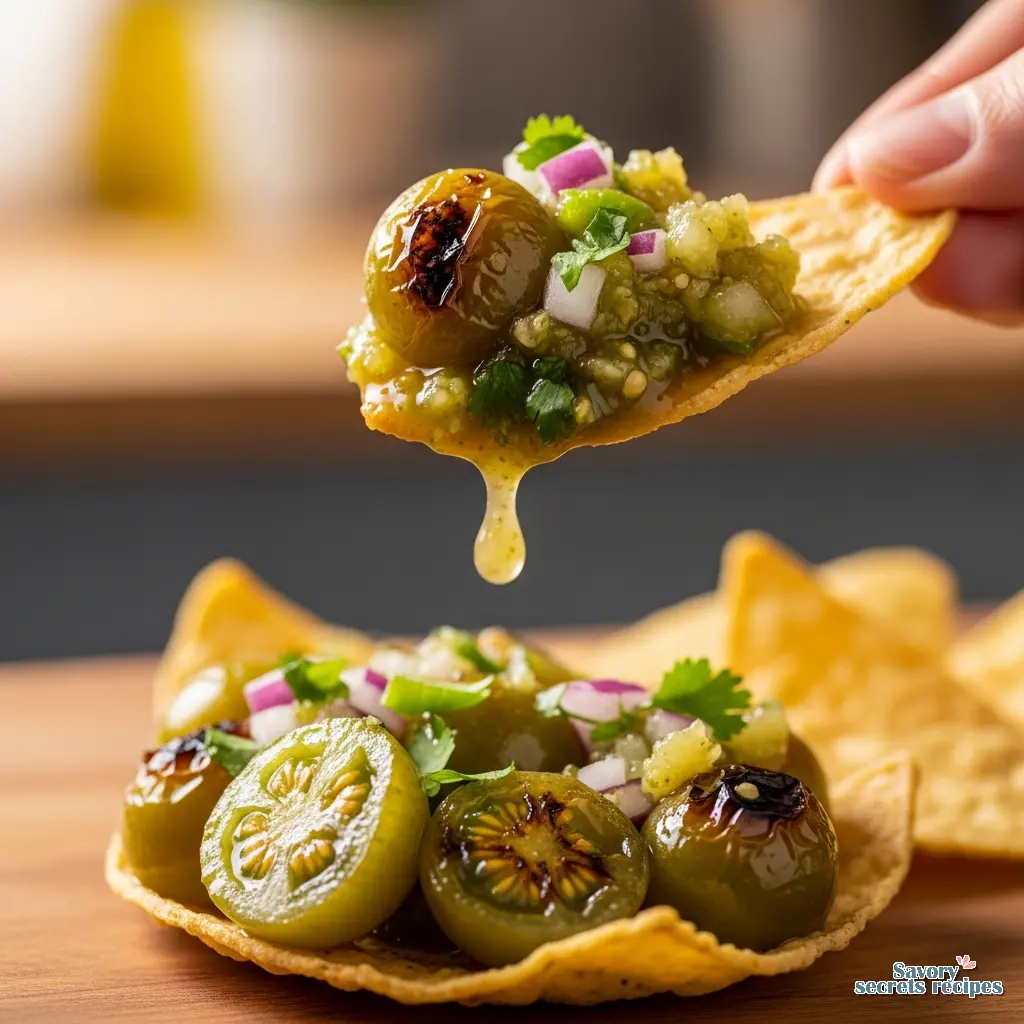
I like to put my green tomatoes, onions, garlic, and peppers on a sheet pan and stick them under the broiler. I want them to look ugly. I want black spots. I want the skin to blister. My dad used to say, “If it doesn’t have color, it doesn’t have flavor.” He was right. That char adds a smoky depth that makes the salsa taste like it came from a restaurant kitchen, not just a desperate attempt to save the garden.
You’ll know it’s ready when the skins are loose and the vegetables have softened significantly. Don’t rush this. Let it ride. If you pull them too early, your salsa will be crunchy and grassy. We want soft, smoky, and savory.
Peeling: To Do or Not To Do?
This is where people get hung up. Do you need to peel green tomatoes for salsa? In my experience, it depends on the tomato. If you are using small cherry tomatoes or medium-sized ones from the garden, the skins might be tender enough to leave on, especially if you roast them hard.
However, large slicing tomatoes often have skins that turn into tough little paper bits in your salsa. Nobody wants that. The easiest way to handle this is the roasting method I mentioned. Once those skins blister and char under the broiler, they usually slip right off. You don’t need to be surgical about it. If a little charred skin makes it into the blender, that’s just extra flavor. Good enough.
If you aren’t roasting, you can use the blanching method. Score an X on the bottom, drop them in boiling water for 60 seconds, then into ice water. The skins will peel back. It’s a bit of extra work, but for a smooth texture, it’s worth it.
Troubleshooting the “Green” Taste
Sometimes, even with roasting, you might find your salsa is still too tart or slightly bitter. This happens. It’s nature. We can fix it. Cooking is about adjusting, not just following instructions blindly.
If you taste your salsa and your mouth puckers too much, you need a counterbalance. Salt is your first line of defense. It masks bitterness. But often, you need a pinch of sugar or a drizzle of honey. I know, I know. Sugar in salsa sounds wrong. But we aren’t making dessert. We are balancing pH. Just a half teaspoon can knock the edge off that acidity and round out the flavor.
Another trick is fat. Make sure you include that avocado if you want a creamy version, or drizzle in a little extra good quality olive oil. Fat coats the tongue and distracts from the bitterness. Taste it now, adjust from there. That’s the only rule.
Canning Safety: Read This
If you plan to eat this fresh, you can skip this part. But many of you want to can this to preserve the harvest. Here is the deal. Green tomatoes are more acidic than red ones, which is generally good for canning, but you cannot just guess. You must ensure the acidity level is safe to prevent botulism.
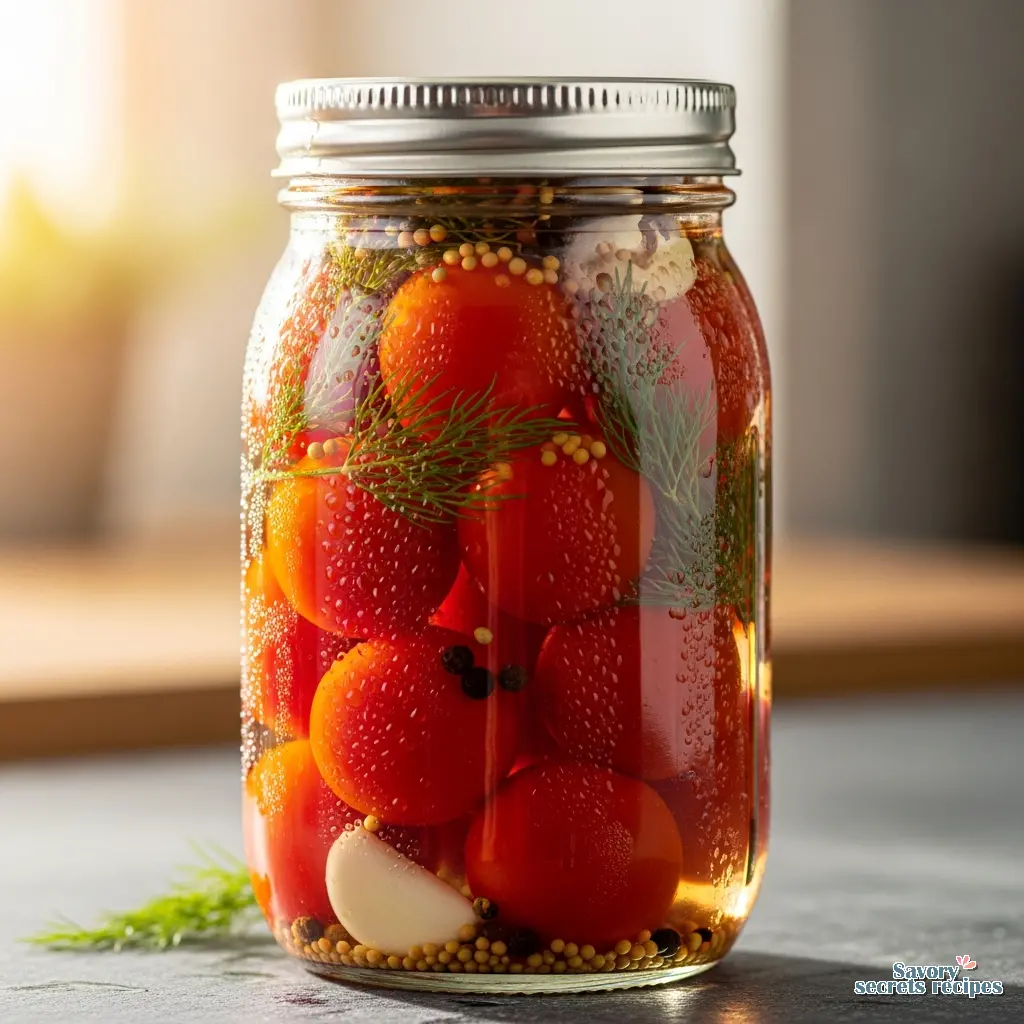
When canning salsa with green tomatoes, you must add acid. Bottled lemon or lime juice is the gold standard here because the acidity is consistent. Fresh limes vary too much. Vinegar works too, but it changes the flavor profile significantly. For a standard pint jar, you generally need about one tablespoon of bottled lemon juice. Always follow a tested recipe from a reliable source like the National Center for Home Food Preservation when water bath canning. If you have more fruit than you can use here, knowing how to make pickled tomatoes is a great way to save the rest of the crop.
Also, never add flour or cornstarch to thicken a salsa you intend to can. It interferes with heat penetration. If your salsa is too thin, boil it down to reduce it before jarring. Safety first, always.
Texture: Chunky vs. Smooth
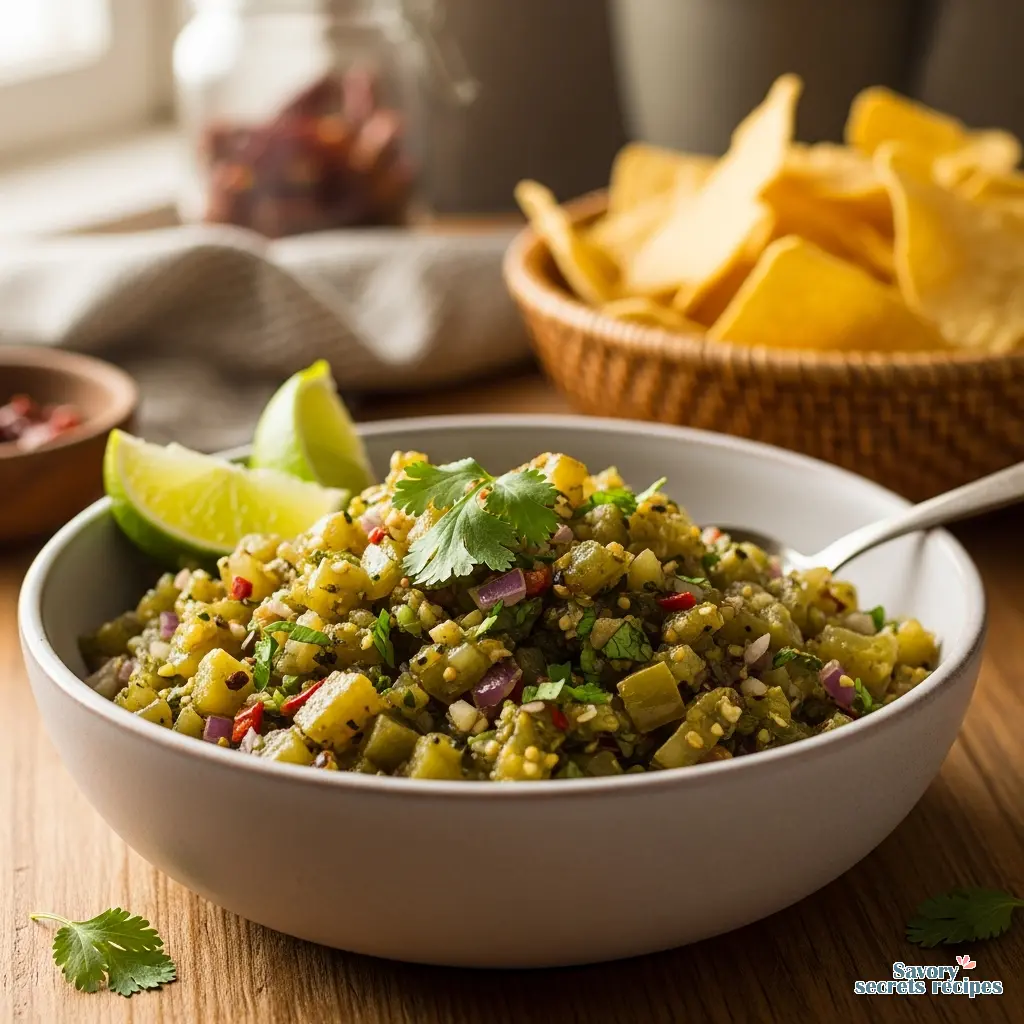
This is a personal preference thing. I prefer my salsas on the thinner side so they soak into tacos instead of sitting on top like a pile. But my wife likes it chunky so she can scoop it with a chip. The beauty of making your own is you get to decide.
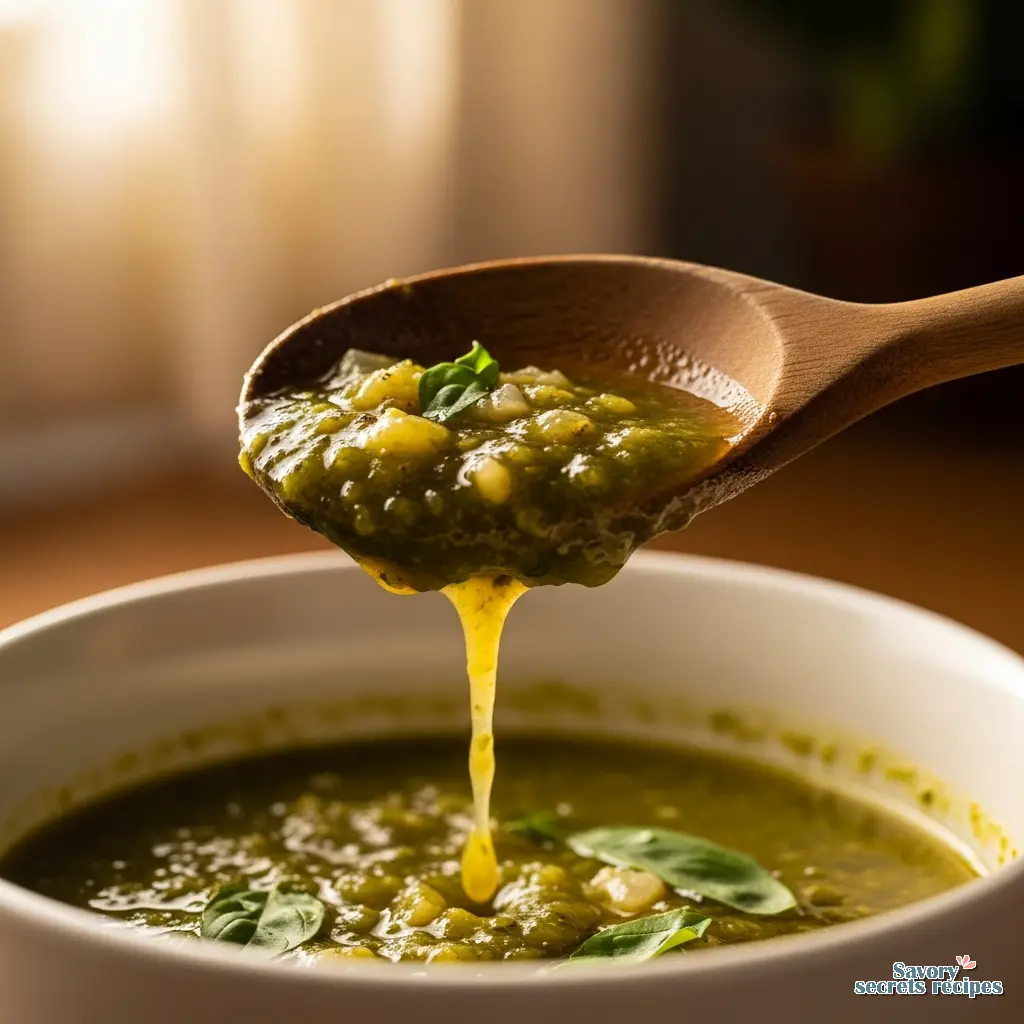
For a chunky salsa, use the pulse button on your food processor. Hit it three or four times, then stop and look. It goes from chunky to soup very fast. If you want a restaurant-style smooth sauce (taquería style), let that blender run. You might need to add a splash of water or vegetable stock to get it moving. If it seizes up, just drizzle in liquid slowly while the motor is running. See what I mean? Simple fixes. Beyond dips, this base can be cooked down into a rich green tomato sauce for topping enchiladas.
Common Mistakes & Fixes
Mistake: The salsa is too bitter.
Solution: You likely didn’t roast the tomatoes long enough, or the tomatoes were very immature. Add a pinch of sugar or honey and a little more salt.
Mistake: The color is a dull brown.
Solution: This happens if you overcook the cilantro or use red onions that bleed. Stick to white or yellow onions and add fresh cilantro at the very end, after the mixture has cooled slightly.
Mistake: It’s too watery.
Solution: Green tomatoes have water. If you want a thick dip, spoon out the seeds and jelly from the center of the tomatoes before roasting. Or, simmer the finished salsa on the stove for 10 minutes to reduce it.
Variations to Make It Your Own
Once you have the base down, play with it. Here are a few ways I like to change it up:
Make it Smoky: Add a dried chipotle pepper (rehydrated) to the blender. The smokiness pairs perfectly with the tart green tomatoes.
Make it Creamy: Throw a ripe avocado into the blender with the roasted vegetables. This makes a creamy “salsa de aguacate” style sauce that is incredible on fish tacos. Note: You cannot can this version.
Make it Spicy: Green tomatoes can handle heat. Leave the seeds in your jalapeños, or upgrade to serrano peppers. If you really want to wake up, toss in a habanero, but be careful. The heat builds up.
Storage and Shelf Life
If you aren’t canning this, you need to know how long it lasts. Because of the acidity from the lime juice and the tomatoes, this salsa holds up pretty well in the fridge. I keep mine in a sealed glass jar or an airtight container. It will stay fresh and tasty for about 5 to 7 days. Honestly, the flavor is better on day two anyway. The garlic mellows out and the heat from the peppers distributes evenly.
Can you freeze it? Yes, but with a caveat. Freezing changes the texture. The water in the tomatoes expands and breaks cell walls, so when you thaw it, the salsa will be softer and more watery. It won’t have that fresh crunch. If you plan to use it for cooking like pouring over chicken in a slow cooker or stirring into a soup freezing is perfect. If you want to eat it with chips, fresh is best.
Frequently Asked Questions
So, the next time the frost warning comes, don’t stress. Go out there, pick every single green tomato you can find, and fire up the broiler. When you pop open a jar of this in January, when the garden is just a memory, you’ll be glad you did. It tastes like victory. And if you need more ideas for your harvest, check out my Pinterest boards for plenty of inspiration.
Now, grab your apron. You’ve got work to do.
Reference: Original Source