



Fermented Napa Cabbage Recipe
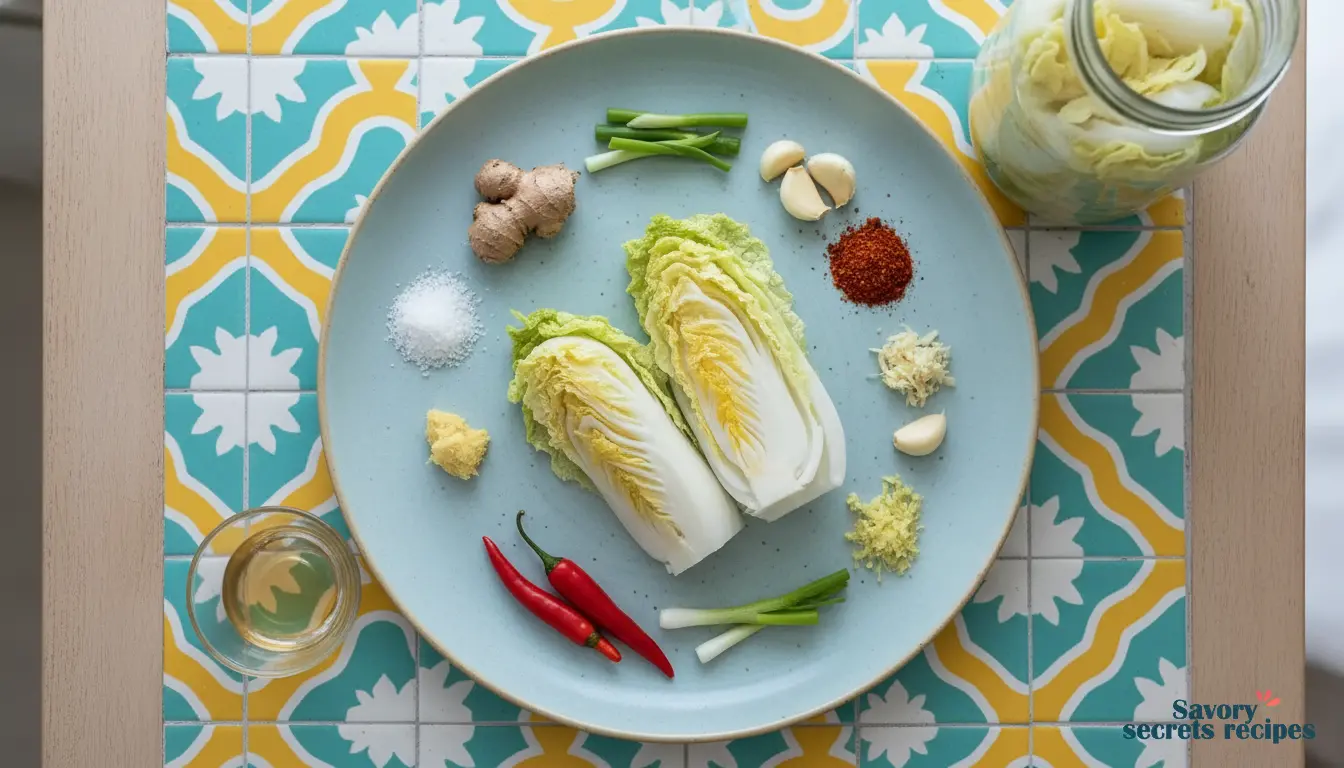
Ingredients
Method
- Wash the cutting board, knife, several large bowls, and some glass jars with soapy water. Rinse them thoroughly, then give them a final rinse with boiling water.
- Place the bowl and jars in a 180°F oven for 20 minutes to dry them completely. For the cutting board, knife, and plastic jar lids, allow them to air dry on the countertop.
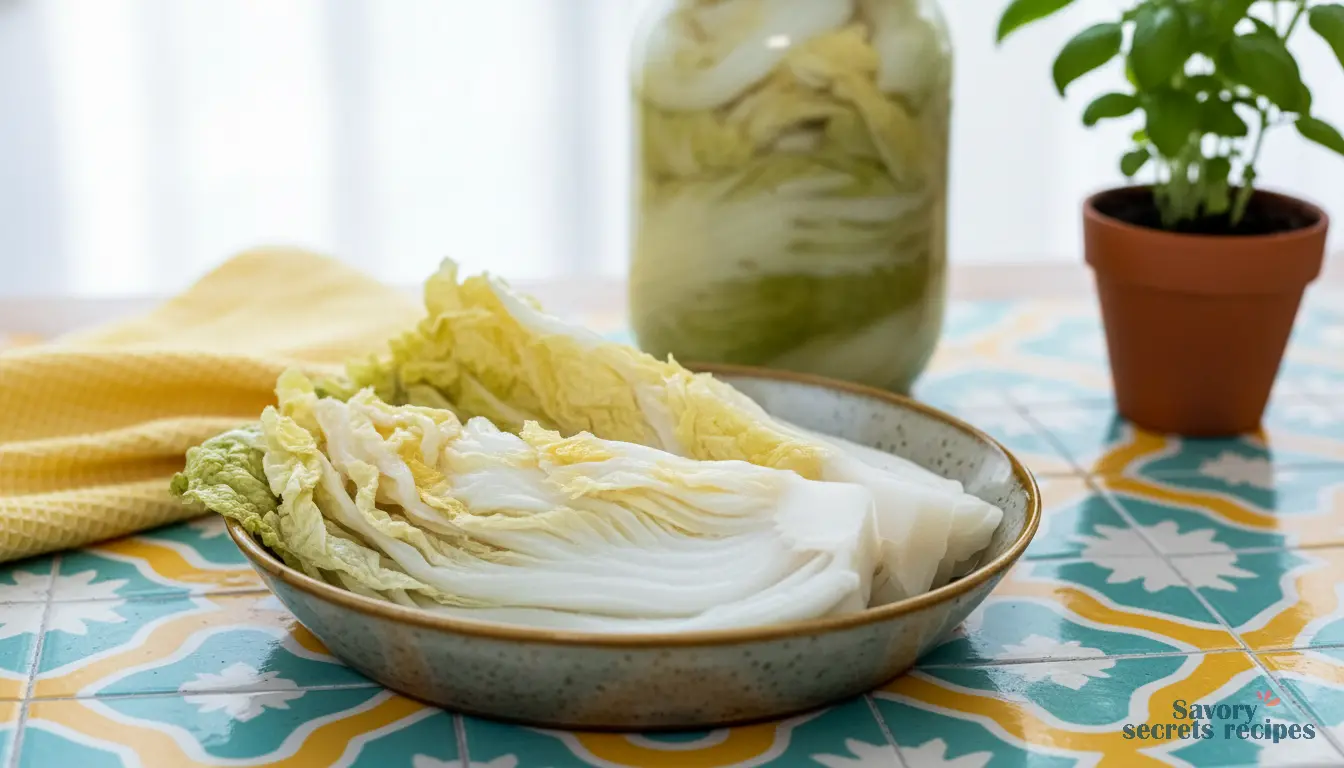
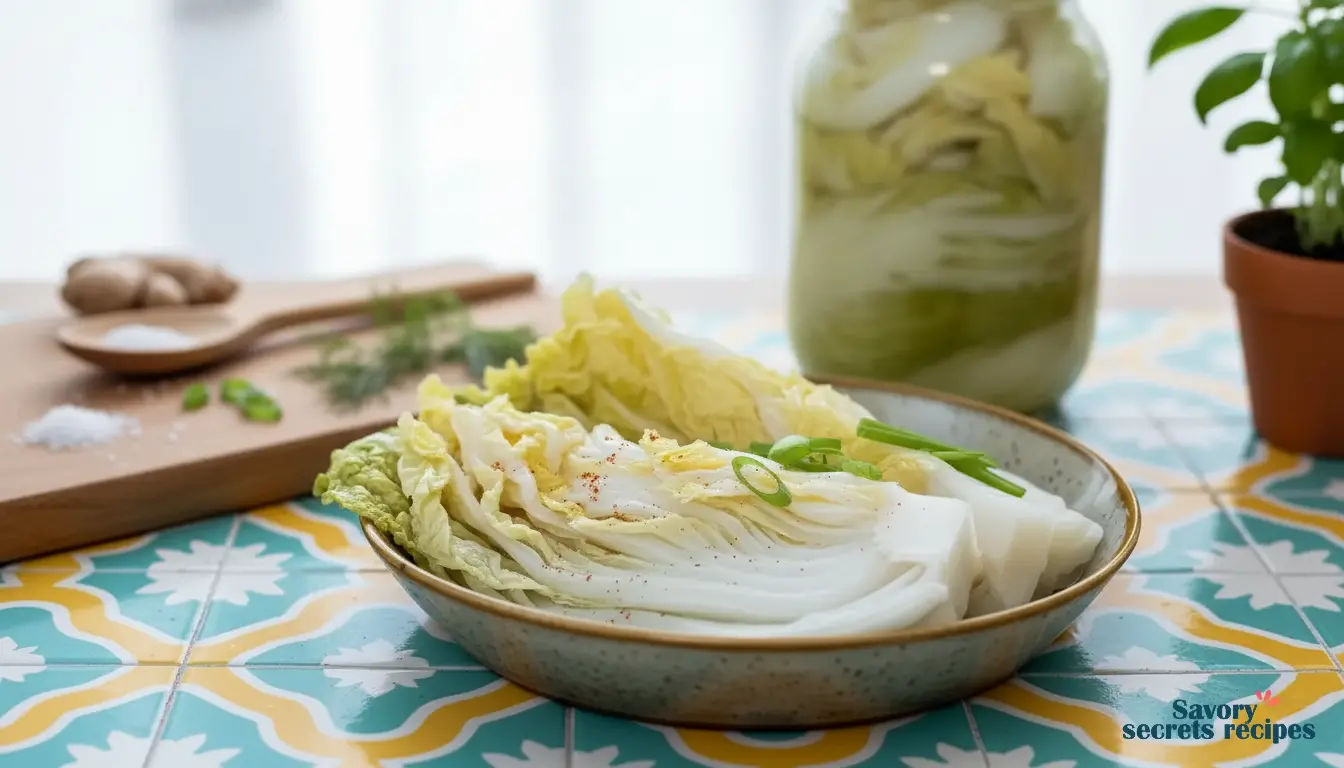
- Peel away the cabbage's outer layers. Slice the cabbage into four or eight even wedges, based on your jar's size.
- Do not wash the cabbage. Simply remove the outer layers, as the interior is clean. If you prefer, you may wash it and let it air dry completely before proceeding.
- Weigh the cabbage. Then weigh the salt, using 2-3% of the cabbage's total weight according to your taste preference. Use iodine-free salt to prevent the pickles from darkening.
- Thoroughly rub salt onto every leaf of the cabbage, which will take approximately 20 minutes. After applying all the salt, place the cabbage into a jar. If the jar opening is too small for the cabbage, cover the cabbage with plastic wrap and let it rest at room temperature overnight.
- Transfer the cabbage and its released liquid into the jar the following day, once the salt has drawn out ample moisture and softened the stem.
- Ensure the cabbage is fully submerged in liquid. If needed, add a 2-3% salt solution to cover it completely and seal the jar. Fermentation will take approximately 3-4 weeks.
Notes
Why This Works (And Why You Shouldn’t Be Scared)
Look, I get it. The first time I tried to make my own chinese cabbage fermented, I was terrified. I’d read all the warnings. I stood in my Minneapolis kitchen, staring at a head of napa cabbage, convinced I was about to cultivate something dangerous. That tracks with what I’ve seen from most beginners. But let me double-check that fear for you. This isn’t some mysterious alchemy. It’s active biology, sure, but it follows predictable, safe rules. And when you get it right? Opening that jar to find tangy, crunchy, probiotic-rich cabbage is a textbook fermentation right there. It reminds me of Babcia’s cellar—that cool, earthy smell that meant something good was waiting. During these cooler months, it’s the perfect project. Your kitchen won’t get too warm, and the slower fermentation is actually more forgiving for a first try.
The Simple Science Behind Your Jar
Okay, let’s talk about what’s actually happening. This is lacto-fermentation. The salt brine you create does two critical things. First, it draws moisture out of the cabbage to form the brine itself. Second, and this is the safety part, it creates an environment where good bacteria (lactobacillus) can thrive while bad ones can’t. These good guys are already on the cabbage. You’re not adding them. You’re just giving them the perfect home to multiply. As they do, they produce lactic acid. That acid is what preserves the cabbage, gives it that tangy flavor, and makes it a fantastic probiotic food. It’s the same basic process for homemade sauerkraut or kimchi. The data suggests that once the pH drops below 4.6, it’s essentially stable and safe. That’s the kind of precision I appreciate.
Your Equipment: Keep It Simple
You don’t need a fancy setup. A clean, wide-mouth glass jar from a place like Target or even a reused pickle jar works. I’d probably want to verify first that it’s truly clean—a run through the dishwasher on the sanitize cycle is my go-to. The one piece of specialty gear I do recommend? A fermentation weight. It’s just a glass or ceramic weight that keeps the cabbage submerged under the brine. Being exposed to air is the main way a ferment can go wrong. If you don’t have a weight, a small, clean zip-top bag filled with a little extra brine works in a pinch. Just to be safe, avoid metal lids that might corrode. Plastic or glass is better.
Step-by-Step: No Guesswork Allowed
Here’s where we get precise. Weigh your shredded cabbage. I know, I know. But a cup of chopped cabbage can vary by 30 grams depending on how you pack it, and that affects your brine ratio. For every pound of cabbage, you’ll use about 1.5 to 2 teaspoons of non-iodized salt. Kosher salt or sea salt works great. Massage the salt into the cabbage for a good five minutes, until it starts to look wet and limp. Then pack it into your jar, pressing down firmly to eliminate air pockets. The cabbage should release enough liquid to cover itself. If it doesn’t, make a quick extra brine with 1 cup of water to 1 teaspoon of salt and top it off. Leave about an inch of headspace. Add your weight, cover loosely (so gases can escape), and that’s it. The hard part is waiting.
The Waiting Game: A Temperature-Based Timeline
How long to let cabbage ferment? It’s not a fixed number. In my 65°F basement, a batch of chinese cabbage fermented might take 3-4 weeks to reach the flavor I like. On your LA kitchen counter in winter, maybe 70°F, it could be closer to 2-3 weeks. The warmer it is, the faster it goes. But faster isn’t always better. A slow, cool ferment often tastes cleaner and crisper. Start tasting after one week. Use a clean fork to pull a strand out. You’re looking for a pleasant tang, a slight effervescence, and a texture that’s still crunchy but softer than raw. When it tastes good to you, it’s done. That’s the real sign.
Critical Safety & Troubleshooting
This is the part that worries people most. Let’s be clear. Properly fermented vegetables are incredibly safe. The acidic environment prevents harmful bacteria. But you have to watch for signs things aren’t right.
❌ Mistake: Seeing mold (fuzzy, blue, green, or black spots) on the surface.
✅ Solution: If it’s just a tiny spot, you can sometimes carefully scoop out the top inch of cabbage and brine. But if you see a lot, or if it’s throughout, better to err on the side of caution and discard the batch. This usually happens if the cabbage wasn’t fully submerged.
❌ Mistake: A foul, putrid smell (like rotten eggs or garbage).
✅ Solution: A tangy, sour, maybe even slightly funky smell is normal. A truly awful smell is not. Toss it.
❌ Mistake: The cabbage is mushy or slimy.
✅ Solution: This often means the temperature was too high. The ferment happened too fast. Unfortunately, texture loss can’t be reversed. You might use it in cooked dishes, but for eating raw, it’s best to start over.
Kahm yeast—a thin, white, sometimes wrinkly film on the surface—is harmless. It’s not mold. Just skim it off and carry on. I still scrape it off immediately when I see it, though.
Storage: Locking In That Perfect Flavor
Once your chinese cabbage fermented tastes perfect, you want to slow way down. Remove the weight, put a tight lid on the jar, and store it in the refrigerator. The cold drastically slows the fermentation. It’ll keep getting slowly more sour over time, but you’ve got a good 2-3 months to enjoy it. I like to transfer mine to smaller jars so I’m not opening the main batch constantly. According to the guidelines, always use clean utensils to remove what you need.
Serving Your Homemade Ferment
Now for the fun part. This isn’t just a condiment. It’s a vibrant, living ingredient. Toss it into a green salad for a probiotic punch. Use it as a topping for grain bowls or tacos—the crunch is incredible. Stir a handful into a warm noodle soup right before serving; the heat won’t kill the probiotics instantly, and the tang cuts through rich broths. My daughter loves it tucked into a turkey sandwich. The possibilities go way beyond just eating it with a fork from the jar.
Frequently Asked Questions
Tips for Perfect Chinese Cabbage Fermented
Speed It Up (Safely)
If you want to speed up the fermenting process, you can add a couple tablespoons of brine from a previous successful ferment. This introduces a strong population of good bacteria right away. It can multiply fast. I’m hesitant to say definitively it’ll cut the time in half, but in my experience—though others might differ—it often shaves off several days.
Managing Active Fermentation
Your chinese cabbage fermented will start bubbling within a few days. If you’re using a sealed jar, be sure to open it once a day to “burp” it, letting the built-up carbon dioxide escape. Press down on the cabbage with a clean spoon—you’ll see bubbles rise. This is active biology, not magic, and it’s a great sign.
Check Your Brine Ratio
This is my biggest tip. If the cabbage isn’t submerged by its own liquid within 24 hours, your brine ratio might be off. Top it up with that extra saltwater solution (1 cup water to 1 tsp salt). Proper headspace prevents oxidation and mold. Trust the process, but verify the submersion.
Your Next Steps
When your first batch of chinese cabbage fermented is ready, that moment of pride is real. You’ve preserved food, created something alive and healthy, and connected to a tradition way older than any of us. It might taste like the first batch I made after Babcia passed—not exactly hers, but close enough to feel like she’d guided my hands. Now that’s the kind of precision I appreciate. Give it a try. Take a photo of your jar. You’ve got this.
Can I ferment Chinese cabbage?
Absolutely. Chinese cabbage, especially napa cabbage, is actually one of the best vegetables for fermentation. Its tender leaves and high water content make it perfect for creating a classic chinese cabbage fermented. It’s the traditional base for kimchi, after all.
What is Chinese fermented cabbage called?
When it’s simply salted and fermented, it’s often called suan cai. When it’s fermented with chili paste and other seasonings, that’s kimchi. This basic recipe is your gateway to both styles of fermented napa cabbage.
Is it safe to eat fermented cabbage?
Yes, when made correctly. The salt brine and resulting lactic acid create an environment that prevents harmful bacteria. That’s the whole principle behind lacto-fermentation. Just follow the basic safety steps—keeping everything submerged and watching for obvious signs of spoilage.
How to avoid botulism while fermenting?
Botulism is a real fear, but it’s extremely rare in properly fermented vegetables. The key is ensuring your salt concentration is correct (not too low) and that the ferment becomes acidic quickly. That’s why we use measured salt by weight. The acidic environment they create is what botulism can’t survive in.
How do I know when my ferment is done?
Taste it! After about a week, start checking. The cabbage should be tangy, slightly fizzy on your tongue, and pleasantly sour, like a mild pickle. The texture should be softened but still have a definite crunch. It’s done when you like how it tastes.