



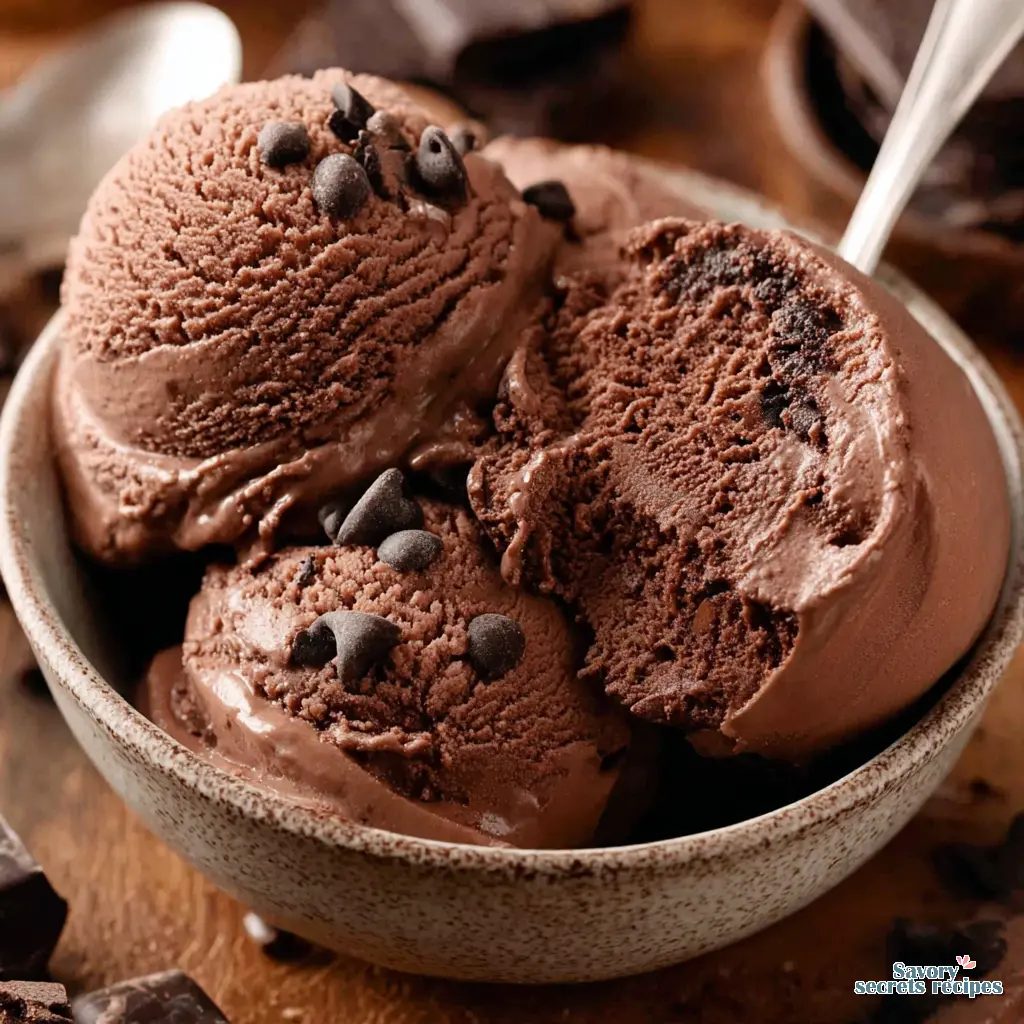
Rich Chocolate Cottage Cheese Ice Cream Recipe
Ingredients
Method
- Combine the cottage cheese, cocoa powder, honey or maple syrup, vanilla extract, milk, and salt in a blender.
- Process the mixture until it reaches a smooth and creamy consistency.
- Sample the mixture and adjust the sweetness level to your preference.
- Transfer the mixture to an ice cream maker and churn following the manufacturer's directions.
- Alternatively, pour the mixture into a container and freeze for 4 to 6 hours, stirring every hour to break up ice crystals.
- Serve the ice cream plain or garnish with fresh fruit, nuts, or granola.
Nutrition
Notes
Why You’ll Love This High Protein Ice Cream
Easter is just around the corner. Usually, we fill baskets with hollow chocolate bunnies and sugary treats that leave everyone crashing by noon. Better than an Easter egg, this chocolate cottage cheese ice cream recipe is pure bliss. It gives you that rich, dark chocolate fix without the heavy sugar coma.
I know what you’re thinking. Cheese? In ice cream? Let me think about that for a second. I was skeptical too. I kept seeing this viral TikTok trend and thought it was just another weird internet food phase. But then I tried it. The moment the white cottage cheese turns deep brown in the blender, everything changes.
It doesn’t taste like savory cheese. It tastes like a dense, fudgy, decadent frozen cheesecake. My daughter helped me make it last weekend. She tasted the batter right out of the blender and asked, “Is it at the good part yet, Baba?” That’s our kitchen shorthand for when a dish finally comes together. And trust me, it was definitely at the good part.
If you’ve been searching for an easy chocolate cottage cheese ice cream that actually satisfies a real chocolate addiction, you’re in the right place. It’s secretly healthy, loaded with protein, and completely guilt-free.
The Simple Ingredients You Need
You don’t need to hunt down strange gums or stabilizers for this chocolate cottage cheese ice cream recipe. I usually grab everything I need during my weekly run to Trader Joe’s or Ralphs here in Oakland.
Full-Fat Cottage Cheese: This is non-negotiable. You need that 4% milkfat for the creamiest texture. Low-fat versions just turn into an icy block. I prefer brands like Good Culture or Daisy.
Unsweetened Cocoa Powder: The absolute hero of this dish. A high-quality Dutch-processed cocoa powder gives you a brownie-like depth. Regular natural cacao works too, but Dutch-processed is smoother.
Liquid Sweetener: Honey or maple syrup. Granulated sugar won’t dissolve properly in the cold cheese. A liquid sweetener balances the bitterness perfectly. If you are following a low-carb lifestyle, you might prefer our keto cottage cheese ice cream recipe which uses specialized sweeteners.
Vanilla Extract & Salt: A splash of vanilla and a pinch of salt. Salt is crucial here. It enhances the chocolate flavor and cuts the natural tang of the cheese.
Required Kitchen Equipment
You really don’t need a fancy ice cream maker for this chocolate cottage cheese ice cream recipe. That’s the beauty of it. Here’s what I’d do.
First, you absolutely need a high-speed blender or a very strong food processor. A standard cheap blender might leave grainy cheese curds behind. We want silky, velvety smoothness.
Second, grab a flexible spatula. You’ll need it to scrape down the sides. The mixture gets thick, and you want every last bit incorporated.
Finally, a freezer-safe container. A metal loaf pan covered tightly with plastic wrap works great. Or, if you make this as often as I do, reusable ice cream tubs with writable lids are a smart investment. For those who prefer using specific countertop appliances, this ninja creami cottage cheese ice cream recipe is a perfect alternative.
The Science of Cottage Cheese Ice Cream
Why does this actually work? It comes down to macros and structure. Makes sense to me when you look at the composition of traditional ice cream. It’s mostly fat, protein, and sugar.
Cottage cheese is packed with casein protein. When you blend it at high speed, you physically break down the curds. The fat in the 4% cottage cheese emulsifies with the liquid sweetener. This creates a thick, glossy base that mimics heavy cream.
But there’s a catch. Because cottage cheese holds a lot of water, ice crystals will try to form as it freezes. That’s why high-speed blending is essential for the texture transition. If you leave any curds intact, they turn into little ice rocks. Blend it until you think it’s done, and then give it another minute. You’ll smell when it’s ready, that rich cocoa aroma filling the kitchen.
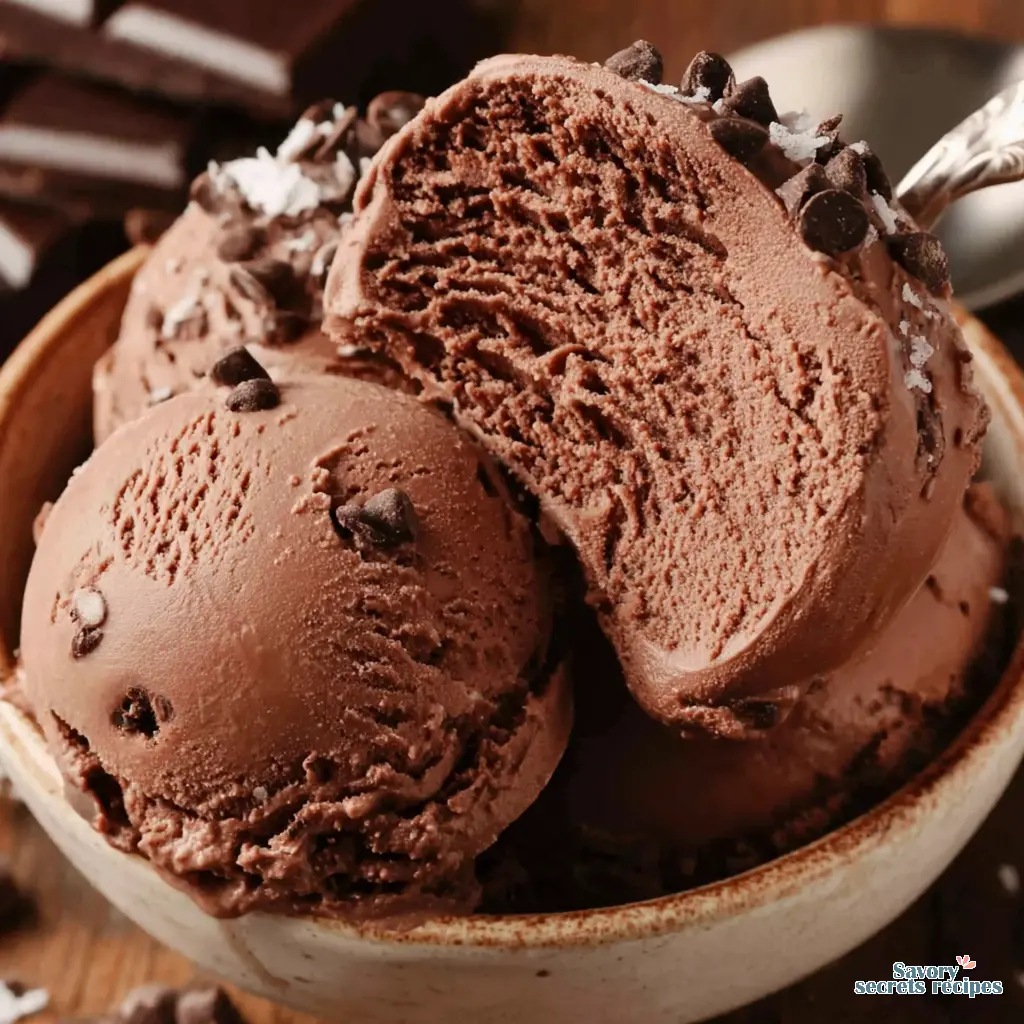
How to Make Chocolate Cottage Cheese Ice Cream
Let’s get into the actual process. It takes maybe five minutes of active work. Perfect for those busy weeknights when you want dessert but don’t want to bake.
Add your full-fat cottage cheese to the blender first. The liquid from the cheese needs to be at the bottom near the blades to get things moving. Then add your cocoa powder, liquid sweetener, vanilla, and salt.
Blend on high. Stop and scrape the sides. Blend again. You are looking for a completely smooth, glossy, dark brown mixture. Taste as you go, adjust at the end. If it needs more sweetness, add a touch more honey. If you want a deeper flavor, add a tiny pinch of espresso powder.
Once it’s perfectly smooth, pour it into your container. If you’re adding chocolate chips or nuts, fold them in now. Don’t blend them, or you’ll lose that great textural crunch. Pop it in the freezer.
Expert Tips for the Best Texture
I learned to make proper desserts by failing at them repeatedly in my twenties. I’ve made every mistake possible with this chocolate cottage cheese ice cream recipe so you don’t have to.
The Softening Rule: This is crucial. Because this recipe doesn’t have the high fat content of traditional ice cream, it freezes quite hard. You must let the ice cream sit at room temperature for 15 to 20 minutes before scooping. Don’t try to chisel it out immediately.
Manage the Sodium: Some cottage cheese brands are incredibly salty. If you’re sensitive to sodium, use a no-added-salt cottage cheese. Otherwise, the final result might taste a bit savory. Always check the label.
Prevent Ice Crystals: Stir the mixture occasionally during the first 2 hours of freezing. Every 45 minutes or so, take a fork and give it a vigorous stir. This breaks up ice crystals before they can fully form. Low and slow does the work for you here.
Flavor Variations and Mix-ins
Once you nail the base of this chocolate cottage cheese ice cream recipe, you can play around. I prefer recipes that give you a framework and let you adjust based on what you have.
The Peanut Butter Swirl: A chocolate peanut butter cottage cheese ice cream variation is my absolute favorite. Warm up a few tablespoons of natural peanut butter and swirl it through the blended base right before freezing. That’s the move right there.
Protein Boost: Add a scoop of chocolate or vanilla protein powder to the blender. You might need an extra splash of milk to keep the blender moving, but it turns this into a massive post-workout treat.
Crunchy Mix-ins: Finely chop any chocolate bars or chips before stirring them in for better distribution. I love adding chopped toasted hazelnuts. It reminds me of the fancy gelato shops down in LA. You can even make a safe version for your furry friends with this cottage cheese ice cream for dogs.
Visual Troubleshooting Guide
Mistake: The ice cream is icy and grainy.
Solution: You likely used low-fat cottage cheese or didn’t blend it long enough. Always use 4% milkfat and blend until absolutely silky smooth.
Mistake: It’s impossible to scoop.
Solution: You skipped the softening rule. Let it rest on the counter for 15 minutes. If it’s still too hard, briefly re-blend it in a food processor to restore creaminess.
Mistake: It tastes too much like cheese.
Solution: The brand you used is probably too high in sodium, or you skimped on the cocoa powder. Add a bit more sweetener and a splash of vanilla next time.
Serving and Storage Instructions
How long can you store cottage cheese ice cream chocolate in the freezer? Honestly, it’s best consumed within the first 48 hours. After that, it tends to get a bit too icy.
Keep it in an airtight container. If you’re using a loaf pan, press a piece of plastic wrap directly onto the surface of the ice cream to prevent freezer burn. Then cover the whole pan tightly.
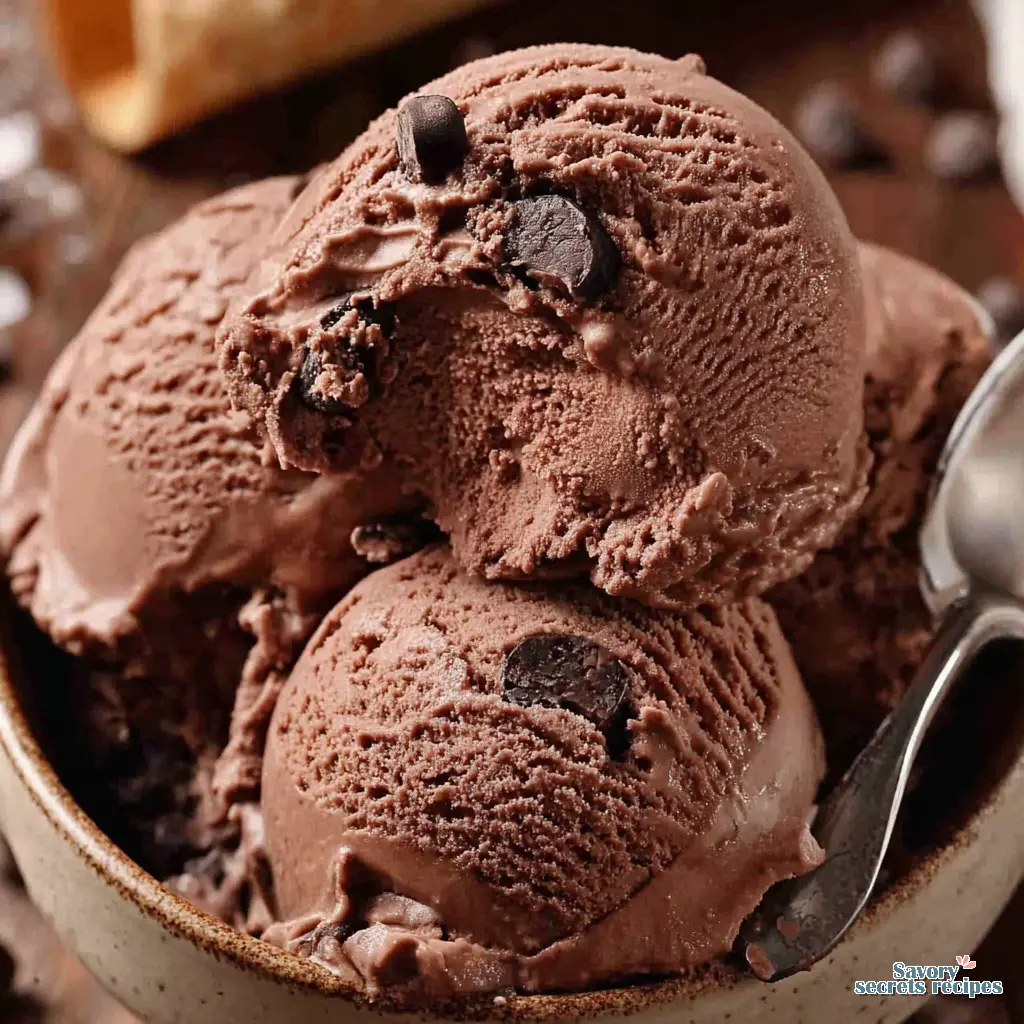
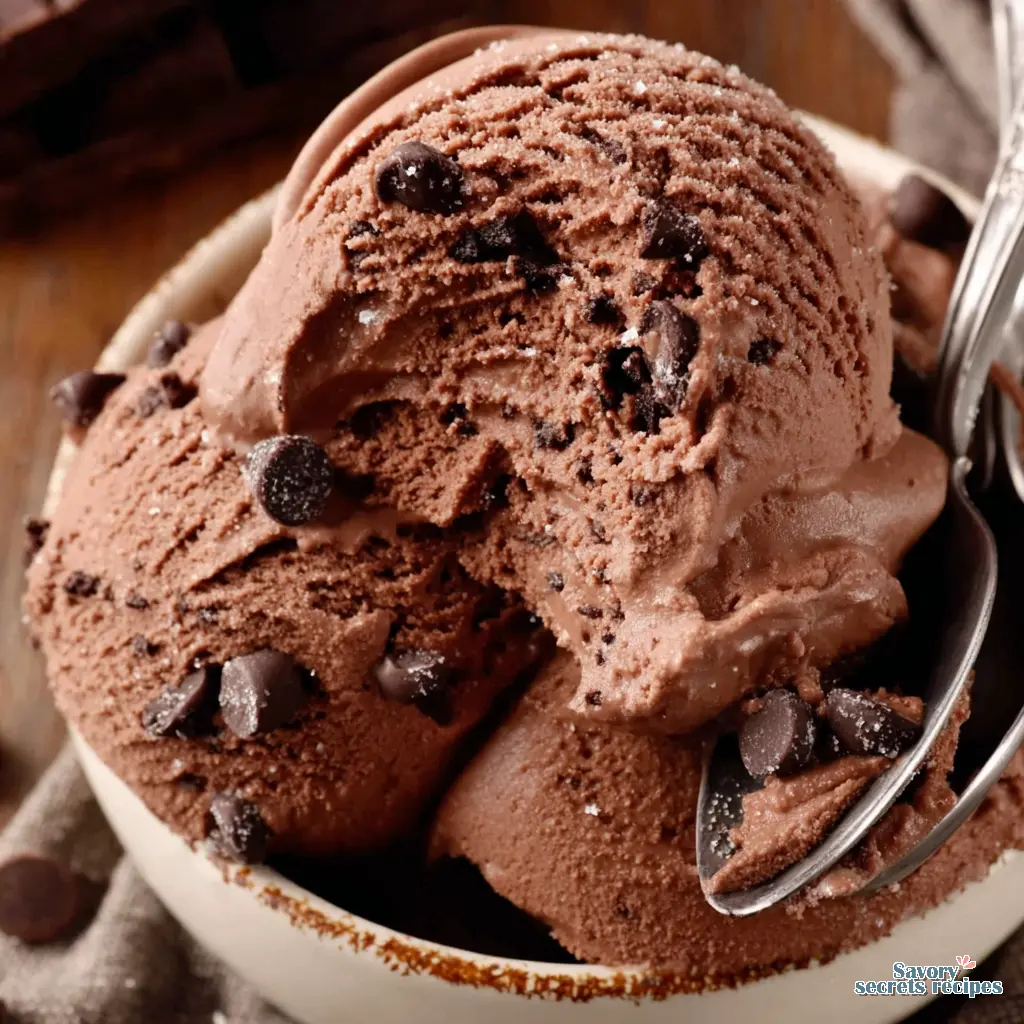
When you’re ready to serve, pull it out and let it soften. I like to serve it in a chilled bowl, topped with a few extra chocolate chips and maybe some fresh spring strawberries if I just hit the farmers market. The acidity of the berries cuts through the rich cocoa perfectly.
Frequently Asked Questions
I hope you give this chocolate cottage cheese ice cream recipe a try. It really is a fantastic way to satisfy a sweet tooth while hitting your protein goals. My family loves it, and it’s become a regular in our dessert rotation.
If you’re looking for more ways to sneak healthy ingredients into your desserts, browse my Pinterest boards. I’m always pinning new variations and ideas there.
Grab your blender and that tub of cottage cheese. You’ve got this.
Source: Nutritional Information
How can I make this chocolate cottage cheese ice cream recipe taste like real chocolate?
You need to use a high-quality Dutch-processed cocoa powder and add a pinch of salt. The salt cuts the tang of the cheese and amplifies the cocoa. A tiny pinch of espresso powder also works wonders here.
What is the best cocoa powder for cottage cheese ice cream to ensure a rich flavor?
I highly recommend Dutch-processed cocoa powder. It has a lower acidity than natural cocoa, which blends much better with the natural tang of the cottage cheese. It gives you that deep, dark, fudgy brownie flavor.
Can I make a chocolate peanut butter cottage cheese ice cream variation using this base?
Absolutely. It’s my favorite way to eat it. Just blend the base as usual, then gently swirl in two tablespoons of warmed natural peanut butter right before freezing. Don’t blend the peanut butter in completely.
Is this easy chocolate cottage cheese ice cream actually smooth or does it have a grainy texture?
It will be perfectly smooth if you use 4% full-fat cottage cheese and blend it on high speed for at least two minutes. If you use low-fat cheese or a weak blender, you’ll end up with icy, grainy curds.
How long can you store cottage cheese ice cream chocolate in the freezer before it gets too hard?
It stores well for about two weeks in an airtight container. However, because it lacks the heavy fat of regular ice cream, it freezes solid. You’ll always need to let it rest on the counter for 15 minutes before scooping.
Can I use low-fat cottage cheese for this recipe?
I’d probably avoid it. Low-fat cottage cheese has a higher water content, which means more ice crystals. You really need the fat from the 4% milkfat version to create that creamy, velvety mouthfeel we want.