



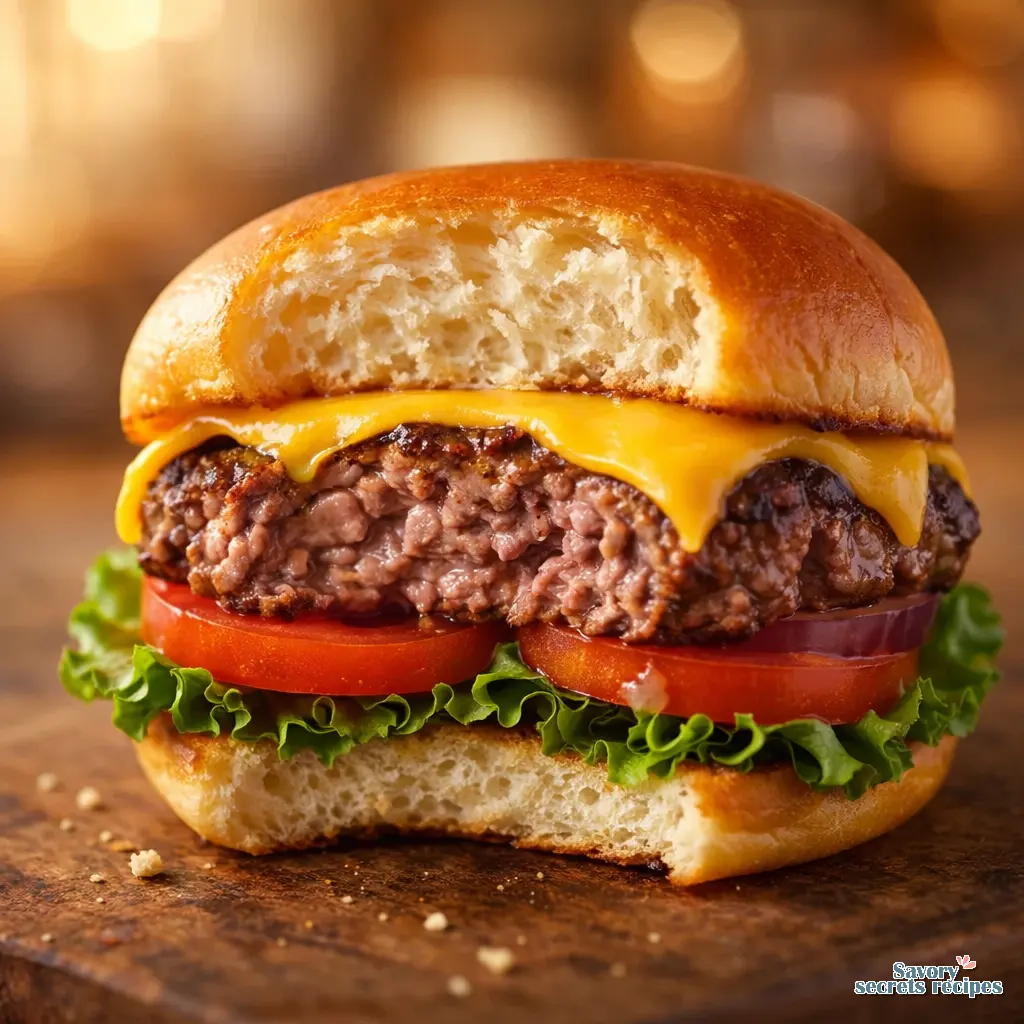
Easy Cheeseburger Recipe for Beginners
Ingredients
Method
- Combine all burger ingredients in a medium bowl and mix until just incorporated, taking care not to overwork the meat.
- Divide the mixture into six equal portions and shape into patties approximately 4 inches wide and 1 inch thick. Press a slight indentation into the center of each patty, then cover and refrigerate until ready to cook.
- Preheat a cast iron grill pan over medium-high heat and lightly oil the grates. Place the patties on the grill with the indented side facing up and cook for about 5 minutes until grill marks appear on the bottom.
- Flip the patties and grill for an additional 3 minutes, or until they feel slightly firm for medium doneness.
- Top each patty with 1-2 slices of cheese during the final minute of cooking and cover the grill to melt. Remove the patties from the heat and toast the buns if desired.
- Assemble the burgers with preferred toppings and serve.
Nutrition
Notes
The Craving for a Real Classic Cheeseburger
Celebrate the Spring Equinox with a fresh classic cheeseburger. The days are getting longer, the weather in LA is hitting that perfect mild spot, and Wednesday evening rolls around. Everyone is starving. I know the panic. You just want a real classic cheeseburger, the kind that tastes like a high-end diner but without leaving the house. Let’s be realistic here. You don’t need to spend avocado toast money on takeout to get it right.
I grew up watching Gran make these massive Sunday dinners. She could stretch a pot roast into three different meals effortlessly. She taught me that good bones make good food. We don’t need a fancy outdoor grill to make a fantastic classic cheeseburger at home. A simple cast iron skillet will do the job perfectly. The smell of that pure, clean beef hitting the hot pan is incredible. I remember my first failed burger. It was so dry it crumbled into dust because I bought the wrong meat. I learned that the hard way. Here’s what actually works for a busy weeknight.
The 80/20 Beef Rule (And Why It Matters)
You’re standing at the meat counter at Ralphs or Trader Joe’s, looking at twenty different packages. Grab the 80/20 ground beef. Usually, this is ground chuck. That 20 percent fat is your insurance policy against a dry patty. Lean beef just results in crumbly, sad dinners. That’s the thing, though. Fat equals flavor and juiciness in a classic cheeseburger. I’m not sure everyone will agree, but keeping the ingredient list short is the secret. Pure beef. No fillers. No chopped onions mixed inside. Let it do its work.
If you mix too much into the meat, you’re making meatloaf. We want a classic cheeseburger. Use what you’ve got in the pantry for toppings later, but keep the beef pure. Just gently form the patties. The trick is, and I learned this from testing, you have to leave the meat loose. Overhandling creates tough protein bonds. Keep a light touch.
The Science of the Patty Dent and Late Salting
Have you ever cooked a burger and watched it turn into a giant meatball? It’s frustrating. The science of the patty dent fixes this completely. Just press your thumb right into the center of the raw patty. Make a little dimple. As the meat cooks and shrinks, that dent pushes up. You’re left with a perfectly flat classic cheeseburger. Make your patties slightly wider than the bun, too, because they shrink about 25 percent.
Now, let’s talk about salt. Salt fixes most things, but timing is everything. Only salt the exterior, and only right before the meat hits the hot pan. If you mix kosher salt and black pepper into the beef too early, it cures the meat. You end up with a tough texture. Nobody wants that.
Get your cast iron skillet smoking hot over medium-high heat. Drop the patty in. Listen to that loud sizzle. And please, don’t press down on the meat with your spatula. Every time you press, you squeeze out all those delicious juices. Flip it only once. That’ll do it. For those looking for more tips on moisture retention, our juicy cheeseburger recipe provides excellent guidance.
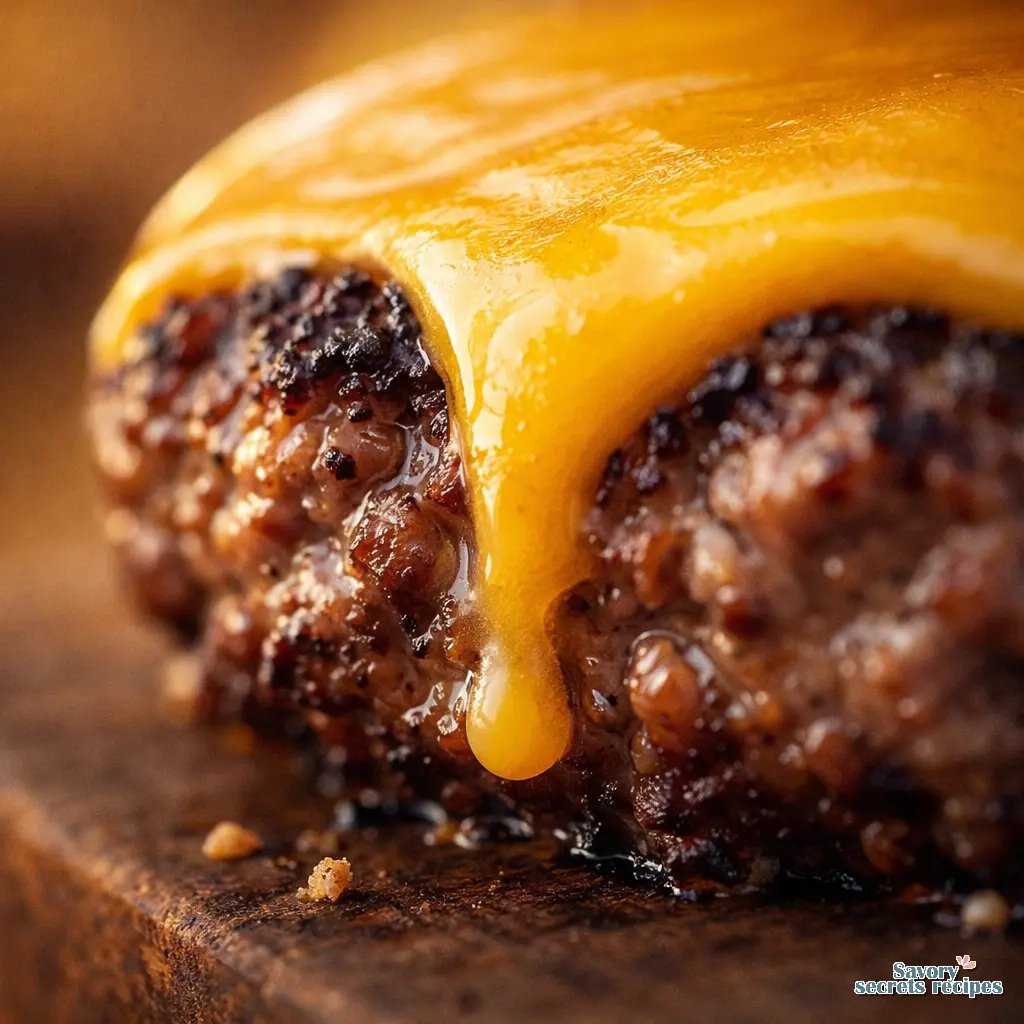
Fast Food Steamed Bun Hack & Assembly Order
I get unreasonably excited about a good steamed bun. To get that fast food style softness, toast only the cut side of your brioche bun in the pan. The exterior stays soft. When you flip the patty, add your deli style cheddar cheese immediately. The residual heat from the pan will melt it into a gooey, glossy blanket over the edges. It’s not really a fancy meal. Well, it is, but you know what I mean.
Assembly order matters for structural stability. Start with your sauce on the bottom bun. Add crisp iceberg lettuce, a thick slice of beefsteak tomato, the hot patty with melted cheese, dill pickles, and maybe some caramelized onions. Top with a little yellow mustard and ketchup on the top bun. The lettuce protects the bottom bun from getting soggy. I tried to teach my daughter to crack eggs last weekend, and she got shell in the bowl four times in a row. Cooking is messy. But assembling a classic cheeseburger properly saves you from a messy plate.
Temperature Doneness Chart & Carry-Over Cooking
I’m probably not the person to ask about fancy techniques, but knowing your internal temperature saves dinner. For medium-rare, aim for 130 to 135 degrees Fahrenheit. Medium is around 140 to 145 degrees Fahrenheit. Medium-well hits 150 degrees Fahrenheit. Remember carry-over cooking. The burgers continue to cook after you take them off the heat, rising another five degrees.
Let the resting meat sit for three to five minutes before serving. This keeps the juices inside the classic cheeseburger instead of flooding your plate. Worth every penny of your patience. If you have picky eaters, you can easily adapt this. My daughter only eats white foods right now, so I serve hers deconstructed with a plain bun. Use what you’ve got.
Troubleshooting: Why Did My Burger Fall Apart?
Look, I’ll be honest. We’ve all ruined a dinner or two. Here are the most common mistakes when making a homemade beef burger and how to fix them.
Common Mistakes & Fixes
Mistake: The patty falls apart in the pan.
Solution: You likely overhandled the meat or didn’t let the crust form. Keep it loose, and don’t flip until it releases naturally from the pan.
Mistake: The burger is dry and crumbly.
Solution: You probably used lean beef or pressed down with your spatula. Always use 80/20 ground chuck and never press the meat while it cooks.
Mistake: The bun gets soggy instantly.
Solution: You skipped the toasting step or put the hot patty directly on the bread. Toast the cut side and use iceberg lettuce as a moisture barrier.
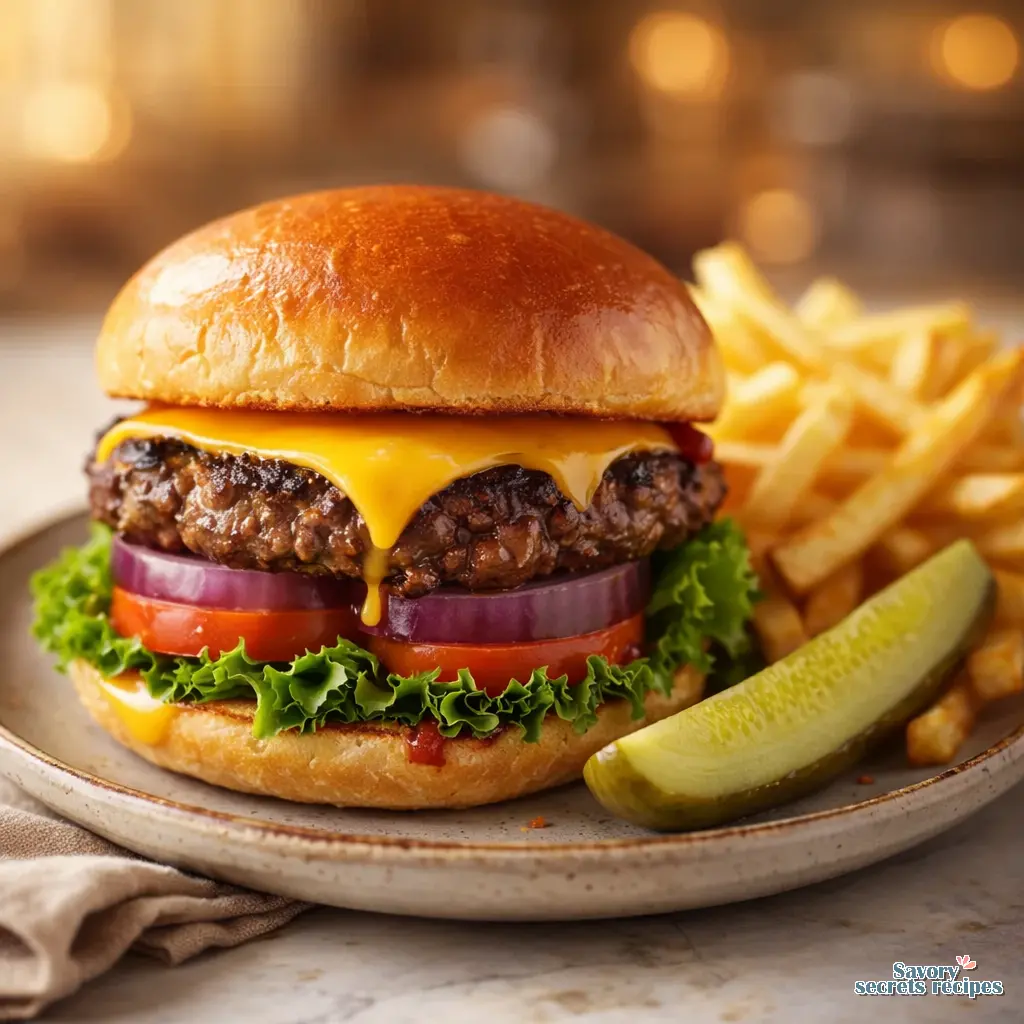
Storage, Freezing, and Next-Day Magic
I genuinely love the feeling of opening the freezer on a Wednesday and seeing meals ready to go. You can freeze raw patties easily. Just separate them with parchment paper in freezer bags. They’ll last up to three months. You can cook them straight from frozen over medium-high heat. Just add a couple of minutes to the cooking time. Stretch it another night by making extra. Good bones for later.
If you have leftover cooked patties, store them in an airtight container in the fridge for up to three days. Reheat them gently in a skillet with a splash of water, covering the pan to create steam. This prevents the classic cheeseburger from drying out. Fair enough, it won’t be exactly like fresh off the skillet, but it’s still an easy burger dinner.
Frequently Asked Questions
I hope this makes your next weeknight dinner a little less chaotic and a lot more delicious. There’s something deeply satisfying about feeding your family well on less money than takeout would cost. Never gets old. If you try this classic cheeseburger, let me know how it turns out. For more inspiration, check out my Pinterest boards where I save all my favorite budget-friendly weeknight wins. Happy cooking!
Reference: Original Source
What is the best beef for homemade burgers to ensure they stay juicy?
You’ll want to stick with an 80/20 fat ratio, usually ground chuck. That 20 percent fat content is crucial. It melts during cooking, basting the classic cheeseburger from the inside out. Leaner meats like 90/10 will dry out quickly in the pan.
How do you make a classic cheeseburger at home without a grill?
A heavy cast iron skillet is actually better than a grill for a classic cheeseburger. It creates a solid, even surface that builds a gorgeous, crispy crust through the Maillard reaction. Just get the pan smoking hot before dropping the patty in.
What are the traditional American burger toppings for an authentic result?
Keep it simple and nostalgic. You’ll need crisp iceberg lettuce, thick slices of beefsteak tomato, sharp or deli style cheddar cheese, dill pickles, and a mix of yellow mustard and ketchup. Some folks love caramelized onions, but raw red onions work perfectly too.
How do I prevent my homemade beef burger from shrinking or falling apart?
Press a deep dimple into the center of the raw patty with your thumb to prevent shrinking and bulging. To keep it from falling apart, don’t overwork the meat when shaping, and only flip it once the crust naturally releases from the pan.
What is the secret to making an easy cheeseburger recipe for beginners taste like a restaurant?
The secret is late salting and bun toasting. Only salt the outside of the patty right before cooking, which keeps the texture tender. Toasting the cut side of a brioche bun adds structural integrity and incredible flavor to your classic cheeseburger.