



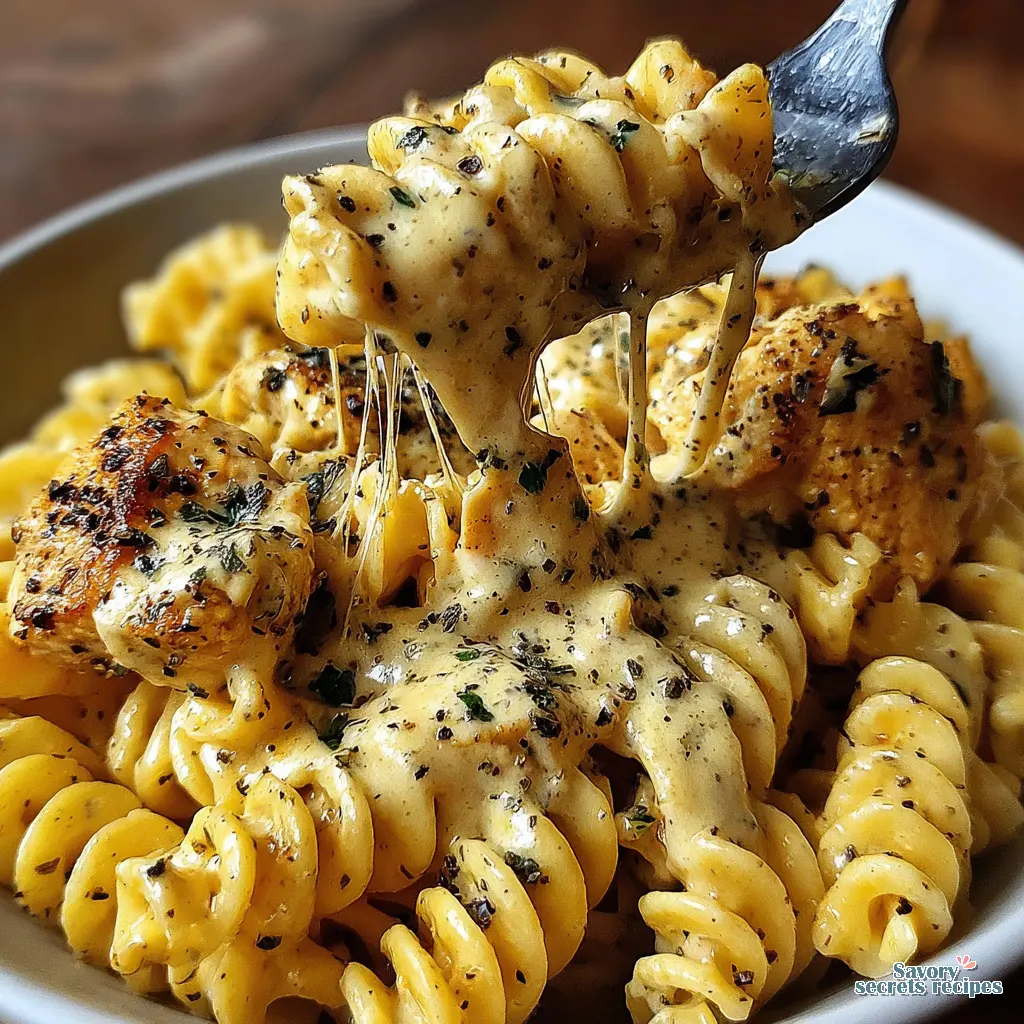
Indulgent Creamy Garlic Butter Pasta Chicken
Ingredients
Method
- Season the chicken with salt, black pepper, and Italian seasoning. Let it sit for a few minutes.
- Heat olive oil and butter in a skillet. Sauté minced garlic for 30 seconds.
- Add the seasoned chicken to the skillet. Cook for 5-7 minutes until golden brown.
- Boil salted water in a large pot. Cook rotini according to package instructions.
- Lower the heat and add heavy cream to the skillet. Heat for 2-3 minutes.
- Whisk in grated Parmesan until smooth. Adjust the thickness with reserved pasta water if needed.
- Combine the drained rotini with the sauce and chicken. Mix gently for 1-2 minutes.
- Serve garnished with parsley.
Nutrition
Notes
Why This Creamy Garlic Butter Pasta Recipe Works
Let me think on that for a second. You know the feeling. It’s a Wednesday, maybe a Thursday, and you’re staring into the fridge wondering what to make that feels like a hug but doesn’t require a culinary degree. That’s the exact moment this creamy garlic butter pasta was born for. It’s not just a meal. It’s a solution.
In my experience, the best recipes are built on a foundation of technique, not just a list of ingredients. This one is a masterclass in a simple pan sauce. You start with the basics butter, garlic, cream and through a few key steps, you create something that feels, and tastes, ridiculously luxurious. The key checkpoint here is understanding how these elements come together. That’s where the magic, and the confidence, really happens.
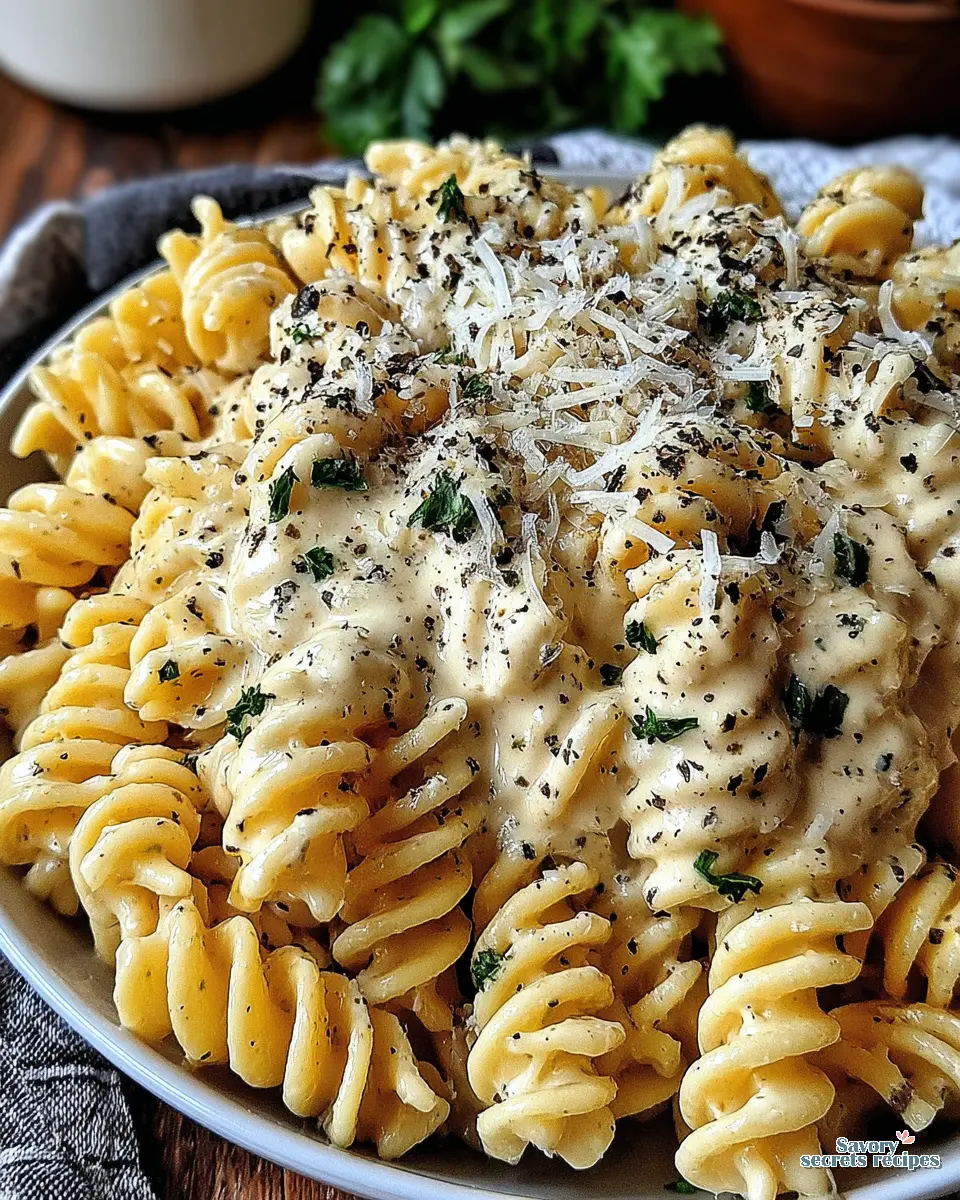
This changes things. When you get it right, the sauce is velvety, clinging to every twist of rotini, with the savory depth of garlic and the sharp, salty punch of Parmesan. It’s rich comfort food, but the process is straightforward. Fair enough, you might be skeptical. I get it. But trust the process on this one. It’s designed to build your confidence from the first sizzle of garlic in the pan.
The Ingredients: A Closer Look
To be clear, the quality of your ingredients directly influences your final dish. As a general rule, you don’t need to spend a fortune, but a few smart choices make a world of difference. Let’s talk about them.
First, the garlic. Fresh cloves, minced by your own hand, are non-negotiable for the brightest flavor. That pre-minced stuff in a jar? It often has a muted, sometimes bitter taste. You’ll know the difference when you smell it cooking. The aroma should be sweet and pungent, not sharp or acrid.
Then, the dairy. Use a good, real butter. I tend to think European-style butters, with their higher fat content, create a silkier sauce, but any unsalted butter will work. For the cream, go for heavy whipping cream. Its high fat content is what allows the sauce to thicken beautifully without breaking or becoming grainy. Lower-fat options simply can’t provide the same stability or luxurious mouthfeel.
Finally, the Parmesan. Please, for the love of all that is good and cheesy, buy a block and grate it yourself. The pre-grated stuff contains anti-caking agents like cellulose, which can make your sauce clumpy and prevent it from melting smoothly. That fresh, nutty flavor you get from a real Parmigiano-Reggiano or a good domestic Parmesan is worth the extra minute of effort. Worth noting.
The Science of a Silky Sauce
Here’s where it gets interesting. A creamy garlic butter pasta sauce is an emulsion. In most cases, it’s a fat-in-water emulsion, where tiny droplets of butterfat are suspended in the water-based liquid from the cream and pasta water. The starch from the pasta water acts as an emulsifier, helping to bind everything together into a cohesive, creamy texture instead of a greasy, separated mess.
This is the good part. When you add the grated Parmesan to the hot sauce, you’re introducing more fat and protein. The proteins help stabilize the emulsion further, while the fat enriches it. But there’s a catch. If the sauce is too hot when you add the cheese, the proteins can seize up and cause the sauce to break, becoming oily and grainy. The solution? Take the skillet off the heat and let it cool for just a minute before you stir in the cheese. This is where most people rush it. Patience here pays off in a perfectly smooth texture.
I remember a dinner party in my twenties where I learned this lesson the hard way. I was so focused on getting everything to the table hot that I dumped a mountain of Parmesan into a screaming hot pan. The sauce immediately separated into a pool of oil with cheesy curds. It was a disaster. My friend Sarah was too polite to say anything, but I saw her reaching for her water glass after every bite. Now, I always let the pan cool slightly. That failure taught me more about emulsion science than any cookbook.
Essential Tips for Perfect Creamy Garlic Butter Pasta
These aren’t just suggestions. They’re the little guardrails that keep you on the path to a flawless dish. Integrate them as you cook, and you’ll avoid the common pitfalls.
First, salt your pasta water aggressively. It should taste salty like the sea. This is your one chance to season the pasta itself from the inside out. Before you drain it, always, always reserve about a cup of that starchy cooking water. This liquid gold is your secret weapon for adjusting the sauce consistency later. If the sauce thickens up too much as you’re tossing everything together, a splash of this water will loosen it right up and help it cling to the noodles.
Cook your garlic gently. You want to sweat it in the butter and oil until it’s fragrant and just starting to turn golden at the edges. If you let it get too dark, it becomes bitter and can ruin the whole sauce. Watch for the moment when the sizzle changes from a fierce bubble to a softer, quieter sound. That’s your cue.
When you add the cream to the pan, do it off the heat initially. Let it come to temperature gradually with the residual warmth of the pan before you turn the burner back on. This prevents any shocking temperature changes that could cause the dairy to curdle. Slowly bring it to a simmer. You’ll see tiny bubbles forming around the edges. That’s perfect.
My grandmother kept a wooden spoon just for sauces. She said it had absorbed years of good flavors. I’m not sure I’m that superstitious, but I will say a wooden spoon gives you more control for gently stirring and scraping up the flavorful bits from the bottom of the pan. A nonstick skillet is convenient, but a stainless steel one will give you better fond those browned bits which equals more flavor.
Navigating Variations and Substitutions
This recipe is a fantastic canvas. Once you’ve mastered the basic creamy garlic butter pasta, you can start to play. From what I’ve observed, most successful variations follow one rule: manage moisture. Any add-ins that release water (like mushrooms or fresh tomatoes) should be cooked separately first to drive off that excess liquid.
For a quick protein boost, try adding cooked, shredded chicken breast or sautéed shrimp. Have some baby spinach? Toss a handful into the hot sauce at the very end it’ll wilt in seconds. For a vegetarian version with more heft, sauté sliced mushrooms until they’re deeply browned before you start the garlic.
Now, about substitutions. That tracks if you’re out of heavy cream. You can use whole milk in a pinch, but the sauce will be thinner and less rich. For a better result, try half-and-half. If you need a dairy-free version, full-fat canned coconut milk is your best bet for creaminess, though it will impart a slight coconut flavor. For the cheese, a high-quality vegan Parmesan substitute can work, but read the label. You want one that melts well.
As for the pasta shape, rotini is great because its twists hold the sauce beautifully. But fettuccine, linguine, or even penne are excellent choices. The type of pasta matters less than how you treat it. Just make sure it’s cooked al dente it’ll continue to cook a bit in the hot sauce.
Common Mistakes & Fixes
Mistake: The sauce breaks and looks oily.
Solution: The pan was too hot when you added the cheese or cream. Remove it from the heat to cool slightly. If it’s already broken, try whisking in a tablespoon of cold butter or a splash of reserved pasta water vigorously to bring it back.
Mistake: The garlic tastes bitter.
Solution: You cooked it over too high heat. Garlic burns quickly. Always use medium or medium-low heat and keep it moving. If it’s already bitter, there’s no fixing it. Start the garlic step over.
Mistake: The sauce is too thick and gloppy.
Solution: You likely reduced the cream too much or didn’t use enough pasta water. Gradually stir in reserved pasta water, a tablespoon at a time, until it reaches a silky, flowing consistency.
Mistake: The cheese clumps and won’t melt smoothly.
Solution: The sauce was too hot, or you used pre-grated cheese. Always take the pan off the heat before adding freshly grated Parmesan, and stir until it’s fully incorporated.
Storing, Reheating, and Serving Your Pasta
Leftover creamy garlic butter pasta will keep in the fridge for up to 5 days in an airtight container. I recommend adding a couple of tablespoons of water to the leftovers before you seal the container and give it a stir. This helps maintain a better consistency for reheating.
To reheat, the stovetop is best. Place the pasta in a skillet over medium-low heat with a splash of water, milk, or cream. Gently stir until it’s warmed through and saucy again. The microwave works in a pinch, but use a lower power setting and stir every 30 seconds to prevent the sauce from separating.
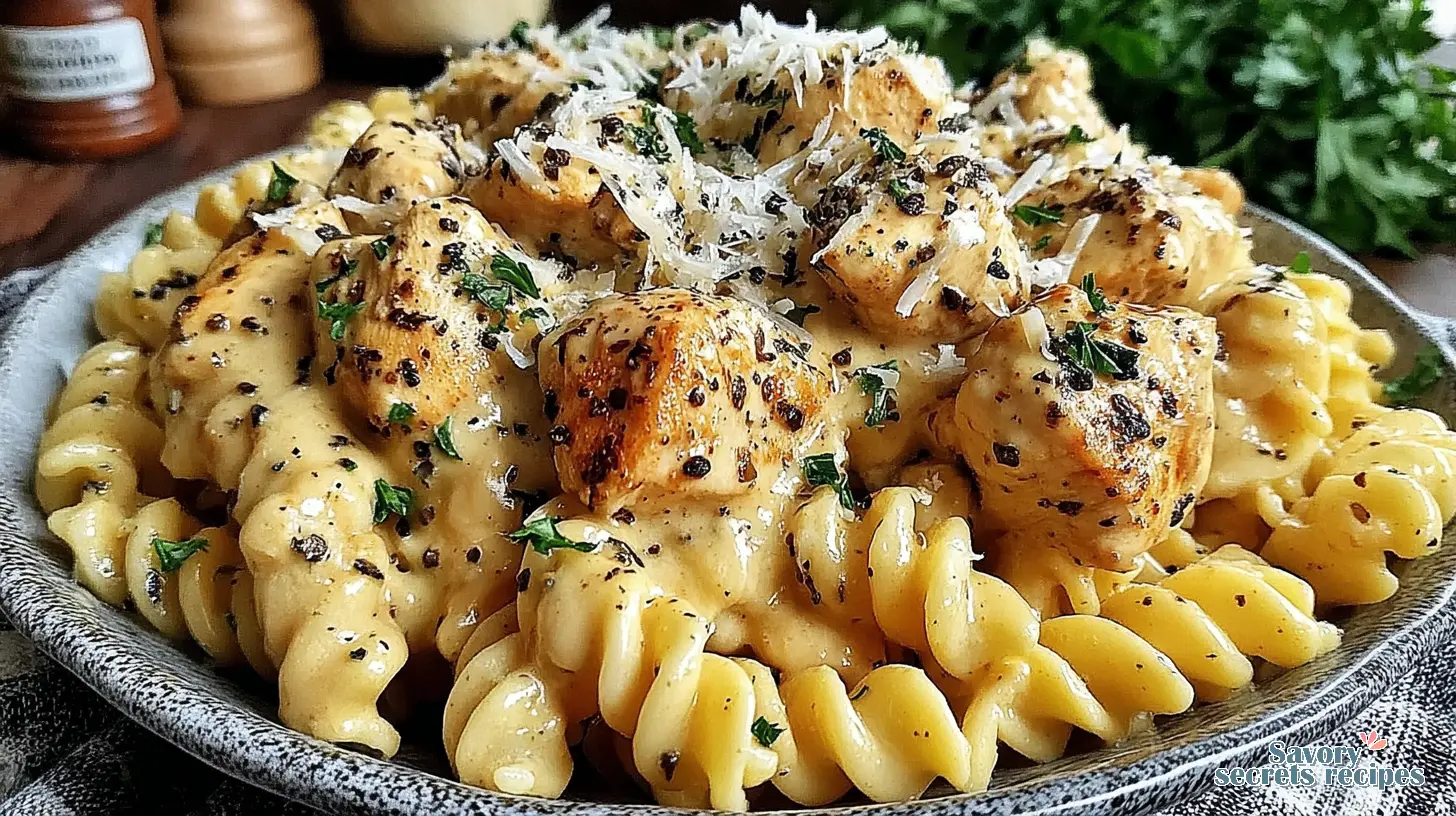
When you serve it, a final flourish makes it special. A fresh sprinkle of chopped parsley adds color and a bright note that cuts the richness. An extra grating of Parmesan is never wrong. For a bit of heat, a pinch of red pepper flakes is lovely. Serve it hot, maybe with a simple green salad or some roasted asparagus on the side. It’s a complete, satisfying meal that feels anything but ordinary.
Frequently Asked Questions
Your Next Step to Comfort
When you make this creamy garlic butter pasta, you’ll wonder why you ever thought a restaurant-quality sauce was out of reach. The process itself is calming the sizzle of garlic, the gentle simmer of cream, the way the cheese melts into silk. It’s a recipe that rewards attention but doesn’t demand perfection. I hope it becomes one of those reliable, go-to dishes in your rotation, the one you make when you need something guaranteed to satisfy.
Let me know how it goes for you. Did you add a pinch of red pepper? Try it with shrimp? I love hearing your twists. For more inspiration on simple, sauce-focused dishes, you can always check out my Pinterest boards. Now, go put that pot of water on to boil. Your perfect bowl of creamy garlic butter pasta is waiting.
Source: Nutritional Information
What’s the best way to cook the chicken for this creamy garlic butter pasta?
Season boneless, skinless chicken breasts with salt, pepper, and Italian seasoning. Pan-sear them in a bit of olive oil over medium-high heat until cooked through (165°F internally). Let them rest for 5 minutes, then slice or shred before adding to the pasta.
Can I use a different type of pasta instead of rotini?
Absolutely. Fettuccine, linguine, penne, or farfalle all work wonderfully. The key is to reserve that starchy pasta water to help the sauce cling, no matter what shape you choose.
How can I make this creamy garlic butter pasta recipe less rich?
You can substitute half-and-half for the heavy cream, though the sauce will be thinner. Adding a splash of the reserved pasta water and extra vegetables like spinach or peas can also help balance the richness.
How long do leftovers of this buttery pasta skillet keep in the fridge?
Store leftovers in an airtight container for up to 5 days. For best results, stir a little water into the pasta before refrigerating to keep the sauce from drying out.
What can I use if I don’t have heavy cream for this simple creamy noodle plate?
Whole milk or half-and-half are the most common substitutes. The sauce won’t be as thick or luxurious, but it will still be tasty. For a dairy-free option, full-fat canned coconut milk works, but it will add a coconut flavor.
Can I make creamy garlic butter pasta ahead of time?
You can prep components ahead. Cook the chicken, mince the garlic, grate the cheese. But for the best texture, combine the sauce and pasta just before serving, as the pasta continues to absorb liquid.
Does this dish reheat well?
It does, with a little care. Reheat gently on the stovetop with a splash of liquid (water, milk, or cream) to loosen the sauce. Avoid high heat in the microwave to prevent separation.
Can I freeze creamy garlic butter pasta?
I tend to think it’s not ideal. Dairy-based sauces can separate and become grainy when thawed. The pasta also tends to get mushy. It’s best enjoyed fresh or stored in the fridge for a few days.
What’s the best pan to use for this recipe?
A large, deep skillet or sauté pan is perfect. I prefer stainless steel for developing fond (those flavorful browned bits), but a heavy-bottomed non-stick pan will work too, especially if you’re worried about sticking.
My sauce is too thin. How can I thicken it?
Let it simmer for a few more minutes to reduce and concentrate. You can also create a quick slurry by mixing a teaspoon of cornstarch with a tablespoon of cold water and stirring it in, then simmering until thickened.
Can I make this creamy garlic butter pasta vegetarian?
Easily. Just omit the chicken. You can add sautéed mushrooms, sun-dried tomatoes, or peas for substance. The rich, savory garlic butter sauce is plenty satisfying on its own.
Is it okay to use garlic powder instead of fresh garlic?
You can, but the flavor profile will be different more muted and earthy. Use about 1/8 teaspoon of garlic powder per clove you’re replacing, and add it when you add the dried Italian seasoning.
Why is my sauce clumpy?
This usually happens if the cheese was added to a sauce that was too hot, or if you used pre-grated cheese with anti-caking agents. Ensure the pan is off the heat, use freshly grated cheese, and stir until fully melted.
Can I use pre-cooked rotisserie chicken?
That’s a fantastic shortcut. Just shred or chop the chicken and add it to the sauce at the end, just long enough to heat through. It saves time and adds great flavor.
How do I prevent the pasta from sticking together after draining?
Toss the drained pasta immediately with a tiny bit of olive oil or, even better, add it directly to your waiting sauce and start tossing. The sauce will coat it and prevent sticking.
What’s a good side dish to serve with this pasta?
A simple arugula salad with lemon vinaigrette, some crusty bread to soak up the sauce, or roasted vegetables like broccoli or asparagus are all perfect, easy complements.