



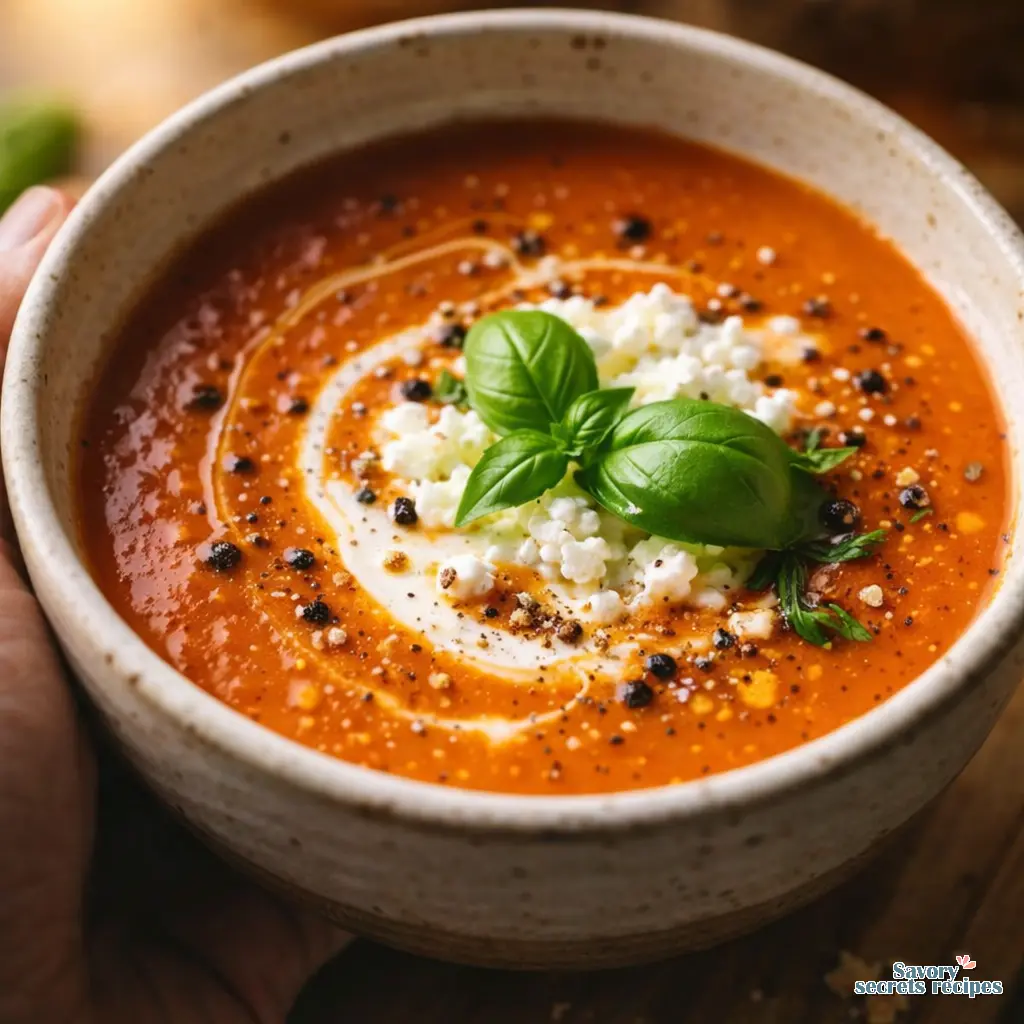
Healthy High Protein Creamy Tomato Soup Cottage Cheese Recipe
Ingredients
Method
- Heat olive oil in a large pot over medium heat. Add diced onions and sauté until softened, about 4 to 5 minutes.
- Add minced garlic and kosher salt to the pot and cook for 1 minute.
- Stir in tomato paste and cook for 1 minute, then mix in sugar and dried basil.
- Add canned tomatoes with their liquid and vegetable broth. Cover the pot and simmer for 20 minutes.
- Carefully blend the soup with cottage cheese until creamy.
- Serve immediately, garnished with grated parmesan, fresh basil, or pepper.
Nutrition
Notes
Why You Need This Creamy Tomato Soup With Cottage Cheese
I know exactly what you’re thinking right now. A creamy tomato soup with cottage cheese sounds completely bizarre. When this viral recipe first popped up on my feed, I rolled my eyes hard. I’m a dietitian, so I see a lot of fitness food trends that promise the world but taste like wet cardboard. But I kept hearing how this protein-packed bowl was a total game-changer for hitting daily macros without feeling deprived.
So, I grabbed some ingredients from Ralphs and got to work in my kitchen. Let me walk you through this. Priya helps me test the kid-friendly versions, which means I’ve got a very honest five-year-old telling me when something tastes weird. She took one bite of this creamy tomato soup with cottage cheese, smiled, and asked for a second bowl. The texture is surprisingly silky smooth. You honestly don’t taste the cheese at all. It just adds an incredible savory richness that keeps you full for hours.
If you’re tired of constant hunger on a diet, or bored to tears with plain chicken and broccoli, this recipe is for you. During these cool Spring evenings in LA, we actually want something comforting. This creamy tomato soup with cottage cheese delivers that cozy feeling while keeping your nutrition goals completely on track. Perfect. Let’s get into the details.
The Science of Emulsification in Your Soup
You might be wondering why we’re putting a lumpy dairy product into a blender. It’s all about emulsification. In my testing, I realized that blending cottage cheese into a warm liquid creates a stable, creamy base without the heavy feeling of traditional heavy cream. It’s a fantastic way to boost satiety.
The proteins in the dairy break down and bind with the vegetable broth. You can swap that for bone broth if you want to maximize the high protein count even further. This gives you that classic, comforting mouthfeel. I genuinely love the problem-solving part of this work, figuring out why a recipe succeeds or fails. The secret here is temperature control.
If you add ice-cold dairy to a boiling pot, you’ll get a grainy, separated mess. We’ll talk about tempering in a minute. This is the part that matters most for a silky smooth result. Once you understand how these ingredients interact, making a flawless creamy tomato soup with cottage cheese becomes second nature.
Choosing the Right Cottage Cheese Brand
I prefer recipes that give you decision points rather than rigid instructions, because your kitchen and ingredients aren’t exactly like mine. But for this creamy tomato soup with cottage cheese, your brand choice heavily impacts the final texture.
I highly recommend using a high-quality brand like Good Culture. It has a much better flavor profile and less watery whey. I’ve found this works, but check your specific brand. You want small curd or large curd, it doesn’t really matter since it goes straight into the blender anyway.
What does matter is the fat percentage. A 4% milkfat cottage cheese gives the most stable, luxurious texture. You can use 2% or even 0% for a low calorie option, but they’re slightly more prone to splitting. Leave your cottage cheese out of the fridge for a few minutes so it isn’t ice cold when blending. Trust me on this one. It helps immensely.
The No-Splitting Blending Technique
This is your checkpoint. Blending the soup while it’s boiling hot is the absolute most common mistake I see. High heat causes the dairy proteins to seize up and curdle. I learned this the hard way when I tested a cashew cream sauce years ago that separated into an oily mess. I didn’t account for the heat level. Three readers emailed me the same day it went live.
Here’s what I’ve found works perfectly. Let the soup cool to warm rather than boiling before adding the dairy. If you’re using fresh roasted tomatoes, allow them to cool significantly before blending to prevent splitting. I remember my ajji letting me pour the dosa batter onto the tawa when I was seven, guiding my hand. She never measured anything, just knew by the consistency when it was right. You’ll develop that same intuition here.
You can use an immersion blender directly in the pot for less cleanup. If you use a standard blender, work in batches to avoid steam pressure buildup. Add a splash of the warm soup to the cheese first to temper it. You’ll know it’s ready when the mixture looks like a pale, creamy swirl. The texture you’re looking for is completely uniform.
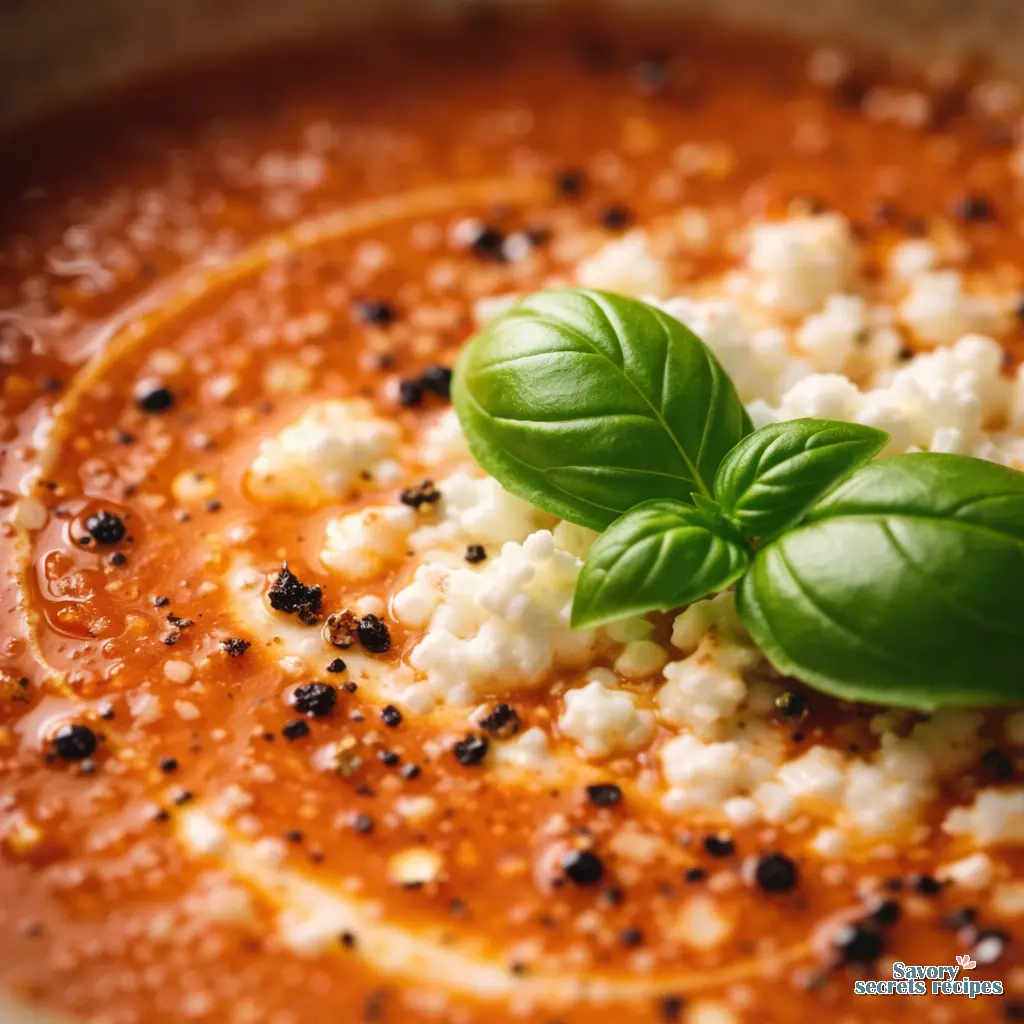
Visual Troubleshooting: How to Fix a Split Soup
Sometimes things go wrong. I go back and forth on whether to include more advanced techniques or keep everything truly simple, but I haven’t found the right balance yet. Let’s just fix the problems as they happen.
Common Mistakes & Fixes
Mistake: Blending the creamy tomato soup with cottage cheese while it’s boiling hot.
Solution: This causes the dairy to curdle instantly. Always let the soup cool for about ten minutes off the heat. Temper the cheese with a little warm broth first.
Mistake: The soup tastes too acidic or sharp.
Solution: You likely used low-quality canned tomatoes. Choose San Marzano or San Marzano style tomatoes for lower acidity and better balance. A tiny pinch of sugar helps round it out.
Mistake: There are visible white specks floating in the bowl.
Solution: You didn’t blend long enough. Keep the blender running for a full sixty seconds until completely silky smooth.
If your creamy tomato soup with cottage cheese does split, don’t panic. You can usually rescue it. Let it cool completely, add a tablespoon of warm water, and vigorously blend it again. Worth it.
My Sodium-Reduction Strategy
One thing to watch for is the salt content. Cottage cheese is naturally quite salty. When you combine it with store-bought vegetable broth and canned tomatoes, the sodium levels can skyrocket.
My mother-in-law Sofia showed me how to properly salt eggplant for baba ganoush, teaching me that salt should enhance, not overpower. To be safe, I always use low-sodium broth and no-salt-added tomatoes for this recipe. You can always add a pinch of kosher salt at the end if it needs it.
I also like to add a subtle kick with red pepper flakes, garlic powder, and fresh basil. These aromatics enhance the savory flavor without needing extra salt. A sprinkle of nutritional yeast adds a great cheesy depth and extra B-vitamins, too.
Slow Cooker and Instant Pot Adaptations
During these busy Spring weeks, I rely heavily on hands-off cooking. You can absolutely make the base of this creamy tomato soup with cottage cheese in a slow cooker.
Just toss your onions, garlic, tomatoes, and broth into the pot. Let it simmer on low for six hours. Once the vegetables are tender, turn off the heat. Remove the lid and let it cool for fifteen minutes. Then, use your immersion blender to carefully blend in the room-temperature cottage cheese.
For the Instant Pot, cook the base on high pressure for ten minutes, quick release, and again, let it cool slightly before blending. I was happy with how this turned out on busy weeknights when I didn’t have time to stand over a stove.
High-Protein Serving Pairings
A bowl of this creamy tomato soup with cottage cheese is pretty filling on its own, boasting about 15 grams of protein per serving. But I like to build a complete, satisfying meal.
Pair this soup with a high-protein turkey wrap or a classic grilled cheese on whole grain sourdough bread. If you’re keeping things lighter, serve it with some simple saltine crackers or a side salad tossed in olive oil and Meyer lemon juice.
A drizzle of Trader Joe’s balsamic glaze on top of the soup is also fantastic. It adds a touch of sweetness that perfectly balances the savory richness of the bowl.
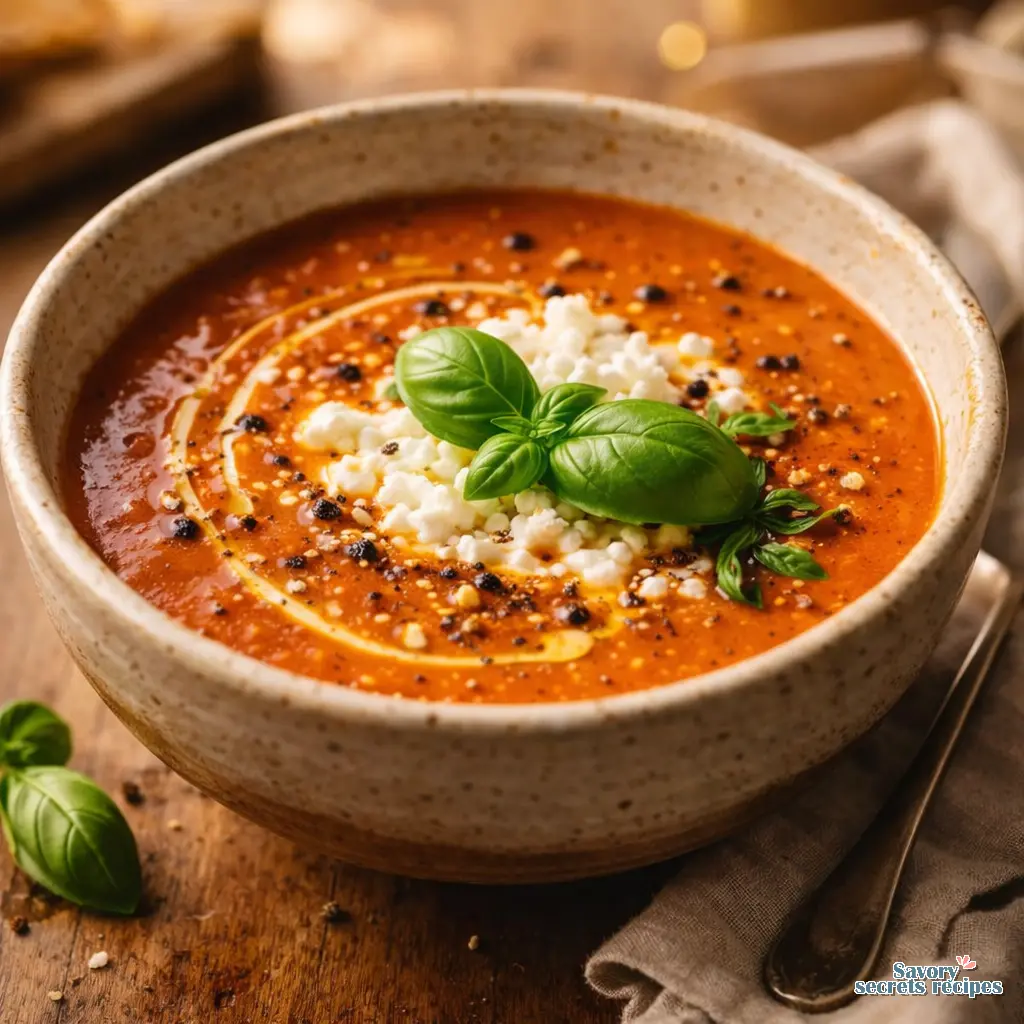
Storage and Reheating Your Creamy Tomato Soup With Cottage Cheese
Meal prep is an absolute lifesaver, and this creamy tomato soup with cottage cheese stores beautifully for the week ahead.
Refrigerate the leftovers in a sealed container for three to four days. If it looks too wet or slightly separated at this stage, that’s normal. Just give it a good stir before you heat it up.
You can freeze this soup for up to three months in freezer-safe containers. Thaw it in the fridge for about eight hours or overnight before reheating. Here’s the crucial rule for reheating. Don’t boil it. Over-heating will scorch the dairy and ruin that perfect texture. Warm it in the microwave for one to two minutes, stirring occasionally. Or, heat it on the stovetop over medium-low heat until just warmed through.
Frequently Asked Questions
Final Thoughts on This Protein-Packed Bowl
I’m so glad I finally gave this viral trend a try. It brings me back to that relief I felt as a new dietitian when a patient told me my substitution suggestions actually worked in her real kitchen, not just in theory. This creamy tomato soup with cottage cheese is comforting, nourishing, and incredibly easy to pull together on a busy weeknight.
Grab a tub of Good Culture on your next grocery run and see for yourself. I’d love to hear your skeptic-to-believer stories in the comments below. For more inspiration, check out my Pinterest boards where I save all my favorite weeknight wins and clever ingredient swaps. Enjoy!
Reference: Original Source
Can you taste the cottage cheese in this recipe?
Not at all. Once you blend the creamy tomato soup with cottage cheese, the curds completely disappear. It just adds a rich, savory creaminess and a slightly salty umami flavor that mimics traditional heavy cream perfectly.
Is this creamy tomato soup with cottage cheese high in protein?
Yes, it’s incredibly macro-friendly. Depending on the brand you choose and whether you use bone broth, you’ll get about 15 to 17 grams of protein per serving. It’s a fantastic fitness food that keeps you full for hours.
Is cottage cheese a healthy addition to soups?
Absolutely. It provides excellent satiety, high-quality dairy protein, and essential nutrients like calcium and B-vitamins. It’s a brilliant way to achieve a silky smooth texture while keeping the overall dish low calorie and nutrient-dense.
Can I freeze this healthy creamy tomato soup if it contains cottage cheese?
You can freeze it for up to three months. The texture might change slightly after thawing, so I recommend blending it again quickly once it’s defrosted. Always thaw it in the fridge overnight before gently reheating.
How do you blend cottage cheese into tomato soup to make it creamy and smooth?
The trick is tempering. Let the soup cool to warm, then add your room-temperature dairy. Use an immersion blender directly in the pot, or work in batches with a standard blender for a full sixty seconds until perfectly uniform.