



Easy Grilled Salmon for Beginners on Gas Grill
Ingredients
Method
- Pat the salmon fillets completely dry with paper towels to ensure the skin crisps during searing.
- Preheat the grill to medium-high heat, between 400°F and 450°F.
- Whisk together the soy sauce, honey, lemon juice, grated garlic, smoked paprika, salt, and pepper in a small bowl until thoroughly combined.
- Dip a folded paper towel in neutral oil and use tongs to rub it over the hot grill grates.
- Place the fillets on the grill skin-side down, close the lid, and cook for 5 minutes.
- Slide a fish spatula under the fillets and flip them over, allowing an extra 30 seconds if the fish resists releasing from the grate.
- Brush the marinade generously over the crispy skin side of the salmon.
- Cook for an additional 2 to 3 minutes until the flesh is firm and the internal temperature reaches 125°F.
- Remove the fish from the grill and let it rest for 3 to 5 minutes before serving.
Nutrition
Notes
The 5 PM Panic and the Easy Salmon Grill Recipe Solution
It is 5 PM on a Wednesday. You are staring into the fridge, completely exhausted from the day, and the kids are already asking what is for dinner. I know that feeling intimately. With Easter right around the corner, a lot of us are looking for a lighter main dish that feels special but does not require hours of prep. Ditch the traditional heavy holiday meats this year. An easy salmon grill recipe is your 15-minute ticket out of the kitchen and into the backyard.
I remember the first time I tried grilling fish. I was so confident. I threw a beautiful piece of wild-caught sockeye onto a cold, dirty grate. Ten minutes later, I tried to flip it. Half the fish stayed glued to the metal, and the other half fell into the coals. It is a rite of passage, really. We have all been there. I actually ruined an entire test batch of six fish early in my career because I rushed the process. I still feel that one.
But grilling seafood does not have to be intimidating. It reminds me of summer evenings in Essaouira when the fishing boats came in at sunset. The whole harbor smelled like seawater and diesel and pure possibility. My grandfather would grill sardines over charcoal in the courtyard. I would eat them with my hands. That specific combination of char and ocean is something I keep chasing. Today, I am going to show you how to get that perfect flaky texture right in your own backyard, whether you are in sunny Los Angeles or anywhere else.
Your Non-Stick Grilling Checklist
Before we even look at the fish, we need to talk about your grill. From what I’ve seen, 90 percent of sticking problems happen before the food even touches the heat. You do not need fancy equipment. You just need a solid foundation.
First, clean the grill grates thoroughly while they are heated. Cold grates hold onto old food debris, which acts like glue for your fresh salmon fillets. Once they are hot and brushed clean, lightly oil the grill grates. I highly recommend avocado oil or grape seed oil. They have a high smoke point and will not burn off immediately like butter or olive oil would.
Next, grab a long fish spatula and a sturdy pair of tongs. A regular burger spatula is too short and thick. A fish spatula has a thin, flexible edge that slides perfectly under the skin. Keep your ingredient list short. Some kosher salt, cracked black pepper, a little garlic powder, and maybe some fresh lemon wedges. That is all an easy salmon grill recipe really needs to shine.
The Skin-On vs. Skin-Off Debate
I get asked about this constantly. Should I remove the skin from the salmon before cooking? I tend to think this is the most misunderstood part of cooking seafood. Keep the skin on. Always.
The skin acts as a natural protective barrier between the delicate flesh and the intense heat of the gas grill or charcoal. It helps maintain moisture and holds the fillet together while you maneuver it. I genuinely love the problem-solving aspect of seafood cooking. When people tell me their fish always falls apart, my first question is always about the skin. Even if you choose not to eat the skin later, leave it on during the cooking process. It makes this easy salmon grill recipe practically foolproof.
Plus, there is something deeply satisfying about a perfectly seared piece of fish. That golden crust forming on the bottom is exactly right. If you buy skinless fillets by mistake, do not panic. Just be extra diligent about your oiling process and use a very light hand when flipping.
The Science of the Natural Release
Here is a secret I learned from a line cook in Boston back in 2014. I was doing market reporting, and he showed me how to properly sear fish. Most home cooks move the fish way too early. They get nervous. They poke it. They try to slide a spatula under it after two minutes.
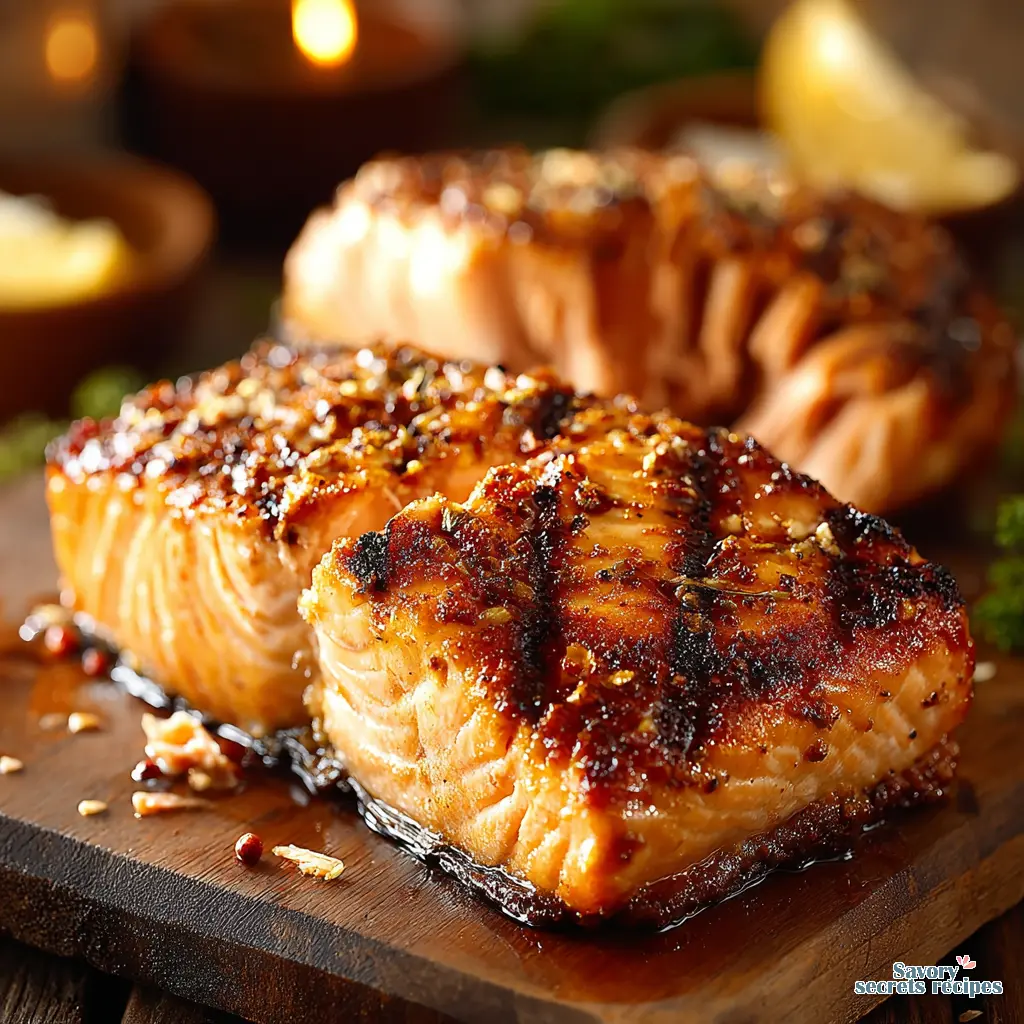
“The fish will tell you when it’s ready,” he told me. I use that exact phrase in articles now because it is the absolute truth. When you place your seasoned salmon fillets flesh-side down on hot grill grates, the proteins immediately contract and bind to the metal. If you pull it now, it tears. But if you wait, the heat cooks the proteins, they shrink slightly, and they naturally release from the grate.
Leave the fish alone. Do not move it until it releases naturally. You will feel a slight give when you gently test it with your tongs. That is the difference-maker. It is a lesson in patience. Grab a drink, watch the sunset, and let the heat do its job.
Thickness-to-Time Conversion Chart
Most recipes just say “grill for 10 minutes.” Honestly, that drives me crazy. A half-inch farm-raised fillet cooks completely differently than a two-inch thick cut of wild king salmon. You need to adjust your timing based on thickness.
Generally speaking, you want about 8 to 10 minutes of total cooking time per inch of thickness. If your fillet is one inch thick, that is roughly 4 to 5 minutes per side over direct heat. If you are dealing with a thick two-inch cut, you will want to sear it over direct heat, then move it to indirect heat to finish cooking without burning the outside.
If you are using a gas grill, set one side to medium-high and the other to low. If you are using charcoal, bank your coals to one side. Use the hand test. Hold your hand about five inches above the grates. If you have to pull it away after 3 seconds, that is the perfect medium-high heat for your easy salmon grill recipe.
Visual Doneness Gallery & Internal Temperature Guide
How do you know when the salmon is done cooking? I prefer fish cooked to medium rather than well-done. That slight translucence in the center keeps it moist and flavorful. I know not everyone agrees, but trust the texture more than the clock.
Get yourself a good digital meat thermometer. You want to pull the fish off the grill when the thickest part hits about 125 to 130 degrees Fahrenheit. Why so early? Carry-over cooking. The fish continues to cook as it rests on the plate, eventually reaching that safe 145 degrees Fahrenheit mark without drying out. I once ruined dinner because I waited until it hit 145 on the grill. By the time we ate, it was like sawdust.
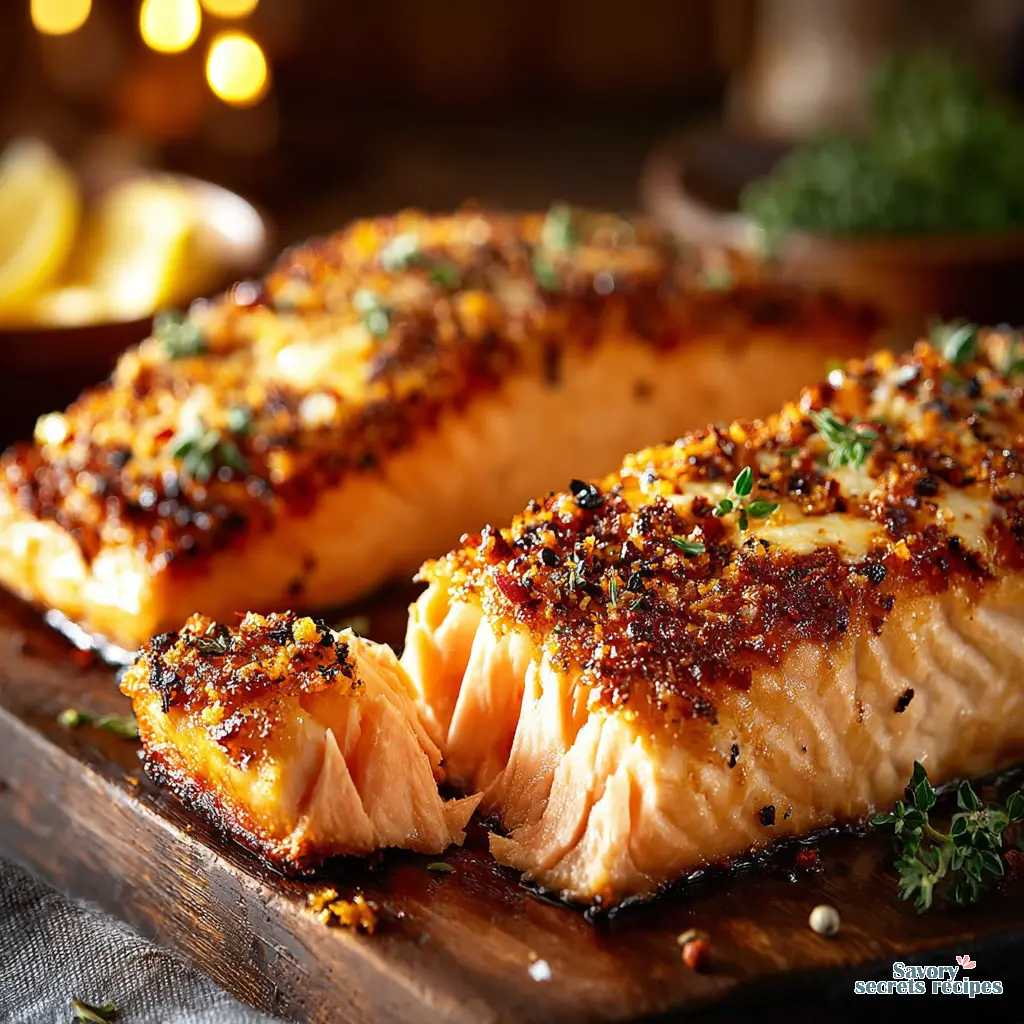
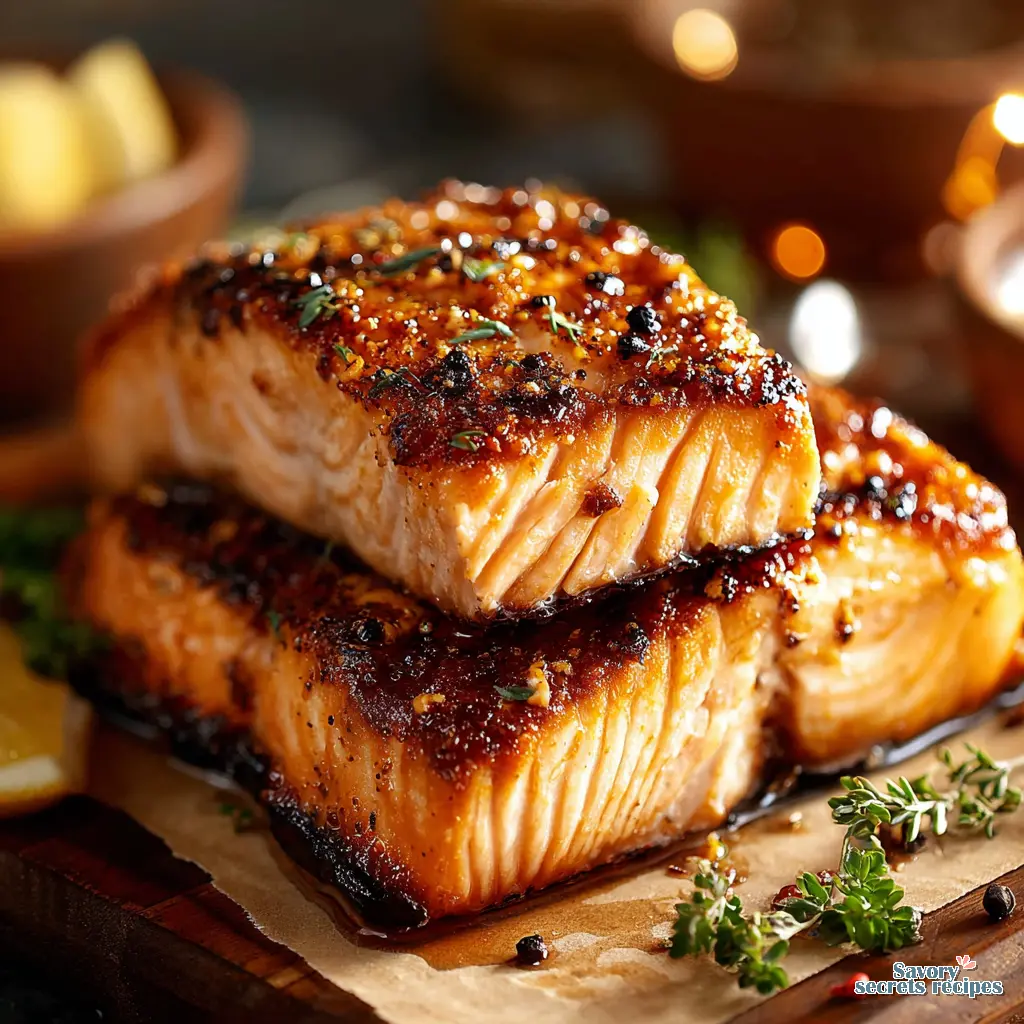
Watch the sides of the fish. As it cooks, you will see the color change from translucent pink to opaque from the bottom up. Once that opaque line moves about three-quarters of the way up, it is time to flip. And if you see white stuff oozing out, do not panic. That is just albumin, a harmless protein. It usually means your heat is a bit too high, but the fish is still perfectly safe and delicious to eat.
Common Mistakes & Fixes
Mistake: Moving the fish too early before the sear is set.
Solution: Patience. Let the fish naturally release from the grates. If it resists your spatula, give it another 60 seconds.
Mistake: Steaming instead of searing.
Solution: You did not pat the fish dry. Always use paper towels to remove surface moisture before oiling and seasoning. Wet fish steams; dry fish sears.
Mistake: Overcooking the fish to 145F while still on the heat source.
Solution: Pull the salmon at 125F to 130F. Let it rest. Carry-over cooking will bring it to the perfect temperature safely.
Wood Chip Flavor Pairing Map
If you want to take this easy salmon grill recipe up a notch, consider adding some wood smoke. I have started taking my daughter to the docks on Saturday mornings, and we talk a lot about flavors. Last Tuesday, she tried some smoked mackerel I was testing. She made a face and said, “It tastes like the ocean had a campfire.” Sometimes six-year-olds completely nail the description.
For salmon, you want mild, sweet woods. Alder is the traditional Pacific Northwest choice. It provides a delicate, slightly sweet smoke that does not overpower the fish. Cedar is another classic, especially if you use the cedar plank method, which practically guarantees your fish will not stick to the grates. These subtle wood notes are particularly complementary to a lemon grilled salmon recipe.
Cherry wood is a fantastic alternative. It gives the fillets a beautiful mahogany color and a fruity aroma. Just avoid heavy woods like hickory or mesquite. They are too aggressive and will completely mask the natural flavor of your beautiful seafood.
Storage, Reheating, and Serving Your Easy Salmon Grill Recipe
Let’s talk about leftovers. If you actually have any left over, refrigerate the salmon in an airtight container for up to 3 days. You can also freeze it in a heavy-duty plastic bag for up to 2 months, though the texture changes slightly upon thawing.
Reheating fish is where a lot of people go wrong. Do not use the microwave unless you want your kitchen to smell aggressively fishy and your beautiful meal to turn into rubber. I’d lean toward the oven. Place the fillets on a rimmed baking sheet, cover loosely with foil to trap the moisture, and warm them in a 350-degree Fahrenheit oven for about 6 to 8 minutes.
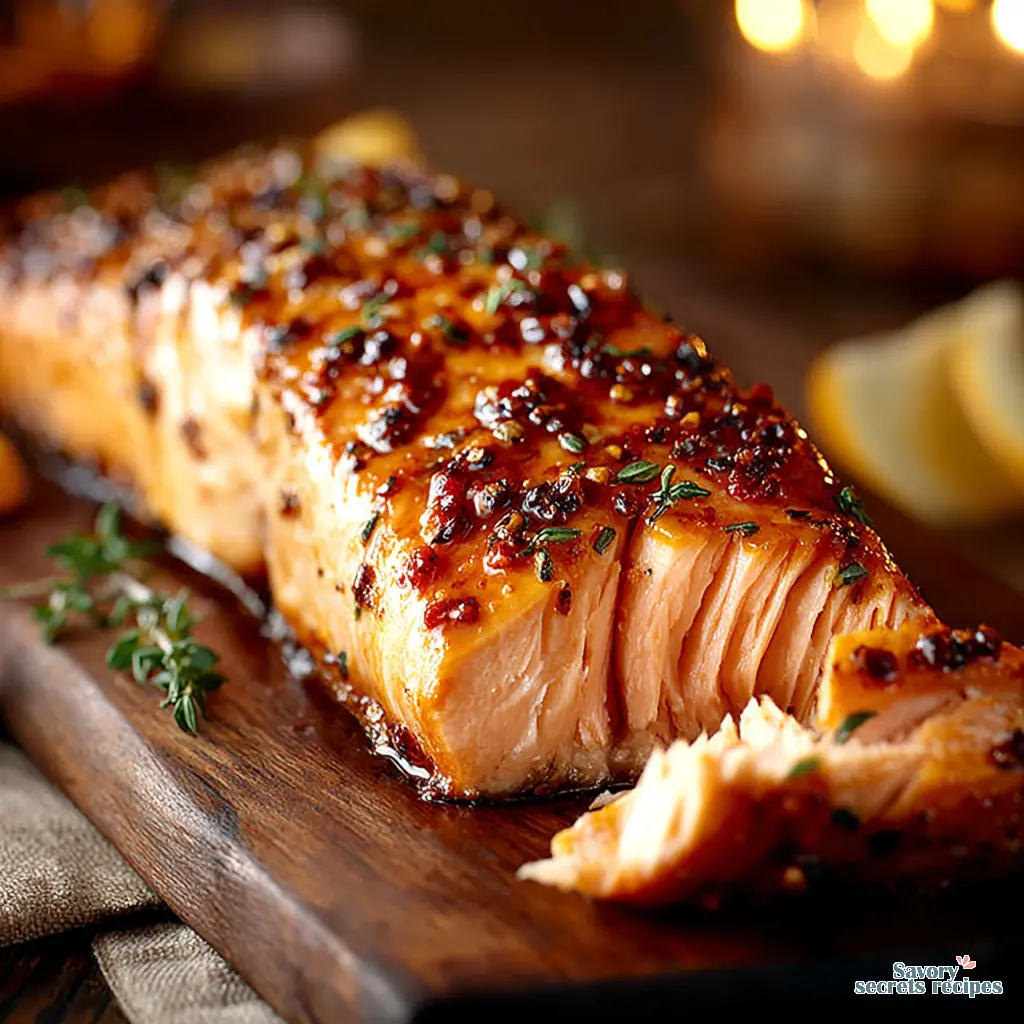
Honestly, my favorite way to handle leftovers from this easy salmon grill recipe is to eat them cold. Flake the chilled fish over a big garden salad with a light vinaigrette, or mix it into a cucumber salad. It is fantastic the next day. Pair your fresh off the grill dinner with some roasted potatoes, grilled asparagus, or a simple bagged salad if you are truly pressed for time. It is all about keeping things manageable.
Frequently Asked Questions
You’ve got this. Grilling seafood is a skill, and like any skill, it just takes a little practice and the right technique. Don’t let the fear of sticking keep you indoors this season. Start with clean grates, trust the natural release, and watch your family ask for seconds. I genuinely love seeing readers master this.
If you nail this easy salmon grill recipe tonight, take a photo. I share tons of variations on my Pinterest boards if you want ideas for next week’s meal plan. Tag me in your grill master photos, and let’s keep cooking.
Reference: Original Source
How do I know when the salmon is done cooking?
Use a meat thermometer. Pull the fish off the heat at 125 to 130 degrees Fahrenheit. Let it rest, and carry-over cooking will bring it up to a safe 145 degrees. Visually, look for opaque sides and a flaky texture.
How long should it take to grill an easy salmon grill recipe?
It depends on the thickness. A good rule is 8 to 10 minutes of total cooking time per inch of thickness. A standard one-inch fillet takes about 4 to 5 minutes per side on medium-high heat.
Do you grill salmon skin side up or down?
Always start flesh-side down to get those beautiful grill marks. Once it naturally releases, flip it to the skin side to finish cooking. The skin protects the delicate meat from burning over direct heat.
Should I remove the skin from the salmon before cooking?
I strongly advise against it. Leave the skin on while grilling. It acts as a moisture barrier and holds the fillet together. You can easily peel the skin off right before serving if you prefer not to eat it.
How do I stop my easy salmon grill recipe from sticking?
Clean your grates while they are hot, then oil them thoroughly with a high smoke point oil like avocado oil. Most importantly, do not force the flip. Let the fish naturally release when the proteins have seared.
What is the best type of salmon for grilling?
King salmon and Sockeye are my top choices. They have a higher fat content, which keeps them incredibly moist over the high heat of a gas grill or charcoal. Coho is also great but requires a lighter hand.
Is wild-caught or farm-raised better for this easy salmon grill recipe?
Wild-caught generally has superior flavor and texture, but it is leaner and cooks faster. Farm-raised is fattier and more forgiving for beginners. Both work beautifully, just adjust your resting time slightly for the leaner wild cuts.