



Traditional English Pea and Mint Soup Recipe
Ingredients
Method
- Heat olive oil in a medium saucepan over medium heat. Add diced onion and cook for 3 minutes, stirring occasionally, until soft and translucent.
- Stir in minced garlic and cook for 30 seconds until fragrant, taking care not to brown it.
- Add frozen peas and stock to the pot. Bring to a gentle simmer and cook for about 5 minutes until the peas are tender and bright green.
- Remove the pot from the heat. Add fresh mint leaves and puree the soup with an immersion blender until smooth; blend in batches carefully if using a standard blender.
- Stir in the crème fraîche and lemon juice. Season with salt and pepper to taste, and adjust the consistency with a splash of warm water or stock if the soup is too thick.
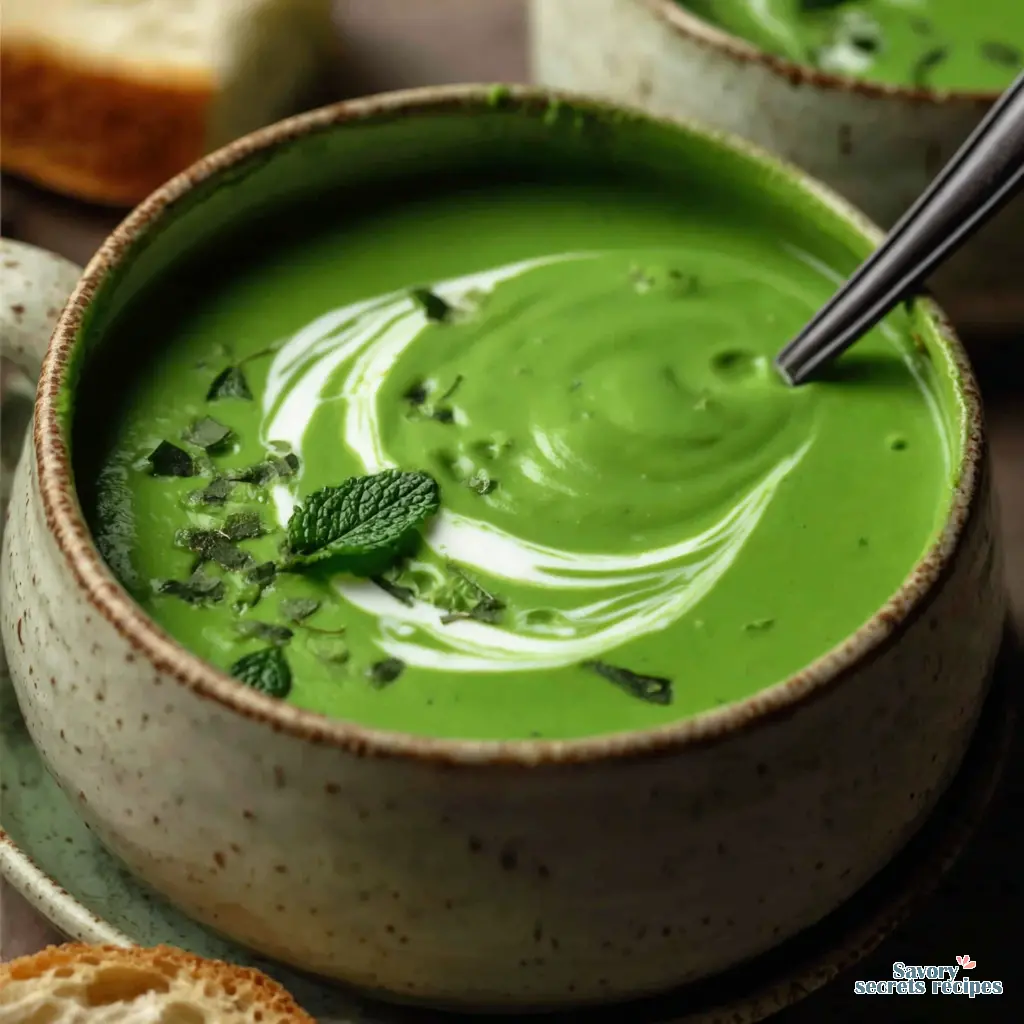
- Ladle the soup into bowls and garnish with an optional dollop of crème fraîche and a sprinkle of fresh mint or cracked pepper. Serve immediately.
Nutrition
Notes
The Science of Spring: Perfecting Fresh Pea and Mint Soup
It is a surprisingly mild March morning here, and the Spring Equinox is officially upon us. I walked into Waitrose yesterday and saw the very first proper English garden peas of the season stacked near the entrance. I immediately knew I was making fresh pea and mint soup. I know shelling peas sounds incredibly tedious to most people. I really do. But there is something deeply grounding about it.
My Polish grandmother, Babcia Helena, used to make me sit on a wooden stool in her Milwaukee kitchen to help prep vegetables for her massive fermentation crocks. She always told me that you trust your hands, but you verify with your tools. That tracks with what I’ve seen in my own kitchen over the years. A vibrant green soup doesn’t just happen by accident. It requires a bit of biological precision.
You might be thinking you don’t have time for complicated spring soup recipes. I completely understand that weeknight dinner panic. But this fresh pea and mint soup looks incredibly fancy while taking under 35 minutes to pull together. The colour alone is like spring in a spoon. Let me show you how to protect that colour and build a flavour profile that actually tastes like a garden.
Fresh Garden Peas vs. Frozen: What The Data Suggests
Let me double-check that we are on the same page about the main ingredient. You want sweet peas or petite baby peas because their pods are significantly more tender. Shelling peas is a slow-living ritual. The snappy sound of pea pods popping open and the little green spheres hitting the glass bowl is incredibly satisfying. It is tactile and repetitive.
But look, I will be completely honest with you. If you just finished a massive weekly shop at Tesco and you are absolutely exhausted, you can absolutely use frozen peas. Frozen peas are flash-frozen at peak freshness. I’d want to verify first that you prep them correctly, though.
If you use them for a traditional english pea and mint soup recipe, you must defrost them under a cold tap first. Do not just dump a frozen block of ice into your hot pan. According to the guidelines I follow for thermal control, dropping frozen veg into a hot base drops the pan temperature far too fast. You lose the gentle sauté and end up boiling your shallots. Defrosting them first maintains your pan temperature perfectly. Worth it.
The Chlorophyll Rule: Keeping Your Soup Vibrant Green
The biggest mistake people make with fresh pea soup is overcooking it. I see it all the time, and it breaks my heart. The soup turns a dull, sad, greyish-brown colour. Fermentation is active biology, and honestly, so is cooking green vegetables. You are actively fighting to save the chlorophyll.
The data suggests cooking the peas for exactly two to seven minutes. Not a single minute longer. Once they turn that brilliant, verdant emerald colour, you need to get them off the heat immediately. Boiling them to death destroys the cell walls and ruins the fresh flavour.
If you are making a chilled pea soup for an Easter appetizer, you need to use an ice bath. Blanching the peas and shocking them in ice water locks in that vivid green colour permanently. It is a textbook technique for a reason. I learned this the hard way when I tried to rush a batch once. I ended up with a pot of brown mush that tasted fine but looked absolutely dreadful. Precision matters more than good intentions.
Blender Safety and Achieving a Silky Texture
Let us talk about blender safety for a moment. I know this sounds a bit overly cautious, but I learned about steam expansion the hard way. My first attempt at a fermented hot sauce ended with the lid blowing off and hot liquid splattering across my entire kitchen ceiling. It looked like a crime scene.
When you blend hot liquids for this fresh pea and mint soup, the steam expands rapidly. Fill your blender only one-third full. Vent the top with a folded kitchen towel to let the steam escape while protecting your hands. Better to err on the side of caution here.
For the absolute best texture, use a high-speed stand blender rather than a standard food processor. A food processor often leaves the soup slightly grainy. If you only have an immersion blender, that works beautifully too, just blend it a bit longer than you think you need to. If you prefer a completely hands-off approach, you can also make this pea and mint soup in a soup maker for a perfectly smooth finish every time.
Common Mistakes & Fixes
Mistake: The soup colour is dull and muddy.
Solution: You overcooked the peas. Trust the timer. Two to seven minutes is all they need. Get them off the heat the second they turn bright green.
Mistake: The flavour is overwhelmingly minty, like toothpaste.
Solution: You likely used peppermint instead of spearmint, or you added the mint too early. Fold bruised spearmint leaves in at the very end.
Mistake: The texture is grainy.
Solution: A food processor will do this. Switch to a high-speed blender and make sure you are using tender baby peas, not older, starchy ones.
Mint Varieties and Flavour Balance
The mint variety you choose matters immensely. I prefer spearmint for culinary use. Peppermint has a very high menthol content and will make your fresh pea and mint soup taste exactly like dental floss. I am hesitant to say definitively without tasting your specific mint, but spearmint is almost always the safer bet.
Bruise the fresh mint leaves gently in your hands right before adding them. The scent of bruised mint is incredible. It releases the essential oils without making the soup bitter.
To build the savoury base, sauté your shallots in a generous knob of butter. Butter is usually sold in those 250g blocks here in the UK, so just cut off a nice thick slice. The butter provides a mellow heartiness that perfectly balances the natural sweetness of the seasonal produce. Do not over-season with salt too early. You want to taste the delicate garden-fresh produce. If you are following a plant-based diet, you can easily swap the butter for oil to create a delicious vegan pea and mint soup.
Hot or Chilled? Serving Temperature Guidelines
This is where the recipe becomes incredibly versatile. You can serve this fresh pea and mint soup piping hot on a rainy Tuesday, or completely chilled for a sophisticated weekend lunch.
If you decide to serve it cold, be aware that chilling mutes flavours. I’d probably want to test that first before serving it to guests. You will likely need to add an extra pinch of salt and a bit more lemon zest to wake the flavours back up.
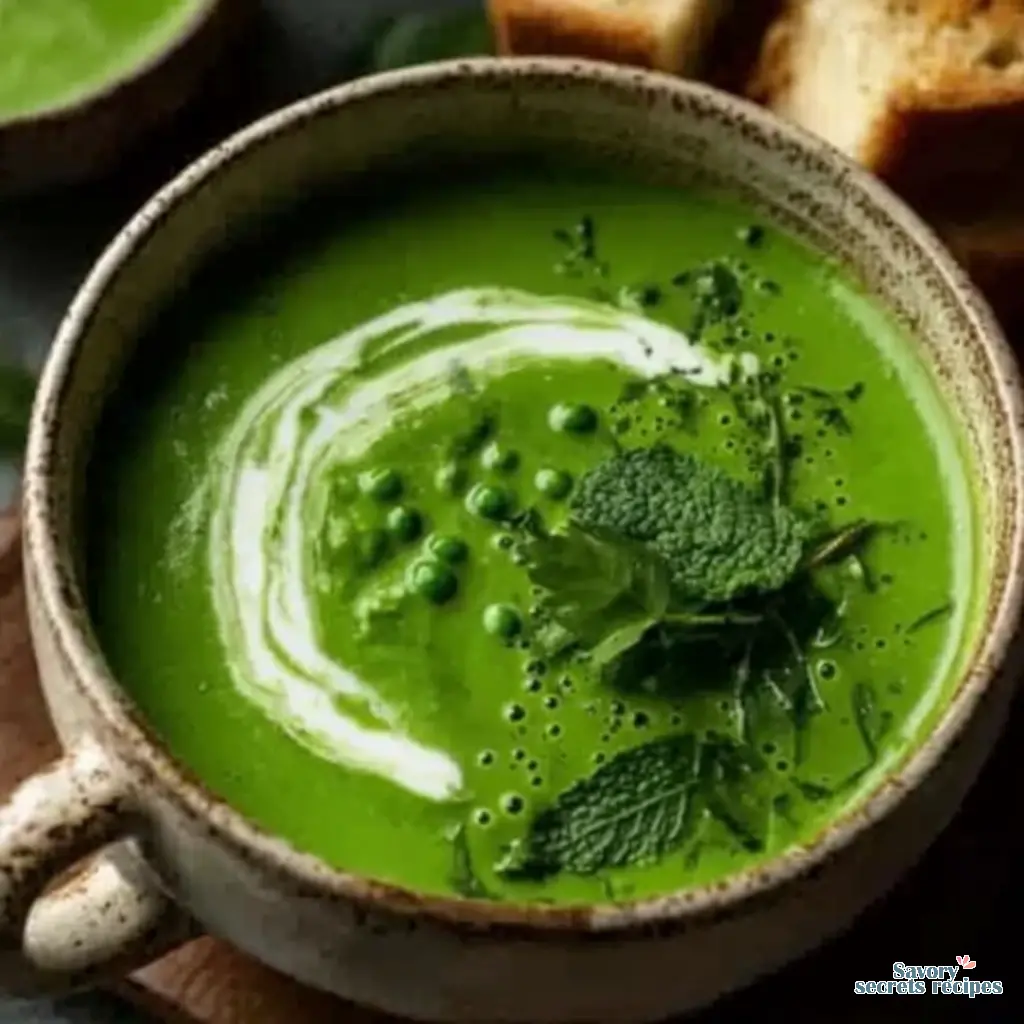
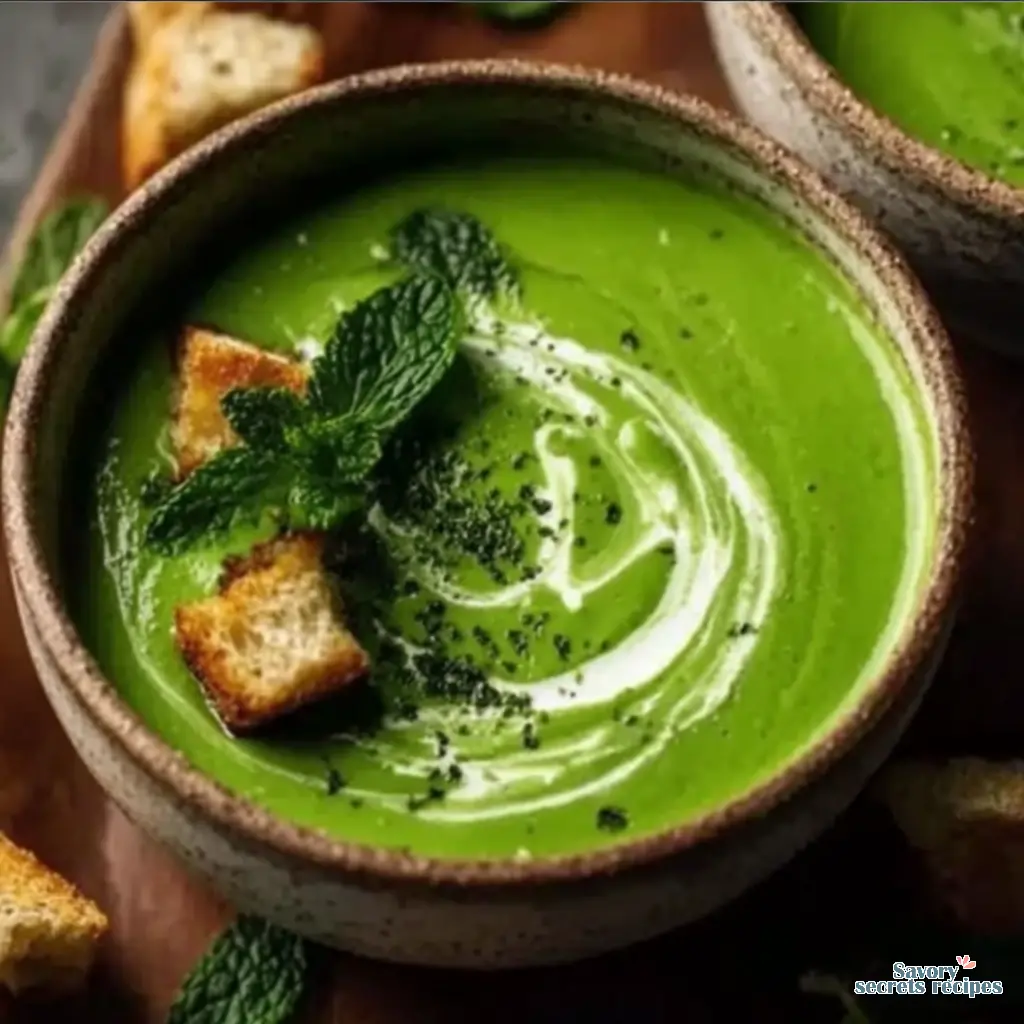
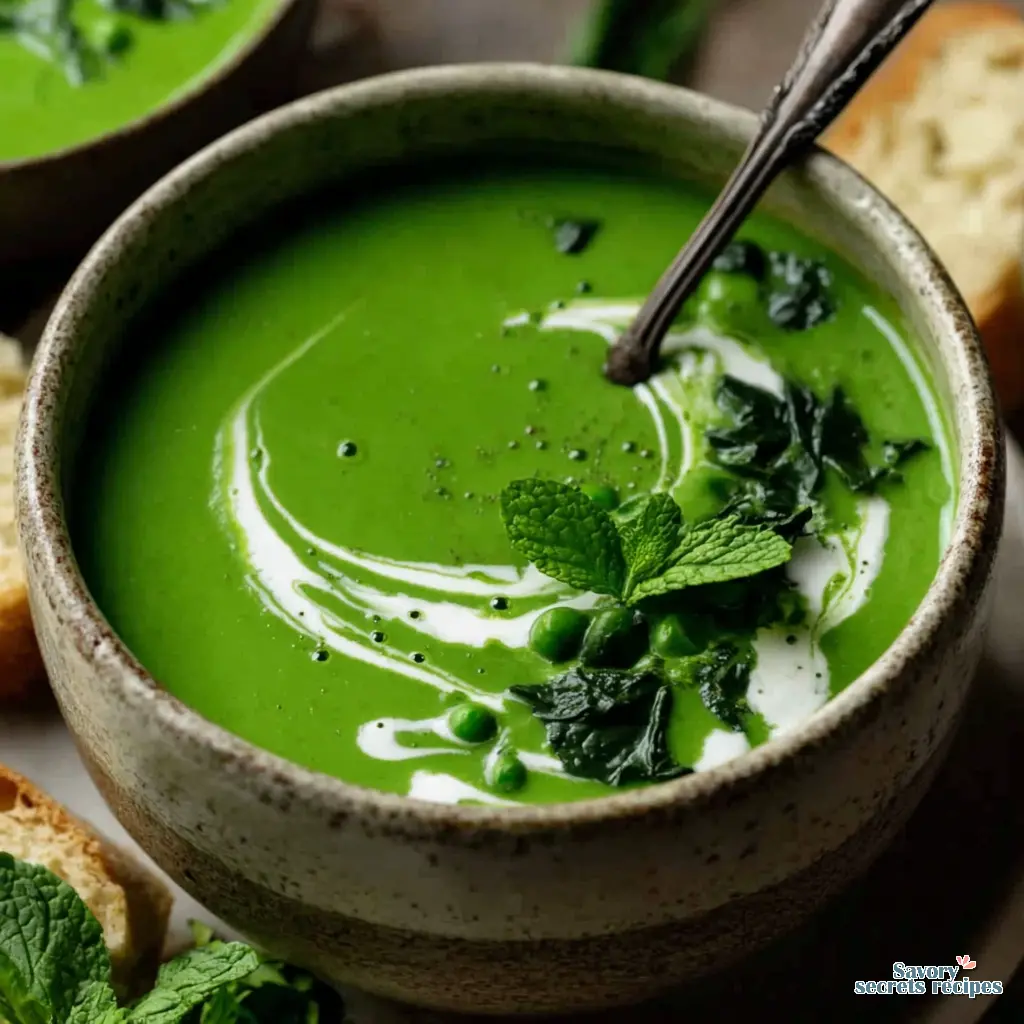
When plating, pour the vibrant green soup into wide bowls. Add a swirl of crème fraîche. The rich, slightly tangy cream cuts through the sweet peas beautifully. Garnish with a few delicate pea shoots and serve it with some crusty garlic toast. It is incredibly moreish. Your family will be genuinely impressed. If you enjoy this combination, you might also like my pea mint and asparagus soup which adds another layer of spring flavour.
Storage and Freezing Guidelines for Fresh Pea Soup
Proper storage is just as important as the cooking process. I treat storing soup with the same care I give my fermentation jars. If you have leftovers, let the fresh pea and mint soup cool completely before putting it in the fridge. Putting a hot container in the fridge raises the internal temperature of your appliance, which is a food safety risk.
Store it in an airtight container in the fridge for up to three days. It will thicken slightly as it sits. When reheating on the stovetop, just whisk in a splash of vegetable bouillon or water to loosen it back to that silky texture.
Frequently Asked Questions
Making this fresh pea and mint soup always reminds me that the best food doesn’t need to be overly complicated. It just needs a bit of attention to detail and respect for the ingredients. Whether you are shelling fresh pods from the farmer’s market or grabbing a bag from the freezer aisle, the result is a bowl of absolute comfort. The pH came out exactly where it should be, so to speak.
I genuinely love the moment when you take that first spoonful and taste the bright, clean flavour of spearmint and sweet peas. It never gets old. If you give this a try, let me know how your colour turns out. For more seasonal inspiration and preserving ideas, browse my Pinterest boards where I save all my favourite vegetable-forward recipes. Put the kettle on, grab your blender, and enjoy.
Reference: Original Source
What is the secret to keeping fresh pea and mint soup bright green?
The absolute key is timing. You must cook the peas for only two to seven minutes. If you are serving it chilled, use an ice bath immediately after blanching to lock in the chlorophyll. Overcooking destroys the cell walls and turns the soup a dull grey.
Can I use frozen peas for a traditional english pea and mint soup recipe?
Yes, absolutely. Frozen peas are frozen at their peak freshness and work perfectly as a 1:1 substitute. Just make sure to defrost them under a cold tap first so they don’t drop the temperature of your hot pan when you add them.
How do you shell peas for soup efficiently at home?
Pinch the top stem of the pod and pull the string down the seam. Pop the pod open with your thumbs and push the peas out in one motion. It is a brilliant, repetitive task. Get someone to help you and make a cup of tea first.
What are the best side dishes to serve with a fresh pea soup?
I love serving this with thick slices of toasted sourdough rubbed with raw garlic. It also pairs beautifully with a sharp West Country Cheddar toastie or a very light, lemony courgette salad. You want something with a bit of crunch to contrast the silky puree.
Can you freeze leftover spring soup recipes without losing the flavor?
Yes, this freezes exceptionally well for up to three months. However, I highly recommend freezing it before you add any dairy like crème fraîche. Dairy can separate and become grainy in the freezer. Just add the fresh cream when you reheat it.