



Green Tomato Salsa Recipe for Garden Leftovers
Ingredients
Method
- Peel the garlic and onion. Quarter the onion. Remove the seeds and ribs from the jalapeño, reserving the seeds for later use. Quarter large tomatoes or leave them whole if small.
- Arrange the green tomatoes, garlic, onion, and jalapeño on a baking sheet. Broil on high for 4 to 5 minutes until the vegetables begin to char.
- Flip and rotate the vegetables, then broil for an additional 4 to 5 minutes.
- Transfer the roasted vegetables to a food processor or blender, incorporating only half of the jalapeño.
- Add the cilantro, kosher salt, and lime juice. Pulse until the mixture reaches your desired consistency.
- Taste the salsa and add the remaining jalapeño or seeds for more heat if desired. Serve warm, at room temperature, or chilled. Store in the refrigerator for up to one week.
Nutrition
Notes
Saving the Harvest (And Your Taco Night)
Here’s the deal. You walk out to the garden hoping for one last basket of red jewels, but instead, you find a frost warning on your weather app and a vine full of stubborn, hard green cherry tomatoes. Most people toss them. My grandfather Vicente would have called that a sin. In his taqueria, nothing went to waste, especially not something with as much potential as an unripe tomato.
I used to think green cherry tomato salsa was just a backup plan. A consolation prize for the gardener who couldn’t beat the calendar. But honestly? I was wrong. After years of manning the grill and learning that fire can fix almost anything, I’ve realized that these little tart bombs are actually superior to their red cousins for salsa. They have a snap and acidity that cuts right through rich, fatty tacos or a heavy winter roast. It is the kind of brightness you didn’t know you needed until you taste it.
This isn’t just about avoiding food waste, though that tracks. It is about creating a green cherry tomato salsa that rivals anything you’d get at a high-end Mexican restaurant in LA. We are going to roast them until they blister, blend them with just enough heat to wake you up, and balance that natural tartness so it sings instead of bites. Let me walk you through this.
Green-Ripe vs. Unripe: Knowing the Difference
Before we fire up the broiler, we need to get our definitions straight. Not all green tomatoes are created equal. You have varieties like Green Zebras that are bred to stay green when they are fully ripe. Those are sweet and soft. That is not what we are using here.
For this recipe, we want the unripe stuff. The standard red cherry tomatoes that simply ran out of time. They should be hard to the touch. Firm. Almost like a marble. These are packed with solanine and tomatine, which gives them that distinct astringent bite. Real talk, raw green tomatoes can be a bit much. They can taste metallic or overly sour. That is why we cook them. Heat breaks down those compounds and mellows the flavor into something tangy and complex.
If you are shopping at Ralphs or Whole Foods and can’t find green cherry tomatoes, you can absolutely substitute tomatillos. But the texture will be different. Tomatillos are stickier and more gelatinous. Unripe cherry tomatoes give you a cleaner, brighter salsa that holds its texture better on a chip.
The Broiler Method: Faking the Grill
I am a live-fire guy. I prefer mesquite charcoal and a heavy grate. But I also live in the real world where firing up the offset smoker for a pint of salsa isn’t always practical on a Tuesday night. The good news? Your oven broiler is a beast if you know how to use it.
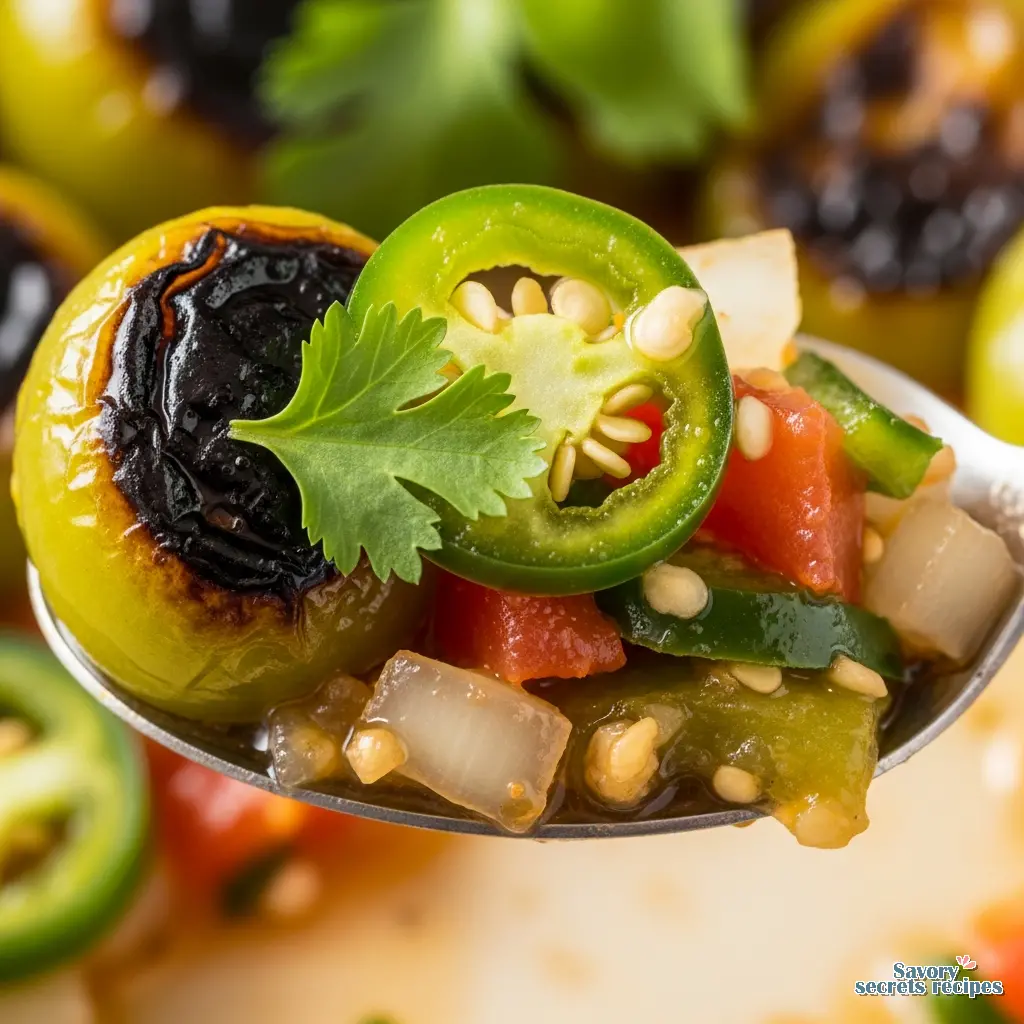
We need char. We need that black, blistered skin that screams flavor. My grandfather used to roast ingredients directly on the gas burner, turning them by hand until his fingers were callous and the chiles were black. We are going to be a little safer about it.
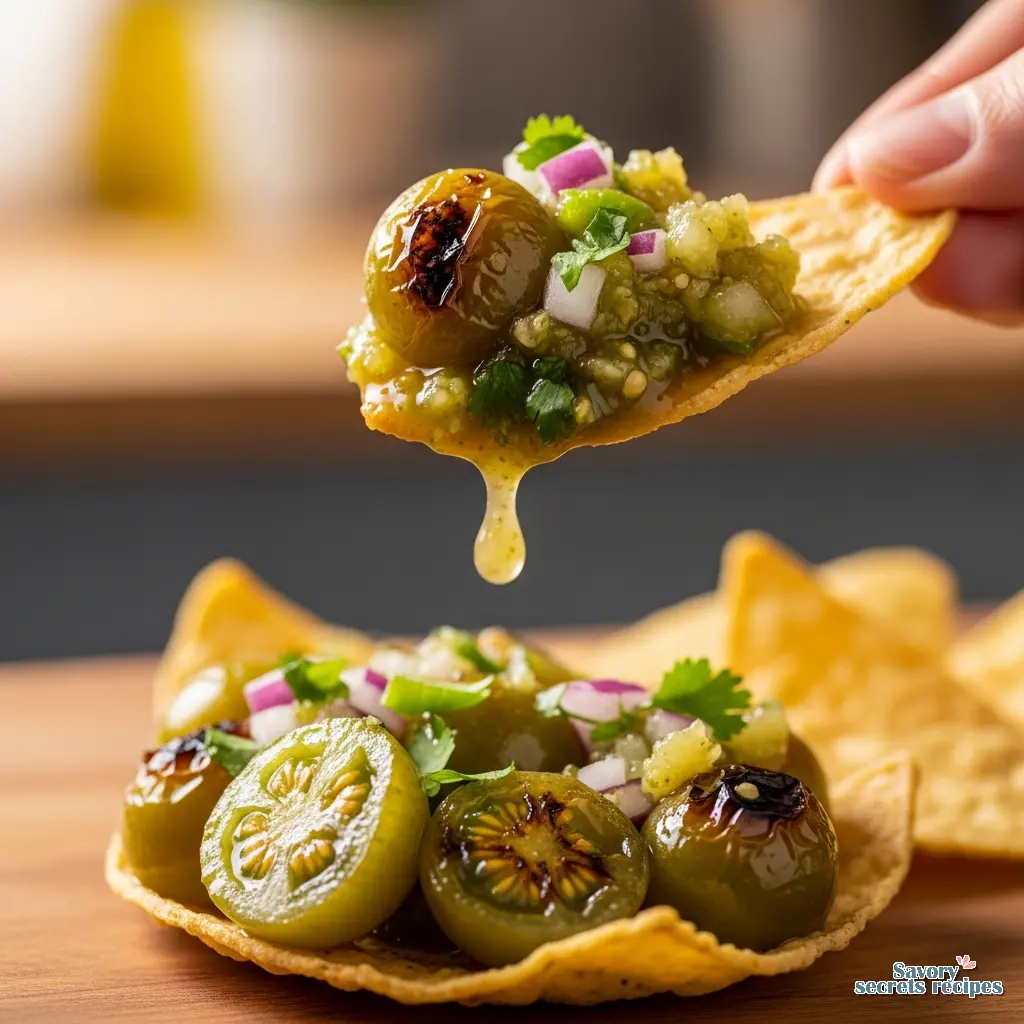
Spread your green cherry tomatoes, onion wedges, and jalapeños on a baking sheet. Get them close to the heating element. I mean close. Like, top rack, two inches away. You want them to blister fast before they turn into mush. Trust your eyes here, not the clock. You are looking for blackened spots and splitting skins. It usually takes about 5 to 7 minutes, but ovens vary wildy. Don’t walk away. The difference between “perfectly charred” and “carbonized” is about thirty seconds.
The Science of Balancing Acidity
Here is where most people mess up green cherry tomato salsa. They treat it like red salsa. You can’t do that. Unripe tomatoes are significantly more acidic. If you just blend them up with lime juice, it might strip the enamel off your teeth. I kid, but only slightly.
You need a counterweight. In the recipe, you’ll see I include a pinch of sugar or honey. I know, I know. “Sugar in salsa?” Trust me on this. We aren’t making dessert. We are neutralizing the pH just enough to let the fruit flavor come through. It is the same principle as adding lime to a fatty brisket taco you need balance. This balance is also key when preparing a rich and savory green tomato casserole.
Also, go easy on the lime juice at first. The green tomatoes bring their own tartness. Pulse the mixture, taste it, and then add the lime. You can always add more acid, but you can’t take it out once it’s in there. If you find it’s still too sharp, try roasting a clove of garlic along with the tomatoes. Roasted garlic gets sweet and creamy, which helps mellow out that green bite.
Texture Talk: Chunky vs. Smooth
My grandfather Vicente liked his salsa “martajad,” or stone-ground in a molcajete. It had texture. It had life. If you throw everything into a high-powered blender and let it run for a minute, you are going to end up with green gazpacho. That is not the goal.
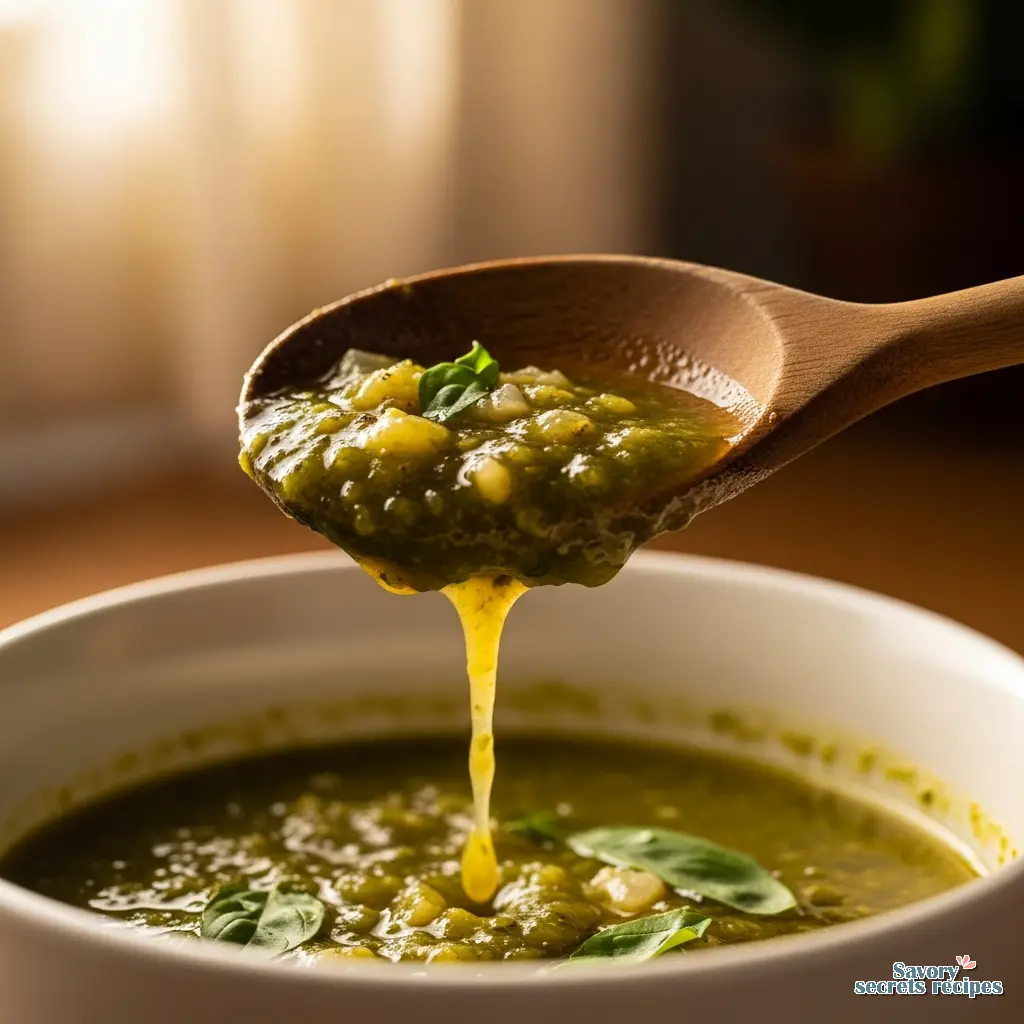
I use a food processor for this, or just the “pulse” setting on a blender. You want to see the ingredients. You want to be able to identify a piece of onion or a speck of cilantro. It should have body. If you over-process it, you release too much water from the cell walls of the tomato, and you get a watery mess. Nobody likes watery salsa on a taco. It just drips down your arm.
Pro-Tip: If you accidentally blend it too much and it’s watery, don’t panic. You can strain a little bit of the liquid out, or stir in some diced avocado. The fat from the avocado loves that acidity and thickens the whole thing up beautifully.
Serving Suggestions
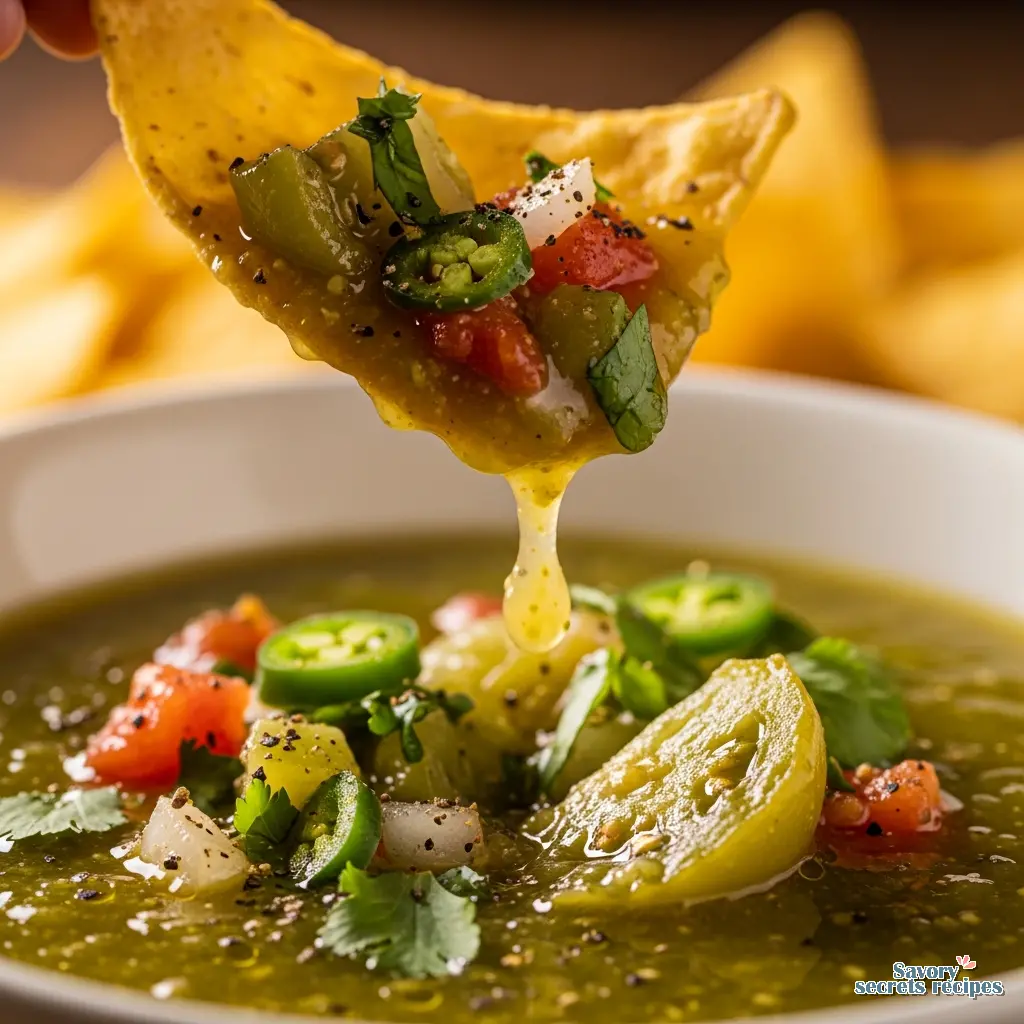
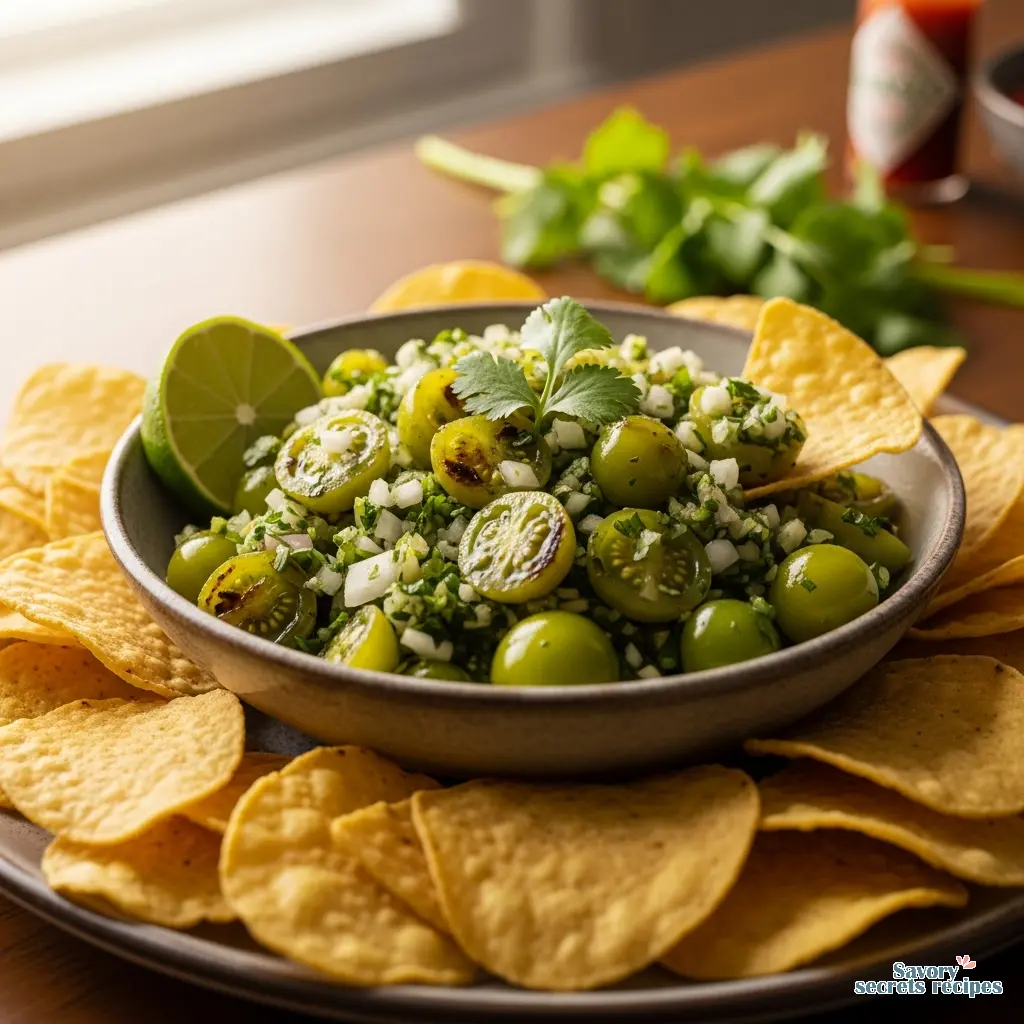
So you have nailed the green cherry tomato salsa. Now what? Obviously, chips are the default. But this stuff is versatile. Because of its high acidity, it pairs incredibly well with rich, fatty foods.
I love spooning this over grilled salmon or a white fish like halibut. The char from the salsa picks up the char from the grill, and the tartness cuts through the fish oils. It is also a game-changer on carnitas. The pork is heavy and savory, and this green salsa wakes the whole taco up. Honestly, I’ve even put it on scrambled eggs in the morning. It beats ketchup any day of the week.
Frequently Asked Questions
Storage & Leftovers
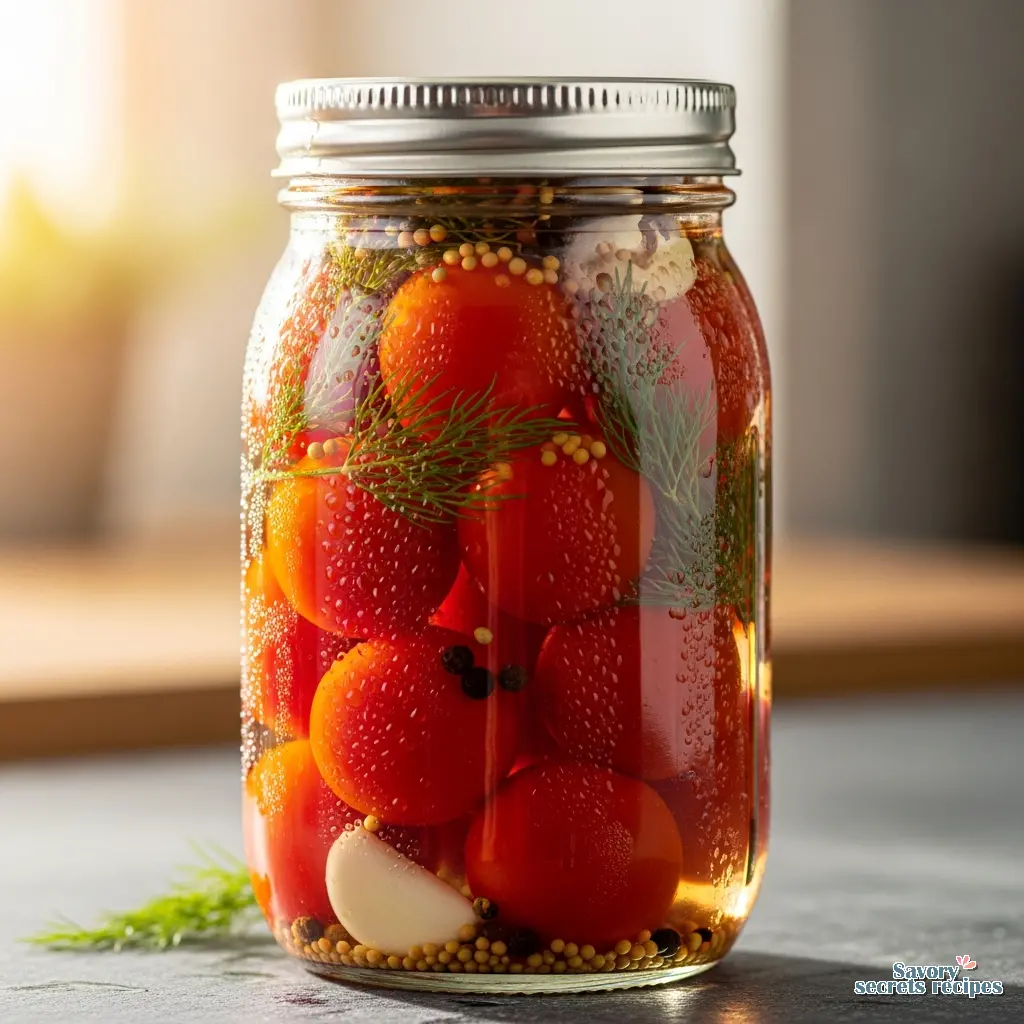
If you somehow don’t finish this in one sitting (unlikely, but it happens), storage is simple. Keep it in an airtight container in the fridge. It will stay fresh for about 5 to 7 days. In fact, I tend to think it tastes better on day two. The flavors have time to marry, the garlic mellows out, and the heat from the jalapeño distributes more evenly. For longer preservation, you can also learn how to make pickled tomatoes to keep that signature tang for months.
Can you freeze it? You can. I’ve done it when I had a massive harvest right before a freeze. Just know that when you thaw it, the texture will be softer. It won’t have that fresh “crunch,” but the flavor will still be spot on for cooking. I usually use the frozen stuff for soups or chili bases rather than for chips. They can also be simmered down into a concentrated green tomato sauce for use in future recipes.
Common Mistakes & Fixes
Mistake: The salsa is bitter or metallic.
Solution: This means the tomatoes were very unripe. Add a pinch more sugar or honey, and a little more salt. Salt suppresses bitterness.
Mistake: It looks brown instead of green.
Solution: You likely over-roasted the vegetables or mixed in too many red tomatoes. Next time, pull them from the broiler as soon as they blister.
Mistake: It’s way too spicy.
Solution: The heat is in the seeds and membrane of the jalapeño. If you didn’t remove them, it can get hot. Add more tomato or some avocado to dilute the heat.
Final Thoughts
There is something incredibly satisfying about taking a basket of “inedible” hard green fruit and turning it into the star of the table. It feels like a secret hack, a little victory against the seasons. When your friends ask for the recipe, you can tell them it’s an old family secret, or you can just tell them to stop throwing away their green tomatoes.
Give this a shot next time you see those green cherry tomatoes at the market or in your backyard. Your garden will thank you for this second act. For more inspiration on how to use your harvest, check out my Pinterest boards where I share all my grilling and garden experiments.
Reference: Original Source