



Homemade Fresh Peach Cobbler Cake From Scratch
Ingredients
Method
- Preheat oven to 375°F (190°C). Toss sliced peaches with 1 cup granulated sugar and optional spices, then spread into a baking dish.
- Whisk flour, 1/2 cup granulated sugar, baking powder, and salt in a separate bowl. Cut in cold butter until the mixture resembles coarse crumbs.
- Mix in milk and vanilla until just combined. Spoon the topping over the peaches in the baking dish, leaving gaps.
- Bake for 40-50 minutes until the topping is golden brown and the peach filling is bubbly. Check for doneness by inserting a skewer into a peach slice.
- Cool for 15-20 minutes before serving.
Nutrition
Notes
Kick Off Summer with a Homemade Peach Cobbler Cake from Scratch
I spend most of my week down at the San Diego docks. I am usually looking for that slight translucence in a fresh catch, judging the quality of rock cod by eye and touch. But right around Memorial Day, my focus shifts entirely to the local farmers market. There is a specific smell that hits you in late May. It is a mix of warm asphalt, coastal morning fog, and the sweet, heavy scent of fresh freestone peaches sitting in cardboard flats.
I remember my grandfather bringing home sardines still cold from the morning catch in Essaouira. He would grill them whole over charcoal in the courtyard. The smell of that smoke mixed with Atlantic salt air is still the first thing I think of when someone says fresh food. He taught me to respect the raw ingredient. That exact same principle applies to summer fruit. When you want to bake a proper homemade peach cobbler cake from scratch, the fruit will tell you when it is ready. You cannot force it.
My daughter refuses most fish, but she will eat grilled shrimp if I let her peel them herself. Last week she announced she would only eat the ones with stripes. I eventually figured out she meant spot prawns. Now I am raising a child with expensive taste. Thankfully, her dessert requests are much simpler. The juice running down your arm while slicing fresh peaches, the clink of the whisk against the bowl. That is the kind of rustic, golden summer dessert we both agree on. Let’s get into how to build it properly. If you only need a single serving, a peach cobbler cake in a cup provides a quick microwave solution for late-night cravings.
Why This Homemade Peach Cobbler Cake from Scratch Works
Let me think that through for a second. Why do we even call it a cobbler cake? It is not really a traditional cobbler. Well, it is, but it has a distinct, tender crumb that feels more like a buttery pound cake. Most people rely on boxed cake mixes for this kind of dump-style dessert. I get the appeal of saving time, I really do. But those mixes leave a metallic, chemical aftertaste that completely masks the seasonal fruit.
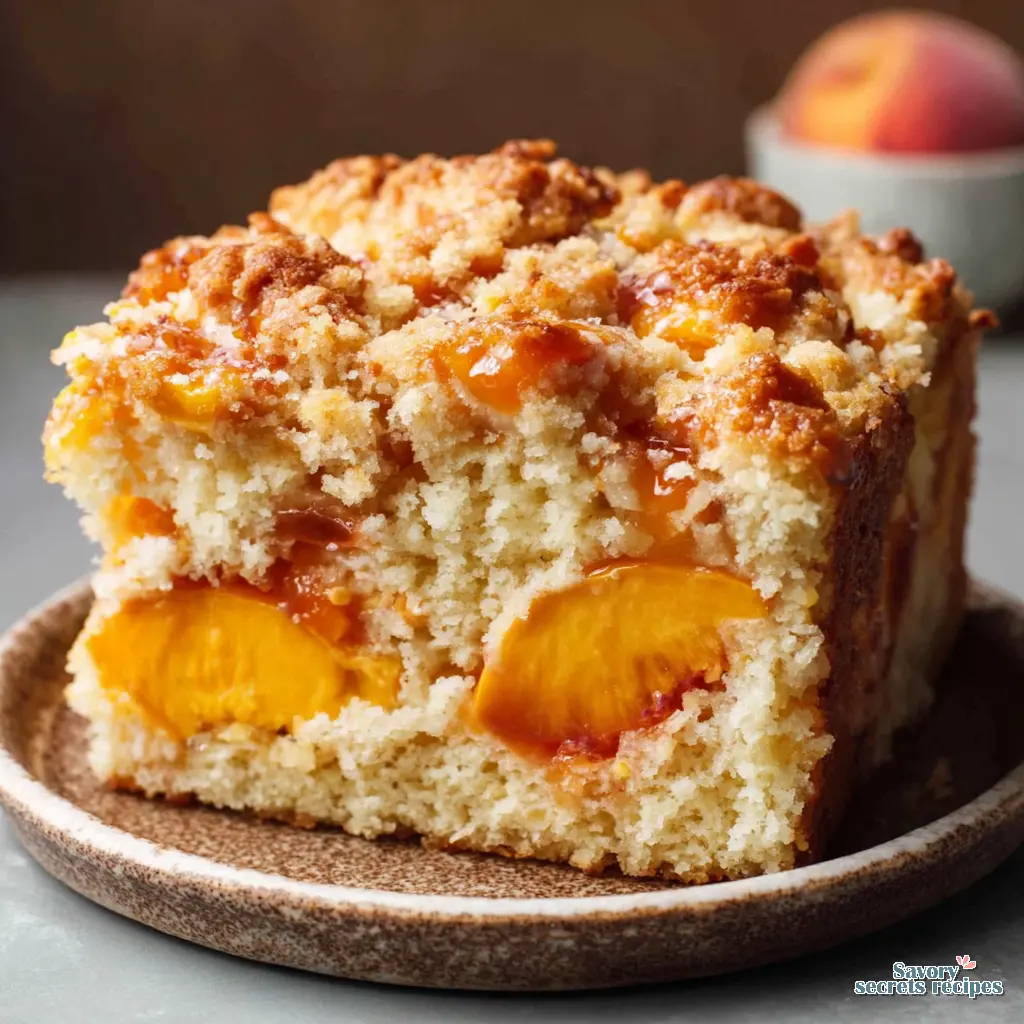
In my experience, making a homemade peach cobbler cake from scratch is actually just as fast. We use what old-school bakers call the Cuppa Cuppa ratio. It is a brilliantly simple concept. One cup of all-purpose flour, one cup of sugar, one cup of whole milk. You whisk it together, pour it over melted butter, and drop your macerated peaches right on top.
The magic happens in the oven. The batter-bottom method means the cake actually rises up and swallows the fruit as it bakes. You get this incredible textural contrast. A golden crust on the edges where the batter fries in the butter, a soft interior where the fruit juices seep into the crumb, and a sugary, crisp top. That is the difference-maker. You just cannot get that from a cardboard box. If you prefer a simpler method, a 3-ingredient peach cobbler dump cake with sprite provides a sweet and bubbly result with minimal effort.
Visual Ripeness Guide for Fresh Peaches
I tend to think people overcomplicate peach selection. You are looking for a few specific visual and tactile cues. First, look for fresh freestone peaches if you can find them. Clingstone varieties will just frustrate you when you try to pit them, and nobody wants mangled fruit in their cake.
Check the color near the stem. It should be fully yellow or orange, with absolutely no green. Give it a gentle squeeze. It should have a little give, but it shouldn’t feel bruised or mushy. If they are rock hard, leave them on your counter in a brown paper bag for a day or two. Using peaches that are too hard or unripe is a guaranteed way to ruin a homemade peach cobbler cake from scratch. They lack flavor and won’t release enough juice to flavor the batter.
Now, about peeling. I like skin-on fish fillets because the skin protects the flesh and crisps beautifully. Honestly, I feel the same way about peaches in a rustic dessert. The skins soften during baking and add a gorgeous rosy color to the dish. But I always include skinless instructions because reader feedback tells me it matters. If you must peel them, score the bottoms with an X, drop them in boiling water for thirty seconds, and shock them in ice water. The skins will slip right off.
Ingredient Overview & Substitutions
A true homemade peach cobbler cake from scratch requires very few ingredients. That means each one needs to pull its weight. Here is what I lean toward when stocking my kitchen for this bake.
All-Purpose Flour: This provides the perfect structure. Spoon and level your flour into measuring cups rather than scooping directly from the bag. Scooping packs the flour down and leads to a dense, tough cake. Better yet, use a kitchen scale. You want exactly 130 grams.
Whole Milk: You need the fat content for a tender crumb. If you want a richer texture, you can substitute cream or half-and-half. Some folks swear by using plain, full-fat Greek yogurt or sour cream instead of milk. The acidity tenderizes the gluten, creating an incredibly soft cake.
Melted Butter: Unsalted is traditional, but I will be honest with you. Salted butter adds so much more flavor. It balances the sweetness of the granulated sugar beautifully.
Baking Powder & Kosher Salt: Check your baking powder expiration date. If it is dead, your cake will be a flat pancake. And always use kosher salt. It dissolves better and does not have that sharp, metallic bite of table salt.
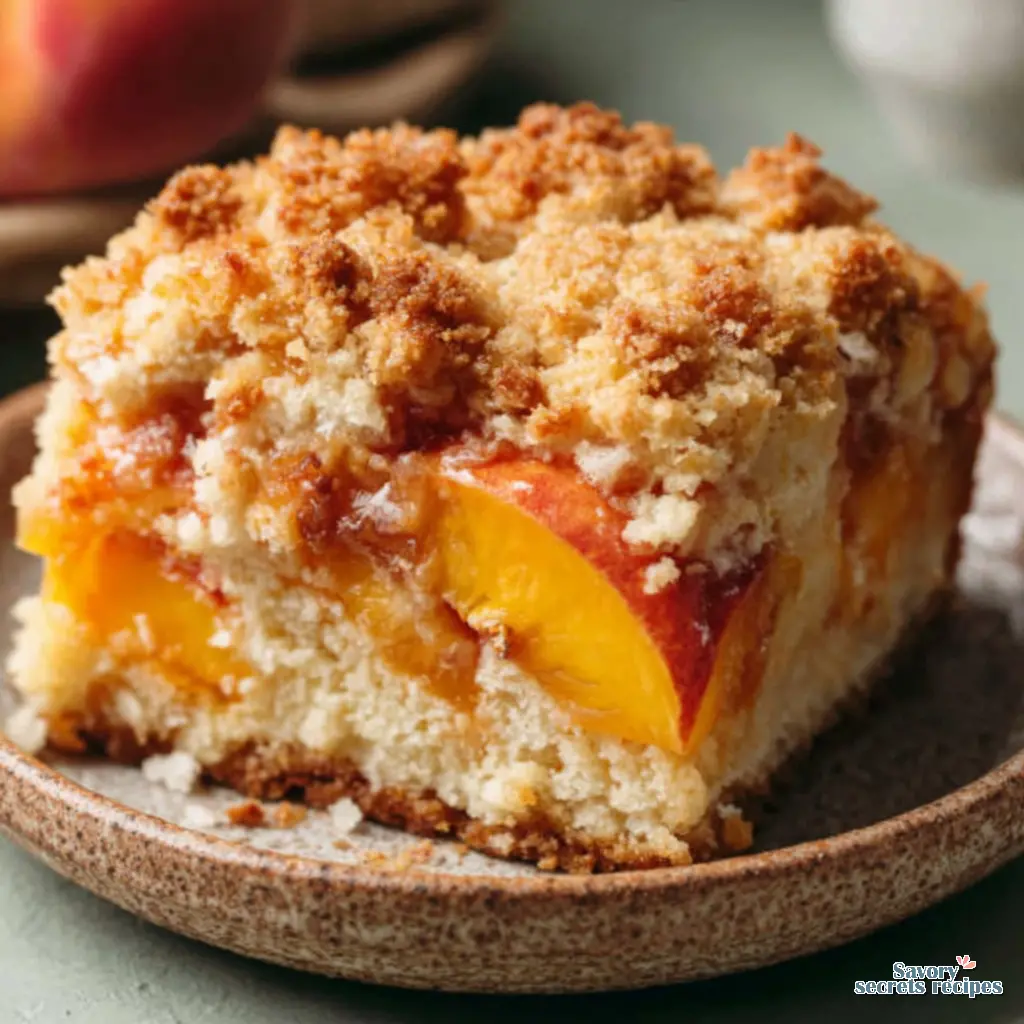
Essential Baking Tools for Success
I learned to properly sear fish from a line cook in Boston back in 2014. He showed me that most people move the food too early, before the proteins release from the pan. Let it tell you when it is ready, he said. Baking is different. You cannot touch it while it cooks, so your equipment has to do the heavy lifting.
You really should use a cast iron skillet for this. A 9-inch or 10-inch skillet retains heat perfectly. When you pour the batter over the melted butter in a hot skillet, the edges literally fry. That creates a crispy, buttery crust that a glass or ceramic dish just cannot replicate. Alternatively, you can skip the oven entirely by making a slow cooker peach cobbler dump cake, which is perfect for hot summer days.
Grab an oven thermometer, too. Early in my editing career, I published a recipe with a cooking time that worked for my oven but not for most home ovens. We got dozens of emails about overcooked food. I learned an expensive lesson in reader trust. Most home ovens run 15 to 20 degrees off. An independent thermometer ensures your homemade peach cobbler cake from scratch bakes evenly.
The Science of the Crumb
I genuinely love the problem-solving aspect of cooking. Figuring out why something didn’t work and then testing until it does. The biggest issue home bakers face with this batter is a tough, rubbery texture.
Here is the science behind it. When you mix flour with liquid, gluten proteins begin to form. If you beat the batter aggressively, you create strong elastic gluten networks. That is great for sourdough bread. It is terrible for a tender summer dessert cake. You want a light hand here. Whisk the wet and dry ingredients just until they come together. A few lumps are perfectly fine. Trust the texture more than the clock.
As the cake bakes, the baking powder reacts with the heat and liquid, creating carbon dioxide bubbles. Because the fruit is heavy, the lighter batter rises up through the macerated peaches. Gently folding the peaches into the batter, or spooning them carefully over the top, prevents them from breaking apart and turning the whole thing into a soggy mess.
Common Mistakes & Fixes
❌ Mistake: Using unthawed frozen peaches.
✅ Solution: This causes severe sogginess. Always thaw and drain frozen peaches completely before adding them to the batter to prevent excess moisture.
❌ Mistake: Inaccurate flour measurement.
✅ Solution: Using a measuring cup as a scoop packs the flour tight. Spoon and level the flour, or use a kitchen scale for precise weight.
❌ Mistake: Glazing the cake while it is still warm.
✅ Solution: The glaze will slide right off and make the crust soggy. Let the cake cool completely before applying any glaze or frosting.
Pro Tips for the Best Texture
From what I’ve seen over years of testing, moisture control is everything. I once ruined an entire test batch of halibut because I didn’t pat it dry. The crust wouldn’t form. The same logic applies to fruit desserts. If you use canned peaches, you have to drain all the liquid. Look for no sugar added versions, though honestly, fresh is best if you want to avoid a mushy texture.
If you are using frozen fruit, thaw and drain them thoroughly before adding them to the pan. Extra water is the enemy of a golden crust. Prepare your cake pans or skillet thoroughly to prevent sticking. Buttering the pan generously is not just for flavor, it is structural insurance.
Here is a trick I learned from a pastry chef. If you are making a dump-style variation of this cake, grating cold butter over the top creates a significantly crisper crust than just pouring melted butter. It distributes the fat evenly, creating tiny pockets of steam that lift and crisp the flour.
Recipe Variations & Flavor Twists
Once you master the basic homemade peach cobbler cake from scratch, the variations are endless. I highly recommend combining blueberries and peaches. The tartness of the berries cuts through the sweet peach juice beautifully.
You can easily substitute other stone fruits. Plums or nectarines work flawlessly with this exact same batter ratio. If you want to add some texture, sprinkle a cinnamon sugar streusel layer over the top before baking. The crunch is phenomenal.
If you are serving this for a special occasion and want to dress it up, try a brown butter frosting instead of a standard buttercream. Just remember, if you make a cream cheese frosting, beat the butter and cream cheese for a full two minutes for the creamiest texture. And again, let the cake come to room temperature first before frosting.
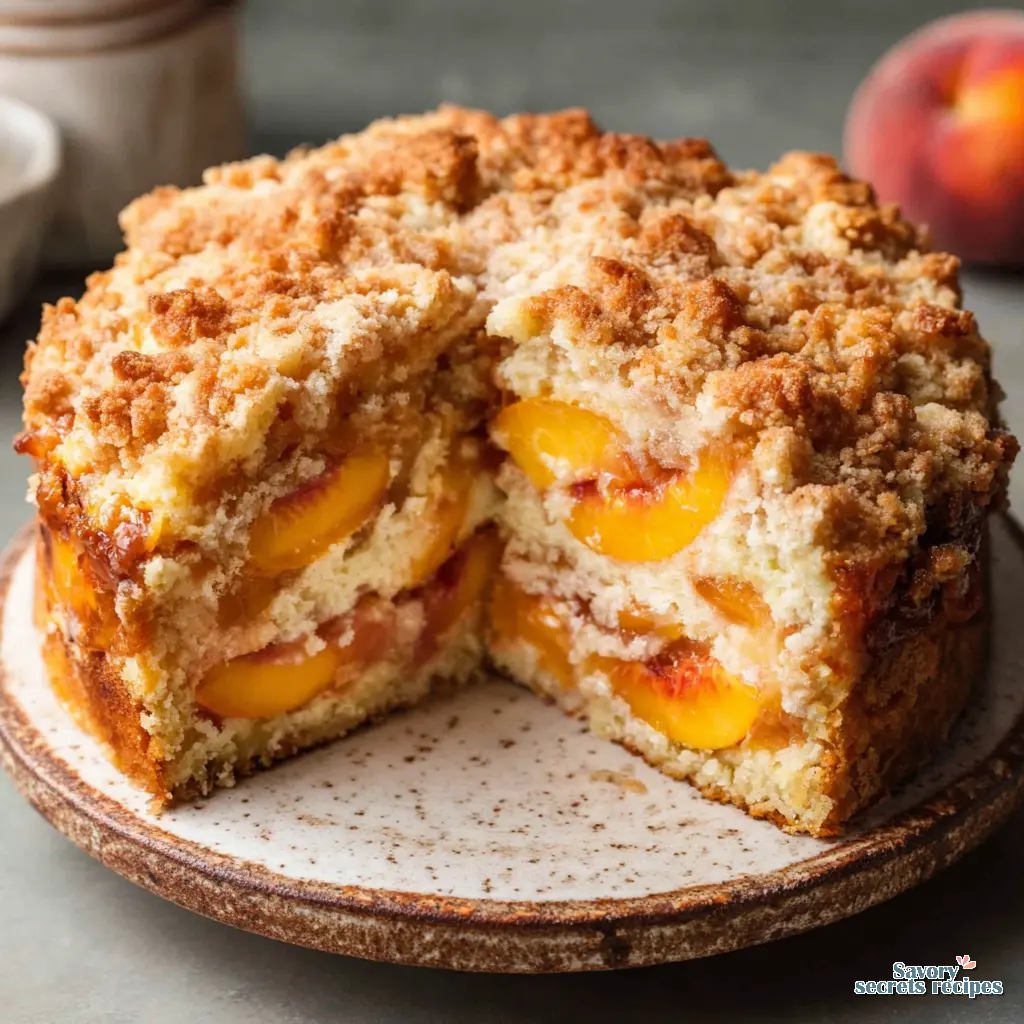
Storage, Freezing & Detailed Reheating Guide
I go back and forth on whether home cooks really want to deal with precise reheating instructions, but nobody wants a soggy day-old dessert. Proper storage is worth considering if you want leftovers to taste as good as day one.
If left unglazed, you can store your homemade peach cobbler cake from scratch in an airtight container on the countertop for about two days. For longer storage, keep it in an airtight container in the refrigerator for four to five days. It actually tastes fantastic served cold directly from the fridge. The buttery crumb firms up beautifully.
To freeze it, wrap the completely cooled cake tightly in plastic wrap, then cover it in aluminum foil. It lasts up to three months this way. When you are ready to eat it, thaw it overnight in the fridge. To reheat, place slices in a 350°F oven for about ten minutes. The oven heat is crucial here. A microwave will just turn the cobbler crust rubbery. You want to revive those crispy, buttery edges.
Frequently Asked Questions
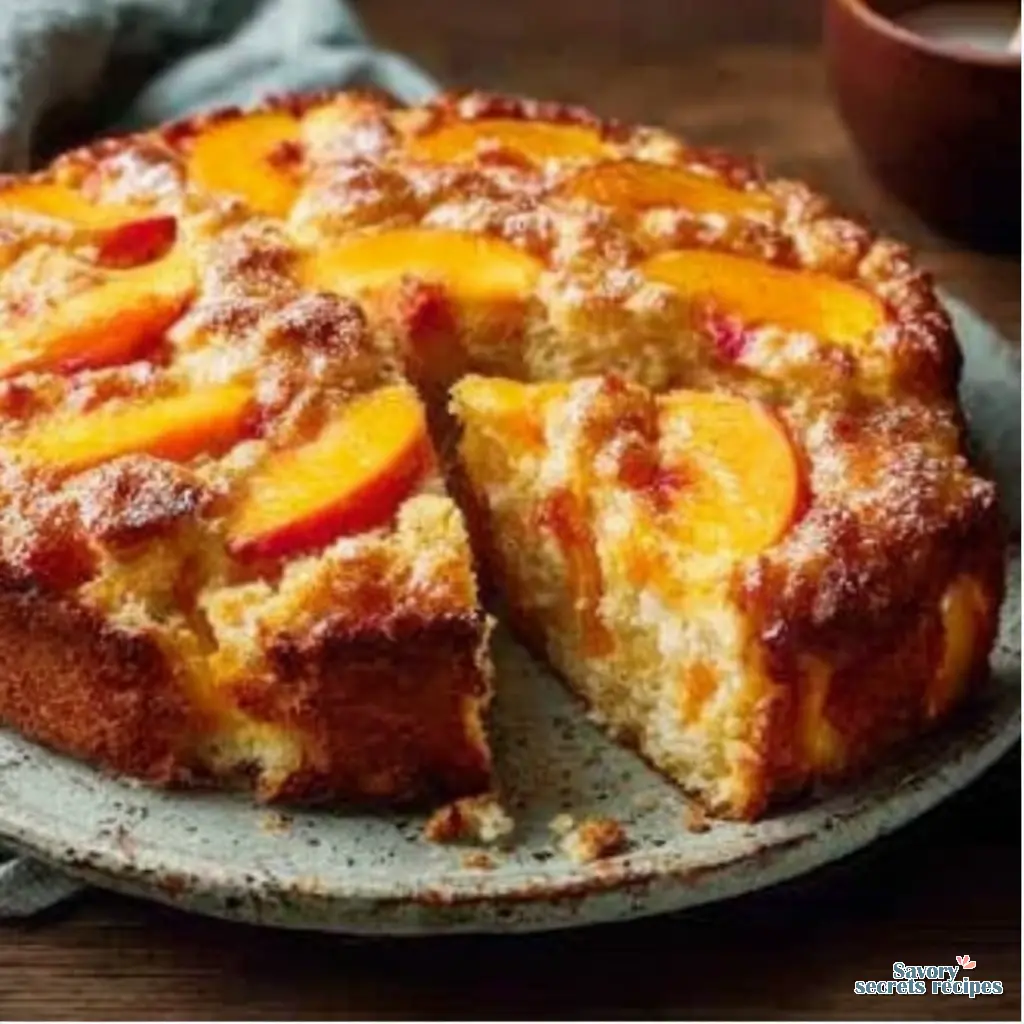
Final Thoughts From the Kitchen
There is something deeply satisfying about pulling a hot cast iron skillet out of the oven, seeing that golden crust form, and smelling the sweet summer fruit bubbling up through the batter. It takes me right back to those summer evenings in Essaouira, chasing that specific combination of simple ingredients treated with respect.
The first warm, buttery bite of a homemade peach cobbler cake from scratch makes all the minimal prep work completely worth it. Serve it warm with a generous scoop of vanilla ice cream melting over the top, or pair it with some fresh whipped cream. I would love to know what peach variety you end up using. Drop a comment and let me know how it turns out for you.
If you want more seasonal inspiration and techniques that actually work in a home kitchen, browse my Pinterest boards. I am always saving new flavor variations there.
Source: Nutritional Information
How long will a homemade peach cobbler cake from scratch last in the fridge?
In my experience, it stays fresh for four to five days in the refrigerator. Just make sure you keep it in a tightly sealed airtight container so the cake doesn’t absorb any strange fridge odors or dry out around the edges.
Can I freeze peach cobbler cake?
Absolutely. Let it cool completely, then wrap it tightly in a layer of plastic wrap followed by a layer of aluminum foil. It holds up beautifully in the freezer for up to three months. Just thaw it overnight in the fridge before serving.
How can I tell if my cake is baked?
Trust the texture more than the clock. Insert a wooden toothpick into the center of the cake part, avoiding the fruit pockets. It should come out clean or with a few moist crumbs attached. If you see wet, gooey batter, it needs more time.
Can I use frozen peaches for this homemade peach cobbler cake from scratch?
You definitely can, but there is a catch. You must thaw them completely and drain away all the excess liquid first. If you throw frozen fruit straight into the batter, the ice crystals will melt and turn your cake incredibly soggy.
My cake came out dry. What happened?
This usually comes down to flour measurement. If you scooped your measuring cup directly into the flour bag, you likely packed in too much flour. Always spoon and level it, or use a kitchen scale. Overbaking is the other common culprit.
Can I use canned peaches instead of fresh?
Yes, but fresh freestone peaches are always my first choice for texture. If you must use canned, drain them aggressively. The heavy syrups will alter the sugar ratios in the batter, so look for varieties packed in water or with no sugar added.